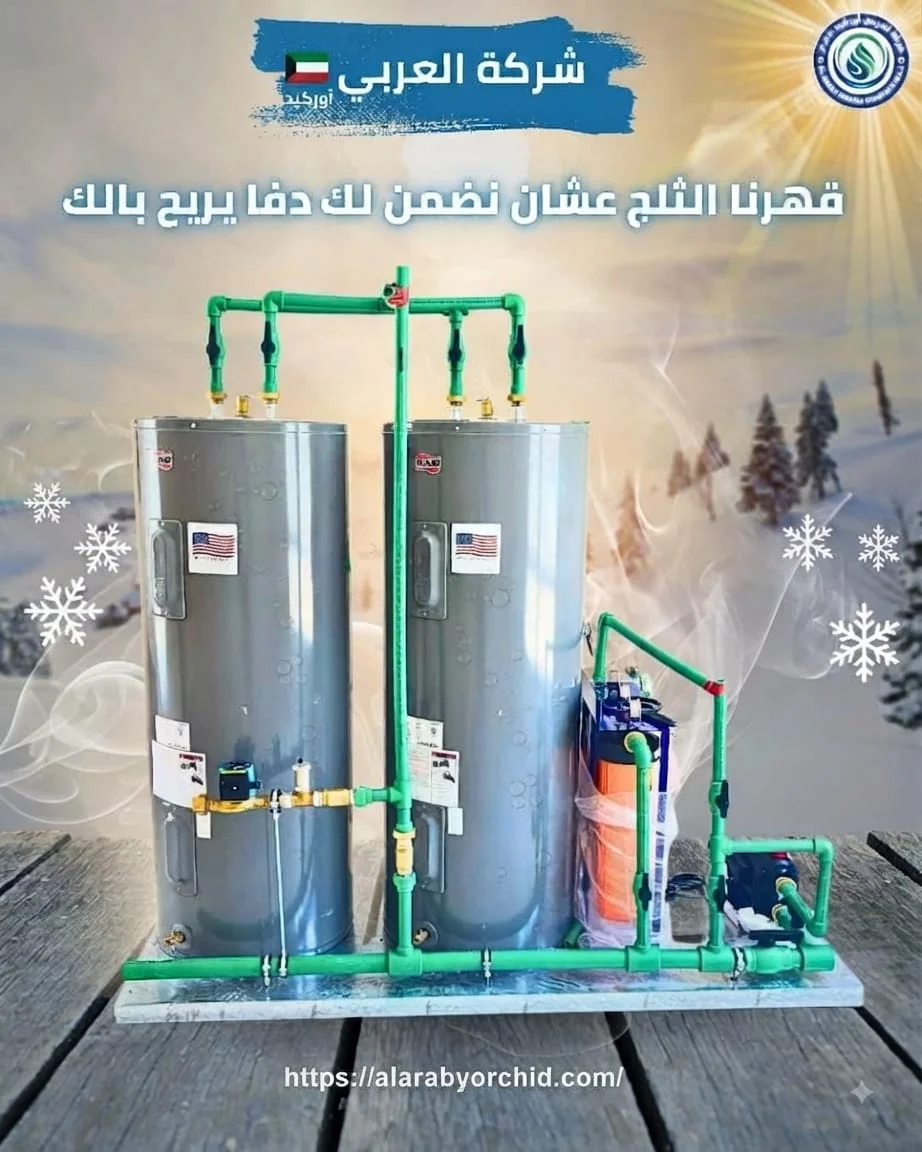
Before choosing between a central electric water heater and a traditional heater, it is important to define the comparison correctly. In this article, “traditional heater” refers to an individual or local heater serving one bathroom or a specific point of use, which is how the term is commonly used in the market rather than as a formal engineering classification. A central electric heater stores and heats water at one main location and distributes it to several bathrooms and the kitchen, while a local heater places the heat source closer to where the water is actually used. The right choice depends not only on purchase price but also on the number of bathrooms, simultaneous use, pipe length, electrical load, heat loss, and long-term maintenance requirements.
Central Electric Water Heater or Traditional Heater
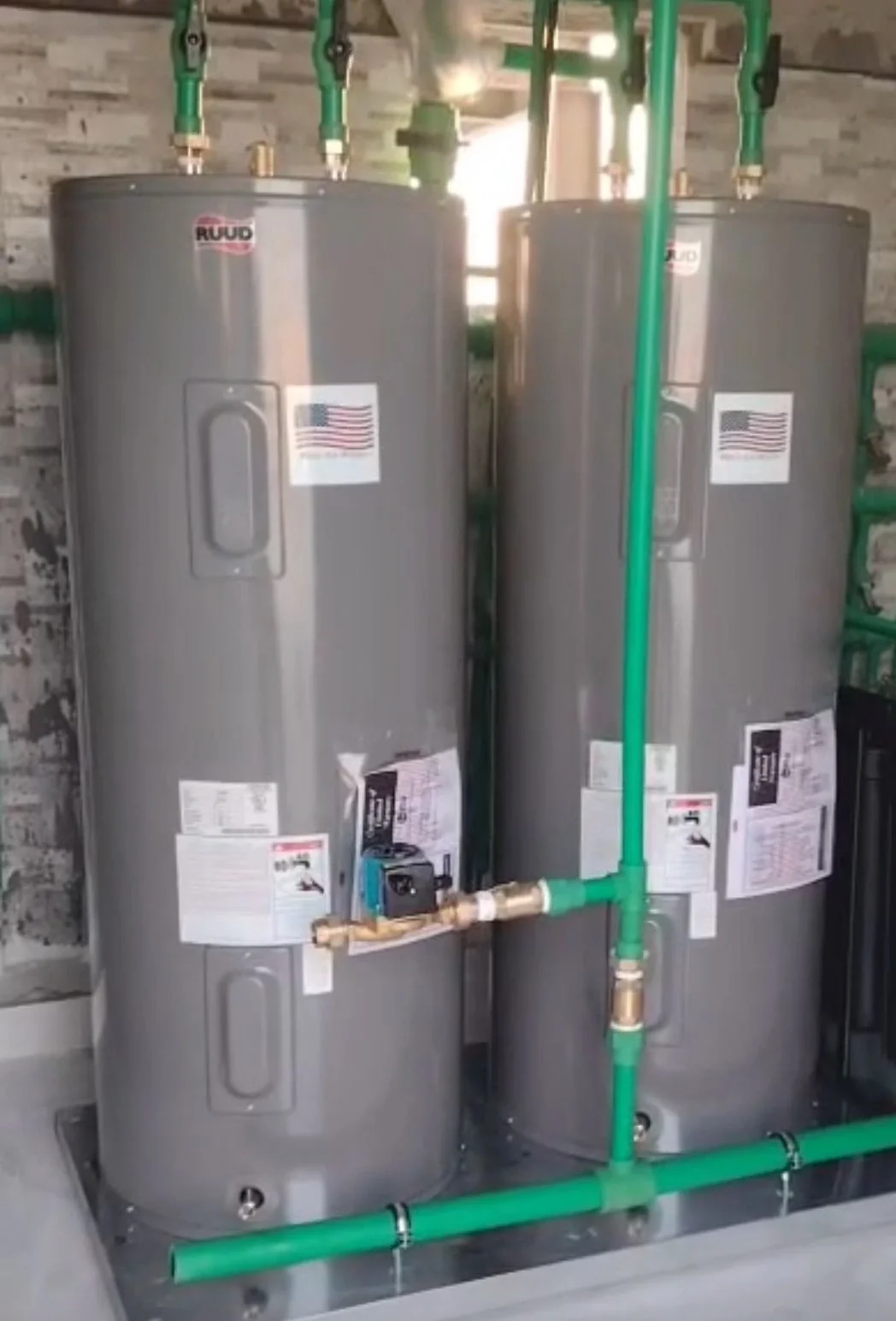
The comparison between a central electric water heater or traditional heater should begin with the layout of the property rather than with the name of the appliance. If you have a home with several bathrooms, a kitchen, and repeated simultaneous hot-water demand, one properly sized central storage system can be easier to manage because the entire property is served from one main hot-water source instead of several separate heaters installed in different locations. On the other hand, if the home is small or the hot-water points are located very far apart and each one has limited demand, a local heater positioned closer to the point of use may sometimes be more practical.
The second issue is how hot water reaches the user. A central heater can hold a large volume of fully heated water, but if the bathroom is dozens of meters away, the cooler water standing inside the hot-water pipe has to leave before newly heated water reaches the shower. Energy-efficiency guidance explains that conventional central distribution systems leave cooled water inside the pipe between the heater and the fixture, and that demand-controlled recirculation can reduce both waiting time and water waste. A local heater installed close to the bathroom usually has a much shorter delivery path, so hot water often arrives faster.
The third issue is dependence on one appliance. A central heater supplies the entire property, which can make maintenance and management simpler, but a major failure can affect every hot-water outlet. With individual heaters, the system is more distributed, so failure of one bathroom heater does not necessarily stop hot water in the rest of the property.
The fourth issue is electricity. A large central unit may require more electrical capacity than a small local heater, so heater size and heating-element power should be matched with the electrical infrastructure before purchase rather than after installation has already started.
-
A central heater is particularly suitable for homes that need one organized hot-water system serving several frequently used outlets throughout the day
-
An individual heater can be practical in smaller homes or separated spaces because the heat source remains close to the fixture and waiting time is usually reduced
-
Hot-water pipe length is part of the buying decision because even an excellent central tank cannot prevent delivery delay when the distribution network itself is long and poorly designed
-
Relying on one heater for the whole home simplifies service but makes system continuity dependent on one primary unit which makes correct product selection and installation even more important
-
The right decision is not central because it is larger or traditional because it is cheaper but the system that actually matches the number of outlets household habits and property layout
Difference Between Electric and Traditional Water Heaters
The difference between an electric and traditional water heater in this comparison is not simply the location of the tank. It is the way the complete hot-water system is structured. A central electric heater normally has one primary storage tank with hot-water piping extending to bathrooms and the kitchen and may also include a recirculation line and pump depending on the property design. A traditional local heater is located closer to the point of use and generally serves a much smaller area, so its hot-water distribution piping is shorter.
A clear advantage of the central arrangement is shared storage. When one large tank is installed, all bathrooms draw from the same stored hot-water reserve instead of the household capacity being divided among several smaller units. The downside is that peak demand has to be calculated correctly because several outlets can draw from the same tank during the same period.
An individual-heater arrangement divides the demand. The first bathroom has its own heater, the second bathroom has another, and so on. This reduces the dependence of one outlet on another, but over time it also increases the number of tanks, thermostats, heating elements, valves, electrical circuits, and safety components that may need inspection or replacement.
The difference also appears in distribution losses. Point-of-use water heaters reduce the distance between the heating source and the faucet, shower, or bathtub, which can reduce heat loss and waiting time compared with a distant central system. This can be particularly useful for a remote bathroom or annex located far from the main utility room.
However, being closer to the fixture does not automatically make the local heater the better choice. If a home has four heavily used bathrooms, installing, powering, and maintaining four independent units may become less convenient than one properly designed central system.
-
A central system combines stored hot water into one shared source while individual systems distribute storage or heating across several locations in the property
-
A central heater must be sized for simultaneous use because multiple bathrooms share the same supply while a local heater is more directly tied to the demand of one point
-
Individual heaters reduce distribution distance but increase the number of appliances that require inspection maintenance and eventual replacement
-
A central system can be simpler to control and service when all major components are organized in an accessible utility area
-
The real difference is not the appearance of the appliance but how electrical loads plumbing routes stored capacity and maintenance responsibilities are distributed over years of use
Comparing Water Heaters Before Buying
Comparing water heaters before buying should go beyond asking, “How many gallons is this one and how much does it cost?” The first step is identifying how much hot water the household needs during its busiest hour. When comparing storage heaters, the amount of hot water available during the first hour matters because tank size alone does not show how much hot water the unit can continue supplying while it reheats incoming replacement water.
The second step is comparing heating power. Two heaters with the same storage capacity can have different Recovery performance because their heating input and element-control design may differ. The third step is checking the actual electrical infrastructure: voltage, phase, breaker, cable size, and required circuit configuration. Buying a heater that requires electrical infrastructure that does not already exist means the real cost includes both the appliance and electrical modifications.
The fourth step is comparing distribution distance. If the central heater can be installed reasonably close to most bathrooms, the central option becomes more attractive. If the utility area is extremely far from an entire wing of the property, recirculation, zoning, or a local point-of-use solution may be better. Shorter and more direct hot-water piping generally reduces waiting time, water waste, and heat loss.
The fifth step is comparing maintenance. How many heaters will need service? Where are they located? Are replacement parts available? Can one unit be isolated without affecting the rest of the property? The sixth step is checking warranty terms in writing rather than relying on verbal promises.
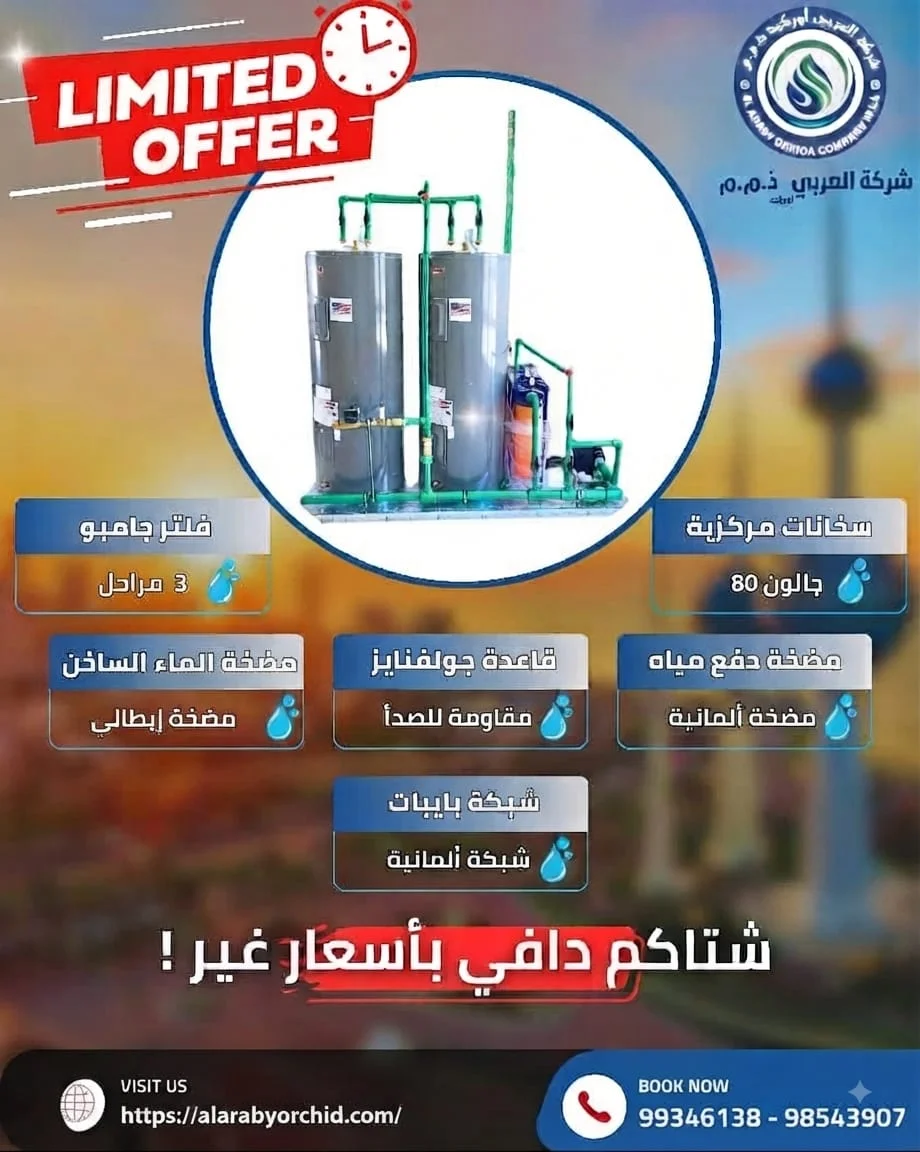
Al Arabi Orchid currently provides American central heaters from several brands in 50, 65, 80, and 120-gallon capacities, with published warranty coverage of six years on the tank and two years on the heating elements. The exact model and written warranty should still be requested with the actual quotation.
-
Compare real household hot-water demand before comparing prices because a cheaper heater that cannot cover peak use can become more expensive once replacement or upgrading becomes necessary
-
Ask for heating power voltage phase and tank capacity together because these values determine whether the heater actually matches the property’s electrical system
-
Calculate the hot-water travel distance to the farthest bathroom because user comfort depends on distribution design even when heater performance itself is excellent
-
Compare the number of units required in an individual-heater system against one central heater so future maintenance becomes part of the purchasing decision
-
Request the model warranty and installation scope in writing before payment so the comparison is between two real technical offers rather than two advertising descriptions
Advantages of a Central Electric Water Heater
The advantages of a central electric water heater become especially clear when the home is designed from the beginning around a central hot-water system. The first advantage is having one unified hot-water source that can serve several bathrooms and the kitchen from one storage tank instead of installing separate heaters throughout the property. This reduces the number of appliances placed inside bathrooms and concentrates major service work in one utility area or dedicated equipment space.
The second advantage is the ability to select stored capacity according to household demand. If the property experiences simultaneous use, you can choose a tank capacity, first-hour performance level, and Recovery capability based on that real demand instead of trying to coordinate several small independent heaters.
The third advantage is that a resistance-type electric heater does not require combustion inside the unit. Unlike fuel-fired systems, it does not need a combustion flue or gas supply specifically for the heater. This simplifies some aspects of installation, although electrical protection, water pressure control, a T&P safety valve, and correct discharge arrangements remain essential.
The fourth advantage is system organization. One main tank integrated with a booster pump, filter, and hot-water recirculation line when needed can create a clearly structured water system that is easier to inspect and document. Al Arabi Orchid currently provides central water-heater installation and maintenance together with pumps, filters, and recirculation solutions, which suits homes that prefer to manage the water system from one central location.
The fifth advantage appears in properties where multiple bathrooms are located reasonably close to the central heater because shorter hot-water distribution paths support more comfortable and efficient operation.
-
A central system reduces the number of heaters distributed throughout bathrooms and concentrates most inspection and service work in one location
-
One shared tank allows stored hot-water capacity to be designed around simultaneous household demand instead of dividing capacity among several smaller units
-
The absence of combustion inside a resistance electric heater simplifies some site requirements compared with fuel-fired systems while electrical pressure and safety requirements still remain essential
-
Integrating the heater with a pump filter and recirculation line can create a more organized household water system when the design is professionally planned
-
The greatest advantage appears when the heater is reasonably close to the main points of use because good distribution design completes the performance of the heater itself
Disadvantages of a Central Electric Water Heater

The disadvantages of a central electric water heater should be discussed clearly because the system is not automatically the best solution for every property. The first disadvantage is that a large storage tank requires enough physical space, a suitable support base for the filled operating weight, and adequate maintenance clearance. Replacing several small local heaters with one large central tank can therefore require a properly prepared utility area rather than a simple appliance swap.
The second disadvantage is electrical demand. A large-capacity or high-input central heater may require a stronger dedicated circuit than a small local heater. Selecting a high-power model without checking the existing electrical infrastructure can lead to additional costs for breakers, cables, distribution panels, or supply upgrades.
The third disadvantage is single-point dependence. If the main central heater stops working completely, the entire property may lose hot water. In a distributed system, failure of one local heater can leave the other bathrooms operating normally.
The fourth disadvantage is distribution loss. Heat can be lost between the central heater and the fixture, and long hot-water lines can waste both water and energy while the user waits. If a recirculation pump is operated continuously without proper control, energy use may increase because heat is continuously being lost through the pipework and the pump itself also uses electricity.
The fifth disadvantage is standby storage. A conventional resistance storage heater keeps a volume of water hot even during periods when nobody is using it. That creates standby heat loss depending on tank insulation, surrounding temperature, thermostat setting, and system design.
-
A central storage tank requires adequate space structural support access for installation and room for future service so it does not fit every existing utility space without modification
-
Higher electrical input must match the available supply because selecting more heater power is not simply a comfort decision
-
Failure of the main unit can interrupt hot water throughout the property which makes reliability and preventive maintenance particularly important
-
Long hot-water piping can create waiting time heat loss and water waste when distribution or recirculation is poorly designed
-
Continuous recirculation or uninsulated long pipework can make a technically good central heater much less efficient during real household operation
Electric Water Heater Operating Cost
The operating cost of an electric water heater cannot be calculated from the element power printed on the unit alone. If a heater has a 4.5 kW element, that means the element draws approximately that level of power while operating at full load, but it does not mean that it consumes 4.5 kWh every hour of the day. The thermostat switches the heating cycle on and off according to water temperature, household use, and heat loss.
A more accurate calculation is based on actual electrical energy consumption in kilowatt-hours over a period and then applying the electricity tariff used for the property. In Kuwait, tariffs can differ according to the property category and billing classification, so the safest method is to use the actual electricity bill or the official tariff calculator rather than assuming one universal residential rate.
The heater’s energy use itself has several components. The first is energy used to heat the hot water consumed by the household. The second is standby heat loss while the water remains stored. The third is heat loss from the hot-water distribution system. The fourth is energy used by any recirculation pump and the additional heat required to keep the hot-water loop warm.
Consider a simple example without converting it into a monetary amount. If a 4.5 kW element operates for a total of two hours throughout the day, the theoretical electrical energy used during those operating periods is about 9 kWh before considering the exact control cycle. If the household uses more hot water, operating time increases. If the tank and pipes lose excessive heat, more energy is also required to replace those losses.
Local heaters also consume electricity, but they may reduce some distribution loss because they are positioned close to the point of use. On the other hand, several individual heaters may mean several storage tanks maintaining water temperature independently.
-
Calculate electricity consumption from power multiplied by actual operating time rather than from the kW rating alone because the element does not operate continuously at full load all day
-
The quantity of hot water used directly affects energy demand because every gallon removed is replaced by colder water that must be heated again
-
Tank standby loss pipe heat loss and recirculation energy all contribute to the real operating cost rather than the heating element alone
-
Electricity tariffs depend on property classification so use the actual bill or official tariff information rather than relying on one general number
-
A meaningful financial comparison should evaluate annual system energy installation and maintenance instead of looking only at one month’s bill
Central Electric Water Heater Efficiency

Central electric water heater efficiency requires separating the efficiency of the heating element from the efficiency of the complete hot-water system. A resistance electric element converts electrical energy directly into heat inside the tank, but that does not mean all purchased electricity becomes useful hot water at the shower because there are storage losses, pipe losses, and sometimes recirculation losses.
One standardized metric used for water-heater comparison is the Uniform Energy Factor, which helps compare the energy performance of similar products within defined test categories. However, it should not be used blindly across completely different technologies without understanding how those systems operate.
Another important point is that not every electric heater uses the same technology. A heat-pump water heater uses electricity to move heat from the surrounding air into the water rather than creating all of its heat through electrical resistance. This type of system can be substantially more efficient than standard resistance heaters in suitable applications, but it also has different space, airflow, climate, and control requirements.
When comparing a central resistance electric system with several local resistance heaters, system design becomes almost as important as the element technology. A central system may use one storage tank but have longer hot-water distribution lines. Local systems reduce distribution distance but multiply the number of tanks, controls, and standby sources.
Recirculation also matters. Demand-controlled recirculation can reduce water waste, while continuous recirculation may increase energy consumption because hot water repeatedly travels through pipes where heat is lost.
-
Heating-element efficiency alone is not enough to judge the entire home because storage loss pipe loss and recirculation strategy influence actual results
-
Uniform Energy Factor is useful for comparing similar models but should be read together with capacity and household use rather than treated as an isolated number
-
Heat-pump water heaters are fundamentally different from resistance electric heaters so the word electric does not identify one single technology
-
A central system may benefit from one tank instead of several smaller tanks but can lose more heat when distribution lines are long and poorly insulated
-
The most efficient arrangement combines an appropriate heater with short or insulated piping and well-controlled recirculation rather than relying only on the appliance specification
Choosing an Electric Water Heater for the Home
Choosing an electric water heater for the home should begin with four groups of information that need to be available before asking for the price. The first is demand: number of people, number of bathrooms that may operate at the same time, bathtub use, and typical shower duration. The second is heater performance: capacity, first-hour hot-water availability, Recovery performance, and element power.
The third group is electrical infrastructure. You need to know the voltage, phase, power requirement of the model, and the circuit and breaker arrangement required by the manufacturer. Do not assume that because the existing heater is 80 gallons, any new 80-gallon heater can replace it directly. The same capacity can be offered with different electrical inputs and configurations.
The fourth group is installation location. Measure the door, hallway, height and width of the installation area, access required for service, and the support base. Also review the distance to the farthest bathroom and whether the property needs hot-water recirculation. This matters because the user’s final experience depends on distribution as well as on tank performance.
After that, look at ownership cost. What is the warranty? Are replacement parts available? Can the heating elements and thermostats be serviced? How many separate heaters would be required if an individual-heater system were chosen? How much plumbing modification would be needed if the property were converted to a central system?
Al Arabi Orchid currently provides American central heaters from Ruud, Bradford White, A. O. Smith, American, Rheem, and Richmond in 50, 65, 80, and 120-gallon capacities, so it is better to request the full model number and specifications instead of asking only for “an 80-gallon heater.”
-
Determine household peak demand before choosing capacity because the number of residents alone does not show when bathrooms are actually used
-
Match heater power with the electrical system because gallon capacity says nothing about circuit requirements
-
Measure the utility area access path and maintenance clearance before buying so the heater does not arrive and turn out to be unsuitable for the site
-
Review hot-water distribution and recirculation together with the heater because a distribution problem cannot be solved only by choosing a more powerful model
-
Compare warranty parts availability serviceability and price so the decision reflects years of ownership rather than the purchase day alone
Traditional Water Heater for the Home

A traditional water heater for the home, meaning an individual or local heater close to the point of use, remains a sensible option in many situations and should not be considered outdated or weak simply because it is not central. If you have a small apartment with two widely separated bathrooms, an external room, or an annex located far from the main hot-water source, a local heater can be an effective solution.
A point-of-use heater is installed close to the sink, shower, or bathtub and therefore reduces heat loss and waiting time because the hot-water travel distance is short. This can be especially useful for fixtures that are located very far from the main heater.
There is still another side to the decision. If you have five bathrooms and each one needs an independent heater, that means five appliances, five electrical supply points, five sets of safety components, and a larger number of parts that may require maintenance. Initial installation may sometimes be easier in certain properties, but the total system is not automatically cheaper over the long term.
Local heaters also have local capacity limits. If the individual unit is small and the user takes a long shower or fills a bathtub, the stored hot water can run out faster than it would in a properly sized central system. The correct decision therefore depends on the actual demand at each point.
In some homes, the best arrangement can even be a hybrid: a central heater for the main property with a local heater serving one extremely distant outlet instead of oversizing the whole central system or operating a long recirculation loop unnecessarily.
-
An individual heater works well for remote or lightly used fixtures because it reduces the distance between the heat source and the user
-
Shorter pipe runs reduce hot-water waiting time and some distribution losses but this benefit has to be balanced against having more appliances throughout the property
-
Every additional local heater means separate maintenance controls and warranty responsibilities so a large number of bathrooms can make a central system simpler to manage
-
Small local storage is excellent for limited use but may not suit large bathtubs or long consecutive showers
-
In some properties a hybrid approach using a central system plus one local heater for a very remote outlet can be more practical than forcing one system to handle every situation
Best Central Water Heating System
The best central water heating system is not one product name that can be recommended to every customer. It is the system that achieves four things together: sufficient hot water during peak demand, acceptable delivery time to fixtures, reasonable operating cost, and manageable maintenance.
If the property has several bathrooms located reasonably close to the utility area and the family has simultaneous hot-water demand, a properly sized central electric heater can be a strong solution. The system should be selected using suitable storage capacity, appropriate first-hour performance, sufficient Recovery, and a well-designed distribution network.
If the property is extremely long and bathrooms are spread across distant wings, simply increasing tank size is not enough. Long hot-water distribution routes create waiting time, water waste, and heat loss. In that situation, demand-controlled recirculation, zoning, or a local heater serving one remote area can be more practical than installing one enormous storage tank.
If energy efficiency is the highest priority, you also need to ask about heating technology, not only whether the system is central or traditional. Heat-pump water heaters, for example, use electricity differently from conventional resistance heaters and can achieve much higher efficiency in suitable applications, although they have different requirements for space, airflow, and installation conditions.
In Kuwait, Al Arabi Orchid currently provides installation and maintenance for American central water heaters in several brands and capacities. You can contact 99346138 to review capacity, electrical supply, distribution, and installation conditions before choosing a system.
-
Choose a central electric system when the property has substantial shared hot-water demand and the network can be designed efficiently instead of installing many independent units
-
Choose a local or hybrid solution when one outlet is extremely remote and operates independently because increasing the size of the entire system is not always economical
-
Separate the choice of heater from the design of the hot-water network because an excellent appliance installed in a poor distribution system can still provide a poor user experience
-
If reducing electricity consumption is the priority review heater technology efficiency rating insulation and recirculation strategy instead of focusing only on tank size
-
The best system is the one chosen after evaluating the actual property rather than following a rule that central is always better or traditional is always cheaper
Conclusion
When comparing a central electric water heater with a traditional heater, there is no single answer that suits every home. A central electric system provides one organized hot-water source for several fixtures and can be particularly effective in properties with shared demand and a well-designed distribution network. An individual heater places the heat source closer to the bathroom and can reduce waiting time and distribution losses at distant fixtures, but it also increases the number of appliances that require installation, service, and eventual replacement.
The important thing is not to compare appliance prices alone. Compare the number of units required, stored capacity, heating input, electrical infrastructure, pipe distance, heat loss, recirculation, warranty, and maintenance. The design of the hot-water distribution network is a major part of total system performance, and continuous recirculation or unnecessarily long pipe runs can increase losses even when the heater itself is efficient.
Al Arabi Orchid currently provides American central water heaters in 50, 65, 80, and 120-gallon capacities from several manufacturers and offers installation and maintenance services. For a pre-purchase assessment, contact 99346138 and provide the number of household members, number of bathrooms, electrical configuration, heater location, and distance to the farthest hot-water outlet so the recommendation can be based on the actual property.
Frequently Asked Questions
What is meant by a central electric heater compared with a traditional heater?
In this article, a central electric heater means one main electric storage tank that serves several hot-water outlets in the property, while a traditional heater means an individual or local unit serving one bathroom or point of use. The word traditional is not a fixed engineering classification, so the important thing is to define the type of system being compared.
Is a central electric heater better for a villa?
It can be very suitable for many villas when the tank capacity, heating power, and hot-water distribution network are designed around real household demand. In a very long villa with distant wings, however, recirculation or system zoning may be necessary instead of relying only on a large central tank.
Does a traditional local heater use less electricity?
Not necessarily. Being close to the point of use reduces some pipe losses, but several separate heaters may mean several storage tanks maintaining hot water independently. The correct comparison should consider the electricity consumption of the entire system rather than one appliance.
Why does hot water take longer to arrive with a central heater?
Because the water standing inside the pipe between the heater and the fixture cools during periods of non-use and must leave the line before fresh hot water arrives. Pipe length, diameter, flow rate, insulation, and recirculation all influence waiting time.
Is a recirculation pump necessary with every central heater?
No. The need depends on the length of the hot-water network and how long users wait for hot water. If recirculation is installed, proper control is important because continuous circulation can increase energy use through pipe heat loss.
How do I calculate the operating cost of an electric heater?
Start with the heater power in kilowatts and multiply it by actual operating hours to estimate consumption in kilowatt-hours, then apply the tariff used for the property. Because tariffs vary by classification, the actual electricity bill or official tariff information should be used.
Is a higher-power electric heater more economical?
No. Higher electrical input can provide faster Recovery, but it does not automatically mean greater efficiency. Efficiency depends on heating technology, insulation, storage loss, distribution loss, and household usage pattern.
Is a local heater better for a distant bathroom?
It can be an excellent option when the fixture is extremely far from the central source and has limited demand because a point-of-use heater reduces hot-water travel distance.
What information should I request before buying a central heater?
Ask for the exact model, tank capacity, heating-element power, voltage, phase, performance ratings, energy-efficiency information, dimensions, warranty, and installation details. Then confirm that those specifications match the number of residents, bathrooms, and usage pattern.
How do I choose between central and traditional systems from Al Arabi Orchid?
Contact Al Arabi Orchid on 99346138 and explain the number of household members, number of bathrooms, whether they are used simultaneously, the location of the utility room, the distance to the farthest bathroom, and the electrical supply available. The central and local options can then be compared according to real system requirements rather than only by price or gallon capacity.