
When your central water heater makes strange noises, not every sound means the tank is failing or needs replacement. Some light ticking may come from pipe expansion as temperatures change, while louder popping or rumbling can be related to sediment or mineral buildup, and continuous whistling can point to restricted water flow or a pressure issue. Rheem explains that some quiet operating sounds can be normal, but loud, persistent noises or sounds accompanied by leakage or abnormal temperature changes deserve faster attention. The important thing is not simply hearing the noise. You need to identify what the sound is, when it starts, where it comes from, and what happens at the same time.
Central Water Heater Makes Noises

When a central water heater makes noises, the first diagnostic step is not to group every sound under one description. The noise itself can provide useful information. A light ticking sound when heating begins is not the same as deep popping from the bottom of the tank, and a high-pitched whistle is different from a loud bang that happens when a faucet closes. A. O. Smith has technical guidance covering several types of noisy-water-heater behavior such as pounding, rumbling, crackling, popping, ticking, and sizzling because each sound pattern can be linked to a different cause.
The first detail to identify is when the sound begins. If it appears only when the heater starts a heating cycle and then disappears, the focus may be thermal expansion or mineral deposits near a heating surface. If the sound appears when water is opened or shut off quickly, water pressure and Water Hammer become much more relevant. If the noise continues even after the heater has stopped heating, the source may not be the tank at all. It could come from a recirculation pump, valve, or nearby water line.
The second detail is where the sound comes from. A rumbling or popping sound low in the tank is different from a whistle near a valve. The third detail is what happens with the noise. Does hot water run out faster? Has recovery become slower? Is there discoloration or sediment in the water? Is there a leak? Is the T&P valve discharging?
Rheem explains that popping, rumbling, and cracking in tank-style water heaters are commonly associated with sediment accumulating at the bottom of the tank, while some other sounds may be relatively normal when they are light and temporary.
-
Record the type of sound and exactly when it appears because popping during heating is technically different from a bang that occurs when a faucet closes or a pump starts
-
Try to identify whether the noise comes from the tank body piping or a nearby valve because locating the source can eliminate a great deal of unnecessary diagnostic work
-
Connect the sound with any other change such as reduced hot-water duration longer heating time or leakage because two symptoms together provide stronger diagnostic information than noise alone
-
A light brief sound that has repeated in the same pattern since the system was installed may be part of normal operation while a sudden change in that sound deserves attention
-
Do not remove a safety valve or electrical component just because you hear a noise because some sounds originate from the external plumbing network rather than inside the heater
Strange Noises From the Central Water Heater
Strange noises from the central water heater should always be interpreted in relation to the age and history of the equipment. If the heater was installed two weeks ago and produces light ticking, that situation is very different from a heater that has been operating for years and suddenly develops heavy rumbling.
A new heater can produce mild expansion and contraction sounds in the tank or piping during its first heating cycles. Rheem considers light ticking or clicking among the sounds that may result from heat traps or pipe expansion as temperature changes, and explains that quiet, short, regular sounds can sometimes be normal. A. O. Smith similarly associates ticking with heat traps and normal expansion and contraction.
However, if a new sound becomes louder or gradually intensifies month after month, the diagnosis changes. Sediment inside the tank can build up over time, and during heating water can become trapped underneath mineral or scale deposits. As that trapped water heats, moves, or forms localized steam, it can produce popping or crackling sounds. A. O. Smith specifically connects rumbling, crackling, and popping with mineral buildup.
In other situations, the sound may come from the plumbing network rather than the tank. A strong bang after a mixer valve or solenoid closes can be Water Hammer, particularly when pressure is high or pipes are insufficiently secured. Rheem explains that banging and hammering are often plumbing-system problems caused by sudden interruption of water flow.
This distinction matters because flushing the tank will not correct Water Hammer, and installing a Water Hammer Arrestor will not remove scale from the bottom of a heater.
-
A sound that changes as the heater ages can indicate gradual buildup or deterioration while a sound that has remained the same since installation may be related to normal system characteristics
-
Sounds connected with temperature changes should be investigated differently from sounds linked to opening and closing faucets because the physical cause is different
-
Rumbling or popping that becomes progressively louder increases the likelihood of sediment especially when it appears together with slower Recovery or reduced hot-water availability
-
A bang that occurs when water flow stops suddenly directs attention toward pressure pipe support and Water Hammer before the heater tank itself is opened
-
Correct diagnosis prevents unnecessary work because the solution for each type of sound should address the real source instead of simply treating whichever component is closest to the noise
Central Water Heater Ticking
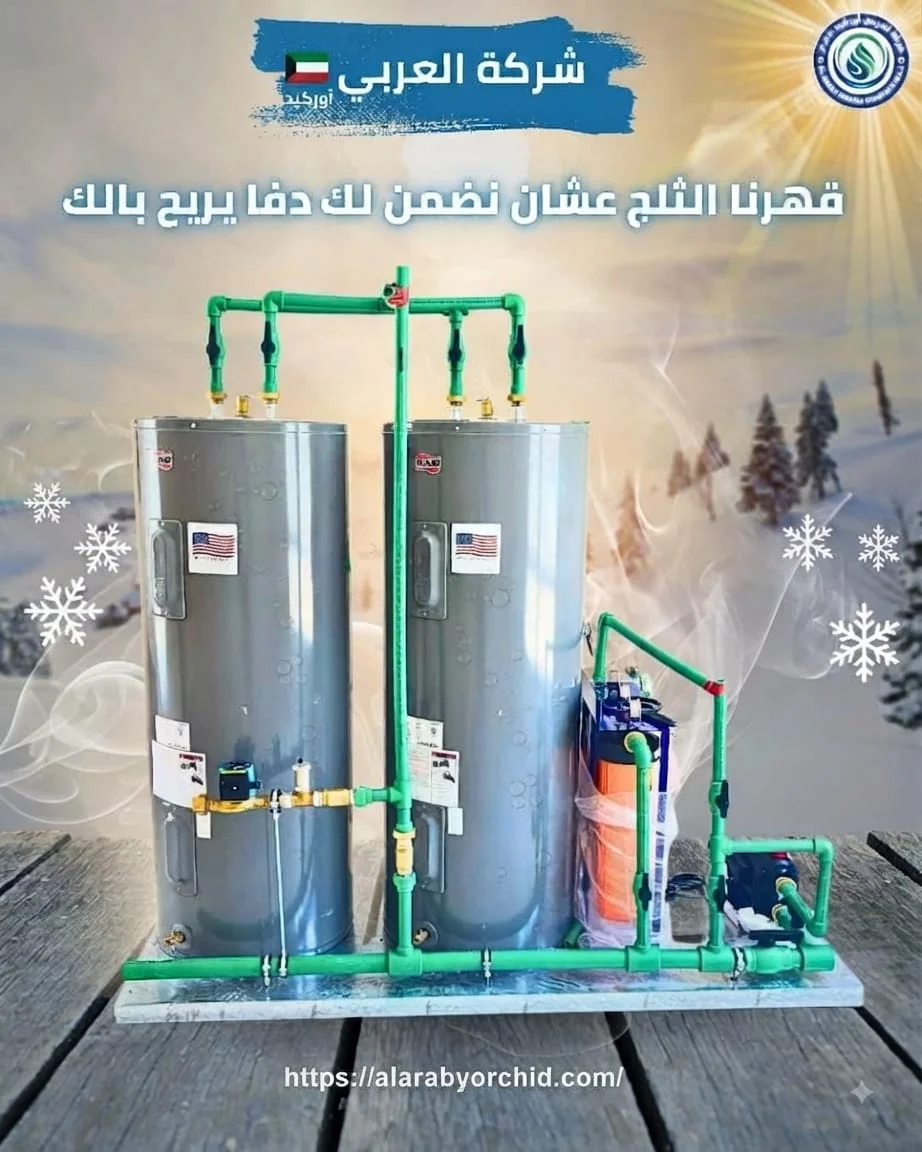
Central water heater ticking is one of the most common sounds that worries homeowners because the word “ticking” can describe two completely different conditions. The first is light repetitive ticking caused by thermal expansion and contraction of metal parts or water lines as temperature changes. The second is deeper crackling or popping caused by sediment or water trapped under mineral buildup.
If the sound is a soft “tick tick” that appears when heating begins or shortly after it ends and disappears quickly, Thermal Expansion in the piping or heat traps is a reasonable possibility. Rheem explains that ticking or clicking may come from heat traps or pipe expansion as temperature changes. A. O. Smith also classifies ticking under heat traps and expansion and contraction.
If the noise sounds more like small bursts or popping inside the tank, particularly from the bottom, sediment or Lime Scale becomes more likely. A. O. Smith explains that water can become trapped underneath scale deposits and then produce popping when it heats. Water trapped close to heating elements can also create sizzling as localized steam forms.
Another important clue is whether the ticking started after plumbing modifications or valve replacement. In that case, pipe expansion against a wall, support bracket, or newly installed heat trap may be responsible rather than the tank itself. A technician should listen near the tank and at pipe-support points before deciding that a Drain and Flush is necessary.
If the sound becomes louder and heavier over time and hot-water performance also declines, sediment becomes a stronger concern because popping and rumbling are often associated with buildup that can affect heat transfer and Recovery.
-
Light ticking that appears during the beginning or end of a heating cycle can result from normal metal expansion and does not automatically indicate an internal tank problem
-
Deeper crackling from the bottom of the heater during heating raises the possibility of sediment or scale rather than ordinary pipe expansion
-
If ticking begins after plumbing modifications pipe supports heat traps and nearby fittings should be checked before the tank is drained
-
Increasing noise intensity together with slower Recovery makes internal sediment inspection more reasonable than simply continuing to observe the sound
-
Do not strike the tank or move hot piping to identify the source because the safer approach is controlled observation during the heater’s operating cycle
Popping Sound in the Water Heater
A popping sound in the water heater is commonly related to how heat moves through a tank that contains sediment or mineral scale, particularly when the popping appears during the Heating Cycle and becomes quieter after the heater reaches its temperature setting. Mineral deposits can create layers on interior surfaces or around heating areas, allowing small amounts of water to become trapped underneath them. As that trapped water heats and moves or forms localized steam, it can create a popping sound.
A. O. Smith technical guidance describes rumbling, crackling, and popping as symptoms of mineral buildup and explains that water may become trapped below lime deposits and produce popping during heating. Rheem similarly states that popping or rumbling in tank-style heaters commonly points toward sediment accumulation near the bottom.
However, not every popping sound means the answer is simply “flush the tank.” Heater age, maintenance history, and overall tank condition matter. A very old heater that has not been drained in many years should be evaluated before aggressive flushing because the Drain Valve and tank itself need to be considered. If the popping is accompanied by leakage from the tank body or obvious corrosion, the problem may have moved beyond ordinary sediment maintenance.
Popping also needs to be distinguished from Water Hammer. If a sharp bang occurs at the exact moment water is shut off rather than during heating, the likely source is the plumbing system and water pressure. Rheem separates banging and hammering from sediment-related popping and associates them with sudden flow stoppage, high pressure, or loose piping.
-
Popping that repeatedly occurs during heating and seems to come from the bottom of the tank is a different pattern from one single bang when water flow stops
-
Sediment can create a layer that interferes with heat transfer and allows small pockets of water or steam to produce obvious popping sounds
-
If the heater is old and has little maintenance history the tank and Drain Valve should be evaluated before any automatic flushing procedure is started
-
Popping accompanied by corrosion leakage or a clear performance decline requires broader evaluation because the problem may be more serious than removable sediment
-
After professional cleaning the heater should be refilled restarted and monitored because successful maintenance is measured by how operating behavior changes rather than by how much sediment was removed
Whistling Sound From the Central Water Heater
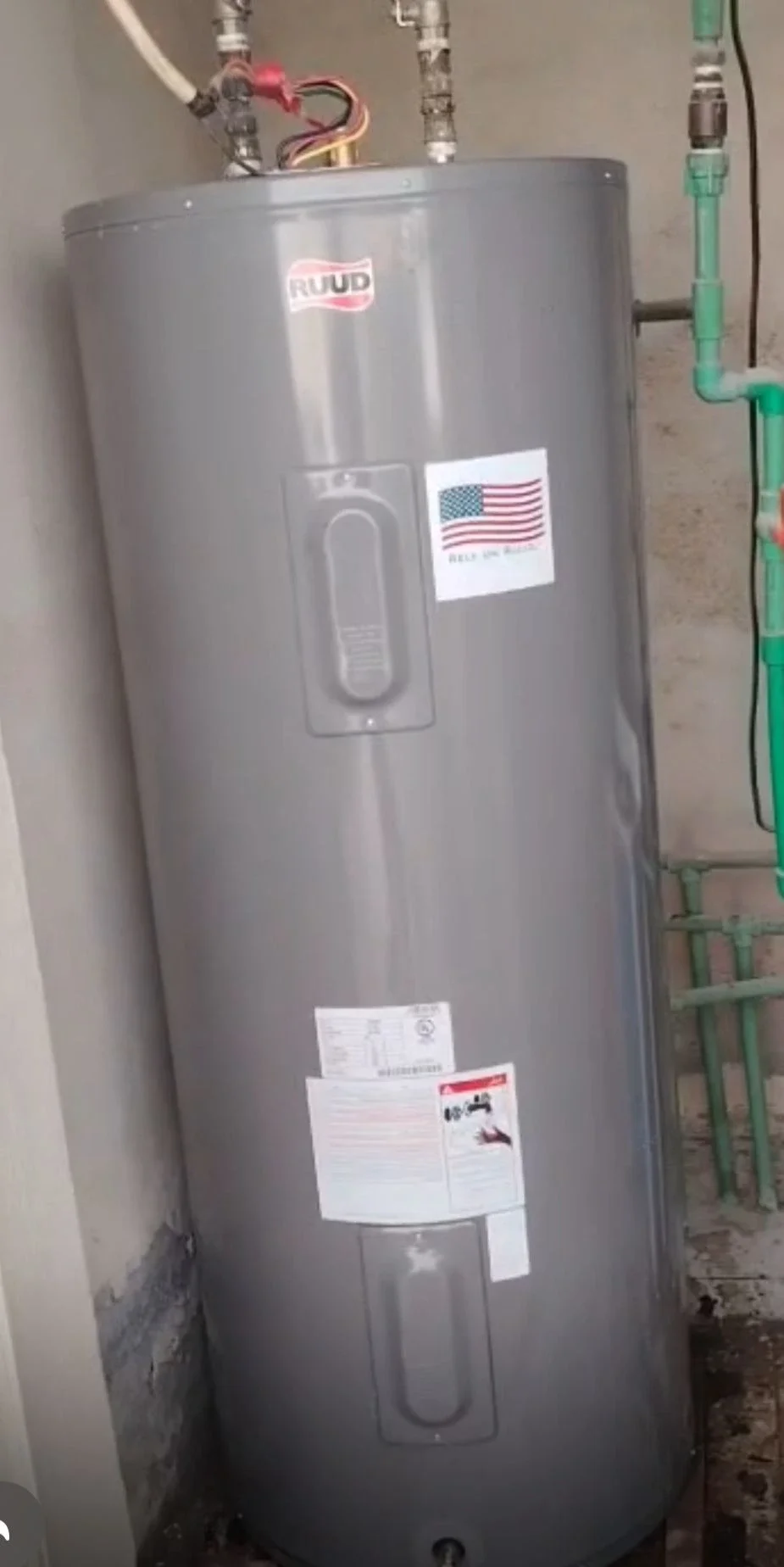
A whistling sound from the central water heater is different from ticking and popping because it is often connected to water moving through a restricted opening or to abnormal pressure conditions. Rheem explains that high-pitched whistling or screeching can result from restricted water flow or pressure irregularities. Potential causes include a partially open inlet or outlet valve, a T&P valve problem, sediment creating a restriction, or abnormal internal pressure.
This is why the location of the whistle matters. If the sound is clearly coming from a Shut-Off Valve, that valve may not be completely open or may contain an internal restriction. If the sound comes from the T&P valve and there is also water discharge or pressure change, the response should never be to close the valve or block the discharge line just to stop the sound. The T&P valve is a safety device intended to protect the heater from abnormal pressure or temperature.
Rheem explains in its operating guidance that discharge or popping from the relief valve can be related to pressure buildup caused by Thermal Expansion in a Closed System, and the outlet of the valve must never be blocked. In other words, what a homeowner describes as “whistling from the heater” can sometimes be a sign that the plumbing pressure system needs to be evaluated.
If the whistle appears only during high water flow and becomes quieter when flow is reduced, restriction or a valve issue becomes more likely. If it appears when no fixture is being used and the heater is actively heating, system pressure and safety components deserve faster attention.
-
Whistling near a valve often directs the inspection toward flow restriction and valve position before the tank itself is suspected
-
A high-pitched sound that increases with stronger water flow suggests a narrowing somewhere in the water path or a fitting connected to the heater
-
If whistling occurs near the T&P valve or is accompanied by water discharge pressure and thermal expansion should be checked instead of attempting to silence or block the valve
-
Persistent whistling after all valves are confirmed open requires pressure measurement and professional diagnosis because the cause may be deeper than a simple valve position
-
Do not adjust a pressure-reducing valve or alter safety settings through trial and error because water-heater pressure is part of a complete system that should be measured and corrected properly
Causes of Central Water Heater Noise
The causes of central water heater noise become easier to understand when they are divided according to the type of energy or movement involved instead of memorizing a long list of sound names. The first group is thermal. Expansion and contraction of pipes and metal components can create light ticking or clicking. The second group involves deposits. Sediment and Lime Scale can create popping, rumbling, and crackling while the heater is operating. The third group is hydraulic. Water Hammer, pressure irregularities, and restricted flow can create banging or whistling. The fourth group involves leakage or water contacting a hot surface, which can create hissing or sizzling.
A. O. Smith classifies noisy-water-heater complaints under causes such as Water Hammer, heat traps, mineral buildup, aluminum hydroxide, and condensation, showing clearly that “noise” is not one fault. Rheem also distinguishes relatively normal sounds such as light ticking from whistling, hissing, and loud banging that may need inspection depending on the situation.
The age of the heater also changes the probability of different causes. In a newly installed unit, unusual crackling or gurgling can occasionally be related to specific water-chemistry conditions. A. O. Smith, for example, describes Aluminum Hydroxide as a possible cause of noise under very specific water conditions in newer water heaters and notes that the correction should be handled by a qualified professional.
By comparison, a heater that has operated for years without flushing and slowly develops stronger rumbling fits the sediment pattern much more closely.
External accessories can also create misleading sounds. A recirculation pump may have bearing noise, Cavitation, or trapped air, while poorly secured pipes can transmit vibration so strongly that the homeowner believes the tank itself is knocking.
-
Thermal causes usually appear as temperature rises and falls while hydraulic causes are more closely related to changes in water flow or pressure
-
Sediment-related noise is commonly heard from the tank during heating while a restricted valve often produces a sharper sound closer to the water path
-
The real sound source can be the recirculation pump or nearby piping so hearing the noise near the heater does not prove that it comes from inside the tank
-
Equipment age and service history change the likely diagnosis because years of mineral accumulation are different from a sound that appears days after installation
-
The best inspection creates a map of the sound location timing and operating condition before any component is removed so maintenance is based on evidence rather than trial and error
Boiling Sound Inside the Water Heater
When a homeowner describes a boiling sound inside the water heater, the description should be taken seriously, but it should not automatically be assumed that all the water inside the tank is literally boiling. Many kettle-like sounds come from small amounts of water trapped near sediment or a very hot heating surface, where a small localized volume turns into steam before moving away.
A. O. Smith explains that Lime Deposits can trap water and produce popping and that water trapped close to heating elements may create sizzling as it turns into localized steam. Rheem gives a similar explanation, noting that water trapped beneath sediment can form small steam pockets that create popping or rumbling.
This situation must still be distinguished from actual overheating. If the boiling-like noise is accompanied by outlet water that is much hotter than the normal setting, continuous T&P discharge, or a thermostat that does not appear to shut the heater off, then the issue should not be dismissed as ordinary sediment noise. The control system, thermostat, and safety valve require prompt inspection.
Hissing or sizzling accompanied by leakage can mean something different again. Water dripping onto a hot surface or a leaking heating-element gasket in an electric heater can create hissing or sizzling. When the sound is connected with visible leakage or a component failure, the electrical supply should be isolated and professional inspection requested.
The practical question therefore becomes: is the “boiling” sound actually popping from sediment, or is it hissing or sizzling caused by water reaching a hot component where it should not?
-
A kettle-like sound can result from localized steam pockets beneath mineral deposits and does not automatically mean the entire tank has reached boiling temperature
-
If the sound is accompanied by outlet water much hotter than the normal setting the Thermostat and control system should be inspected rather than only cleaning the tank
-
Sizzling together with visible moisture around electrical components deserves faster attention because leakage creates a different risk from ordinary sediment noise
-
A T&P valve that begins discharging under abnormal heat or pressure should never be blocked and the underlying cause must be diagnosed because it is a primary safety device
-
The sound description should always be linked with temperature leakage and exact location so the technician can distinguish Scale Noise from a control or leakage problem
When Is Water Heater Noise Dangerous?
When is water heater noise dangerous? The answer depends less on how loud the sound is and more on what appears with it. The first major Red Flag is hissing or sizzling accompanied by visible moisture or leakage. Rheem explains that this situation can indicate an active leak or component failure and recommends shutting off the energy supply and avoiding continued use until professional inspection is completed.
The second warning sign is a very loud repetitive sound that becomes stronger quickly, especially heavy rumbling or popping from an older heater. Hardened sediment is not just annoying. It can reduce efficiency and increase thermal stress, and when deterioration continues it may be associated with tank damage or the need to evaluate replacement.
The third warning sign is any noise accompanied by leakage from the tank body itself. Water coming from a fitting may be a limited repair, but moisture or leakage through the tank body requires much more urgent assessment because it is different from a replaceable external valve or connection.
The fourth warning sign is continuous T&P discharge together with noise. The valve should never be plugged or isolated. System pressure, thermal expansion, and water temperature should be checked. Pressure buildup caused by thermal expansion in a closed system requires correction rather than suppression.
The fifth warning sign is an unusual electrical buzzing or arcing sound accompanied by a burning smell or repeated breaker trips. In that situation, electrical power should be isolated and the breaker should not be repeatedly reset until the problem is inspected.
-
Hissing or sizzling with visible water or leakage is enough reason to stop using the heater and request inspection instead of waiting to see whether the sound disappears
-
Loud noise together with abnormal water temperature or T&P discharge deserves prompt attention because system pressure and temperature need to be confirmed
-
A burning smell or repeated breaker trips together with electrical noise changes the situation from an ordinary noise complaint into a possible electrical fault requiring isolation
-
Chronic rumbling in an older heater together with corrosion or discolored water justifies evaluating the condition of the complete tank rather than simply trying to silence the sound
-
If a new sound becomes noticeably louder from day to day even without other symptoms early inspection is sensible because the change in pattern itself is important diagnostic information
Technician for Central Water Heater Noise Inspection

A professional technician for central water heater noise inspection should not arrive and immediately say, “It is definitely scale.” The technician should first reproduce and listen to the sound under different operating conditions. The heater can be observed while cold, when heating begins, during water draw, and when the faucet is closed. This helps determine whether the sound is connected with temperature, Flow, or Pressure.
The next step is Localization. The technician should listen at the tank body, near the bottom, at the upper water connections, around the T&P valve, at shutoff valves, along the recirculation line, and at the recirculation pump if one is present. A small whistle at one valve can travel through the piping and sound as though it is coming from the middle of the tank.
Measurement follows observation. Water pressure becomes important when the complaint is whistling or banging. Outlet temperature becomes important when there is a kettle-like sound or concern about overheating. In an electric heater, heating-element and thermostat operation should be checked according to the model when the sound appears to follow the heating cycle.
If sediment is suspected, the technician should review Drain and Flush history, heater age, and Drain Valve condition before deciding on the maintenance procedure. A professional flush generally involves safely isolating the energy source, draining and flushing the tank, checking the T&P valve, Drain Valve, anode, system pressure, and leakage, then refilling, restarting, and verifying performance.
At the end, the technician should provide a diagnosis rather than only naming the sound. The result may be “popping probably related to sediment,” “Water Hammer in the plumbing,” “whistling at a valve,” or “leak requiring immediate shutdown.”
Al Arabi Orchid currently provides water-heater maintenance and spare-parts services across Kuwait and can be contacted on 99346138.
-
A technician should reproduce the sound under several operating conditions because noise during the Heating Cycle is different from noise created by changing water flow
-
Pressure and temperature measurements provide evidence beyond listening alone especially when diagnosing whistling T&P discharge and boiling-like sounds
-
Locating the sound at piping valves and pumps can prevent unnecessary tank disassembly when the actual noise source is external
-
The decision to Flush should follow evaluation of heater age service history and Drain Valve condition instead of turning every popping complaint into automatic tank cleaning
-
A good inspection result explains the noise source severity and recommended action and tells the customer whether immediate repair or planned maintenance is appropriate
How to Fix Strange Water Heater Noises
The correct solution for strange water heater noises depends entirely on the cause, which is why there is no single repair that works for whistling, ticking, popping, and banging. If the problem is light Ticking caused by expansion, the solution may involve pipe support or allowing normal movement at appropriate points rather than opening the tank.
If the problem is popping or rumbling caused by sediment, maintenance may involve Drain and Flush or more thorough cleaning depending on buildup and tank condition. Flushing can reduce sediment-related rumbling and popping, although professional service is particularly important when accumulation is severe or the heater has not been maintained regularly. Mineral buildup also needs to be distinguished from other causes of crackling instead of assuming every similar noise comes from sediment.
If the heater produces whistling because a valve is partially closed or there is a restriction, the restriction should be corrected and system pressure checked. If the cause is Water Hammer, the solution belongs in the plumbing system, such as pressure correction, better pipe support, or a correctly selected arrestor depending on system design. Cleaning the tank will not solve Water Hammer.
If Hissing is caused by leakage, the priority is to shut off the energy supply and repair the leak. If the noise is related to abnormal temperature or T&P behavior, the thermostat, pressure conditions, and thermal expansion need to be evaluated.
The objective is therefore not simply to “make the noise stop.” The real objective is to return the heater and plumbing system to normal safe operation.
-
Sediment may require cleaning or flushing while Water Hammer requires correction of pressure and flow behavior in the plumbing rather than work inside the heater tank
-
Whistling caused by a restriction should be corrected at the valve or narrow flow path after pressure is confirmed instead of replacing unrelated heating components
-
Leakage accompanied by Hissing or Sizzling requires power isolation and identification of the water source before the heater is restarted because the noise is secondary to the more important leak
-
Never use the T&P valve as a pressure-control device and never block its outlet to stop noise because the actual pressure problem must be corrected elsewhere in the system
-
If you need a central water heater noise inspection in Kuwait contact Al Arabi Orchid on 99346138 and describe the sound when it appears and whether there is any leakage or abnormal temperature so the technician can begin with useful information
Conclusion
If your central water heater makes strange noises, the most important thing is not to treat every sound as the same problem. Light Ticking can come from normal thermal expansion, while Popping and Rumbling often point toward sediment or mineral buildup. Whistling may be related to restricted water flow or abnormal pressure, while Banging when water suddenly stops may be Water Hammer. Hissing or Sizzling accompanied by leakage deserves faster attention. Rheem and A. O. Smith both classify water-heater noises by their sound pattern and likely cause rather than treating noise as one single fault.
The correct decision depends on four things: the type of sound, its location, when it appears, and what other symptoms occur with it. If the sound is light, stable, and does not affect heater performance, monitoring may be enough. If it suddenly becomes louder or is accompanied by leakage, abnormal temperature, T&P discharge, electrical breaker trips, or burning odor, stop experimenting and request professional inspection.
Al Arabi Orchid provides water-heater maintenance and spare-parts services in Kuwait and can be contacted on 99346138 to identify whether the cause is sediment, a valve issue, pressure, Water Hammer, leakage, or an electrical fault instead of replacing unrelated parts.
Frequently Asked Questions
Is central water heater ticking normal?
It can be normal when the sound is light, brief, and appears as heating begins or ends because of pipe expansion or heat traps. However, strong repeated Crackling or Popping from inside the tank should be evaluated for sediment or mineral buildup.
Why does the water heater make popping sounds while heating?
A common reason is sediment or Lime Scale at the bottom of the tank. Water can become trapped under the deposits, heat up, move, or form localized steam, producing a popping sound.
Does heater noise mean it is going to explode?
No. Many heater noises are related to maintenance or plumbing conditions and do not mean the tank is about to explode. However, loud noise together with abnormal temperature, T&P discharge, leakage, or an electrical fault should be inspected promptly.
What causes a central water heater to whistle?
Whistling is commonly linked to water moving through a restricted opening or to pressure irregularities, such as a valve that is not completely open, an internal restriction, or an abnormal pressure condition.
Can sediment make the heater sound like a kettle?
Yes. Water trapped near Lime Scale or sediment can heat locally and create Popping or Sizzling that resembles boiling, but that does not necessarily mean the entire tank is boiling.
Will flushing the water heater stop popping noises?
If sediment is the real cause, flushing or cleaning may reduce or eliminate Popping and Rumbling. However, Water Hammer or valve noise will not improve from tank cleaning, so the cause should be confirmed first.
When should I turn the heater off because of noise?
Turn off the energy supply and request professional inspection if there is Hissing or Sizzling with leakage, a burning smell, repeated breaker trips, abnormal water temperature, or continuous discharge from the safety valve.
What causes a strong banging sound in pipes near the heater?
If the bang happens when water flow stops suddenly, it may be Water Hammer caused by rapid flow interruption, excessive pressure, or poorly secured piping. The problem may be in the plumbing network rather than the heater tank.
Is noise from an old heater more dangerous than noise from a new one?
Age alone does not determine danger, but persistent Rumbling or Popping in an older heater together with leakage, corrosion, discolored water, or repeated failures justifies evaluating the complete tank condition instead of only trying to eliminate the noise.
How do I request a technician to inspect central water heater noise?
Contact Al Arabi Orchid on 99346138 and explain whether the sound is ticking, popping, whistling, banging, or boiling-like, when it appears, and whether it is accompanied by leakage, reduced hot-water performance, or T&P discharge. This information helps the technician begin diagnosis from clear evidence rather than guesswork.