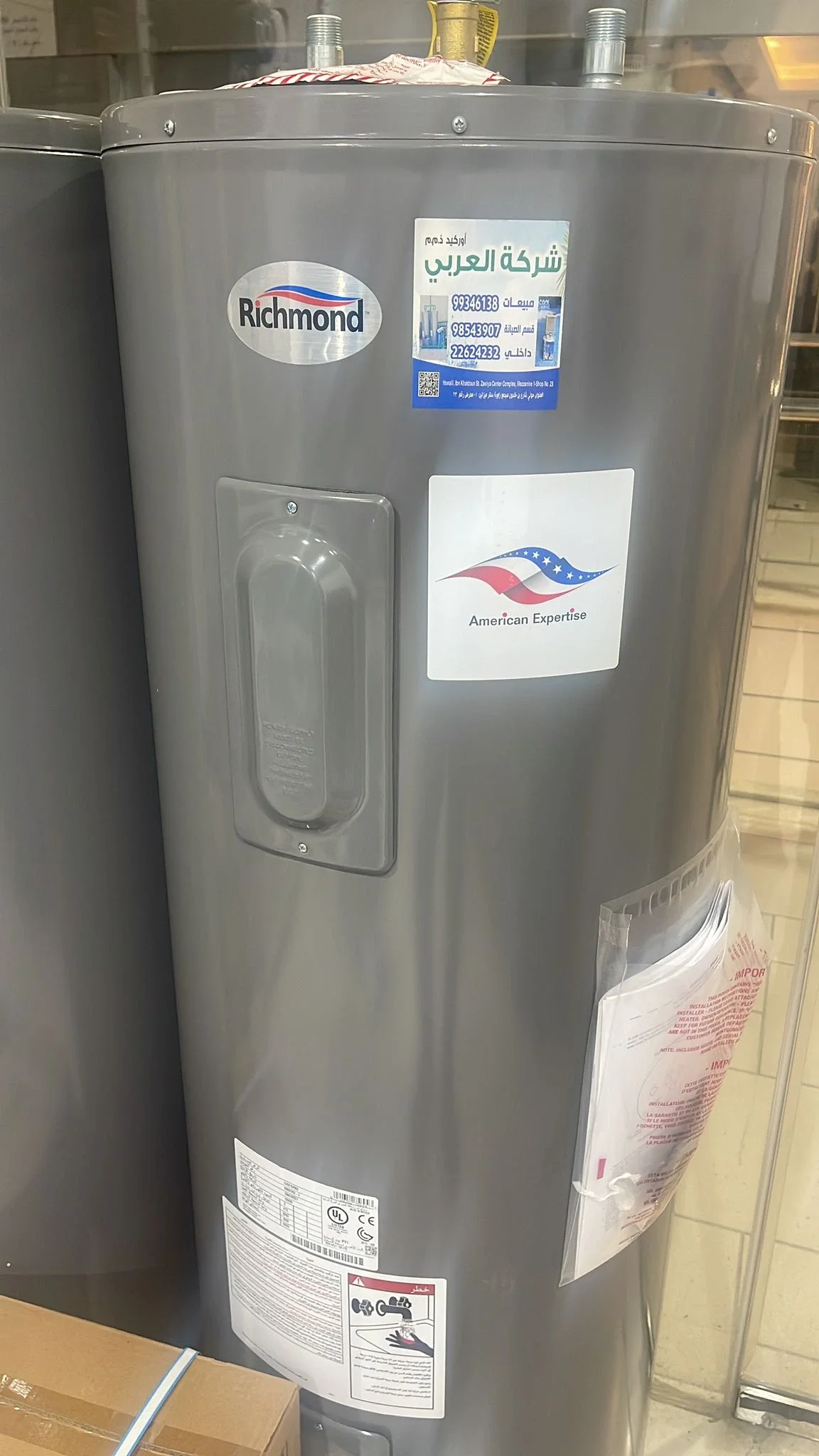
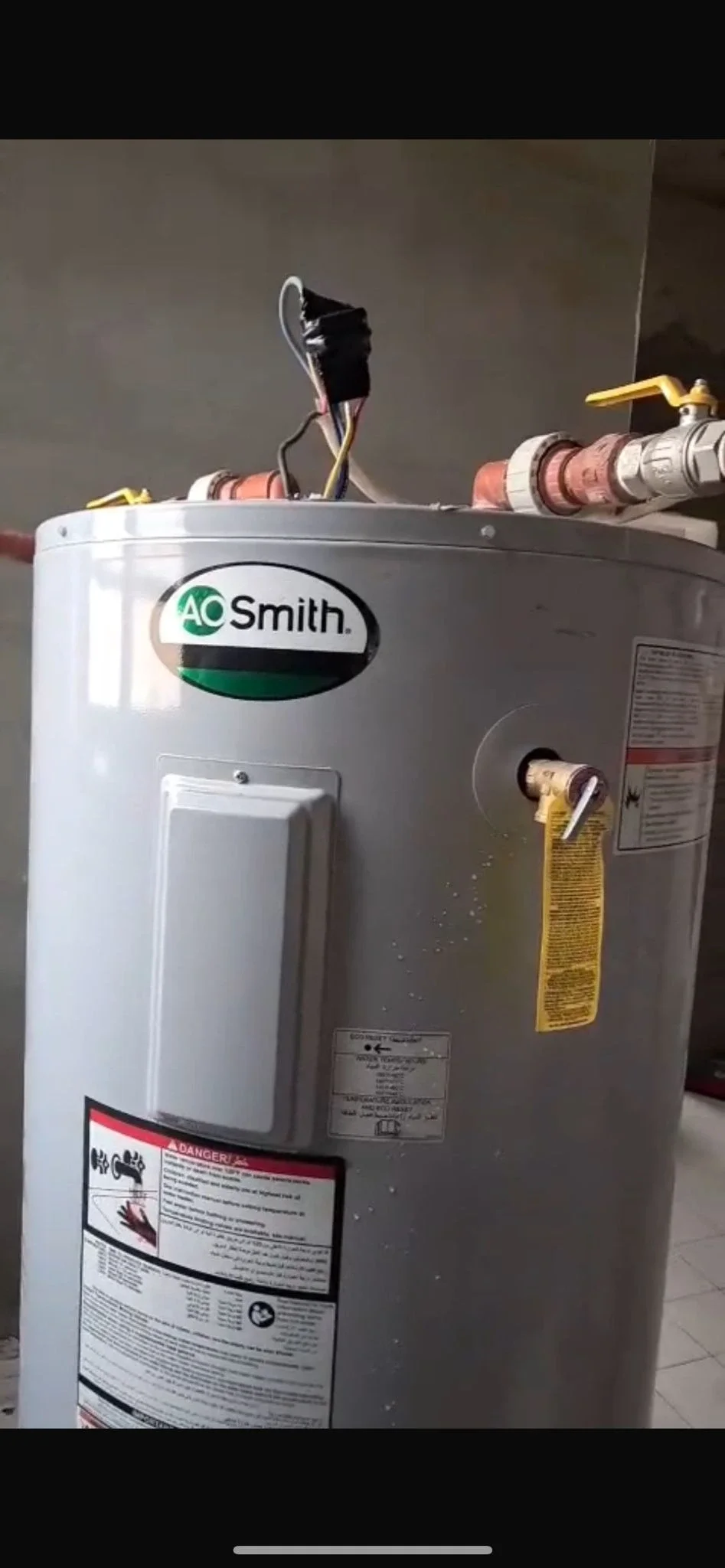
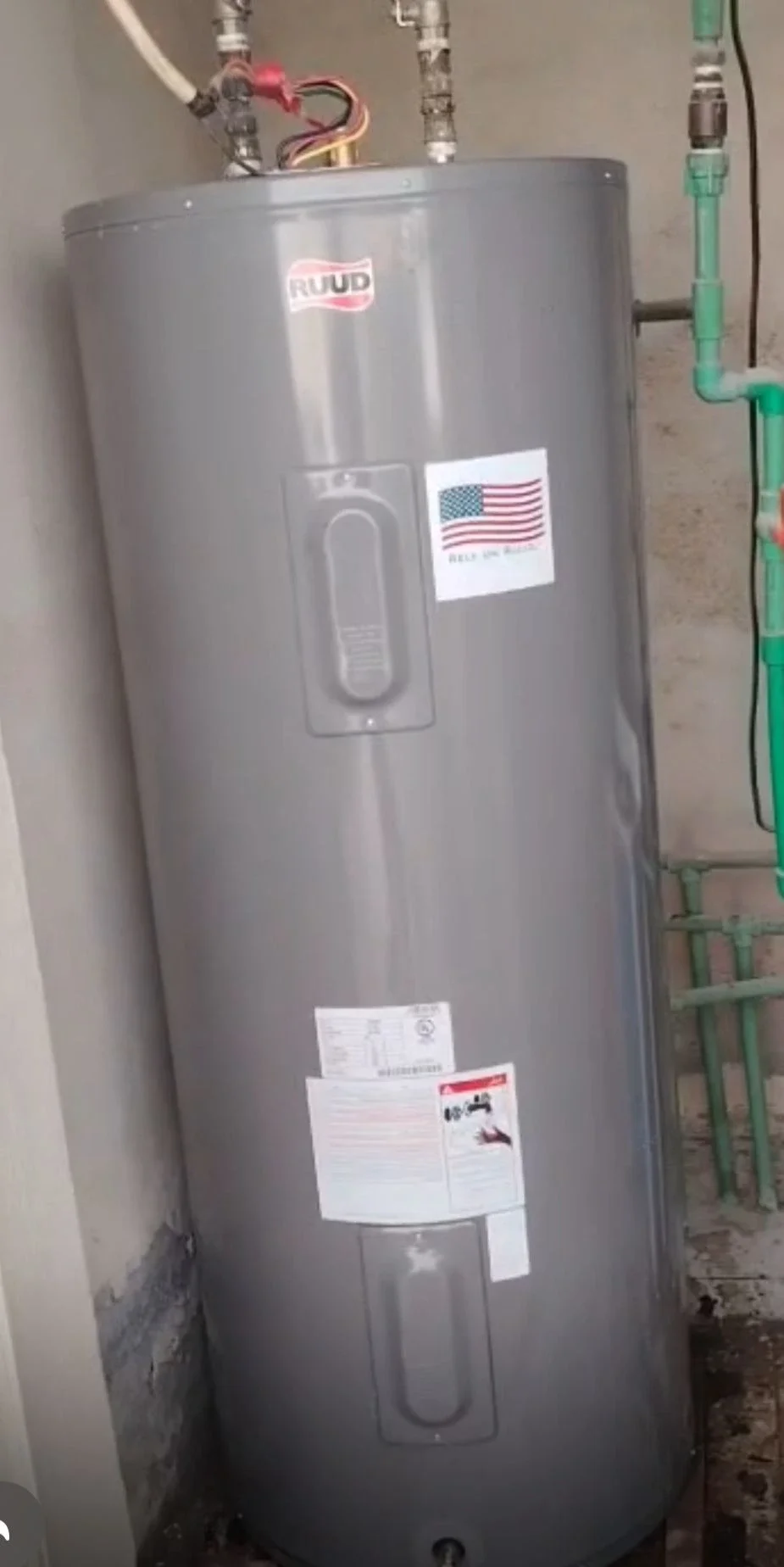
The heating element is the core component of every American water heater because it is responsible for converting electrical energy into heat that warms the water stored inside the tank. Once this component begins to lose efficiency or becomes damaged, homeowners usually notice one of the most common water heater problems: weak water heating or the complete loss of hot water, even though the heater still appears to operate normally from the outside. For this reason, American water heater heating element replacement requires accurate diagnosis before any repair work begins, since the symptoms of a faulty heating element can easily resemble thermostat failures, electrical connection issues, or heavy mineral buildup inside the tank. Based on extensive field experience servicing American water heaters, selecting the correct replacement heating element and installing it properly restores the heater's original performance, improves heating speed, reduces electricity consumption, and significantly extends the overall service life of the entire system.
How Can You Tell That the Heating Element Is the Real Cause of Poor Water Heater Performance?
When an American water heater begins losing heating efficiency, many homeowners immediately suspect the thermostat or the electrical supply. However, practical maintenance experience consistently shows that the heating element is not working in a large percentage of service calls, particularly in heaters that have operated for years without preventive maintenance. The problem usually begins gradually. Homeowners notice that the heater requires much more time than before to produce hot water, while the overall amount of available hot water steadily decreases until it eventually becomes insufficient or disappears entirely. In some cases, the heater continues running for extended periods without ever reaching the desired water temperature because the heating element has lost a significant portion of its heat-producing capability as a result of internal deterioration or heavy mineral deposits covering its surface. Another common sign is a noticeable increase in electricity consumption without any improvement in heating performance, indicating that the element continues drawing electrical power while converting much less of that energy into usable heat. Daily field experience repeatedly demonstrates that many water heaters previously subjected to unnecessary thermostat replacement actually required nothing more than American water heater heating element replacement after confirming that every other component was functioning properly. This is why professional diagnosis always comes first. Identifying the actual source of the failure prevents unnecessary repair costs and restores the heater's original performance during the first maintenance visit.
Why Does an American Water Heater Heating Element Fail Over Time?
The heating element operates under extremely demanding conditions because it remains continuously exposed to high temperatures while being fully immersed in water throughout every heating cycle. For this reason, gradual wear is a completely normal part of its operating life. However, the rate at which an American water heater heating element becomes damaged varies significantly depending on water quality, daily operating hours, and the level of preventive maintenance performed throughout the heater's lifespan. One of the most common reasons for premature failure is the accumulation of lime scale and mineral deposits around the surface of the heating element. These deposits create an insulating barrier that prevents heat from transferring efficiently into the surrounding water. As a result, the heating element must operate longer and at higher temperatures to achieve the same level of heating, placing excessive thermal stress on its internal components. Over time, the metallic structure weakens until the element either loses much of its heating capacity or burns out completely. Electrical voltage fluctuations and poor wiring connections can also overload the heating element, significantly shortening its service life. In addition, some heaters have previously been repaired using inexpensive aftermarket heating elements that lack the durability of genuine replacement parts, causing premature failure after only a relatively short period of operation. Identifying the reason behind the failure is therefore just as important as replacing the heating element itself because correcting the underlying cause prevents the same problem from recurring and helps preserve the heater's performance for many years.
How Does a Technician Diagnose a Faulty Heating Element Before Recommending Replacement?
Professional technicians never decide to perform water heater heating element replacement based solely on weak hot water performance because several different faults inside an American water heater can produce nearly identical symptoms. Every professional diagnosis begins by measuring the electrical resistance of the heating element using specialized testing equipment before verifying that the correct electrical voltage reaches the element during normal heating operation. The thermostat is then tested to ensure it sends accurate heating commands, while circuit breakers, wiring connections, and electrical terminals are carefully inspected to eliminate every other possible cause before recommending replacement. During many field service visits, technicians discover that the heating element itself is still operational but has become heavily coated with mineral deposits that dramatically reduce its ability to transfer heat into the water. In these situations, professional cleaning may successfully restore much of the original heating performance without requiring immediate replacement. However, if testing confirms an internal electrical open circuit, excessive resistance, or severe deterioration that permanently reduces heating capacity, American water heater heating element replacement with a genuine manufacturer-approved component becomes the most effective long-term solution. After installation, the technician completes multiple heating cycles to verify rapid temperature recovery, stable operating performance, normal electrical consumption, and proper overall system function. This comprehensive diagnostic approach addresses the actual source of the problem rather than simply treating the visible symptoms, ensuring dependable long-term heater performance.
Can a Heating Element Be Repaired, or Is Replacement the Better Solution?
One of the most common questions homeowners ask after experiencing poor heating performance is whether the heating element can simply be repaired instead of being replaced. The answer depends entirely on the actual condition of the component after professional inspection rather than on the symptoms alone. In some situations, the primary cause of reduced heating performance is not internal damage but rather a thick layer of mineral deposits and limescale surrounding the heating element. These deposits significantly reduce heat transfer efficiency while leaving the internal electrical circuit completely intact. In such cases, professional cleaning using the proper tools and approved cleaning methods may restore much of the element's original heating capability. However, if electrical testing reveals an open circuit inside the element, abnormal resistance readings, visible burn marks, or permanent deterioration of the internal heating coil, repair is no longer a practical or reliable option. Extensive field experience with American water heaters consistently shows that temporary repair attempts often provide only short-term improvement before the same heating problem returns within days or weeks. For this reason, water heater heating element replacement becomes the safest and most dependable solution whenever the heating element has reached the end of its service life. Installing a new heating element not only restores full heating performance but also protects the remaining heater components from unnecessary operating stress caused by an inefficient or partially failed heating element.
How Is a Central Water Heater Heating Element Replaced Professionally?
Successfully performing a central water heater heating element replacement requires much more than simply removing the old component and installing a new one. Professional replacement begins with carefully disconnecting the electrical supply and shutting off the water supply before partially draining the storage tank to a level that allows the heating element to be removed safely without exposing electrical components to water. Once the old element has been removed, the technician carefully inspects the mounting location for corrosion, mineral buildup, or physical damage that could affect sealing performance or heat transfer. The tank opening is then thoroughly cleaned to eliminate accumulated sediment that could immediately reduce the efficiency of the new heating element. The replacement element is installed together with a new sealing gasket to prevent future water leaks before all electrical connections are reassembled according to the manufacturer's original wiring configuration. However, the work does not end after installation. Before restoring electrical power, the technician completely refills the water tank to ensure that the heating element is fully submerged. Energizing a dry heating element, even briefly, can destroy it within seconds. After confirming that the tank is completely full, multiple heating cycles are performed while monitoring heating speed, electrical consumption, operating stability, and the absence of leaks or unusual operating noises. These careful procedures distinguish professional installation from quick replacement work that focuses only on changing the component without verifying the proper operation of the entire heating system.
Why Are Genuine Heating Elements Better Than Aftermarket Alternatives?
When homeowners need American water heater heating element replacement, inexpensive aftermarket parts may initially appear to be an attractive way to reduce repair costs. However, years of practical maintenance experience demonstrate that the true difference becomes evident only after several months of operation. Genuine replacement heating elements are engineered specifically for the heater's electrical capacity, storage tank size, operating temperature range, and heat distribution characteristics. In contrast, many aftermarket products are manufactured according to generalized specifications that may not fully match the requirements of a particular American water heater model. As a result, genuine heating elements provide faster and more consistent heating performance, superior resistance to mineral buildup, greater durability under continuous high-temperature operation, and significantly longer service life. Lower-quality replacement elements may initially function adequately but often lead to slower heating, increased electricity consumption, unstable operating performance, or premature failure that requires another repair shortly afterward. This is why every experienced heating element replacement technician carefully selects a heating element that precisely matches the manufacturer's specifications instead of choosing a part based only on physical dimensions. Real-world service experience consistently proves that installing genuine replacement heating elements improves heating efficiency, reduces future breakdowns, protects other heater components from unnecessary stress, and allows the entire water heating system to perform much closer to its original factory condition for many years.
What Mistakes Cause a Heating Element to Fail Before the End of Its Service Life?
Although a heating element is designed to operate reliably for many years under normal conditions, a large percentage of premature failures are caused by incorrect operating practices rather than by normal aging. One of the most common problems technicians encounter is neglecting to flush the water heater tank for long periods. Over time, thick layers of mineral scale and sediment accumulate around the heating element, forming an insulating barrier that prevents heat from transferring efficiently into the surrounding water. As a result, the element must remain energized for much longer periods and operate at higher temperatures to achieve the same heating performance, dramatically accelerating internal wear. Another serious mistake is energizing the heater before the storage tank has been completely filled with water after maintenance or installation. A dry heating element can overheat and burn out within seconds because there is no surrounding water to absorb the generated heat. Electrical voltage fluctuations and poor wiring connections also place unnecessary stress on the heating element, shortening its operating life considerably. Technicians frequently encounter situations where a previously repaired damaged American water heater heating element or an incorrectly sized replacement element has been installed, resulting in poor heating efficiency, excessive electricity consumption, and premature failure. Ignoring gradually declining heating performance is another costly mistake because forcing the heater to operate continuously while struggling to produce sufficient hot water places excessive stress on the heating element and the entire heating system. Regular maintenance and prompt attention to even minor performance changes remain the most effective methods of preserving heating element performance and extending its service life.
How Much Does Heating Element Replacement Cost in Kuwait?
When homeowners ask about the cost of heating element replacement, many assume that pricing depends only on the replacement component itself. In reality, several technical factors determine the overall repair cost. One of the most important considerations is the specific American water heater model together with its storage capacity and electrical power rating because different models require different heating element designs and electrical specifications. The quality of the replacement component also plays a major role. Genuine heating elements generally provide much longer service life and higher operating efficiency than inexpensive aftermarket alternatives, which naturally influences their price. During inspection, technicians may also discover additional issues such as heavy mineral buildup inside the tank, deteriorated sealing gaskets, damaged electrical wiring, or burned electrical terminals that require repair before the new heating element can operate safely and efficiently. Installation conditions further affect labor requirements because heaters located in confined service areas or difficult-to-access locations require additional time and technical effort during removal and installation. For this reason, selecting a repair service solely because it offers the lowest price often results in lower-quality replacement parts or incomplete diagnostic procedures. Professional inspection combined with genuine replacement heating elements provides significantly better long-term value by restoring full heating performance, reducing future maintenance expenses, and ensuring dependable operation for years to come.
How Does a Professional Technician Solve Poor Heating Performance at Its Source?
When homeowners complain that the water heater is not heating because of the heating element, experienced technicians never begin by immediately replacing the heating element. Instead, they approach the problem as a complete system diagnosis because several different faults can produce nearly identical symptoms. The inspection begins by measuring the heating element's electrical resistance and current consumption before verifying that the thermostat sends proper heating commands during normal operation. Electrical wiring, circuit protection devices, power supply voltage, and connection terminals are then inspected to eliminate any electrical faults capable of reducing heating efficiency. The technician also evaluates the interior condition of the storage tank to determine whether excessive mineral deposits are preventing efficient heat transfer from the heating element into the surrounding water. Only after confirming that every other component operates correctly is water heater heating element replacement recommended if testing proves that the heating element is no longer functioning properly or has permanently lost its heating capacity. Once the new element has been installed, the technician performs multiple complete heating cycles while monitoring water temperature recovery, electrical consumption, and overall heater performance to ensure that hot water reaches the desired temperature within the manufacturer's expected operating time. This systematic approach eliminates the root cause of poor heating performance during the first service visit, gives homeowners confidence in the quality of the repair, and greatly reduces the likelihood of recurring heating problems in the future.
How Can You Extend the Life of Your American Water Heater Heating Element?
A heating element can continue operating efficiently for many years when it is properly maintained because its service life depends not only on manufacturing quality but also on operating conditions and preventive maintenance. Extensive field experience servicing American water heaters consistently shows that systems receiving regular inspection and cleaning require American water heater heating element replacement far less frequently than heaters that operate for years without maintenance. Following several simple preventive practices helps preserve heating efficiency, reduce electricity consumption, and minimize unexpected breakdowns.
• Flush the water heater tank regularly to remove mineral deposits and limescale that accumulate around the heating element and reduce the efficiency of heat transfer into the water.
• Schedule professional preventive maintenance at least once each year to inspect the heating element, thermostat, electrical wiring, and the complete heating system to ensure every component operates within the manufacturer's specifications.
• Never energize the heater before the storage tank has been completely filled with water after installation or maintenance because operating a dry heating element can destroy it within a matter of seconds.
• Correct electrical voltage fluctuations and repair loose or damaged wiring promptly before they place excessive electrical stress on the heating element.
• Always install genuine replacement heating elements whenever replacement becomes necessary to guarantee full compatibility with the heater's electrical capacity and technical specifications.
• Do not ignore slower water heating or reduced hot water availability because continued operation under these conditions places unnecessary strain on the heating element and shortens its lifespan.
• Contact a qualified heating element replacement technician whenever unusual heating behavior appears instead of attempting to remove or replace the element without the proper tools and technical expertise.
• Monitor heater performance after every maintenance service to verify that heating time has returned to normal and that electricity consumption remains consistent with the manufacturer's expected operating levels.
Following these preventive maintenance recommendations significantly extends the operating life of the heating element, preserves overall heater efficiency, reduces electricity consumption, minimizes unexpected failures, and lowers long-term maintenance costs while ensuring a dependable supply of hot water for years to come.
Conclusion
American water heater heating element replacement is one of the most important maintenance procedures affecting both heater performance and the speed at which hot water becomes available. However, successful repair depends on far more than simply installing a new component. Accurate diagnosis must first determine whether the heating element is not working or whether the underlying problem originates from the thermostat, electrical wiring, power supply, or mineral buildup inside the storage tank. For this reason, relying on an experienced heating element replacement technician who uses genuine replacement heating elements ensures that the heater regains its original heating efficiency, operates with lower electricity consumption, and remains protected against recurring failures. If you notice that the water heater is not heating because of the heating element or that producing hot water now takes considerably longer than before, arranging a professional inspection without delay helps prevent larger system failures, reduces future repair expenses, and preserves the long-term reliability and efficiency of your American water heater.
Frequently Asked Questions
How do I know if my American water heater heating element has failed?
If the heater requires much longer than normal to produce hot water, stops producing hot water completely despite having a proper electrical supply, or shows noticeably higher electricity consumption without improved heating performance, the heating element should be professionally tested and replaced if necessary.
Can a heating element be cleaned instead of replaced?
If poor performance is caused only by heavy mineral deposits, professional cleaning may restore much of the element's original heating efficiency. However, if the element has suffered internal electrical failure or has burned out, replacement is the only dependable long-term solution.
Does a faulty heating element increase electricity consumption?
Yes. A damaged or heavily scaled heating element must operate for much longer periods to produce the same amount of hot water, resulting in higher electricity usage and lower overall heating efficiency.
Are heating elements different between American water heater models?
Absolutely. Every model is designed for specific electrical ratings, heating capacities, and operating characteristics. Selecting a heating element that exactly matches the manufacturer's specifications is essential for achieving reliable performance and maximum service life.
How long does heating element replacement take?
The required service time depends on the heater model, its overall condition, and the amount of mineral buildup inside the tank. After installation, the technician performs complete operational testing to verify that the new heating element functions efficiently and that the heater has returned to its normal heating performance before the repair is considered complete.