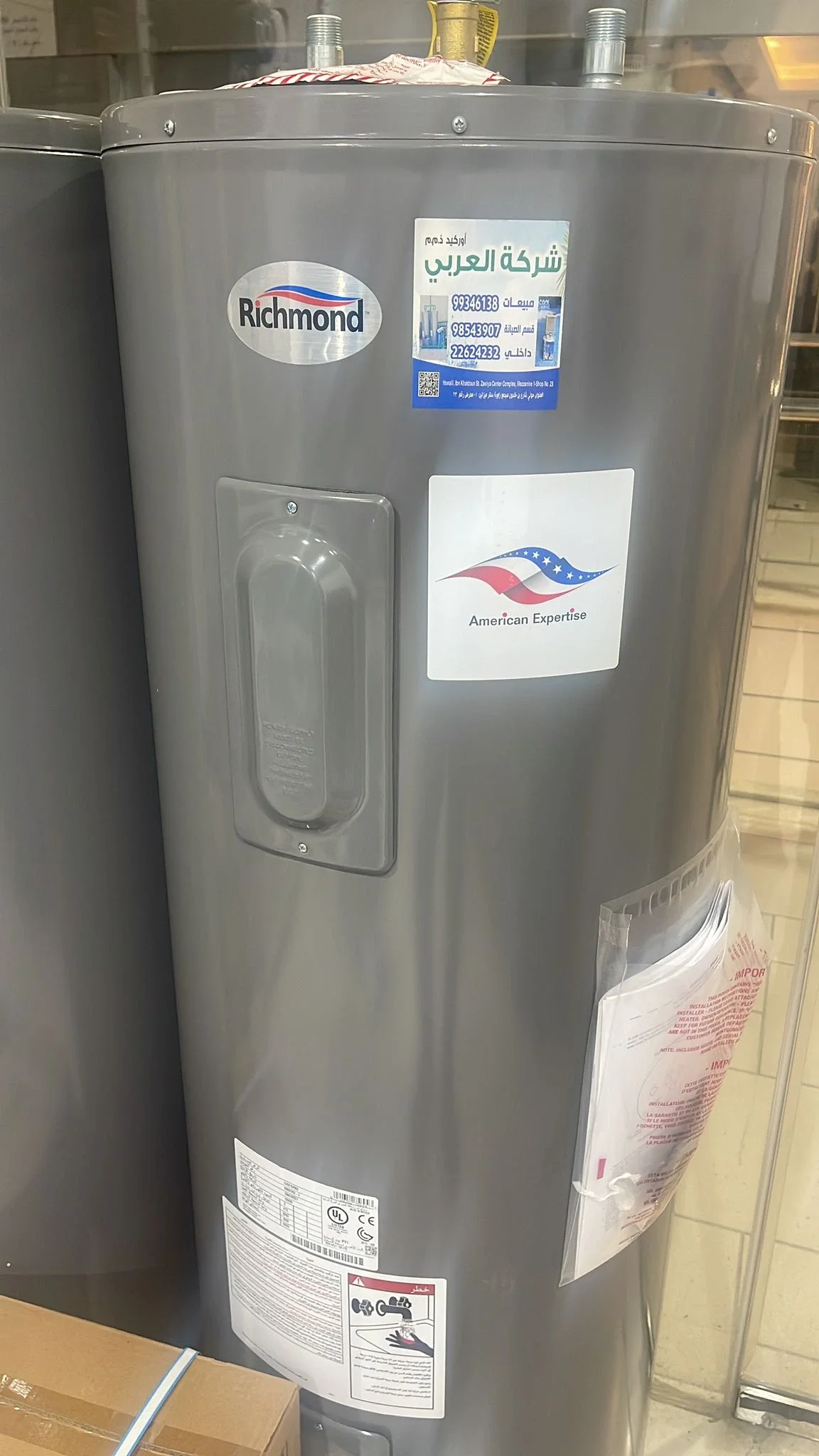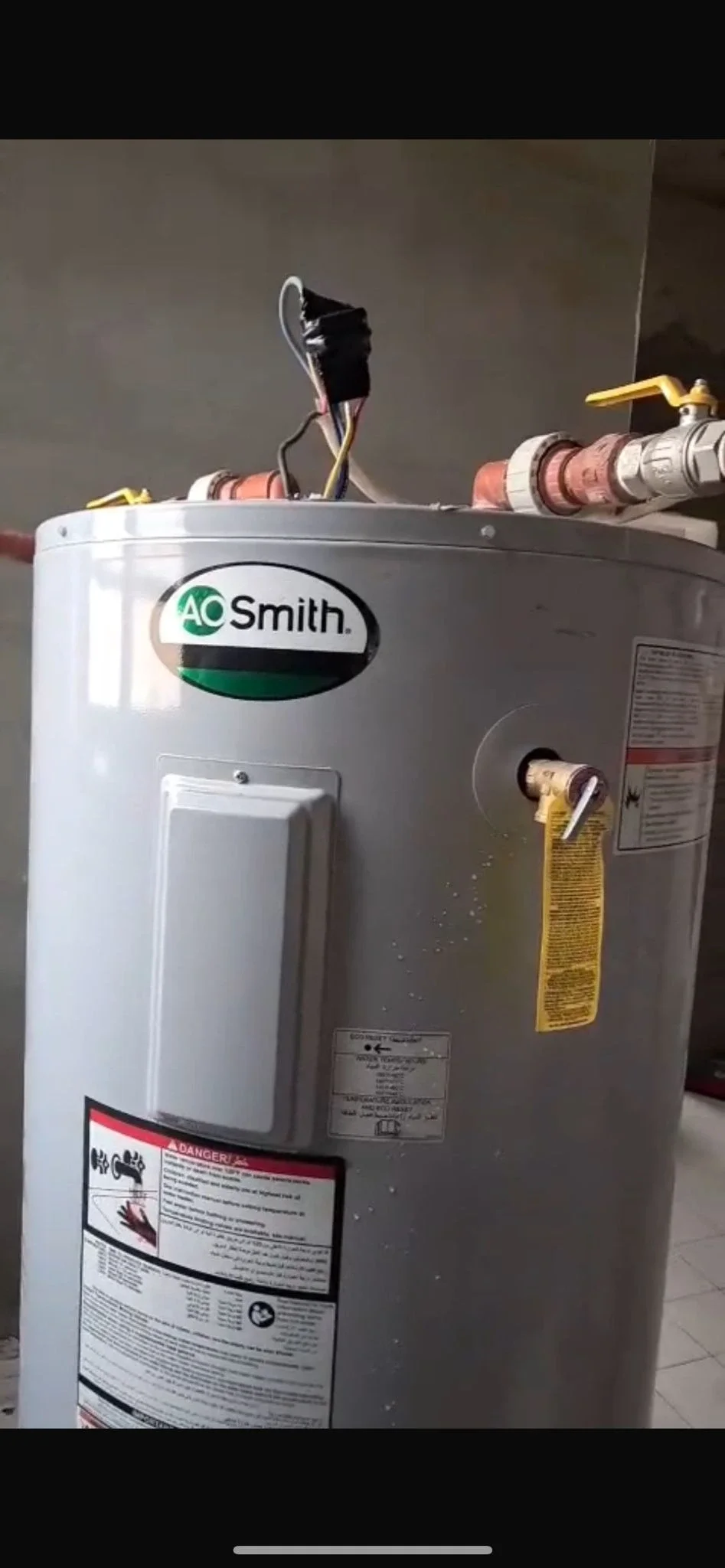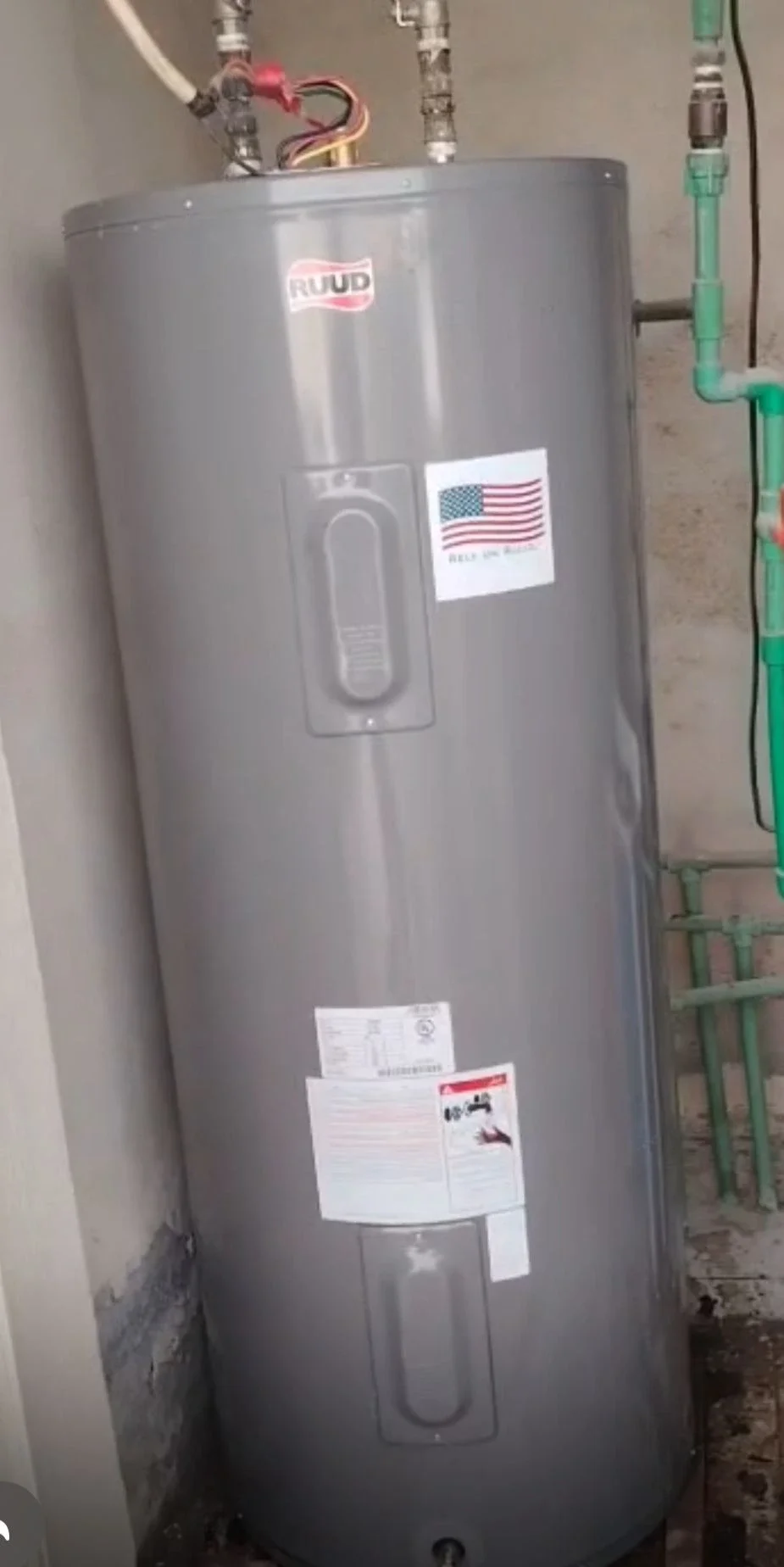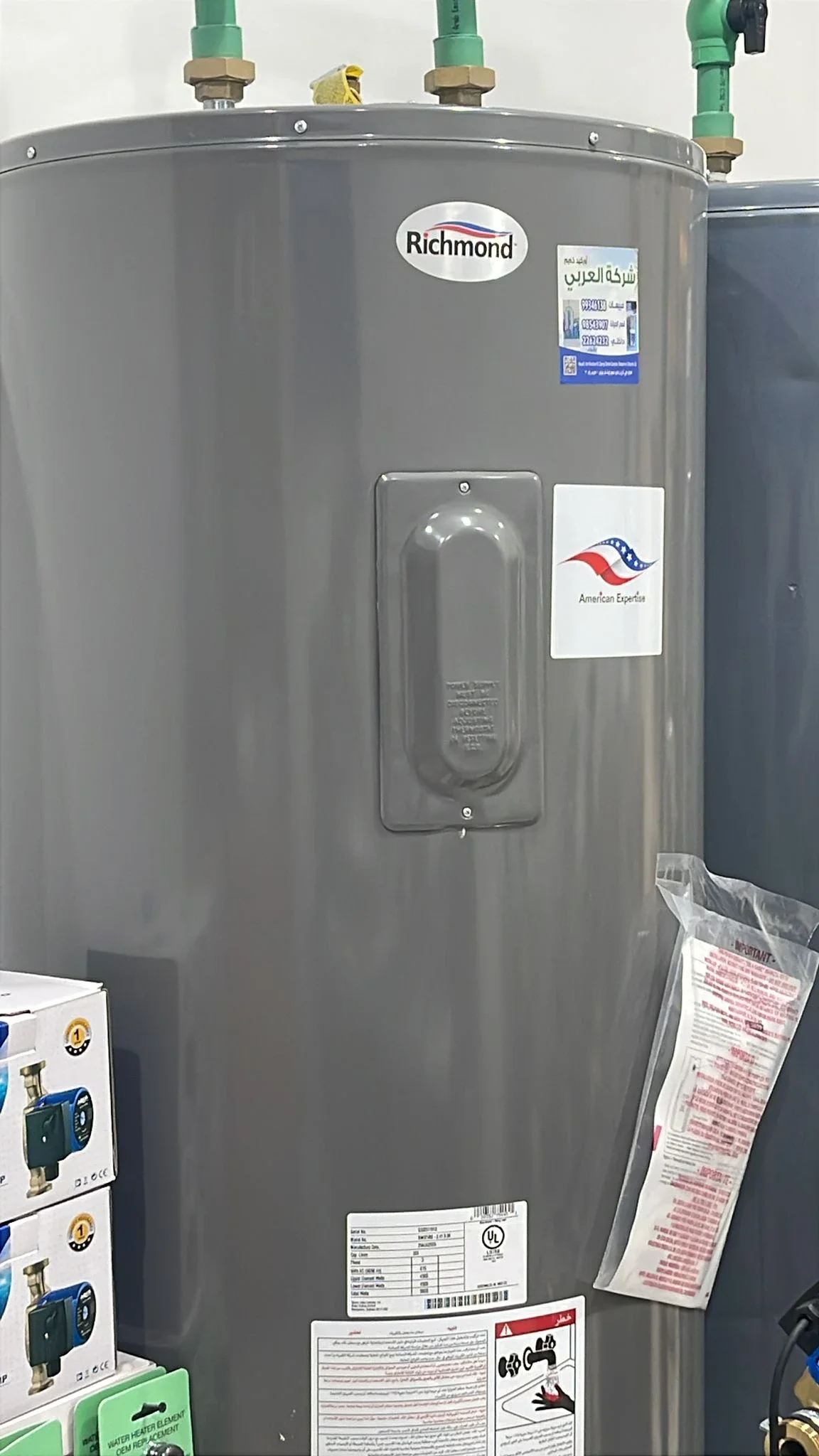
If you have noticed that your central water heater is consuming too much electricity, or your monthly electricity bill has increased significantly without any noticeable change in your household's hot water usage, it is natural to wonder whether the heater has become inefficient or is approaching the end of its service life. However, extensive practical experience diagnosing and servicing American central water heaters throughout Kuwait has consistently demonstrated that unusually high electricity consumption is often caused by hidden efficiency losses or relatively minor technical faults rather than permanent equipment failure. Accurate engineering diagnosis therefore becomes the most important step because it identifies the actual cause of excessive energy consumption before any unnecessary replacement parts are installed. This guide explains the engineering reasons behind increased electricity usage, demonstrates how professional technicians identify the true source of the problem, and presents practical solutions that restore heating efficiency while reducing operating costs without compromising hot water availability.
Why Does a Central Water Heater Consume So Much Electricity Even When No Obvious Faults Are Visible?
Many homeowners notice that their central water heater consumes too much electricity even though the unit appears to be operating normally. There are no unusual noises, no warning indicators, and hot water continues reaching household fixtures as expected. Nevertheless, these outward signs do not necessarily mean that every internal component continues operating at the same efficiency level it had when the heater was first installed. Extensive practical experience servicing American central water heaters throughout Kuwait has consistently demonstrated that efficiency often declines gradually without producing immediately noticeable symptoms. One of the most common engineering causes involves mineral deposits accumulating around the heating elements. These deposits create an insulating barrier that dramatically slows the transfer of heat into the surrounding water, forcing the heating elements to remain energized much longer before reaching the desired operating temperature. Thermal insulation surrounding the storage tank may also deteriorate over time, allowing stored heat to escape continuously and causing the heater to restart more frequently throughout the day simply to maintain water temperature. Professional technicians therefore begin by measuring actual electrical current consumption during operation before comparing total heating time with the manufacturer's original engineering specifications. Heating elements are tested, thermostat calibration is verified, heat loss inside the storage tank is measured, and both internal and external insulation are thoroughly inspected before any conclusions are reached regarding the condition of the heater. Extensive practical experience throughout Kuwait consistently demonstrates that correcting these underlying efficiency losses often restores normal electricity consumption without requiring complete replacement of the water heater.
What Causes High Electricity Consumption in a Water Heater Even During Normal Daily Use?
Understanding the cause of high water heater electricity consumption requires much more than simply examining monthly electricity bills because the complete heating cycle must be analyzed from the moment heating begins until the desired water temperature is achieved. Extensive practical experience maintaining central water heaters throughout Kuwait has consistently demonstrated that many heaters consume excessive electricity because relatively small technical faults force every component within the heating system to operate under greater electrical load than originally intended. Thermostats may delay switching off the heating element after the target temperature has already been reached, heating elements gradually lose efficiency after years of operation, mineral deposits reduce thermal conductivity inside the storage tank, or declining insulation allows valuable heat to escape continuously. Each of these conditions extends the total operating time required for every heating cycle. Professional technicians therefore begin by measuring heating element resistance, verifying thermostat accuracy, monitoring water temperature inside the storage tank together with temperatures measured throughout the plumbing system, and carefully analyzing actual electrical consumption during complete operating cycles. The plumbing network itself is also inspected to identify hidden leaks or unwanted mixing between hot and cold water lines because both conditions force the heater to operate much longer than necessary. Once every engineering measurement has been completed, technicians identify the precise cause of excessive electricity consumption before selecting the most appropriate repair strategy. Extensive practical experience throughout Kuwait consistently demonstrates that engineering-based diagnosis consistently reduces electricity consumption while restoring stable long-term operating efficiency.
Does a Higher Electricity Bill Automatically Mean the Water Heater Is Responsible?
When homeowners discover that their electricity bill has increased because of the water heater, they often assume that the heater itself is entirely responsible for the additional electrical consumption. However, extensive practical experience diagnosing complete water heating systems throughout Kuwait has consistently demonstrated that the water heater may represent only one part of a much larger engineering problem. In many situations, hidden heat loss occurs because of small leaks within hot water distribution pipes, unintended mixing between hot and cold water inside plumbing fixtures, or inadequate insulation surrounding long sections of hot water piping throughout the building. Household hot water demand may also have increased gradually because of additional family members or changes in daily usage patterns without homeowners realizing that total hot water consumption has significantly increased. Professional technicians therefore inspect far more than the heater alone. Water temperature is measured immediately as it leaves the storage tank before being compared with temperatures recorded at household fixtures throughout the property. Recovery time following heavy hot water usage is carefully monitored while total electrical consumption is compared with the manufacturer's original operating specifications for that specific heater model. After every engineering test has been completed, technicians determine whether excessive electricity consumption originates inside the heater itself or elsewhere within the complete hot water distribution system before recommending appropriate corrective action. Extensive practical experience throughout Kuwait consistently demonstrates that this comprehensive diagnostic approach frequently eliminates unnecessary repairs while successfully reducing electricity bills and restoring efficient hot water system performance.
Why Does the Water Heater Continue Running Constantly and How Does That Affect Energy Consumption?
One of the clearest indications that a heating system requires professional inspection is when the water heater keeps running continuously without entering the normal standby cycles for which it was originally designed. A properly functioning central water heater should operate in controlled heating cycles, automatically switching on to restore water temperature and switching off once the required temperature has been reached. Extensive practical experience servicing American central water heaters throughout Kuwait has consistently demonstrated that continuous operation usually indicates an engineering problem forcing the heater to compensate for ongoing heat loss. Common causes include deteriorated thermal insulation around the storage tank, inaccurate thermostat calibration that prevents the heater from recognizing the correct shutoff temperature, mineral deposits reducing heating efficiency, or hidden hot water leakage causing continuous cold water replacement inside the storage tank. Professional technicians therefore monitor an entire heating cycle while measuring heating element operating time, standby duration, restart frequency, thermostat accuracy, internal water temperature, insulation performance, and overall electrical current consumption. The plumbing network is also carefully inspected to verify that hidden heat loss or unwanted water circulation is not forcing the heater to restart repeatedly. Actual operating patterns are then compared with the manufacturer's engineering specifications for the specific heater model to determine the extent of abnormal operation. Once the precise cause has been identified, the necessary repairs restore the heater's normal operating cycle. Extensive practical experience throughout Kuwait consistently demonstrates that correcting continuous operation not only reduces electricity consumption significantly but also protects heating elements from unnecessary wear while extending the overall service life of the complete heating system.
How Does Reducing Water Heater Electricity Consumption Protect the Entire Heating System?
Reducing water heater electricity consumption provides benefits that extend far beyond lowering monthly utility bills because every unnecessary minute that the heating elements remain energized increases electrical stress, thermal loading, and long-term wear throughout the complete heating system. Extensive practical experience maintaining American central water heaters throughout Kuwait has consistently demonstrated that heaters operating within their intended engineering parameters require fewer repairs, maintain greater operating reliability, and experience significantly longer service lives than heaters forced to compensate for declining efficiency. Professional maintenance therefore begins by removing mineral deposits from the storage tank, restoring clean heating element surfaces, verifying thermostat calibration, inspecting storage tank insulation, and examining hot water piping insulation to minimize unnecessary heat loss during both storage and distribution. Household hot water usage patterns are also evaluated to ensure that heater operating settings correspond with actual daily demand rather than forcing unnecessary heating cycles throughout the day. Once maintenance has been completed, electrical current consumption is measured again and compared with previous operating values to verify measurable improvements in system efficiency. Extensive practical experience throughout Kuwait consistently demonstrates that systematic efficiency improvements stabilize heater performance, prevent gradual increases in energy consumption, reduce long-term operating expenses, and significantly improve overall system reliability.
How Is the Real Cause of Increased Energy Consumption Identified Without Guesswork?
Determining the real cause of increased energy consumption requires a systematic engineering methodology based entirely upon accurate technical measurements rather than assumptions or random component replacement because excessive electricity consumption frequently results from several smaller operating problems occurring simultaneously. Extensive practical experience diagnosing central water heaters throughout Kuwait has consistently demonstrated that professional technicians begin by measuring actual electrical consumption throughout complete heating cycles before comparing those measurements with the manufacturer's original engineering specifications. Heating element resistance, electrical current draw, water temperature, heating recovery speed, thermostat accuracy, storage tank condition, mineral accumulation, and internal corrosion are all carefully evaluated while the complete plumbing system is inspected for hidden leaks, unintended hot and cold water mixing, or abnormal pressure conditions affecting heater performance. Thermal insulation performance is also measured because continuous heat loss dramatically increases heater operating time even when every other component remains fully functional. Once every engineering measurement has been collected, technicians prepare a comprehensive technical assessment identifying each factor contributing to excessive electricity consumption together with its overall effect upon system performance. Appropriate repair priorities are then established according to actual engineering evidence rather than assumptions. Extensive practical experience throughout Kuwait consistently demonstrates that engineering-based diagnosis prevents unnecessary replacement of perfectly functional components, shortens maintenance time, restores normal electricity consumption, and eliminates the true causes of excessive energy usage instead of temporarily masking the symptoms.
How Does Saving Electricity with a Central Water Heater Reduce Future Mechanical Failures?
Saving electricity with a central water heater is not limited to reducing monthly utility expenses. It is also one of the most effective ways to preserve the long-term reliability of the entire heating system. Extensive practical experience servicing American central water heaters throughout Kuwait has consistently demonstrated that heaters forced to operate for extended periods because of declining efficiency place continuous stress on heating elements, thermostats, electrical wiring, and safety components. Even when these parts continue functioning normally, prolonged operating hours gradually shorten their service life and increase the likelihood of unexpected failures. Professional technicians therefore begin by evaluating the complete operating cycle, measuring total heating time, standby intervals, restart frequency, and overall electrical consumption before comparing those values with the manufacturer's engineering specifications. Mineral deposits inside the storage tank are carefully inspected because they significantly increase heating time, while insulation quality is evaluated to identify unnecessary heat loss. Thermostat calibration, pressure relief valves, electrical connections, and all safety devices are also thoroughly tested. After maintenance has been completed, the heater is operated under realistic household conditions while electrical consumption is monitored before and after servicing to verify measurable improvements in efficiency. Extensive practical experience throughout Kuwait consistently demonstrates that maintaining maximum operating efficiency not only lowers electricity consumption but also reduces heating element failures, improves temperature stability, minimizes maintenance costs, and significantly extends the operational lifespan of the entire water heating system.
How Does Improving Water Heater Energy Efficiency Deliver Better Performance at Lower Operating Cost?
Improving water heater energy efficiency focuses on optimizing every engineering component within the heating system so that the maximum possible amount of hot water is produced using the lowest possible amount of electrical energy. Extensive practical experience maintaining American central water heaters throughout Kuwait has consistently demonstrated that true efficiency improvement cannot be achieved by adjusting only one operating setting because multiple engineering factors influence overall performance simultaneously. Professional technicians therefore begin by removing mineral deposits from the storage tank before cleaning heating elements to restore efficient heat transfer into the water. Thermostat calibration is carefully verified, storage tank insulation and hot water pipe insulation are inspected, electrical wiring is examined, and water pressure together with system flow rates are evaluated to ensure that every component operates within the manufacturer's recommended engineering limits. Operating settings are then adjusted according to the actual number of household occupants and the heater's storage capacity rather than using generalized factory settings that may not reflect real household demand. Following maintenance, complete heating cycles are monitored while electricity consumption, recovery time, water temperature stability, and overall operating efficiency are compared with original engineering specifications. Extensive practical experience throughout Kuwait consistently demonstrates that comprehensive efficiency improvement produces more stable heating performance, significantly lowers operating costs, reduces unnecessary electrical loading, and postpones complete heater replacement for many additional years.
How Does Regular Water Heater Maintenance Help Reduce Electricity Consumption Throughout the Year?
Water heater maintenance for electricity savings represents one of the most valuable preventive maintenance practices because it prevents the gradual decline in heating efficiency that often develops unnoticed until homeowners begin experiencing higher electricity bills or slower water heating performance. Extensive practical experience servicing central water heaters throughout Kuwait has consistently demonstrated that routine preventive maintenance preserves every major component in optimal operating condition while preventing mineral accumulation, which remains one of the most common engineering causes of excessive energy consumption. Professional maintenance includes complete storage tank cleaning, removal of mineral deposits from heating elements, thermostat inspection and calibration, electrical current measurements, examination of wiring connections, insulation evaluation, pressure relief valve testing, and comprehensive inspection of the plumbing network to identify hidden leaks or unwanted hot and cold water mixing. Once maintenance has been completed, the entire system undergoes operational testing to verify that heating time, restart frequency, electrical consumption, and water temperature stability all remain within the manufacturer's recommended engineering limits. Extensive practical experience throughout Kuwait consistently demonstrates that scheduled preventive maintenance consistently reduces electricity consumption, minimizes unexpected breakdowns, preserves heating efficiency throughout the year, and provides homeowners with reliable long-term water heater performance.
How Can High Electricity Consumption Be Solved Without Replacing the Water Heater?
Many homeowners assume that solving the problem of high electricity consumption automatically requires purchasing a completely new water heater as soon as they notice a sharp increase in their monthly utility bill. However, extensive practical experience servicing American central water heaters throughout Kuwait has consistently demonstrated that complete replacement is unnecessary in a large percentage of cases. In many situations, the heater itself remains mechanically sound, while declining efficiency in one or more internal components forces it to consume considerably more electricity to produce the same amount of hot water. Professional technicians therefore begin with a comprehensive engineering diagnosis that includes measuring actual electrical consumption during complete heating cycles, analyzing heating time, testing heating element efficiency, verifying thermostat calibration, evaluating storage tank insulation, and inspecting the entire plumbing network for hidden leaks or unintended mixing between hot and cold water. The internal condition of the storage tank is also carefully examined to determine whether excessive mineral accumulation has reduced thermal transfer efficiency. Once the true engineering cause has been identified, technicians perform the appropriate corrective action, whether that involves professional tank cleaning, replacing worn components, recalibrating operating controls, or correcting plumbing system faults. Following every repair, electrical consumption is measured again under realistic operating conditions to confirm that the heater has returned to normal efficiency levels. Extensive practical experience throughout Kuwait consistently demonstrates that this scientific engineering approach provides substantial long-term energy savings while extending the service life of the existing water heater by many years.
Conclusion
If your central water heater consumes too much electricity, you should never assume that the problem is caused only by the age of the equipment because excessive energy consumption is often the result of gradual efficiency losses within the complete heating system rather than permanent mechanical failure. Extensive practical experience servicing American central water heaters throughout Kuwait has consistently demonstrated that accurate engineering diagnosis remains the single most important factor in reducing electricity consumption because it identifies the true source of energy loss while preventing unnecessary replacement of perfectly functional components.
Throughout this comprehensive guide, we explored every major engineering factor responsible for situations where a central water heater consumes too much electricity, explained the causes of high electricity consumption, examined why electricity bills increase because of water heaters even when household usage appears unchanged, analyzed the engineering reasons why the water heater continues running continuously, demonstrated practical methods for reducing water heater electricity consumption, identified the true causes of increased energy usage, explained how saving electricity with a central water heater contributes to greater long-term reliability, examined engineering techniques for improving water heater energy efficiency, discussed the importance of water heater maintenance for electricity savings, and finally demonstrated the professional engineering process used for solving excessive electricity consumption without unnecessarily replacing the existing heater.
Ultimately, maintaining maximum heater efficiency depends upon far more than repairing visible faults. It requires scheduled preventive maintenance, regular engineering inspections, storage tank cleaning, heating element evaluation, thermostat calibration, plumbing system assessment, and accurate performance testing. Together, these engineering practices significantly reduce electricity consumption, ensure reliable hot water production, minimize unexpected breakdowns, lower long-term operating costs, and extend the useful lifespan of the complete water heating system for many years.
Frequently Asked Questions
Why is my central water heater consuming more electricity than before?
The most common causes include mineral buildup on heating elements, deteriorating insulation, inaccurate thermostat calibration, declining heating efficiency, hidden plumbing problems, or extended operating cycles caused by heat loss.
Does a higher electricity bill automatically mean the water heater is failing?
No. A higher electricity bill often indicates reduced operating efficiency rather than complete equipment failure. Professional diagnosis can usually determine whether maintenance or minor repairs are sufficient.
How do technicians diagnose excessive electricity consumption?
Professional diagnosis includes measuring electrical current, analyzing heating cycle duration, testing heating elements, verifying thermostat calibration, evaluating insulation quality, inspecting the storage tank, and examining the complete plumbing system.
Do mineral deposits inside the storage tank increase electricity consumption?
Yes. Mineral deposits reduce heat transfer efficiency, forcing heating elements to operate longer before reaching the desired water temperature, which directly increases electricity usage.
Why does the water heater continue running for long periods?
Continuous operation may result from thermostat malfunction, poor insulation, hidden hot water leaks, declining heating element efficiency, or excessive heat loss throughout the plumbing system.
How can electricity consumption be reduced?
Electricity consumption can be lowered through professional tank cleaning, mineral deposit removal, heating element maintenance, thermostat calibration, improved insulation, and scheduled preventive servicing.
Does regular maintenance really reduce electricity bills?
Yes. Routine maintenance restores heating efficiency, shortens operating time, reduces unnecessary electrical consumption, and helps maintain stable long-term performance.
When should heating elements be replaced?
Heating elements should only be replaced after professional engineering measurements confirm reduced efficiency, electrical failure, or inability to produce normal heating performance despite proper system operation.
Does improving heater efficiency extend equipment lifespan?
Absolutely. Reduced operating time and lower electrical stress significantly decrease wear on heating elements, thermostats, wiring, and other internal components, extending the overall service life of the heater.
What is the best long-term solution for excessive electricity consumption?
The most effective long-term solution is a comprehensive engineering inspection of the complete heating system followed by accurate diagnosis, professional maintenance, correction of the true cause of energy loss, and scheduled preventive servicing to maintain maximum operating efficiency.