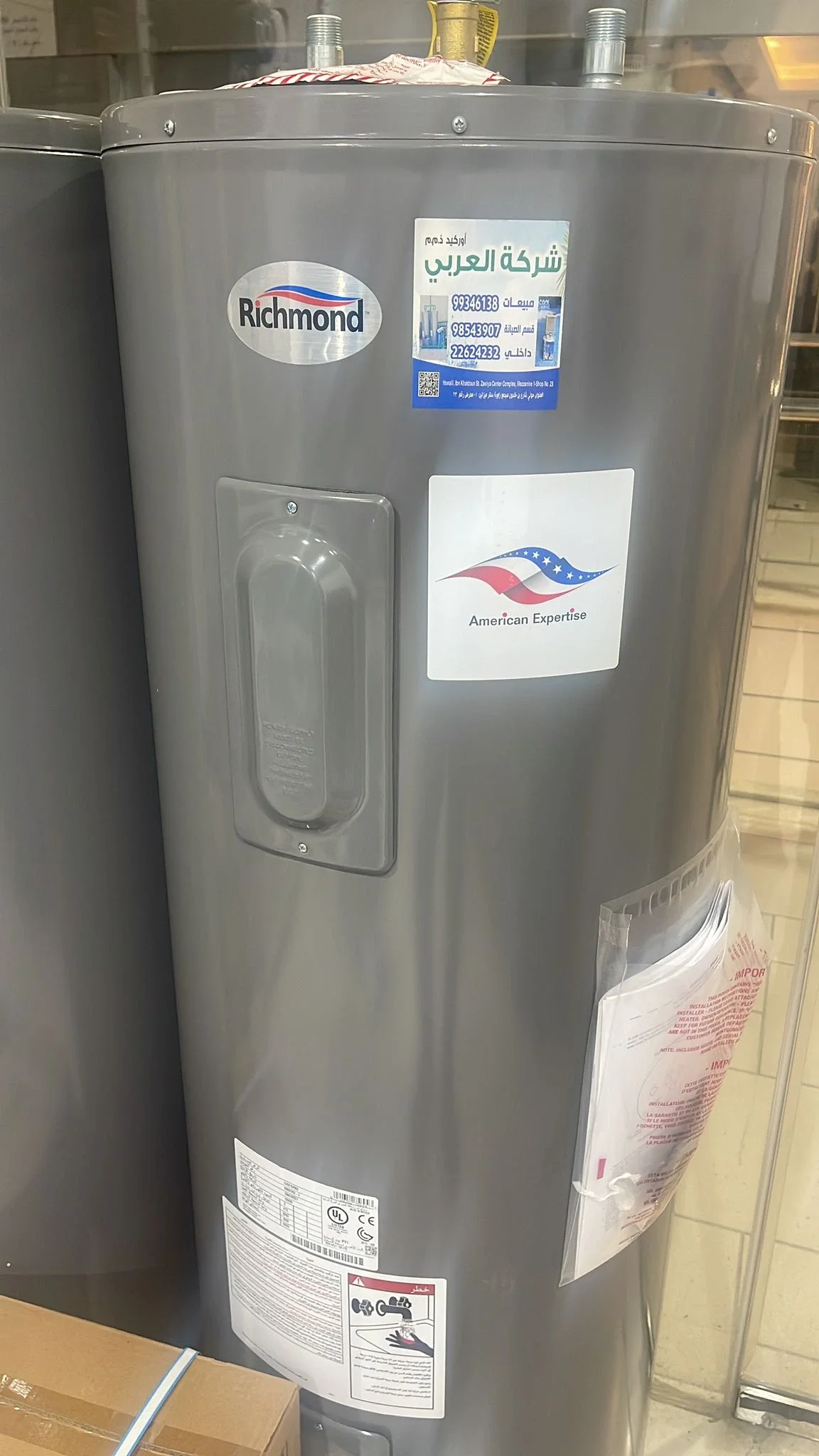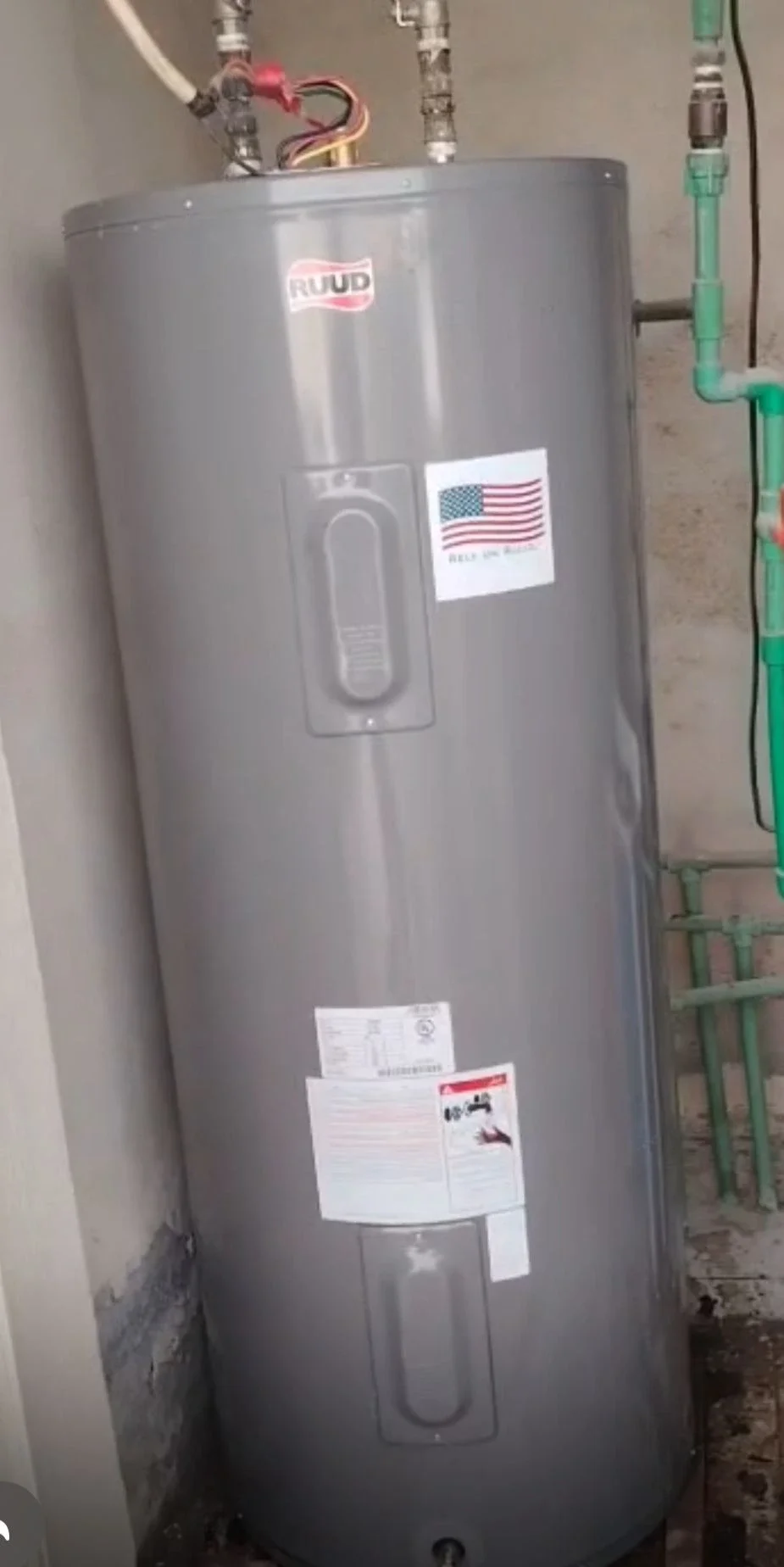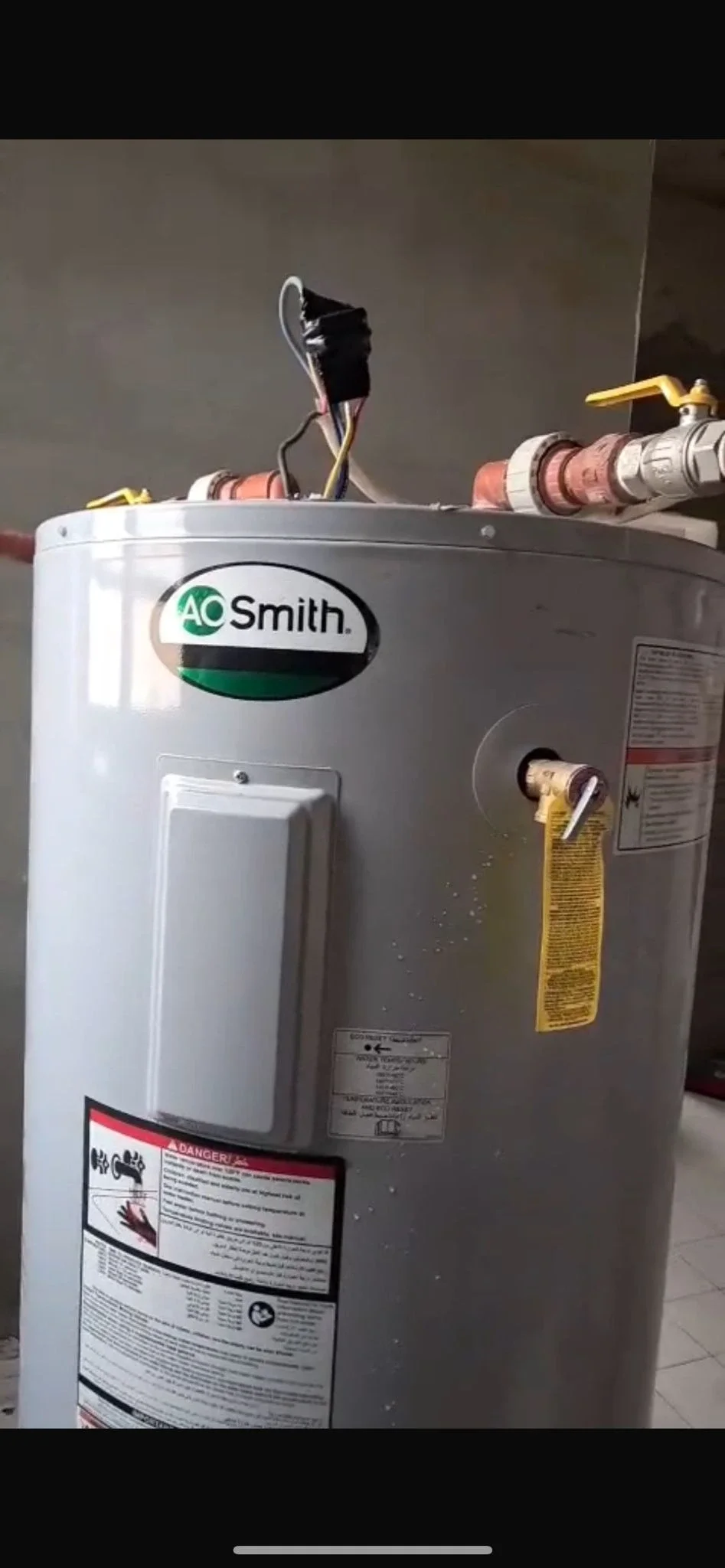
When hot water runs out too fast, many homeowners immediately assume that the storage tank has become too small or that the water heater has reached the end of its service life. However, extensive practical experience servicing American central water heaters throughout Kuwait has consistently demonstrated that the problem is often caused by declining efficiency within one or more internal components rather than insufficient storage capacity. In many situations, professional diagnosis reveals that simple maintenance, proper adjustment, or targeted repairs can completely restore normal hot water performance without replacing the heater. This guide explains the real engineering reasons behind rapidly disappearing hot water, how specialists accurately diagnose declining heater performance, and the professional solutions that restore heating efficiency while extending the operational lifespan of the entire system.
Why Does Hot Water Run Out So Quickly Even Though the Water Heater Appears to Be Operating Normally?
When homeowners notice that hot water runs out too fast, they often believe the storage tank is no longer large enough to meet household demand. However, extensive practical experience maintaining American central water heaters throughout Kuwait has consistently demonstrated that this problem frequently results from several engineering issues unrelated to the actual size of the storage tank. In many cases, the heater itself continues operating normally, but the heating element has gradually lost efficiency because of long-term operation or heavy mineral deposits covering its surface, significantly reducing the speed at which water is reheated after consumption. Similarly, reduced thermostat accuracy may interrupt the heating cycle before the water reaches its intended operating temperature, causing homeowners to believe that the available supply of hot water has decreased substantially. Professional technicians therefore begin by measuring the actual water temperature inside the storage tank before comparing it with the temperature measured at household outlets. Recovery time following heavy hot water usage is carefully monitored while heating elements, thermostat calibration, electrical current consumption, and complete operating performance are thoroughly evaluated. Technicians also inspect the plumbing system to verify that no unintended mixing occurs between hot and cold water lines because this condition frequently creates the appearance of insufficient hot water even when the heater itself remains fully operational. After completing every engineering measurement, the actual source of declining performance is identified before selecting the most appropriate repair strategy without replacing components unnecessarily. Extensive practical experience throughout Kuwait consistently demonstrates that accurate engineering diagnosis frequently restores full heater performance without requiring complete equipment replacement.
Why Does the Available Amount of Hot Water Gradually Decrease Over Time?
Many homeowners eventually notice that the amount of available hot water becomes smaller than it was when the heater was first installed even though no obvious operating failures have appeared. Extensive practical experience maintaining central water heaters throughout Kuwait has consistently demonstrated that this gradual decline usually develops because of long-term operating conditions rather than sudden mechanical failure. Mineral deposits naturally present in the local water supply gradually settle at the bottom of the storage tank, progressively reducing its effective storage capacity as these deposits occupy increasing amounts of internal space. Heating elements also become less efficient as layers of mineral scale accumulate around their surfaces, slowing heat transfer into the water and increasing heating time. At the same time, deterioration of the sacrificial magnesium anode rod reduces protection against internal corrosion if replacement is delayed beyond the recommended maintenance interval. Professional technicians therefore begin by draining the storage tank and evaluating the amount of accumulated mineral deposits before inspecting heating elements, testing thermostat accuracy, measuring actual heating time, and assessing the overall internal condition of the storage tank. Once professional cleaning and maintenance procedures have been completed, the heater undergoes comprehensive performance testing to verify restoration of its original heating capacity together with improved hot water availability. Extensive practical experience throughout Kuwait consistently demonstrates that routine preventive maintenance preserves the effective storage capacity of the heater while preventing the gradual reduction of available hot water over many years of continuous operation.
Why Doesn't the Water Heater Retain Hot Water as Long as It Used To?
Many homeowners report that the water heater no longer retains hot water for extended periods because the stored water cools much faster than it did previously even when little or no hot water has been used. This situation differs significantly from ordinary heating failure because it concerns the heater's ability to preserve stored thermal energy after the heating cycle has already been completed. Extensive practical experience inspecting American central water heaters throughout Kuwait has consistently demonstrated that rapid heat loss may result from deteriorated thermal insulation surrounding the storage tank, declining performance of the check valve, internal leakage allowing cold water to enter the storage tank continuously, or thermostat settings that have been adjusted below the temperatures appropriate for normal household use. Professional technicians therefore measure the rate at which water temperature declines inside the storage tank over a controlled period before inspecting insulation quality, testing every system valve, verifying thermostat calibration, and confirming that no unintended water movement occurs inside the storage tank during idle periods. Once the precise source of heat loss has been identified, the appropriate engineering repair is completed before the heater undergoes another complete series of operational tests to confirm that it now retains hot water for the manufacturer's expected operating duration. Extensive practical experience throughout Kuwait consistently demonstrates that correcting the underlying causes of heat loss significantly improves heater efficiency, reduces electricity consumption, and provides homeowners with much more consistent daily hot water performance.
What Causes Hot Water to Run Out Even Though the Water Heater Appears to Be Working Efficiently?
When homeowners search for the reason why hot water runs out, they often assume that the problem is entirely related to the water heater itself. However, extensive practical experience diagnosing residential water heating systems throughout Kuwait has consistently demonstrated that rapidly disappearing hot water frequently results from several different operating conditions working together rather than a single mechanical failure. The heater may still be producing hot water efficiently, yet household hot water consumption during a short period may exceed the heater's recovery capacity. In other situations, the thermostat may be adjusted below the appropriate operating temperature, hot and cold water may be unintentionally mixing inside plumbing fixtures, or heating element efficiency may have declined after years of operation. Professional technicians therefore begin by evaluating the household's actual hot water usage patterns before measuring recovery time following heavy water consumption, testing heating element performance, verifying thermostat calibration, inspecting system valves, and confirming that no internal leaks or mixing points exist within the plumbing network. The storage capacity of the heater is also compared with the number of household occupants and the total number of hot water outlets because changes in family size or household demand may exceed the original design capacity even when the heater itself operates normally. After completing the engineering evaluation, technicians determine whether the most effective solution involves maintenance, operating adjustments, plumbing corrections, or changes in household water usage. Extensive practical experience throughout Kuwait consistently demonstrates that identifying the true engineering cause of disappearing hot water prevents unnecessary heater replacement while providing far more reliable long-term results.
How Is Poor Water Heater Performance Professionally Diagnosed Without Replacing Functional Components?
Professional diagnosis of poor water heater performance requires a complete engineering evaluation of the entire heating system instead of concentrating on only one individual component because declining efficiency often develops through the combined influence of several operating factors that cannot be identified during a brief visual inspection. Extensive practical experience maintaining American central water heaters throughout Kuwait has consistently demonstrated that technicians begin by measuring the time required to heat water from its initial temperature to the desired operating temperature before monitoring electrical current consumption, testing heating element efficiency, calibrating thermostat operation, inspecting mineral deposits inside the storage tank, evaluating insulation performance, and examining every safety valve throughout the system. Water temperature is carefully measured both at the heater outlet and at multiple household fixtures to determine whether heat loss occurs inside the heater or during water distribution through the plumbing network. Water pressure is also monitored because pressure abnormalities frequently influence heating efficiency and overall hot water performance. Once every engineering measurement has been collected, technicians prepare a detailed technical assessment explaining the condition of every major component together with its effect upon overall system performance before recommending repairs or replacement. Extensive practical experience throughout Kuwait consistently demonstrates that this engineering-based diagnostic process prevents unnecessary replacement of perfectly functional components, significantly reduces repair costs, and greatly improves first-visit repair success rates.
How Can the Amount of Available Hot Water Be Increased Without Replacing the Water Heater?
Many homeowners believe that increasing the amount of available hot water requires purchasing a larger storage tank. However, extensive practical experience maintaining central water heaters throughout Kuwait has consistently demonstrated that improving the performance of the existing heater is often sufficient to provide substantially greater hot water availability without replacing the equipment. Professional technicians begin by removing mineral deposits from the storage tank because accumulated sediment reduces its effective storage capacity while cleaning heating elements restores efficient heat transfer into the water. Thermostat settings are then adjusted according to manufacturer recommendations, plumbing valves are inspected to eliminate unwanted mixing between hot and cold water, and household water usage patterns are evaluated to ensure that multiple high-demand fixtures are not operating simultaneously beyond the heater's intended capacity. The thermal insulation surrounding the storage tank is also carefully examined because proper insulation allows hot water to remain at operating temperature for much longer periods while reducing the need for repeated heating cycles. After maintenance has been completed, technicians monitor actual household operation to verify increased hot water availability under realistic daily usage conditions. Extensive practical experience throughout Kuwait consistently demonstrates that preventive maintenance together with proper operating adjustments can significantly increase available hot water while improving overall heating efficiency without requiring the purchase of a larger water heater.
How Can the Problem of Running Out of Hot Water Be Permanently Solved Instead of Temporarily?
Successfully solving the problem of running out of hot water requires eliminating the true engineering cause responsible for the reduced hot water supply rather than relying on temporary solutions such as increasing the thermostat setting or limiting household water usage for a short period. Extensive practical experience maintaining American central water heaters throughout Kuwait has consistently demonstrated that professional solutions always begin with a comprehensive inspection of the complete heating system. Technicians measure the heater's recovery speed after significant hot water consumption, evaluate heating element efficiency, test thermostat calibration, inspect every system valve, examine the thermal insulation surrounding the storage tank, and inspect the plumbing network to confirm that no unintended mixing occurs between hot and cold water lines or that no hidden leaks reduce overall system performance. Household hot water demand is also carefully compared with the actual storage capacity of the heater because many homes gradually increase their water usage through additional family members or newly installed bathrooms without upgrading the original heating system. Once every engineering evaluation has been completed, technicians determine whether the most appropriate solution involves cleaning the storage tank, replacing worn components, recalibrating operating controls, improving household water distribution, or modifying daily usage patterns. After repairs have been completed, the heater undergoes comprehensive operational testing under realistic household demand to verify that sufficient hot water remains available throughout normal daily use. Extensive practical experience throughout Kuwait consistently demonstrates that correcting the root engineering cause provides stable long-term performance while preventing the repeated return of hot water shortages, unlike temporary solutions that address only the visible symptoms.
How Does Improving the Performance of an American Water Heater Provide Hot Water for Longer Periods?
Professional improvement of American water heater performance extends far beyond repairing individual faults because it involves restoring the efficiency of every component within the complete heating system until the heater once again operates according to its original factory engineering specifications. Extensive practical experience servicing American water heaters throughout Kuwait has consistently demonstrated that performance improvement begins with removing mineral deposits from both the storage tank and heating elements because these deposits represent one of the greatest obstacles to efficient heat transfer into the water. Technicians then evaluate thermostat accuracy, inspect the sacrificial magnesium anode rod responsible for protecting the storage tank against corrosion, verify insulation quality, examine all electrical wiring, and carefully test every built-in safety device. Electrical energy consumption during active heating cycles is measured and compared with manufacturer operating standards while recovery time following heavy hot water usage is continuously monitored. Heat distribution throughout the storage tank is also evaluated to confirm that no internal areas lose temperature faster than others because of hidden operating abnormalities. After all maintenance procedures have been completed, the complete water heater undergoes extensive operational testing under realistic household conditions to verify faster heating, greater hot water availability, lower electricity consumption, and stable operating temperatures during continuous use. Extensive practical experience throughout Kuwait consistently demonstrates that this systematic approach to performance improvement significantly increases long-term reliability, delays complete heater replacement, and provides a much more comfortable daily hot water experience for every member of the household.
How Does Increasing Central Water Heater Efficiency Reduce Electricity Consumption and Extend Equipment Lifespan?
Increasing central water heater efficiency is one of the primary objectives of professional maintenance because an efficiently operating heater not only provides a greater volume of hot water but also consumes less electricity while placing considerably less mechanical and electrical stress upon every internal component, directly extending the equipment's operational lifespan. Extensive practical experience maintaining central water heaters throughout Kuwait has consistently demonstrated that declining efficiency usually develops gradually because of mineral accumulation, reduced heating element performance, deteriorating thermal insulation, declining thermostat accuracy, or several smaller operating issues that homeowners often fail to notice until hot water availability becomes significantly reduced. Professional efficiency improvement therefore begins with a comprehensive engineering inspection covering every major heater component before technicians clean the storage tank, remove mineral deposits, inspect heating elements, verify thermostat calibration, measure electrical energy consumption, and evaluate the complete plumbing system to ensure that no hidden leaks or unintended mixing between hot and cold water lines reduce overall operating performance. Operating controls are then adjusted according to the actual household usage requirements before the complete system undergoes extended operational testing to verify stable water temperatures, rapid heat recovery, efficient electrical consumption, and reliable long-term performance during repeated daily operation. Extensive practical experience throughout Kuwait consistently demonstrates that maintaining maximum heater efficiency through scheduled preventive maintenance significantly reduces electricity consumption, minimizes unexpected equipment failures, preserves stable hot water availability, and provides homeowners with many additional years of dependable and economical service.
Conclusion
If hot water runs out too fast, replacing the water heater or purchasing a larger storage tank should never be the first decision. Extensive practical experience servicing American central water heaters throughout Kuwait has consistently demonstrated that reduced hot water availability is not always caused by an aging heater. In many situations, the problem originates from mineral accumulation, declining heating element efficiency, thermostat inaccuracies, or plumbing system issues that significantly reduce overall performance even though the heater itself remains fully serviceable. For this reason, accurate engineering diagnosis remains the most important step because it identifies every factor affecting system performance while preventing unnecessary replacement of perfectly functional components.
Throughout this comprehensive guide, we explored every major engineering factor responsible for situations where hot water runs out too fast, explained why the available amount of hot water gradually decreases, examined why the water heater no longer retains hot water as effectively as before, analyzed the real causes of running out of hot water despite normal heater operation, demonstrated the professional engineering process used for diagnosing poor water heater performance, explained practical methods for increasing the available amount of hot water without replacing the heater, described permanent engineering solutions for solving hot water shortage problems, examined the technical procedures involved in improving American water heater performance, and finally demonstrated how increasing central water heater efficiency improves heating performance while reducing electricity consumption and extending the operational lifespan of the complete system.
Ultimately, the most valuable investment homeowners can make is scheduled preventive maintenance because routine engineering inspections prevent minor performance reductions from developing into expensive mechanical failures. Maintaining every component at maximum operating efficiency ensures a consistent supply of hot water, reduces unexpected breakdowns, lowers maintenance costs, minimizes electricity consumption, and preserves dependable water heater performance for many years.
Frequently Asked Questions
Why does hot water run out so quickly even though the water heater is working?
The most common causes include reduced heating element efficiency, heavy mineral deposits inside the storage tank, inaccurate thermostat operation, unintended mixing between hot and cold water lines, or plumbing system problems. Professional engineering diagnosis should always be completed before replacing any components.
Why has the amount of available hot water become smaller than before?
This usually occurs because mineral deposits gradually reduce the effective storage capacity of the tank, heating elements lose efficiency over time, or internal components experience normal wear after years of operation.
Does a water heater that cannot retain hot water always need replacement?
No. Rapid heat loss is often caused by deteriorated insulation, thermostat problems, internal valve leakage, or other repairable conditions that can usually be corrected without replacing the complete heater.
How is poor water heater performance professionally diagnosed?
Technicians evaluate heating time, test heating elements, verify thermostat calibration, measure electrical consumption, inspect water pressure, examine the storage tank, and analyze the complete plumbing system before determining the actual engineering cause of declining performance.
Can the amount of hot water be increased without purchasing a larger heater?
Yes. Professional cleaning of the storage tank, removal of mineral deposits, thermostat adjustment, heating element maintenance, and overall performance optimization frequently increase hot water availability without replacing the existing heater.
Why does hot water run out more quickly in larger homes?
Household demand may exceed the heater's storage capacity or recovery speed, especially when several bathrooms, kitchens, or appliances consume hot water simultaneously.
Do mineral deposits inside the storage tank affect hot water availability?
Yes. Mineral accumulation reduces the effective storage volume while decreasing heat transfer efficiency, resulting in smaller quantities of available hot water and longer heating times.
How does improving American water heater performance increase hot water availability?
Professional maintenance restores heating efficiency by cleaning the storage tank, servicing heating elements, calibrating the thermostat, inspecting protective components, and ensuring that every internal system operates according to original engineering specifications.
Does routine maintenance help prevent hot water shortages?
Yes. Scheduled preventive maintenance identifies developing problems early, preserves heater efficiency, maintains proper heating performance, and significantly reduces the likelihood of unexpected hot water shortages.
What is the most effective way to improve central water heater efficiency?
The best approach combines comprehensive engineering inspection, professional storage tank cleaning, heating element maintenance, thermostat calibration, plumbing system evaluation, and preventive servicing performed by experienced specialists using accurate diagnostic procedures.