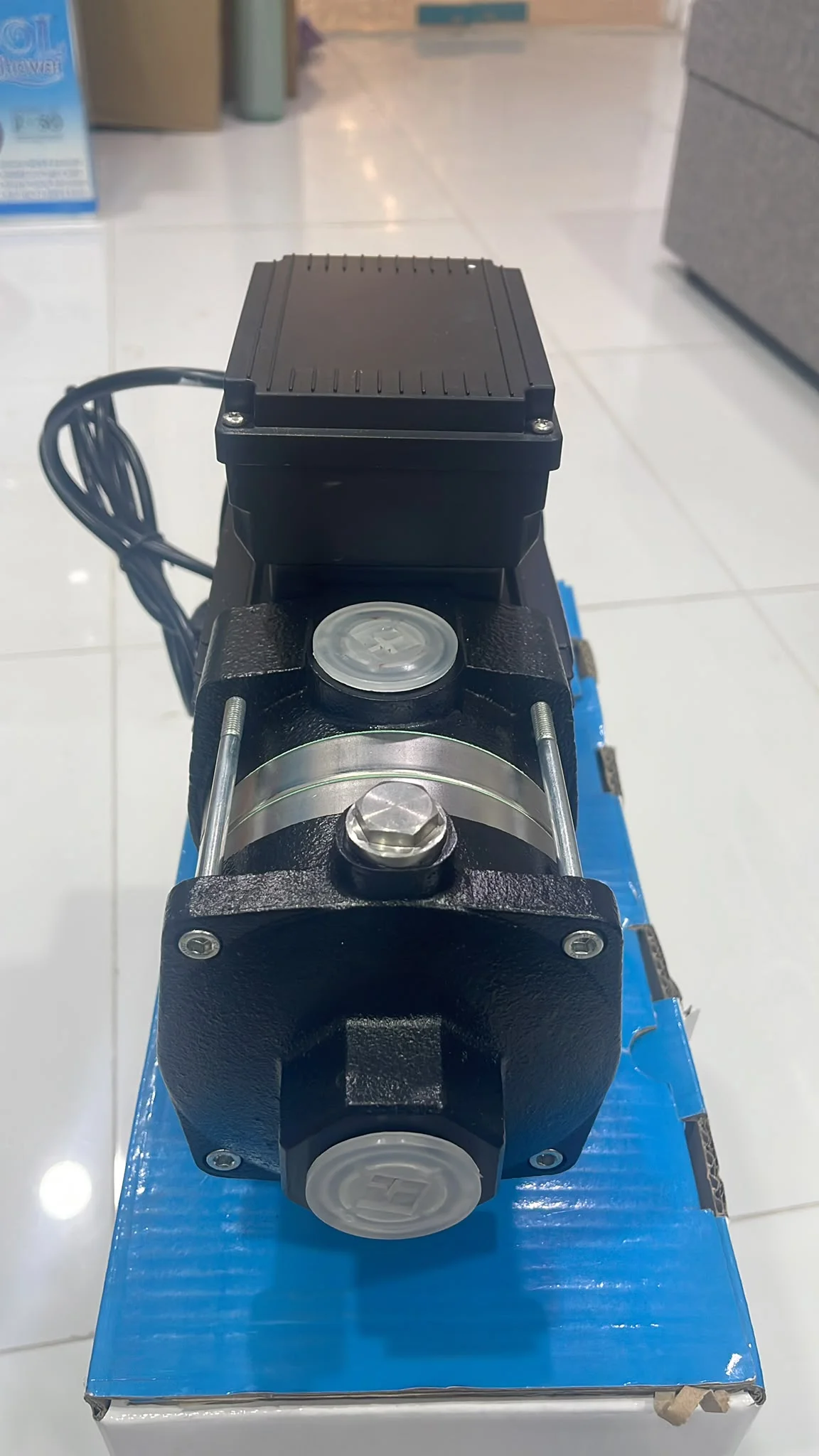
You open the faucet and wait, but the water stays cold for a while before the hot water finally arrives. Not every delay means the water heater is weak, and not every home needs a recirculation pump. Sometimes the reason is simply that the distance between the water heater and the bathroom is long, so the water left standing inside the hot-water pipe has cooled since the last use and must flow out first before newly heated water reaches the fixture. In other cases, the problem may come from the heater itself, a specific mixer, or an unbalanced plumbing layout. The right decision starts by identifying where the delay occurs and whether it affects every outlet or only a distant one. If the real cause is the length of the hot-water run, a recirculation pump can make a noticeable difference in everyday comfort.
Delayed hot water arrival
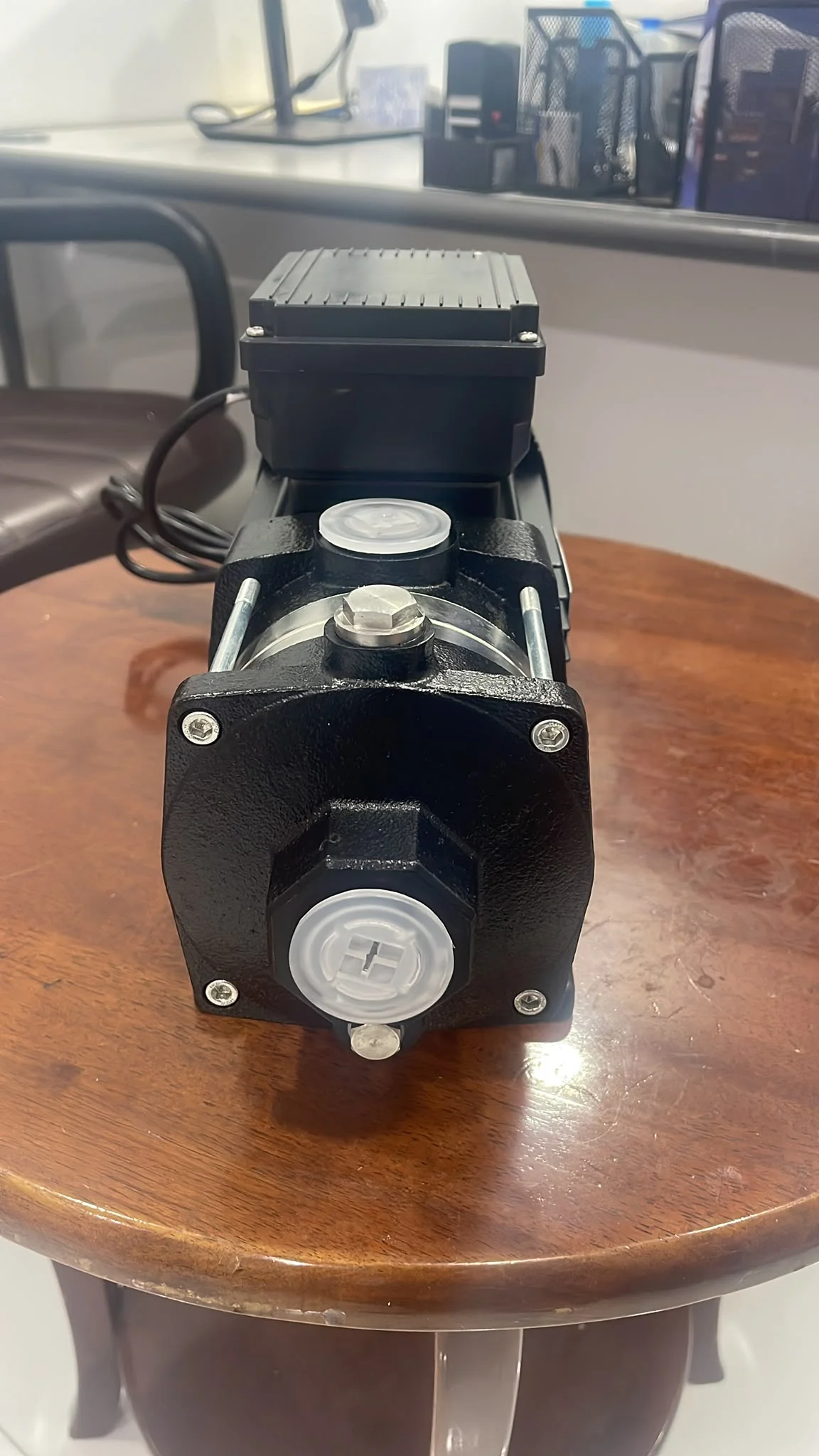
Delayed hot water arrival usually happens because the water sitting inside the hot-water pipe between the heater and the faucet has cooled during periods of no use. When the faucet is opened, that cooler water has to leave the pipe first before newly heated water from the heater reaches the fixture. The longer the pipe run or the larger the pipe diameter, the more water remains inside the line and the longer it can take for the desired temperature to arrive.
This is where it becomes important to separate a delivery-delay problem from a heating problem. If the water takes time to arrive but then becomes properly hot and remains stable, that points more toward pipe distance and distribution. If the water arrives lukewarm, heats only slightly, or becomes cold again, the water heater itself, its heating elements, controls, or another part of the system should be checked before considering a recirculation pump.
The number of affected outlets also gives useful information. If the bathroom farthest from the heater requires a long wait while the nearby kitchen receives hot water quickly, that strongly suggests that pipe length is involved. If both nearby and distant faucets experience the same delay or weak temperature, the problem needs broader diagnosis.
A practical example is a central water heater located in a service room at one side of a villa while the farthest bathroom is at the opposite end. After several hours without use, the long hot-water pipe is full of water that has cooled. The first person to use the shower must flush that water before the heat from the heater arrives. A recirculation pump is designed specifically to reduce this kind of delay by keeping hot water moving through the distribution circuit according to the system design instead of allowing it to remain stagnant and cool inside long pipe runs.
However, not every delay justifies installing a recirculation system. If the waiting time is very short or the outlet is close to the heater, the cost and plumbing modifications may not be worthwhile. The decision should depend on pipe length, waiting time, usage frequency, and the actual design of the home’s hot-water network.
-
If the water eventually arrives hot and remains stable after a waiting period then the problem is more likely related to distribution distance and cooled water inside the hot line than to weak heating performance
-
If a distant outlet takes much longer than nearby outlets this is a practical sign that the distance between the heater and faucet is an important part of the problem
-
Pipe diameter and length affect how much cooled water must leave the line before hot water arrives which is why two homes with the same heater can have very different waiting times
-
If the water never becomes properly hot even after waiting then a recirculation pump will not correct the real problem because circulation only moves available heat and does not repair a heater that is not heating correctly
-
Observing the problem after several hours without hot-water use is useful because the water in the line has had more time to cool and the effect of distance becomes easier to identify
-
Evaluating the delay before installation leads to a more accurate decision because the objective is not to add a pump to every home but to solve a clearly identified hot-water distribution problem
Hot water takes too long to reach the bathroom
When hot water takes too long to reach the bathroom while other parts of the home perform better, the plumbing route to that bathroom should be examined before blaming the central heater. The bathroom may be the last fixture on the branch or the farthest point from the heater, which means more cooled water is sitting inside the hot-water pipe than at a nearby kitchen or bathroom.
The first useful observation is whether the delay affects every hot-water outlet in the bathroom or only the shower. If the basin faucet and shower both have a similar delay, that supports the idea that the issue is in the hot-water supply line feeding the bathroom. If the basin gets hot water quickly but the shower behaves differently, the shower mixer or local valves should be checked before considering a whole-house circulation system.
Another important question is what happens after hot water arrives. If it reaches a good temperature and remains stable, the heater is probably producing heat properly and the main problem is delivery. If the temperature swings noticeably between hot and cold, a mixing or control issue may be involved rather than simple pipe length.
This problem is more noticeable in large villas because bathrooms may be spread across different wings or floors. A bathroom close to the heater room may perform perfectly while the bedroom wing on the other side of the villa takes much longer every morning. In this situation, a properly designed return circuit can reduce the amount of water wasted while waiting and keep hot water closer to the distant fixtures.
System design still matters. If the plumbing already includes a dedicated return line, a traditional recirculation setup is usually more straightforward. If the home was not built with a dedicated return line, that does not automatically mean circulation is impossible because different arrangements may be available depending on the plumbing design. However, it is not correct to assume that any pump can simply be added to any plumbing network with the same result.
Pipe insulation also affects performance. A long uninsulated hot-water line loses heat faster than a well-insulated line. A recirculation pump improves availability, but it should not be used as an excuse to ignore major heat loss because continuous circulation through poorly insulated pipes can increase heat loss instead of improving efficiency.
-
If the shower and basin in the same bathroom are both delayed then inspection should begin with the hot-water branch serving that bathroom rather than focusing on one mixer
-
If the shower alone has the problem while nearby hot-water outlets behave normally then the shower mixer and local valves should be checked before installing a recirculation system
-
Stable hot water after a waiting period is diagnostically different from fluctuating hot and cold temperatures because the first points more toward distance while the second may involve mixing or control
-
Bathrooms located far from the heater in large villas are more affected by the volume of cooled water in long pipes and therefore benefit more from evaluating a suitable return system
-
A dedicated return line makes traditional recirculation easier while homes without one need a different plumbing evaluation rather than random pump installation
-
Hot-water pipe insulation remains important because the goal is not only to move water but also to reduce heat loss and avoid turning convenience into unnecessary continuous energy use
Do I need a hot-water recirculation pump?
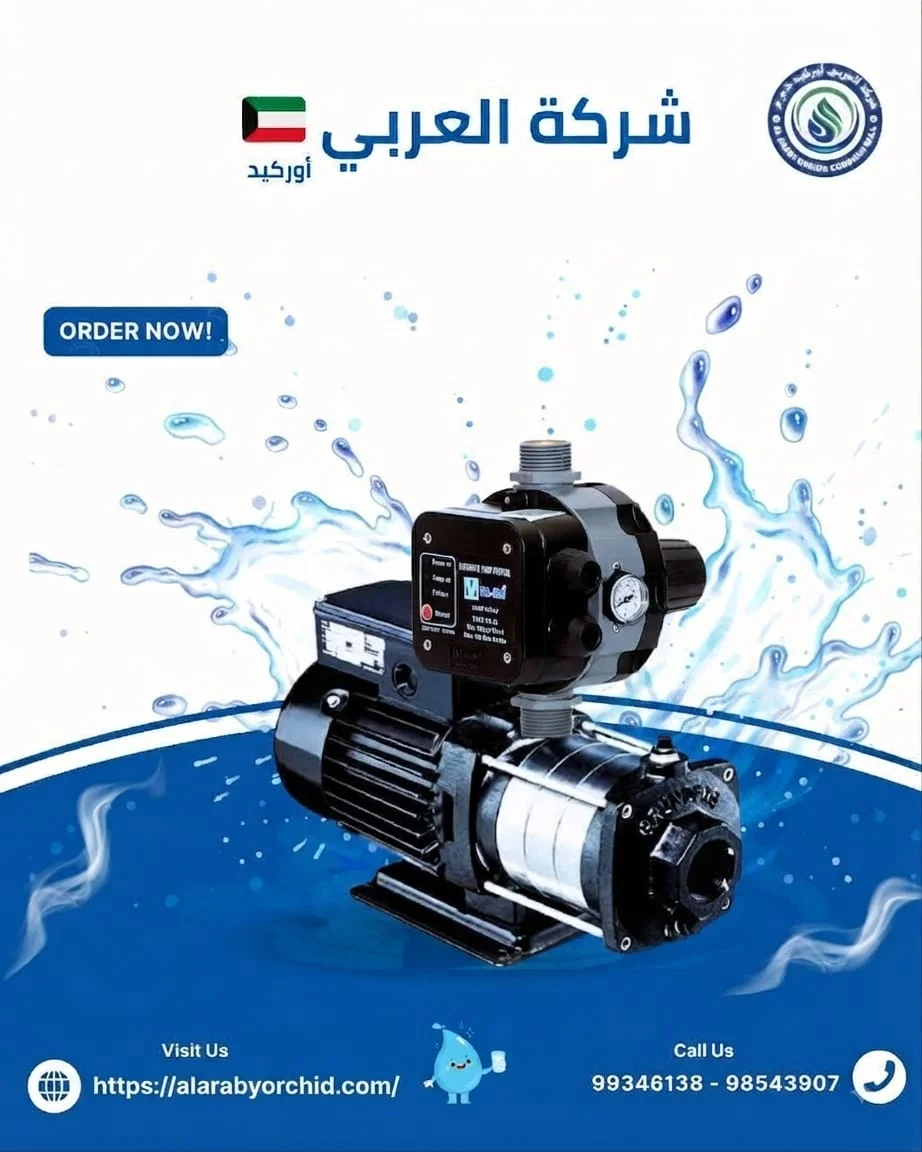
The question do I need a hot-water recirculation pump can only be answered after determining whether the problem is really a “delivery delay” or a “heating problem.” A recirculation pump does not increase the heater’s storage capacity, does not make a weak heater produce more heat, and does not repair a failed heating element. Its primary job is to move water through the hot-water circuit so heated water remains closer to the fixtures instead of allowing a large volume of water to sit in the pipe and cool between uses.
The strongest case for a recirculation pump is when the central heater operates normally, nearby outlets receive hot water quickly, but distant bathrooms repeatedly require a long wait. If the problem happens every day and a significant amount of water runs before the temperature rises, recirculation is worth serious consideration.
If the entire house suffers from weak hot-water temperature or the heater takes an unusually long time to heat the tank, then recirculation is not the first priority. The heater should be checked first because circulating lukewarm water more quickly does not create properly hot water.
The household’s usage pattern should also be considered. A family using several bathrooms throughout the day has different needs from a property where one distant fixture is used only once daily. Some circulation systems can use timers, temperature controls, or demand-based operation so the pump does not run continuously and increase heat loss from the pipework unnecessarily. This makes the control method an important part of the system rather than a minor extra feature.
Pump size should not be approached the same way as a whole-house pressure booster. A recirculation loop generally needs a calculated flow rate that is sufficient to overcome resistance in the circulation path. Installing a larger pump than necessary can increase noise, operating cost, and water velocity without providing a meaningful improvement in waiting time.
For example, imagine a villa with a central heater located near the kitchen, so hot water reaches the kitchen quickly, while upstairs bathrooms and a distant bedroom wing require a long wait. If the heater itself produces normal hot water and the plumbing design can support a circulation loop, this is a typical situation where a return pump may provide a real benefit.
-
A recirculation pump is more useful when the heater operates normally but distant fixtures have to flush cooled water from long hot-water lines before hot water arrives
-
If the whole house has weak hot-water temperature then the heater should be inspected first because circulation cannot compensate for insufficient heating
-
A noticeable difference between hot-water arrival times at nearby and distant fixtures is useful evidence that pipe distance is a major part of the problem
-
Pump control matters because time-based temperature-based or demand-based operation can reduce unnecessary circulation and limit heat loss
-
A larger recirculation pump is not automatically better because the loop needs a calculated flow suitable for its resistance rather than maximum pumping power
-
The correct decision starts by inspecting the plumbing layout and the availability or feasibility of a return path before buying a pump and trying to make the existing pipework fit around it
Solution for waiting for hot water
Choosing a solution for waiting for hot water starts with identifying the reason for the delay rather than installing a recirculation pump immediately. The same complaint can come from a long hot-water line, heat loss through poorly insulated pipes, a particular mixer, or a problem in the heater itself. Each cause requires a different solution, and incorrect diagnosis can lead to installing a circulation system while the original problem remains.
The first practical step is to compare several outlets around the home. If the faucet closest to the heater receives hot water quickly while a distant bathroom takes noticeably longer, pipe distance becomes a strong possibility. If every outlet has a similar delay, heater performance and actual water temperature should be checked before blaming the plumbing route.
The timing of the problem provides another clue. If the delay is worse after several hours without hot-water use, that is consistent with a long pipe run because the water inside the line has had time to lose heat. If hot water arrives faster when the same outlet is used again shortly afterward, this further supports the idea that the issue is cooled water sitting inside the pipe.
In some homes, improving hot-water pipe insulation can be part of the solution when the existing insulation is poor. Better insulation helps the water retain heat longer. However, insulation cannot completely eliminate the volume of cooled water that remains in a long line after many hours of inactivity, which is why recirculation serves a different purpose in homes where waiting is frequent and inconvenient.
If the problem is confirmed to be pipe length and the plumbing layout allows it, a recirculation pump returns water that has cooled back toward the heater and keeps hot water closer to the fixtures. The purpose is not to make the heater heat faster but to reduce the amount of cooled water that must leave the pipe before hot water reaches the tap.
Some systems can run according to a schedule, temperature sensor, or user demand instead of operating all day. Control strategy matters because it can provide comfort when needed without continuous circulation that increases heat loss.
For example, if a distant guest bathroom is used only occasionally, on-demand circulation may make more sense than continuous operation. If a master bathroom is used every morning and evening, the system can be scheduled around those periods rather than running twenty-four hours a day.
-
Solving hot-water waiting starts by comparing nearby and distant fixtures to determine whether the problem comes from pipe length or from the heater’s ability to produce heat
-
Faster hot-water arrival when the fixture is used again within a short period is a useful sign that water cooling inside the pipes contributes to the delay
-
Pipe insulation reduces heat loss but does not always eliminate the volume of cooled water inside a long line after many hours without use
-
Recirculation becomes more logical when the delay is frequent and clearly caused by distance rather than a very short wait at a nearby faucet
-
Running the pump according to time temperature or demand can provide comfort without circulating hot water continuously when there is no need
-
Choosing the correct solution prevents unnecessary modifications because some situations need mixer repair heater service or better insulation more than they need a return pump
Hot-water recirculation pump
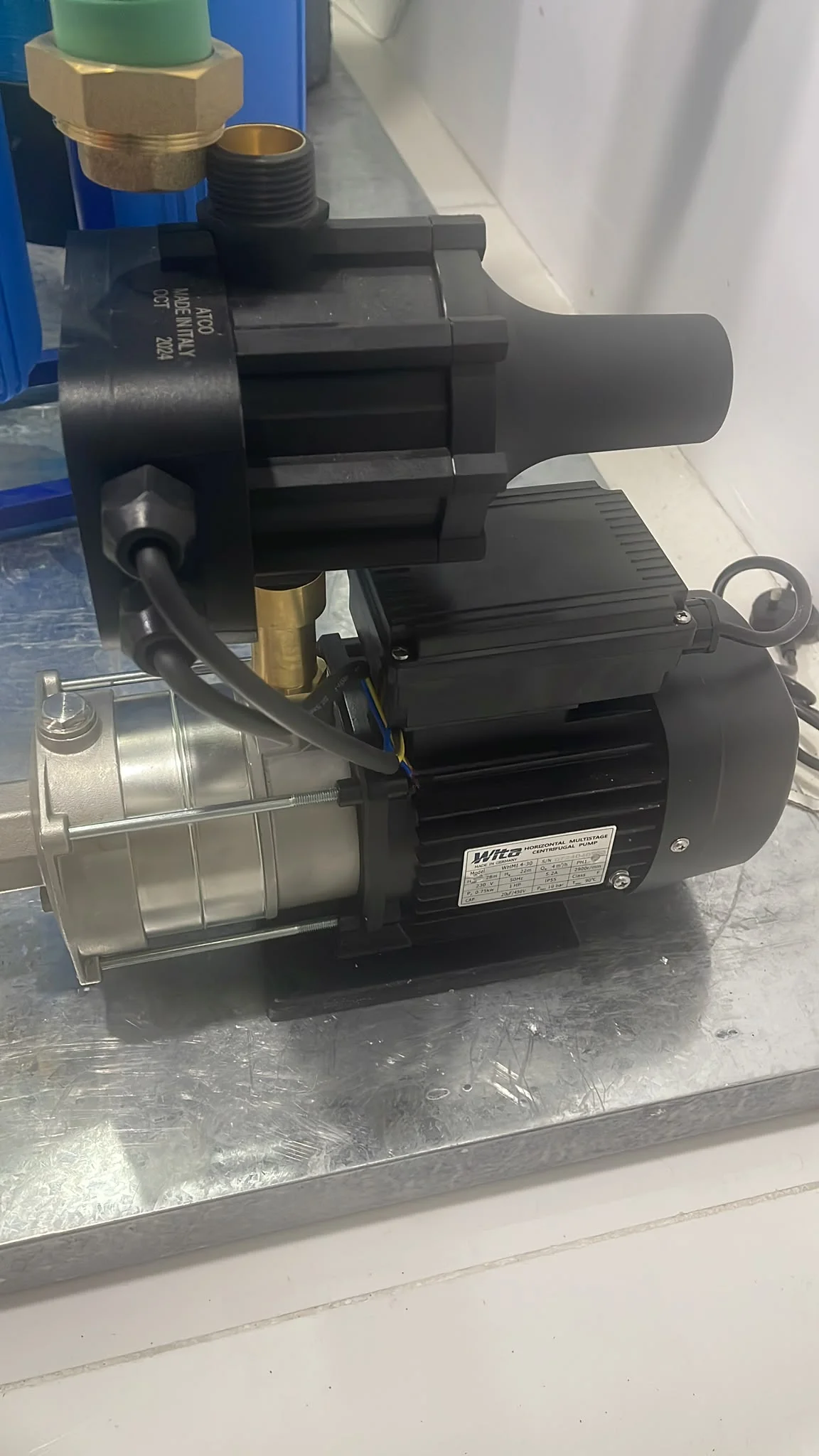
A hot-water recirculation pump is different from a whole-house pressure booster because its job is not to raise shower pressure or push a large volume of water through the entire home. Its primary purpose is to move water through the circulation path so water that has lost heat can return toward the heater and hot water remains closer to the distant fixtures.
For that reason, pump selection should not be based on choosing more horsepower. The required pump needs to provide a suitable flow that can overcome the resistance of the return circuit itself. A pump that is larger than necessary can increase water velocity, pipe noise, and unnecessary operation without producing a worthwhile improvement in hot-water arrival time.
The plumbing design also matters. In a system built with a dedicated return line, there is a clear path from the far end of the hot-water network back to the heater. The pump circulates water through this loop rather than allowing it to remain still until somebody opens a faucet.
Homes without a dedicated return line need a different evaluation. Alternative arrangements may be possible depending on the plumbing design, but not every property is suitable for the same solution. The network should therefore be inspected before the pump is purchased.
Flow direction, non-return valve placement, and pump location are all important because the goal is to keep water moving through the correct circuit without unwanted reverse flow between different parts of the plumbing system.
Control strategy is also a major part of the design. Continuous operation can provide very fast hot-water availability, but it can increase heat loss through the hot-water piping, especially if insulation is poor. Timers, temperature controls, or demand-based operation can therefore be useful depending on how the household uses hot water.
Water temperature also needs to be managed safely because recirculation keeps hot water closer to the fixtures and can make it arrive more quickly. This makes safe temperature settings and scald prevention especially important if the heater is set to a high temperature.
Maintenance requirements also differ from those of a pressure booster. The system needs to be checked to confirm that the pump circulates properly, the valves and return route are not blocked, and trapped air is not preventing circulation.
-
A recirculation pump should not be selected by choosing the highest horsepower because the return loop needs an appropriate flow rather than high pressure for the whole house
-
A dedicated return line creates a clear circulation route while homes without one need a plumbing assessment before deciding which solution is suitable
-
Pump direction and non-return valve placement are important so water circulates through the intended path without unwanted reverse flow
-
Continuous operation provides high availability but can increase heat loss which makes time-based or temperature-based control useful in many homes
-
Insulating hot-water pipes improves recirculation performance because it reduces the amount of heat lost while water travels around the loop
-
Safe hot-water temperature settings remain essential because faster hot-water arrival should never increase the risk of scalding at the faucet
Hot-water circulation system for the home
A hot-water circulation system for the home is most effective when the entire hot-water network is treated as one system rather than simply adding a small pump beside the heater. Successful circulation depends on the route of the loop, balancing between branches, insulation, control strategy, and the location of the distant fixtures.
In a home with two or more wings, there may be several long branches. If the circulating water follows only the easiest path, a nearby branch may improve dramatically while a more distant bathroom still experiences a delay. The system therefore needs suitable balancing so circulation reaches the branches that actually need it.
Long uninsulated pipes also affect performance because water loses heat while circulating. The greater the heat loss, the more work the heater must do to maintain the desired temperature. Pipe insulation is therefore an important part of a good circulation system rather than an optional cosmetic addition.
The household lifestyle should influence how the pump operates. A family using bathrooms throughout the day has different requirements from a home that remains empty for most of the day. Running the pump only when needed or during known periods of demand can provide a better balance between comfort and heat loss.
In a large villa, it is also important to confirm that all branches actually benefit from circulation. Sometimes a bathroom located far from the main return route continues to have a longer waiting time even after a pump is installed. In that case, the problem may be the branch design or system balance rather than insufficient pump power.
Hot-water circulation should also not be confused with hot-water capacity. A recirculation system does not increase the size of the heater and does not provide longer shower time if the tank is too small for the number of users. It only reduces the waiting time for water that the heater is already capable of heating.
Noise can also provide useful information. A properly designed return system does not need excessive water velocity. If there is obvious rushing noise inside the pipes, flow may be higher than necessary or the system may need adjustment. Loud water movement is not evidence that the system is powerful or working better.
For example, consider a villa with a distant master suite and another wing closer to the heater. A successful circulation system should not only make the nearby wing respond quickly but also ensure that the distant branch receives adequate circulation through proper layout and balancing.
-
A successful home circulation system depends on distributing flow between branches so nearby fixtures do not receive all the benefit while distant bathrooms continue waiting
-
Pipe insulation reduces heat loss during circulation and lowers the additional heating load required to keep hot water ready
-
Running the system according to the household’s actual routine is better than assuming every home needs continuous circulation throughout the day
-
A distant bathroom that remains slow after installation may have a branch-layout or balancing problem rather than an undersized pump
-
A circulation system does not compensate for an undersized water heater because it reduces delivery time but does not increase the volume of stored hot water
-
Loud rushing water is not an advantage because a return loop needs controlled quiet circulation rather than unnecessarily high water velocity
Getting hot water to the tap faster
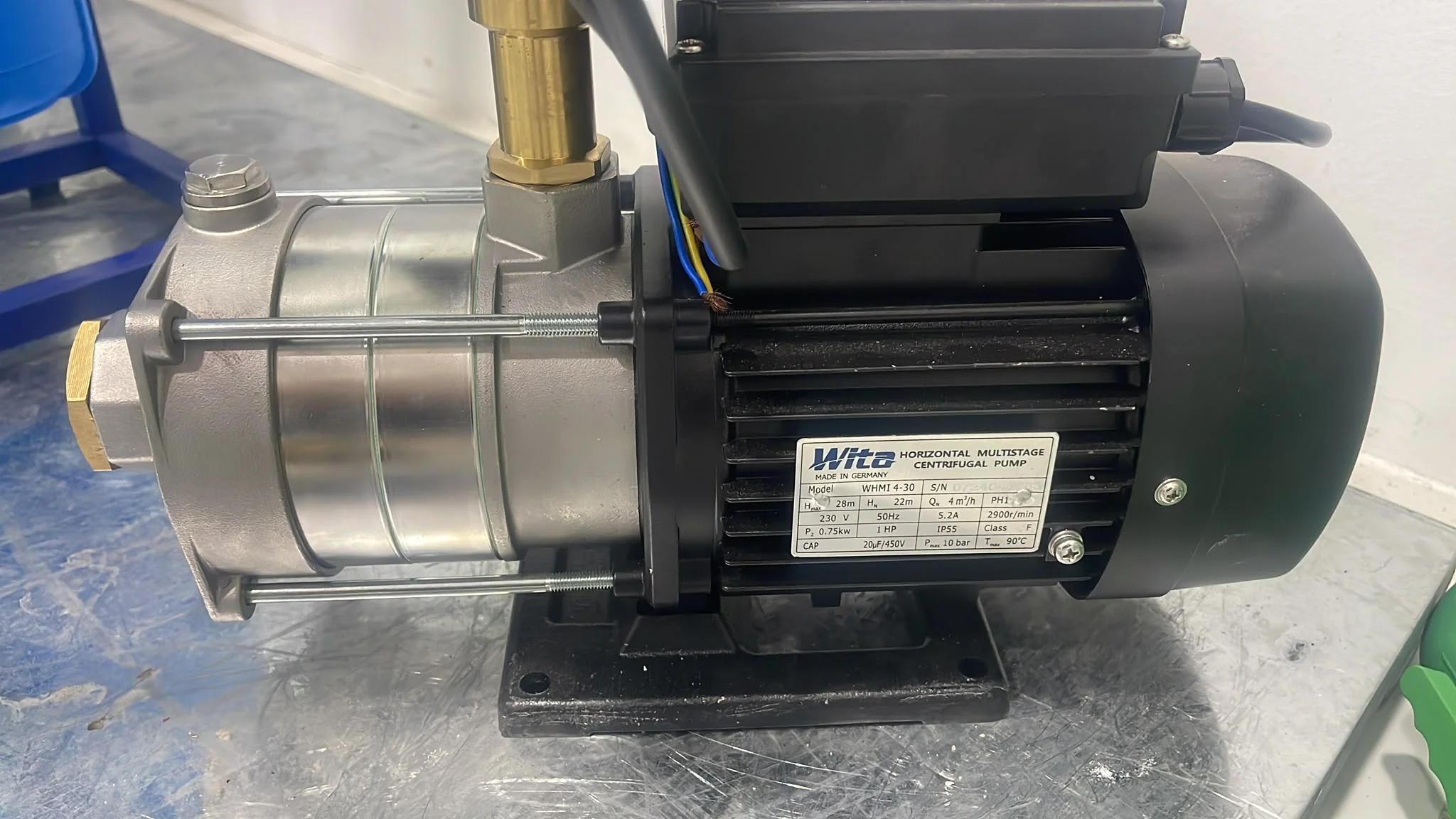
The idea of getting hot water to the tap faster does not depend on raising the heater temperature or installing a more powerful pressure booster because the main problem is often the volume of cooled water sitting in the hot-water pipe between the heater and the fixture. If the pipe run is long, this water has to leave first regardless of how powerful the heater itself is.
The first step is to determine how much delay actually occurs at distant fixtures. If the kitchen is close to the heater and receives hot water quickly while another bathroom takes noticeably longer, then improving the distribution system is more relevant than replacing the heater.
Faster hot-water delivery also does not mean the circulation pump must run all day. A system can provide quicker delivery through controls that operate during the periods when bathrooms are normally used, according to return-water temperature, or on demand depending on the design.
Insulation has a clear effect as well. If the hot-water pipe is long and exposed or poorly insulated, water loses heat faster after circulation stops. Better insulation does not eliminate the need for circulation in every home, but it helps the system retain heat longer and reduces how often the heater needs to replace lost heat.
It is also important to balance comfort with energy use. The objective is not to keep hot water moving continuously just to save a few seconds. The system should operate when the improvement is meaningful.
A practical example is a villa where the master bathroom is far from the heater and is used every morning and evening. Instead of running the return pump continuously, the system can be scheduled around those periods or operated on demand to provide similar convenience without all-day circulation.
-
Faster hot-water arrival depends more on reducing the volume of cooled water sitting inside the hot line than on raising heater temperature
-
Distant fixtures show the benefit of recirculation more clearly because long pipe runs contain more water that must be flushed before hot water arrives
-
Operating the return pump by time or demand can provide better comfort than continuous operation when the household routine is predictable
-
Pipe insulation helps retain heat and reduces energy loss between periods of hot-water use
-
The goal is not instant hot water at any cost but a practical reduction in waiting time without unnecessary pump operation
-
If only one nearby outlet is delayed while other nearby fixtures are normal then inspecting the mixer or local branch is more important than installing a whole-house return system
Recirculation pump for a central water heater
A recirculation pump for a central water heater operates as part of the hot-water distribution system rather than as part of the heating process itself. The heater heats the water, while the pump helps recirculate water that has lost some of its heat inside the piping so hot water remains closer to the fixtures.
For this reason, it is essential to separate a heater fault from a distribution fault. If the heater produces normal hot-water temperature but distant bathrooms take a long time to receive it, a return pump may be an appropriate solution. If the heater cannot reach the required temperature or hot water runs out too quickly, that is a different problem and recirculation will not solve it.
The return connection also matters because the circulation loop must return to the heater correctly according to the design of the system. A dedicated return line makes this easier, while some homes may require a different approach depending on the existing plumbing.
Flow direction should also be checked because a pump installed in the wrong direction or a non-return valve positioned incorrectly can create unstable circulation or unintended water movement that does not achieve the desired result.
Pump capacity should be selected according to the resistance of the return loop. High pumping power is not required in the same way as a whole-house booster because the objective is to move water through a closed circulation route at an appropriate flow.
The control strategy is also important because continuous circulation increases heat loss from the tank and pipes. Operating according to demand, schedule, or return-water temperature can provide a more efficient system.
Water-heater temperature also deserves attention because circulation makes hot water available closer to the outlets. Safe temperature management therefore remains especially important in homes with children, older adults, or heater settings that are higher than necessary.
-
A return pump for a central heater corrects hot-water distribution delay but does not repair a failed heating element or increase the storage capacity of the heater
-
A dedicated return line creates a clear circuit between the farthest point and the heater and provides better control over water movement
-
Pump direction and non-return valve placement should match the intended circulation path so reverse flow or unintended movement does not occur
-
Pump sizing is based on return-loop resistance rather than the assumption that a larger pump will always deliver hot water faster
-
Time-based or temperature-based control reduces heat loss because continuous circulation is unnecessary in many homes
-
Safe heater-temperature settings remain an important part of the system because recirculation brings hot water closer to the outlets more quickly
Hot-water recirculation in a villa

Hot-water recirculation in a villa becomes increasingly important as the distance between the central heater and bathrooms grows because villas often have multiple wings, several floors, and long hot-water runs that are very different from the short plumbing routes found in smaller apartments.
The first challenge in a villa is branch distribution. One main line may serve the upper floor, another may lead to the guest wing, and another may supply the kitchen. If the return system does not cover these branches properly, one area may improve greatly while another continues to experience the same delay.
This is where balancing becomes important. Circulating water needs to move through the branches that actually require recirculation instead of simply following the shortest and easiest route back to the heater. Some systems therefore need branch balancing or adjustment so each area receives a suitable share of circulation.
Pipe length and insulation should then be evaluated because a large villa can contain many meters of hot-water piping. More pipe surface means greater potential heat loss, making good insulation especially important for system efficiency.
Usage patterns throughout the villa also matter. A guest wing that is rarely used does not necessarily need the same circulation schedule as the main bedroom wing used every day. Smarter control can serve the important areas at the appropriate times instead of circulating through the entire system continuously.
If the villa has more than one central heater, it is also necessary to identify which heater serves which area because each return circuit needs to connect correctly to its own heat source. It should never be assumed that every hot-water branch returns to the same heater.
From a comfort perspective, a well-designed system reduces waiting time and reduces the amount of water that runs before hot water arrives. It cannot, however, compensate for fundamentally poor plumbing design or a heater positioned far from the load without suitable planning.
For example, a villa may have a main bedroom wing on the first floor and a guest wing at the opposite side of the property. Instead of using one poorly balanced return circuit that serves only the shortest route, circulation can be designed so both branches receive appropriate movement according to their actual needs.
-
Villas require branch-by-branch evaluation because long pipe networks and multiple wings make circulation layout more important than pump power alone
-
Branch balancing prevents circulating water from taking only the shortest path and leaving distant fixtures without noticeable improvement
-
Insulating long hot-water lines reduces heat loss and improves the villa’s benefit from recirculation instead of unnecessarily increasing heater operation
-
Operating schedules can differ between the main bedroom wing and guest areas because hot-water use is not equal throughout the villa
-
Villas with more than one heater need each supply and return circuit identified correctly so different systems are not mixed unintentionally
-
Successful villa circulation is measured by faster hot-water arrival at distant fixtures with balanced operation rather than simply hearing the pump running
Problem caused by distance from the water heater
A problem caused by distance from the water heater becomes more noticeable when the central heater is installed far from the main bathrooms or when a villa is divided across several wings and floors. In this situation, the heater itself can be working perfectly while hot water still takes time to arrive because it must travel through a long section of piping before reaching the faucet.
The main issue is not only the number of meters involved but the actual volume of water inside the pipe. The longer the route and the larger the pipe diameter, the more water can cool between periods of use. When the faucet is opened, that cooled water must leave first before hot water from the heater reaches the fixture.
This makes it easier to distinguish a distance problem from a heater problem. If nearby outlets receive hot water quickly while distant fixtures have a clear delay but then receive properly hot water, distance and distribution design are the more likely causes. If both nearby and distant fixtures suffer from weak temperature, the heater should be checked before any decision about recirculation is made.
The actual pipe route should also be reviewed. A bathroom can appear close to the heater on a floor plan while the plumbing travels through ceilings and walls along a much longer route. Physical room location therefore does not always reveal the real pipe length.
Thermal insulation also matters. A distant well-insulated line holds heat longer than a shorter poorly insulated line. Even excellent insulation, however, cannot prevent the water from eventually cooling after a long period without use, which is why circulation remains useful where daily waiting is significant.
Once distance is confirmed as the cause, the next step is to determine whether a dedicated return pump, a conventional return line, or another arrangement is appropriate for the existing plumbing. The decision should not begin with purchasing the pump. It should begin with understanding how supply and return flow can be created without unwanted mixing or circulation.
In some situations, changing how the outlet is used may be simpler than installing a complete circulation system. A distant fixture used only occasionally may not justify major plumbing work, while a remote master bathroom used several times a day may provide a much stronger case for recirculation.
-
The real distance depends on the length of the plumbing route inside the property rather than the straight-line distance between the heater and bathroom
-
Longer and larger-diameter pipes contain more cooled water that must leave before hot water arrives which explains why some fixtures have much longer waiting times
-
Strong stable hot-water temperature after a delay supports a distance diagnosis more than a weak-heater diagnosis
-
Good insulation slows heat loss but cannot prevent the water in a long pipe from eventually cooling after several hours without use
-
A return pump makes more sense for distant fixtures used every day than for an occasionally used outlet that causes little practical inconvenience
-
Evaluating the supply and return route before installation prevents choosing a system that does not suit the existing plumbing and helps ensure circulation addresses the real cause
Conclusion
When hot water takes too long to reach the faucet, the first solution should not automatically be replacing the water heater, and the first decision should not automatically be installing a recirculation pump. The starting point is identifying the cause: does the heater produce hot water normally while only distant fixtures experience a delay, or is the temperature itself weak throughout the house?
If nearby outlets receive hot water quickly while distant bathrooms require a long wait every time, long pipe runs and distribution design become some of the strongest possibilities. In that situation, a properly designed circulation system can reduce waiting time and keep hot water closer to the point of use.
If the water never reaches the required temperature, fluctuates significantly, or runs out too quickly, the problem is different. A recirculation pump cannot compensate for a heater fault or increase the heater’s storage capacity.
The system also does not necessarily need to operate twenty-four hours a day. Time-based, temperature-based, or demand-based control combined with good pipe insulation can provide a better balance between convenience and reduced heat loss.
The key point is that a return pump is an excellent solution when it addresses a clear and specific problem: long pipe distance and delayed hot-water delivery. Installing one without proper diagnosis can add cost and complexity without solving the original issue.
Frequently Asked Questions
How do I know if delayed hot water is caused by distance?
If nearby outlets receive hot water quickly while distant bathrooms take much longer and the water then becomes properly hot, pipe distance is likely an important part of the problem.
Does a recirculation pump make the water heater heat faster?
No. The pump does not increase heating capacity. It circulates hot water through the distribution system so heated water stays closer to the faucets.
Does every home need a recirculation pump?
No. Small homes or fixtures located close to the heater may not benefit enough to justify the cost while villas with long hot-water lines can see a much clearer improvement.
Does a recirculation pump increase water pressure?
That is not its main purpose. A recirculation pump is designed to reduce hot-water waiting time while a pressure booster serves a different function.
Do I need a dedicated return line?
A dedicated return line makes a traditional system easier to design but some plumbing networks can use other solutions depending on their layout so the property should be evaluated first.
Is running the recirculation pump all day better?
Not always. Continuous operation can increase heat loss from the pipes so time-based temperature-based or demand-based operation may be more suitable.
Can pipe insulation replace a recirculation pump?
Insulation reduces heat loss but cannot stop water inside a long pipe from eventually cooling after several hours without use so some homes may benefit from both.
Why does the shower take longer while a nearby basin gets hot quickly?
The shower may have a longer or different pipe route or there may be a local mixer issue so several outlets should be compared before blaming the whole hot-water network.
Will a larger recirculation pump deliver hot water faster?
Not necessarily. A return loop requires a suitable calculated flow and an oversized pump can increase noise and heat loss without providing a meaningful benefit.
When is a recirculation pump a good choice for a villa?
It is a good option when the central heater works normally but distant bathrooms repeatedly experience long waits because of long hot-water lines and the plumbing layout can support a properly designed return circuit.
