A central water heater can provide stable service for many years, while another heater from the same category can enter a cycle of premature failures simply because of mistakes that could have been avoided from the beginning. The problem is not always the quality of the heater itself. Sometimes the real cause is energizing the heater before the tank is completely full, setting the temperature unnecessarily high, ignoring sediment, overlooking small leaks, mishandling the safety valve, installing electrical parts that do not match the original specifications, or failing to manage system pressure and thermal expansion correctly. These mistakes may look minor at first, but over time they can shorten heater life, increase energy consumption, and turn simple maintenance into expensive repairs.
Mistakes That Shorten Central Water Heater Lifespan
Mistakes that shorten central water heater lifespan often begin with actions that seem harmless when they happen, but their effects accumulate over time. The seven most important mistakes can be summarized as follows: energizing an electric heater before the tank is completely full, setting the water temperature higher than necessary, allowing mineral deposits and sediment to build up for years without maintenance, ignoring the sacrificial anode rod, overlooking leaks or repeated discharge from the safety valve, installing electrical elements or components that do not match the heater specifications, and finally operating the heater in a plumbing system where pressure and thermal expansion have not been handled correctly.
One of the fastest ways to damage an electric water heater is to energize the heating elements while they are not fully submerged. The tank must be completely filled and air must be purged before electrical power is restored. If an element operates inside an air pocket instead of being surrounded by water, it can overheat very quickly and suffer what is commonly called a dry-fire failure.
Other mistakes work more slowly and are therefore easier for the homeowner to miss. Sediment can gradually build up at the bottom of the tank, while mineral scale can coat the heating elements and increase the amount of time needed to transfer heat into the water. At the same time, the sacrificial anode rod continues to deteriorate silently. If it is completely consumed and never checked, the tank loses an important layer of corrosion protection.
The key point is that a heater does not fail only because “a part went bad.” In many cases, the damaged part is simply the final result of years of incorrect operation, poor installation, or incomplete maintenance.
-
The first major mistake is energizing an electric heater before the tank is full because a heating element that is not submerged can fail extremely quickly
-
The second mistake is setting storage temperature much higher than the household needs because this increases thermal stress standby heat loss and scalding risk
-
The third mistake is allowing mineral scale and sediment to continue building until they interfere with heat transfer and increase heater runtime
-
The fourth mistake is forgetting the sacrificial anode rod because the tank needs corrosion protection just as much as it needs sediment maintenance
-
The remaining mistakes involve ignoring leakage or safety-valve discharge installing incorrect electrical parts and operating the heater in a plumbing system with unmanaged pressure or thermal expansion
Causes of Premature Central Water Heater Damage
Causes of premature central water heater damage can be divided into water-related causes, electrical causes, and installation-related causes. On the water side, two of the most important factors are corrosion and mineral buildup. Hard water contains elevated levels of calcium and magnesium, and when that water is repeatedly heated, minerals can separate and form scale on the heating elements or settle as deposits inside the tank. This mineral layer acts as a barrier to heat transfer and can force the heater to remain energized for longer periods to achieve the same water temperature.
Corrosion is a separate problem. Many storage water heaters contain a sacrificial anode rod made from a metal designed to corrode instead of the steel tank. This type of cathodic protection helps reduce internal tank corrosion. If the anode rod becomes fully depleted and remains that way for an extended period, the tank loses one of its main protective components.
Electrical errors can also shorten heater life. Installing a replacement element with the wrong voltage or wattage changes the way the heater operates and can move the appliance outside its original electrical design. A replacement element should match the required electrical characteristics of the specific model rather than simply fitting physically into the opening.
Installation problems add another layer of risk. Incorrect support, excessive system pressure, unmanaged thermal expansion, poorly arranged safety-valve discharge, and plumbing that does not allow the system to expand correctly can all place unnecessary stress on the heater. In closed plumbing systems, thermal expansion can cause pressure to rise significantly when water is heated. The T&P relief valve should not be used as a permanent method of handling this pressure increase.
-
Premature damage is not determined by heater age alone because water chemistry installation quality and operating habits can consume years of useful service life
-
Hard water accelerates mineral buildup and forces heating surfaces to work longer to transfer the same amount of energy into the water
-
A completely consumed anode rod leaves the storage tank with less corrosion protection even when the outside of the heater still looks perfectly normal
-
Installing a heating element with the wrong voltage or wattage can create operating and electrical problems because the heater is no longer functioning according to its original design
-
Plumbing pressure and thermal expansion need a proper engineering solution rather than allowing the safety valve to discharge repeatedly as a routine operating condition
Water Heater Usage Mistakes
Water heater usage mistakes are different from actual equipment failures. A clear example is setting the thermostat to the highest possible temperature because the homeowner believes hotter water will “last longer.” In reality, the heater is then required to raise the entire stored volume to a higher temperature and maintain it there. This increases the temperature difference between the tank and the surrounding environment, which raises standby losses and adds unnecessary thermal load to the system.
Another common mistake is ignoring changes in heater noise or performance. If a previously quiet heater begins producing popping or rumbling sounds and also needs longer to recover, this should not automatically be dismissed as “normal because the heater is old.” Those symptoms can point toward sediment or mineral buildup, which may be much easier and less expensive to address when identified early.
A third mistake is using much more hot water than the heater was originally sized to supply and then trying to compensate by raising the thermostat. If the household has grown or several bathrooms are now used at the same time, the heater may simply be undersized for current peak demand. Increasing the temperature can hide part of the problem temporarily, but it does not turn an undersized heater into one designed for a larger load.
Another serious usage mistake happens after plumbing work, tank draining, or a water interruption. If electricity is restored before the heater has completely refilled and air has been purged, the heating elements can be damaged almost immediately.
Correct heater use therefore means more than simply turning the unit on and off. It means understanding changes in demand, monitoring unusual behavior, and following the correct restart procedure after any service involving the water supply.
-
Setting the heater to maximum temperature is not an intelligent way to increase hot-water availability because it adds thermal load without correcting an undersized system
-
Ignoring new sounds or slower Recovery allows a manageable maintenance issue to develop into a much larger operational problem
-
A change in household demand should lead to a capacity review rather than forcing an existing heater to operate outside the conditions it was originally selected for
-
After any draining or water interruption electrical power should remain off until the tank is full and a steady stream of water confirms that air has been removed
-
Proper use means responding to early performance changes instead of waiting until the heater completely stops working
Causes of Frequent Water Heater Failures
Causes of frequent water heater failures often come back to one basic mistake: repairing the symptom while leaving the underlying cause untouched. A heating element fails, so it is replaced. Several months later another element fails. If nobody asks why the element failed, the same repair can continue repeating indefinitely.
Heavy scale on the element, incorrect supply voltage, a weak electrical connection, or a thermostat problem can all create conditions that make replacing the element alone a temporary fix. The same principle applies to the safety valve. If the T&P valve repeatedly drips or discharges, simply replacing the valve each time may not solve the problem. The real cause can be excessive supply pressure or thermal expansion inside a closed plumbing system.
Blocking or plugging the safety valve outlet is an especially dangerous mistake. The valve is a safety component designed to release excessive temperature or pressure, and its discharge path must remain open and functional. If it is releasing water repeatedly, the correct response is to diagnose the cause of the pressure or temperature problem.
Small plumbing leaks should not be ignored either. A minor leak from a fitting may look harmless, but constant moisture can damage nearby materials, accelerate corrosion, and hide the beginning of a more serious problem.
Frequent repairs can also indicate that the heater has entered a later stage of its service life. When failures begin moving from one component to another over short periods, the issue may no longer be one isolated part but general deterioration across the heater.
-
Repeated failure of the same component should trigger a search for the root cause instead of treating every incident as unrelated
-
A safety valve that repeatedly discharges requires pressure and thermal-expansion diagnosis rather than repeated valve replacement without investigation
-
A small leak today can become a larger water-damage or corrosion problem later so early inspection usually costs less than delayed repair
-
When failures begin moving from one component to another over a short period the entire heater condition should be evaluated instead of replacing parts one by one indefinitely
-
Keep a record of previous faults and repair dates because the pattern of failures can reveal more about heater health than the current problem alone
Neglecting Central Water Heater Maintenance
Neglecting central water heater maintenance does not simply mean that the tank has not been flushed. Complete maintenance includes sediment control, anode-rod inspection, T&P relief-valve inspection, Drain Valve condition, leakage checks, system pressure, electrical connections, and verification of heater performance after service.
Sediment is only one part of the maintenance picture. Flushing helps remove material that settles at the bottom of the tank, but it does not replace inspection of the corrosion-protection system or the safety devices. A heater can have a relatively clean tank while its anode rod is nearly exhausted, or it can have a functioning anode but a safety valve that is repeatedly discharging because system pressure is too high.
General residential guidance often uses approximately annual flushing as a reasonable starting point, while hard-water areas may require more frequent service. The correct interval still depends on the model, local water chemistry, and actual household usage. What matters most is that leaving a storage heater completely uninspected for many years is not a good maintenance strategy.
Neglect becomes expensive because several small issues can develop at the same time. Sediment gradually increases. The heating elements begin running longer. The anode continues to dissolve. A minor leak remains unnoticed. By the time the heater finally fails, several maintenance items that could have been handled separately may have become one large repair.
Homes using water softeners also need careful anode monitoring because softened water can change the electrochemical conditions inside the tank and increase the rate at which the sacrificial anode is consumed.
-
Neglected maintenance allows several small problems to develop silently instead of addressing each one early while repair is easier and less expensive
-
Tank flushing helps control sediment but does not replace inspection of the anode rod safety valve and plumbing connections
-
Homes with harder water often require closer monitoring because mineral deposits can form more quickly on heating surfaces and at the bottom of the tank
-
Installing a water softener does not eliminate heater maintenance because the anode rod can be consumed faster under changed water chemistry
-
Preventive maintenance should be based on water quality household demand and manufacturer instructions rather than waiting randomly until a failure appears
Setting Water Heater Temperature Too High
Setting water heater temperature too high creates three immediate disadvantages: higher energy use, greater scalding risk, and increased heat loss from both the tank and distribution piping. Residential guidance commonly uses a moderate temperature range of around 120 to 125°F, or approximately 49 to 52°C, as a practical balance for many homes, although the exact setting should always follow manufacturer instructions and the requirements of the specific system.
Higher storage temperature increases energy consumption because the heater has to raise every gallon of stored water to a greater temperature and then replace the additional standby heat that escapes from the tank. The larger the temperature difference between stored water and the surrounding environment, the faster heat is lost.
Higher temperatures can also contribute to mineral deposition in hard-water conditions. As water is heated, some dissolved minerals are more likely to precipitate and create scale. This means thermostat setting is connected not only to comfort and energy use but also to the rate at which mineral buildup can develop.
That does not mean the thermostat should be lowered randomly either. Some hot-water systems are designed around specific storage temperatures and mixing arrangements. The goal is to select a temperature suitable for the actual household and system rather than automatically choosing the highest or lowest possible setting.
If hot water runs out too quickly, increasing the thermostat should not be the first response. The real problem may be an undersized tank, a weak heating element, sediment buildup, or a mixing issue. Using temperature to compensate for another fault can increase energy use while leaving the original cause unresolved.
-
Higher-than-necessary temperature forces the heater to reach and maintain a greater heat level which increases standby losses
-
Excessive temperature also increases scalding risk so comfort and safety should be included in the thermostat decision
-
Hard-water systems can experience faster mineral-scale formation when unnecessary heat encourages additional mineral precipitation
-
Do not use thermostat adjustment as a substitute for diagnosing insufficient capacity weak elements or sediment buildup
-
The best temperature setting is one that meets household needs and manufacturer requirements rather than leaving the thermostat permanently at its maximum level
Operating the Water Heater Incorrectly

Operating the water heater incorrectly can create immediate damage, and the clearest example is energizing the unit before the storage tank is completely full. Electric water heaters must be fully filled and purged of trapped air before power is restored. If the element is exposed to air instead of water, it can overheat rapidly and fail.
Another serious mistake is disabling safety equipment because it appears inconvenient. If the T&P relief valve drips, the answer is not to plug the outlet or block the discharge pipe. The valve exists to protect the heater from dangerous temperature or pressure conditions. If it is discharging repeatedly, the system needs to be inspected for excessive pressure, thermal expansion, or a valve fault.
The third mistake is restarting the heater after maintenance without checking for leaks and trapped air. Even after the tank has been refilled, the technician should confirm a steady flow from the hot-water line, inspect all disturbed connections, and make sure the system is stable before electrical power is restored.
The fourth mistake is opening electrical panels or testing components without properly isolating the power source. A local switch should not automatically be assumed to make every internal component electrically safe. Electrical service work should follow a real isolation procedure and should be carried out by someone qualified to work on the circuit.
Correct startup and shutdown procedures protect both the heating elements and the storage tank. A heater can be damaged during maintenance itself if the restart procedure is careless.
-
After the tank has been drained for any reason consider it electrically unsafe to energize until it has been completely refilled and all trapped air has been removed
-
Never plug or block the safety-valve outlet because it is a protective device rather than an unnecessary drain point
-
After any maintenance inspect plumbing connections for leakage before restoring full operation and heating the tank
-
Electrical work inside the heater requires proper isolation of the power source rather than relying only on a nearby switch
-
Correct restart procedures protect the heater from suffering a new failure caused by the maintenance process itself
Central Water Heater Installation Mistakes
Central water heater installation mistakes can begin at the support base and continue all the way to pressure management. One of the most serious errors is energizing the heater before filling and testing are complete. As already discussed, this can create immediate heating-element failure.
Another major mistake is ignoring thermal expansion. Water expands when heated. In an open plumbing system, some of that expansion may move back toward the supply. In a closed system created by a check valve, backflow preventer, or pressure-reducing valve, the expanding water can have nowhere to go. System pressure then rises and may repeatedly open the T&P relief valve.
The safety valve is not intended to function as the normal method of controlling thermal expansion. Closed plumbing systems may require an appropriately sized expansion tank or another approved expansion-control method.
A third installation mistake is restricting or improperly arranging the T&P discharge line. The outlet must remain open and should be installed so that pressure or hot water can discharge safely according to the heater instructions.
A fourth mistake is installing an electrical element or wiring arrangement that does not match the heater data plate. Replacement elements should be selected according to the exact model’s voltage and wattage requirements.
A fifth mistake is placing the heater where future maintenance is almost impossible. If there is no room to reach the heating elements, thermostat panels, Drain Valve, safety components, or anode rod, every future service visit becomes more difficult and more expensive.
A sixth mistake is failing to perform a complete leakage and operating test before leaving the installation.
-
Closed plumbing systems need a proper solution for thermal expansion because allowing pressure to rise repeatedly and relying on the safety valve is not correct system design
-
The T&P relief-valve outlet must remain unrestricted and arranged for safe discharge according to manufacturer requirements
-
Heating-element power voltage and electrical connections should match the heater data plate so the appliance remains within its original design conditions
-
The installation location should allow access to valves heating elements thermostats and the anode rod instead of trapping the heater in a space that makes maintenance difficult
-
A good installation ends with complete filling leakage inspection pressure checks and operating tests rather than simply securing the tank and applying power
Increasing Water Heater Repair Costs
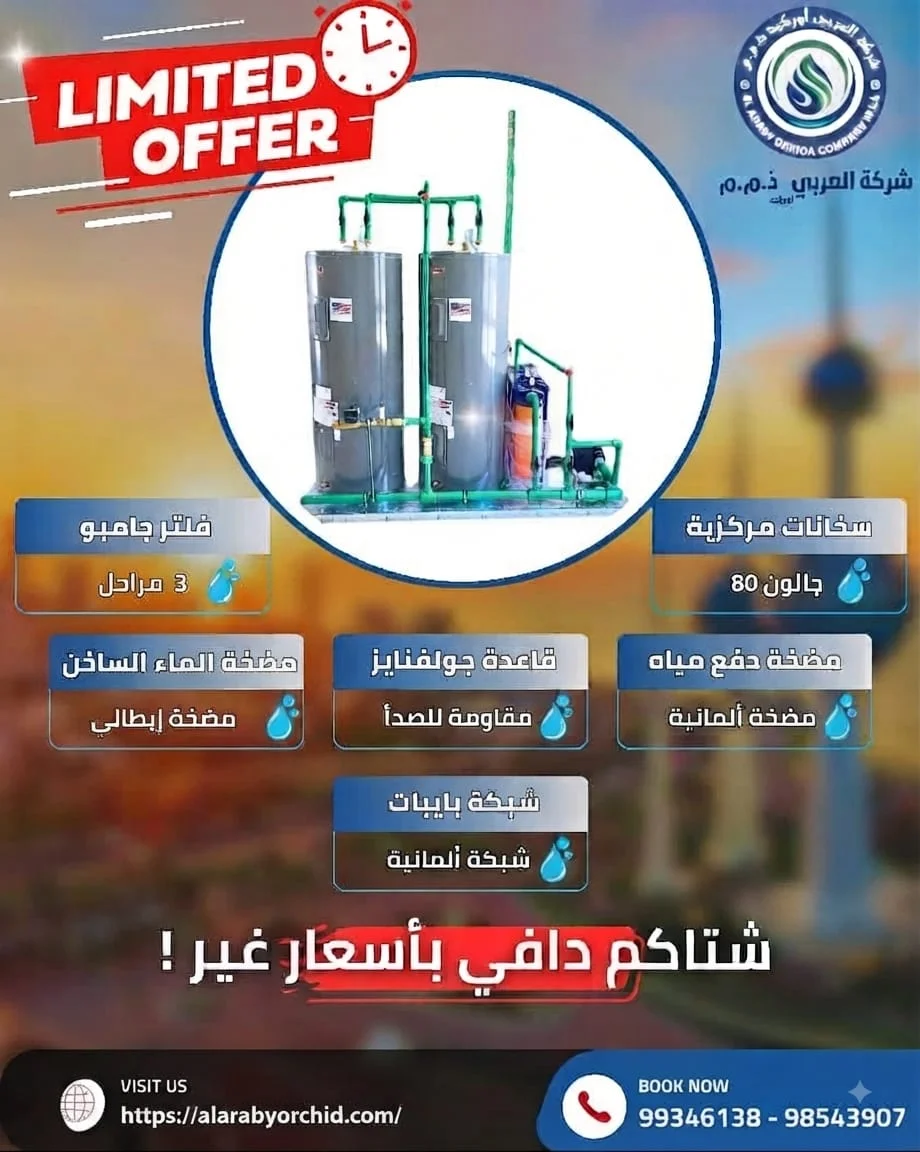
Increasing water heater repair costs often happens because the homeowner pays only after the problem has become serious instead of preventing it or responding to the first warning signs. A small amount of sediment that could have been handled during routine maintenance becomes heavy scale around the heating elements. A safety valve that was dripping because of excessive pressure gets replaced repeatedly instead of correcting the pressure problem. A small leak that could have been repaired early becomes water damage or corrosion.
Maintenance neglect can increase the likelihood of faults, higher energy use, and premature replacement. Mineral buildup can reduce heat-transfer performance, extend heating cycles, and increase the amount of electricity needed to produce the same amount of useful hot water.
Repair cost is also not limited to the spare part itself. There is the technician visit, household disruption, loss of hot water, possible removal and installation work, and potential damage to walls, ceilings, or surrounding equipment if a major leak occurs.
Another hidden cost is incorrect repair. Installing the wrong heating element, replacing a thermostat without diagnosing the actual cause, or repeatedly changing a safety valve while ignoring high system pressure creates a series of bills without solving the root problem.
As a heater becomes older and repair frequency increases, it is useful to set a financial limit. A pattern of repeated failures over short periods can mean that continued component replacement is becoming less economical than a planned replacement.
-
The most expensive failure is often the one that was ignored while still small until it affected several parts of the system
-
Replacing the same component repeatedly without understanding why it fails turns maintenance into recurring expense rather than a true repair
-
Early inspection of leakage pressure and sediment can prevent additional expenses related to property damage and secondary failures
-
Keep track of heater expenses over the year because several small invoices can eventually cost more than one proper repair or a timely replacement decision
-
Economical maintenance is not about paying the smallest amount on every visit but about reducing the total cost of owning the heater over its service life
Extending Central Water Heater Lifespan
Extending central water heater lifespan does not depend on one magic action. It requires a consistent care system. The first step is correct installation and startup. The tank should be completely filled, air should be purged, and pressure, thermal expansion, safety valves, and electrical connections should all be appropriate for the specific heater.
The second step is understanding water quality. If the property has hard water, expect faster mineral buildup and adjust the flushing schedule accordingly. General guidance often uses annual flushing as a starting point, with shorter intervals considered where water hardness is high.
The third step is monitoring the sacrificial anode rod. If the property uses a water softener, anode inspection deserves even more attention because softened water can accelerate anode consumption.
The fourth step is responding to warning signs before total failure. A new noise, discolored water, longer heating time, repeated safety-valve discharge, or a small leak should all be investigated rather than ignored.
The fifth step is using replacement parts that match the heater. A heating element or thermostat is not simply a component that “fits.” It should correspond to the electrical and technical specifications of the exact model.
The sixth step is maintaining a sensible temperature setting rather than running the heater hotter than necessary.
The seventh step is keeping a maintenance record. If Al Arabi Orchid services the heater on 99346138, keep the dates of flushing, anode condition, parts replaced, and any notes about pressure, mineral scale, or leakage. That history allows future service to be based on the actual condition of the appliance rather than only on the latest symptom.
-
Long heater life begins with correct installation because an error on the first day such as dry-firing an element can damage the appliance before normal service even begins
-
Sediment maintenance should be adjusted according to water chemistry and household demand instead of using exactly the same schedule for every home
-
Anode inspection protects a completely different part of the system from descaling because its role is preserving the steel tank against corrosion
-
Responding to early warning signs is usually less expensive than waiting until noise leakage or slow heating becomes a complete failure
-
Contact Al Arabi Orchid on 99346138 and provide heater age last maintenance date and any performance changes so service can be based on the appliance history rather than one isolated symptom
Conclusion
The 7 mistakes that shorten central water heater lifespan and increase failures and costs can be summarized as energizing the heater before the tank is full, setting the temperature unnecessarily high, neglecting sediment and scale, ignoring the sacrificial anode rod, overlooking leaks or safety-valve discharge, using electrical parts that do not match the heater specifications, and installing or operating the system without proper pressure and thermal-expansion control.
The important thing is that most of these mistakes do not destroy the heater immediately. Some work silently for months or years by increasing element runtime, accelerating corrosion, raising system pressure, or gradually weakening performance until a much more expensive failure appears.
If you want to extend the life of a central water heater, do not wait for the day it completely stops heating. Monitor pressure, unusual noise, leakage, heating time, water quality, and maintenance history. Use correct components and follow proper restart procedures after service.
For inspection and maintenance in Kuwait, Al Arabi Orchid can be contacted on 99346138 for central water heater installation, descaling, maintenance, and component replacement. The goal should always be to prevent predictable damage before it becomes a full heater failure.
Frequently Asked Questions
What is the most dangerous mistake that can quickly damage a water heater?
Energizing an electric water heater before the tank is completely full is one of the fastest ways to damage it. The heating element can operate in air instead of water and overheat within a very short time. The tank should be filled completely and air should be purged before power is restored.
Can setting the water heater temperature too high shorten its life?
It can contribute to higher thermal stress, increased standby heat loss, greater energy use, and faster mineral-scale formation in hard-water conditions. The heater should be set according to household needs and manufacturer instructions rather than left at maximum temperature.
Can failing to clean the heater cause breakdowns?
Yes. Sediment can collect at the bottom of the tank and mineral scale can form on heating elements. This reduces heat-transfer performance, increases operating time, and can create popping or rumbling noises. Periodic maintenance helps prevent excessive buildup.
Is the sacrificial anode rod really important?
Yes. The anode rod is part of the tank’s corrosion-protection system. It is designed to deteriorate instead of the steel tank. If it is completely consumed and never replaced when required, the tank loses an important layer of protection.
Why does the safety valve keep releasing water?
The valve itself may be faulty, but repeated discharge can also be caused by excessive system pressure or thermal expansion in a closed plumbing system. The pressure and expansion conditions should be checked instead of simply replacing the valve repeatedly, and the discharge outlet must never be blocked.
Is installing a higher-wattage heating element better because it heats faster?
Not automatically. A replacement element should match the voltage and wattage specified for the exact heater model. Installing a different element can create electrical and operating problems even if it physically fits.
Can hard water shorten water heater lifespan?
Yes. Hard water can contribute to scale formation on heating elements and sediment inside the tank. This can increase heating time, energy consumption, and long-term stress on the heater.
Does a water softener solve every water heater problem?
No. A softener can reduce hardness-related scale, but softened water can accelerate consumption of the sacrificial anode rod. Heater maintenance and anode inspection are still necessary.
When do frequent heater failures become abnormal?
If faults begin repeating over short periods or move from one component to another, such as an element, thermostat, valve, and then leakage, the whole heater should be evaluated rather than continuing to replace each part separately.
How can Al Arabi Orchid help extend central water heater life?
Contact Al Arabi Orchid on 99346138 and provide the heater brand, capacity, age, last cleaning date, and any recent change in noise, leakage, or heating time. A useful inspection should review sediment, the anode rod, safety valves, heating elements, thermostats, and system pressure instead of waiting until the heater stops working completely.

