
Protecting a central water heater from scale does not begin when you hear popping noises or notice that heating has become slower. It begins with understanding what is actually present in the water and what happens to those substances inside the tank when the water is heated. Dissolved calcium and magnesium can form mineral scale as temperature rises, while sand, rust, and suspended particles can settle as sediment at the bottom of the tank. Each type of buildup needs a different response. Flushing helps with loose sediment, while hardened scale attached to heating elements may require a different treatment. Hard-water control is also different from sediment filtration. Smart maintenance therefore is not random cleaning. It is a complete plan that limits buildup while monitoring the tank, heating elements, and water quality together.
Removing Scale From a Central Water Heater

Removing scale from a central water heater should begin by distinguishing between a hard mineral layer attached to the heating element or internal surfaces and loose sediment resting at the bottom of the tank. This difference matters because draining and flushing the heater with water may remove a large percentage of loose material, but it does not necessarily dissolve hardened calcium carbonate deposits that have bonded to heating surfaces over time.
A. O. Smith explains in its technical guidance on mineral buildup that scale, particularly calcium carbonate, becomes more likely to precipitate as water is heated. Higher water hardness, greater water consumption, and more heating-surface exposure can all increase mineral deposition inside the heater. The manufacturer also distinguishes between ordinary flushing and true descaling, noting that heavily scaled systems may require an appropriate descaling solution approved for potable-water systems and used according to the manufacturer’s procedure.
This distinction is important in real service work. Every heater that becomes noisy or slightly weaker should not automatically be filled with household cleaning chemicals. If the tank contains a moderate amount of loose material, periodic flushing may be enough. If the heating element itself is coated with a hard mineral crust or the heater now requires significantly more time to recover even though the electrical system is healthy, the degree of scaling needs to be assessed to determine whether ordinary flushing is sufficient or a more targeted descaling procedure is required.
The condition and history of the heater also matter. A very old unit that has not been maintained for years should not be treated exactly like a heater that has been serviced regularly. The Drain Valve, tank body, fittings, and overall condition should be checked before aggressive cleaning is attempted.
-
Loose sediment removal is different from removing hardened mineral scale so flushing with water alone cannot be assumed to solve every scaling problem
-
Popping sounds combined with noticeably slower Recovery increase the likelihood of mineral buildup near heating surfaces and justify a more detailed inspection
-
Descaling products should be suitable for potable-water systems and used according to manufacturer instructions rather than introducing unknown household chemicals into the tank
-
Heater age service history and tank condition determine how aggressive the cleaning procedure should be because a neglected tank may need careful assessment before strong treatment
-
The purpose of descaling is not simply to remove dirty water from the Drain Valve but to restore normal heat transfer between the heating element and the surrounding water
Central Water Heater Sediment
Central water heater sediment is not one single material. Some deposits enter the heater with the water supply itself, such as sand, rust particles, or debris from the plumbing network. Other deposits begin as minerals dissolved in the water and separate from solution during heating, eventually settling or attaching to internal surfaces. Understanding this difference helps determine whether the solution should involve upstream filtration, hard-water treatment, tank cleaning, or a combination of several measures.
Hard water generally contains elevated concentrations of calcium and magnesium. When the water is heated, these minerals can separate and form sediment at the bottom of a storage tank or scale directly on heating elements. As the mineral layer becomes thicker, heat transfer becomes less effective and the heater may need longer operating cycles to reach the same water temperature. This is why homeowners sometimes describe an older heater as “getting slower” even though the electrical element has not completely failed.
Several operating changes can suggest sediment buildup. Popping or deep crackling sounds may become more noticeable. Recovery may become slower. Water may appear cloudy after long periods without use. These signs justify inspection, but they do not automatically prove that the tank body itself is damaged.
It is also important to separate sediment from corrosion. Mineral deposits inside the heater do not automatically mean that the tank is rusting through. At the same time, rusty water or leakage from the tank body requires a separate corrosion assessment. Flushing sediment cannot repair a storage vessel that has already lost structural integrity.
-
Sediment entering with the water supply is different from dissolved minerals that later become scale during heating so the source should be identified before choosing a treatment
-
Calcium and magnesium can form layers on heating surfaces and as those layers grow the heater may require longer operating periods to transfer the same amount of heat
-
Popping slower Recovery and cloudy discharge can indicate sediment but they do not by themselves determine the structural condition of the storage tank
-
Corrosion is a separate problem from scaling so visible rust or tank leakage requires evaluation of tank protection rather than only cleaning the bottom
-
Monitoring gradual performance changes over several months can provide an earlier warning than waiting until the Drain Valve becomes restricted or heating performance falls dramatically
Cleaning Mineral Deposits From the Water Heater
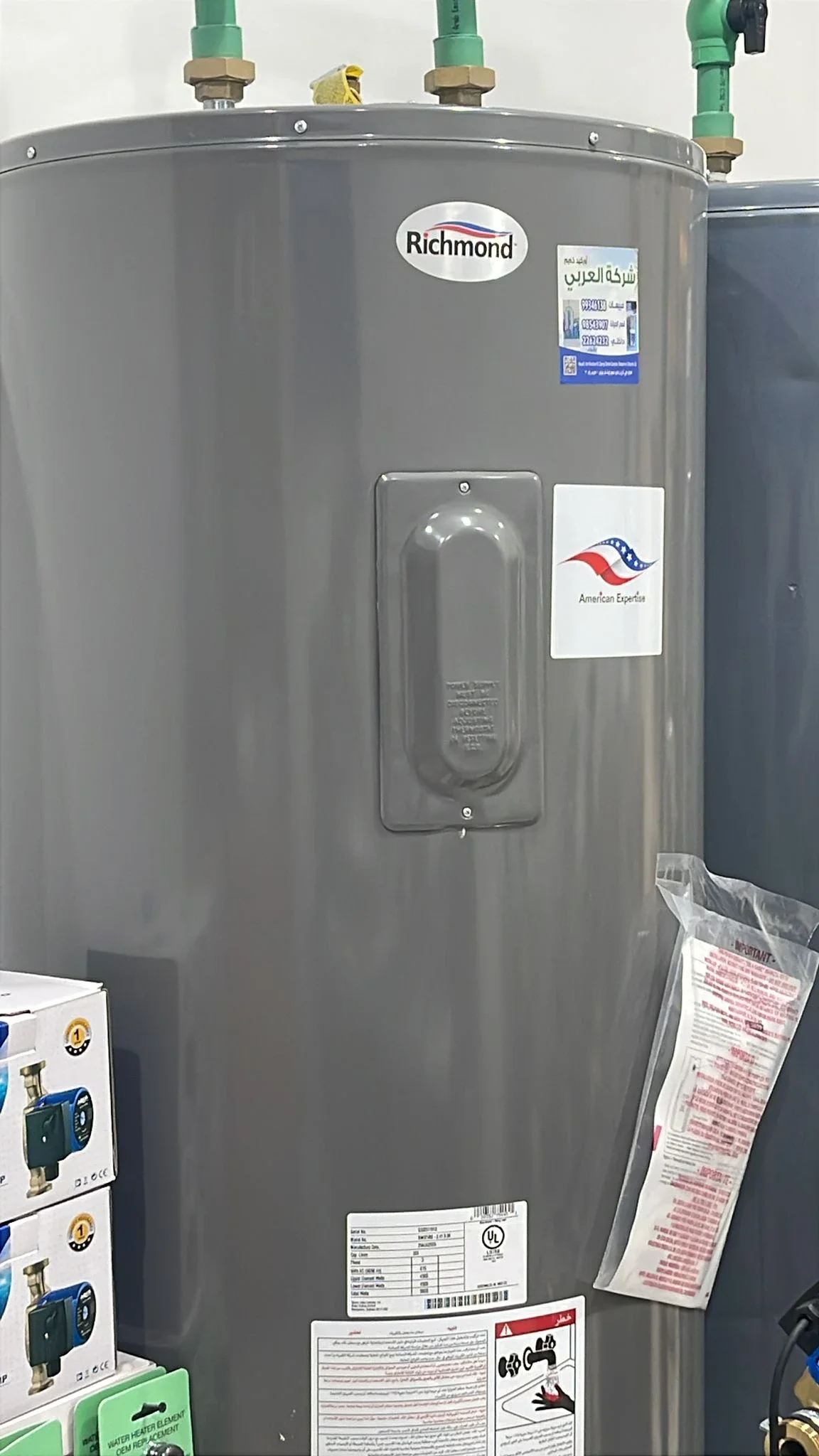
Cleaning mineral deposits from the water heater should be based on actual tank and water conditions rather than one rigid schedule for every property. Rheem’s recent maintenance guidance generally uses annual flushing as a reasonable starting point for many residential storage heaters and notes that homes with hard water may need service closer to every six months. These intervals are general guidance rather than fixed rules because the exact model instructions, water quality, and actual household demand should always influence the final schedule.
There is also an important difference between flushing and removing bonded mineral deposits. Flushing is intended to move and discharge loose material that has collected at the bottom of the tank. If there is heavy scale attached to heating elements or internal surfaces, a proper descaling process may be required instead. A. O. Smith explains that severe mineral buildup can require an approved descaling treatment rather than relying only on draining water through the bottom valve.
Professional maintenance should involve more than opening the Drain Valve until the water appears clear. The heater should be safely isolated from its energy source, pressure and temperature should be managed properly, and the technician should inspect the Drain Valve, T&P relief valve, anode rod, leakage points, and other relevant components. After cleaning, the tank should be completely refilled and air purged before electrical power is restored.
This last point is especially important for electric heaters. Energizing a heating element before the tank is completely filled can damage the element. If the homeowner is unfamiliar with water-heater electrical systems, pressure, or safe draining procedures, professional service is the safer option.
-
Flushing frequency should be adjusted according to water hardness household demand and the exact manufacturer guidance rather than using one fixed schedule for every heater in Kuwait
-
Flushing removes loose material while mineral scale bonded to heating elements may require a different descaling procedure
-
Good maintenance includes inspection of the T&P valve Drain Valve anode rod and leakage rather than treating mineral cleaning as an isolated task
-
After service the tank must be completely refilled and all trapped air removed before electrical power is restored so the heating elements remain fully submerged
-
Keep a record of each cleaning date and the amount or type of sediment removed because changes between service visits can help determine the most appropriate future maintenance interval
Protecting the Water Heater From Scale
Protecting the water heater from scale is more effective than waiting for thick deposits to build up and then trying to remove them. The first step is measuring water hardness rather than guessing. If the main problem is dissolved calcium and magnesium, an ordinary sediment filter is not designed to remove those dissolved minerals. In that case, an appropriate hard-water treatment method may need to be considered after testing the water.
The second step is avoiding unnecessarily high storage temperatures. Mineral precipitation can increase as water temperature rises. A. O. Smith explains that calcium carbonate becomes more likely to deposit under higher-temperature conditions, which means maintaining a reasonable heater setting can help reduce one of the factors that accelerates scale formation.
The third step is early maintenance. When the tank is flushed according to actual water conditions before large quantities of material become heavily compacted, buildup is easier to control. Allowing the heater to operate for many years without service and then attempting an aggressive cleaning procedure is not equivalent to regular preventive maintenance.
The fourth step is monitoring the anode rod. Hard-water treatment does not eliminate corrosion risk. In fact, some water-softening systems can increase electrical conductivity in the water and accelerate anode consumption. A. O. Smith warns that softened water can increase the rate at which a sacrificial anode is consumed, which means the rod may need more frequent inspection.
Effective protection therefore requires balance. Reducing scale without monitoring corrosion protection can simply replace one maintenance problem with another.
-
Test water hardness before buying treatment equipment because visible white deposits alone do not reveal the actual concentration of dissolved calcium and magnesium
-
Avoid unnecessarily high storage temperatures because higher temperatures can increase the precipitation of some hardness minerals inside the heater
-
Preventive maintenance is easier than removing a thick mineral layer after years of neglect so service intervals should be adjusted according to water conditions
-
If a water softener is installed pay closer attention to the anode rod because changes in water chemistry can increase the rate at which the sacrificial metal is consumed
-
The strongest protection combines appropriate water quality reasonable temperature periodic flushing and monitoring of internal corrosion-protection components
Preventing Sediment Inside the Water Heater
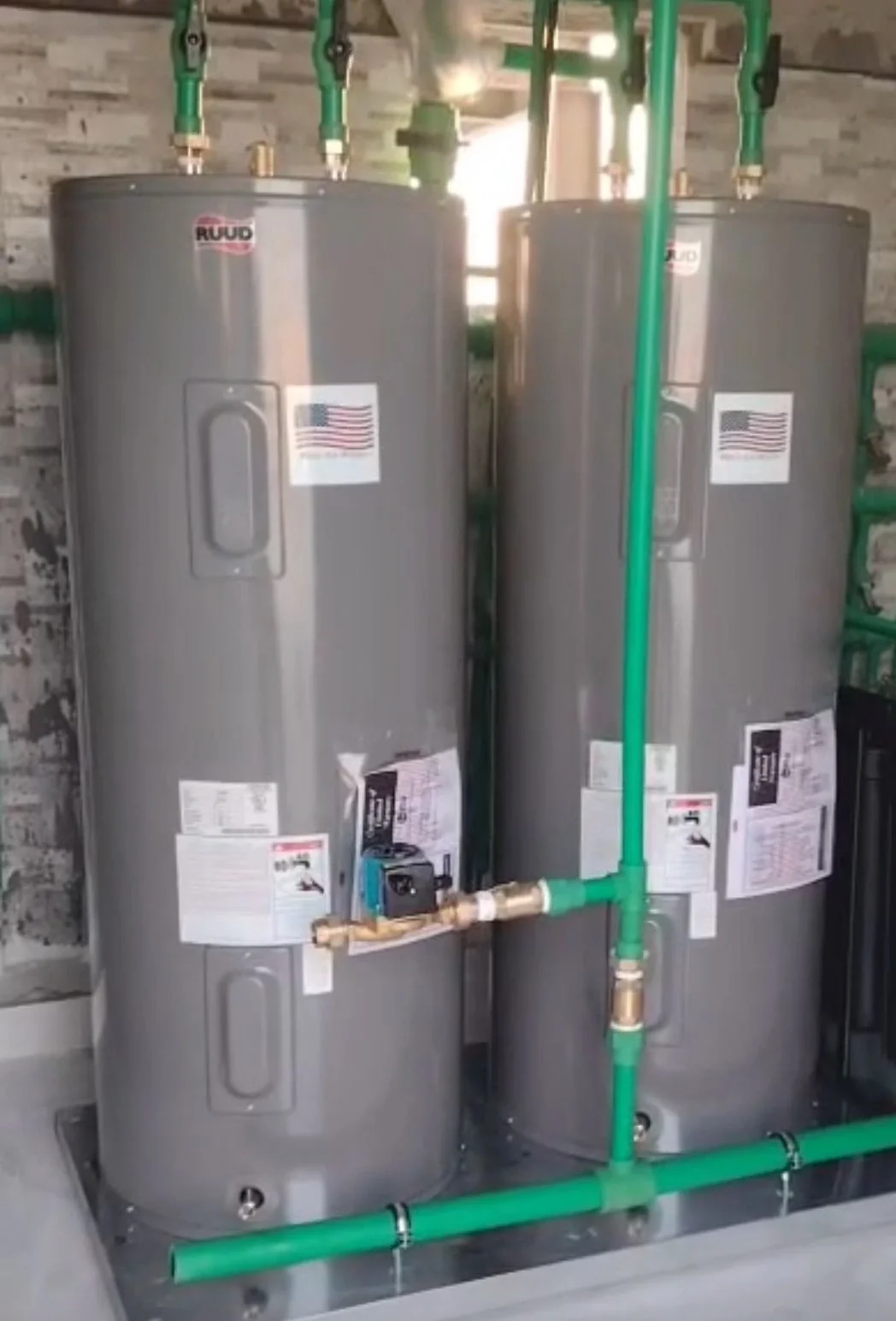
Preventing sediment inside the water heater begins before the water reaches the tank. If the main problem is suspended material such as sand, rust, or debris, a correctly selected central sediment filter can reduce the quantity of particles entering the heater. However, it is important to be clear about what such a filter can and cannot do. A sediment filter does not automatically convert hard water into soft water because it captures existing particles rather than necessarily removing dissolved calcium and magnesium.
This is one of the most common mistakes in water-treatment selection. A customer installs a high-quality sediment filter and later wonders why white scale continues forming on heating elements. The filter may be working perfectly; it is simply designed for a different problem. If water testing confirms excessive hardness, a treatment method specifically addressing dissolved hardness minerals should be evaluated.
Household water consumption also influences the rate of buildup. The more water that passes through the heater, the greater the total quantity of minerals and suspended material that passes through the system. High-demand homes may therefore require closer inspection or more frequent flushing than properties with limited hot-water use.
Water softening also needs to be managed carefully. A. O. Smith explains that conventional softeners replace calcium and magnesium ions with sodium and that this change can accelerate anode consumption. This means the best approach is not “maximum softening at any cost,” but appropriate water treatment combined with continued heater monitoring.
-
A sediment filter is useful for sand rust and suspended particles but it should not be treated as a direct replacement for hard-water treatment
-
Measuring water hardness can prevent the homeowner from purchasing a filter designed for a completely different water-quality problem
-
High-use households move a larger amount of minerals through the heater and may therefore require more frequent monitoring than low-demand properties
-
Water treatment should be coordinated with anode maintenance because changing water chemistry can affect the rate of corrosion-protection consumption
-
The strongest way to prevent sediment is to identify its source first and then select filtration treatment and maintenance according to the specific type of material present
Cleaning a Central Water Heater Tank
Cleaning a central water heater tank professionally is not simply draining dark water from the bottom and showing the customer what came out. Good tank cleaning has a clear purpose: reduce settled material while also inspecting the components exposed to the same water conditions.
Professional flushing typically includes isolating the energy source, draining and flushing the tank, examining the T&P relief valve, checking the Drain Valve, evaluating the anode rod, reviewing system pressure, checking for leakage, and then restoring the heater to normal operation. This sequence matters because sediment is rarely the only maintenance issue that can be discovered during a service visit.
The anode rod deserves particular attention. Its purpose is to sacrifice itself electrochemically to help protect the storage tank from corrosion. Manufacturer guidance commonly recommends periodic anode inspection, with the exact interval depending on water conditions and model requirements. Softened water can also increase the rate of anode consumption, which can justify closer monitoring.
A tank that has operated for many years without maintenance needs a more cautious approach. If the Drain Valve is seized, fittings are weakened, or the tank shows signs of deterioration, the technician should evaluate those conditions before carrying out aggressive flushing.
After the service, there should be measurable results. Did the rumbling become quieter? Did Recovery improve? Is the drain flowing normally? Has the water clarity improved? Good maintenance is measured by system behavior, not simply by the quantity of debris removed.
-
Professional tank cleaning combines sediment removal with inspection of safety and corrosion-protection components instead of focusing only on the tank bottom
-
The anode rod is an essential part of tank maintenance because removing sediment does not replace corrosion protection
-
A heater that has not been serviced for many years should be assessed before aggressive flushing so valves fittings and tank condition are handled appropriately
-
After cleaning the tank should be refilled air should be purged and leakage and heating performance should be tested before normal operation resumes
-
Keep a service record that includes sediment condition anode condition and technician observations so the next maintenance visit begins with a useful history
Scale Buildup on the Heating Element

Scale buildup on the heating element is one of the forms of mineral accumulation that directly affects electric water-heater performance. The heating element is designed to transfer electrical energy into the surrounding water. Every mineral layer that forms around the element creates an additional barrier between the hot metal surface and the water that needs to be heated.
Calcium and magnesium in hard water can form scale on heating elements. As that layer becomes thicker, the unit may need to operate longer and Recovery can become slower. Mineral deposits around heating surfaces can also contribute to popping, sizzling, or crackling noises because small pockets of water become trapped near very hot surfaces.
There is an important difference between a burned-out element and a scaled element. A failed element may stop producing heat completely. A heavily scaled element can still be electrically functional but transfer heat poorly, causing longer operating times and slower hot-water Recovery even though continuity testing may show that the element is not electrically open.
This is why a technician investigating slower Recovery combined with sediment-related noise should not limit the inspection to electrical tests. The physical condition of the heating element and the possibility of mineral buildup also need to be considered according to the manufacturer’s service procedures.
Prevention is straightforward in principle: do not allow a light mineral layer to become a thick insulating crust. Monitor water quality, follow an appropriate service schedule, and avoid unnecessarily high temperature settings.
-
A heating element can remain electrically functional while thermal performance becomes poor because a mineral layer interferes with normal heat transfer
-
Longer Recovery combined with popping or sizzling makes scale inspection more relevant than immediately replacing the heating element
-
Mineral buildup around the element differs from loose sediment at the bottom so the heating surface may require treatment beyond ordinary tank draining
-
Maintaining an appropriate temperature reduces one of the conditions that can encourage increased mineral precipitation
-
Early monitoring helps preserve heat-transfer performance and reduces the risk of scale eventually creating longer heating cycles and weaker hot-water performance
Effects of Sediment on the Water Heater
The effects of sediment on the water heater go far beyond annoying noise. The first effect is on heat transfer. As mineral buildup increases around heating surfaces, energy takes longer to move into the water, which can lead to longer operating cycles and slower Recovery after heavy hot-water use.
The second effect is on practical storage performance. Heavy sediment occupying the bottom of the tank changes the internal environment and can reduce the amount of water that behaves as effectively heated usable storage. The nominal gallon capacity printed on the label does not change, but the user may still notice weaker hot-water performance.
The third effect is noise. Mineral buildup can produce rumbling, popping, and crackling as water becomes trapped near deposits and forms localized steam pockets during heating.
The fourth effect is operating cost. Scale acts as a thermal barrier and can force the heater to run longer to achieve the same result. If heating cycles increase despite no change in household demand, mineral buildup can be one of the explanations that should be investigated.
The fifth effect is equipment longevity. Heavy mineral accumulation is recognized as one of several conditions that can contribute to premature water-heater problems because persistent scale can increase thermal stress and interfere with normal operation.
However, homeowners should not be alarmed into believing that any visible mineral deposit means the heater is about to fail. The impact depends on the amount of buildup, how long it has remained, the heater design, and the water conditions. The goal is to intervene before manageable deposits become a substantial operational burden.
-
Sediment can reduce heat-transfer quality and turn a previously responsive heater into a unit that requires longer heating cycles for the same hot-water demand
-
Heavy buildup changes conditions inside the tank even though the nominal gallon capacity printed on the heater remains unchanged
-
Rumbling and popping can result from water trapped near deposits and should not always be dismissed as harmless background noise
-
Longer heating-element runtime without increased household demand justifies scale inspection because mineral buildup may be part of the additional energy use
-
Early intervention is easier than dealing with severe accumulation because maintenance remains closer to prevention instead of advanced restoration
Water Heater Maintenance for Mineral Deposits

Water heater maintenance for mineral deposits works best when it becomes a data-based program instead of an occasional random service visit. The first piece of information is water quality. A heater supplied with very hard water should not necessarily follow the same maintenance interval as a heater supplied with lower-hardness water.
The second factor is household demand. A property with several bathrooms and heavy daily hot-water use passes a greater volume of water through the tank and can therefore accumulate minerals faster. General manufacturer guidance often uses annual flushing as a starting point, while hard-water environments may justify intervals closer to six months. These remain general guidelines and should be adjusted according to the exact heater model and actual water conditions.
The third piece of information that should be documented is anode condition. Maintenance that focuses only on scale while ignoring the sacrificial anode is incomplete. The anode helps protect the tank from corrosion, and its consumption rate changes according to water chemistry, including the use of water-softening equipment.
The fourth factor is heater performance before and after service. How long does Recovery take? Has the heater become noisier? Was more sediment removed than during the previous visit? These details allow the next service interval to be adjusted intelligently instead of repeating the same schedule indefinitely.
When contacting Al Arabi Orchid on 99346138, it is useful to provide the heater brand, capacity, age, last cleaning date, and whether the property has a central filter or any water-treatment equipment. These details help define the correct service scope.
-
Maintenance intervals should reflect water hardness usage level and heater history instead of using exactly the same schedule for every customer
-
Monitoring the anode rod together with mineral cleaning prevents the homeowner from improving heating performance while neglecting tank corrosion protection
-
Keep a record of the last flush and the condition of the discharged sediment because comparing service visits reveals how quickly buildup is developing
-
If a water softener is installed do not assume maintenance is finished because the anode rod may require closer inspection after water chemistry changes
-
Give the technician information about the heater water quality and filtration system so the service is targeted to the actual cause rather than performed as a generic cleaning visit
How to Reduce Water Heater Sediment
The strongest method for reducing water heater sediment combines five connected steps instead of relying on one “magic” solution. The first step is understanding the water. Does the property have high hardness, suspended particles, or both? Water testing or hardness measurement helps distinguish between physical filtration needs and dissolved-mineral treatment.
The second step is selecting treatment that matches the source. If sand and rust are present, sediment filtration is appropriate. If the main issue is excessive hardness, a properly selected hard-water treatment system should be evaluated. However, water softening should not be treated as a solution with no consequences. It can alter water chemistry and increase the rate at which the sacrificial anode is consumed, so anode inspection should become part of the plan.
The third step is avoiding unnecessarily high heater temperatures. Higher storage temperatures can encourage additional precipitation of some hardness minerals, which means excessive temperature settings can accelerate scale formation without providing useful benefit to the household.
The fourth step is flushing according to actual conditions rather than waiting until the Drain Valve becomes restricted or the heater develops loud noise. Annual service can be a reasonable general starting point, while harder water can justify more frequent flushing depending on model and operating conditions.
The fifth step is monitoring warning signs. New popping sounds, slower Recovery, longer heating cycles, cloudy discharge, and increasing sediment during draining all provide useful information. Acting early is usually easier than waiting for the scale layer to become severe.
The real objective is not achieving “zero minerals inside the heater” at any cost. The objective is maintaining water and operating conditions that prevent excessive buildup while preserving corrosion protection and reliable hot-water performance.
-
Begin by measuring water quality because knowing whether the problem is suspended sediment or dissolved hardness prevents purchasing the wrong treatment system
-
Use sediment filtration for physical particles and hardness treatment when testing proves dissolved mineral concentration is the main issue instead of expecting one filter to solve every problem
-
Do not over-soften the water without an anode-maintenance plan because reducing scale can be accompanied by faster consumption of the corrosion-protection rod
-
Keep the heater temperature appropriate for household needs and avoid unnecessarily high settings that encourage additional mineral precipitation
-
Contact Al Arabi Orchid on 99346138 when slower heating popping noises or sediment increase appears so the source can be identified before buildup develops into a more serious performance problem
Conclusion
How do you protect a central water heater from scale and sediment? There is no single answer such as “install a filter” or “flush it once a year.” The correct plan starts by identifying the type of problem. Sand, rust, and suspended particles require appropriate filtration, while hard water caused by dissolved calcium and magnesium needs a different treatment approach. Hardened scale attached to heating elements also cannot always be removed by ordinary flushing.
Good maintenance combines several actions: understanding water quality, cleaning the tank according to actual conditions, monitoring heating elements, avoiding unnecessarily high temperature settings, inspecting the sacrificial anode, and selecting water treatment that matches the real problem.
This balance is important because reducing one type of buildup should not create another maintenance issue. Water softening can reduce hardness, for example, but it can also increase the rate of anode consumption, which means corrosion protection still needs regular attention.
If you have a central water heater in Kuwait and have started hearing popping noises, Recovery has become slower, or you simply do not know when the tank was last serviced, contact Al Arabi Orchid on 99346138. Provide the heater brand, capacity, approximate age, and details of any filter or water-treatment system already installed. The objective should be to identify the source first and build a maintenance plan that slows future buildup rather than performing temporary cleaning that has to be repeated again and again.
Frequently Asked Questions
What is the difference between scale and sediment inside a water heater?
Scale is generally a hardened mineral deposit formed from dissolved substances such as calcium compounds that precipitate from the water and attach to heating elements or internal surfaces. Sediment can include sand, rust, suspended debris, or loose mineral material that settles at the bottom of the tank. The correct prevention and cleaning method depends on which type is present.
Does flushing remove all scale from a water heater?
Not always. Flushing is more effective at removing loose sediment from the bottom of the tank. Hardened mineral scale attached to the heating element or internal surfaces may require a dedicated descaling procedure according to manufacturer instructions.
How often should a central water heater be cleaned?
Annual flushing is commonly used as a general starting point for many homes, while properties with hard water may benefit from service closer to every six months. The final interval should be based on water quality, household use, and the exact heater manufacturer’s instructions.
Does a sediment filter prevent scale?
Not completely. A sediment filter captures suspended particles such as sand and rust, while water hardness is mainly caused by dissolved calcium and magnesium. Hardness therefore requires a different water-treatment approach.
Can a water softener protect the heater from scale?
It can reduce hardness-related scale because it removes or exchanges calcium and magnesium ions, but softened water can also increase the rate of sacrificial-anode consumption. The anode should therefore be monitored more closely after water chemistry is changed.
Does increasing water-heater temperature increase scale?
Higher temperatures can increase calcium carbonate precipitation under hard-water conditions. For that reason, storage temperature should not be raised above what the household and system actually require.
How can I tell whether scale has reached the heating element?
Possible signs include slower hot-water Recovery, longer heating cycles, and popping or sizzling during heating even when the electrical system appears functional. A proper inspection is needed because the same symptoms can also have other causes.
Can sediment increase electricity consumption?
Yes. Mineral scale on heating elements can reduce heat-transfer performance and force the heater to operate longer to produce the same amount of useful hot water.
What does the anode rod have to do with scale?
The anode rod does not remove scale. Its primary job is to help protect the storage tank from corrosion. It should still be inspected as part of the same maintenance program because water chemistry and water-softening systems can change the rate at which the anode is consumed.
How can Al Arabi Orchid help protect my heater from sediment?
Contact Al Arabi Orchid on 99346138 and provide the heater brand, capacity, age, last cleaning date, and details of any filtration or water-treatment system. The inspection should determine whether the main problem is suspended sediment, hard water, or mineral scale on the heating elements and then recommend the appropriate flushing, descaling, water treatment, and maintenance schedule.