
Before winter begins and the central water heater becomes one of the most heavily used appliances in the home, it is smart to make sure the system is ready instead of waiting for the first cold morning to discover that the water is not heating, a leak has appeared, or the heater suddenly keeps tripping. A pre-season inspection does not mean dismantling the appliance or replacing healthy parts as a precaution. It means carrying out an organized review of the tank, connections, leakage, safety valve, thermostat, heating elements, and hot-water performance throughout the home. The goal is to detect small warning signs while they are still manageable because a minor issue that barely appears during summer can become much more obvious in winter when hot-water demand increases and the heater operates for longer periods.
Checking the central water heater before winter

Checking the central water heater before winter should begin before the unit is placed under heavy daily demand, not after the water suddenly turns cold and everyone in the house is waiting for a technician. The first step is to inspect the area around the heater without removing any electrical covers. Look for signs of water beneath the tank, around pipe connections, or near the safety valve. Also notice whether there are rust streaks or white mineral deposits around fittings because these marks can reveal an old or intermittent leak even if the area is dry at the time of inspection.
Next, look at the external condition of the tank itself. Visible deformation, recurring moisture, or corrosion around a particular area deserves professional inspection before the season begins. Not every rust mark means the tank needs immediate replacement, but ignoring a sign that has been appearing repeatedly throughout the summer can leave you entering winter with a tank that is close to developing a more serious leak.
The next step is to operate the heater and observe a complete heating cycle under normal conditions. Pay attention to approximately how long it takes to provide properly hot water and compare that performance with the previous winter if you remember it. If heating has become noticeably slower, temperature fluctuates, or the electrical supply trips, those are not issues that should be postponed until colder weather increases the load on the appliance.
Once the water becomes hot, test several outlets around the home individually. The purpose is not simply to check shower pressure but to determine whether the temperature reaches bathrooms and the kitchen with reasonable consistency. A major difference between an outlet close to the heater and another farther away may point to a distribution problem, heat loss, or a faulty mixer rather than a failure inside the heater itself.
A good preventive inspection does not replace components merely because they are old. It gathers evidence and determines whether the unit is ready for winter or whether a technician needs to carry out deeper testing.
-
Inspect the floor, connections, and areas around the tank before full operation because old mineral staining and moisture marks can reveal a leak that is not actively dripping when you look at it
-
Observe one complete heating cycle and compare the time required to reach temperature with the heater’s normal performance because a significant change matters more than the number of years the appliance has been installed
-
Test hot water at several points in the home so you can distinguish between a heating-source problem and an issue limited to one pipe run or mixer
-
If you notice leakage, electrical tripping, or abnormal water temperature, do not wait for winter because daily seasonal use will place even more demand on the system
Preparing the heater for the winter season
Preparing the heater for the winter season does not mean turning the thermostat to the highest possible setting and assuming the job is finished. That approach can increase electricity use without correcting any weakness already present in the system. Proper preparation starts with understanding the heater’s current condition and addressing problems that could become more serious under heavy winter use.
If the heater has been used only lightly during summer, some developing faults may not have been obvious. A thermostat that has become slower to respond, a heating element that has lost part of its output, or a layer of mineral buildup that has gradually formed can all go unnoticed because hot-water demand is low. Once winter begins and several people start using the bathrooms within a short period, those weaknesses become much easier to notice.
One important part of preparation is confirming that there are no visible leaks, that the safety valve is not continuously releasing water, and that water temperature remains stable rather than rising above the normal range. It is also useful to observe whether the heater reaches temperature, switches off, and later restarts normally instead of heating continuously or cycling off and on far too quickly.
If the heater is old or has not been professionally checked for a long time, a pre-season inspection is often more economical than waiting for an emergency breakdown. A technician can review the heating elements, thermostat, electrical connections, tank condition, and safety components and identify anything that genuinely requires attention.
From a cost perspective, good preventive maintenance should correct confirmed problems rather than turning every visit into a complete replacement campaign. If the components are healthy, there is no reason to replace them simply because winter is approaching.
-
Preparing the heater starts with testing its present condition rather than increasing the temperature setting because a higher setting will not repair an electrical fault, mineral buildup, or leakage
-
Observe how the heater switches off and restarts because a stable operating cycle tells you more about system readiness than simply confirming that the water gets hot
-
If the heater has been in service for years and has not been checked recently, reviewing its main components before winter can identify declining performance before it develops into complete failure
-
Good maintenance replaces only the part that testing proves to be weak because replacing healthy components as a precaution raises cost without delivering real value
Servicing the heater before cold weather

Servicing the heater before cold weather is intended to reduce the chance of the first serious failure appearing at exactly the time when the household depends most heavily on hot water. Preventive maintenance is different from repair after a breakdown because the goal is to respond to early warning signs and measure performance before the appliance stops working completely.
One area that deserves attention is mineral buildup inside the heater, especially if heating time has increased or unusual noises have started to appear during operation. The presence of mineral deposits does not automatically mean that the tank must be opened and cleaned during every service visit, but signs that point toward buildup make professional evaluation worthwhile. The purpose is to help the heating element transfer heat efficiently into the water instead of working through a thick insulating layer of scale.
The thermostat and temperature-control cycle should also be checked. The heater should reach a selected temperature, stop heating, and then restart when the stored water cools. If the water becomes excessively hot or the unit continues running abnormally, the issue should be addressed before winter demand increases.
Electrical connections are another important area, but internal electrical inspection should be left to a qualified technician. Heat marks, discolored wires or terminals, or a burning smell should not be treated by tightening a connection and trying the heater again. An appliance that combines electricity with hot water is not the right place for experimental repairs.
The safety valve also forms part of seasonal maintenance because continuous dripping or a change in its normal behavior can be related to pressure, temperature, or the condition of the valve itself. The goal is not to replace it automatically but to determine why its behavior has changed.
-
Pre-winter maintenance focuses on warning signs that may become worse with longer operating hours such as slower heating, new noises, leakage, or unstable temperature
-
Mineral buildup should be evaluated when there are signs that heat transfer has become less efficient instead of cleaning the tank automatically every time without evidence
-
Any sign of overheating or burning around electrical connections requires a qualified technician because experimenting inside a system that combines electricity and water is a poor idea
-
The safety valve should be evaluated as part of the complete system because dripping can result from pressure or thermal expansion rather than valve failure alone
Testing the central heater before heavy use
Testing the central heater before heavy use in winter involves more than switching it on for a few minutes and checking whether the water becomes warm. A useful test follows the heater from the beginning of the cycle to the end and observes how it behaves under normal operating conditions.
Start with the heater relatively cool and without heavy hot-water demand. Operate it normally and watch for stable heating without electrical tripping, unfamiliar noises, or an electrical smell. Allow the heater to reach the required temperature and then observe whether the heating cycle ends normally.
Once the water is hot, use a reasonable amount of hot water and then observe the heater’s ability to recover. There is no need to deliberately empty the entire tank. The aim is to determine whether performance is still close to what you expect or whether recovery has become significantly slower.
Test more than one tap or shower individually. If hot water is excellent in one area but weak in another, that information matters because it can direct attention away from the heater and toward a local pipe or mixer problem.
If several people live in the home and mornings are usually the period of highest hot-water demand, it is also useful to consider whether the heater’s capacity and performance still suit current household needs. The number of users may have increased since the heater was installed, meaning the appliance can be technically healthy while no longer providing the same level of comfort.
-
Test the heater through a complete operating cycle rather than simply checking whether the water became hot because startup, shut-off, and recovery performance all provide useful information
-
Any electrical trip, burning smell, or new sound during testing is a reason to stop experimenting and arrange inspection instead of repeatedly restarting the heater
-
Compare hot-water performance at several outlets because different results between bathrooms can reveal a distribution problem rather than a heater fault
-
Review current household demand because a heater that was properly sized several years ago may become less suitable after the number of users or usage pattern changes
Checking for leaks before operating the heater
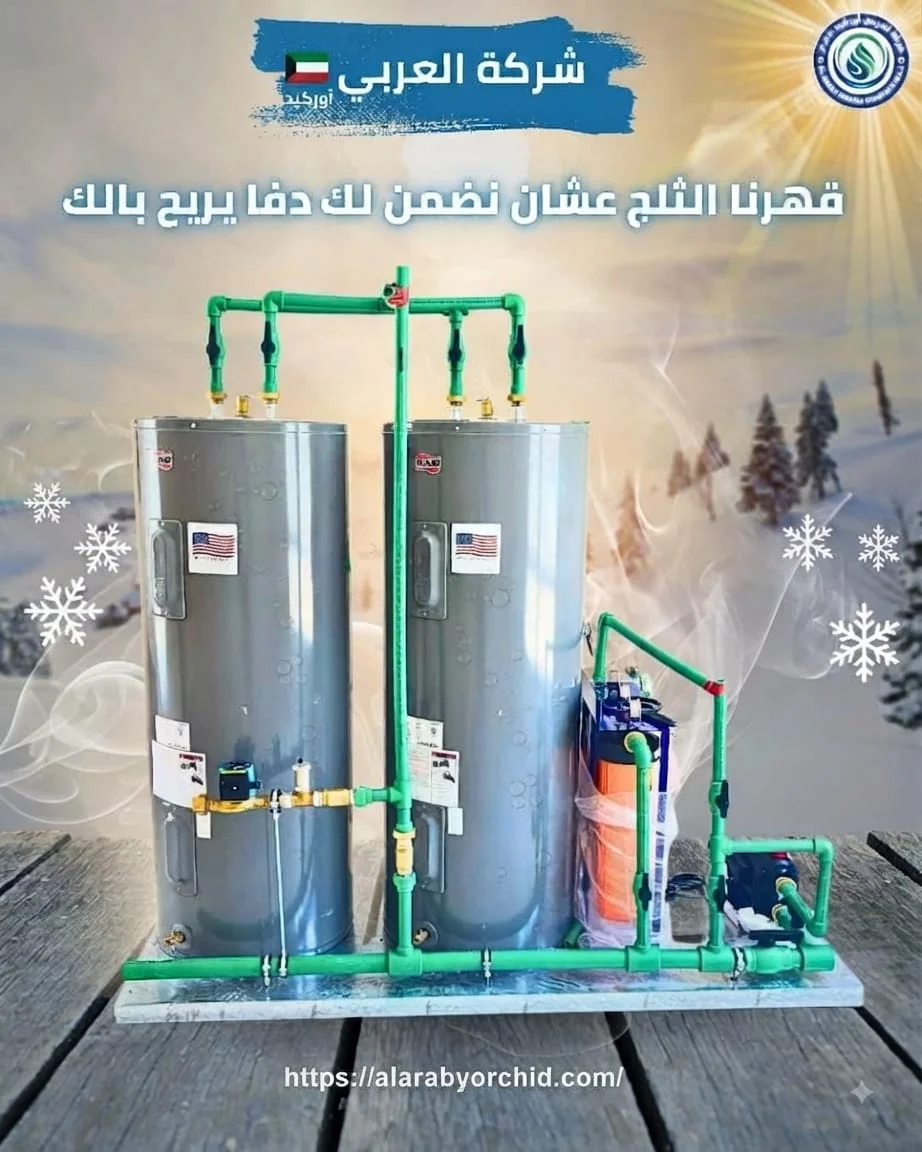
Checking for leaks before operating the heater is one of the most important seasonal steps because a small leak that causes little concern during summer can become worse as temperature, pressure, and operating hours increase. The aim is not only to protect the heater but also to protect the surrounding area from moisture and damage.
Begin with a careful visual inspection around the base of the tank, pipe connections, cold-water inlet, hot-water outlet, and safety valve. White mineral deposits, rust tracks, or an area that repeatedly becomes damp can show that water has passed through that location even if no active drop is present when you inspect it.
It is extremely important to identify the source before deciding that the tank itself is leaking. Water near the safety valve does not automatically mean the tank has developed a hole. It may come from the valve, a threaded fitting, or another nearby connection. The opposite is also true because water collected near the base can sometimes have travelled downward from a higher point.
After the heater has warmed the water, check the area again without touching hot components or opening any part of the system. Some leaks only become visible when temperature or system pressure rises.
If testing confirms that water is coming from the tank body itself, the decision becomes different from repairing a serviceable fitting. Tank condition, age, leak location, and previous repair history all become important when comparing repair with replacement.
-
Trace water back to the highest point where it appears rather than judging the problem from where it collects on the floor because gravity can make the wrong component look responsible
-
Inspect the heater both before and after a heating cycle because some leaks appear only when components expand and system pressure rises
-
Mineral staining or rust around one connection deserves investigation even when the area is dry because it can indicate intermittent leakage
-
Do not treat tank-body leakage the same as a fitting leak because repair options, cost, and long-term value differ significantly between the two situations
Confirming that the water heater is ready
Confirming that the water heater is ready for winter depends on several indicators working together, not simply on asking whether it can produce hot water. A heater that is genuinely ready for the season should provide stable temperature, complete its heating cycle normally, remain free of visible leakage, and operate without electrical tripping or newly developed abnormal sounds.
One important indicator is consistency. If the water temperature is sometimes very high and sometimes noticeably lower without an obvious change in use, the heater deserves evaluation even if it has not stopped working completely. The same applies if heating time has become much longer than usual.
Another indicator is recovery performance after hot-water use. The heater does not need to restore full temperature immediately, but it should operate within a reasonable range for its heating-element output and tank capacity. If recovery now takes much longer than it did previously, a pre-winter inspection becomes worthwhile.
The safety valve, area surrounding the heater, and operating sounds should also be reviewed. A minor sound does not always indicate a fault, but a new change in appliance behavior is worth noting.
Readiness also includes whether the heater is still suitable for the household. If the number of residents or bathrooms in regular use has increased, the heater may be mechanically healthy but unable to provide enough hot water during peak periods. In that situation, repairing a healthy component will not solve the real problem; heater capacity and usage pattern need to be assessed.
-
A heater is not truly ready simply because it produces hot water but because it maintains stable temperature, cycles normally, and shows no leakage or electrical problems
-
Any major change compared with the previous season is useful diagnostic information even when the heater is still capable of operating
-
If the heater is healthy but no longer provides enough hot water for the current number of users, the problem may be capacity rather than a repairable fault
-
Readiness depends on the complete system because the tank, thermostat, heating elements, safety valve, and distribution network all contribute to final performance
Checking heater components before winter

Checking heater components before winter becomes especially important when heating has slowed or performance has changed compared with previous months. Heater components include more than the heating element itself. The thermostat, electrical connections, safety valve, and other operating components should also be considered.
Testing the heating element requires appropriate electrical measurements so a technician can confirm that the circuit and insulation are healthy and that there is no fault causing weak performance or protective tripping. A slower heating time alone is not enough to declare the element defective.
The thermostat is evaluated by observing temperature control. If the heater reaches the selected temperature and switches off normally, that is a positive sign. Continuous heating or unstable temperature requires deeper investigation.
Connections should also be inspected for signs of overheating, burning, or looseness according to the heater design. A high-resistance electrical connection can generate heat and develop into a more serious problem during the longer operating hours of winter.
The safety valve should be evaluated according to its condition, behavior, and system pressure. The goal is not for the homeowner to operate or manipulate it randomly but to make sure there are no warning signs within the protection system.
-
The heating element should not be replaced simply because performance has slowed because electrical measurements determine whether the element itself is faulty or another part is responsible
-
A healthy thermostat should control the heating cycle consistently without excessive temperature or continuous heating after the target temperature is reached
-
Connections showing evidence of heat need attention before heavy seasonal use because longer operating hours can expose weaknesses more severely
-
Safety components should never be tested through random experimentation because their purpose is directly related to protection against excessive heat and pressure
Preventing seasonal heater breakdowns
Preventing seasonal heater breakdowns does not guarantee that a heater will never fail. It means reducing the chance of unexpected problems that could have been discovered earlier. Many faults provide warning signs before complete failure, including longer heating times, dripping, new sounds, repeated tripping, or changing water temperature.
The first rule is not to ignore small changes. If the heater previously reached temperature within a familiar pattern and suddenly becomes noticeably slower, record the difference rather than assuming that everything is fine simply because the heater still works.
The second rule is not to treat symptoms with temporary workarounds. If the breaker trips, do not keep resetting it without diagnosis. If the safety valve drips, do not block its outlet. If the water feels too cool, do not automatically turn the thermostat to its maximum setting.
The third rule is to correct confirmed problems before winter places more demand on the system. A weak component or damaged connection may appear acceptable during light summer use but become much more obvious during longer winter operation.
From a cost perspective, smart prevention does not mean booking unnecessary service every week or replacing components before their time. It means carrying out periodic checks based on the condition, age, usage, and symptoms of the appliance.
-
Pay attention to new changes in heating time, sound, temperature, and leakage because comparing the heater with its own previous performance can reveal developing faults early
-
Do not turn emergency workarounds into normal habits because repeatedly resetting a breaker, raising the temperature, or ignoring dripping can allow the underlying problem to become worse
-
Repair the cause confirmed by testing instead of replacing several components unnecessarily because real prevention should reduce both breakdown risk and cost
-
Keep a record of previous maintenance and replaced components because it helps the technician distinguish between a new fault and a problem that has returned after an earlier repair
Central heater inspection checklist
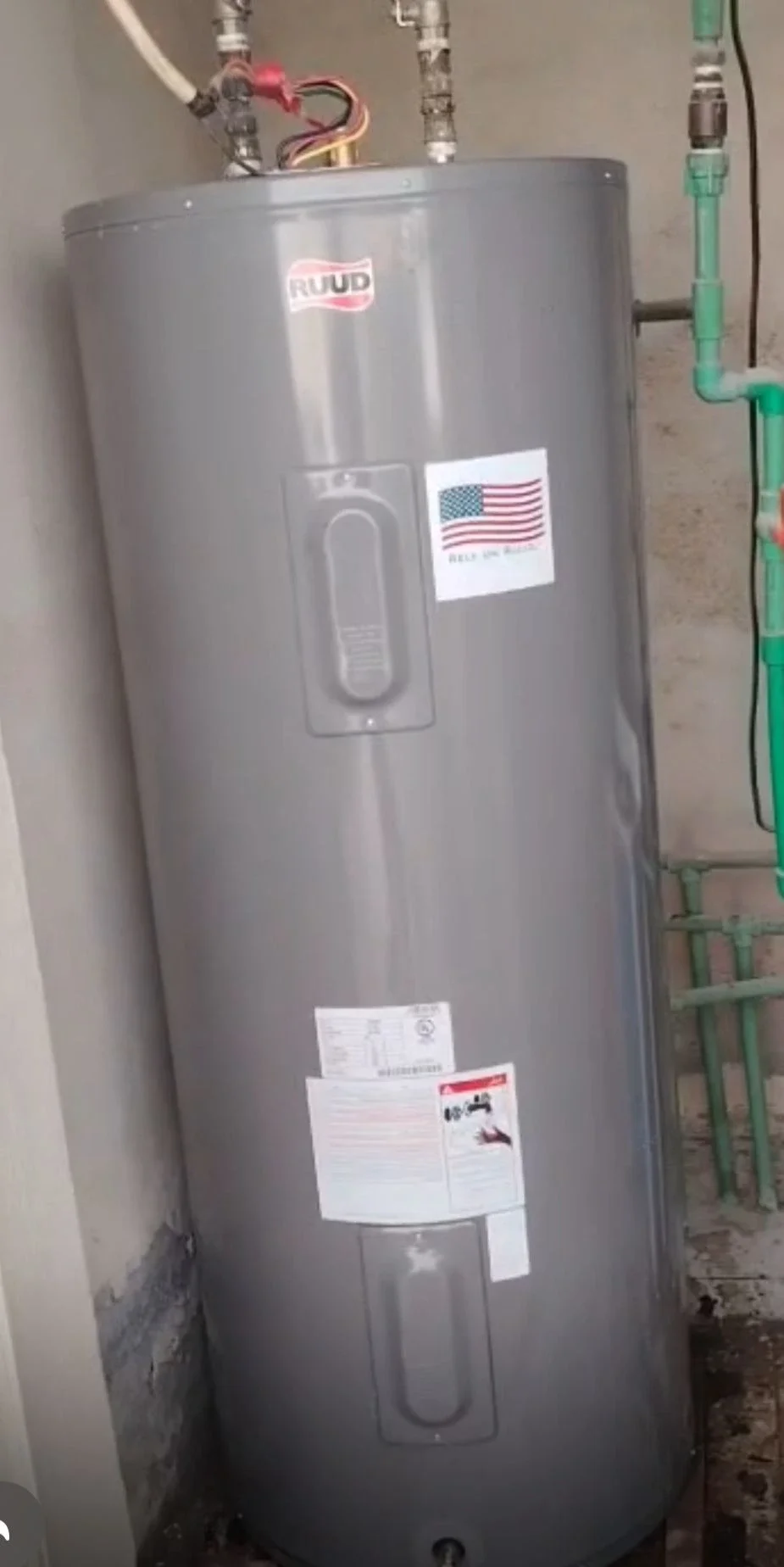
A central heater inspection checklist makes seasonal preparation organized instead of turning it into a quick glance followed by hoping that everything will be fine. Start with the outside of the unit, then move to performance, and leave the components that require electrical testing to a qualified technician.
Externally, confirm that there is no visible leakage, mineral staining, or unusual corrosion. Inspect the connections, safety valve, and area beneath the tank. Then observe the first heating cycle and pay attention to any new sound, smell, or electrical trip.
Once the water reaches the required temperature, make sure it remains stable and that the heater ends the heating cycle correctly. Test more than one hot-water outlet and make sure that differences between them are not excessive.
Review the heater’s ability to recover after reasonable hot-water use. If performance is much weaker than the previous season, record that observation and mention it during inspection.
Professional checks, when required, can include the heating elements, thermostat, electrical connections, and safety system according to the condition of the appliance. Not every checklist item requires replacement, and not every heater needs the same level of servicing.
-
Check for water, mineral deposits, or rust around the tank and connections before full operation
-
Observe the first heating cycle and pay attention to electrical tripping, unusual smells, or sounds that were not present before
-
Confirm that the water reaches a stable temperature and that the heater stops heating after reaching the appropriate level
-
Test hot water at more than one bathroom or tap to make sure the issue is not isolated to one pipe run
-
Observe recovery speed after use and compare it with the heater’s normal performance
-
Record any safety-valve dripping instead of trying to stop it yourself so the technician can understand its timing and relationship to heating
-
Arrange professional electrical testing if there is breaker tripping, abnormal heat, or concern about the heating element because these are not areas for home experimentation
Preparing the hot-water system for winter
Preparing the hot-water system for winter involves more than inspecting the heater alone because household comfort ultimately depends on the tank, pipes, mixers, circulation pump if installed, and the way hot water reaches different fixtures.
If the heater produces properly hot water but it arrives late or cooler at a distant bathroom, the pipework and insulation should be considered before replacing heater components. Heat loss along long pipe runs becomes more noticeable in winter because the temperature difference between the hot water and the surrounding environment is greater.
If the home has a hot-water circulation pump, make sure it is operating correctly because inappropriate operation or failure can affect both hot-water delivery time and energy use. Mixer problems can also allow cold water to blend into the hot-water supply and make it appear that the heater is weak.
Usage habits should also be reviewed. If several bathrooms are used at the same time and the heater has limited capacity, organizing peak use or reconsidering heater capacity may provide more benefit than carrying out unnecessary repairs.
This is where a complete system inspection becomes valuable. Instead of blaming the heater for every hot-water problem, the entire system is considered and the actual weak point is identified. The tank may be excellent while the fault is in a mixer, the heating elements may be healthy while heat is being lost through the pipework, or everything may operate normally while the storage capacity is no longer sufficient for current household demand.
-
Inspect the entire hot-water distribution system because the heater may be healthy while the real issue is poor insulation, long pipe runs, or a faulty mixer
-
Review the circulation pump if one is installed because its operating pattern affects both hot-water delivery speed and heat loss through the network
-
Compare heater capacity with current demand because an increase in household size can make a technically healthy system feel less comfortable than before
-
Preparing the whole system before winter gives a better result than focusing on a single component because hot-water quality depends on several connected parts of the home
Conclusion
Checking the central water heater before winter is not an unnecessary luxury and it does not mean replacing parts every year. The purpose is simply to enter the season of heavy use knowing the condition of the appliance instead of discovering the problem when cold water becomes the surprise guest in the first morning shower.
Start by inspecting for leakage and reviewing the condition of the tank and connections. Then observe the heating cycle, temperature stability, shut-off behavior, and hot-water recovery. Test several outlets around the home, and remember that the problem can sometimes come from pipes, a mixer, or a circulation pump rather than the heater itself.
If electrical tripping, tank leakage, abnormal temperature, or a clear operating-cycle problem appears, professional inspection before winter is safer and more economical than waiting. The best maintenance is the kind that identifies the actual cause and the specific component that needs attention instead of turning seasonal preparation into a festival of replacing perfectly healthy parts.
Frequently Asked Questions
When is the best time to check a central water heater before winter?
The best time is before heavy seasonal use begins, leaving enough time to repair any leak, electrical issue, or heating weakness before the heater becomes necessary for continuous daily use.
Does the heater need servicing every year before winter?
Not every heater requires the same maintenance work every year, but periodic inspection is useful, especially if the appliance is older or has shown slower heating, leakage, unusual noise, or changes in temperature. A technician can then determine whether actual maintenance is required.
How do I know if the heater is ready for winter?
The heater is more likely to be ready when it heats water consistently, switches off normally, shows no leakage or electrical tripping, produces no abnormal temperature, and recovers at its usual rate after hot-water use.
Should I increase the heater temperature before winter?
Not necessarily, and the temperature should not be raised randomly. Weak performance may come from a problem that requires repair, and increasing the setting will not correct a weak heating element, mineral buildup, or heat loss. It can also increase electricity use and the risk of scalding.
Is safety-valve dripping before winter normal?
Some discharge may be related to pressure and thermal expansion depending on the system, but continuous dripping or a noticeable increase in water release should be evaluated to determine whether the cause is high pressure, valve condition, or temperature control.
Does slow heating mean the heating element must be replaced?
No. Slow heating can result from mineral deposits, electrical issues, thermostat problems, or reduced heating-element performance. The cause should be tested before deciding on replacement.
Can I inspect the heater myself?
You can safely perform an external visual inspection and observe leakage, water temperature, and operating times. Opening electrical covers, testing heating elements, or working on internal connections should be left to a qualified technician because the appliance combines electricity and hot water.
What is the most important warning sign not to ignore before winter?
Repeated electrical tripping, a burning smell, visible leakage from the tank body, or abnormally high water temperature are all warning signs that deserve inspection before continued use.
Can checking the heater before winter really reduce costs?
Yes, it can help avoid larger repair costs if it reveals a small leak, damaged connection, or developing component problem before it causes a wider failure. The benefit comes from accurate diagnosis rather than replacing healthy parts as a precaution.
Does preparing the hot-water system include checking the pipes?
Yes. Heater performance is only one part of the system. Pipe insulation, mixers, and a circulation pump if installed can all affect how quickly hot water arrives and how stable its temperature remains throughout the home.

