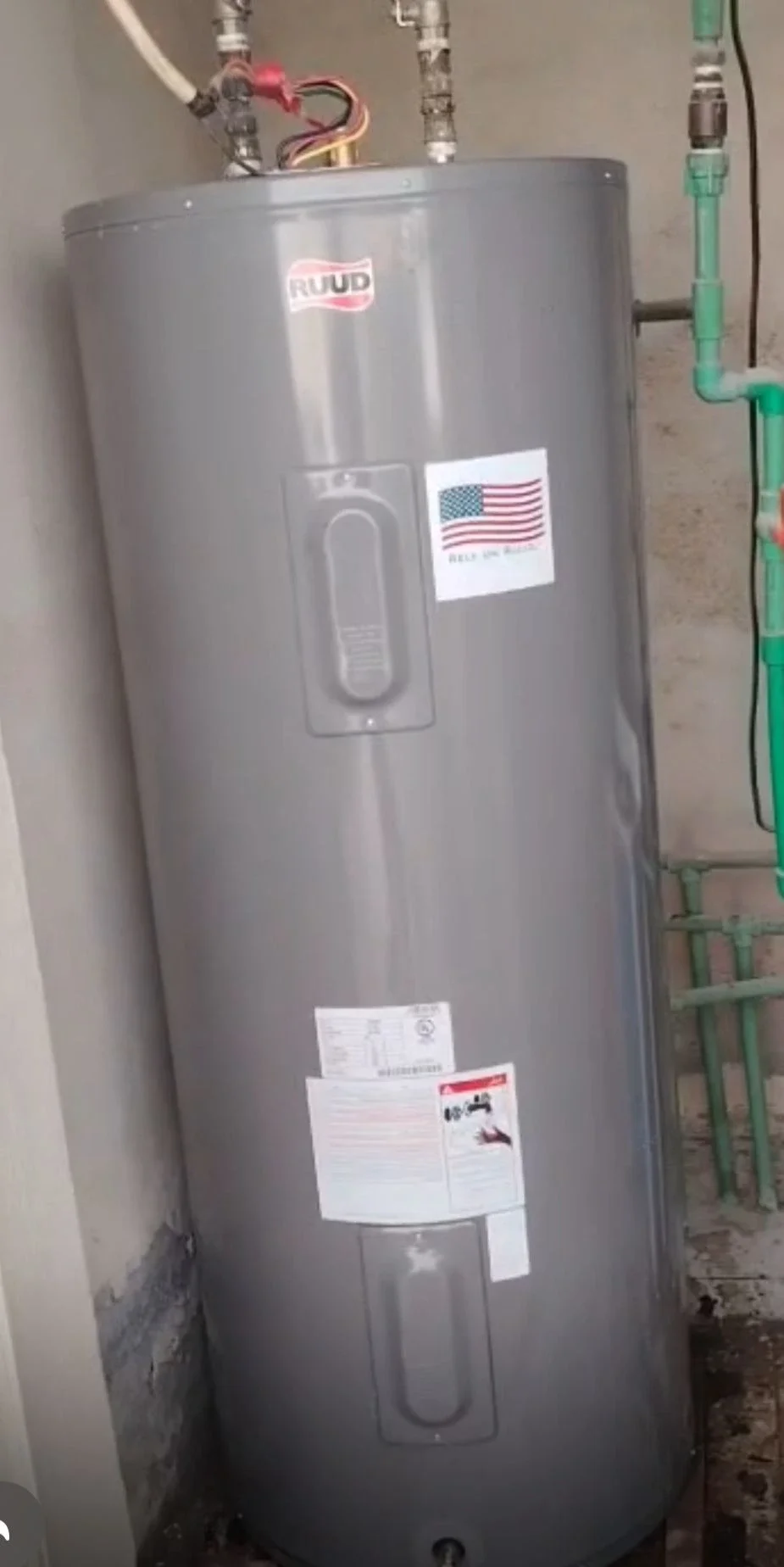
Weak hot water pressure is one of the most frustrating plumbing problems homeowners experience, especially when cold water pressure remains completely normal while hot water flows slowly from faucets and showers. Many people immediately assume that the water heater is responsible, but extensive practical experience servicing American central water heaters throughout Kuwait has consistently demonstrated that the problem may originate from the plumbing system, the water heater itself, or several engineering issues occurring simultaneously. For this reason, professional diagnosis always involves inspecting the complete hot water distribution system before any repair decisions are made. This engineering approach saves unnecessary expenses, prevents incorrect repairs, and ensures that the true cause of reduced hot water pressure is accurately identified and permanently corrected.
Why Is Hot Water Pressure Weak Even Though Cold Water Pressure Is Normal?
When homeowners notice that hot water pressure is weak while cold water continues flowing normally, this usually indicates that the problem exists somewhere within the hot water distribution system rather than the building's main water supply. Extensive practical experience servicing American central water heaters throughout Kuwait has consistently demonstrated that reduced hot water pressure may result from mineral deposits accumulating inside the heater outlets, partial blockages within hot water pipes, reduced efficiency of internal control valves, or heavy limescale restricting water flow through the plumbing network after many years of operation. Worn isolation valves or malfunctioning check valves may also reduce the volume of hot water reaching household fixtures without affecting cold water pressure at all. Professional technicians therefore begin by measuring water pressure before and after the water heater while simultaneously evaluating flow rate, testing every control valve, comparing pressure readings between hot and cold water lines, and inspecting the heater outlets for mineral buildup or restrictions that reduce water flow. Once every engineering measurement has been completed, technicians identify the true source of the pressure loss before selecting the most appropriate repair strategy based upon the actual condition of the complete hot water system. Extensive practical experience throughout Kuwait consistently demonstrates that accurate engineering diagnosis permanently solves pressure problems while preventing unnecessary repairs and future recurring failures.
What Causes Weak Hot Water Flow Throughout the House and How Is It Identified?
Weak hot water flow is not always caused by the water heater itself because many plumbing systems gradually develop restrictions after years of continuous operation. Extensive practical experience diagnosing residential hot water systems throughout Kuwait has consistently demonstrated that mineral accumulation inside hot water pipes represents one of the most common engineering causes of reduced water flow, particularly in plumbing systems that have not received regular maintenance or cleaning. Internal corrosion inside valves and fittings may also gradually reduce the effective diameter of water passages, causing flow rates to decrease slowly over time without homeowners immediately recognizing the problem. Professional technicians therefore inspect the complete hot water pathway beginning at the heater outlet and continuing to the final plumbing fixture. Flow rates are measured at multiple locations, pressure readings are compared throughout the system, filters, valves, and mixing faucets are inspected, and technicians verify that trapped air is not interfering with normal water circulation. The water heater itself is also evaluated to ensure that it can deliver the required volume of heated water under actual operating conditions. After analyzing every engineering measurement, technicians identify the precise location where water flow begins to decrease before implementing the appropriate corrective action without replacing components that remain fully functional. Extensive practical experience throughout Kuwait consistently demonstrates that solving the true cause of reduced hot water flow provides significantly more reliable long-term performance than simply increasing water pressure or unnecessarily replacing the water heater.
Why Does Hot Water Come Out with Low Pressure Even When the Water Heater Is Working Properly?
Many homeowners experience situations where hot water comes out with low pressure even though the water heater itself remains in excellent mechanical condition. Extensive practical experience inspecting American central water heaters throughout Kuwait has consistently demonstrated that reduced hot water pressure frequently originates outside the heater itself. Partial blockages inside hot water supply pipes, mineral buildup within mixing faucets, clogged shower heads, or scale accumulation inside plumbing fittings may all significantly reduce water flow without indicating any mechanical failure inside the heater. Professional technicians therefore inspect every point of water usage rather than concentrating exclusively on the heater. Water flow rates are measured separately at each plumbing fixture before comparing the results to determine whether the pressure loss affects the entire plumbing system or only specific outlets. Mixing valves, faucet aerators, shower heads, filters, and plumbing connections are carefully examined while the complete hot water distribution system is inspected before any conclusions are made regarding the heater itself. Once the engineering cause has been identified, technicians perform the appropriate repairs before repeating pressure and flow measurements throughout every plumbing fixture to verify complete restoration of normal operating performance. Extensive practical experience throughout Kuwait consistently demonstrates that many low hot water pressure problems can be completely resolved without performing any repairs inside the water heater because the true engineering cause often exists within the plumbing distribution system rather than the heating equipment itself.
What Causes Low Hot Water Pressure and How Can the Real Source Be Identified?
The cause of low hot water pressure varies from one property to another, which is why professional technicians never assume that the water heater is responsible without completing a full engineering evaluation. Extensive practical experience servicing American central water heaters and residential plumbing systems throughout Kuwait has consistently demonstrated that reduced hot water pressure may result from restricted water supply pressure, partial blockages inside hot water pipes, deteriorated control valves, mineral deposits within the heater, or hidden leaks that reduce water flow before it reaches household fixtures. For this reason, technicians begin by measuring incoming water pressure at the main supply, followed by pressure measurements at the water heater inlet, the heater outlet, and multiple hot water outlets throughout the property. Flow rate measurements are also recorded while valves, filters, mixing faucets, and plumbing connections are thoroughly inspected. Advanced testing confirms whether trapped air, scale buildup, or pressure imbalance exists within the hot water distribution system. Once every engineering measurement has been completed, technicians accurately determine whether the restriction originates inside the heater or somewhere within the plumbing network, allowing repairs to focus directly on the true source of the problem rather than replacing perfectly functional equipment. Extensive practical experience throughout Kuwait consistently demonstrates that systematic engineering diagnosis produces long-lasting results while eliminating unnecessary maintenance costs.
Can the Water Heater Itself Cause Low Water Pressure Even If the Plumbing System Is in Good Condition?
Many homeowners assume that the water heater only affects water temperature, yet extensive practical experience servicing American central water heaters throughout Kuwait has consistently demonstrated that the water heater can cause low water pressure whenever its internal water passages become restricted or certain mechanical components begin losing efficiency. Heavy mineral deposits around the heater's inlet and outlet connections may significantly reduce the available water passage, while worn internal control valves or partially blocked distribution channels can restrict the amount of hot water leaving the heater despite the plumbing network remaining in excellent condition. Professional technicians therefore isolate the heater from the plumbing system and perform independent flow tests before measuring inlet and outlet water volume under controlled operating conditions. Internal components associated with water circulation are carefully inspected while mineral buildup is removed whenever necessary to restore unrestricted water movement. Once servicing has been completed, the heater is reconnected to the plumbing network and pressure measurements are repeated throughout the system to verify complete restoration of normal hot water flow. Extensive practical experience throughout Kuwait consistently demonstrates that removing internal restrictions and restoring efficient water circulation frequently resolves low hot water pressure without requiring replacement of the entire water heater.
How Are Hot Water Plumbing Lines Professionally Inspected to Locate Pressure Loss?
A complete inspection of hot water plumbing lines is an essential part of professional diagnosis because pressure loss frequently develops somewhere within the distribution network rather than inside the water heater itself. Extensive practical experience diagnosing residential plumbing systems throughout Kuwait has consistently demonstrated that professional inspections begin by reviewing the entire hot water layout before measuring pressure at multiple locations throughout the system to identify exactly where the pressure begins to decrease. Every isolation valve, plumbing fitting, concealed connection, and distribution pipe is carefully examined while specialized leak detection equipment is used whenever hidden water loss is suspected. Technicians also inspect pipe routing for restrictions, previous repair work, accidental pipe deformation, or mineral accumulation that may gradually reduce internal pipe diameter over many years of operation. Thermal insulation surrounding the hot water pipes is evaluated because aging insulation may indirectly affect overall system efficiency under certain operating conditions. After completing every engineering inspection, technicians prepare a comprehensive technical assessment identifying the exact location of the restriction, its influence on hot water pressure, and the most effective repair strategy without recommending unnecessary pipe replacement or destructive construction work. Extensive practical experience throughout Kuwait consistently demonstrates that comprehensive plumbing inspections save homeowners considerable repair costs while permanently resolving pressure problems instead of temporarily masking their symptoms.
How Is Hot Water Pressure Professionally Restored Without Affecting Water Heater Performance?
Professional repair of low hot water pressure focuses on eliminating the actual engineering cause of the pressure loss rather than applying temporary solutions such as installing additional pumps or artificially increasing water pressure. Extensive practical experience servicing American central water heaters throughout Kuwait has consistently demonstrated that permanent repairs always begin after every diagnostic measurement has been completed. If mineral deposits are restricting water flow, technicians professionally clean the heater outlets together with the affected hot water pipes. Worn control valves, deteriorated plumbing fittings, or malfunctioning pressure regulators are replaced whenever engineering testing confirms reduced operating efficiency. Shower heads, faucet aerators, internal filters, and water outlets are also cleaned because even relatively small restrictions at these locations can noticeably reduce hot water pressure without homeowners realizing the true source of the problem. Whenever partial blockages exist inside the hot water plumbing network, appropriate cleaning and restoration procedures are carried out without damaging the existing pipework or reducing its expected service life. Once every repair has been completed, technicians repeat pressure and flow measurements at every major hot water outlet to verify complete restoration of normal operating conditions. Extensive practical experience throughout Kuwait consistently demonstrates that engineering-based repairs preserve water heater efficiency, prevent recurring pressure problems, and reduce the likelihood of future plumbing failures caused by improper pressure correction methods.
What Is the Best Permanent Solution for Weak Hot Water Pressure?
Many homeowners search for a permanent solution to weak hot water pressure rather than temporary improvements that disappear after a short period. Extensive practical experience diagnosing hot water systems throughout Kuwait has consistently demonstrated that lasting results begin with understanding the actual engineering cause instead of immediately replacing the water heater or modifying the plumbing system without proper diagnosis. Professional technicians therefore evaluate the complete hot water system beginning at the main water supply and continuing through the heater, plumbing network, valves, mixing faucets, and every household outlet. Water pressure, flow rate, operating temperature, valve performance, plumbing condition, and heater efficiency are all measured and analyzed before any repair recommendations are made. Once the true cause has been identified, technicians develop a complete engineering repair plan that may include cleaning mineral deposits, restoring blocked plumbing sections, replacing worn valves, correcting design deficiencies within the plumbing network, or improving water distribution throughout the property. Homeowners also receive preventive maintenance recommendations that help preserve stable hot water pressure, including routine servicing, filter cleaning, periodic inspections, and early attention whenever water flow begins changing unexpectedly. Extensive practical experience throughout Kuwait consistently demonstrates that this comprehensive engineering approach delivers reliable long-term performance while preventing the same pressure problems from returning in the future.
When Should You Call a Hot Water Pressure Specialist in Kuwait Instead of Trying Home Solutions?
Hiring a hot water pressure specialist in Kuwait becomes the most practical decision whenever weak hot water pressure continues despite cleaning faucets, replacing shower heads, or attempting common household troubleshooting methods. Extensive practical experience servicing American central water heaters throughout Kuwait has consistently demonstrated that many homeowners spend significant amounts of money replacing perfectly functional heaters or installing unnecessary booster pumps before discovering that the actual problem was nothing more than a partially blocked pipe, a faulty valve, or mineral accumulation inside the plumbing system. Professional technicians use specialized pressure gauges, flow measurement instruments, and engineering diagnostic equipment to evaluate both the water heater and the complete hot water distribution network before recommending any repair. Every internal and external component affecting water movement is inspected while technicians clearly explain the engineering cause of the problem, the required repair procedures, the expected improvement in system performance, and the projected service life following maintenance. Extensive practical experience throughout Kuwait consistently demonstrates that involving an experienced specialist from the beginning significantly reduces repair time, prevents unnecessary component replacement, preserves both the water heater and the plumbing system, and provides homeowners with reliable long-term hot water performance while avoiding unnecessary maintenance expenses.
Conclusion
If hot water pressure is weak in your home, replacing the water heater or installing a booster pump should never be your first decision. Extensive practical experience servicing American central water heaters and residential hot water systems throughout Kuwait has consistently demonstrated that low hot water pressure often results from several engineering factors rather than a single mechanical failure. Mineral deposits, partially blocked plumbing lines, worn control valves, internal heater restrictions, or hidden plumbing defects may all reduce hot water flow even though the heater itself continues operating normally. This is why accurate engineering diagnosis remains the most important step, allowing technicians to identify the true source of pressure loss before unnecessary repairs or equipment replacement are considered.
Throughout this comprehensive guide, we explored every major engineering factor responsible for situations where hot water pressure is weak, explained the common causes of weak hot water flow, analyzed why hot water comes out with low pressure despite normal heater operation, examined the most frequent causes of low hot water pressure, demonstrated the engineering process used for diagnosing weak hot water flow, explained when the water heater itself causes low water pressure, discussed the importance of a complete inspection of hot water plumbing lines, described the professional methods used for restoring hot water pressure, presented the most reliable long-term approach for solving weak hot water pressure, and finally explained when homeowners should contact a hot water pressure specialist in Kuwait instead of relying on temporary household solutions.
Ultimately, maintaining strong and consistent hot water pressure depends on the health of the complete hot water system rather than the water heater alone. Regular preventive maintenance, periodic inspection of plumbing lines, professional cleaning of mineral deposits, valve servicing, and early diagnosis whenever water pressure begins to decline all contribute to preserving reliable system performance, reducing future repair costs, extending the service life of both the plumbing network and the water heater, and ensuring dependable hot water delivery for many years.
Frequently Asked Questions
Why is my hot water pressure weak while cold water pressure remains normal?
This usually indicates a problem within the hot water system itself, such as mineral buildup, partially blocked hot water pipes, restricted heater outlets, worn control valves, or internal plumbing issues, while the main water supply continues operating normally.
Does weak hot water flow always mean the water heater is faulty?
No. Reduced hot water flow may originate from the plumbing network, valves, faucets, shower heads, filters, or pipe blockages rather than the heater itself. A complete engineering inspection is required before determining the true source.
Why does hot water come out with low pressure from only certain faucets?
This often indicates localized restrictions such as clogged faucet aerators, shower heads, mixing valves, or mineral buildup within the plumbing serving those specific fixtures rather than a system-wide heater problem.
How do technicians diagnose weak hot water pressure?
Professional diagnosis includes measuring water pressure and flow rates at multiple locations, inspecting the water heater, testing valves, evaluating plumbing lines, examining filters and fixtures, and identifying exactly where pressure loss begins.
Can the water heater itself reduce water pressure?
Yes. Mineral deposits inside the heater, restricted inlet or outlet connections, partially blocked internal passages, or worn internal control components may significantly reduce hot water flow even when the plumbing system remains in good condition.
Do mineral deposits inside hot water pipes reduce water pressure?
Yes. Mineral scale gradually narrows the internal diameter of plumbing pipes, restricting water flow and causing noticeable reductions in hot water pressure over time.
How is low hot water pressure professionally repaired?
Professional repair focuses on removing the actual engineering cause through cleaning mineral deposits, restoring blocked plumbing sections, replacing faulty valves, servicing heater components, and verifying system performance after repairs have been completed.
When should hot water plumbing lines be professionally inspected?
A complete plumbing inspection is recommended whenever low hot water pressure continues despite normal heater operation or when the same pressure problem repeatedly returns after temporary repairs.
Will installing a booster pump always solve weak hot water pressure?
No. Increasing water pressure without identifying the real engineering cause may only hide the problem temporarily and can sometimes create additional stress on the plumbing system if blockages or heater restrictions remain unresolved.
When should I contact a hot water pressure specialist in Kuwai?
Professional assistance is recommended whenever hot water pressure remains consistently weak after basic maintenance, when there is a significant difference between cold and hot water pressure, or whenever the true source of the pressure loss cannot be identified without specialized engineering testing