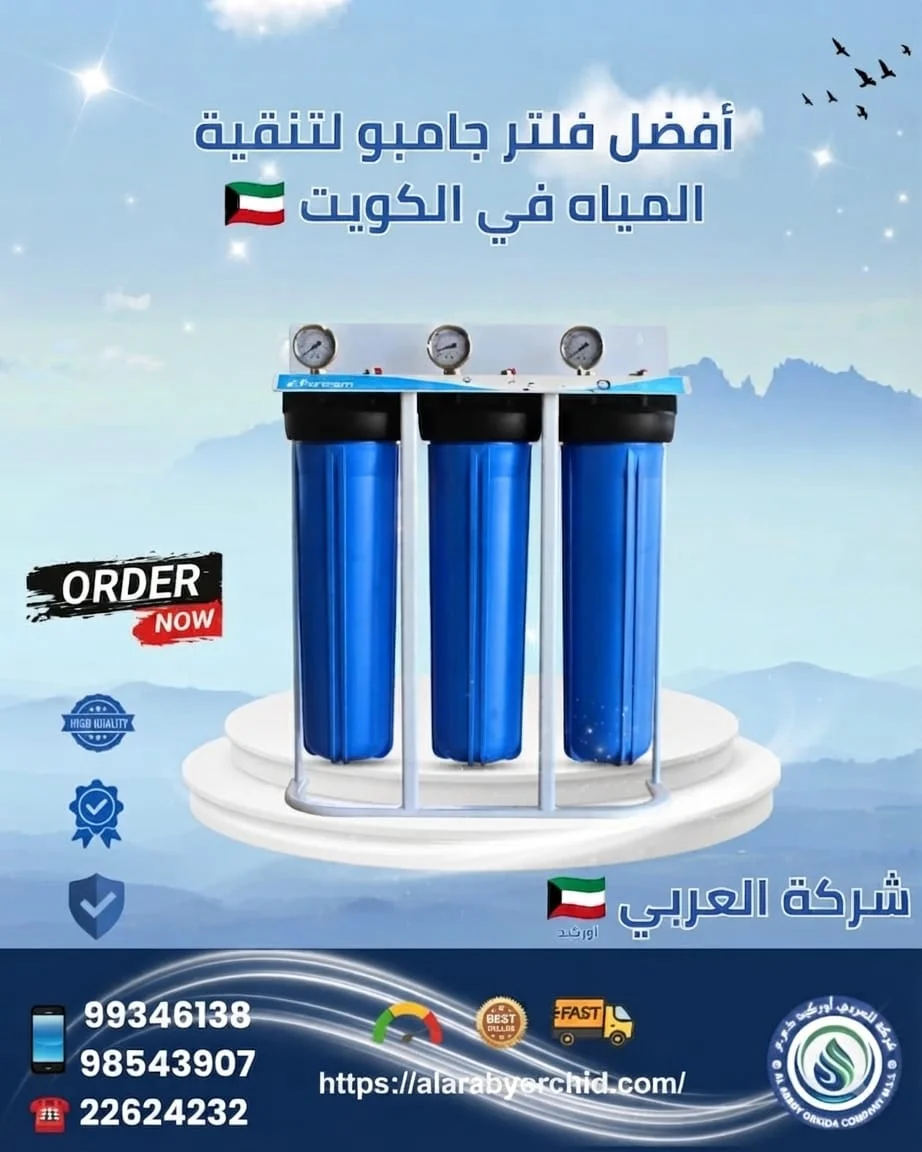
When you want to install a main water filter for your home, the decision is not simply sand, Jumbo, or stainless steel because each option solves a different problem in a different way. One house may need to reduce sand and sediment before they enter the plumbing system, another may need finer filtration using suitable cartridges, while a large villa may require a filter body that can handle higher flow and more filter elements. The appearance or material of a filter does not tell you by itself what it can remove from the water. The right choice starts with the type of impurities, household water demand, water pressure, pipe size, and ease of maintenance. Only after that should the filtration system be selected so it improves water quality without unnecessarily restricting pressure or adding stages that the home does not need.
Sand filter or Jumbo filter

The comparison between a sand filter or Jumbo filter should begin with understanding that these are not simply two versions of the same system in different sizes. A sand filter uses filtration media inside a tank, and water passes through that media so suspended particles are retained according to the media type, size, and operating design. A Jumbo system is usually a large filter housing containing a replaceable cartridge, and the cartridge type determines what the system actually filters, such as sediment or another specific type of contaminant.
If the main problem is water carrying a noticeable amount of sand, sediment, and suspended particles and the goal is to filter a relatively large flow entering the house, a properly sized sand filter may be more suitable, especially when the system includes an appropriate cleaning or backwashing arrangement according to its design.
If the goal is a simpler main filtration stage at the home entrance and replacing cartridges is an acceptable part of maintenance, a Jumbo filter can be practical in many homes because the cartridge type and filtration rating can be selected according to the actual problem instead of relying on one filtration medium.
Pressure is an important issue. A cartridge that is finer than the system actually needs or one that becomes loaded with debris quickly can increase pressure loss and make the homeowner think the water pump has become weak when the real restriction is the filter. A sand filter can create the same issue if it is undersized for the household flow or if the media becomes heavily loaded.
For example, a home receiving noticeable debris from the tank or incoming line may experience frequent clogging if a very fine Jumbo cartridge is used as the first filtration stage. In that situation, a first stage designed to handle the heavier sediment load followed by a finer Jumbo filter may be a more intelligent arrangement depending on the actual water condition.
-
A sand filter and a Jumbo filter should not be compared only by price or physical size because one uses filtration media inside a tank while the other depends on the type of cartridge installed inside the housing
-
If the sediment load is heavy then using a first stage that can handle larger particles before a fine cartridge can reduce rapid clogging and help maintain better flow through the plumbing system
-
A Jumbo filter provides flexibility because the cartridge can be changed according to the problem but that flexibility still requires correct cartridge selection because an unsuitable cartridge can cause pressure loss faster than expected
-
A sand filter needs to be sized and designed for the household flow because a small tank or unsuitable media does not become better simply because the system is called a sand filter
-
Monitoring pressure before and after the filter helps determine whether reduced performance comes from the water pump or from the filter becoming more restrictive as it loads with debris
-
The better decision depends on sediment quantity household water demand and maintenance requirements rather than a fixed rule that sand filters are always stronger or Jumbo filters are always finer
Jumbo filter or stainless filter
The question Jumbo filter or stainless filter needs one important clarification first. The term Jumbo usually refers to the size of a large filter housing or cartridge system, while stainless refers mainly to the material of the filter body or filtration assembly rather than to the filtration method itself. A stainless filter can contain several cartridges, while a plastic Jumbo housing may contain one cartridge, and the two systems can perform very differently depending on what is installed inside them.
For that reason, a stainless system should not automatically be described as providing cleaner water than a Jumbo filter. If both systems use the same cartridge type and filtration rating, the main differences may be cartridge quantity, flow capacity, body strength, and maintenance arrangement rather than the basic ability to trap particles.
A Jumbo filter can be very practical for homes that need straightforward main filtration with simple maintenance. The housing can be opened during service, the appropriate cartridge can be replaced, and the system returns to normal operation. However, the housing size and connection diameter need to suit household flow so the filter does not become a restriction.
A stainless multi-cartridge system becomes more logical where greater filtration surface area or higher flow is required or where a larger villa or building needs to be served. Splitting the flow across several cartridges can reduce the load on each one compared with forcing the entire household flow through one small element, but this depends on the actual system design rather than on stainless material alone.
Maintenance is also different. A single-cartridge Jumbo housing is usually simpler and contains fewer elements. A stainless housing containing several cartridges requires every element to be monitored and replaced correctly so one part of the system does not remain new while another becomes heavily clogged.
The same rule still applies: a strong stainless body with good corrosion resistance does not automatically remove dissolved salts or every type of contaminant. What the filter removes depends on the filtration media or cartridge and its rating, not the appearance of the external housing.
-
Stainless describes the material and construction of the filter body more than the actual filtration method so the number and type of cartridges must be known before comparing it with a Jumbo system
-
A Jumbo filter with the correct cartridge can serve a home very effectively while a larger stainless multi-cartridge system may make more sense when higher flow or greater filtration area is required
-
Using several cartridges can distribute the load when the system is designed for that purpose but it also increases the number of elements that need inspection and replacement during service
-
It is not correct to say that a stainless filter automatically produces cleaner water because filtration quality depends more on cartridge type and particle-retention rating than on body material
-
Inlet and outlet diameter housing size and cartridge quantity should all match the household flow so the filter does not create an excessive pressure drop during peak use
-
Choosing between Jumbo and stainless should consider property size flow requirements water condition and future maintenance cost rather than only appearance or initial purchase price
Comparing home water filters

Any comparison of home water filters is incomplete if the systems are compared only by the number of stages or body size. The correct starting point is the question: what do you want the filter to do? Is the goal to trap visible sand and sediment? Do you want to protect the water heater, pump, mixers, and valves from particles? Is there a color or odor issue that requires different media? Each objective requires a different treatment approach, and there is no single filter that automatically solves every water problem.
Whole-house filters installed at the main inlet have a different job from a drinking-water filter under the sink. A central filter handles the complete flow entering the property, so maintaining adequate flow and pressure is an essential part of selection. There is little benefit in trapping particles extremely well if every bathroom in the house suffers from weak water flow during normal use.
It is also important to distinguish suspended particles from dissolved substances. A filter that removes sand, rust, and sediment does not automatically remove dissolved salts and does not automatically make the water suitable for drinking without any other treatment. Many poor purchasing decisions begin with expecting the filter to perform functions it was never designed to provide.
Maintenance also belongs in the comparison. A sand filter may require media maintenance and cleaning or backwashing according to its design. A Jumbo filter needs cartridge replacement according to the actual condition of the element and household usage. A stainless multi-cartridge system requires monitoring multiple elements, and service intervals depend on sediment load and flow rather than one fixed calendar date that applies to every house.
Pressure impact should also be compared. The best method is not guesswork but observing pressure before and after the filter and tracking the difference over time. If the pressure differential increases, the filter may be loading with sediment or the system may be too small for the required demand.
The property itself is another major factor. An apartment with two bathrooms is not the same as a multi-story villa, and neither is the same as a building where the main filter may need to pass much higher flow during peak use.
-
Filter comparison starts by identifying the actual problem because removing sand is different from removing finer sediment and different again from addressing taste odor or dissolved substances
-
A whole-house filter needs to balance filtration quality with enough flow for the property because very fine filtration without sufficient capacity can become a daily pressure problem
-
Removing sediment and particles does not mean removing dissolved salts so the filtration system should never be expected to provide a function the installed media or cartridge cannot perform
-
Maintenance schedules should not be treated as one fixed number for every home because media and cartridge life change according to sediment load water consumption and filtration surface area
-
Increasing pressure loss after a period of use provides useful information about filter loading and can indicate the need for service before the homeowner assumes the pump has weakened
-
A fair comparison includes replacement cost maintenance effort available flow and pressure impact in addition to the original purchase price
Best filter for the main home inlet
Choosing the best filter for the main home inlet should not begin with brand or appearance. It should begin with what actually enters the home with the water. If the main problem is visible sand and sediment, the solution is different from a home with finer particles, color, odor, or a heavy sediment load coming from the storage tank. The main inlet is a sensitive point because any filter installed there affects every bathroom, the kitchen, water heater, pump, and the rest of the plumbing network.
The first thing to determine is peak household flow. If several bathrooms can operate at the same time, the filter needs to pass that demand without choking the system. Installing a small filter on a large main line can provide acceptable filtration when new but cause noticeable pressure loss as soon as the element begins accumulating debris.
The next step is determining the appropriate filtration level. The finest cartridge is not always the best choice for the main inlet. If very fine filtration is installed directly on water with a heavy sediment load, the cartridge may clog quickly and require frequent replacement. In many cases, a first stage designed to remove larger sediment followed by a finer stage can protect the network more effectively.
Installation location also matters. The central filter should remain easily accessible because it requires inspection and maintenance. If it is installed in a tight or hidden area, replacing cartridges or cleaning media becomes inconvenient and maintenance may be delayed until pressure has already dropped significantly.
Incoming system pressure should also be reviewed because every filter adds some resistance. The goal is to protect the home from sediment without sacrificing normal water comfort.
For example, a large property receiving obvious sand from a water tank and operating at high flow may benefit from a high-capacity first stage followed by a Jumbo or multi-cartridge system rather than relying on one very fine cartridge at the beginning of the line.
-
The best main-inlet filter is the one that addresses the actual contaminants while still allowing enough flow for every fixture during peak household use
-
The finest cartridge is not always the best because water with a heavy sediment load can clog it quickly and cause pressure loss earlier than expected
-
Installing a first stage for larger sediment can extend the life of the finer filtration stage and help keep system performance more stable
-
The filter location should allow easy maintenance because delaying cartridge replacement or media cleaning directly affects household pressure
-
Connection size and filtration surface area should match the main water line so the filter does not become the narrowest point in the plumbing network
-
Correct selection protects the water heater mixers valves and other components from particles without turning normal household water use into a pressure problem
Choosing a central water filter
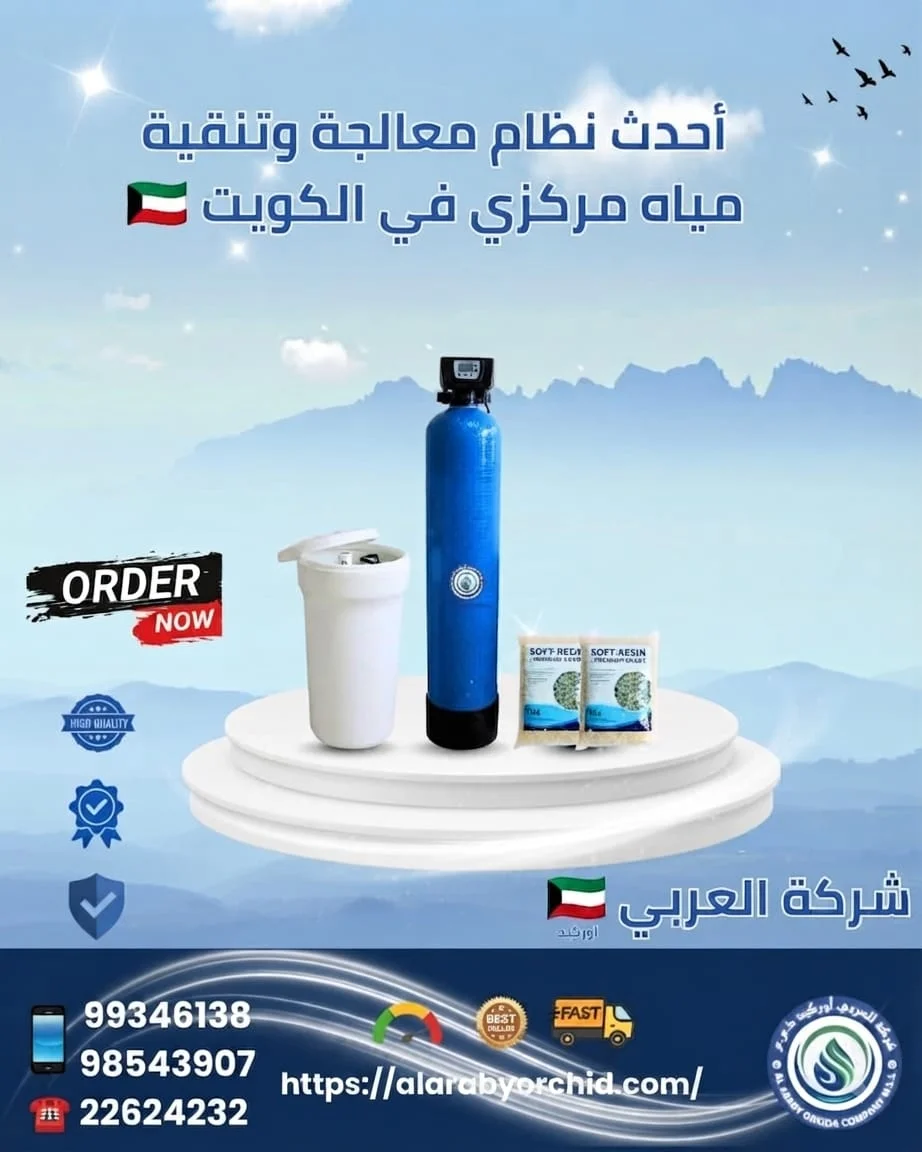
Choosing a central water filter requires looking at the whole plumbing system because the filter is not an isolated device serving one faucet. It becomes part of the main household network, so any error in housing size, media choice, or cartridge quantity affects every fixture.
The first factor is flow. Peak household demand should be estimated and the filter body and filtration elements should be able to pass that amount of water with an acceptable pressure drop. If the system is designed for less flow than the property requires, weak pressure will appear even when the water pump itself is powerful.
The second factor is sediment type. A property with heavy visible sand requires a different filtration arrangement from water containing finer particles. A high-capacity preliminary stage may be needed before finer filtration so all of the sediment is not forced onto one cartridge.
The third factor is maintenance. A central filter can be technically excellent but still become impractical if servicing it is excessively complicated. Easy cartridge replacement, system cleaning, and availability of replacement elements matter almost as much as filtration performance.
Filter-body material should also be reviewed. Strong plastic has appropriate applications and stainless steel has its own advantages, but body material does not determine water quality. What matters is the media inside, total filtration surface area, and the operating pressure for which the model is designed.
Installation layout is another point. Isolation valves before and after the filter make maintenance easier and reduce the time the household water supply needs to be shut down.
Homes using booster pumps should also consider where the filter sits in relation to the pump because component order affects pressure and operating conditions. This should be designed according to the actual plumbing system rather than installed randomly.
-
Central-filter selection depends on the complete household flow rather than the demand of one faucet because the entire plumbing network passes through the system
-
Sediment type determines stage arrangement because heavy sand requires different treatment from finer suspended particles
-
Easy maintenance and replacement-element availability matter because a filtration system that is not serviced regularly quickly loses performance
-
Filter-body material alone does not determine filtration performance because the media and available filtration area determine what is actually removed
-
Isolation valves before and after the filter make servicing easier and allow cleaner and faster maintenance
-
The filter position relative to the water pump heater and plumbing network should be considered so unnecessary pressure loss or unwanted loading is avoided
Filter suitable for a villa
Choosing a filter suitable for a villa is different from choosing one for a small home because a villa usually has higher water consumption, more bathrooms, longer pipe runs, and may include a booster pump, central heater, and large storage tank. All of these factors mean the filter needs to handle higher flow while continuing to filter effectively without causing pressure loss during busy periods.
The first step is estimating actual household demand rather than simply counting bathrooms. A villa with six bathrooms where only two are usually used at the same time is different from another villa with fewer bathrooms but heavier simultaneous use. The filter needs to pass the highest realistic flow without restricting the system.
The condition of water coming from the tank or source should then be checked. If visible sand and sediment are present, a high-capacity first stage can be important. If the sediment load is lighter, a large Jumbo or stainless multi-cartridge system may be more suitable depending on required flow.
In larger villas, multi-cartridge systems provide more filtration surface area and divide the flow between several elements instead of forcing the complete household demand through one cartridge. This can reduce how quickly each cartridge loads, but it also increases the number of elements that need inspection and replacement.
A sand filter may also work well as a first stage when sediment load is high and the system is designed for proper cleaning or backwashing. However, it should not be installed simply because the property is a villa. The actual contaminant type remains the deciding factor.
The service-room layout should also be considered. Villas often provide more installation space, which makes it possible to build a cleaner arrangement with isolation valves, pressure gauges before and after the filter, and suitable drainage for maintenance. This setup allows pressure differential to be monitored instead of waiting for the homeowner to notice weak water.
Cost should be assessed over time rather than only at purchase. A larger system may cost more initially but provide better flow and longer service intervals if correctly sized.
-
A villa filter should handle peak household flow without causing distant bathrooms to lose pressure during simultaneous use
-
Bathroom count alone does not determine the required filter size because actual usage determines how much water passes through the system at one time
-
Multi-cartridge systems can be useful where greater filtration area and better flow distribution are required but they also involve maintaining more filter elements
-
A sand filter can serve as an effective preliminary stage in some villas with heavy sediment but it is not automatically the best choice for every villa
-
Pressure gauges before and after the filter help track pressure differential and indicate when service is needed before the homeowner notices a major drop in water flow
-
Comparing systems for a villa should include cartridge cost maintenance requirements and expected flow rather than only the initial installation price
Types of home water filters in Kuwait
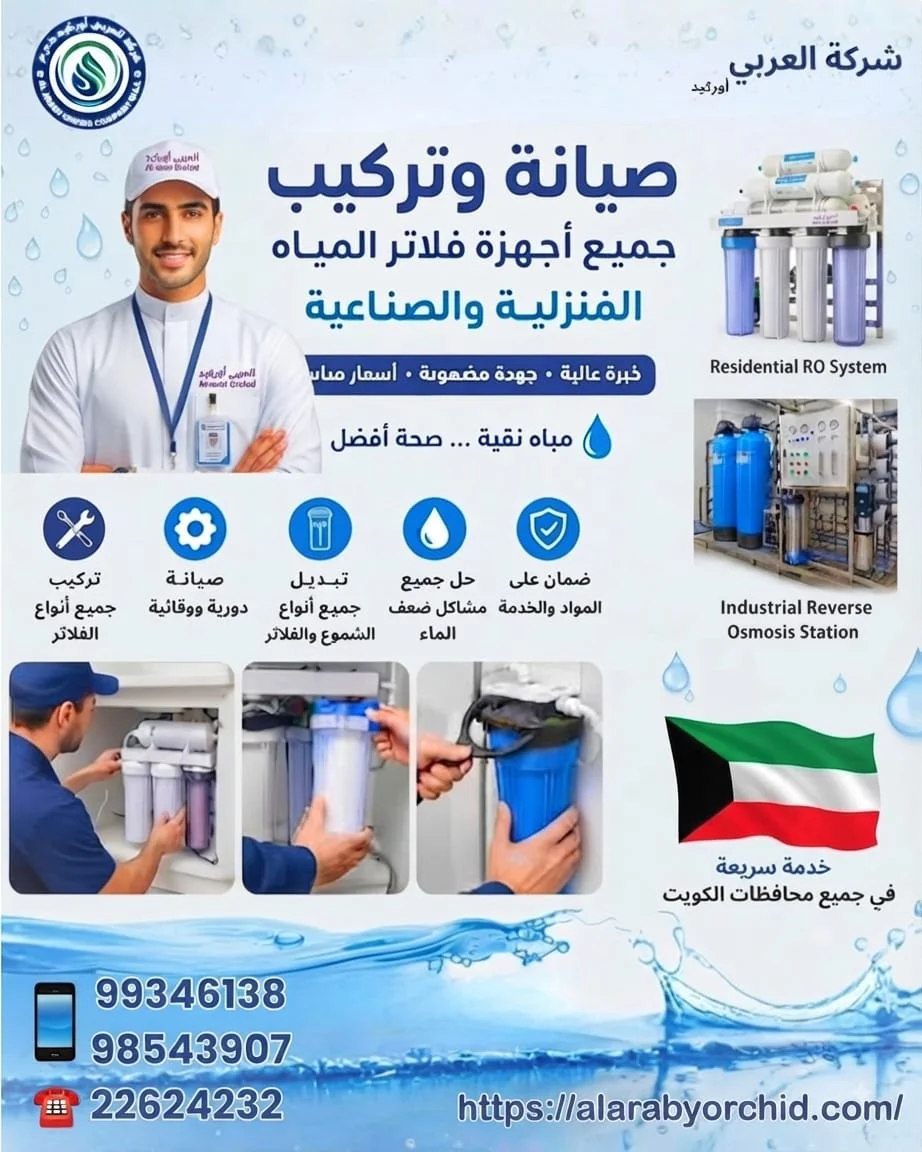
When discussing types of home water filters in Kuwait, it is important to separate the name of the filter from the actual filtration function because much of the confusion comes from hearing the words sand, Jumbo, or stainless and assuming one must represent a higher quality level than another. In reality, each system uses a different approach and the correct choice depends on the contaminants, property size, flow demand, and maintenance requirements.
A sand filter is generally more suitable as a preliminary stage when the water contains a noticeable amount of sand, sediment, and larger particles and the goal is to handle higher water volume before finer filtration. Its advantage is that it does not rely on one small cartridge that can clog quickly, but it still needs correct sizing and the proper cleaning or backwashing method for the specific design.
A Jumbo filter is very practical for residential use because it provides significant flexibility in cartridge choice. A sediment cartridge can be selected at an appropriate rating according to the water condition and replaced as it becomes loaded. This makes it a straightforward system to maintain, but cartridge life depends on water quality and consumption and should not be treated as one fixed interval for every home.
A stainless filter is usually a stronger body or housing system that may contain several cartridges or provide greater filtration area. Its advantage becomes more noticeable where higher flow or larger central filtration is required, but the actual filtration performance still depends on what is installed inside the housing because stainless steel itself does not trap sand or sediment.
There is also a difference between a main whole-house filter and a drinking-water filter. The main filter focuses on protecting the household plumbing pump water heater and fixtures from suspended debris while drinking-water systems usually serve a specific point and can use very different treatment stages.
This distinction matters in Kuwait because many homes operate with storage tanks, booster pumps, and central pressure systems. All of these components can be affected by an incorrectly selected main filter. A filter that is too small for the network may create noticeable weakness even if it performs excellent particle removal.
-
Home-filter types should be classified according to filtration function and operating method rather than body appearance or material alone
-
A sand filter is more suitable as a preliminary stage when the water carries a significant amount of sand and sediment and greater capacity is needed before finer filtration
-
A Jumbo system provides cartridge flexibility but requires monitoring because cartridge life changes according to sediment load and household water use
-
Stainless systems are more useful where a stronger body greater filtration area or several cartridges are required but cartridge type still determines the actual filtration function
-
A main whole-house filter is different from a drinking-water filter because one serves the complete plumbing network while the other treats a specific point of use
-
Filter selection should consider the presence of a pump storage tank and water heater because pressure loss from an unsuitable filter affects the entire system
Main filter for the water network
Choosing a main filter for the water network requires more care than choosing a local filter because any resistance created by the main unit affects every point downstream. An error in filter size or cartridge type will not appear at only one faucet but can reduce pressure throughout the home, especially when more than one bathroom operates at the same time.
The first step is identifying the main water-line diameter and expected flow. If the main line is large but the filter connections are much smaller, a restriction is created even if the filter housing itself is high quality. Inlet and outlet dimensions therefore need to match the plumbing system and expected demand.
The second step is deciding how the filtration stages should be arranged. If the incoming water contains obvious sand, it is usually not sensible to install the finest cartridge first and force it to handle the entire sediment load. A logical progression from larger-particle removal to finer filtration can distribute the load more effectively.
The installation location should then be reviewed. The main filter needs enough space for housing removal, cartridge replacement, or media cleaning without damaging nearby pipework. Adequate working room makes maintenance easier and reduces the risk of putting unnecessary stress on fittings.
Pressure gauges before and after the filter can be very useful where the system design allows them. The difference between the two readings provides a clear indication of filter condition. If the differential starts small and increases over time, the filtration element is probably becoming loaded with sediment.
A bypass or suitable isolation arrangement can also be useful in some systems because it makes maintenance easier without unnecessarily shutting down the entire property for a long period. It needs to be designed correctly so untreated water does not accidentally bypass the filter during normal operation.
For example, a house may have a strong booster pump but begin experiencing weak shower pressure after a small main filter is installed. In that case, the problem may not be the pump at all. The filter may have become the bottleneck in the water network.
-
A main filter needs to pass peak household flow because any restriction at this point directly affects bathrooms kitchens and every downstream outlet
-
Connection diameter is part of filter selection because a large housing with small ports can still create more pressure loss than expected
-
Arranging filtration from coarser to finer stages helps distribute sediment load and prevents the fine stage from clogging too quickly
-
Pressure gauges before and after the filter provide a practical way to monitor condition rather than waiting until the homeowner notices weak water
-
The installation area should allow the filter to be opened cleaned and serviced without breaking finishes or placing stress on the plumbing connections
-
Weak pressure after installing a main filter does not automatically mean the pump has weakened because the filter itself may be undersized for the network or heavily loaded with sediment
Difference between central water filters
Understanding the difference between central water filters helps you choose a system according to real function rather than marketing names. A central filter can be sand-based, Jumbo, stainless, or a combination of several stages, and each system has strengths and limitations depending on water quality and household demand.
The first difference is filtration method. A sand filter uses media inside a tank and relies on water passing through that media to retain sediment. A Jumbo filter uses a replaceable cartridge. A stainless system is usually a stronger housing or filter body that may contain several cartridges or larger filtration elements.
The second difference is filtration surface area. As area increases, water flow can be distributed across more media or cartridge surface, which can reduce loading rate and potentially extend service life. However, greater area does not compensate for choosing a filtration rating that does not suit the actual contaminant.
The third difference is maintenance. A sand filter may need cleaning or backwashing depending on its design. A Jumbo unit requires cartridge replacement. A multi-cartridge stainless system requires several elements to be changed and its seals and housing should also be inspected. Maintenance convenience therefore differs between systems.
The fourth difference is pressure impact. Every filter creates resistance, but the amount depends on design, cleanliness, and flow. A larger system with more filtration area can sometimes maintain pressure better than a smaller system even when the filtration rating is similar.
The fifth difference is long-term cost. A system with a higher initial price may cost less over time if cartridges last longer or service intervals are less frequent. A low-cost unit can become more expensive if it requires frequent replacement because the sediment load is high.
The most important difference is that every system has limits. A sand filter does not remove everything, a Jumbo cartridge does not solve every water-quality issue, and a stainless housing does not automatically mean cleaner water. Filtration performance comes from the media, cartridge, and system design.
-
The real difference between central filters is filtration method available filtration area flow capacity and maintenance requirements rather than the system name or body appearance
-
Increasing filtration area can help distribute the sediment load but it does not correct an unsuitable filtration rating for the actual water condition
-
Sand Jumbo and stainless systems each have different maintenance requirements so ease of servicing should be considered before purchase
-
Filter pressure loss changes as the media or cartridge becomes loaded because the same system can have low resistance when new and much higher resistance later
-
Operating cost includes replacement materials service time and maintenance frequency rather than only the purchase price of the filter body
-
No single central filter treats every water problem because sediment removal is different from treating dissolved substances taste or odor
Which filter suits your home water?
The question which filter suits your home water cannot be answered from a product photo or the number of stages. It should be answered by diagnosing the water condition and understanding how the home uses water. If the main problem is sand and obvious sediment coming from the tank or supply, priority should be given to a system that can handle that load without clogging rapidly. If the sediment is lighter but the goal is finer protection for the plumbing network, a Jumbo filter with an appropriate cartridge may be closer to the right solution. A large villa requiring higher flow may benefit from a stainless multi-cartridge system if the design matches the property demand.
The first thing to examine is the type of debris itself. If you can see particles or sediment at the bottom of the tank or inside old filter housings, the issue involves suspended solids. If the complaint is mainly salinity or dissolved minerals, an ordinary sediment filter is not the correct treatment because dissolved substances require a different technology.
Household water demand should then be considered. A small home may be served easily by a properly sized Jumbo filter, while a large villa needs more filtration area and flow capacity. Installing the same filter in both simply because both homes have “sediment” can produce very different results in pressure and service life.
Maintenance budget and preferences also matter. Some homeowners prefer a simple system with one clearly replaceable cartridge while others prefer a larger arrangement that reduces how quickly each element becomes loaded. The best system is one that can actually be serviced consistently rather than one that looks excellent on paper but becomes neglected because maintenance is complicated.
Where the water has more than one issue, a staged system can make sense instead of trying to find one filter that performs every function. The first stage can handle the heavier sediment load and later stages can target finer particles when necessary.
-
If the main issue is heavy sand and sediment then priority should be given to a system that can handle that load before using an extremely fine cartridge that would clog too quickly
-
If the property needs simple main filtration with straightforward maintenance then a correctly selected Jumbo cartridge can provide a practical solution without unnecessary complexity
-
High-flow villas benefit more from systems with greater filtration area as long as the cartridge quantity connections and system capacity are sized for peak demand
-
Salinity and dissolved substances are not solved by an ordinary sediment filter because the treatment method must match the actual type of water-quality problem
-
Multi-stage filtration makes sense when the water contains different types of debris but adding stages without a real reason only increases resistance and maintenance
-
The best filter is the one that solves the actual problem maintains comfortable water pressure and can be serviced consistently over time rather than simply being the largest or most expensive system
Conclusion
The comparison between sand, Jumbo, and stainless filters does not have one answer that applies to every home in Kuwait. Each system serves a different situation depending on the type of sediment, water flow, property size, and maintenance requirements.
A sand filter is generally more suitable where there is a noticeable load of sand and sediment and a preliminary stage is needed to handle a larger amount of debris. A Jumbo system provides flexibility and practical residential use because the cartridge can be selected according to the problem. A stainless system can be useful where a stronger housing, greater filtration area, or several cartridges are needed to serve higher flow.
The most important point is that housing material or filter size alone does not determine filtration quality. What actually determines what is removed from the water is the filtration media, cartridge, and system design.
Pressure impact should also be included in the decision. A filter can be excellent at trapping sediment but still become a source of weak water flow during peak demand if it is undersized for the property.
Correct selection begins with identifying the water problem, then determining required flow, and finally choosing a maintenance approach that suits the property. This produces a system that actually serves the home instead of installing a larger or more expensive filter that does not deliver the expected result.
Frequently Asked Questions
Which is better for a home, a sand filter or a Jumbo filter?
It depends on the sediment type and household water demand. Where there is a heavy load of sand and debris, a sand filter may work well as a preliminary stage, while a Jumbo filter is practical for cartridge-based filtration and routine maintenance.
Is a stainless filter cleaner than a Jumbo filter?
Not necessarily. Stainless mainly describes the housing material. Filtration quality depends on the cartridge type, number of cartridges, and available filtration area.
Is a sand filter suitable for every villa?
No. It is more appropriate where the water condition includes sediment that benefits from this type of filtration and where the system is sized correctly for villa flow.
Can a Jumbo filter reduce water pressure?
Yes, if it is too small for household flow, the cartridge is clogged, or the filtration rating is finer than necessary. Correct sizing and maintenance determine its pressure impact.
Does a central filter remove dissolved salts?
A standard sediment filter traps suspended particles but does not automatically remove dissolved salts because those require a different treatment method.
How often should a Jumbo cartridge be replaced?
There is no single interval for every home because cartridge life depends on sediment load, water consumption, cartridge size, and filtration rating.
Do I need more than one filtration stage?
If the water contains a heavy range of particles from larger sediment to finer debris, staged filtration can be useful. Adding stages without a real need only increases maintenance and pressure loss.
How do I know when the filter is clogged?
Common signs include a greater pressure difference before and after the filter or reduced household water flow compared with when the filter element was new.
Is stainless more suitable for villas?
It can be suitable where the system provides greater filtration area and higher flow for the villa, but stainless material by itself is not enough reason to choose it.
What is the most important thing before installing a main filter?
Identify the type of sediment, peak household flow, main-pipe diameter, and maintenance location, then choose a system that provides suitable filtration without restricting pressure.
