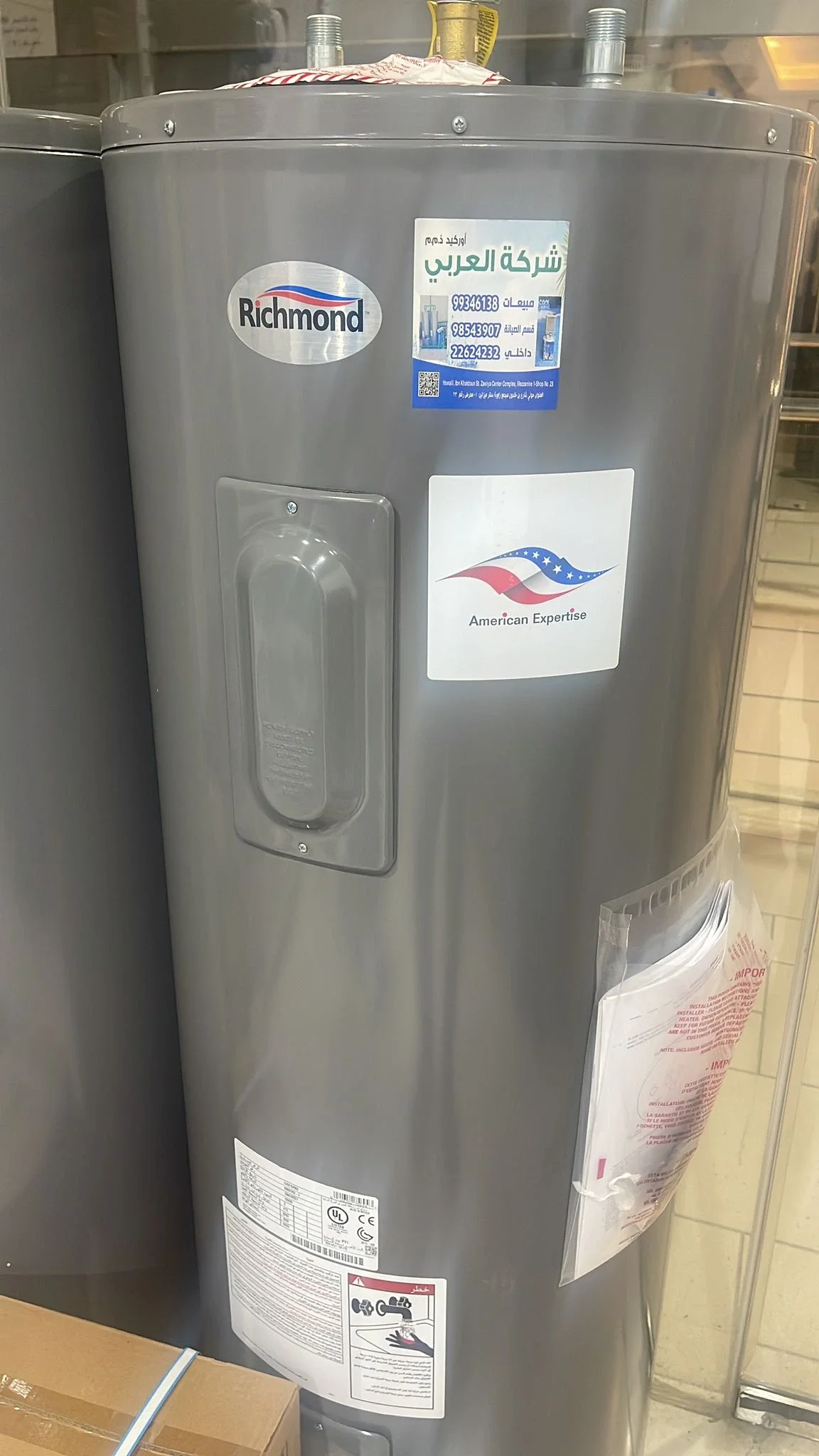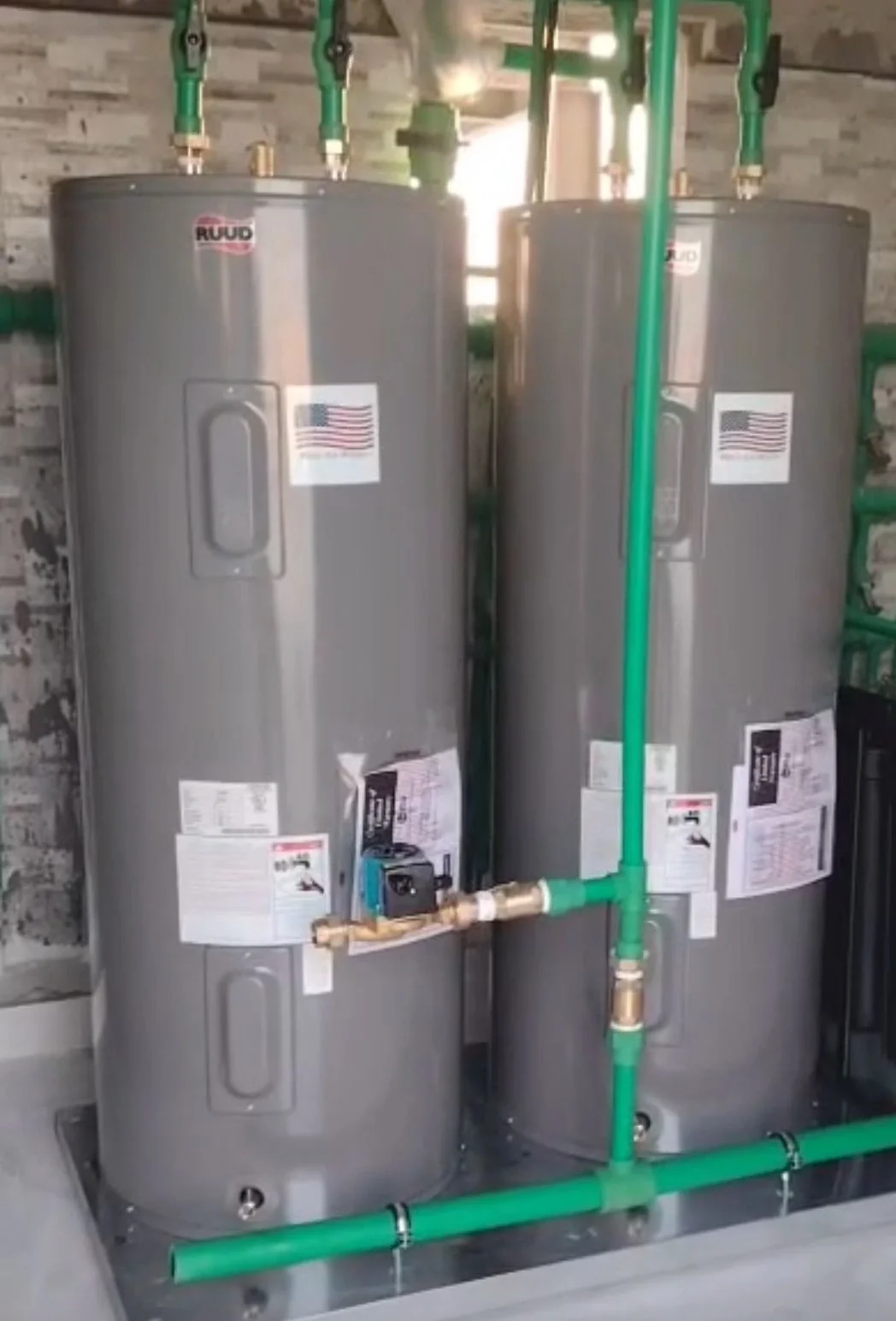
One of the most confusing problems experienced by owners of American water heaters is the sudden loss of stable hot water even though the heater itself appears to be operating normally. Hot water may initially flow at the correct temperature, only to become lukewarm within a short period, or homeowners may notice that the available hot water runs out much faster than expected despite the heating element and thermostat functioning properly. In many of these situations, the actual problem is not located inside the heater but within a small plumbing component known as the water heater check valve or non-return valve. Once this valve stops performing its intended function, cold water begins flowing back into the hot water line, causing temperature instability throughout the plumbing system. For this reason, water heater check valve replacement in Kuwait requires accurate diagnosis of water flow patterns rather than simply replacing components at random. Proper inspection identifies the true source of the problem, restores correct water circulation, preserves the efficiency of the water heater, and ensures consistent hot water delivery throughout the property.
Why Is the Water Heater Check Valve Essential for an Efficient Hot Water System?
Although the water heater check valve is a relatively small plumbing component that most homeowners never notice during everyday use, its role extends far beyond simply regulating water movement. It is responsible for maintaining the correct direction of water flow throughout the hot water system while preventing reverse circulation that can seriously affect water temperature stability. The water heater non-return valve is designed to allow water to travel in only one direction. Whenever changes in water pressure attempt to force water backward through the plumbing system, the valve automatically closes to prevent reverse flow. If the valve loses this ability for any reason, cold water begins entering the hot water line, causing unstable water temperatures even though every internal component of the heater remains in perfect operating condition. Extensive field experience servicing American water heaters has shown that many homeowners initially believe they need a new heating element or thermostat when the actual cause is simply a faulty check valve. Professional diagnosis therefore focuses first on analyzing water circulation throughout the plumbing network before recommending replacement of any heater component. Identifying the true cause not only prevents unnecessary repair expenses but also restores the heater's original performance without disturbing its internal heating system.
How Does a Faulty Check Valve Cause Cold Water to Mix with Hot Water?
Understanding cold and hot water mixing requires understanding how water normally circulates through a hot water system. Under standard operating conditions, cold water enters the storage tank to replace the hot water leaving for household use, while the check valve prevents hot water from flowing backward into the cold water supply line and also prevents cold water from entering the hot water distribution system whenever pressure changes occur. Once the check valve becomes damaged or no longer seals completely, water begins flowing in the opposite direction whenever pressure differences develop within the plumbing system. This results in cold water flowing back into the hot water line, causing temperature fluctuations before the water even reaches household fixtures. Homeowners typically notice that water initially feels hot before suddenly becoming much cooler during showers or other daily activities. They may also find themselves waiting much longer for hot water or believe the heater is no longer producing enough heated water. Practical maintenance experience demonstrates that these symptoms often appear in homes with multiple bathrooms, complex plumbing layouts, or recently modified water systems where pressure differences become more pronounced. For this reason, professional technicians always analyze water flow patterns throughout the plumbing network before recommending water heater check valve repair or replacement, ensuring that the true source of the problem is correctly identified.
How Does a Professional Technician Diagnose a Faulty Water Heater Check Valve?
When homeowners complain about unstable water temperatures or water mixing problems, experienced technicians never rush into performing a central water heater check valve replacement before confirming that the valve is actually responsible. Professional diagnosis begins by measuring water pressure in both the hot and cold supply lines while monitoring water movement during different operating conditions. The water heater non-return valve is then carefully tested to verify that it allows water to flow freely in the correct direction while completely preventing reverse flow whenever pressure changes occur. However, inspection does not stop there. Faucets, mixing valves, plumbing connections, and other components throughout the water distribution system are also examined because defects elsewhere in the plumbing network can produce symptoms remarkably similar to a failed check valve. During many service visits, technicians discover that heavy mineral deposits or accumulated debris have prevented the internal valve mechanism from closing completely even though the remainder of the water heater is functioning perfectly. If testing confirms that the valve has permanently lost its sealing capability because of mechanical wear, corrosion, or internal deterioration, water heater check valve replacement with a genuine manufacturer-approved component becomes the most effective solution. After installation, the technician performs complete operational testing throughout the plumbing system to verify correct water flow direction, eliminate temperature fluctuations, and ensure that stable hot water is delivered consistently to every outlet without unwanted mixing or pressure-related interruptions.
Can a Water Heater Check Valve Be Repaired, or Is Replacement the Better Option?
One of the most common questions homeowners ask during maintenance visits is whether the check valve can be repaired instead of being completely replaced. The answer depends entirely on the condition of the valve after professional inspection rather than on the visible symptoms alone. In some situations, the problem is caused by mineral deposits, sediment, or small particles that accumulate inside the valve body and prevent the internal disc or spring mechanism from moving freely. When the internal components remain mechanically sound, professional cleaning followed by operational testing may restore normal performance. However, if inspection reveals corrosion on the sealing surface, weakened spring tension, worn internal components, or permanent damage affecting the valve's ability to prevent reverse water flow, repair becomes only a temporary solution. Extensive field experience with American water heaters has shown that many cases of cold water mixing with hot water return only weeks after cleaning because the valve had already reached the end of its service life. For this reason, water heater check valve repair is recommended only when the defect is minor and limited to removable deposits. Once testing confirms that the valve can no longer prevent reverse water movement reliably, water heater check valve replacement becomes the most dependable long-term solution because it restores correct water circulation, stabilizes hot water delivery, and prevents the same plumbing problem from returning.
How Is a Central Water Heater Check Valve Replaced Professionally?
Professional central water heater check valve replacement requires careful installation procedures because even a small error in valve orientation or pipe connections can allow the problem to continue or create new plumbing issues. The technician begins by shutting off the main water supply and relieving pressure throughout the plumbing system before removing the existing valve. After removal, all threaded connections and surrounding fittings are carefully inspected for corrosion, mineral deposits, or mechanical damage that could affect the installation of the replacement valve. The installation area is then thoroughly cleaned before selecting a replacement valve that exactly matches the pipe diameter, operating pressure, and flow characteristics required by the plumbing system. Correct installation direction is especially important because every check valve is designed to permit water flow in only one direction. Installing the valve backwards completely eliminates its protective function regardless of its quality. Once the new valve has been securely installed using appropriate sealing materials, water pressure is gradually restored while every connection is inspected for leaks. The technician then performs practical operational tests by running multiple hot water outlets simultaneously to verify that the water heater non-return valve completely prevents reverse water circulation under changing pressure conditions. These procedures ensure that central water heater check valve replacement restores proper water flow throughout the plumbing network and permanently eliminates unwanted hot and cold water mixing.
Why Is Choosing a Genuine Check Valve More Important Than Buying the Cheapest One?
When homeowners need water heater check valve replacement in Kuwait, many naturally consider purchasing the least expensive replacement valve available. However, practical maintenance experience consistently demonstrates that lower-quality components often become the reason the same plumbing problem returns within a relatively short period. Genuine check valves are manufactured according to precise engineering specifications designed to match the operating pressure, temperature range, and hydraulic characteristics of American water heating systems. The internal sealing surfaces, spring assemblies, and construction materials are specifically selected to withstand continuous operation under demanding plumbing conditions. Lower-quality aftermarket valves may appear identical externally, but they frequently use weaker springs, lower-grade sealing materials, and less durable internal mechanisms. As a result, they gradually lose their ability to seal completely, allowing cold water to flow back into the hot water line once again. Experienced water heater check valve replacement technicians therefore select replacement valves according to the exact technical requirements of the plumbing system rather than choosing components based solely on size or purchase price. Years of field experience have proven that installing genuine check valves significantly reduces future service calls, maintains stable hot water temperatures, protects the efficiency of the entire plumbing system, and provides substantially greater long-term value than repeatedly replacing inexpensive components that fail prematurely.
What Causes a Water Heater Check Valve to Fail Before the End of Its Service Life?
Although a water heater check valve is designed to operate reliably for many years, a large percentage of premature failures are not caused by normal aging but by operating conditions that gradually reduce its ability to function correctly. One of the most common causes encountered during maintenance is the accumulation of mineral deposits and limescale inside the valve body. As these deposits build up, they interfere with the movement of the internal disc or spring mechanism, preventing the valve from closing completely whenever water pressure changes. Continuous fluctuations in water pressure throughout the plumbing system also place repeated mechanical stress on the internal components, accelerating wear long before the valve reaches its expected lifespan. Technicians frequently discover check valves that have failed because they were installed incorrectly, either in the wrong flow direction or with unsuitable plumbing fittings that disrupt normal water movement through the valve. Another common cause is the installation of inexpensive aftermarket components manufactured from lower-quality materials that cannot withstand long-term exposure to hot water, pressure changes, and continuous daily operation. In some homes, plumbing modifications or system extensions performed without evaluating water flow characteristics create operating conditions that place additional stress on the valve beyond its original design limits. Preventive maintenance, routine inspection of plumbing pressure, and selecting the correct valve from the beginning remain the most effective ways to preserve check valve performance and maximize its service life.
How Much Does Water Heater Check Valve Replacement Cost?
When homeowners ask about the cost of water heater check valve replacement, the answer depends on much more than the replacement component itself. The overall cost is influenced by several technical factors that vary from one plumbing system to another. One of the primary considerations is the type and size of the required check valve because different American water heaters and plumbing systems require different pressure ratings, flow capacities, and connection specifications. The quality of the replacement component also directly affects pricing. Genuine manufacturer-approved valves provide longer operating life, more reliable sealing performance, and greater durability than lower-quality aftermarket alternatives, making them a better long-term investment despite their higher initial cost. Installation conditions also influence labor requirements because some check valves are installed in difficult-to-access plumbing locations that require additional dismantling before replacement can begin. During inspection, technicians may also discover additional issues such as excessive mineral buildup, unstable water pressure, or malfunctioning mixing valves that should be corrected simultaneously to ensure successful repair. Choosing the lowest-priced service without considering diagnostic quality or replacement part specifications often results in recurring failures, while professional inspection combined with genuine replacement components provides greater long-term value by eliminating the root cause of the problem and significantly reducing future maintenance expenses.
How Does a Professional Technician Solve Water Mixing Problems at Their Source?
One of the most common mistakes made during plumbing repairs is treating only the visible symptom while ignoring the actual cause of the malfunction. Professional technicians therefore never consider cold and hot water mixing to be a standalone problem. Instead, they view it as an indication that water circulation inside the plumbing network is no longer functioning correctly. The diagnostic process begins by measuring water pressure throughout both the hot and cold water systems while carefully observing flow direction under different operating conditions. Faucets, mixing valves, branch lines, and crossover points throughout the plumbing system are then inspected because defects in any of these components may allow water to move between the hot and cold supply lines. After eliminating these possibilities, the technician performs detailed operational testing of the water heater non-return valve to verify that it completely prevents reverse water flow under changing pressure conditions. If testing confirms that the valve can no longer perform its intended function, water heater check valve replacement in Kuwait is carried out using a genuine replacement component specifically matched to the plumbing system. Once installation has been completed, the entire water distribution network is tested by operating multiple fixtures simultaneously while monitoring water temperature stability and flow direction. These comprehensive tests ensure that hot water reaches every outlet without sudden temperature fluctuations or cold water flowing back into the hot water line. This systematic diagnostic approach eliminates the underlying cause of the problem instead of simply masking its symptoms, providing homeowners with stable hot water performance and long-term plumbing reliability.
How Can You Extend the Service Life of Your Water Heater Check Valve?
A water heater check valve operates automatically every time hot water is used, making it one of the hardest-working components in the plumbing system despite receiving very little attention from most homeowners. Its lifespan depends not only on manufacturing quality but also on the condition of the plumbing network, water quality, and regular preventive maintenance. Extensive field experience servicing American water heaters has consistently shown that systems receiving routine inspection require water heater check valve replacement in Kuwait far less frequently than plumbing systems that operate for years without maintenance. Following a preventive maintenance routine helps preserve stable hot water delivery, protects the plumbing network, and minimizes unexpected repair costs.
• Schedule regular professional inspections of the water heater and plumbing system to verify that the water heater non-return valve opens and closes correctly while completely preventing reverse water circulation under changing pressure conditions.
• Flush the water heater and plumbing system periodically to remove mineral deposits and sediment before they accumulate inside the check valve and interfere with its internal moving components.
• Monitor incoming water pressure and correct any unusually high or unstable pressure conditions before they place unnecessary mechanical stress on the check valve and other plumbing components.
• Always install genuine components whenever water heater check valve replacement becomes necessary instead of choosing lower-quality aftermarket valves that may lose sealing performance after only a short period of operation.
• Never ignore sudden temperature fluctuations or early signs of cold and hot water mixing, because prompt diagnosis often prevents additional damage throughout the plumbing system.
• Ensure that any plumbing modifications, renovations, or system extensions are performed by qualified technicians who understand correct water flow direction and proper check valve installation requirements.
• Contact an experienced water heater check valve replacement technician immediately whenever there are signs of cold water flowing back into the hot water line rather than attempting temporary repairs without professional diagnostic equipment.
• Test overall plumbing performance after every maintenance procedure to verify that hot water reaches every fixture at a stable temperature and that the check valve continues operating correctly under normal household conditions.
Following these preventive maintenance recommendations significantly extends the operating life of the check valve, protects the efficiency of the entire plumbing system, prevents recurring hot and cold water mixing problems, reduces long-term maintenance costs, and ensures dependable hot water delivery throughout the property for many years.
Conclusion
Water heater check valve replacement in Kuwait is one of the most effective solutions for eliminating one of the most frustrating plumbing problems homeowners experience: cold water mixing with hot water. Although the check valve is a relatively small component, its performance directly affects the efficiency of the entire hot water system and the consistency of water temperature at every outlet. Accurate diagnosis before central water heater check valve replacement is therefore essential because it determines whether the check valve is truly responsible or whether another plumbing component is causing the problem. Installing a genuine replacement valve through an experienced water heater check valve replacement technician restores proper water circulation, maintains stable hot water temperatures, and greatly reduces the likelihood of recurring failures. If you notice changing water temperatures or cold water flowing back into the hot water line, arranging professional inspection as early as possible remains the most effective way to protect both the water heater and the entire plumbing system while avoiding larger and more expensive repairs in the future.
Frequently Asked Questions
How can I tell if the water heater check valve is causing water mixing?
If hot water suddenly becomes cooler during use, or if the hot water supply disappears much faster than expected even though the water heater itself is operating correctly, the check valve may no longer be preventing reverse water flow and should be professionally inspected.
Can the check valve be cleaned instead of replaced?
If the problem is caused only by mineral deposits or debris inside the valve, professional cleaning may restore proper operation. However, if internal components have worn out or the sealing mechanism has deteriorated, replacement remains the most reliable long-term solution.
Can a faulty check valve increase electricity consumption?
Yes. When hot and cold water mix inside the plumbing system, the water heater must operate longer to compensate for the continuous heat loss, increasing energy consumption and reducing overall heating efficiency.
Are check valves different for different American water heater systems?
Absolutely. Check valves vary in size, pressure rating, flow capacity, and construction materials. Selecting a valve that exactly matches the technical requirements of the water heater and plumbing system is essential for achieving reliable long-term performance.
How long does water heater check valve replacement take?
The required time depends on the location of the valve within the plumbing system and the overall condition of the pipework. After installation, the technician performs complete operational testing to verify correct water flow direction, stable hot water delivery, and the complete elimination of unwanted hot and cold water mixing before considering the repair finished.