A central water heater rarely loses its efficiency overnight. In most cases, performance declines gradually as limescale and mineral deposits accumulate inside the storage tank and around the heating components. At first, homeowners may simply notice that hot water takes slightly longer to reach the desired temperature. Later, electricity consumption begins increasing even though daily usage remains unchanged, and eventually the amount of available hot water becomes noticeably lower despite the heater still operating. Many people assume these symptoms indicate a faulty heating element or an aging water heater, while the real cause is often mineral buildup inside the system. For this reason, central water heater descaling service in Kuwait is considered one of the most valuable preventive maintenance procedures. Proper descaling restores heating efficiency, improves heat transfer, protects internal components from excessive stress, extends the overall service life of the heater, and helps prevent costly repairs that could otherwise become necessary in the future.
Why Is Limescale the Greatest Threat to Central Water Heater Efficiency?
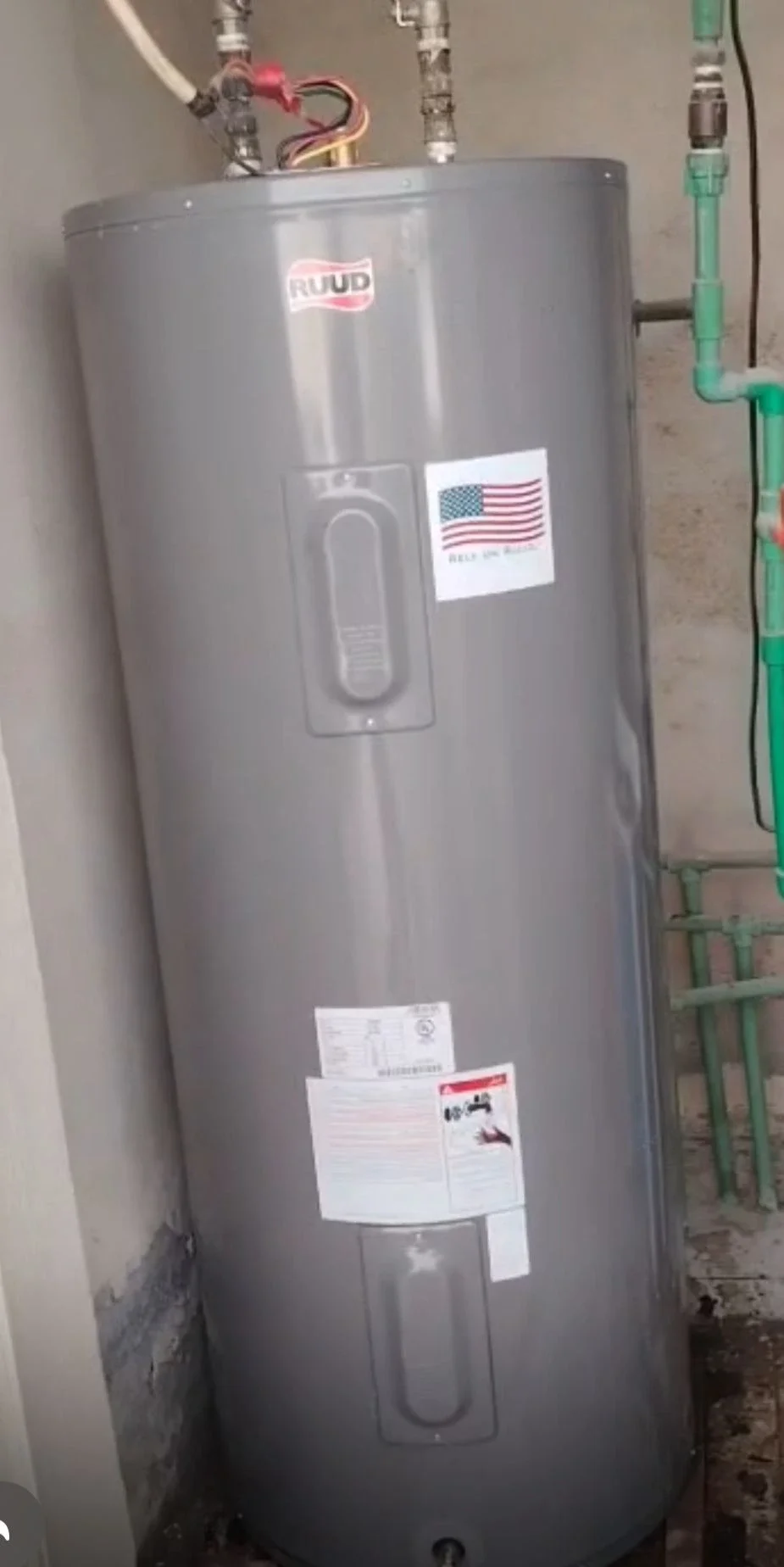
A central water heater repeatedly heats large volumes of water every day. During every heating cycle, naturally occurring minerals dissolved in the water begin separating from the liquid and attaching themselves to the internal metal surfaces of the storage tank. Initially, these deposits are extremely thin and produce almost no noticeable effect on performance. However, as the heater continues operating, each new heating cycle adds another layer until a thick insulating barrier develops around the heating element and along the inside walls of the tank. At this stage, heat can no longer transfer directly into the water. Instead, it must first pass through the accumulated mineral deposits, which dramatically reduce heat transfer efficiency. Extensive field experience servicing American central water heaters has consistently shown that many systems considered old or underperforming regain a remarkable portion of their original performance immediately after cleaning the central water heater from mineral deposits, without replacing a single internal component. Continuing to operate the heater with heavy limescale buildup forces the heating element to work significantly longer during every heating cycle, increasing electricity consumption while placing continuous thermal stress on all internal components. Proper descaling therefore does much more than improve current performance. It protects the entire heating system from unnecessary wear, extends component lifespan, and helps prevent expensive future failures caused by prolonged thermal overload.
How Do Mineral Deposits Form Inside the Water Heater, and Why Do They Vary Between Homes?
One of the most common observations during maintenance work is that some water heaters develop heavy mineral deposits within only a few years, while others remain relatively clean despite being similar in size, design, and operating age. The primary reason is water quality itself. The higher the concentration of dissolved calcium and magnesium in the water supply, the faster mineral deposits begin forming whenever water is heated. Operating temperature also plays an important role because maintaining the heater continuously at maximum temperature accelerates mineral precipitation and increases the rate at which limescale accumulates. Daily hot water demand is another significant factor. Water heaters serving larger families or operating for longer hours naturally experience more heating cycles, resulting in faster limescale buildup inside the water heater. Preventive maintenance habits also make a substantial difference. Small deposits that remain untreated gradually harden into thick mineral layers that become much more difficult to remove over time. Practical field experience has also demonstrated that homes located in areas with particularly hard water require mineral removal from water heaters much more frequently than homes supplied with softer water. The chemical composition of the water itself ultimately determines how often professional descaling should be performed in order to preserve maximum heating efficiency and protect the water heater from premature performance loss.
How Does Limescale Affect Water Heater Performance Before Obvious Failures Appear?

The effects of mineral buildup rarely appear as sudden mechanical failures. Instead, they develop gradually through subtle performance changes that many homeowners mistakenly accept as normal aging. Hot water may begin taking several extra minutes to reach the desired temperature. The available hot water supply may no longer last as long as before. Electricity bills may increase despite no meaningful change in household water usage. These changes occur because the heating element must remain energized much longer in order to force heat through thick insulating layers of limescale before the heat finally reaches the surrounding water. As mineral deposits continue increasing in thickness, heating cycles become progressively longer and electricity consumption rises accordingly. The problem extends beyond the heating element itself. Excessive retained heat also increases thermal stress on the thermostat, seals, insulation, and other internal components. Extensive maintenance experience has shown that many cases initially diagnosed as electrical failures are ultimately traced to poor heating performance caused by mineral deposits inside the storage tank. Once internal central water heater flushing and descaling has been completed, heat transfer returns to normal, operating times decrease significantly, and overall system efficiency improves without replacing components that remain mechanically sound.
How Does a Technician Confirm That Mineral Deposits Are the Real Problem?
Professional diagnosis is the foundation of successful maintenance because slow water heating or increased electricity consumption does not automatically mean that limescale is responsible. Similar symptoms can also result from a failing heating element, a defective thermostat, electrical supply problems, or other mechanical issues. For this reason, an experienced American water heater cleaning technician follows a structured inspection process before recommending any cleaning procedure. The diagnosis begins by measuring the time required for the heater to reach its normal operating temperature and comparing it with the expected performance for that specific heater model and storage capacity. The technician also monitors the heating element throughout a complete operating cycle to evaluate how long it remains energized and whether it is consuming electricity normally. Internal operating sounds receive equal attention because heaters with heavy mineral accumulation often produce popping, cracking, or boiling noises as trapped heat escapes beneath hardened layers of limescale. The color and clarity of the discharged water are also evaluated together with the heater's maintenance history, since units that have not been serviced for many years are significantly more likely to suffer from heavy mineral buildup. In many cases, a portion of the water is drained or inspection openings are used to visually assess the amount of sediment inside the storage tank. Once testing confirms that limescale buildup inside the water heater is the true cause of reduced efficiency, the technician recommends cleaning the central water heater from mineral deposits instead of replacing expensive components that continue operating properly. This accurate diagnosis saves unnecessary repair costs while solving the real source of the performance problem.
How Is a Central Water Heater Professionally Descaled from the Inside?

Professional internal central water heater flushing and descaling involves a carefully planned process that varies according to the condition of the heater and the severity of the mineral accumulation. The procedure begins by shutting down the heater and disconnecting the electrical or gas supply before safely draining the entire storage tank. After the tank has been emptied, the technician evaluates both the amount and location of mineral deposits because the cleaning method depends on how heavily the interior has become coated with limescale. Light sediment can often be removed through repeated flushing combined with manual cleaning of accessible areas inside the tank. However, when thick mineral layers have accumulated over years of operation, specialized descaling solutions specifically formulated for water heating systems are used to dissolve hardened deposits without damaging the storage tank, heating element, internal seals, or protective components. Once all mineral deposits have been removed, the heating element receives additional cleaning because it is typically the component most severely affected by limescale accumulation. The tank is then flushed repeatedly until the discharged water becomes completely clear before all components are reassembled and the heater is refilled. The service concludes with comprehensive operational testing to verify heating speed, temperature stability, leak-free operation, and the absence of abnormal internal noises. This professional approach to central water heater descaling service in Kuwait completely removes mineral buildup while preserving the integrity of every internal component and restoring the heater to optimal operating performance.
Why Does Professional Descaling Produce Better Results Than Home Cleaning Methods?
Many homeowners attempt to remove mineral deposits themselves using household cleaning products or widely circulated home remedies because they believe these methods reduce maintenance costs. Practical field experience, however, consistently shows that these attempts rarely solve the underlying problem and may even create additional damage. Unsuitable cleaning chemicals can react with internal metals, protective coatings, rubber seals, and plumbing connections, causing corrosion or reducing the long-term reliability of the heater. Furthermore, most household cleaning methods fail to reach every location where hardened mineral deposits accumulate inside the storage tank, removing only loose surface sediment while leaving the thick insulating layers largely untouched. An experienced American water heater cleaning technician, on the other hand, begins by evaluating the type, thickness, and location of mineral deposits before selecting the safest and most effective cleaning method for the heater's specific condition. Every cleaning procedure is adapted to the heater model, operating age, and overall mechanical condition. After descaling has been completed, all internal components are carefully inspected and the entire heating system is tested to verify improved water heater efficiency after cleaning rather than simply confirming that some sediment has been removed. Extensive maintenance experience has consistently demonstrated that professionally cleaned water heaters recover their original heating speed, consume noticeably less electricity, experience fewer heating element failures, and remain significantly more reliable than heaters maintained only through temporary or improvised cleaning methods. Professional descaling should therefore be viewed not as a routine cleaning service but as a long-term investment in preserving the efficiency, reliability, and operating lifespan of the entire water heating system.
What Factors Accelerate Limescale Buildup Inside a Central Water Heater?
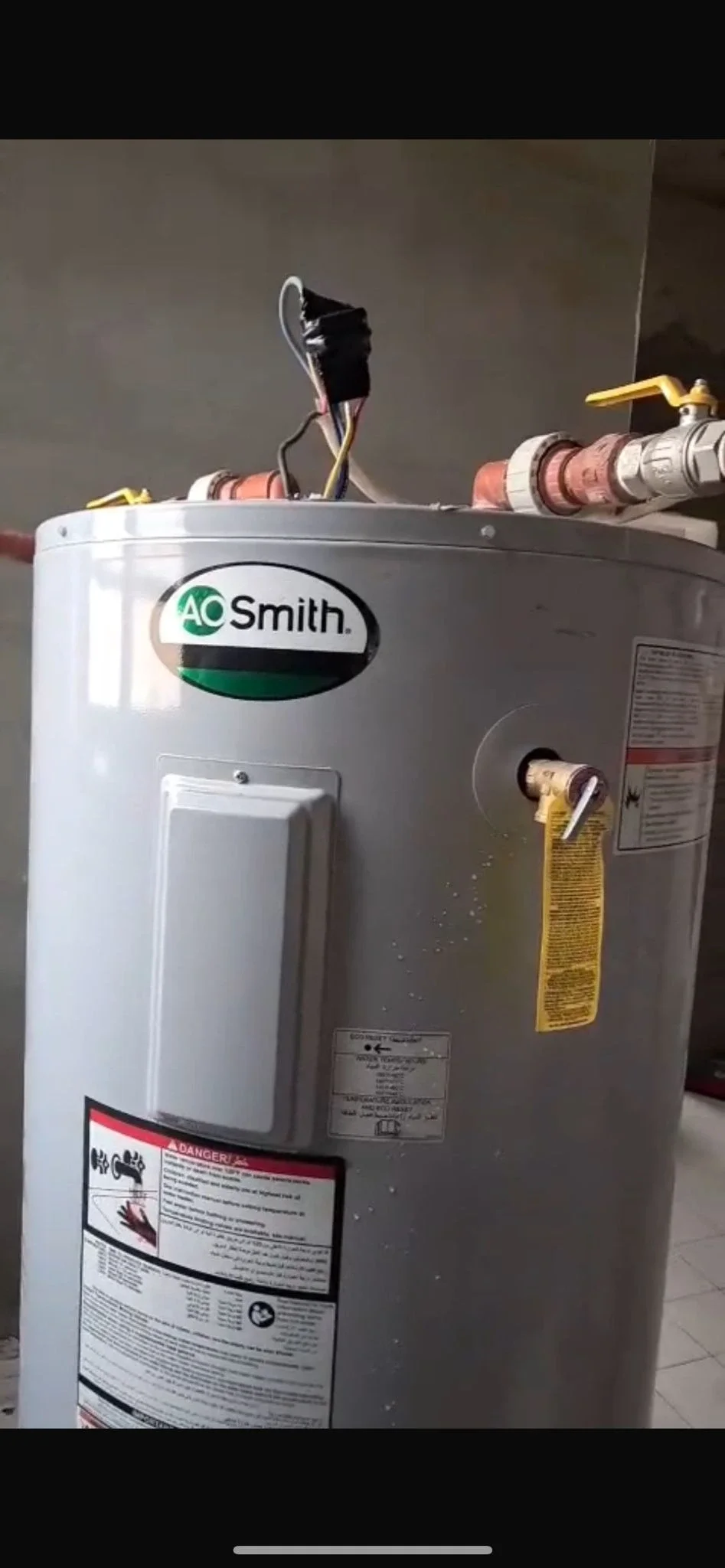
Although mineral deposits naturally develop over time in every water heater, the speed at which they accumulate varies considerably depending on water quality, operating conditions, and maintenance practices. One of the most significant contributing factors is the hardness of the incoming water supply. Water containing high concentrations of dissolved calcium and magnesium produces mineral deposits much faster whenever it is repeatedly heated. Operating the heater continuously at very high temperature settings also accelerates mineral precipitation because elevated temperatures encourage dissolved minerals to separate from the water and attach themselves to internal metal surfaces. Daily usage patterns have an equally important influence. Water heaters serving larger households or commercial properties complete many more heating cycles each day, allowing limescale buildup inside the water heater to develop at a much faster rate than in lightly used systems. Preventive maintenance habits also play a decisive role. Small mineral deposits that could easily be removed during routine servicing gradually harden into thick insulating layers when maintenance is neglected for years. Practical field experience has repeatedly shown that many homeowners mistakenly believe their heater requires no attention as long as it continues producing hot water, while in reality mineral buildup has already begun reducing efficiency long before noticeable performance problems appear. Understanding these operating conditions makes it possible to establish an effective maintenance schedule that minimizes mineral accumulation, preserves heating performance, and significantly extends the service life of the entire water heating system.
How Much Does Central Water Heater Descaling Cost?
When homeowners ask about the cost of central water heater descaling, it is important to understand that pricing depends on far more than simply flushing the storage tank. Professional descaling is a comprehensive maintenance procedure whose cost varies according to several technical factors. One of the primary considerations is the size and storage capacity of the water heater because larger tanks naturally require additional cleaning time and greater effort. The quantity and hardness of accumulated mineral deposits also directly influence the complexity of the work. Removing light sediment requires considerably less time than cleaning a heater that has operated for many years without maintenance. The condition of the heating element must also be evaluated because severe mineral accumulation may require additional cleaning or even replacement if prolonged overheating has caused permanent damage. Installation conditions likewise affect labor requirements since heaters located in confined mechanical spaces often require additional disassembly before cleaning can begin. For these reasons, selecting a service provider based solely on the lowest advertised price frequently results in incomplete cleaning that leaves substantial mineral deposits behind. Professional service includes complete diagnosis, cleaning the water heater tank from mineral deposits, inspection of internal components, and comprehensive operational testing after cleaning to verify that the heater has regained its original performance while minimizing the likelihood of future maintenance problems.
How Does Professional Descaling Restore the Water Heater's Original Performance?
The benefits of central water heater descaling service in Kuwait extend well beyond simply removing visible mineral deposits. Once hardened limescale has been eliminated, the heating element can once again transfer heat directly into the surrounding water without forcing thermal energy through thick insulating layers. As a result, heating cycles become noticeably shorter, allowing hot water to reach the desired temperature much more quickly. The heating element itself also experiences substantially lower operating stress because it no longer needs to remain energized for extended periods to compensate for inefficient heat transfer. This reduction in operating temperature significantly extends the lifespan of the heating element while reducing the likelihood of premature failure. Practical field experience consistently demonstrates additional improvements after mineral removal from water heaters, including quieter operation as boiling noises caused by trapped heat disappear, improved hot water quality, and more consistent temperature stability throughout the plumbing system. Improving water heater efficiency after cleaning also results in measurable reductions in electricity consumption because each heating cycle requires considerably less operating time. Lower thermal stress benefits every internal component, including the thermostat, storage tank, internal seals, and protective insulation, contributing to longer overall equipment life. Professional descaling should therefore be viewed as a complete performance restoration procedure rather than a simple cleaning service, allowing the water heater to operate much closer to its original factory efficiency while delaying expensive component replacements for many years.
How Can You Keep Your Central Water Heater Free from Limescale for Longer?
Once central water heater descaling service in Kuwait has been completed successfully, maintaining those results becomes just as important as the cleaning process itself. Mineral deposits will naturally begin forming again over time, but their rate of accumulation can be significantly reduced through proper preventive maintenance and good operating practices. Extensive field experience with American water heaters has consistently shown that systems receiving scheduled maintenance remain efficient for many more years, consume less electricity, and experience considerably fewer mechanical failures than heaters that are cleaned only after serious performance problems appear. Following a preventive maintenance routine is therefore one of the most effective ways to preserve heating efficiency and maximize the lifespan of the entire system.
• Schedule central water heater cleaning from mineral deposits on a regular maintenance interval instead of waiting until heating performance noticeably declines.
• Monitor water heating time consistently because any gradual increase may indicate the early stages of limescale buildup inside the water heater before major efficiency losses occur.
• Avoid operating the heater continuously at its maximum temperature setting unless absolutely necessary because excessively high temperatures accelerate mineral precipitation inside the storage tank.
• Arrange periodic inspections by an experienced American water heater cleaning technician to evaluate the condition of the storage tank, heating element, thermostat, and all internal components.
• Drain a portion of the storage tank during routine maintenance whenever appropriate to help remove loose sediment before it develops into hardened mineral deposits.
• Use only approved professional procedures whenever mineral removal from water heaters becomes necessary, and avoid household chemicals that may damage internal components or protective surfaces.
• Address recurring hard water conditions whenever possible because reducing excessive mineral content in the incoming water supply significantly slows future limescale formation.
• Test overall heater performance after every maintenance procedure to verify improved water heater efficiency after cleaning and confirm that heating time has returned to normal operating levels.
Following these preventive maintenance recommendations helps keep the storage tank cleaner, slows the formation of mineral deposits, preserves efficient heat transfer, extends the service life of every internal component, reduces future repair costs, and allows the water heater to continue operating at maximum efficiency for many years.
Conclusion
Central water heater descaling service in Kuwait is one of the most valuable preventive maintenance procedures for preserving heating efficiency and preventing gradual performance deterioration over time. Mineral deposits affect far more than water heating speed. They increase electricity consumption, place continuous thermal stress on the heating element, shorten the lifespan of internal components, and reduce the overall efficiency of the entire heating system. Professional central water heater cleaning from mineral deposits restores efficient heat transfer, improves overall operating performance, and helps prevent many mechanical failures that could otherwise require expensive repairs or unnecessary component replacement. Working with an experienced American water heater cleaning technician ensures that mineral deposits are removed safely without damaging the storage tank, heating element, or other critical internal parts. If you begin noticing poor heating performance caused by mineral deposits, increased electricity usage, longer heating times, or unusual operating noises, arranging professional descaling at the earliest opportunity remains one of the smartest investments you can make to preserve your water heater, reduce long-term operating costs, and maintain dependable hot water performance for years to come.
Frequently Asked Questions
How can I tell if my water heater needs descaling?
If the heater requires noticeably more time to produce hot water, electricity consumption has increased without any change in usage, or popping and boiling noises begin coming from inside the storage tank during operation, mineral deposits may have accumulated and professional inspection is recommended.
Does removing limescale really improve water heater performance?
Yes. Removing mineral deposits allows heat to transfer directly from the heating element into the water without thick insulating layers blocking heat flow. This improves heating speed, reduces energy consumption, and restores much of the heater's original operating efficiency.
How often should a central water heater be cleaned internally?
The ideal maintenance interval depends on water quality, mineral content, and daily usage. However, periodic professional inspections and cleaning whenever mineral buildup begins affecting performance provide the best long-term protection against efficiency loss.
Can a water heater be cleaned without disassembling any components?
That depends on the amount of mineral buildup inside the storage tank. Light deposits may sometimes be removed through internal flushing procedures, while heavily scaled heaters often require partial disassembly to allow complete access to hardened mineral accumulations.
Do mineral deposits shorten the life of the heating element?
Absolutely. Limescale acts as a thermal insulator that forces the heating element to operate much longer and at higher temperatures to achieve normal water heating. This continuous thermal overload accelerates wear, increases electricity consumption, and significantly shortens the service life of the heating element.