
The water filter housing is the body that holds the filter cartridge and remains exposed to water pressure throughout operation, so its condition is just as important as the cartridge itself. Sometimes a homeowner replaces the cartridge regularly but leaves the housing unchecked for years until leakage, cracking, damaged threads, or an O-ring problem appears. At the same time, not every drop of water around the filter means that the complete housing needs replacement because the cause may simply be an incorrectly seated O-ring or dirt around the sealing surface. The correct decision starts by identifying the exact source of the leak and inspecting the housing body, cap, threads, and O-ring before deciding whether cleaning or a small replacement part is enough or whether the complete filter housing has reached the point where replacement is the safer option.
Water filter housing in Kuwait

Water filter housing in Kuwait is an essential part of the filtration system because it holds the cartridge and contains water under network pressure throughout operation. For that reason, selecting and maintaining the housing should not be based only on appearance or physical size. The housing needs to match the filter type, operating pressure, water temperature, intended use, and the cartridge dimensions that will be installed inside it.
In homes across Kuwait, you may find a small housing installed beneath a sink, larger housings used at the main water inlet, jumbo housings, and multi-stage filtration systems. Each type has its own design and operating limits, so it is not correct to assume that any housing of a similar length can replace another one.
Whenever the filter cartridge is replaced, the technician should not focus only on the cartridge and close the system immediately. This is an ideal opportunity to inspect the housing inside and outside and check for fine cracks, changes in the threads, a hardened O-ring, or contamination on the sealing surface that may prevent proper closure.
The installation location also affects housing condition. A housing installed in direct sunlight and high heat or exposed to frequent physical impact is under different stress from a housing installed in a protected indoor location. Incorrect pressure or pressure surges in the water network can also increase mechanical load on the housing and its connections.
A transparent housing makes it easier to see the cartridge and sediment, but transparency alone does not mean every part can be judged visually while the system is assembled. Areas around the threads, connections, and bottom of the housing still need inspection during maintenance.
From a safety point of view, the housing should never be opened while it is under pressure. Before maintenance, the water supply should be isolated and pressure should be released according to the system design because the housing contains pressurized water during normal operation.
-
The housing is a pressure-containing component rather than simply a cover around the cartridge so its condition directly affects the safety of the filtration system
-
Differences in filter type housing size and cartridge dimensions mean a replacement should be selected according to specifications rather than external appearance alone
-
Every cartridge replacement provides a useful opportunity to inspect the housing body threads and O-ring instead of waiting until a visible leak appears
-
Installation location heat physical impact and the way piping loads the housing can all affect its condition over time
-
Housing maintenance begins with isolating the water supply and safely relieving pressure rather than attempting to open a pressurized filter body
Signs of filter housing damage
Signs of filter housing damage do not always begin with a large leak that appears suddenly. Sometimes the first warning is a small drop of water around the connection area, a fine line appearing in the housing body, or new difficulty opening and closing the housing when it used to operate normally. Noticing these signs early can prevent a small issue from developing into a much larger leak.
The clearest warning sign is an actual crack in the housing body. If a genuine crack appears in the pressure-containing section, it should not be treated like a simple O-ring leak by applying more tightening force. A cracked housing needs to be evaluated for replacement because the problem concerns the integrity of the component itself.
Another sign is damage to the threads. If the housing no longer engages straight, requires unusual force to close, or begins tightening on one side before the other, the threads may be damaged or cross-threaded. Continuing to force the housing can increase the damage and affect the sealing surface.
The bottom of the housing and connection areas should also be inspected. Any obvious distortion, bulging, or unusual mechanical stress deserves attention. A change in color alone does not automatically indicate danger, but a change in the physical shape of the housing is more important than appearance.
Leakage between the cap and the housing requires a different diagnosis. The housing may be completely healthy while the O-ring is damaged, dry, twisted, incorrectly seated, or contaminated by dirt. This is why the complete housing should not be replaced before the sealing area is cleaned and the O-ring properly inspected.
If the housing leaks after every cartridge replacement even when a suitable O-ring is installed correctly, the threads, sealing surface, and housing body should receive closer inspection.
The housing should also be inspected internally when it is opened because some cracks or damage may not be obvious from the outside while the filter is assembled.
-
A genuine crack in the housing body is different from an O-ring leak because it affects the integrity of the pressure-containing component
-
Threads that become difficult to close or engage at an angle should be inspected rather than forced tighter during every service
-
Leakage around the sealing area does not automatically mean the housing is damaged because the O-ring contamination and installation method are common causes
-
Distortion bulging or unusual physical stress is more important than a simple change in external color
-
Repeated leakage after the O-ring has been serviced correctly increases the possibility of damage to the threads sealing surface or housing body
When should the water filter housing be replaced?
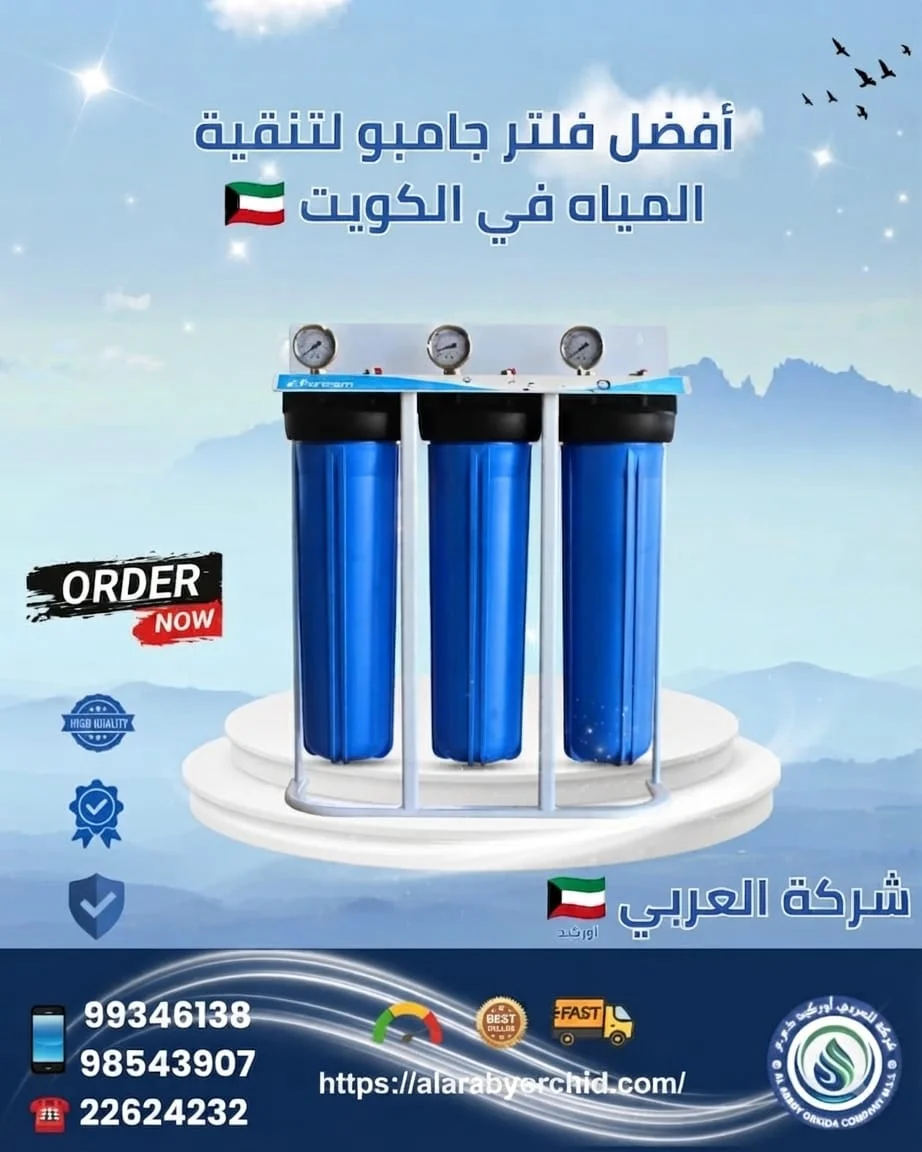
The question when should the water filter housing be replaced cannot be answered with a fixed rule such as every two or five years because the housing is not a cartridge that follows the same kind of replacement schedule. One housing may remain in excellent condition for a long time, while another may deteriorate much sooner because of pressure, heat, installation conditions, or poor handling during maintenance.
Replacement is required first when a confirmed crack appears in the housing body. This should not be treated as a cosmetic issue because the housing is the component containing water under pressure. Applying material over the crack or tightening the housing harder is not a suitable substitute for an intact pressure-rated body.
The second situation is thread damage severe enough to prevent straight and reliable closure. If the housing becomes cross-threaded or cannot be installed correctly, the issue is more serious than an O-ring problem.
The third situation occurs when the O-ring sealing surface itself becomes damaged and can no longer provide reliable sealing even with a clean and correctly sized O-ring. Replacing the O-ring repeatedly without addressing the damaged sealing surface will not solve the leakage.
The fourth situation is physical damage caused by the housing being dropped or struck. Some cracks may be difficult to see immediately, so after a significant impact the housing should be inspected carefully before it is returned to pressurized service.
If an incorrect cartridge or modification places abnormal internal stress on the housing, the installation should be corrected rather than continuing to operate simply because the cap can still be closed.
On the other hand, discoloration alone is not an automatic reason to replace the housing. The condition of the body, absence of cracks, thread integrity, and sealing performance are more important.
If the housing itself is healthy and the fault is limited to the O-ring, complete replacement is usually unnecessary. This is exactly where proper diagnosis can save the customer the cost of an entire housing.
-
The filter housing should be replaced when there is a genuine crack or damage that prevents it from containing water pressure and closing reliably
-
Thread damage that prevents straight secure installation is a reasonable reason for replacement even before a major leak develops
-
Repeated leakage caused by a damaged sealing surface is different from leakage caused by a worn O-ring that can simply be replaced
-
After a significant impact or fall the housing should be inspected carefully before being returned to pressurized operation
-
There is no single time-based replacement interval for every filter housing so actual condition matters more than the number of years in service
Cracked water filter housing
A cracked water filter housing is one condition that should never be treated casually because the body contains pressurized water during operation. There is a major difference between a superficial scratch that does not penetrate the material and a genuine structural crack extending into the housing wall.
If a suspicious line appears, the first step is to isolate the system, relieve pressure, clean the area, and inspect it properly. Increasing the water pressure or tightening the housing further should not be used as a home test because pressure is not a safe method for checking a suspected crack.
Cracking can result from several causes. The housing may be damaged during removal or dropped while it is still full of water. Excessive tightening during reassembly can also place unnecessary stress on the body or O-ring instead of improving the seal. Using excessive force with a housing wrench is not a sign of a better installation.
Heat and environmental conditions also matter depending on the housing material and manufacturer specifications. The housing should remain within its intended operating limits rather than being exposed to unsuitable conditions.
A crack close to the threads or other areas carrying mechanical load can be especially important because these sections experience stress during both closure and normal operation.
Repairing a cracked housing with adhesive and returning it to pressurized service is not recommended as a substitute for replacement. A repair may appear to hold while the system is not under pressure, but operating conditions are completely different. Installing a compatible replacement restores a housing designed from the beginning to safely contain the system pressure.
When the new housing is installed, the reason the old one cracked should also be identified. If excessive tightening caused the damage and the same installation method is repeated, the new housing may eventually suffer the same problem. If unsupported piping or mechanical loading on the filter head contributed to the failure, that should also be corrected.
-
A true crack in the housing body should be treated as a failure of the pressure-containing component rather than as a cosmetic issue
-
A housing that has been dropped or struck should be inspected before returning it to service even when there is no immediate visible leak
-
Excessive tightening can damage the housing or O-ring instead of producing a better seal
-
Gluing a cracked housing and returning it to water pressure is not a proper substitute for replacing a component that has lost its mechanical integrity
-
After replacement the cause of the crack should be identified so the same damage is not repeated on the new housing
Home water filter housing leakage

Home water filter housing leakage should always be traced to its exact source before any replacement part is purchased because leakage can come from several different areas. Water may appear between the cap and bowl, from an inlet or outlet connection, from a pressure-relief button if one is present, or directly through a crack in the housing body.
If water appears between the cap and lower housing section, inspection should begin with the O-ring and its groove. The water supply is isolated and pressure relieved before the housing is opened. The O-ring should be checked for cuts, flattening, twisting, or other deterioration. The groove should also be cleaned because a small grain of sand or debris can prevent sealing.
The O-ring needs to sit evenly inside the correct groove. If part of it is pushed out of position, the housing may still appear to close while leaving a small path for water to escape.
The closing method should then be reviewed. Excessive tightening is not a proper leakage repair. Sometimes the homeowner sees one drop of water and keeps using the wrench to tighten further, which can damage the O-ring, housing, or threads. The filter should be closed according to its design and instructions.
If the leak comes from the upper fittings, attention should move toward the connection itself rather than unnecessarily dismantling the entire housing. If water appears through the middle of the plastic body or along a visible line, a housing crack becomes more likely.
After any maintenance, water should be restored gradually while the area is observed. Drying the housing first helps distinguish a new leak from water left over from the cartridge replacement.
If leakage returns after every cartridge change, it should not be accepted as normal. The actual cause needs to be identified because a properly serviced filter housing should return to a sealed condition.
-
The exact point where water appears determines the repair direction because leakage between the cap and bowl differs from an inlet fitting leak or a cracked housing
-
Cleaning the O-ring groove matters because small debris can prevent sealing even when the O-ring itself is still in good condition
-
Applying greater tightening force is not a standard solution and can create additional damage to the threads O-ring or housing
-
After restoring water pressure the housing should be dried and monitored so any new leak can be identified clearly
-
Leakage that repeatedly returns after every service requires diagnosis rather than being accepted as a normal part of cartridge replacement
Replacing the water filter housing body
Replacing the water filter housing body is the correct decision when the problem is in the housing itself rather than in the cartridge or O-ring. Before purchasing a replacement, the housing size, cap type, connection sizes, cartridge length and diameter, and appropriate pressure and temperature conditions should all be identified.
Not every transparent or blue housing with a similar external size is a direct replacement. Differences in threads, fittings, cap design, or internal dimensions can make the new part incompatible even when the cartridge appears to fit inside.
If the filter is part of a multi-stage system, its position within the system should also be considered because replacing one housing may require preserving suitable flow, spacing between stages, and access for future cartridge replacement.
The filter head should be inspected as well rather than looking only at the lower bowl. If the head has damaged threads or connection points, fitting a new bowl underneath it will not provide a complete repair. Depending on the filter design, replacing the complete damaged assembly may make more sense.
The piping arrangement is also important. The filter housing should not carry the weight of heavy pipes or remain under constant sideways stress. If pipework pulls continuously on the filter head, the same cracking or leakage problem can return even after installing a new housing.
After the new housing is installed, the cartridge is positioned correctly, the O-ring is checked, and the water supply is restored gradually while all sealing areas and connections are observed.
If the filter is very old and the exact housing size is no longer readily available, replacing the complete filter assembly can sometimes be more practical than trying to adapt incompatible parts.
The objective is not simply to find something that looks like the old housing. The goal is to restore a properly sealed filtration system that remains easy to service in the future.
-
The replacement housing should be selected according to size fittings cartridge compatibility and operating limits rather than color or external appearance
-
The filter head should be inspected together with the bowl because fitting a new housing onto a damaged head does not provide a complete repair
-
Piping should be properly supported so the filter body does not carry mechanical loads it was never designed to support
-
Multi-stage systems need enough spacing and layout to maintain suitable flow and allow easy maintenance of every stage
-
If the old housing has become difficult to source or incompatible with available parts replacing the complete filter assembly may be more practical than unreliable modifications
Inspecting the filter cartridge housing

Inspecting the filter cartridge housing is best done during every routine service because the housing is already open when the cartridge is replaced. This provides the ideal opportunity to inspect areas that are normally hidden while the system is assembled. The purpose is not to invent problems but to avoid ignoring visible warning signs.
The housing should first be cleaned internally using a method and materials suitable for the filtration system and drinking-water application according to the product instructions. The bottom, side walls, and threaded areas can then be inspected for cracks, deep scratches, or distortion.
The O-ring groove should be inspected next. It should be clean and free from deposits that prevent the O-ring from sitting evenly. The O-ring itself should be checked for cuts, flattening, or loss of flexibility.
The threads should be inspected before closing the filter. If one section is crushed or the housing does not engage smoothly, additional force should not be used to overcome the problem. Cross-threading can damage both the bowl and filter head.
The old cartridge can also provide useful information about the filtration system. If it contains unusual deposits or becomes blocked far more quickly than expected, this may indicate something about water quality and usage, but it is not direct proof that the housing itself is damaged.
During reassembly, the new cartridge should sit straight according to the filter design so it does not interfere with proper closure of the housing.
Once water pressure is restored, the filter should be checked for leakage. This final step is simple but important because certain sealing problems only become visible once the housing is under pressure again.
Regular inspection of the cartridge housing allows a damaged component to be replaced based on early evidence instead of waiting for a sudden leak.
-
Opening the filter for cartridge replacement creates a natural opportunity to inspect the housing body threads and O-ring without requiring a separate maintenance visit
-
The O-ring groove should remain clean and even because deposits can cause leakage even when the rest of the housing is healthy
-
Threads should be checked before closing and unusual resistance should never be overcome simply by applying more force
-
Cartridge condition provides information about the water but should not be used by itself to judge the structural condition of the housing
-
Inspection is only complete after water pressure is restored and connections are monitored because some sealing faults appear only under operating pressure
Damaged filter housing O-ring
A damaged filter housing O-ring is one of the common causes of leakage where the cap meets the housing, so it is important to distinguish between an O-ring that needs attention and a housing body that actually requires replacement. The O-ring creates the seal between the two sections and needs to remain clean, undamaged, and correctly seated in its groove to work properly.
With repeated maintenance, the O-ring may become flattened, cut, twisted, or less flexible. When obvious deterioration appears, it should be replaced with the correct size rather than trying to compensate by tightening the housing harder.
Even a healthy O-ring can leak when sand or sediment remains underneath it. Cleaning the groove is therefore part of the repair rather than a cosmetic step.
If lubrication is required according to the manufacturer instructions, a compatible product such as suitable silicone lubricant should be used instead of any household oil because certain materials may not be appropriate for the rubber or for drinking-water applications.
Another mistake is stacking more than one O-ring or using an unnecessarily thicker O-ring simply to stop a leak. The housing is designed for a particular seal size, and changing the sealing geometry randomly can create problems with the threads and closure.
If the correct O-ring is installed, the groove is cleaned, and the housing is closed properly but leakage still continues, inspection should move toward the sealing surface, filter head, threads, and housing body instead of replacing a second or third O-ring without evidence.
When the filter is opened after a long period, the O-ring may stick to the housing or move out of position, so it should be handled carefully to avoid damaging it during maintenance itself.
-
A damaged O-ring can be the entire cause of leakage without any fault in the filter housing body
-
Cleaning the groove is as important as replacing the O-ring because a small particle underneath it can prevent a reliable seal
-
The replacement O-ring should match the correct dimensions rather than increasing thickness or stacking multiple seals randomly
-
Any lubricant used should be suitable for the O-ring material and the filter application rather than an unsuitable household oil
-
Continued leakage after a correct O-ring has been installed properly means inspection should move toward the sealing surface threads and housing body
Water filter housing replacement cost
Water filter housing replacement cost cannot be represented by one fixed price for every situation because housings vary by size, type, number of stages, fitting dimensions, and whether only the bowl or the complete cap-and-housing assembly needs replacement. The existing installation may also require modification.
A small under-sink housing is different from a jumbo housing installed at the main household water inlet in terms of component size, flow capacity, and installation method. Comparing prices without identifying the type does not provide useful information.
Before pricing the job, the technician should first determine whether a new housing is genuinely necessary. If leakage comes from a low-cost O-ring, the customer should not pay for an entire housing without a reason. If the body is genuinely cracked, replacing only the O-ring will not solve the problem.
The price also changes when the existing connections are not directly compatible with the replacement housing. A similar-size filter with different fitting sizes may require additional parts and labor.
For multi-stage systems, replacing several housings at once can involve a different amount of work compared with replacing one individual housing. Access to the filter system also affects installation time.
Housing type and quality also matter. The lowest price should not be the only objective when the part may be unsuitable for network pressure or the cartridge being used.
When comparing two quotations, ask whether the amount covers only the lower housing bowl or includes the head, O-ring, installation, and other components. Also confirm whether the filter cartridge itself is included. The phrase “housing replacement” can describe different scopes of work depending on the supplier.
The better approach is to price the job after identifying the exact component that needs replacement rather than publishing one fixed number that may be misleading for the actual system.
-
Replacement cost depends on housing type and size and whether only the body or a larger filter assembly needs replacement
-
Inspecting the O-ring before pricing prevents the customer from paying for a complete housing when the actual fault is simple and repairable
-
Connection or piping modifications create additional work compared with replacing one directly compatible component
-
Prices should be compared on the same scope of work so a part-only price is not compared with another quotation that includes installation and accessories
-
A housing that matches the required specifications is more important than simply selecting the cheapest available component without considering pressure rating and compatibility
Water filter housing lifespan
Water filter housing lifespan does not have one universal number after which every housing must automatically be replaced. Service life depends on material quality, manufacturing quality, operating pressure, temperature, installation location, number of maintenance cycles, and how the threads and O-ring are handled during each service.
A housing installed in a protected location, operating within appropriate conditions, and opened and closed without excessive force may remain in excellent condition for a long period. Another housing exposed to strong sunlight, physical impact, unsupported pipe loads, or repeated over-tightening may deteriorate much sooner despite being newer.
For that reason, lifespan should be judged by condition. The housing is inspected for cracks, thread integrity, sealing-surface condition, and any change in physical shape.
The number of cartridge replacements is not itself a problem when maintenance is carried out correctly. However, every incorrect opening or closing procedure increases the possibility of thread, O-ring, or housing damage.
The lifespan of the housing should also not be confused with the lifespan of the cartridge. Filter cartridges follow replacement schedules based on their type, water quality, and usage, while the housing does not need to be discarded after a certain number of cartridges simply because time has passed.
If the manufacturer specifies particular inspection or replacement requirements for a certain housing model, those instructions should be followed because product specifications differ. When no specific interval is given, actual technical condition becomes the main guide.
It is also useful to record maintenance observations. If leakage begins recurring or the housing becomes increasingly difficult to close, the issue should be investigated rather than waiting for the problem to become more serious.
The real question about housing life is therefore not simply “How many years does it last?” but rather “Can it still close correctly and safely contain the operating conditions of this filtration system?”
-
There is no single lifespan that applies to every filter housing because materials pressure temperature and maintenance conditions vary between systems
-
Good installation conditions and correct opening and closing procedures can preserve housing condition more effectively than relying on calendar age alone
-
Cartridge lifespan and housing lifespan are separate issues and the filter body should not be replaced simply because several cartridges have already been used
-
Cracking thread damage or repeated sealing problems are more important than reaching a specific number of years
-
Manufacturer instructions should be the first reference when a particular model includes specific inspection or replacement requirements
Conclusion
A water filter housing should not be replaced simply because it is old, and it should not be left in service regardless of obvious damage either. The correct decision comes after inspecting the housing body, threads, O-ring, sealing groove, fittings, and exact source of the leak.
If the problem is a damaged O-ring or contamination in the sealing groove, the repair may be simple and a complete new housing may not be necessary. If there is a genuine crack, severely damaged threads, or a sealing surface that can no longer provide reliable closure, replacing the housing becomes the more appropriate decision.
Do not treat additional tightening as the solution to every drop of water. Sometimes trying to stop a small leak with excessive force is exactly what turns a minor O-ring problem into a complete housing problem. The idea is not to keep tightening until the filter seems to say, “Enough already.” The goal is to identify the actual fault and repair it with the correct component.
Frequently Asked Questions
How do I know when the water filter housing needs replacement?
If there is a genuine crack in the body, clear thread damage, or the housing can no longer seal reliably despite a healthy O-ring, these are strong signs that replacement is appropriate.
Does every filter leak mean the housing is damaged?
No. Leakage between the cap and housing can result from a damaged, twisted, or incorrectly seated O-ring or contamination inside the sealing groove.
Can I repair a cracked filter housing with glue?
A cracked housing contains pressurized water, so relying on adhesive and returning the housing to normal pressure is not recommended as a substitute for replacing the damaged pressure-containing component.
Why does the filter housing leak after replacing the cartridge?
Possible causes include an O-ring that moved out of position, dirt in the sealing groove, incorrect alignment, unsuitable tightening, or damage to the threads.
Does tightening the housing harder stop leaks?
Not necessarily. Excessive tightening can damage the O-ring, housing, or threads, so the filter should be closed according to its design and manufacturer instructions.
When should I replace only the housing O-ring?
If the housing body and threads remain healthy and the leakage is caused by an O-ring that is cut, flattened, twisted, or no longer sealing correctly, replacing the correct O-ring may be enough.
Does a filter housing have a fixed lifespan?
There is no single lifespan for every housing because condition depends on material, pressure, temperature, installation environment, maintenance method, and manufacturer instructions.
Does discoloration mean the filter housing is damaged?
Not necessarily. Color alone is not enough to judge the housing. Greater attention should be given to cracks, physical distortion, thread condition, and sealing performance.
What affects the cost of replacing a water filter housing?
The cost depends on the housing type and size, whether only the body or the complete assembly needs replacement, the condition of existing fittings, and the installation work required.
When should the filter cartridge housing be inspected?
The best time is during every cartridge replacement because the housing is already open and the body, threads, O-ring, and sealing groove can be inspected before pressure is restored.

