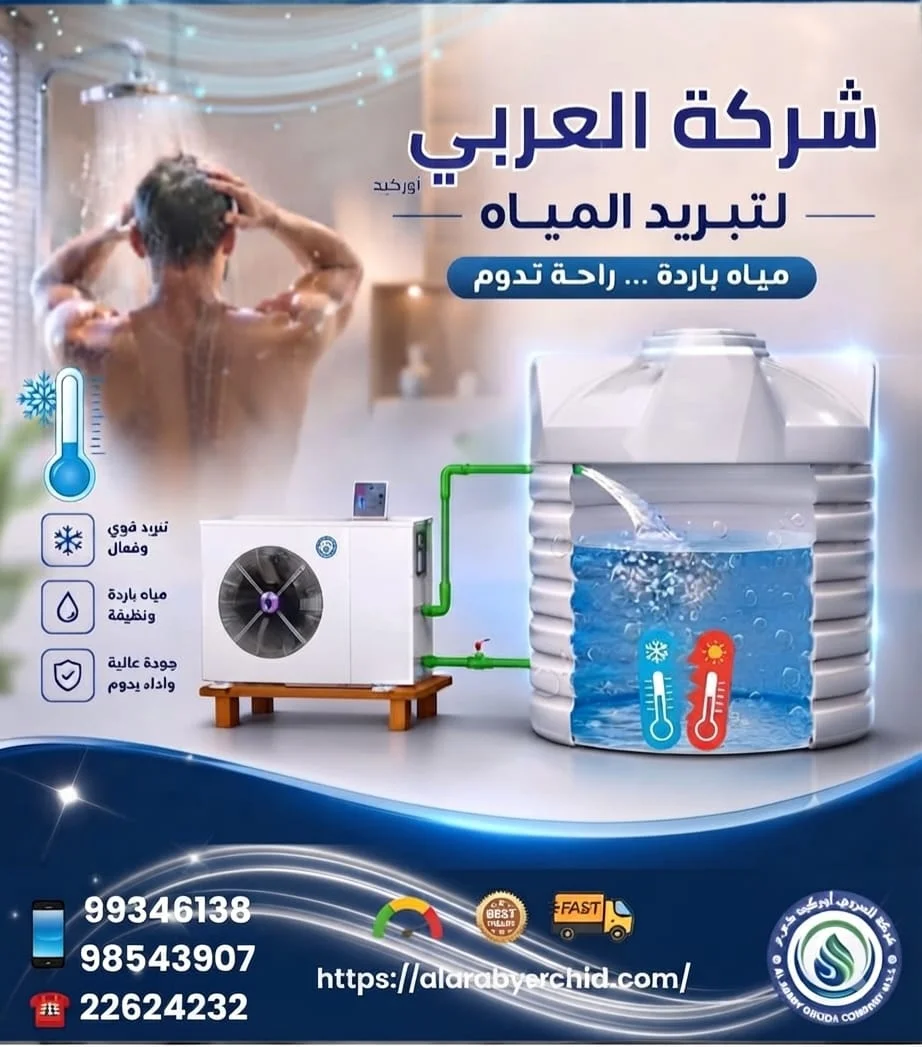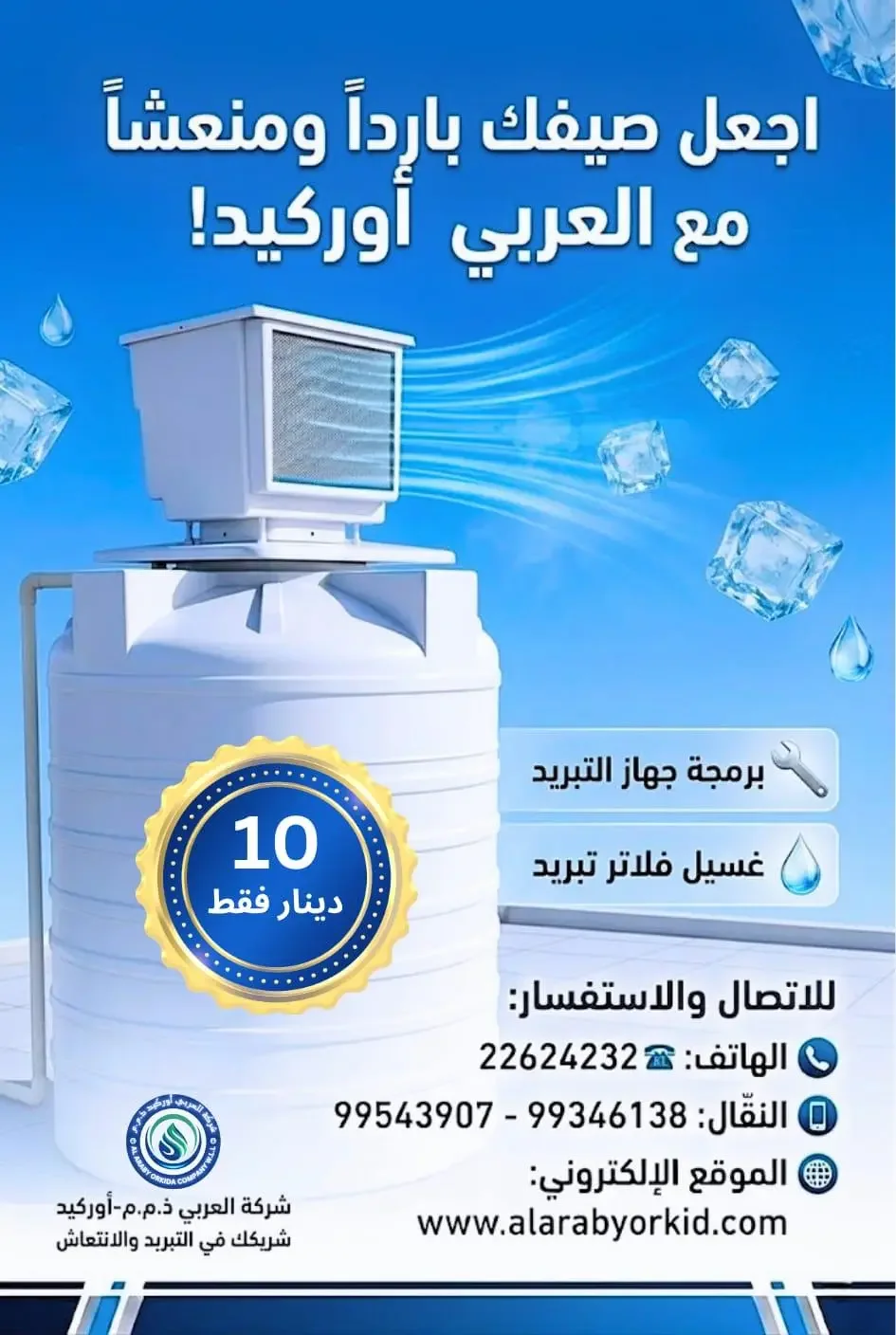
Water tank cooler maintenance should never mean that a technician arrives and immediately says, “the refrigerant needs topping up” before identifying why the water has become warmer than before. A tank cooling system can lose performance because of a dirty condenser, weak water circulation, restricted airflow, a clogged filter, a fan problem, a faulty temperature sensor, timer issues, electrical faults, or a refrigerant leak. The fault also differs between compressor-based systems such as Falcon, LG, and Wansa and air-driven systems such as Cool Shower, Cool King, and Gold Star. Al Arabi Orchid currently provides water tank cooling maintenance and spare-part services in Kuwait through 99346138. The personality of this article is diagnostic: identify exactly where cooling performance has been lost before replacing components, so maintenance becomes a real repair rather than an expense that returns every summer.
Water Tank Cooler Maintenance
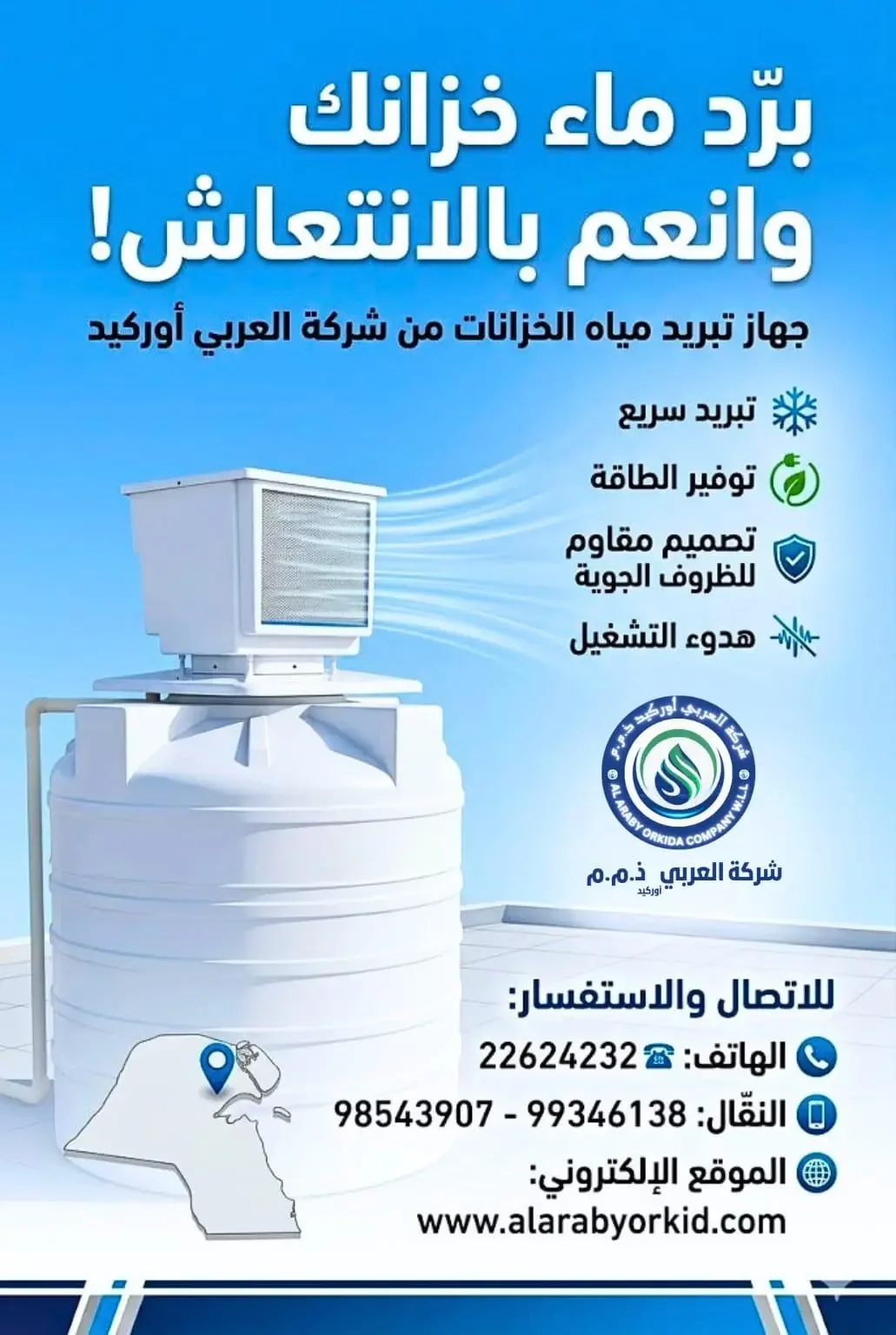
Water tank cooler maintenance begins by understanding the type of equipment before touching any component. If you have a compressor-based cooler, you are dealing with a refrigeration system that can include an outdoor unit, condenser, fan, refrigerant circuit, controls, and either a water-circulation loop or an internal cooling coil depending on the model. An air-driven cooler has a completely different maintenance profile because its performance depends more heavily on airflow, filtration, motor condition, timer operation, and how the unit is mounted on the tank.
The first thing that should be checked is how current performance compares with previous performance. Did the system provide comfortable water last summer but now feel noticeably weaker? Did the problem appear suddenly or gradually over several weeks? Does the water cool properly at night but become too warm during afternoon heat? Does the cooler run for very long periods without switching off? These questions help determine the direction of the inspection.
When performance has declined gradually, the first areas to inspect are components that naturally become dirty or restricted over time, such as the condenser, airflow path, filters, and the area around the outdoor unit. Dust and sand on the condenser can restrict heat rejection and force the system to work harder even when the compressor itself is still operating normally.
If the condenser is clean and the cooling unit appears to operate correctly but the water temperature still does not improve, the next step is to check the water side of the system. Is circulation actually taking place? Is the circulation pump operating if the design includes one? Are the suction and return lines open? Is there trapped air, a partial blockage, or a valve that is not fully open? A cooling system can produce cold temperatures at the unit while the tank itself receives very little benefit when the water is not moving properly.
-
Proper maintenance begins by measuring performance and comparing it with the system’s previous behavior rather than replacing parts based on assumptions
-
A dirty condenser or restricted ventilation reduces heat rejection even when the compressor sounds normal and continues operating
-
Poor water circulation can make a fully functional cooling unit appear weak because the stored water is not receiving enough of the available cooling
-
Air-driven coolers require separate inspection of filters motor condition and airflow because their maintenance requirements differ from compressor systems
-
Refrigerant should never be treated as a routine maintenance consumable because a low charge requires an explanation of why the refrigerant level dropped
Water Tank Cooler Maintenance Technician
A professional water tank cooler maintenance technician understands the difference between “the unit is running” and “the unit is actually cooling.” You may hear the compressor operating and see the fan turning while the tank water remains too warm. On the other hand, the cooling unit itself may be healthy while poor circulation or excessive heat load around the tank makes the system appear weak.
A useful inspection begins by measuring three important things: current water temperature, water temperature after a controlled operating period, and the operating behavior of the cooling unit during that period. The technician then observes whether the compressor starts and runs normally or whether it switches on and off repeatedly. Rapid cycling can have several possible causes, including control problems, abnormal operating pressure, electrical faults, or difficulty rejecting heat, so it should never be diagnosed from sound alone.
The condenser should then be checked carefully. A rooftop unit can accumulate significant amounts of dust, sand, and debris. If airflow through the condenser is restricted, proper cleaning can restore an important portion of the system’s performance.
The technician should also avoid jumping immediately to refrigerant charging. If testing suggests that the refrigerant charge is low, the question should not be “how much should we add?” The correct question is “where did it go?” A sealed refrigeration system should not consume refrigerant like fuel. When a leak is confirmed, the source should be found and repaired before the correct charge is restored according to the equipment requirements.
-
A good technician records temperatures and operating behavior before blaming the compressor or refrigerant
-
Frequent compressor cycling should lead to inspection of controls electrical conditions ventilation and operating pressures rather than immediate compressor replacement
-
Condenser cleaning is important when accumulated rooftop dust is restricting airflow and heat rejection
-
Low refrigerant is not a complete diagnosis because the cause and location of the loss should be identified before recharging
-
When contacting Al Arabi Orchid on 99346138 explain the cooler type age and whether the performance loss appeared suddenly or gradually so diagnosis begins with useful information
Repairing a Water Tank Cooler

Repairing a water tank cooler is different from preventive maintenance because there is already a visible operating problem that needs correction. Even then, the repair should not begin by replacing the first component that appears suspicious. The goal is to identify which part of the cooling chain has stopped doing its job.
Take a practical example: the customer says, “the water no longer cools.” The compressor may not be operating at all. The compressor may run while the outdoor fan is stopped. Both components may run while the condenser is heavily blocked with dirt. The refrigeration circuit may have lost charge because of a leak. Or the entire refrigeration system may be working normally while water circulation through the tank is too weak to transfer the cooling effectively.
For this reason, repair should move logically through electrical supply, refrigeration, water movement, and controls. The technician may need to inspect the breaker, contactor, electrical capacitor where used, temperature sensor, timer, compressor, fan, and heat-exchange components. Water circulation or the internal coil arrangement is then checked according to the actual design.
If the outdoor fan has failed, replacing the compressor does not solve the problem. If an electrical capacitor is weak, adding refrigerant has nothing to do with the fault. If the refrigeration circuit has a leak, charging it again without fixing the leak simply creates the same problem later.
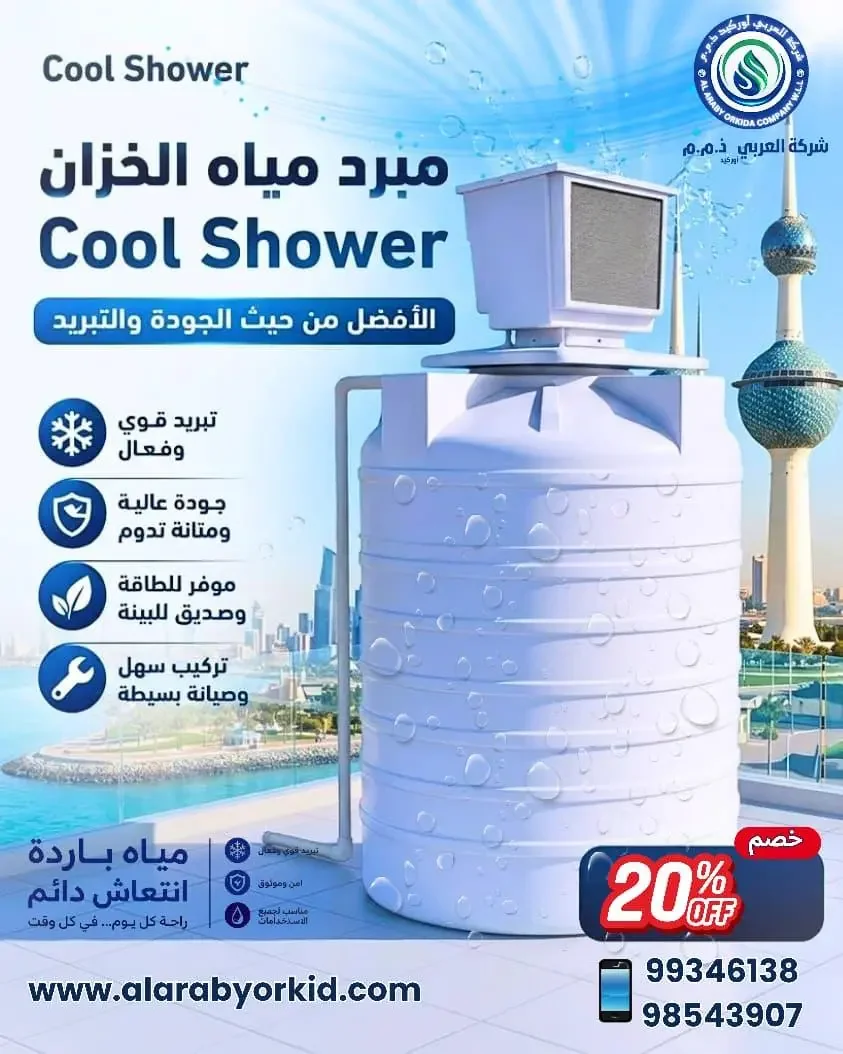
Air-driven coolers such as Cool Shower require a different repair path. Reduced airflow, a weak motor, timer failure, or a clogged filter can all reduce cooling performance. These systems should therefore be diagnosed according to airflow and motor behavior rather than by applying a compressor-based troubleshooting checklist.
-
Cooler repair begins by identifying which part of the electrical refrigeration circulation or control chain has actually failed
-
A failed condenser fan can destroy cooling performance even when the compressor itself remains mechanically healthy
-
Refrigerant leakage should be repaired at the source so recharging does not become a repeated seasonal expense
-
In air-driven systems inspect the filter motor and timer before assuming the entire cooler needs replacement
-
The best repair restores the root cause and verifies the result through operating measurements rather than simply replacing a part and leaving
Water Tank Cooling Maintenance Company
Choosing a water tank cooling maintenance company becomes more useful when the problem crosses several technical areas. A compressor cooler may require refrigeration knowledge, but the water loop can also require hydraulic inspection, the electrical side may need testing, and the tank itself may be contributing to the complaint if warm replacement water is entering faster than the cooling system can handle.
Al Arabi Orchid currently works with tank cooling as part of a wider water-system service portfolio and deals with Falcon, LG, Wansa, Cool Shower, Cool King, and Gold Star systems, in addition to maintenance and replacement parts. This broader system perspective can be useful when the technician needs to determine whether the complaint is caused by the cooling unit itself, the tank, water circulation, or another connected component.
Still, choosing a company should not depend on advertising alone. Ask whether water temperature will be measured before and after service. Ask whether condenser cleaning is included where required. Ask whether the circulation loop will be inspected. If low refrigerant is found, ask whether the technician will search for a leak. If a component is replaced, ask whether it matches the exact model.
From a practical maintenance perspective, one of the best things a customer can keep is a clear service history. Record the visit date, fault, replaced part, action performed, and water temperature before and after service whenever possible. After two or three seasons, this record can reveal whether one component is failing repeatedly or the overall unit is gradually losing performance.
-
The right maintenance company checks refrigeration water movement and electrical operation instead of limiting the diagnosis to the compressor
-
Experience with more than one tank cooling technology helps distinguish compressor faults from air-cooling faults
-
Ask for the identified cause damaged component and repair action instead of accepting only the statement that the system has been repaired
-
Keep a maintenance history so repeated faults become visible before money is spent replacing parts randomly
-
Al Arabi Orchid currently provides tank cooling and maintenance services in Kuwait through 99346138
Water Tank Cooler Compressor Maintenance
Water tank cooler compressor maintenance does not begin by opening or replacing the compressor itself. In fact, many problems that make customers believe the compressor has become weak originate elsewhere. A dirty condenser, poor ventilation, a failed condenser fan, electrical issues, or low refrigerant caused by leakage can all reduce performance and increase operating stress without the compressor itself being the original problem.
The technician therefore begins with the environment around the compressor unit. Is the outdoor unit surrounded by boxes, walls, or other rooftop equipment? Are the condenser fins covered in dust? Is the condenser fan moving air at the expected speed? These conditions are checked before moving deeper into compressor diagnosis.
The next stage may include evaluating compressor operation, temperature, electrical current, and refrigeration pressures when appropriate. If the compressor attempts to start but cannot, the cause may be electrical or mechanical. If it starts and then shuts down on protection, the technician should determine why the protection is activating rather than bypassing it.
Refrigerant charge must also be handled according to the exact model. Different water tank coolers can use different refrigerants and charging procedures, which means there is no universal “Falcon gas” or one charging amount that applies to every model. The exact data plate and service information for the installed system should determine the correct approach.
-
Cleaning the condenser and improving ventilation can restore performance when the real problem is poor heat rejection rather than compressor damage
-
A failed outdoor fan increases refrigeration stress and should be checked before the compressor is blamed
-
Electrical current and pressure measurements should be performed when needed by a qualified technician because they provide stronger evidence than sound alone
-
If refrigerant is low the system should be checked for leakage and repaired before recharging is considered a complete solution
-
Electrical protection devices should never be bypassed casually because repeated protection trips usually indicate an operating condition that needs explanation
Cleaning a Water Tank Cooler
Cleaning a water tank cooler depends entirely on the cooling technology. In a compressor-based system, one of the most important external components is usually the condenser, which rejects heat removed from the tank water. Dust, sand, and debris accumulating on the condenser coil can reduce airflow and heat transfer, forcing the refrigeration system to operate under a greater load.
Cleaning does not mean spraying the entire unit randomly while it remains energized. Electrical power should be isolated first, and the coil should be cleaned using a method that does not damage the fins or flood electrical components. The cleaning method should match the design of the unit and the level of contamination.
In an air-driven cooler, cleaning focuses much more heavily on the filter and airflow path. Products such as Cool Shower rely on multi-layer filtration to control dust entering with the airflow. As the filter loads with dust, airflow can fall significantly even while the motor continues to run, reducing cooling performance.
It is also important to separate cooler cleaning from tank cleaning. A perfectly clean cooling unit can be connected to a tank containing sediment, and a clean tank can still be served by a dirty condenser or blocked fan filter. If both services are required, they should be described separately rather than treating one as a substitute for the other.
After cleaning, the system should be restarted and its response monitored. If water temperature improves significantly after cleaning the condenser or filter, airflow restriction was clearly part of the problem. If performance does not improve, diagnosis should continue rather than repeatedly cleaning the same component.
-
The condenser needs a clean surface and unrestricted airflow to reject the heat removed from tank water
-
Electrical power should be isolated before cleaning and water should never be directed carelessly toward electrical components
-
Air-cooling filters may need more frequent attention during dusty periods because restricted airflow directly reduces cooling performance
-
Cleaning the cooler and cleaning the water tank are different maintenance tasks and one should not automatically replace the other
-
Measuring water temperature after cleaning helps confirm whether dirt was actually contributing to the performance loss
Inspecting a Water Tank Cooling Device

A proper water tank cooling device inspection should follow an organized diagnostic checklist rather than a quick visual visit. The first stage is external condition: water or oil traces around the unit, damaged wiring, corrosion, physical obstruction, or anything interfering with the fan. An oily mark on a refrigeration circuit may justify further leak inspection, but visual evidence alone is not enough to confirm the diagnosis.
The second stage is electrical operation. Is the supply voltage appropriate? Is the breaker stable? Are the contactor and electrical connections in good condition? Are the compressor and fan receiving the required power? Electrical capacitors, relays, or motors can fail depending on the design of the unit.
The third stage is heat rejection. The technician checks the condenser, airflow, and clearance around the outdoor unit. A refrigeration system cannot cool effectively if it cannot release the heat it has removed from the water.
The fourth stage is heat transfer to the water. If the system depends on circulation, the technician checks the water flow, valves, and circulation pump where fitted. If the unit uses a cooling coil in the tank, the sensor, coil, and control relationship are checked according to the actual design.
The fifth stage is control logic. An inaccurate temperature sensor can stop the unit too early or keep it running longer than necessary. A timer programmed incorrectly can make the customer believe the cooler is weak when it simply is not running during the periods when cooling is most needed.
-
Inspection begins with safety leakage and wiring before deeper refrigeration measurements are performed
-
The compressor fan and electrical components should be tested according to the specific equipment design rather than assuming every cooler has the same circuit
-
Outdoor-unit ventilation is part of the inspection because poor heat rejection reduces cooling even when most other components are healthy
-
Water circulation sensors and timer controls should be included because the fault does not have to be inside the refrigeration circuit
-
The best inspection report identifies the likely cause the measurement supporting it and the required action rather than presenting a list of parts to replace experimentally
Water Tank Cooler Is Not Cooling
If a water tank cooler is not cooling, do not begin automatically by adding refrigerant. First divide the problem according to the symptoms. If the unit does not operate at all, begin with electrical supply, controls, and timer settings. If the fan runs but the compressor remains silent, inspect the compressor circuit and protection devices. If both run but the water stays warm, move toward heat rejection, refrigerant charge, circulation, and thermal load.
If the water becomes cooler at night but warms quickly during midday, the cooler may not be mechanically defective at all. The thermal load may have become greater than the system’s available capacity because of strong sun, higher usage, hotter incoming water, or poor insulation. Maintenance should therefore distinguish between equipment failure and insufficient capacity for the current load.
If the system cools for the first hour and then stops or repeatedly cycles, the controls, sensor, ventilation, and protection conditions need to be checked. If ice or abnormal frosting appears on part of the refrigeration circuit, this should not be treated as proof of one specific problem such as low refrigerant. Several possible causes can produce similar symptoms, and measurements are needed.
In an air-driven system such as Cool Shower, if the motor sounds normal but airflow is weak, begin with the filter and airflow path before replacing the motor. A dirty filter can reduce performance substantially while the motor still sounds as though it is operating correctly.
-
If the system does not start begin with electrical supply timer settings and controls before looking for a refrigeration fault
-
If the unit runs but the water does not cool inspect heat rejection refrigerant condition circulation and thermal load before blaming the compressor
-
If performance collapses mainly during peak sunlight the problem may involve capacity insulation and water demand rather than a mechanical failure
-
If an air-driven cooler still makes normal motor noise but airflow is weak inspect the filter and airflow path before replacing the motor
-
Every diagnosis should finish with water-temperature measurements after repair so the technician confirms the real cause was corrected rather than only restoring operating noise
Water Tank Cooler Faults
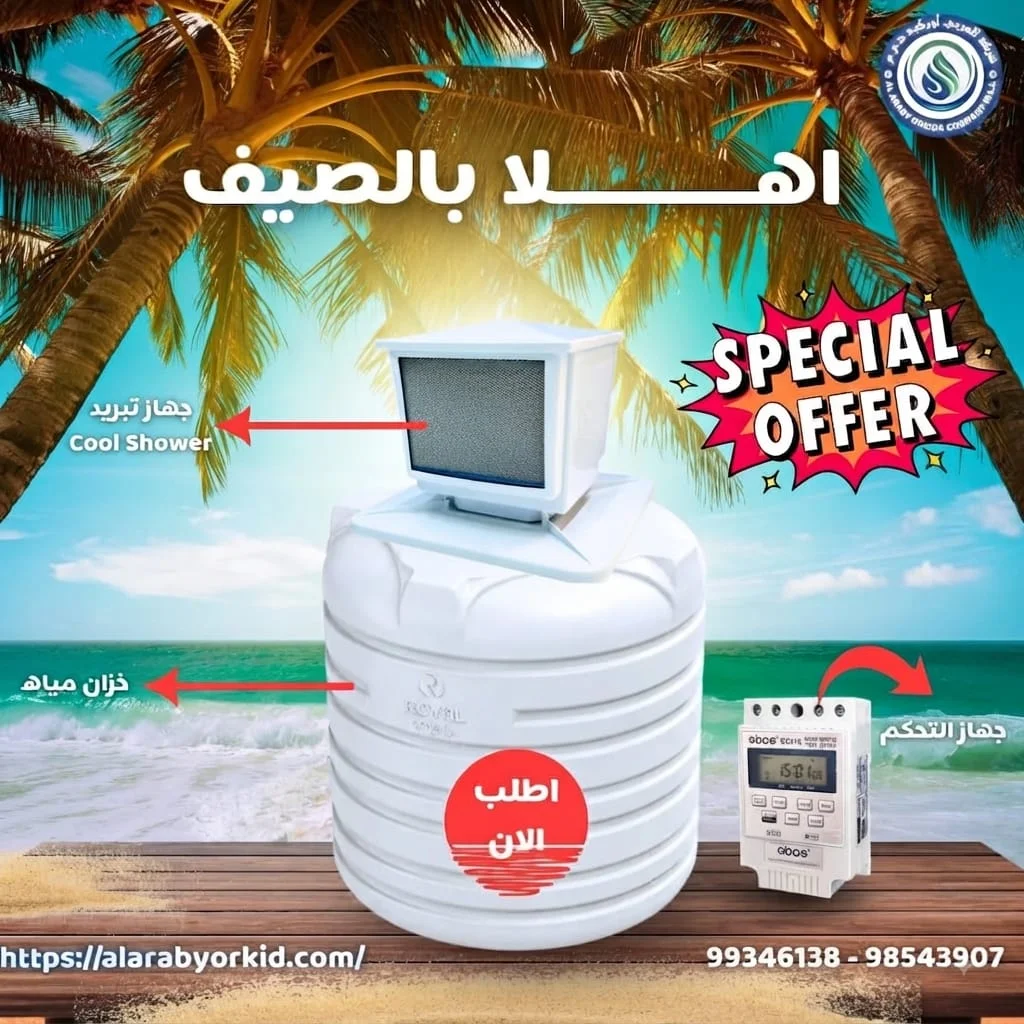
Water tank cooler faults become easier to diagnose when they are classified instead of simply listing spare parts. The first category is electrical faults: breaker problems, damaged connections, contactor faults, sensor failure, timer issues, fan motor problems, or control failure.
The second category is heat-rejection faults: dirty condenser coils, restricted airflow around the outdoor unit, or excessive heat surrounding the equipment.
The third category is refrigeration-circuit faults: refrigerant leaks, valve problems, or compressor deterioration. Refrigerant loss and condenser-fan failure can produce similar complaints even though the required repairs are completely different.
The fourth category is water-movement faults. If a pump or circulation loop becomes weak, cooling may be produced at the unit but not distributed properly throughout the tank. This category can easily be missed when the technician inspects only the compressor and ignores the water side of the system.
The fifth category is control failure. A temperature sensor that reads inaccurately can stop cooling too early, while a badly programmed timer can prevent operation during the hottest periods.
Air-driven systems have another fault family entirely: clogged filters, weak air motors, timer failure, or restricted airflow paths. This is why the same compressor troubleshooting checklist should not be applied to every tank cooler.
-
Classify the fault into electrical heat rejection refrigeration water movement or control before replacing components
-
Repeated failure of the same part should trigger investigation into what is damaging it rather than simply replacing it again
-
Refrigerant loss should be treated as a fault requiring leak diagnosis rather than a normal seasonal need for more refrigerant
-
Weak water circulation can produce symptoms similar to poor compressor performance so water movement should be tested during diagnosis
-
Fan-based coolers have their own fault patterns and should not be diagnosed using the same assumptions applied to compressor systems
Periodic Water Tank Cooler Maintenance
Periodic water tank cooler maintenance is designed to make sure the system is ready before summer demand becomes heavy rather than discovering the problem on the first day the water becomes uncomfortably hot. A practical time for inspection is before the main cooling season, with additional checks when the site is particularly dusty or the cooler operates for long hours every day.
For compressor systems, periodic maintenance should include condenser cleanliness, fan movement, electrical connections, outdoor-unit condition, temperature-sensor response, timer operation, and water circulation. The refrigeration circuit should not be opened without a reason, and refrigerant should not be added as a preventive ritual when there is no evidence of low charge or leakage.
One very important principle is that refrigerant is not something that should be consumed through normal operation. When the charge is found to be low, the system should be checked for leakage. This prevents the customer from paying every year for an action that never addresses the actual fault.
For air-driven systems, the maintenance program focuses more on filtration, motor condition, timer function, and secure mounting. Filter inspection should be more frequent in locations exposed to heavy dust.
After every periodic service, it is useful to record tank-water temperature at the start and again after a similar operating period. Over time, this creates a performance history. If the cooler needs longer every year to achieve the same temperature reduction, the trend can reveal deterioration before complete failure occurs.
Al Arabi Orchid currently provides water tank cooling, maintenance, and spare-part services in Kuwait and works with Falcon, LG, Wansa, Cool Shower, Cool King, and Gold Star systems.
-
Schedule maintenance before peak summer demand rather than waiting until the first serious cooling complaint appears
-
Condenser cleanliness fan movement water circulation sensor response and controls matter more than adding refrigerant without evidence of a leak
-
Air-driven systems need filter inspection intervals that reflect the actual amount of dust around the tank rather than one fixed schedule for every property
-
Keep comparable water-temperature readings after each service so gradual performance decline becomes visible through data rather than only through personal feeling
-
For periodic inspection with Al Arabi Orchid contact 99346138 and provide the equipment type model and date of the last maintenance visit
Conclusion
Water tank cooler maintenance with Al Arabi Orchid is most effective when the cooler is treated as a complete system rather than as a compressor alone. There is an electrical supply, controls, fan, condenser, refrigeration circuit, and then a method of transferring cooling into the water. A fault in any one of these stages can reduce the final tank temperature.
One of the most expensive maintenance mistakes is beginning with a single assumption such as “the refrigerant must be low.” Weak cooling can result from a dirty condenser, restricted airflow, a failed fan, an electrical problem, a refrigerant leak, weak circulation, or an inaccurate temperature sensor. When refrigerant is genuinely low because of leakage, the correct approach is to identify and repair the leak before restoring the charge.
With Cool Shower and other air-driven solutions, filtration, airflow, motor performance, and timer operation directly affect cooling, so their maintenance must remain different from compressor-system maintenance.
Al Arabi Orchid currently provides water tank cooling maintenance and spare-part services in Kuwait and works with Falcon, LG, Wansa, Cool Shower, Cool King, and Gold Star. Contact 99346138 and explain whether the system does not cool at all, cools less than before, cycles frequently, or has developed a new sound. These details help shorten diagnosis and increase the chance that the visit ends with a clearly identified cause and a clearly justified repair rather than trial-and-error part replacement.
Frequently Asked Questions
How do I know when a water tank cooler needs maintenance?
If the water takes noticeably longer to cool, the unit runs for more hours than before, cycles repeatedly, develops a new sound, produces weaker airflow, or achieves a smaller temperature drop than it used to, the system deserves inspection before complete failure occurs.
Does weak cooling always mean the refrigerant is low?
No. Weak cooling can result from a dirty condenser, restricted ventilation, fan failure, electrical problems, poor water circulation, or an inaccurate temperature sensor. If refrigerant is genuinely low, the source of the leak should be identified and repaired before recharging.
Can cleaning the compressor restore cooling performance?
Usually the important cleaning area is the outdoor unit and condenser rather than the internal compressor itself. If the condenser is heavily covered with dust and airflow is restricted, proper cleaning can improve performance substantially. If the real problem is a leak, failed fan, or poor circulation, cleaning alone will not solve it.
Why does the water tank cooler compressor switch on and off quickly?
Rapid cycling can have several possible causes, including control faults, electrical protection, poor heat rejection, or another abnormal operating condition. The compressor should not be replaced based only on this symptom without proper testing.
Does the Cool Shower filter need cleaning?
Yes. The filter is part of the airflow system, and accumulated dust can reduce airflow and cooling performance. Inspection should be more frequent during dusty conditions, and the system should not be operated without the filter designed for it.
Why does the cooler work at night but struggle during the afternoon?
This can indicate that daytime thermal load is greater than the system’s available cooling capacity because of direct sun, hotter incoming water, higher household demand, or weak insulation. The problem is not always a mechanical failure.
Does weak water circulation affect cooling?
Yes. If the system depends on circulating water, cooling needs to be transferred from the unit into the stored water. A weak pump, partially closed valve, blockage, or poor circulation design can make the cooler operate while the tank itself remains warmer than expected.
Does refrigerant need to be added every year?
Not as routine annual maintenance. A refrigeration circuit is a closed system. If the charge is confirmed to be low because of leakage, the correct procedure is to locate and repair the leak and then restore the correct charge according to the equipment specifications.
When should periodic water tank cooler maintenance be performed?
A practical time is before the heavy summer cooling season, with more frequent inspection if the installation is exposed to severe dust or the equipment operates for long hours every day. The exact interval should also follow the requirements of the specific model and actual operating conditions.
How do I request water tank cooler maintenance from Al Arabi Orchid?
Contact 99346138 and provide the brand and model if known, whether the system uses a compressor or air fan, when the problem started, whether the unit still runs, and what changed in the water temperature. Request an inspection that covers electrical operation, condenser condition, fan performance, refrigeration circuit, water circulation, temperature sensor, and timer controls according to the cooler type, with the cause explained before components are replaced.