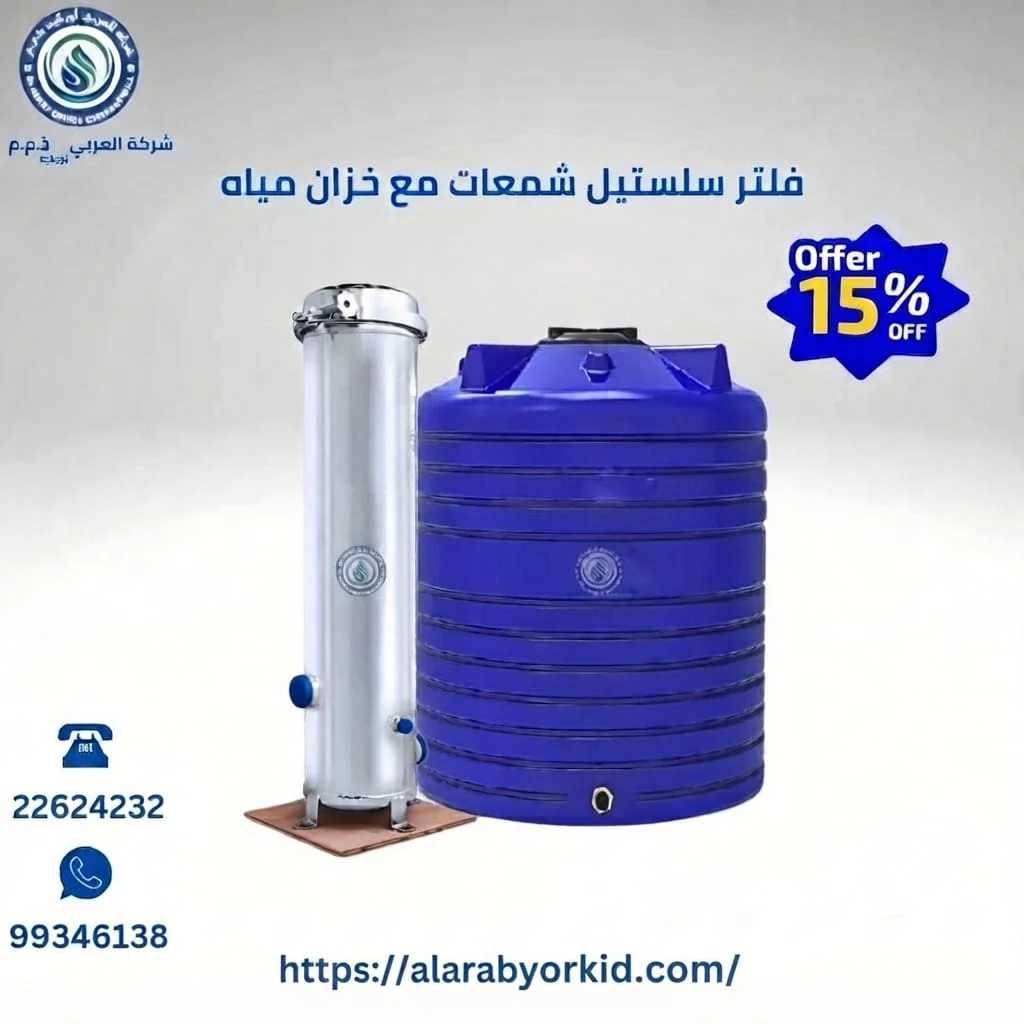
Not every water filter cartridge has one fixed lifespan that applies to every home. Replacing water filter cartridges depends on the cartridge type, the amount of water used, sediment level, filter design, and whether the system serves one kitchen tap or the entire household network. The same cartridge may operate normally for several months in one property and clog much faster in another because the incoming water carries a heavier sediment load. This is why relying only on a calendar is not enough, and waiting until the water visibly changes is not a good maintenance strategy either. The best approach is to follow the service cycle specified for the exact cartridge while also monitoring flow, taste, pressure, and overall filter performance so every stage is replaced when it actually needs attention.
Replacing Water Filter Cartridges
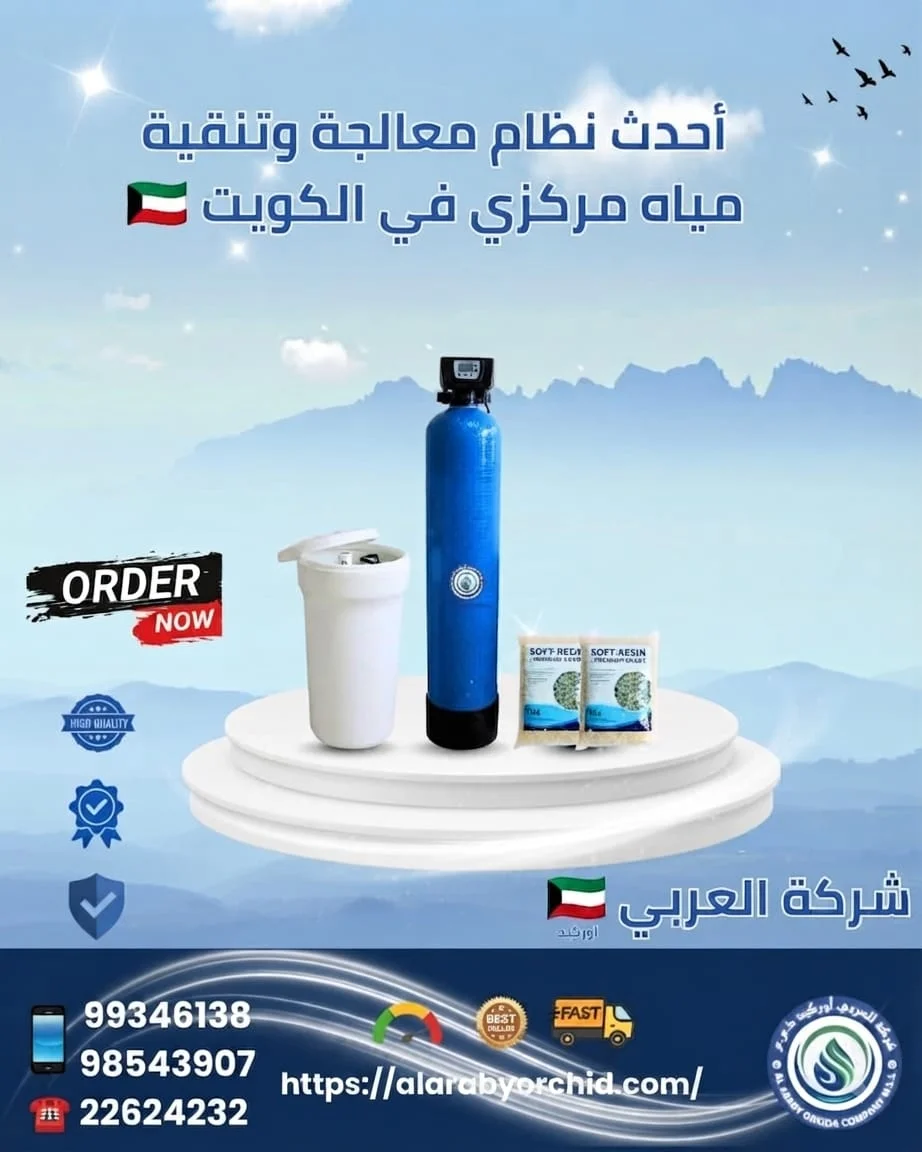
Replacing water filter cartridges is not simply routine maintenance performed because six months have passed. The cartridge is the component that receives the actual load from the water. As sediment accumulates or the filtering media gradually reaches the end of its useful capacity, system performance begins to change. However, that change appears differently depending on the type of cartridge. A sediment filter, for example, collects sand, rust, and suspended particles, so its resistance to water flow normally increases as it becomes loaded. A carbon cartridge may still allow water to pass relatively well even when its ability to perform the function it was designed for is approaching the end of its recommended service cycle.
This is why the better maintenance approach is to know the type of every cartridge, what it does, and its recommended service cycle instead of changing everything at random. Residential filtration systems often have a defined service cycle measured either by treated water volume or an approximate number of months. Following the manufacturer’s instructions is important if you want the system to continue delivering the performance expected from that specific cartridge.
The correct replacement part also matters. A cartridge that looks almost identical and fits inside the same housing is not automatically suitable. A small difference in length, sealing surface, internal construction, or media may allow water to bypass the cartridge or may change how the system performs.
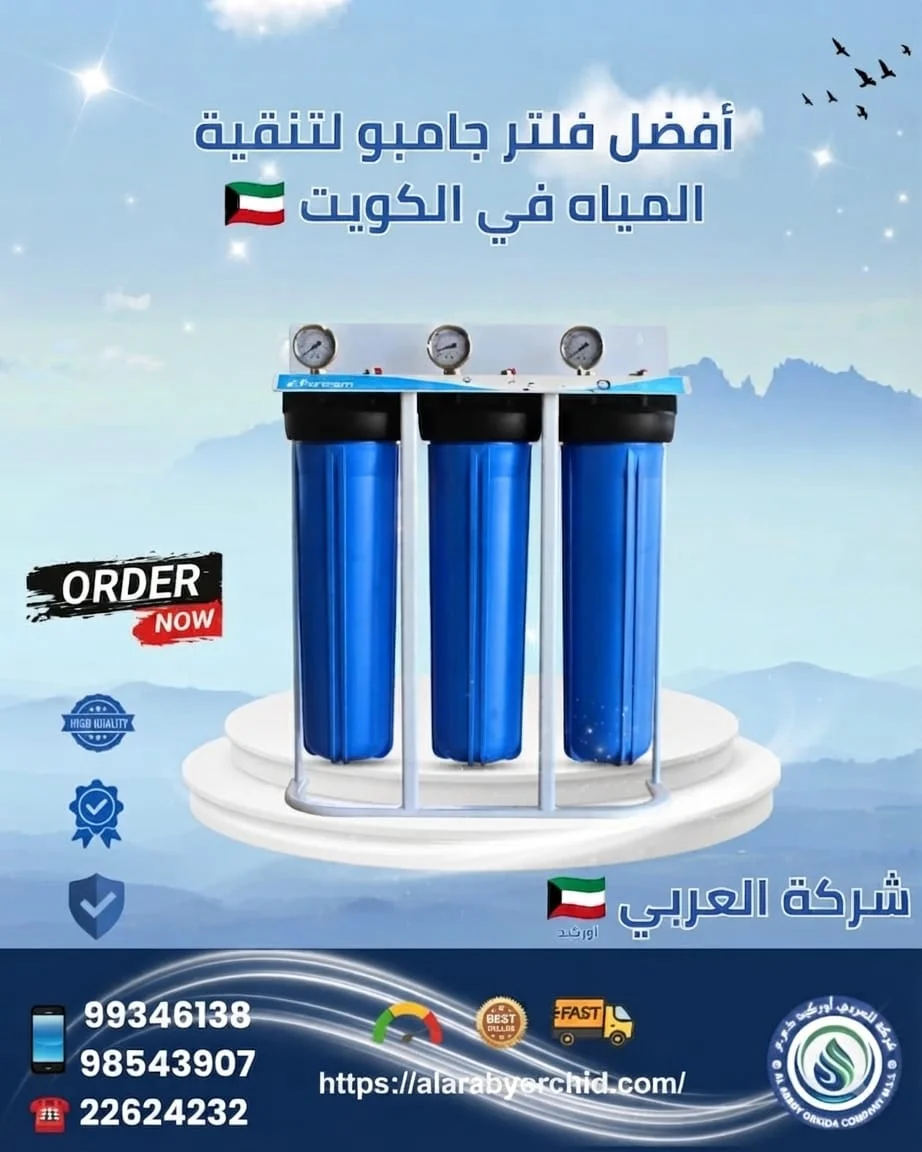
In main-line filters, pressure and flow are especially important. A noticeable and persistent reduction in water pressure can indicate that a cartridge has accumulated enough sediment to require replacement. Some sediment filters may last several months under moderate conditions, while the same type may need earlier replacement where the incoming water contains much more debris.
This is why asking “When should I change the cartridge?” without identifying its type does not produce an accurate answer. A whole-house sediment cartridge handling a large household flow has a very different service life from a small post-carbon cartridge used only for kitchen drinking water. Even inside the same filtration system, individual stages may have different replacement schedules.
-
Record the installation date and exact type of every cartridge because saying the filter was changed “a while ago” provides little help when diagnosing performance later
-
Do not wait until water flow almost stops before changing a sediment cartridge because severe clogging means the household network has already been operating with unnecessary pressure loss
-
Replace the cartridge with the correct model or specification because matching external dimensions do not guarantee proper sealing or equivalent filtration performance
-
Monitor what the cartridge is supposed to achieve and not only how it looks because some carbon media can reach the end of its useful capacity without appearing heavily clogged
-
After every replacement reopen the water gradually release trapped air and inspect the housing O-ring and connections because proper cartridge maintenance includes restoring a safe leak-free seal
When Should Filter Cartridges Be Replaced?
The question when should filter cartridges be replaced does not have one answer such as “every six months” for every system. Manufacturers specify different service lives even within their own product ranges. Some household cartridges may have relatively short recommended cycles, while other systems may be designed for six to twelve months or for a defined treated-water capacity. This variation shows that replacement timing depends on the specific product and the actual load placed on it rather than one universal calendar rule.
In practice, there are three different replacement triggers worth monitoring. The first is the manufacturer’s service interval, which may be a time limit or a rated number of gallons or liters. The second is the performance limit, when you notice lower flow, increasing pressure drop, or reduced performance in the function the filter was installed to provide. The third is an exceptional-condition trigger, such as after tank cleaning, plumbing work, unusual sediment entering the line, or another event that suddenly increases the load on the filter.
Imagine that a sediment cartridge normally lasts around six months in your house, but the water tank is cleaned and a large amount of loosened sediment reaches the filter during the following weeks. It would make no sense to say, “It still has five months left.” The cartridge does not respond to the calendar. It responds to the material passing through it.
The opposite is also true. A carbon cartridge should not automatically be used beyond its recommended service cycle merely because the water pressure still feels normal. Carbon media can lose treatment capacity without becoming heavily clogged.
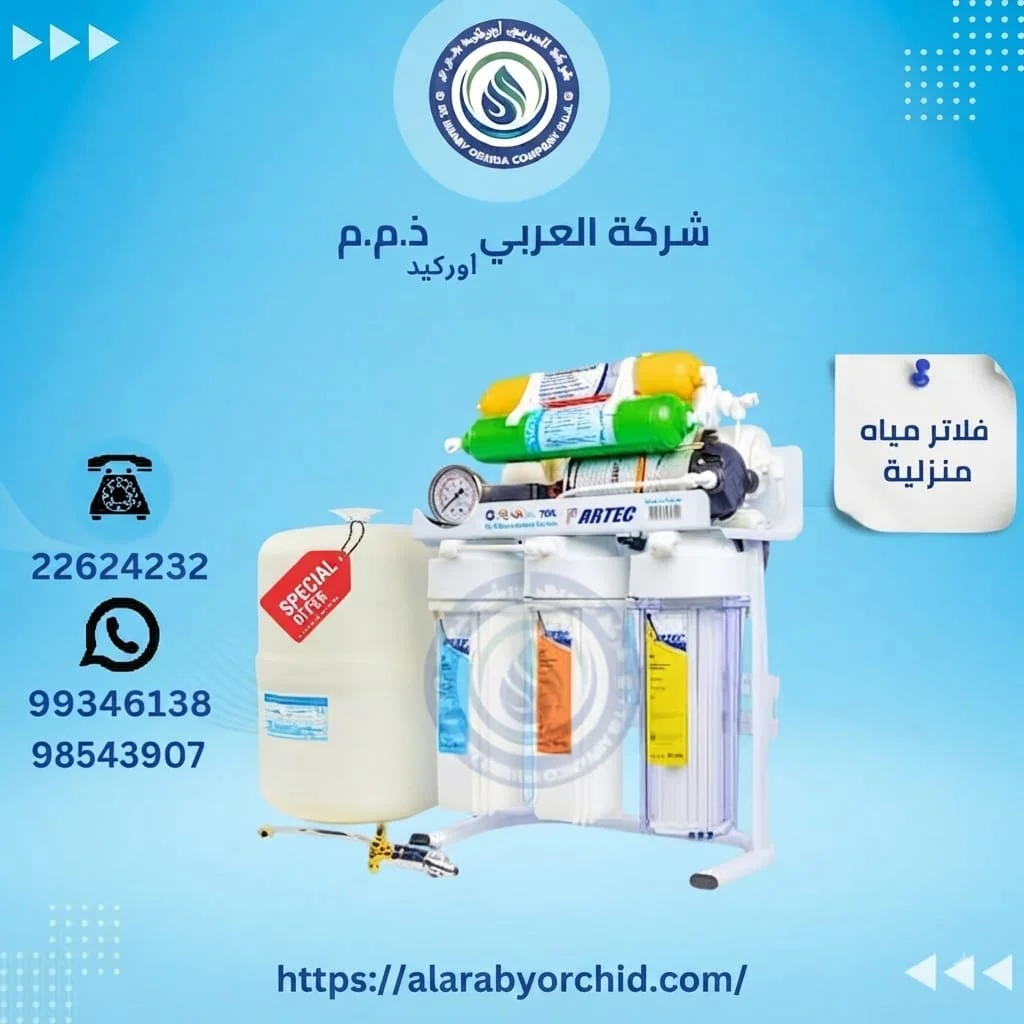
In multi-stage kitchen systems, pre-filters, the RO membrane, post-carbon stages, and any additional cartridges may all have different service intervals. They should not automatically be replaced on the same day unless the specific system instructions say so.
-
Replace the cartridge when the first relevant limit is reached whether that is the manufacturer’s interval treated-water capacity or a verified decline in performance
-
A sudden increase in sediment after tank cleaning or plumbing work can shorten cartridge life dramatically compared with normal household conditions
-
Normal water pressure does not prove that a carbon cartridge is still performing its full function because chemical adsorption capacity can decline before hydraulic blockage appears
-
A multi-stage kitchen filter should have a separate maintenance schedule for each component instead of treating every stage as if it had the same service life
-
If you do not know the exact old cartridge model check the housing size product data and required specification before buying a visually similar replacement
Water Filter Cartridge Lifespan
The lifespan of water filter cartridges is influenced mainly by four groups of factors: water volume, incoming water quality, filter media, and flow rate. Once you understand these four factors, it becomes much easier to see why a neighbor using the same cartridge may replace it sooner or later than you do.
The first factor is water consumption. A household with two people using a kitchen filter only for drinking water does not place the same load on the cartridge as a large family using filtered water for drinking and cooking throughout the day. The more water that passes through the cartridge, the faster it approaches its designed treatment capacity even if only a short time has passed.
The second factor is the amount of sediment or other load in the incoming water. A sediment cartridge receiving relatively clean water can last much longer than the same cartridge installed where sand, rust, or particles are present in larger quantities. Higher sediment loading naturally fills the available filtering surface faster.
The third factor is the filtration rating and cartridge construction. A finer cartridge, such as one designed to capture smaller particles, may clog more quickly in certain applications than a coarser one. However, micron rating alone does not determine lifespan. Surface area, pleating, depth-loading design, and internal construction can significantly change how much material a cartridge can hold.
The fourth factor is flow rate. A filter should operate within the service flow intended for its design. A main-line cartridge selected too small for a large household may create excessive pressure loss even when the media itself is technically capable of filtering the water.
This is why the published service life should be treated as a maintenance reference, not as one universal expiration date. The exact model instructions remain the first reference, followed by the actual performance signs observed in the property.
-
Household water consumption affects service life because a cartridge processing more water reaches its operating capacity sooner even if it was installed recently
-
Incoming water quality matters more than cartridge color alone because the actual sediment load determines how quickly many filtration stages become restricted
-
A finer micron rating is not automatically better for a main line if it clogs too quickly because selection should balance filtration level with available capacity and flow
-
Cartridge media surface area and internal design mean that two cartridges with the same outside size can have very different useful service lives
-
Treat the published lifespan as a reference tied to specific conditions and do not use another property’s replacement interval as the schedule for your own system
Signs a Filter Cartridge Has Reached the End of Its Life
The signs that a filter cartridge has reached the end of its life are not always the same as signs of physical blockage. A cartridge can reach the end of its useful treatment capacity while water still passes through it normally. This distinction is especially important with carbon cartridges compared with sediment filters.
One important warning sign is the return of a taste or odor that the cartridge previously reduced successfully. If the water tasted stable for months and then a noticeable odor or taste begins to return, the carbon stage may be approaching the end of its service life. However, a sudden change should not automatically be blamed on the cartridge because the incoming water source itself may also have changed. Comparing water before and after filtration can help identify the source.
Another important sign is reaching the cartridge’s rated capacity even when it still looks clean and the flow remains acceptable. Some products are designed for a maximum treated-water volume, and that capacity is part of the performance specification.
In an RO system, a decline in production can also indicate that maintenance is required, but the RO membrane should not immediately be blamed. Clogged pre-filters, inadequate inlet pressure, or another upstream problem can reduce water reaching the membrane and create similar symptoms.
-
The return of a taste or odor that the cartridge previously controlled is a stronger performance warning than simply noticing a change in the external color of the cartridge
-
Reaching the rated treatment capacity is a valid reason for replacement even when flow still feels acceptable because capacity is part of the product’s designed performance
-
A sudden change in water quality should also trigger a check of the incoming source so a good cartridge is not replaced because of an external change
-
In multi-stage systems identify which function has deteriorated before replacing every stage because the problem may be limited to one cartridge
-
Keep the label or take a photo of the new cartridge specifications so you can later check capacity and maintenance guidance instead of relying on memory
Water Filter Cartridge Replacement Schedule

The best water filter cartridge replacement schedule is a schedule designed for your own system rather than a generic chart copied from the internet. Record the stage name, installation date, recommended service interval, any rated water capacity, pressure readings where gauges are available, and notes about changes in flow, taste, or odor.
As an organizational example rather than a universal rule, the sediment pre-filter is usually watched more closely because it receives the first load from the incoming water. Carbon stages follow their own capacity and manufacturer instructions. The RO membrane has a different replacement cycle based on feed-water quality, pre-treatment effectiveness, and system performance. Post-carbon, mineral, or alkaline cartridges may each have their own independent instructions.
A useful schedule should therefore combine both time and actual use. If the system includes pressure gauges before and after a main filter, the schedule becomes even more useful because you can record differential pressure instead of relying only on dates. An increasing pressure difference under similar flow conditions shows that resistance inside the filter is increasing.
Exceptional events should also be recorded. Tank cleaning, major plumbing work, unusual sediment, or a temporary water-quality change may explain why one cartridge reaches the end of its useful life much sooner than normal.
-
A useful maintenance schedule combines date rated capacity and actual performance instead of using one line that simply says replace every six months
-
Record the exact type of each cartridge because multi-stage filters often contain components with different replacement intervals
-
Note unusual events such as tank cleaning or plumbing repairs because they can explain why a cartridge became loaded much sooner than expected
-
If the system has pressure gauges compare readings under similar flow conditions so month-to-month changes are meaningful
-
Set a reminder before the expected replacement period so the correct part is available and you are not forced to use an unsuitable substitute at the last minute
How Long Can Filter Cartridges Be Used?
The service duration of filter cartridges should not be measured only in months. It is more accurate to think of lifespan as a combination of time, water volume, and contaminant load. The same cartridge may reach its service limit because a large amount of water passed through it before the expected date, or it may reach the recommended time limit before using its full rated water capacity.
Some filter systems use a rule such as six to twelve months depending on sediment load. Others specify six months, twelve months, or a maximum treatment capacity, whichever comes first. This illustrates an important principle: the first relevant service limit reached should normally trigger maintenance.
Usage pattern matters as well. A large family may consume the cartridge capacity faster than expected even if only a few months have passed. A lightly used property may process less water, but that does not automatically mean every cartridge can safely remain installed indefinitely because some products still have a maximum recommended time in service.
Long periods of non-use can also matter. A property closed for an extended period may require flushing or another restart procedure according to the filtration system instructions rather than simply opening the tap and assuming the filter is exactly as it was months earlier.
Extending cartridge life purely to save the cost of replacement may become false economy. The price of the cartridge is usually much lower than the cost of dealing with persistent pressure loss, a leaking housing, or a filtration system no longer performing the job expected from it.
-
Use the first-limit-reached principle when the product specifies more than one replacement criterion such as time treated-water capacity or a performance warning
-
Low water consumption may reduce how quickly the rated capacity is used but does not automatically cancel the maximum service-time guidance for certain filter types
-
High daily consumption can use a cartridge’s designed capacity before the expected calendar date especially in larger households
-
Extended periods of non-use may require flushing or sanitation according to the specific system instructions rather than immediately treating the filter as ready for normal service
-
Do not extend cartridge life based only on how clean it looks because loss of chemical treatment capacity may not be visible to the eye
Maintaining Home Water Filter Cartridges
Maintaining home water filter cartridges involves more than removing an old cartridge and inserting a new one. Every time the housing is opened, there is an opportunity to inspect the O-ring, sealing groove, internal cleanliness, housing condition, mounting, and any evidence of cracking or leakage.
Before opening the housing, the water supply should be isolated and internal pressure safely released. This protects both the user and the filter components. The O-ring should then be inspected carefully. Its groove should be cleaned and the seal checked for deformation, damage, or debris. Where the manufacturer allows it, the appropriate lubricant can be used according to the system instructions.
An O-ring that becomes twisted, stretched, or trapped outside its correct groove can cause a leak even though the cartridge itself is brand new. Excessively tightening the housing does not always fix this problem and may make future service more difficult or damage components.
For drinking-water filters, the new cartridge may also require flushing before the water is used. Different media need different flushing procedures, so the exact product instructions should be followed rather than assuming the first water coming from the filter is immediately ready for drinking.
After repressurizing the system, the housing should be watched for several minutes because a very small leak may only become visible once the system reaches full operating pressure.
-
Shut off the water and safely release pressure before opening the housing because dismantling a pressurized filter can cause sudden water discharge and damage
-
Inspect the O-ring during every cartridge change because a small seal installed incorrectly can turn simple maintenance into a leak inside a kitchen or service room
-
Clean the sealing groove before reassembly so a grain of sand or other debris does not prevent the housing from sealing correctly
-
Follow the recommended flushing period for the new cartridge rather than immediately using the first water leaving the system
-
After the water is restored monitor the housing for several minutes because small leaks can appear only after the filter is completely full and pressurized
When to Replace Water Purification Cartridges
The right time to replace water purification cartridges in a multi-stage system should be linked to the function of each stage. A pre-filter acts as the first protective barrier for everything downstream, so neglecting it can expose carbon media or the RO membrane to sediment that should never have reached those components.
Replacing the first stage on time can therefore protect more expensive components and help the entire system remain stable. On the other hand, replacing the RO membrane every time a sediment filter is changed would make little sense because the membrane is a different component with a different service life.
If RO production begins to decline, do not immediately assume the membrane has failed. Check inlet pressure, pre-filter condition, and production performance compared with previous measurements. A restricted first-stage cartridge can reduce water supply to the membrane and create the impression that the membrane itself is weak.
The same principle applies to post-treatment stages. A mineral, alkaline, or post-carbon cartridge should follow its own maintenance instructions rather than being changed simply because another stage was replaced.
-
Correct timing for each stage protects the next stage and keeps the maintenance plan connected to how the complete system actually works
-
Delaying pre-filter replacement can reduce the water reaching finer treatment components and expose them to loads they were not designed to handle
-
Do not replace an RO membrane during every routine service unless system data or performance measurements show that replacement is actually necessary
-
Reduced production should lead to pressure and flow diagnosis before purchasing the most expensive component in the system
-
Record the installation date of every stage separately because saying all the cartridges were changed “last time” is not enough for a system containing different media and technologies
Signs of a Clogged Filter Cartridge
The signs of a clogged filter cartridge are usually more hydraulic than taste-related. One of the clearest is a reduction in water flow or pressure after the filter compared with previous performance while the incoming pressure remains relatively stable.
If pressure gauges are installed before and after the filter, the pressure difference can provide valuable information. A gradual increase in differential pressure under similar flow conditions usually indicates that resistance inside the filter is increasing as particles accumulate.
If the filter housing is transparent, a sediment cartridge may become visibly darker or heavily loaded. This visual change is useful, but color alone does not accurately measure the degree of blockage because different sediments stain cartridges differently. Some cartridges can become dark without yet causing severe pressure loss, while others may restrict flow significantly before appearing extremely dirty.
If pressure is already weak before the filter, do not automatically blame the cartridge. The incoming supply, valves, or other restrictions should be checked first.
In a multi-stage system, a clogged pre-filter can appear as weak production at the final drinking-water tap even though the last stage itself remains healthy. This is why the entire flow path should be considered.
-
Lower pressure after the filter while inlet pressure remains normal is a direct sign that the cartridge should be inspected for restriction
-
Increasing differential pressure under the same flow conditions is more meaningful than comparing pressure readings taken under completely different household usage
-
Sediment-cartridge discoloration is a useful visual clue but it should not replace actual flow evaluation because different sediments can color the media before severe blockage occurs
-
If pressure drops immediately after installing a new cartridge check its micron rating size and installation rather than assuming a brand-new cartridge has already clogged
-
A blocked pre-filter in a multi-stage system can appear as poor output at the end of the system even when the final treatment stage is still functioning normally
Cost of Replacing Filter Cartridges
The cost of replacing filter cartridges depends on the filter type, number of cartridges, cartridge sizes, and whether the system uses sediment media, carbon, an RO membrane, or specialized post-treatment stages. There is also a difference between buying the cartridge alone and paying for a service that includes dismantling, housing cleaning, seal inspection, installation, flushing, and leakage testing.
A large stainless-steel central filter containing many cartridges is completely different from a small 3-stage or 5-stage kitchen unit. An RO membrane also normally belongs to a different cost category from a standard sediment pre-filter. This is why one fixed price for every cartridge-change service would be misleading.
The total service cost may also depend on accessibility. A filter installed in an easy-to-reach service area requires less labor than a system squeezed into a tight cabinet where housings and tanks must be moved before cartridges can be changed.
When comparing prices, ask exactly what the quotation includes. Is it only the replacement cartridge? Does it include installation? Housing cleaning? O-ring inspection or replacement? Flushing? Leak testing? Is the replacement part the correct specification for the existing system?
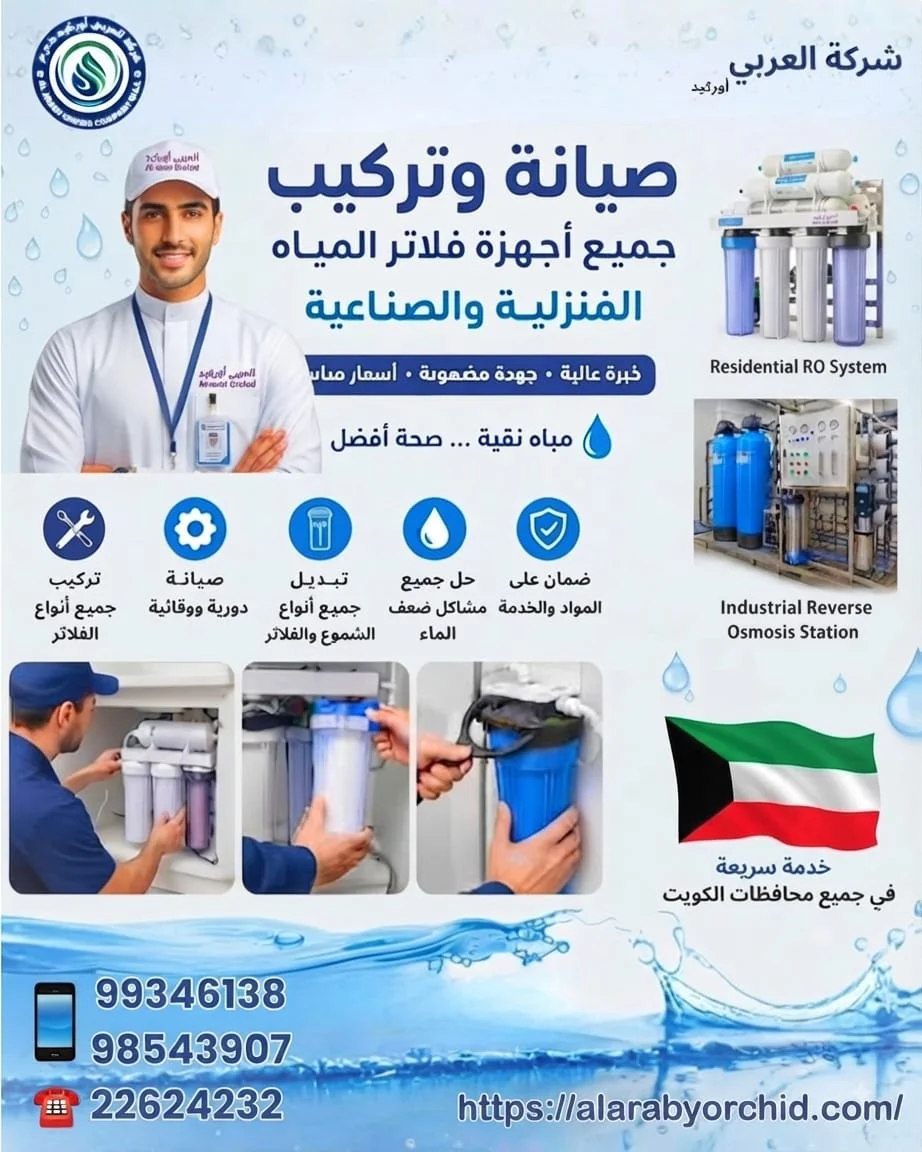
Al Arabi Orchid provides cartridge replacement, filter servicing, and maintenance for household filtration systems in Kuwait. The exact price depends on the system, number of cartridges, and required media, so the existing filter details should be provided before an accurate service cost is determined.
-
The number of cartridges and type of filter media are the first major cost factors because replacing many central-filter cartridges is very different from replacing two small kitchen cartridges
-
RO membranes and specialized treatment stages should be priced separately from ordinary sediment cartridges because their function and replacement cost are different
-
Professional maintenance includes dismantling cleaning resealing and leakage testing rather than only the price of the replacement part
-
Ask for the brand and specification of the replacement cartridge before comparing quotations because a lower price may refer to a different product from the one your system requires
-
You can contact Al Arabi Orchid on 99346138 and provide the filter type cartridge number and size to receive a more realistic cost for your specific system
Conclusion
Replacing water filter cartridges should not be decided from the calendar alone or from cartridge color alone. The correct decision combines the manufacturer’s instructions, rated capacity, household water consumption, incoming water quality, and performance signs such as lower flow, changing taste, or increasing pressure difference.
Some cartridges have relatively short service cycles, while others remain in operation for longer periods. Some systems use treated-water capacity as an important replacement limit rather than time alone. This is why the best approach is to keep a maintenance schedule for the exact system and record the date of every individual stage rather than applying one universal rule to every cartridge.
Al Arabi Orchid provides maintenance and cartridge replacement for household, kitchen, jumbo, and stainless-steel filtration systems in Kuwait. You can contact 99346138 for service according to the filter already installed. The idea is simple: replace the cartridge before the filter changes from a device protecting your water system into a bottleneck restricting flow or a treatment stage that has already reached the end of its useful function while you still assume it is working normally.
Frequently Asked Questions
How often should water filter cartridges be replaced?
There is no single interval for every cartridge. Some products are replaced after a few months, while others may have service cycles of six to twelve months, a defined treated-water capacity, or an earlier replacement point if flow decreases. The correct reference is the specific cartridge and system instructions.
Does a change in cartridge color mean it must be replaced?
Not always. Color gives an indication of sediment accumulation, but it does not measure blockage or treatment capacity by itself. Flow, pressure, service life, and manufacturer guidance should also be considered.
Is weak water pressure a sign that the filter is clogged?
Yes, it can be a strong sign, especially when inlet pressure remains normal but pressure after the filter has gradually decreased. In that situation, the cartridge should be inspected for restriction.
Do all filter cartridges need to be replaced at the same time?
No. Multi-stage systems often contain different media with different service cycles, especially sediment, carbon, RO membranes, and post-treatment cartridges.
Can I install any cartridge if it has the same size?
It is not recommended. A cartridge that appears to have the same dimensions may use different sealing surfaces, media, or construction and may not perform correctly in the existing housing.
Does heavy sediment shorten cartridge life?
Yes. The more sand, rust, or suspended particles reaching the cartridge, the faster many sediment filters become loaded and require replacement.
Should I replace a carbon cartridge if water pressure is still good?
Yes, if it has reached its rated service cycle or capacity. Carbon media can lose treatment effectiveness without causing a noticeable pressure drop.
What should I do after installing a new filter cartridge?
Restore the water gradually, follow the product’s recommended flushing procedure, release trapped air, and inspect the housing and O-ring carefully for leakage.
How do I know when the RO membrane needs replacement?
Do not judge only by age. Monitor water production and the performance indicators recommended for the system, and check inlet pressure and pre-filter condition first because reduced RO production does not always mean the membrane itself has failed.
How much does filter cartridge replacement cost in Kuwait?
The cost depends on the filter type, number and size of cartridges, filter media, and whether the service includes installation, cleaning, flushing, and inspection. Al Arabi Orchid provides cartridge replacement and maintenance services, and you can contact 99346138 for pricing based on the exact filtration system installed.
