
If you are used to a certain taste from your home water filter and the water suddenly becomes bitter, metallic, chlorinated, or simply tastes unusual after replacing the cartridges, do not immediately assume the entire filtration system has failed. The change may come from an exhausted carbon cartridge, a new filter that was not flushed correctly, declining RO membrane performance, an old post-carbon stage, stagnant water inside the storage tank, or tubing after the filter that needs inspection. Another important point is that taste alone is not a reliable test of water safety. Water can contain a problem without changing taste or odor, and the opposite can also happen. Proper diagnosis therefore begins by comparing water before and after filtration, identifying when the change started, and reviewing the most recent maintenance performed on the system.
Filtered Water Taste Has Changed

Filtered water taste has changed means different things depending on when the change appeared. If the water tasted normal for several months and suddenly changed without anyone touching the system, the inspection should begin with cartridge age, incoming water quality, carbon condition, and the RO membrane if the system contains one. If the taste changed immediately after installing new cartridges or a new filter, the diagnostic path should first focus on the order of the filtration stages, the type of cartridges installed, and the initial flushing process before assuming a major component has failed.
Activated carbon plays a very important role in water taste and odor. Carbon filtration is commonly used to reduce aesthetic issues such as chlorine taste and odor, so if the carbon cartridge has exhausted its useful capacity or an unsuitable replacement cartridge has been installed, the homeowner may notice a taste change before any other obvious symptom appears.
There is also a completely different situation that can happen after installing a new carbon cartridge. Some carbon cartridges release fine carbon particles during initial use, which is why manufacturers may require flushing before the water is used for drinking. The exact flushing procedure depends on the product, so the correct reference is always the instructions supplied with the specific cartridge or filtration unit rather than applying one universal flushing time to every filter.
It is also important to distinguish between “different taste” and “persistent abnormal taste.” Water treated by reverse osmosis can feel or taste different from untreated water because the system removes part of the dissolved mineral content depending on its design. That difference alone does not automatically mean there is a fault. However, if a metallic, chlorine-like, musty, or stale taste appears suddenly after a long period of stable performance, the system should be inspected.
Certain substances and water characteristics such as iron, copper, salts, or changes in dissolved solids can affect taste and odor, but aesthetic changes alone are not enough to determine whether water is safe.
-
If the taste changes immediately after cartridge replacement check flushing and stage order before blaming the RO membrane
-
If the taste changes after months of use start with carbon-cartridge age water consumption and incoming water quality
-
If water before the filter tastes normal but water after the filter tastes unusual focus on the filter storage tank and outlet line
-
If both filtered and unfiltered water change at the same time include the home tank water source and plumbing network in the diagnosis
-
Do not use taste alone to decide whether water is safe because water quality may require proper testing when there is a real concern
Causes of Filtered Water Taste Changes
The causes of filtered water taste changes can be divided into six main groups so you do not replace every cartridge by guesswork.
The first cause is exhausted activated carbon. Carbon cartridges have a limited service capacity that depends on filter type, incoming water quality, and household consumption. A change in taste or odor can be one of the signs that the cartridge needs replacement earlier than the theoretical schedule if water conditions or usage have exhausted it faster. This is why a rule such as “replace it every year” should not be treated as a fixed standard for every home.
The second cause is a new cartridge that was not flushed according to the manufacturer’s instructions. Carbon stages in particular may release fine carbon particles during first use. The correct response is not necessarily to throw away the new cartridge but to perform the flushing procedure required for that product.
The third cause is the post-carbon stage in reverse-osmosis systems. Many RO systems send stored water through a final carbon polishing cartridge before it reaches the drinking-water faucet. If this final stage has reached the end of its useful life, the homeowner may think the RO membrane is failing when the problem is actually the last cartridge in the system.
The fourth cause is stagnant water inside the RO tank or outlet tubing. If the house has been unoccupied or the filtration system has not been used for a long time, the first quantity of water may taste different. The correct response should follow the manufacturer’s instructions for draining, flushing, and servicing the system rather than applying one general rule to every device.
The fifth cause is declining RO membrane performance or changing feed-water conditions. If the membrane is fouled, feed pressure is unsuitable, or prefilters have been neglected, the final water composition can change. Sediment prefilters and carbon prefilters are often used to protect the RO membrane from particles and chlorine depending on system design.
The sixth cause is the faucet or tubing after the filter. If every filtration stage has been replaced correctly and the unusual taste remains only at one filtered-water faucet, the outlet faucet, tubing, fittings, and possible water stagnation after the filtration stages should be inspected.
-
Exhausted carbon may first show itself through returning chlorine taste or odor before water flow becomes noticeably weaker
-
A new cartridge that tastes unusual immediately after installation is different from an old cartridge whose taste gradually changes over time
-
In RO systems do not blame the membrane before checking the post-carbon stage because it is the final stage before the faucet in many designs
-
Changes in incoming water quality can shorten cartridge life even when the expected replacement date has not yet arrived
-
If the problem remains only at the filtered-water faucet after complete service inspect the tank tubing and faucet itself
Strange Taste in Filtered Water

When you notice a strange taste in filtered water, try to describe the taste instead of simply saying “it tastes strange” because the description gives the technician a much better diagnostic direction.
A clear chlorine taste after filtration usually directs attention toward the carbon stages first because activated carbon is commonly used to reduce chlorine taste and odor. Systems certified for this purpose may specifically claim chlorine taste and odor reduction.
A metallic taste opens several possibilities. Iron, copper, corrosion, and certain water-chemistry conditions can create a metallic taste. If the same metallic taste appears in both filtered and unfiltered water, the problem should not automatically be blamed on the filter cartridge. If it appears only after filtration following the installation of new fittings or tubing, the materials and outlet plumbing should also be reviewed.
A salty taste or noticeable change in mineral taste may be related to incoming water or to RO performance when reverse osmosis is used. Chloride, total dissolved solids, sulfates, and other dissolved substances can influence taste at certain levels.
An earthy taste or stale odor directs inspection toward the storage tank, outlet tubing, periods when the filter has not been used, housing cleanliness, and maintenance procedures. Replacing the post-carbon cartridge alone may not solve the problem if the real source is downstream.
If the unusual taste appears immediately after replacing the cartridges, stage order should also be checked. Installing a carbon block where another stage belongs, reversing an inline filter, or leaving old contaminated tubing in place can affect the final taste even when the new cartridges themselves are good.
One more important point is that taste and smell should not be used as the only test of drinking-water safety. A relatively harmless substance can sometimes create a strong taste or odor, while some important contaminants may have no noticeable taste or smell. If the change is strong, persistent, accompanied by discoloration, or raises a real water-quality concern, testing is more useful than guessing.
-
Chlorine taste after filtration directs inspection toward carbon stages before the RO membrane
-
Metallic taste throughout the entire house requires comparison of filtered and unfiltered water before buying new cartridges
-
A different taste alone does not define health quality so do not use your sense of taste as a water-safety test
-
A problem appearing immediately after maintenance raises the likelihood of installation order flushing or connection issues
-
Tell the technician how the water tastes when the problem started and which component was last replaced because those details can greatly shorten diagnosis
Water Smell and Taste After Filtration
Having both water smell and taste after filtration provides more information than a taste change alone, but it still does not identify the exact cause with complete certainty.
If the smell resembles chlorine, the carbon stages become a leading suspect because activated carbon is commonly used to reduce chlorine taste and odor in systems designed for that purpose. Many RO systems also use a final granular activated carbon stage to polish the water before drinking.
If the smell appears after a long period of non-use, stagnant water inside the tank and tubing should be inspected and the system should be cleaned according to the manufacturer’s instructions. Random disinfectants or chlorine concentrations should not be added because different membranes and filtration materials can react differently and some components can be damaged by inappropriate chemicals.
If the odor is also present in water before the filter, the filtration system may simply be receiving a new issue from the incoming water source or the home storage tank. A water filter is not designed to remove every possible substance in water. Every filter type has specific reduction claims, and a system with “seven stages” should not automatically be assumed to remove everything.
If the smell appears only at the filtered-water faucet while the rest of the home water smells normal, inspect:
The post-carbon stage
RO storage tank
Outlet tubing
Drinking-water faucet
Filter housings
And the last time the system was sanitized or cleaned according to its specific maintenance instructions
Water standards also distinguish between health-related contaminants and aesthetic issues such as taste and odor. This matters because smell alone cannot identify every potential water-quality concern.
-
Returning chlorine odor after a long period of use suggests evaluating carbon capacity before replacing the entire filtration system
-
An odor that appears only after several hours without use directs inspection toward stagnant water in the tank and outlet line
-
If the odor exists before and after filtration do not place all responsibility on the filtration system before checking the water source
-
Do not add disinfecting chemicals to an RO system on your own because cleaning procedures differ by design and membrane type
-
If a strong new odor remains after correct maintenance water testing is more reliable than continuing to replace cartridges randomly
Water Filter Changes the Taste of Water
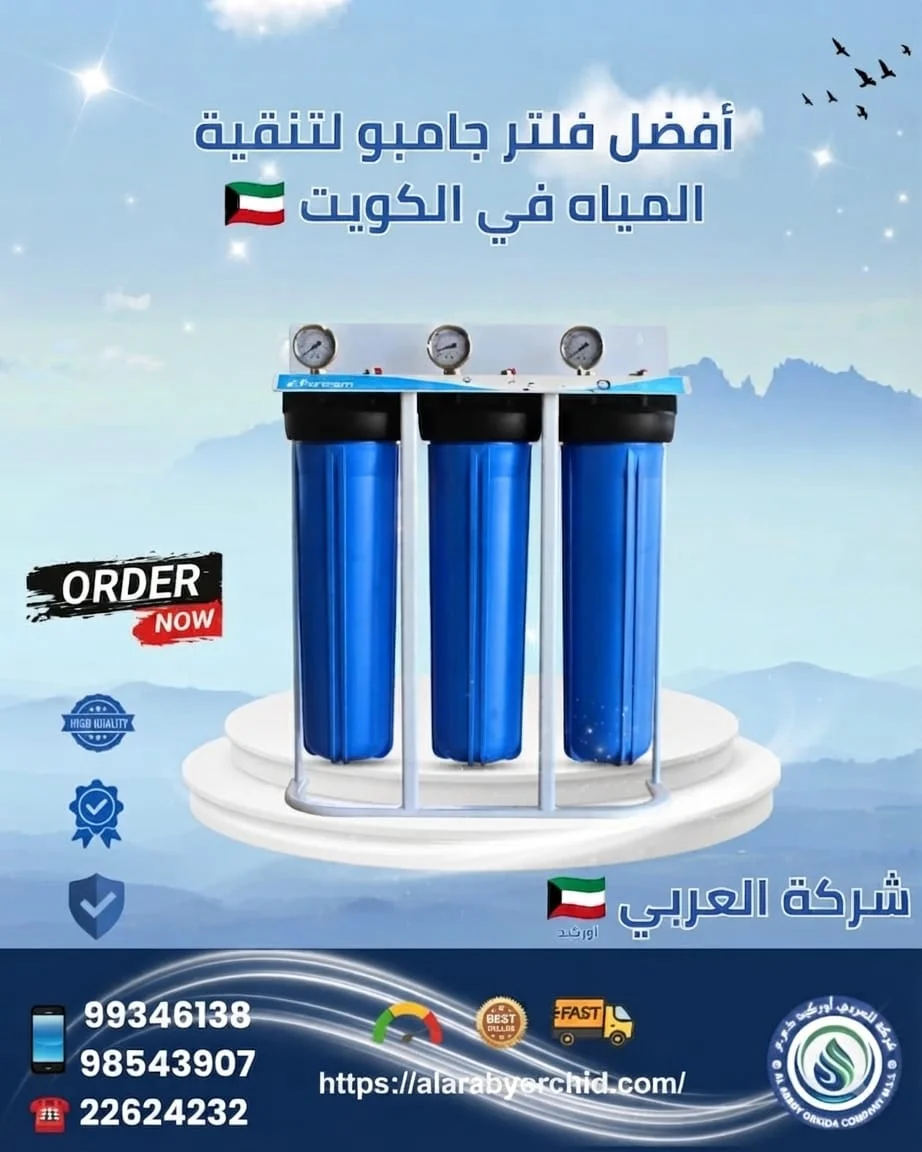
Sometimes a customer says the water filter changes the taste of water as if any difference automatically means the filter is poor. In reality, one purpose of many filtration technologies is specifically to change the taste for the better by reducing chlorine or certain dissolved substances.
Activated-carbon household filters are commonly used to improve taste and odor, especially when the product is designed for chlorine taste and odor reduction. If an effective carbon filter is installed, it is normal for the filtered water to taste different from untreated tap water.
Reverse osmosis changes water composition more noticeably because it reduces part of the dissolved mineral content by passing water through a semipermeable membrane. RO systems commonly combine sediment filtration, carbon filtration, the RO membrane, and a final carbon polishing stage.
Because of this, someone accustomed to water with a higher mineral content may describe RO water as “lighter” or simply different even when the system is working correctly. What matters diagnostically is whether that taste has been consistent since installation or changed suddenly after months of use. A stable difference from day one may simply reflect the filtration method. A sudden change deserves inspection.
Al Arabi Orchid currently advertises kitchen filters with 3 and 5 stages starting from KWD 50, along with 6-stage and 7-stage filters, alkaline filters, and replacement of cotton, carbon, and charcoal cartridges. However, the number of stages alone does not tell us which technology is inside the system, so the technician needs the exact model and function of each stage.
-
A better taste after carbon filtration is normal because the stage may be specifically designed to improve taste and odor
-
RO water tasting different from tap water is not automatically a fault because reverse osmosis changes the dissolved-water composition
-
A sudden taste change after months of stable use is more diagnostically important than a difference that existed from the first day
-
Stage count alone does not reveal whether the system includes RO post-carbon or remineralization so know the actual configuration of your filter
-
To judge whether the taste is normal compare the current water with how the same system tasted when it was first installed rather than with another filter in another home
Filter Cartridges and Water Taste
The relationship between filter cartridges and water taste depends on the function of each cartridge. Not every stage has the same influence on taste.
A sediment or cotton cartridge primarily captures suspended particles according to its micron rating. If it becomes blocked, it may reduce flow and affect the operating conditions of later stages, but it is not normally the main stage responsible for chlorine taste.
A carbon block or granular activated carbon cartridge has a more direct relationship with taste and odor. Activated carbon is widely used to improve these aesthetic characteristics, particularly in systems designed to reduce chlorine taste and odor.
In RO systems, there may be a carbon prefilter before the membrane and a post-carbon cartridge after the storage tank. The first helps protect the system and reduce chlorine according to membrane requirements, while the second provides final polishing before the water reaches the faucet.
Cartridge life should not be judged only by the number of months since installation. Water quality, household consumption, and cartridge type all affect service life. Changes in taste, odor, or flow can be useful signs that a cartridge needs replacement earlier than the theoretical schedule.
At the same time, replacing cartridges too early without evidence is not automatically better. If a technician replaces six or seven cartridges every visit without evaluating their condition or function, you may be paying for stages that have not actually reached the end of their useful life. A better approach is keeping a maintenance record that includes:
Installation date of each stage
Cartridge type
Specifications
Approximate household usage
The symptom that triggered maintenance
Al Arabi Orchid currently includes replacement of cotton, carbon, and charcoal cartridges among its water-filter services in Kuwait.
-
Sediment cartridges mainly deal with particles so returning chlorine taste directs attention toward carbon before cotton filtration
-
The post-carbon stage directly affects final taste in many RO systems because it is the last cartridge before the drinking faucet
-
Cartridge life changes with water quality and consumption so installation date alone should not determine replacement
-
Keep the name and model of every cartridge so future maintenance does not turn into installing random stages that differ from the original design
-
After installing new carbon cartridges perform the required flushing procedure before deciding that the new cartridge produces poor-tasting water
RO Membrane and Changes in Water Taste

RO membrane and changes in water taste are often misunderstood because any strange taste in an RO system is frequently blamed directly on the membrane.
The reverse-osmosis membrane is the main separation stage and reduces a range of dissolved substances according to its design and operating conditions. However, RO systems normally include pre-treatment stages before the membrane and often a carbon polishing stage and storage tank after it. Final taste is therefore the result of the entire system, not the membrane alone.
If membrane performance declines, the level of dissolved substances in the final water may change. However, this should not be confirmed by taste alone. The system should be evaluated using the performance methods recommended for the model. Measurements such as TDS can be useful as one part of technical assessment by comparing feed water with produced water, but TDS alone does not determine microbiological safety or every aspect of water quality.
Before replacing an RO membrane, ask:
Are the prefilters exhausted
Is feed pressure appropriate
Has production flow changed
Has reject-water behavior changed unusually
Is the post-carbon cartridge old
Has the system received correct maintenance
Sediment loading, feed pressure, and water quality can all affect RO performance. Pretreatment stages are commonly used to reduce sediment and chlorine that may otherwise affect membrane performance depending on the membrane design.
You also should not assume one universal membrane lifespan. Replacement intervals depend on the exact system, feed-water conditions, household consumption, maintenance, and manufacturer specifications.
-
Do not replace the RO membrane only because water tastes different before checking the post-carbon stage prefilters and storage tank
-
Comparing feed water and RO water with suitable measurements is stronger than relying on taste alone when assessing membrane performance
-
Feed pressure sediment and prefilter condition can change membrane performance even when the membrane is not very old
-
Membrane replacement schedules depend on system design and water conditions so there is no single accurate interval for every RO system
-
If production becomes slower while taste changes at the same time evaluation of the membrane and water path becomes more relevant than taste alone
Inspecting the Filter When Water Taste Changes
Inspecting the filter when water taste changes should proceed from the simplest external checks toward the more expensive internal components.
First test: Compare one glass of water from the source before filtration with one glass from the filtered-water faucet. If both have the same new taste, begin with the source water or home storage tank.
Second test: Identify the date of the most recent maintenance and exactly what was replaced. If the problem started thirty minutes after the cartridges were changed, that information is more useful than the age of the RO membrane.
Third test: Confirm the correct order of the filtration stages, direction of inline filters, and tubing connections. A small installation error can prevent an entire stage from working correctly.
Fourth test: Review the required flushing procedure for the installed products. New carbon filters may need flushing to remove loose carbon particles, but the required amount of water or number of flushing cycles differs from one product to another.
Fifth test: Inspect carbon and post-carbon stages if the problem involves taste, chlorine, or odor.
Sixth test: If the system uses RO, check production, the storage tank, and membrane performance according to system specifications.
Seventh test: Inspect the tank, faucet, and outlet tubing if water leaves the filtration stages in good condition but develops a taste after storage.
Eighth test: If the taste or odor remains unexplained, do not turn the process into an experiment where new cartridges are purchased every week. Water testing may be more useful because filtration technologies differ greatly in what they can remove.
In Kuwait, Al Arabi Orchid currently advertises installation and maintenance of 3-stage, 5-stage, 6-stage, and 7-stage filters and other systems, together with cotton, carbon, and charcoal cartridge replacement across all six governorates. You can contact 99346138 and provide the filter type, date of the last cartridge replacement, and a description of the taste before approving a complete cartridge replacement.
-
Comparing water before and after the system tells you whether to investigate inside the filter or upstream at the water source
-
The timing of the taste change in relation to the last maintenance visit can be one of the strongest diagnostic clues
-
Checking cartridge order and flow direction should happen before purchasing a new membrane or storage tank
-
Initial flushing should follow the exact product instructions because flushing time and volume differ between filters
-
If the diagnosis still cannot explain the taste change water-quality testing is more useful than replacing components by guesswork
Solving Filtered Water Taste Problems

Solving filtered water taste problems depends on the proven cause.
If the problem is an exhausted carbon cartridge, replace it with the correct stage specified for the system and perform the required flushing procedure.
If the problem is new carbon that was not flushed enough, carry out the manufacturer’s flushing procedure instead of immediately assuming the cartridge is defective. Loose carbon can appear during first use with some products, and proper flushing is part of preparing them for use.
If the problem is an old post-carbon cartridge, evaluate and replace it according to the model because this stage is commonly used in RO systems for final taste and odor polishing.
If the problem is the RO membrane, replace it only after evaluating membrane performance, prefilters, pressure, and operating conditions.
If the problem comes from the storage tank or tubing after the filter, clean and service the system according to the manufacturer’s instructions and replace unsuitable components only when inspection supports that decision.
If the change originates from the incoming source water, identify what has changed and confirm whether the filter is actually designed and certified to reduce that particular substance. Different certification standards apply to different reduction claims, and no filtration system should be assumed to remove every possible contaminant.
Do not buy a filter with “more stages” simply because the water taste changed. Seven stages are not automatically better than five if the additional stages do not address the actual problem. Function and specification matter more than the number printed on the box.
Al Arabi Orchid currently advertises 3-stage and 5-stage kitchen filters starting from KWD 50, along with 6-stage, 7-stage, alkaline systems, cartridge replacement, and filter maintenance. The final maintenance or cartridge-replacement price is not published as one fixed amount for every case, so it depends on the system and the parts required.
-
Treat the stage responsible for the problem rather than replacing every cartridge without evidence
-
Do not increase the number of filtration stages automatically because the correct function matters more than the quantity
-
Use components compatible with the system design and follow installation and flushing instructions
-
If the incoming water itself has changed confirm that the filtration technology is designed for that issue instead of expecting it to remove everything
-
For diagnosis before complete replacement contact Al Arabi Orchid on 99346138 and provide the filter type symptom and most recent maintenance details
Water Quality After Filter Maintenance
Water quality after filter maintenance should not be judged only by saying the water “tastes better.” Successful maintenance has several indicators.
The first indicator is that flow returns to a normal level without leakage.
The second is that the taste and odor targeted by stages such as activated carbon improve after the correct flushing procedure has been completed.
The third is that an RO system, when installed, returns to performance consistent with its model in terms of production and technical measurements.
The fourth is that filter housings and connections are correctly assembled without cross-connections or leaks.
The fifth is that the technician records which stages were replaced and when the next review should take place according to household use and water conditions.
From a safety perspective, it is not correct to say “the water is now 100% safe because it tastes excellent.” Taste, smell, and appearance are not enough to determine drinking-water safety. Filter selection should depend on the specific substance or microorganism that needs to be reduced and on the verified performance claims of the filtration system.
There is also an important difference between systems certified mainly for taste and odor improvement and systems designed to reduce contaminants with potential health effects. A cartridge that performs very well for chlorine taste does not automatically perform the same function as an RO membrane or another specialized treatment stage.
After any maintenance, if the water develops a strong chemical taste, persistent unusual odor, or obvious discoloration that does not disappear after the required flushing procedure, do not continue drinking it simply because you assume the change is normal. Ask the technician to identify the source and test the water when necessary instead of relying only on taste.
Al Arabi Orchid currently provides water-filter maintenance services across Capital, Hawalli, Farwaniya, Jahra, Ahmadi, and Mubarak Al-Kabeer. You can contact 99346138 and request inspection of the actual system instead of replacing stages randomly.
-
Successful maintenance is evaluated through taste flow leak-free operation and system performance rather than one indicator alone
-
Pleasant-tasting water is not a certificate of safety because some contaminants do not create noticeable taste or odor
-
Keep the date and model information for every new cartridge so future maintenance is based on the actual system
-
If the taste change remains after flushing and stage inspection do not keep experimenting with new components without identifying the cause
-
Water-quality testing provides a more accurate decision when the problem remains unexplained and a genuine safety concern exists
Conclusion
If you ask why filtered water tastes different and what should be checked, the answer begins with the timing of the change and the type of filtration system rather than replacing every cartridge at once.
If the taste changes immediately after maintenance, check cartridge order, inline-filter direction, and the flushing procedure first because some new carbon filters need to be flushed before use to remove loose carbon particles.
If the change appears after a long period of use, carbon cartridges and the post-carbon stage become some of the first components to inspect because they play a direct role in reducing many taste and odor issues.
If you have an RO system, do not replace the membrane based only on taste. Inspect the prefilters, post-carbon cartridge, pressure, production rate, storage tank, and then evaluate the membrane itself.
If the unusual taste exists before and after filtration, the source may be the incoming water, the home storage tank, or the plumbing network. In that situation, you need to identify what changed and whether the existing filter is actually designed to address it.
Substances such as iron, copper, chloride, dissolved solids, and other water characteristics can influence taste and odor, while taste and smell alone cannot determine whether water is safe. This is important because the goal is neither to panic over every taste difference nor to ignore a persistent unexplained change.
Al Arabi Orchid currently advertises installation and maintenance of 3-stage, 5-stage, 6-stage, and 7-stage kitchen filters and other systems, together with replacement of cotton, carbon, and charcoal stages throughout Kuwait. If your filtered water taste changes, contact 99346138 and provide:
The filter type
Number of stages
Whether the system includes RO
When the taste changed
Which cartridges were most recently replaced
Whether the same taste is present in water before filtration
With this information, the technician can begin with the stage most likely to be responsible instead of replacing the whole system or changing healthy cartridges unnecessarily.
Frequently Asked Questions
Why did the water taste change after replacing the filter cartridges?
New cartridges, especially carbon stages, may require flushing according to the manufacturer’s instructions, or the stages may have been installed in the wrong order. If the taste remains after correct flushing, the cartridge type and the rest of the system should be inspected.
Is the carbon cartridge responsible for water taste?
Yes. Activated carbon is one of the main filtration technologies used to improve taste and odor and reduce chlorine taste and smell in products designed for that purpose.
Does a strange taste mean filtered water is unsafe to drink?
You cannot determine that from taste alone. Some water-quality problems do not change taste or smell, while relatively harmless substances can create a noticeable taste. If the change is persistent or unexplained, inspect the system and test the water when necessary.
Is the RO membrane always the cause when water taste changes?
No. Other stages before and after the membrane can directly affect taste, including the carbon prefilter, post-carbon cartridge, and storage tank. Membrane performance should be evaluated only after those components and operating conditions have been checked.
What does the post-carbon filter do in an RO system?
It is a final carbon stage used in many RO systems to polish the water and improve taste and odor before it reaches the drinking faucet.
Should a new filter cartridge be flushed before drinking the water?
Follow the manufacturer’s instructions. Some carbon filters require a specific flushing procedure to remove loose carbon particles, but the amount of water or number of cycles differs from one product to another.
Why does chlorine taste return after using the filter for some time?
The carbon stage may be approaching the end of its useful capacity, or incoming water quality and consumption may have changed. A return of chlorine taste or odor can be one sign that carbon performance needs to be reviewed.
Will adding more filtration stages solve a taste problem?
Not necessarily. The important issue is the function of each stage and whether it addresses the actual problem. A five-stage system with the correct carbon or RO treatment may be more suitable than a seven-stage system with unnecessary stages.
How should I inspect the filter when the water taste changes?
Compare water before and after filtration, review the most recent maintenance, check cartridge order, flushing, carbon stages, post-carbon, and the storage tank. If the system uses RO, then evaluate membrane performance, pressure, and production.
How do I request filtered-water taste inspection from Al Arabi Orchid?
Contact 99346138 and provide the number of filtration stages, whether the system includes RO, when the problem started, which cartridges were last replaced, and whether the same taste exists in the home water before filtration. Ask for inspection of the cartridges, carbon stages, post-carbon filter, RO membrane, storage tank, and outlet water line before approving a complete replacement.
