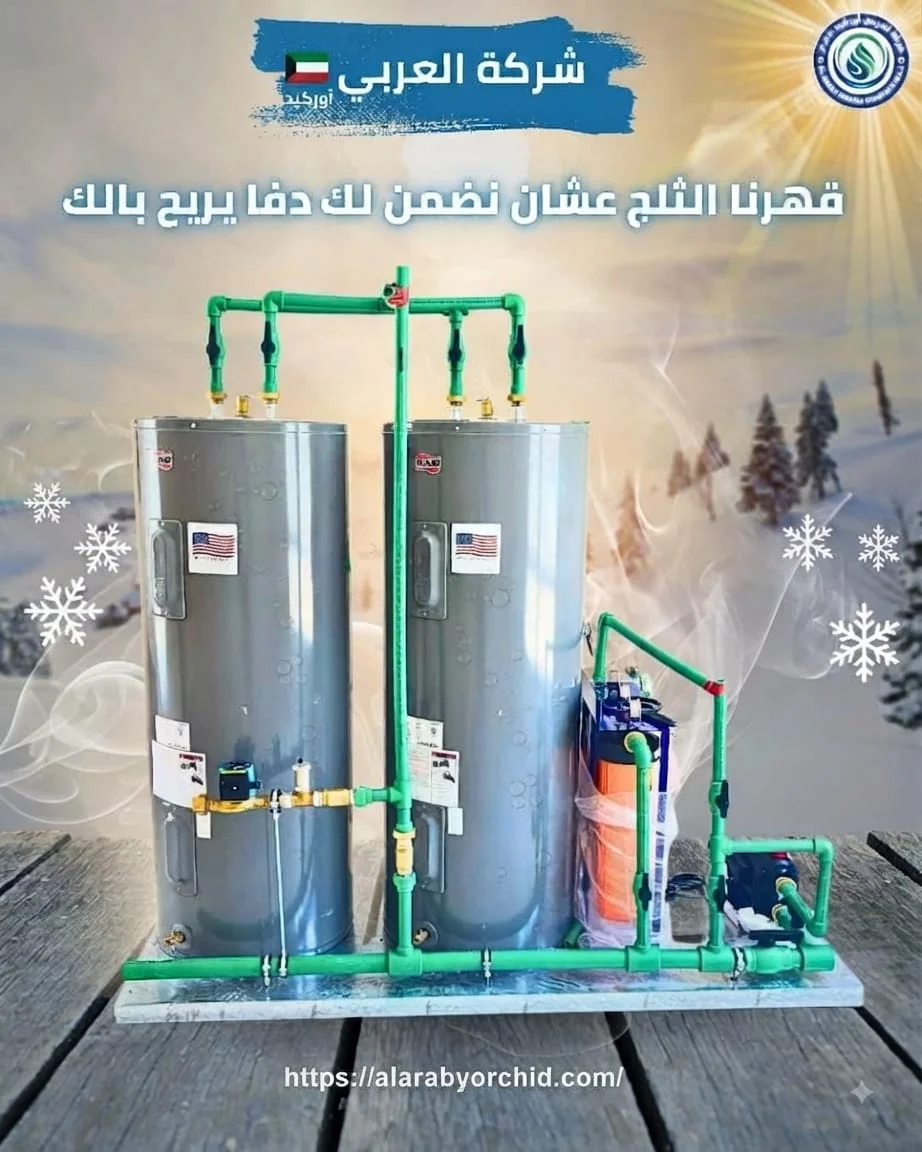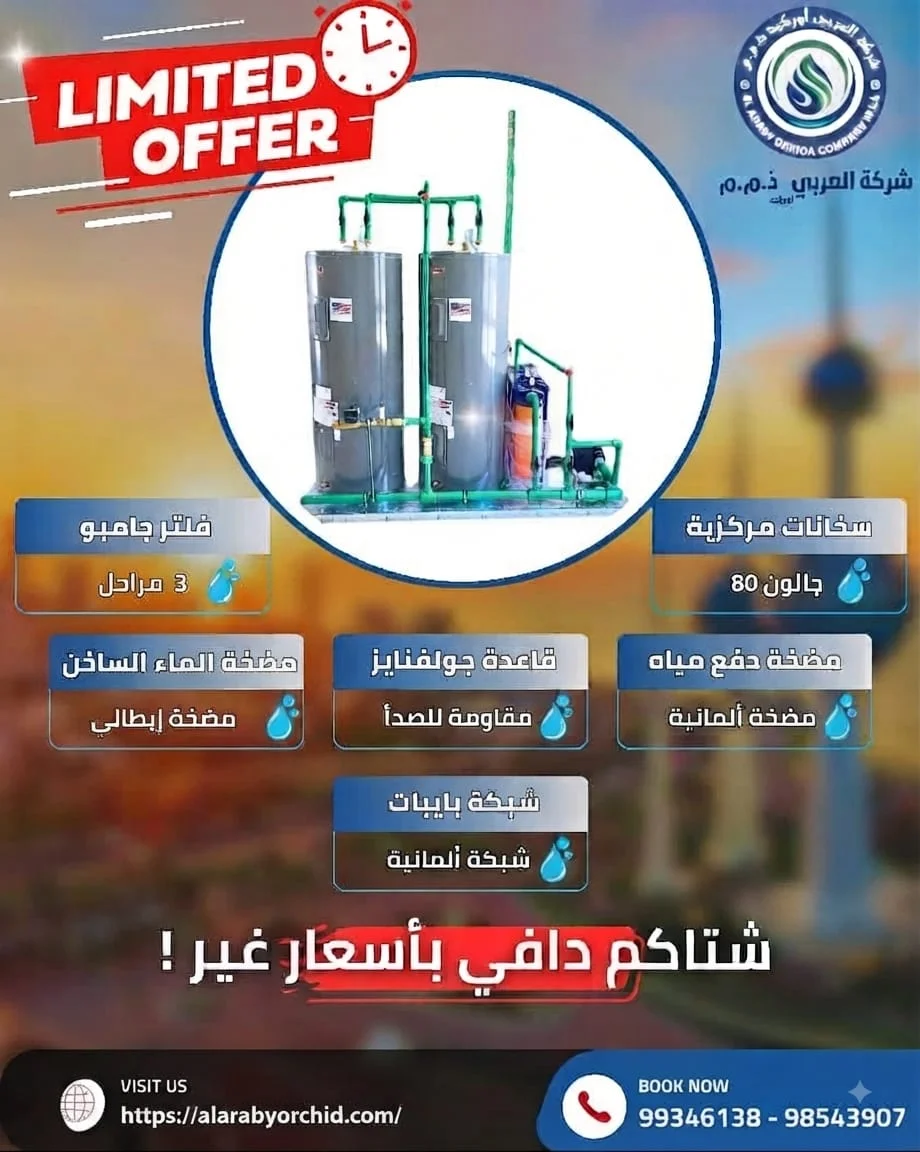
The central water heater lifespan is not a fixed number printed on the tank that tells you exactly when the heater must be replaced. Some storage water heaters can provide reliable service for many years, while others begin developing problems earlier because of water conditions, installation quality, usage patterns, or poor maintenance. Manufacturers themselves do not give one guaranteed lifespan for every unit. Traditional tank water heaters are often expected to operate for roughly 8 to 12 years, while some well-installed and properly maintained systems can continue operating beyond 10 years. Al Arabi Orchid 99346138 treats age as only one part of the decision because an 11-year-old heater in excellent condition is completely different from a seven-year-old tank that leaks and needs repairs every few months.
Central Water Heater Lifespan
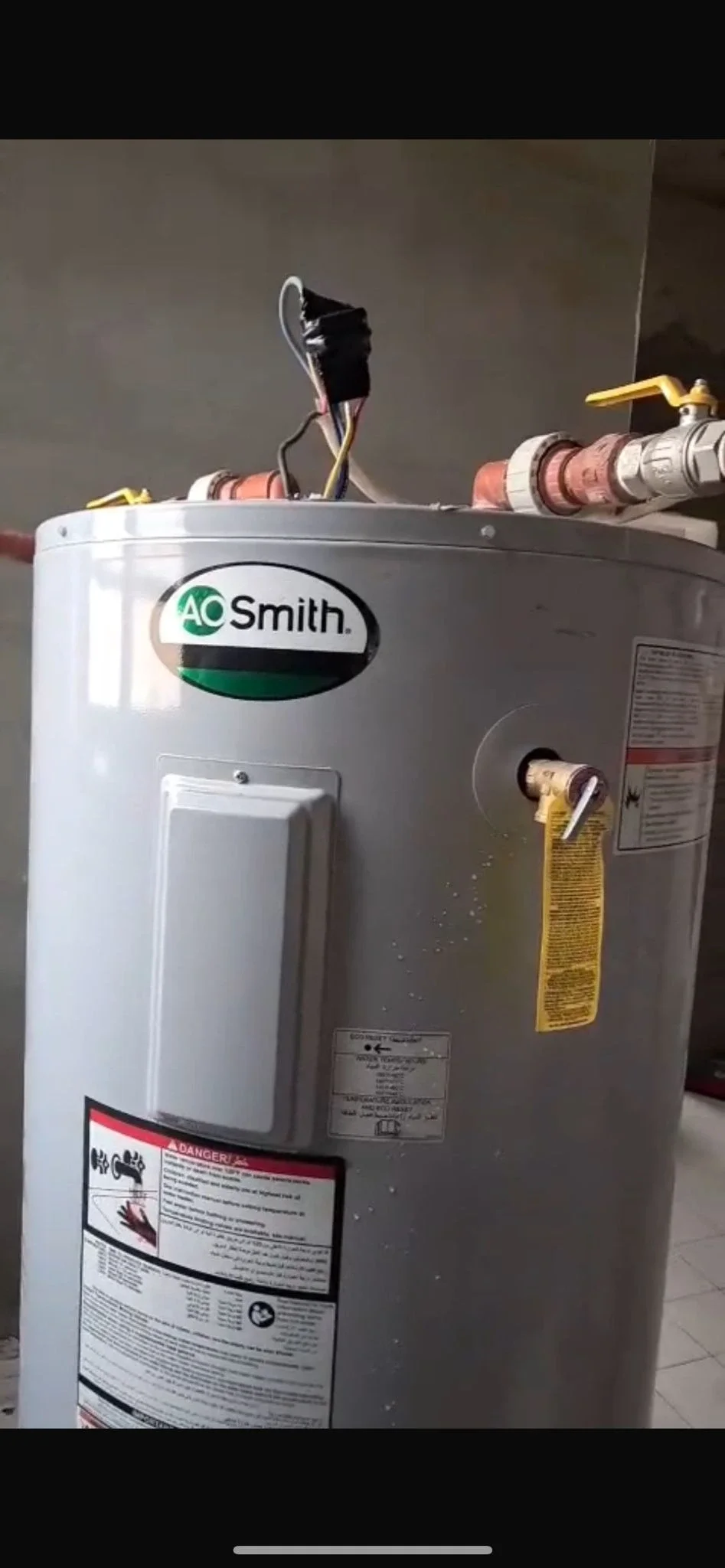
When discussing the central water heater lifespan, the first thing to understand is the difference between an expected service-life range and a mandatory replacement date. Manufacturers provide different estimates because tank life depends on heater type, water quality, installation, maintenance, and daily use. Traditional storage water heaters are commonly associated with a lifespan of around 8 to 12 years, while properly installed and maintained units can sometimes operate for 10 years or considerably longer. Some manufacturer guidance also places certain gas and electric storage heaters around the 10-to-15-year range under suitable conditions. The variation itself shows why it would be inaccurate to take the number ten and assume every water heater officially expires on its tenth birthday.
The actual condition inside the tank has a major influence on how long the unit lasts. A storage heater spends its entire operating life exposed to water and heat. To help protect the tank from internal corrosion, many models use a sacrificial anode rod. This component is designed to corrode gradually so that the steel tank is better protected. If the anode becomes heavily depleted and is ignored for a long period, corrosion may begin attacking the tank itself and eventually contribute to leakage.
In practical situations, you may find a heater younger than the usual expected lifespan that is already in poor condition because of bad installation, difficult water conditions, heavy use, or years of neglect. You may also find an older heater that has exceeded the typical range and still works steadily. This is why Al Arabi Orchid 99346138 does not judge the central water heater lifespan by age alone. The decision combines age with tank condition, leakage, repair frequency, heating performance, and maintenance history.
-
Manufacturer lifespan figures should be treated as practical guidance rather than an expiration date because water conditions installation quality maintenance and household use can produce very different results
-
A tank that has been inspected and maintained correctly may provide a longer practical service life than an identical heater that has operated for years without attention to serviceable components
-
Heater age becomes much more important when it appears together with leakage corrosion repeated repairs or declining heating performance rather than being considered on its own
-
Warranty length and expected lifespan are not the same thing because an expired warranty does not mean the heater is finished and an active warranty does not mean operational problems are impossible
How Many Years Does a Central Water Heater Last?
The question how many years does a central water heater last deserves a more realistic answer than simply saying “ten years.” For traditional storage heaters, a commonly referenced range is approximately 8 to 12 years, although actual service life can be longer or shorter depending on use, maintenance, water quality, and equipment quality. Some properly maintained heaters can continue beyond ten years without major problems. These figures are better used as a point where you begin monitoring the heater more carefully rather than as a signal to remove a perfectly functioning system simply because a certain birthday has arrived.
If the heater reaches an advanced age without leaking, still heats consistently, and has not become a regular source of repair bills, age alone does not force immediate replacement. On the other hand, if a heater is approaching or passing the ten-year range and has begun leaking, producing unreliable hot water, or requiring repeated repairs, age becomes much more significant in the decision. At that stage, replacing the unit may offer better value than continuing to invest in a system that is clearly deteriorating.
It is also useful to know the heater’s real age rather than guessing from its appearance. Many manufacturers encode the manufacturing date within the serial number or provide tools for identifying production dates. This can be especially helpful when you move into a property where the heater was already installed and there is no invoice or clear installation record.
Al Arabi Orchid 99346138 treats the question how many years does a central water heater last as part of a broader evaluation: how old is it, what condition is it in, how often has it needed repairs, and is the tank itself still structurally sound?
-
Typical lifespan ranges are useful for setting realistic expectations but they should never replace an inspection because two heaters of exactly the same age can be in completely different conditions
-
Reaching approximately ten years is a good reason for closer monitoring especially when other warning signs are present but it does not automatically justify replacing a stable well-maintained heater
-
Knowing the manufacturing date from the heater label or serial number helps homeowners make better decisions when installation records are unavailable
-
When advanced age is combined with repeated repairs leakage corrosion or clearly declining performance replacement becomes increasingly reasonable compared with continuing to spend on an exhausted unit
When Should You Replace a Central Water Heater?
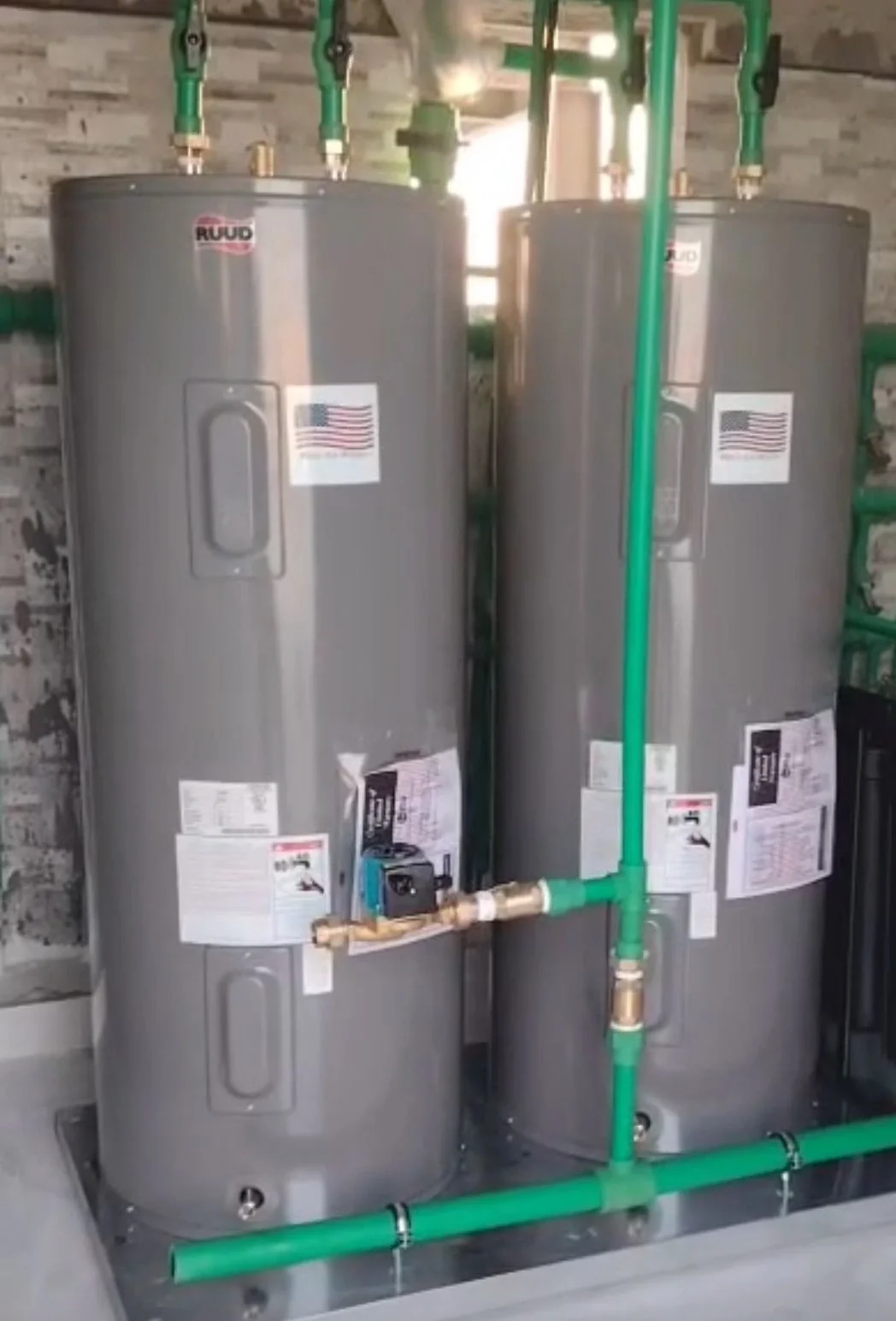
Deciding when you should replace a central water heater depends more on the type and seriousness of the problem than on age alone. If the problem is a thermostat or heating element and the overall heater is still in good condition with a sound tank, repair may remain a sensible option even if the unit is no longer new. However, if water is leaking directly from the body or base of the tank because of internal corrosion, the situation is completely different. You are no longer dealing with a simple serviceable component but with the main vessel that stores a substantial amount of water inside the property.
Leakage around the tank base, advanced age, repeated repairs, and rusty hot water are all signs that can push the decision more strongly toward replacement. However, not every drop of water around the heater means the tank itself has failed. Leakage can come from a valve, fitting, pipe connection, or another serviceable part. Identifying the exact source is essential before deciding that the entire heater must be replaced.
Repair history should also be included in the calculation. If a thermostat was replaced two months ago, a heating element is failing today, and another component is expected to need attention soon, the homeowner may effectively be paying for a new heater in installments while continuing to live with an unreliable old unit. At that point, the question is not just how much today’s repair costs but how much the next several repairs are likely to cost.
Al Arabi Orchid 99346138 compares the cost of repair with the complete condition of the heater before deciding when you should replace a central water heater.
-
Leakage confirmed from the tank body or base because of internal corrosion is far more serious than failure of a serviceable thermostat or heating element because it affects the main water-containing vessel
-
Water around the heater should not automatically be treated as proof that the tank has failed because some leaks come from valves fittings or external connections that may still be repairable
-
Frequent service visits within a short period make future repair costs part of the decision instead of looking only at the price of the current repair
-
Replacement becomes more logical when advanced age appears together with leakage corrosion reduced performance or repeated faults rather than because of one isolated factor
Signs a Water Heater Has Reached the End of Its Life
The signs a water heater has reached the end of its life usually appear as a combination rather than one magical symptom. One of the most important warning signs is leakage, particularly when the water is confirmed to be coming from the tank body or base. Another is a pattern of repeated failures where one repair is quickly followed by another. A third sign may be noticeable discoloration in hot water, especially brown, reddish, or rusty water. This can sometimes point toward internal corrosion or a depleted anode, although the plumbing network and water supply must also be considered before blaming the tank.
Another important sign is a clear reduction in the amount of usable hot water when household demand has not changed. If the family size is the same, no additional bathrooms have been added, and the daily routine remains similar but the heater provides noticeably less hot water, the system needs evaluation. This does not automatically mean the tank has reached the end of its life because the cause may still be a repairable heating element or sediment buildup. However, when reduced performance appears together with advanced age and other problems, the overall picture becomes more serious.
Persistent loud popping or rumbling sounds should also not be ignored. In some aging storage heaters, hardened sediment buildup can contribute to unusual noises and reduced operating performance. Again, the sound should be diagnosed rather than used alone as a replacement decision.
Al Arabi Orchid 99346138 does not use signs a water heater has reached the end of its life as a scare list. The objective is to determine whether each symptom is repairable or whether it forms part of a wider decline that makes replacement the more sensible decision.
-
Leakage from the tank body is a much stronger replacement indicator than leakage from an external fitting because the problem involves the main vessel rather than a serviceable connection
-
Rust-colored hot water requires inspection of the anode tank and plumbing because discoloration can indicate corrosion but should not be treated as final proof without identifying the source
-
Declining heater performance while household demand remains unchanged becomes more significant when the unit is already old and has developed several other faults
-
Several warning signs occurring together carry more weight than one isolated symptom because age leakage declining heating and repeated repairs collectively change the economics of continued repair
Central Water Heater Service Life

The central water heater service life is influenced from the first day of installation more than many homeowners realize. A unit installed according to manufacturer requirements in an accessible service location begins its working life under much better conditions than a heater installed quickly with unsuitable connections and poor service access. Factors such as heater quality, water conditions, household use, maintenance, and installation all contribute to the final lifespan.
Water quality matters because mineral buildup and corrosion can affect the tank over the long term. The condition of the anode rod also plays an important protective role because it is designed to corrode instead of allowing the tank metal to take the full effect of corrosive conditions. If the anode is allowed to become completely depleted and remains that way for a long time, the tank itself may become more vulnerable.
Maintenance does not make a heater immortal. Even a carefully maintained system is still mechanical equipment with a storage tank and components that age. The purpose of maintenance is to help the system reach a healthy service life and identify deterioration early rather than guaranteeing that the heater will become part of the family inheritance.
When deciding whether to continue using an older heater, compare its age with its repair history. An 11-year-old unit experiencing its first minor service problem may still be worth repairing depending on its overall condition. The same 11-year-old heater with repeated repairs, visible corrosion, and leakage presents a completely different decision.
Al Arabi Orchid 99346138 evaluates the central water heater service life as a complete operating history from installation and maintenance to its present condition rather than simply reading a date from the label.
-
Correct installation from the beginning helps the heater operate under the conditions it was designed for and reduces problems caused by unsuitable electrical or plumbing arrangements
-
Water conditions have a direct effect on sediment and corrosion which means identical heater models can have different practical lifespans in different properties
-
Anode inspection and suitable maintenance can help protect the tank but cannot make any storage water heater permanent because both components and tank materials continue aging
-
Evaluating age becomes more accurate when repair and maintenance history are known because an older stable heater is very different from another unit of the same age that has entered a cycle of repeated repairs
American Central Water Heater Lifespan
The subject of American central water heater lifespan requires moving away from the idea that every American heater has one standard expected life. American manufacturers themselves provide ranges that depend on model type and operating conditions. Traditional tank heaters are commonly associated with approximately 8 to 12 years of service, while some properly installed and maintained heaters can exceed ten years and certain units may fall into a broader range of roughly 10 to 15 years depending on design and conditions.
This means the word “American” does not automatically provide extra years of life. What matters is the design of the specific model, tank quality, anode condition, water conditions, daily load, installation, and maintenance. A Bradford White, A. O. Smith, or another established heater can provide excellent service when selected, installed, and maintained correctly. The same type of heater can experience earlier problems when conditions are unfavorable.
Warranty length should also not be confused with lifespan. A model may have a defined warranty period and continue working successfully for many years after that warranty expires. A problem can also appear while the warranty is still active. Warranty is a contractual coverage period with terms and conditions, while service life is the result of real operating conditions.
If you have an older American heater, the best approach is to identify the exact model and actual age, review its maintenance history, and inspect its present condition. Al Arabi Orchid 99346138 evaluates the American central water heater lifespan according to specifications, service history, and tank condition rather than assuming nationality gives the heater diplomatic immunity from rust.
-
An American brand does not have one fixed lifespan because manufacturers themselves explain that actual service life depends on model water conditions installation maintenance and usage
-
An American heater that receives appropriate maintenance and inspection of consumable components can deliver excellent service but the brand name cannot compensate for years of neglect
-
Warranty duration should not be treated as the expected life of the heater because warranty coverage and actual operating life are two different things
-
When comparing an old American heater with a new replacement option consider its repair history tank condition and current service costs rather than relying only on brand reputation
Signs of Water Heater Tank Damage

The signs of water heater tank damage are different from the signs of a failed heating element or thermostat because the tank itself is the main component that stores the water. One of the most important signs is water leaking directly from the tank body or base after leakage from valves and connections has been ruled out. A leak from the tank itself deserves immediate attention because it may indicate deterioration of the main vessel.
Visible rust or corrosion on the outside of the tank also deserves evaluation, but a technician should determine whether it is superficial corrosion caused by external moisture or a sign of a deeper problem. Rust-colored hot water may also indicate corrosion somewhere in the system, although the source may be the tank, anode, or plumbing network and needs to be diagnosed properly.
The important difference is that heating elements and thermostats are generally replaceable service components, while corrosion of the tank body changes the economics of repair dramatically. If the main vessel holding a large quantity of water is losing structural integrity, continuing to spend money on surrounding components while ignoring the tank itself usually makes little sense.
The installation location also affects the potential consequences of tank leakage. A central heater located above finished spaces or close to equipment and interior areas can cause significant water damage if the tank fails badly.
Al Arabi Orchid 99346138 focuses on confirming the leakage source and assessing the metal condition when evaluating signs of water heater tank damage before recommending repair or replacement.
-
Leakage confirmed from the tank body itself is fundamentally different from a dripping valve or connection because the first situation involves the integrity of the main water-containing vessel
-
Exterior rust should be investigated to identify the moisture source because visible corrosion alone does not always reveal what is happening inside the tank
-
Discolored hot water should lead to inspection of the anode tank and plumbing so the actual source can be identified instead of assuming the heater is responsible
-
Spending repeatedly on thermostats and heating elements makes little financial sense when the tank itself is already severely corroded because the main structural problem remains unresolved
When Does a Water Heater Become Old?
The question when does a water heater become old is not about when the exterior begins looking dated or the product label fades. From a practical maintenance perspective, a heater becomes an aging unit when it enters the later part of the expected service-life range and age begins carrying more weight in repair decisions. For many traditional storage heaters, manufacturer guidance commonly places normal service life somewhere around a decade, although there is considerable variation from one unit to another.
A nine-year-old heater is not automatically “old” in the same practical sense in every property. If it has been maintained correctly, remains dry, heats consistently, and has little repair history, it may continue operating successfully. A six-year-old heater that has suffered from poor installation, chronic leakage, or severe neglect can be in much worse condition. This means the word old has two meanings: chronological age and technical condition.
It is also smart to start planning financially before the heater fails. If the unit is approaching the later part of its expected life and it is the only source of hot water for the entire property, you can begin comparing replacement sizes and models calmly even if you do not replace it immediately. That gives you time to evaluate capacity, specifications, and pricing instead of buying the first available heater on the day the old one stops.
Al Arabi Orchid 99346138 uses the concept of when does a water heater become old as a signal for closer monitoring and planning rather than an automatic death sentence for the equipment.
-
Entering the later years of expected service life means the heater deserves closer monitoring and replacement planning but does not mean it must be removed while operating reliably
-
Technical condition can matter more than chronological age because a newer neglected heater can be in worse condition than an older unit that has been maintained correctly
-
Planning replacement before an emergency gives you time to compare capacities models and costs instead of making a rushed purchase because the entire property suddenly has no hot water
-
The best definition of an old heater is one where age has become an important factor in every new repair decision and the value of continued repair needs to be reconsidered
When to Replace a Water Heater
The best time to replace a water heater is when the cost and risk of continuing with the old unit become greater than the value provided by one more repair. If you have an older heater with a structurally sound tank and a limited problem involving a replaceable component, another repair may still make sense. If the tank begins leaking or repairs keep appearing one after another, replacement starts becoming a financially rational decision rather than an unnecessary upgrade.
Around the ten-year point, replacement deserves more serious consideration when advanced age is accompanied by leakage, unreliable hot water, repeated faults, or visible deterioration. A heater that is already within the later part of its expected lifespan and now requires frequent repairs may not be the best place to continue investing money.
Replacement also creates an opportunity to correct an old sizing problem. If the existing heater no longer provides enough hot water because the family has grown or household demand has changed, repairing it may simply restore a system that is still too small. Replacing it allows the property to be reassessed and a more suitable capacity selected.
However, fear should not cause premature replacement either. The source of the problem should still be inspected first because a faulty valve, thermostat, or heating element does not justify discarding an otherwise sound tank.
Al Arabi Orchid 99346138 determines the time to replace a water heater by balancing heater age, tank condition, repair cost, and whether the unit still suits the household’s current requirements.
-
Replacement becomes financially sensible when problems are associated with the tank itself or recur frequently enough that the cost of continued ownership approaches the investment required for a new heater
-
A minor repair in a heater that remains in good overall condition does not automatically justify replacement because servicing can still be the better option in many situations
-
If the old storage capacity no longer matches household demand replacement provides an opportunity to correct the sizing problem instead of investing in a heater that will remain inadequate
-
A sensible financial decision compares today’s repair cost with likely near-term repairs age and overall heater condition rather than simply comparing the price of one component with the price of a complete new unit
How Long Can You Keep Using a Central Water Heater?
How long you can keep using a central water heater depends on more than the number of years it has been installed. Ten years of regular maintenance and operation within the heater’s designed capacity are very different from ten years of heavy demand with no attention to sediment, anode condition, or small leaks. This is why a technician cannot responsibly promise that an older heater will definitely last another two years based only on its manufacturing date.
Four pieces of information are particularly useful when deciding whether to continue using the heater: its age, repair history, tank condition, and current performance. If all four are reassuring, continued operation with proper monitoring may be reasonable. If age is high, the tank is corroded, faults are recurring, and performance is declining, the heater is effectively writing its own replacement recommendation even if it has not yet signed the letter.
The location of the heater also influences how much risk is acceptable. A leak from a heater installed in an area where water can damage ceilings, finishes, electrical equipment, or valuable property may justify a more cautious replacement decision than a heater installed in a location specifically designed to manage leakage safely. This does not change the physical lifespan of the heater, but it changes the consequences of waiting too long.
Near the end of the heater’s service life, do not ask only “Does it still work today?” A better question is “Can I still rely on it reasonably, or am I constantly watching it and arranging another repair?” Al Arabi Orchid 99346138 evaluates how long you can keep using a central water heater from the perspective of reliability rather than whether the unit can still produce hot water at this exact moment.
-
A heater working today is not automatically in excellent condition because reliability repair frequency and tank condition provide a more complete picture than momentary operation
-
Combining heater age repair history current performance and tank condition produces a much more accurate decision than relying only on the manufacturing year
-
Installation location changes the acceptable level of risk because the consequences of leakage can be much more serious in sensitive areas of the property
-
When you reach the stage of constantly monitoring the heater because of repeated problems the question shifts from lifespan to whether continued use still makes practical and financial sense
Conclusion
The central water heater lifespan generally covers many years of service, but there is no single number that can accurately be applied to every unit. Manufacturers themselves provide different ranges for traditional storage heaters and repeatedly connect service life with maintenance, water quality, installation, and usage. This means you should not replace a heater simply because it has reached a certain age, but you also should not keep investing in an exhausted system forever just because it still manages to produce some hot water.
The correct decision combines the heater’s age with tank condition, the source of any leakage, repair frequency, heating performance, and whether the current capacity still suits the household. If the problem is minor and the tank remains structurally sound, repair may be an excellent decision. If the heater is old, the tank is corroded, and repairs are becoming frequent, replacing the unit is often more sensible than continuing a long-running series of parts and service bills.
You can contact Al Arabi Orchid on 99346138 to inspect your central water heater and determine whether its current condition justifies continued maintenance or whether replacement has become the more practical option based on the heater itself rather than guesswork.
Frequently Asked Questions
What is the average lifespan of a central water heater?
Traditional storage water heaters are commonly associated with an approximate lifespan of around 8 to 12 years, while some well-installed and properly maintained units can operate for 10 years or longer. Actual life depends on the model, water conditions, installation, maintenance, and household use.
Do I have to replace the heater after 10 years?
Not necessarily. Ten years is an important point for closer monitoring, but if the tank is sound, heating remains stable, and repairs are not becoming frequent, the heater may continue operating. The decision should be based on actual condition rather than age alone.
What is the strongest sign that a heater needs replacement?
Leakage confirmed from the tank body itself is one of the strongest signs because the problem affects the main water-containing vessel rather than a replaceable service component.
Does rust mean the heater is finished?
Not every sign of rust means the heater has reached the end of its life. The source should be identified to determine whether the corrosion is external, related to moisture around the tank, or associated with internal deterioration. Rust-colored hot water should also be investigated to determine whether the source is the heater or the plumbing network.
Does an American central water heater last longer?
There is no rule stating that every American heater will automatically last longer. Service life depends on the exact model, tank quality, installation, water conditions, maintenance, and usage just like any other storage heater.
Is the warranty period the same as the heater lifespan?
No. The warranty defines the period and conditions under which the manufacturer provides coverage for certain issues. The actual heater lifespan may be shorter or considerably longer depending on its condition and operating environment.
When is repair better than replacement?
Repair can be the better option when the tank itself is structurally sound, the problem is limited to a serviceable component such as a thermostat or heating element, and the repair cost remains reasonable compared with the age and overall condition of the heater.
When does buying a new heater become more economical?
If the heater is old, repairs are becoming frequent, the tank is leaking, visible corrosion is developing, or performance keeps declining, the combined cost and inconvenience of continued repairs may make replacement the more economical decision.
How can I find the age of my heater if I do not know the installation date?
Check the heater data label and serial number. Manufacturers use different methods for encoding the manufacturing date, so the exact serial-number format should be checked according to the heater brand and model.
Who can inspect the heater and tell me whether it needs replacement?
You can contact Al Arabi Orchid on 99346138 and provide the heater brand, approximate age, any leakage or heating problems, and previous repair history. The heater can then be evaluated to determine whether continued maintenance still makes sense or whether replacement is now the more practical option.