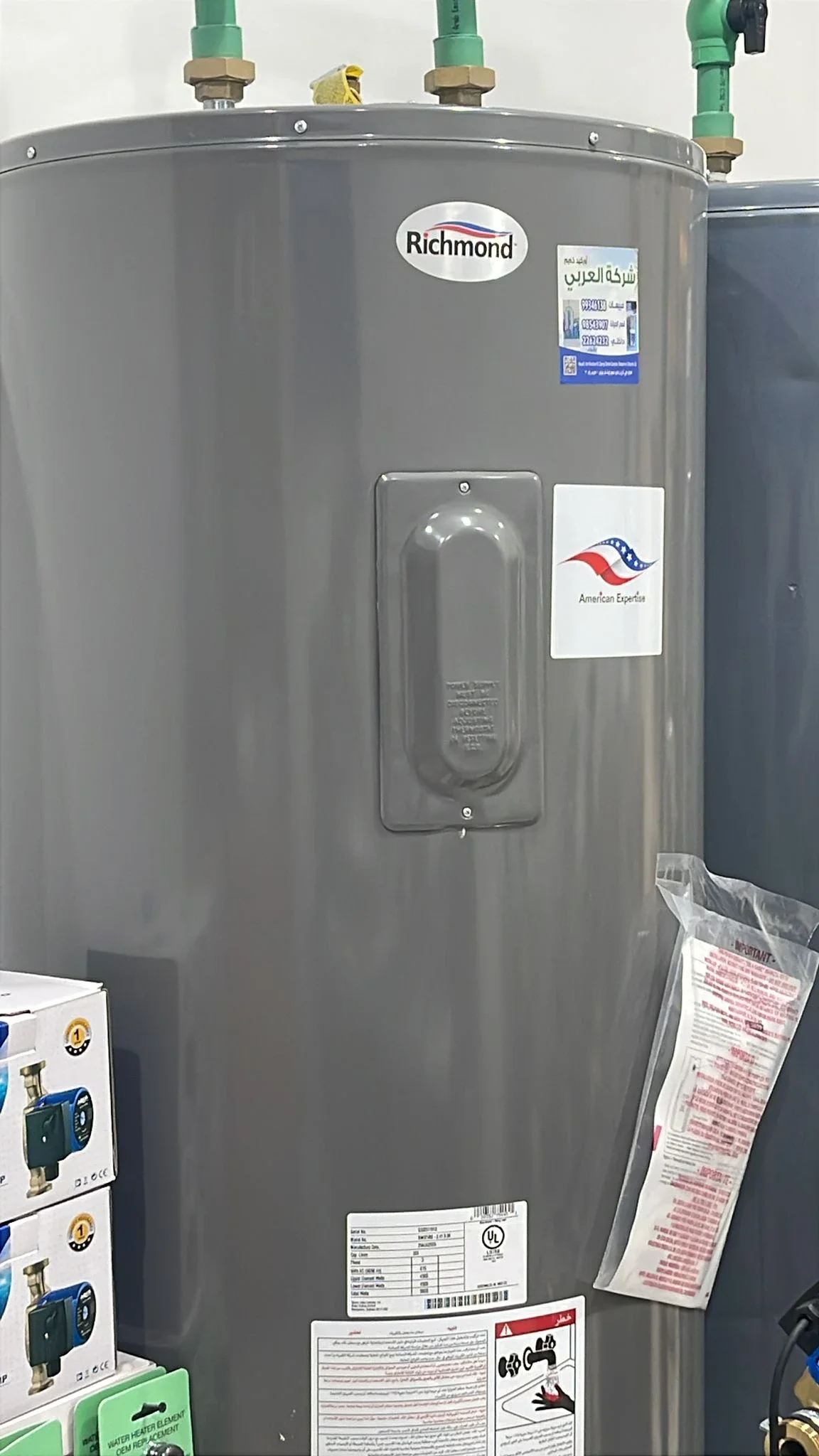
When you notice a central water heater leak, do not treat it as one standard problem with one ready-made solution. A small amount of water may be coming from a simple connection, a drain valve, a safety valve, or in some cases from the tank body itself. The difference between these situations is significant because some can be repaired easily while others may require heater replacement. Most importantly, do not judge the source only by where the water collects on the floor because water can travel down from the top of the heater and gather underneath the tank. Al Arabi Orchid 99346138 approaches every case by identifying the exact leak source, when it appears, how much water is escaping, and the condition of the tank before deciding on the correct repair.
Central Water Heater Leak
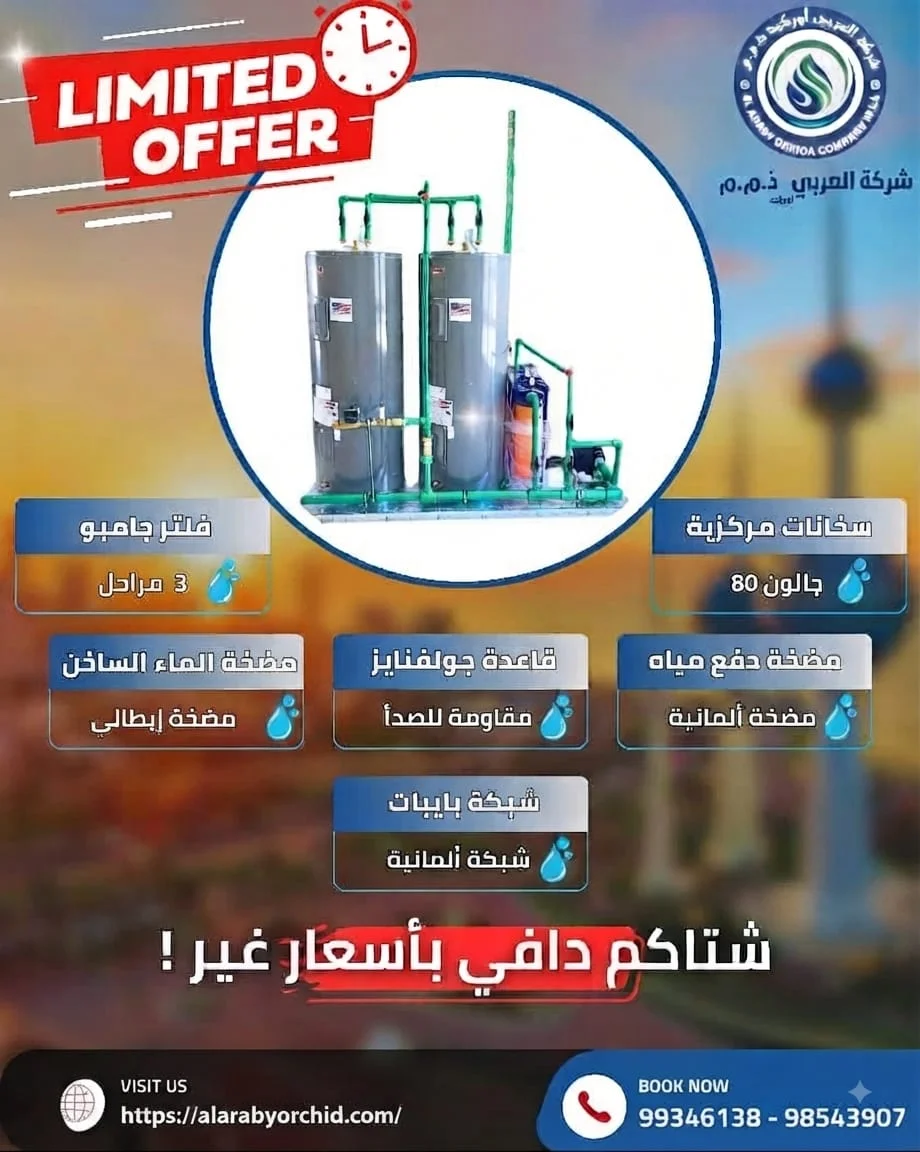
The first step when dealing with a central water heater leak is determining exactly where the water begins. Many situations that initially look like a damaged tank eventually turn out to be caused by an upper pipe connection, valve, or fitting that allows water to run down the outside of the heater until it collects around the base. Looking only at the floor can therefore lead to the wrong diagnosis from the beginning. A technician normally starts by drying the area and inspecting the top connections, valves, and the path the water follows before it reaches the bottom of the unit.
After locating the possible source, the next important question is when the leak appears. If water is present continuously even while the heater is cold, the situation is different from dripping that appears only during a heating cycle. Water that begins leaking as temperature rises can direct attention toward pressure, thermal expansion, or a valve problem, while a fitting that leaks constantly usually points toward a different type of fault. The amount of water also matters because an occasional drop is not the same as a continuous flow that gradually becomes heavier.
If the heater is electric and water is close to electrical covers, wiring, or controls, do not remove panels or inspect the interior while the unit is energized. Safety should come first. If it can be done safely, isolate power at the breaker and shut off the water supply to the heater before arranging professional inspection.
Al Arabi Orchid 99346138 does not begin by replacing parts immediately because a central water heater leak can be minor or it can be an early warning of a more serious problem. Correct diagnosis prevents you from replacing a complete tank because of one repairable connection or, in the opposite situation, spending money on fittings while the tank body itself is already deteriorating.
-
Water collecting under the heater does not automatically mean the tank is leaking because water may travel from an upper fitting and run down the outside before appearing at the base
-
The timing of the leak is extremely important because continuous leakage is different from dripping that appears only when temperature or internal pressure rises during heating
-
If water has reached electrical areas safety becomes the priority and electrical covers or wet components should not be touched while the heater remains connected to power
-
Taking a clear photo of the leak before cleaning the area and observing the direction of water movement can give the technician valuable information about where the problem actually begins
Causes of a Central Water Heater Leak
The causes of a central water heater leak can vary considerably, which is why it is inaccurate to reduce every case to “the tank has failed.” The problem may be located at the cold water inlet, the hot water outlet, or a threaded connection between the heater and the plumbing system. The drain valve near the bottom of the tank may also be responsible, as can other valves connected to the system. In other cases, water can be discharged from the temperature and pressure relief valve because of unsuitable pressure, thermal expansion, or a problem involving the valve itself.
The important technical difference is that many of these possible leak sources are external to the main storage tank and may be repairable. Once the water is confirmed to be coming from the tank body itself, however, the nature of the problem changes because the issue is no longer a fitting or replaceable component. It involves the vessel that stores a large volume of heated water under operating pressure.
System pressure also deserves attention. If water pressure is higher than appropriate, the weakest point in the system may begin leaking first. Repairing that one point may simply cause the next weak connection to begin leaking if the underlying condition remains unresolved. This is why several leaks appearing within a relatively short period should trigger a broader system evaluation instead of repeatedly tightening one connection after another.
In some situations, visible moisture near the heater may even come from another nearby source rather than from the heater itself. Careful tracing is therefore important before any component is removed. Al Arabi Orchid 99346138 investigates the causes of a central water heater leak in an organized sequence from connections and valves to the base and tank body instead of turning the repair into a guessing game with spare parts.
-
Upper water connections should be inspected early because a leak from one of these points can run down the tank and create the appearance of a leak from the heater body
-
Water coming from the safety valve requires investigation into pressure temperature and thermal expansion instead of treating the valve like an ordinary dripping tap
-
Leakage appearing from several different points over a short period may indicate a shared cause such as unsuitable system pressure rather than several unrelated fitting failures
-
A confirmed leak from the tank body is fundamentally different from leaks at valves or connections because the problem involves the primary vessel that stores the water
Central Water Heater Dripping Water

When you say the central water heater is dripping water, the three most useful details are where it drips from, how fast it drips, and when the dripping appears. A slow drip from one connection throughout the day is very different from water leaving the safety valve only during heating. Both are also different from unexplained moisture that repeatedly appears beneath the tank without any clearly visible source above it. These details are not unnecessary technical questions. They are the clues that help separate fitting problems from pressure issues, valve faults, or tank damage.
If the dripping comes from the temperature and pressure relief valve, do not block the discharge opening or install anything designed to stop the water from escaping. This valve is part of the heater’s safety system and is intended to respond to abnormal pressure or temperature conditions. If it repeatedly releases water, the correct response is to identify why it is happening rather than disabling the protection.
If the dripping comes from a visible threaded connection, the solution is not necessarily to tighten it as hard as possible. Some fittings need to be resealed correctly, while others may be corroded or have damaged sealing materials. Excessive tightening can damage older components and create a bigger problem than the original leak.
If water appears around the bottom of the tank, the technician should first confirm that it has not travelled down from above. Once all external connections, valves, and service points are ruled out, and the water is confirmed to come from the tank itself, the decision changes significantly and replacement becomes much more likely than a temporary repair attempt.
-
Dripping from the safety valve requires investigation into pressure or temperature conditions and the discharge path should never be blocked because the valve is an essential safety component
-
Dripping from a fitting may be relatively simple to repair but the fitting type and condition should be identified before tightening or replacing anything
-
Water appearing at the heater base should be traced from the top downward before concluding that the tank body is damaged because water movement can easily create a false impression
-
If dripping changes from occasional drops to a faster or continuous flow delaying inspection becomes increasingly risky because the problem is clearly developing rather than remaining stable
Central Water Heater Tank Leak
A central water heater tank leak is one of the situations that must be identified very carefully because the diagnosis can mean the difference between a limited repair and replacing the whole heater. If every connection, valve, drain point, and service component has been ruled out and water is confirmed to be escaping directly from the tank body, then the problem is located in the metal vessel that stores the water. This is not treated in the same way as a thermostat or external fitting.
Over the years, internal corrosion can gradually affect the tank, particularly when protective components have not been maintained properly or local water conditions encourage corrosion. Sometimes the problem begins as light moisture or a very small drip and then becomes more noticeable over time. The important point is that weakened metal does not return to its original condition just because the visible water is temporarily sealed from the outside. An external patch may hide the symptom without restoring the structural condition of the tank.
Heater age is relevant, but it is not the only factor. A relatively new heater with one leaking fitting is completely different from an older heater where the tank body has clearly corroded. This is why the correct rule is not “every leak means replacement.” The source has to be confirmed first.
The heater location also affects urgency. A tank installed above finished ceilings, close to electrical equipment, or inside an area with sensitive finishes can cause much greater damage if the leak worsens. Al Arabi Orchid 99346138 treats a central water heater tank leak as a condition where the integrity of the vessel itself must be evaluated before money is spent repairing surrounding components.
-
A confirmed leak from the tank body after all external sources have been ruled out is a strong indication that the problem involves the main vessel rather than a serviceable component
-
Repairing external parts on a heater whose tank itself is leaking does not address the actual problem and can lead to spending money on a unit that still has the same fundamental weakness
-
Heater age alone does not determine tank condition but age combined with corrosion and increasing leakage creates a much stronger case for replacement instead of repeated repair
-
Waiting until a tank leak becomes severe is not recommended because deterioration of the tank body can progress and turn a heater problem into significant water damage around the property
Water Heater Valve Leak
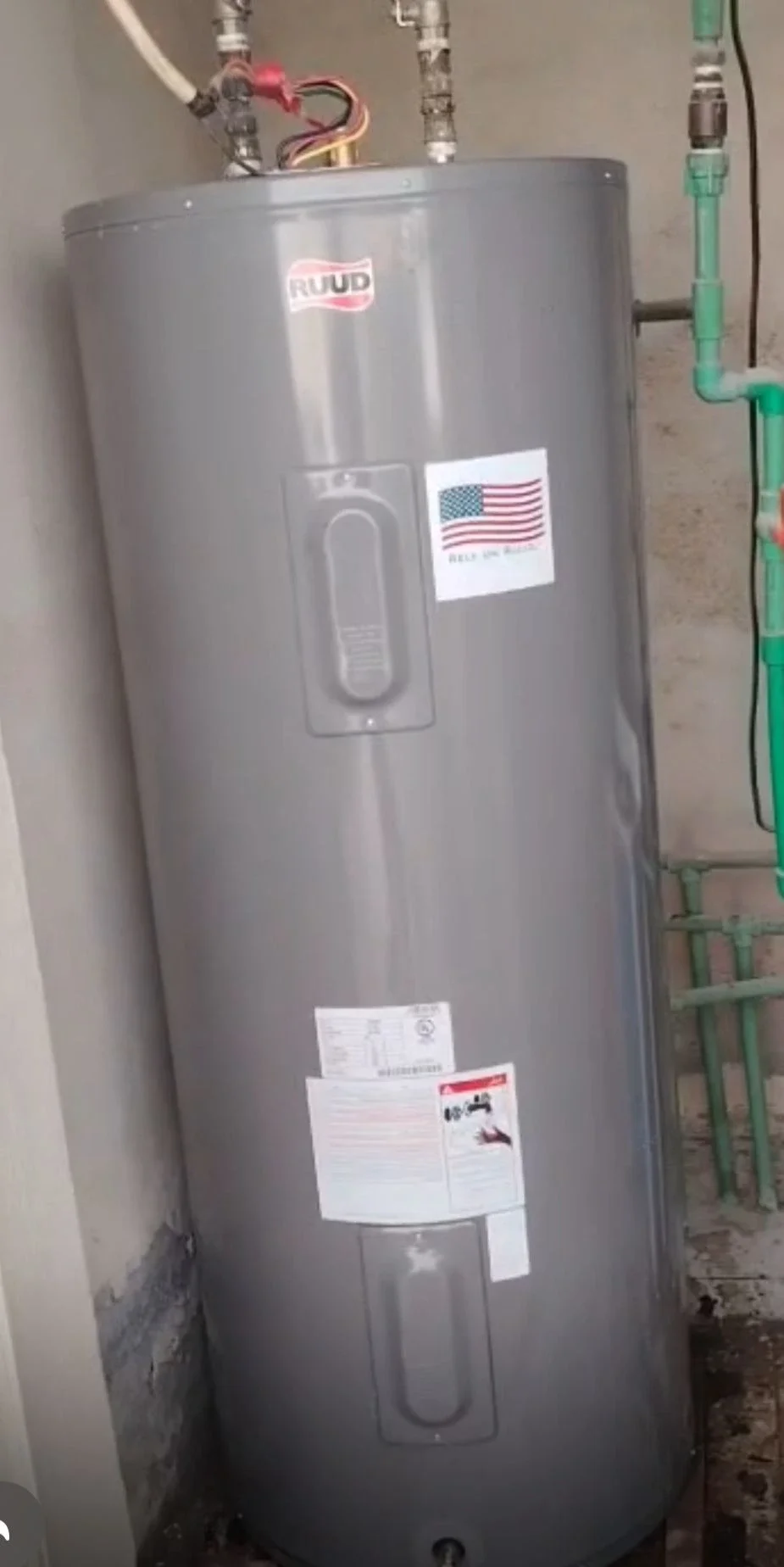
A water heater valve leak first requires identifying exactly which valve is leaking because a central heater can have several valves and each one serves a different purpose. There may be a valve on the incoming water line, a drain valve near the bottom of the tank, and a temperature and pressure relief valve that forms part of the safety system. Treating all of them as if they were the same component can lead to major diagnostic mistakes.
The most important situation is repeated water discharge from the temperature and pressure relief valve. This valve is not something that should be disabled simply because the dripping is annoying. If it releases water repeatedly, system pressure, temperature, thermal expansion, and the condition of the valve itself should all be considered. In some cases, the valve may actually be performing its intended safety function while the real issue lies elsewhere in the system.
The drain valve near the bottom of the tank can also be the source. Water may leak from the valve body or where it connects to the tank. Because the valve is so close to the floor, a leak there can easily look like the tank itself is leaking. A technician therefore dries the surrounding area and checks where the first signs of moisture appear.
On older heaters or units without a clear maintenance history, users should not casually operate the safety valve without understanding the manufacturer’s instructions because discharged water can be extremely hot. Al Arabi Orchid 99346138 distinguishes between different types of water heater valve leaks because the function of each valve determines the correct response.
-
The temperature and pressure relief valve is a safety component so any leakage from it requires understanding the cause rather than blocking the discharge or disabling the valve
-
If high system pressure or thermal expansion is responsible the dripping may return even after the valve is replaced unless the underlying condition is corrected
-
The drain valve at the bottom of the heater can create the appearance of a tank leak which is why it should be inspected before deciding that the entire heater requires replacement
-
Identifying the exact valve and its function prevents random repairs because the isolation valve drain valve and safety valve do not perform the same job
Central Water Heater Connection Leak
A central water heater connection leak is often less serious than a tank-body leak, but it still requires careful repair because the connections operate under water pressure and high temperature for long periods. Leakage can appear around the cold water inlet, hot water outlet, a threaded union, or another connection between the heater and the plumbing system.
Diagnosis starts by drying the area completely and watching where the first moisture appears. If water emerges directly around a threaded joint, the seal may have deteriorated, the fitting may be loose, or corrosion may have affected the connection. If the water runs downward from above, the real source may be another nearby point. This is why a quick visual inspection without drying the area first can easily lead to repairing the wrong fitting.
One common mistake is applying excessive tightening force. An older or corroded fitting can be damaged further if it is tightened aggressively. The technician should identify the connection type and condition before choosing the appropriate repair method.
If several connections begin leaking within a short period, the inspection should become broader. System pressure or another shared operating condition may be affecting the entire installation. Al Arabi Orchid 99346138 treats a central water heater connection leak as a problem with a cause that needs to be established rather than simply stopping the visible drip and leaving the reason untouched.
-
Leakage from the top of the heater should usually lead to inspection of water connections before the tank because water from these points can run down the heater body and collect underneath
-
Repair depends on the type and condition of the connection and excessive tightening should not be treated as a universal solution because some fittings can be damaged by too much force
-
Several connection leaks appearing within a short period justify checking system pressure instead of treating every fitting as a separate unrelated problem
-
After repairing a connection the area should be dried and monitored during heater operation because success is not fully confirmed simply because everything remains dry while the system is cold
Repairing a Water Heater Leak
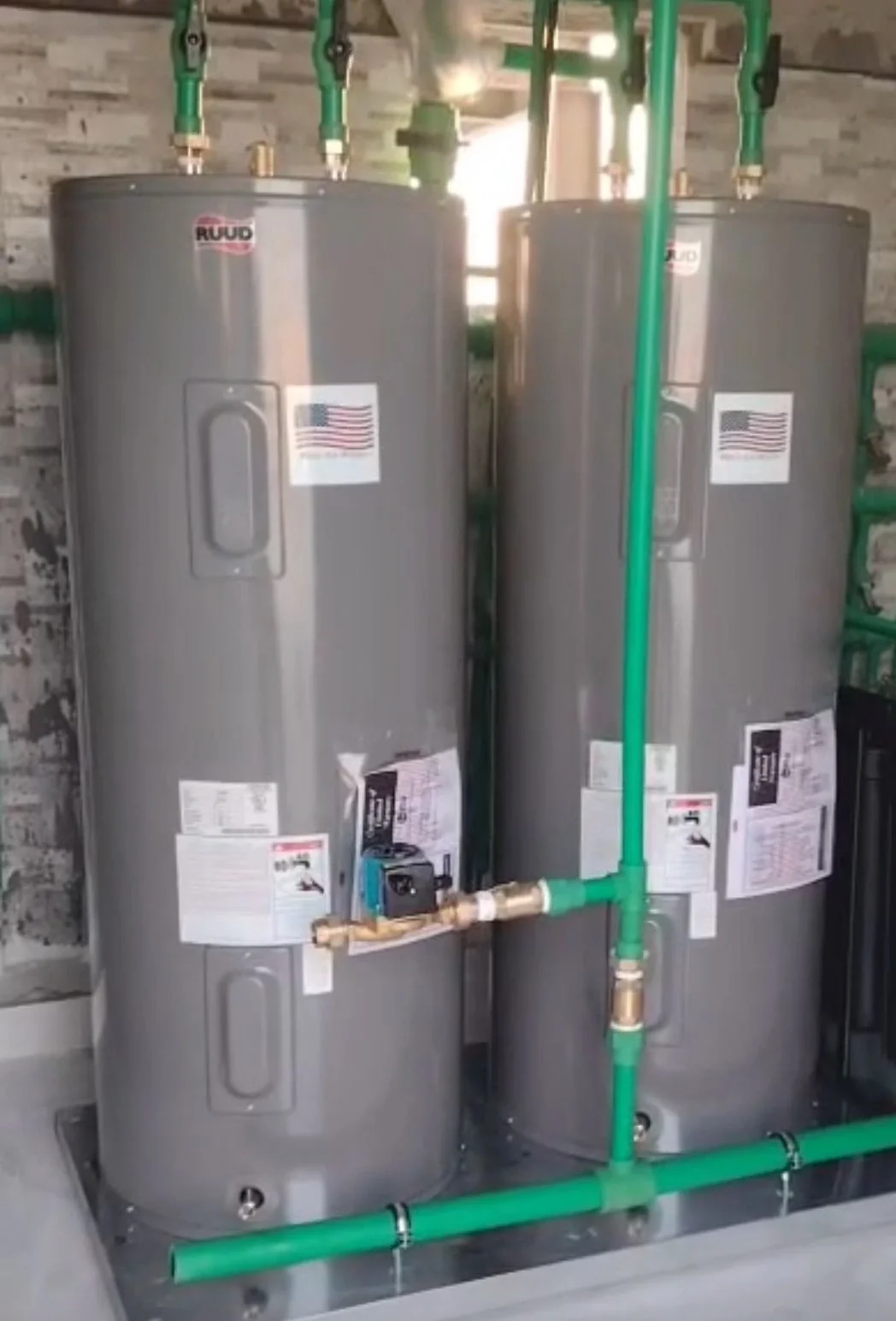
Repairing a water heater leak begins with identifying the source rather than buying a replacement part. If the problem is a connection, the repair should focus on that connection. If the source is a valve, the technician should determine whether the valve itself is faulty or whether another condition is causing it to release water. If the tank body is leaking, the entire repair strategy changes because servicing external components does not restore the integrity of a corroded vessel.
After repairing an external source, the heater should be monitored through a real operating cycle. Some leaks do not appear clearly while the unit is cold and become visible only after temperature and pressure rise. A dry area five minutes after repair is therefore not always enough evidence that the problem has been completely resolved.
The proper repair should also address why the problem occurred. A fitting that failed simply because it was old is one situation. A fitting that began leaking because the system operates under unsuitable pressure is another. Replacing only the fitting in the second case may create a temporary period of dryness before the same issue appears again at another point.
If the tank itself has deteriorated, temporary external sealing methods should not create a false sense of security. If the metal vessel has lost structural integrity, replacement needs to be evaluated rather than building layers of temporary repair around an ongoing problem.
-
The correct repair begins with identifying the exact source because the proper response to a connection is completely different from the response to a valve or a corroded tank body
-
Repair success should be confirmed during and after a heating cycle because some leaks appear only when temperature and pressure inside the system change
-
If pressure or thermal expansion is the underlying cause simply replacing the visible leaking component may allow the problem to return at the same point or another weaker location
-
Diagnosis before purchasing parts reduces trial-and-error costs and prevents several components from being replaced while the true leak source remains untouched
Dangers of a Central Water Heater Leak
The dangers of a central water heater leak depend on the source, the heater location, and the amount of escaping water, but a persistent leak should never be ignored. The first risk is direct water damage. A relatively small amount of water accumulating every day can affect flooring, walls, ceilings, cabinets, or nearby equipment. If the leak becomes heavier, the amount of damage can increase very quickly.
The second risk appears when water reaches electrical components. If moisture is close to the thermostat cover, wiring, junction box, or any electrical part of the heater, the user should not remove covers or try to wipe around the internal components while the unit is powered. Isolating electricity from a safe location and arranging professional service is the more appropriate response.
The third risk is connected to the safety valve. If the temperature and pressure relief valve is discharging water because of a pressure or temperature problem, blocking it can turn an annoying drip into interference with a critical safety function. That is never a sensible repair method.
The fourth concern is a confirmed tank-body leak because a small opening today is not guaranteed to remain small. Al Arabi Orchid 99346138 evaluates the dangers of a central water heater leak according to the leak source, the reason it developed, and the installation environment rather than judging seriousness only by the size of the current puddle.
-
The amount of water visible now is not enough by itself to determine risk because a leak can increase suddenly when the underlying cause is weakened tank metal or ongoing pressure stress
-
Water near electrical components increases the urgency and makes safe power isolation more important than attempting to locate the leak by hand
-
Dripping from a safety valve has a different meaning from a normal connection leak because the valve belongs to the temperature and pressure protection system
-
Heater location changes the potential consequences because a minor leak above finished interiors or near electrical equipment can cause damage that costs far more than the heater repair itself
Central Water Heater Leak Technician

You need a central water heater leak technician when the source is unclear, the water is close to electricity, the leak returns after a simple repair attempt, or the water appears to come from the safety valve or tank body. The technician’s job is not simply to stop the visible water by any possible method. The job is to determine where the leak begins, why it appeared, and whether another system condition could make it return.
A structured inspection includes the upper connections, cold and hot water lines, valves, drain point, tank base, and visible corrosion. If the pattern suggests unusual pressure or thermal expansion, these factors should also be evaluated instead of focusing only on the component where the water happened to appear.
A good technician should also explain why repair or replacement is being recommended. If the problem is one external fitting, that should be shown clearly. If the tank body is the true source, the reason replacement is being considered should also be explained. This transparency matters because the cost difference between the two situations can be substantial.
It is also helpful to know the approximate heater age, when the leak appears, whether it becomes worse during heating, and whether any recent maintenance or component replacement was performed. Al Arabi Orchid 99346138 uses these details when handling a central water heater leak technician request so the diagnosis reflects the behavior of the problem rather than only what happens to be visible at the moment of inspection.
-
A technician becomes more urgently necessary when the leak is close to electricity comes from the safety valve has an unknown source or is visibly increasing
-
A useful professional inspection includes the surrounding system and not only the tank because connections pressure and valves may be responsible for the problem
-
The leak source should be confirmed before recommending heater replacement so a complete tank is not replaced because of one external repairable connection
-
Knowing when the leak appears the approximate heater age and any recent service history helps narrow the possible causes and speeds up accurate diagnosis
Fixing Central Water Heater Dripping
The correct solution to central water heater dripping changes completely according to the source. If the water comes from a fitting, that fitting should be repaired or replaced according to its condition. If it comes from the drain valve, the valve and its connection point need evaluation. If it comes from the temperature and pressure relief valve, the technician needs to determine whether the valve itself, system pressure, or thermal expansion is responsible. If the water is coming from the tank body, replacement is usually a much more realistic discussion than relying on temporary external sealing.
The mistake is treating only the appearance of the problem without addressing the cause. If system pressure is unsuitable and each leaking fitting is simply replaced, the problem can move from one weak point to another. If the tank body is corroded and an external sealing material is applied, the visible moisture may temporarily disappear but the damaged metal has not been restored.
After any repair, the heater should be observed while cold, during heating, and after reaching operating temperature. Some leaks appear only when temperature and internal pressure change during normal operation.
Al Arabi Orchid 99346138 approaches fixing central water heater dripping as a process of correcting the actual cause and confirming the result rather than simply making the visible water disappear for a short time.
-
The correct solution depends entirely on where the water comes from so identifying the fitting valve or tank body must happen before buying parts or carrying out repairs
-
If the problem is linked to system pressure the underlying pressure condition should be included in the repair plan so leakage does not return at the same point or move somewhere weaker
-
Applying external sealants to a corroded tank body does not restore the strength of the metal and should not be treated as a substitute for evaluating heater replacement
-
After repair the heater should be monitored through a complete heating cycle because some leaks disappear while the unit is cold and return only when temperature and pressure increase
Conclusion
A central water heater leak does not have one diagnosis or one universal repair. The source may be a simple connection, drain valve, safety valve, system pressure condition, or the tank body itself. This is why the correct first step is always to identify the exact source before purchasing any component or deciding to replace the heater.
If water is close to electrical parts, the leak quantity is increasing, the safety valve repeatedly releases water, or the tank itself is confirmed to be leaking, inspection should not be delayed. On the other hand, if the problem is only one simple external fitting, there is no reason to turn a limited repair into a complete heater replacement before diagnosis is completed.
You can contact Al Arabi Orchid on 99346138 to inspect the central heater and determine whether the leak requires repairing a fitting, servicing a valve, correcting a system condition, or replacing the tank. A small drop of water is worth understanding early before it grows large enough to start making expensive decisions on your behalf.
Frequently Asked Questions
Does every central water heater leak mean the heater needs replacement?
No. The leak may come from a fitting, valve, or another service point that can be repaired. Replacement becomes more likely when water is confirmed to come from the tank body itself or when the tank is clearly deteriorated by corrosion.
Why does water collect under the heater when the leak is not obvious?
Water may come from an upper connection or valve, travel down the outside of the heater, and collect around the base. The location of the puddle therefore does not always identify the actual starting point.
Is dripping from the safety valve normal?
It should not simply be ignored. The cause may involve pressure, temperature, thermal expansion, or the condition of the valve itself. The discharge path should never be blocked to stop the dripping.
Can I keep using the heater while it is leaking?
If water is near electrical components or the source is unknown, the safer approach is to isolate power from a safe location, stop the water supply if this can be done safely, and arrange professional inspection.
How do I know if the tank itself is leaking?
Connections, valves, the drain valve, and other external sources should be ruled out first. If water is then confirmed to be coming directly from the tank body or base, the situation is different from an external leak and replacement often becomes more likely.
Does a small leak still need a technician?
Yes, especially if the source is unclear, the dripping is continuous or increasing, it is close to electrical parts, or it appears from the safety valve or tank base. The amount of water alone does not determine how serious the cause may be.
Can high water pressure cause a heater leak?
Yes. Unsuitable system pressure or thermal expansion can contribute to leakage in certain parts of the system, particularly the safety valve. If pressure is involved, treating the pressure condition should form part of the repair.
Can I block the safety valve if it keeps dripping?
No. The safety valve is part of the heater’s protection system and its discharge path should never be blocked simply to stop visible water because doing so interferes with a function related to pressure and temperature safety.
Can a leaking water heater tank be repaired?
If leakage is confirmed to come from the storage tank body itself, replacement is usually the more practical option because the problem involves the integrity of the main vessel rather than an external replaceable component.
Who repairs central water heater leaks in Kuwait?
You can contact Al Arabi Orchid on 99346138 and explain where the water appears, whether the leak is continuous or only happens during heating, and whether it is close to electrical components so the inspection can focus on the correct source and determine the appropriate repair.