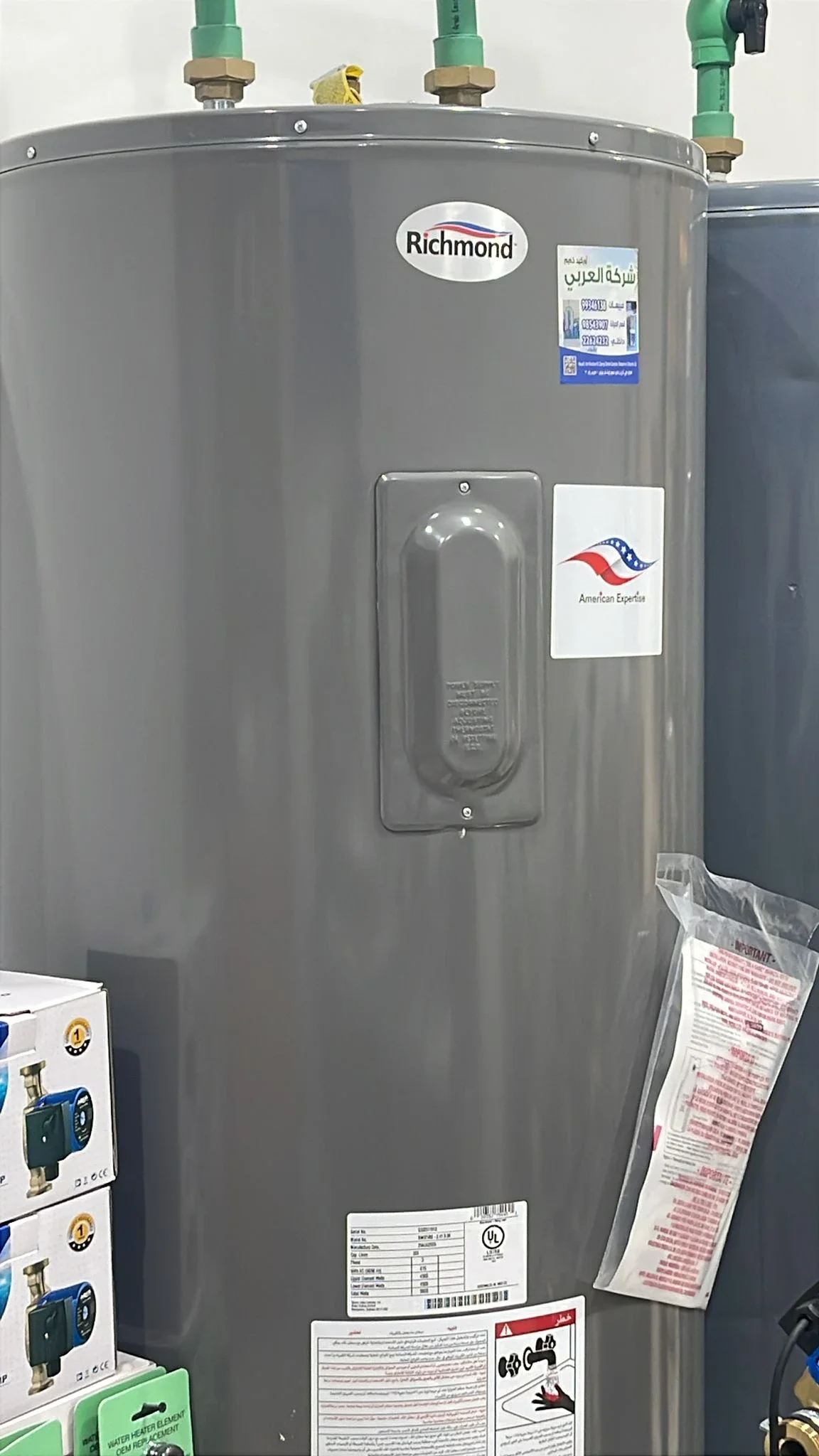
You notice water under the heater or drops coming from the safety valve, and the first thing that comes to mind is that the valve has failed and needs to be replaced. That is not always the case. The safety valve is designed to respond to excessive pressure or temperature inside the tank, so releasing a limited amount of water under certain conditions can actually mean that it is doing its job rather than failing. The real concern begins when dripping continues while the heater is cold, the amount of water increases, or leakage repeatedly returns after every heating cycle. Proper diagnosis should not focus on the valve alone because the underlying cause may be high mains pressure, thermal expansion during heating, excessive water temperature, or deposits that prevent the valve from closing completely.
Central water heater safety valve leak
A central water heater safety valve leak should first be understood in relation to the actual purpose of the valve. Inside a central heater, a volume of water is heated within a relatively closed tank, and as the water temperature rises, its volume expands. This expansion can increase pressure inside the system. The safety valve acts as a protective release point that allows excessive pressure to escape instead of remaining trapped inside the tank and connected plumbing. For that reason, a few drops of water appearing under pressure-related conditions are not the same as a valve that leaks continuously throughout the day.
The timing of the water discharge is one of the most useful diagnostic clues. If drops appear when the heater reaches a high temperature and then stop afterward, a technician should first consider the relationship between thermal expansion and system pressure. However, if the valve continues dripping even when the heater is cold and no heating cycle is taking place, the situation is different. The valve may no longer seal properly, debris or mineral deposits may be interfering with the sealing surface, or the incoming mains pressure may already be too high even before heating begins.
A realistic situation often seen in homes is when a homeowner replaces the valve because the floor beneath the heater is wet, only for the same dripping to return shortly afterward. That does not necessarily mean every new valve is defective. A more likely explanation is that the condition forcing the valve to open was never corrected, such as excessive supply pressure or thermal expansion in a plumbing system with insufficient room to absorb the increase.
For a proper diagnosis, it is important to consider the volume of leakage, when it happens, whether it is directly associated with heating, whether the water temperature is normal, and whether the problem started suddenly or became worse over time. These details help prevent the replacement of a perfectly functional valve and make it easier to identify the actual cause of the problem.
-
If dripping appears during the heating cycle and stops afterward, pressure and thermal expansion should be evaluated before declaring the valve defective
-
If water continues to drip while the heater is cold, checking valve sealing and incoming water pressure becomes an essential part of diagnosis
-
If the valve has already been replaced and the leak returns quickly, do not repeat the same repair before identifying what is causing pressure to rise inside the system
Heater safety valve is leaking water
When the heater safety valve is leaking water continuously, the right question is not simply “How do I stop the leak?” but rather “Why is the valve opening, or why is it failing to close?” That distinction is extremely important because blocking the water discharge in an improvised way can disable a component that exists specifically to protect the heater from excessive pressure. A safety valve is not an annoying tap that should simply be sealed shut. It is one of the last components anyone should experiment with casually because its function is directly connected to system protection.
Under normal conditions, the valve remains closed most of the time and responds only when specific pressure or temperature conditions are reached, depending on the design of the system. If water starts escaping frequently, the actual system pressure may be reaching a level that causes the valve to open. In that case, the valve may be completely healthy and simply doing what it was designed to do. Replacing it without correcting the excessive pressure may cause the new valve to behave exactly the same way.
A second possibility is that the internal sealing surface no longer closes tightly. Debris, small particles, or mineral deposits can become trapped around the sealing area and leave a small opening through which water continues to drip. Age and wear can also affect internal spring action and the valve’s ability to return to a fully closed position after pressure has been released.
A third possibility involves temperature control. If the water inside the tank is being heated beyond its normal operating range, expansion increases and pressure can rise enough to make the valve discharge. In this case, focusing only on the valve means treating the symptom while leaving the actual cause untouched.
One of the most useful observations is whether dripping becomes heavier as the water gets hotter and reduces after hot water is used, or whether the flow remains almost unchanged throughout the day. That simple detail can give a technician far more useful information than simply saying that the valve is leaking.
-
If water discharge increases as temperature rises, diagnosis should focus on pressure, thermal expansion, and temperature control
-
If dripping continues at roughly the same rate all day, poor valve sealing or continuously high supply pressure becomes more likely
-
Blocking the valve outlet or tightening it in a way that prevents pressure release is not a repair because it disables an essential safety function
Causes of safety valve dripping
There are several causes of safety valve dripping, which is why replacing the valve immediately may solve one case and completely fail in another. One possible cause is high incoming water pressure. If the pressure entering the heater is already excessive, the valve remains under constant load and may begin releasing water even before the heater itself is considered faulty.
A second cause is thermal expansion. Water expands as its temperature rises, and in some plumbing systems there may be limited room for that increased volume to move backward or expand safely within the network. Pressure then rises inside the closed section of the system, and the safety valve releases a certain amount of water. If this factor is ignored and only the valve is replaced, dripping may return because the conditions that caused it to open have not changed.
A third possible cause is excessive water temperature resulting from a temperature-control problem. If the heater is reaching a temperature higher than it should, the leak should not be treated as an isolated valve issue. The reason for overheating also needs to be checked.
A fourth cause is simpler but very common: debris or mineral deposits around the sealing seat. The valve may open once to relieve pressure and then fail to close completely because a small particle remains trapped between the sealing surfaces.
Age also plays a role. After years of service, internal components may lose flexibility, corrode, or move less effectively, making it harder for the valve to seal precisely. A competent technician separates these possibilities by measuring and examining the system rather than guessing.
-
High incoming water pressure can make a healthy valve drip, which is why replacing the valve alone may not solve the problem
-
Thermal expansion explains some cases where dripping begins during heating and decreases after hot water is used
-
Water temperature that rises beyond the normal range requires inspection of the control system because the valve may only be showing a symptom of another fault
-
Deposits inside the valve can prevent full closure and cause continuous dripping even after pressure has returned to normal
Water coming from the heater safety valve
If water is coming from the heater safety valve, it is important to separate three different situations rather than calling all of them a simple leak. The first is limited dripping that appears during a specific stage of heating. The second is continuous dripping throughout the day and night. The third is a noticeable discharge or an unusual flow of water. Each pattern represents a different level of concern and requires a different diagnostic approach.
A small amount of dripping cannot be interpreted by appearance alone. System pressure, design, and the conditions under which the discharge occurs all need to be considered. Continuous dripping, on the other hand, deserves investigation because permanent water loss is not a normal operating condition and can eventually cause moisture damage, mineral staining, and hidden pressure problems.
If the dripping develops into a stronger discharge, especially when the water is extremely hot, unusual noises are present, or heater performance changes significantly, the issue should not be treated as though the valve simply needs to be tightened. The heater should be taken out of use safely and inspected by a qualified technician because the priority is to identify the reason for abnormal pressure or temperature.
It is also important to confirm exactly where the water is coming from. Sometimes the area around the valve is wet and the user assumes water is escaping from the discharge outlet, when the actual source is a threaded connection, fitting, or another installation point. Identifying the exact starting point of the leak prevents incorrect diagnosis.
-
Water coming from the discharge opening is not the same as leakage from the threaded connection or fitting around the valve
-
A discharge that increases noticeably as the water becomes hotter requires evaluation of pressure and temperature rather than simply tightening connections
-
Persistent moisture around the heater should be traced to its exact source because being close to the safety valve does not prove the valve itself is responsible
Heater pressure and safety valve
The relationship between heater pressure and safety valve operation is one of the most important parts of understanding this problem. The valve does not operate independently. It responds to the pressure inside the tank and connected system. If the incoming water pressure is already high, the heater begins every heating cycle under greater load. Once the water is heated and expands, system pressure may rise even further depending on the plumbing arrangement.
This is why measurement is more important than guessing. A professional technician should not look at a dripping valve and immediately decide that it needs replacement. Incoming supply pressure should be checked, and it should also be determined whether pressure rises significantly during the heating cycle and whether the system has any component designed to control pressure or absorb thermal expansion.
In some cases, the safety valve is calibrated to protect the system at a specific pressure and is opening because that pressure has actually been reached. Replacing a properly functioning valve with another valve does not reduce the pressure. Worse still, using a replacement that does not match the heater specifications can create a new safety problem because its response point may not be suitable for the appliance.
This is also where the difference between diagnosis and simple part replacement becomes clear from a cost perspective. Replacing only the valve may appear cheaper on today’s invoice, but if high pressure is the real cause, the homeowner may end up paying again. Diagnosing the cause from the beginning is more likely to produce a lasting solution.
-
Measuring incoming pressure before replacing the valve helps prevent unnecessary replacement of a component that may be working correctly
-
Pressure that rises only during heating points to a different diagnostic path from pressure that remains excessive even when the heater is cold
-
Choosing a valve based only on physical size is a mistake because pressure and temperature ratings must match the heater requirements
Damaged water heater safety valve
A damaged water heater safety valve becomes a stronger possibility after it has been confirmed that system pressure and water temperature are within normal limits, yet the valve continues dripping or fails to close after the reason for pressure release has disappeared. At that point, attention shifts from external system conditions to the mechanical condition of the valve itself.
Damage can result from internal corrosion, a weakened spring, mineral buildup that interferes with movement, or deterioration of the sealing surface. In some cases, heavy mineral staining around the discharge outlet indicates that water has been leaking for a long time and the issue is not recent.
However, mineral deposits on the outside are not enough to confirm that the valve itself has failed. They prove that water has passed through or around the area, but they do not explain why. Pressure measurement and leak timing are still necessary even when the valve looks old or heavily stained.
The age of both the heater and valve also matters when making a decision. A component that has been operating for many years is very different from a recently installed valve that begins dripping after only a short period. If a new valve starts leaking quickly, a system issue or incorrect valve specification becomes more likely than the idea that the new valve simply reached the end of its service life almost immediately.
-
A valve that continues leaking after pressure and temperature are confirmed to be normal should have its internal condition evaluated
-
Mineral staining around the valve confirms previous water leakage but does not by itself identify whether pressure or valve damage caused it
-
Failure of an old valve is more understandable than repeated failure of newly installed valves, so quick recurrence should trigger a full system inspection
Replacing the central heater safety valve
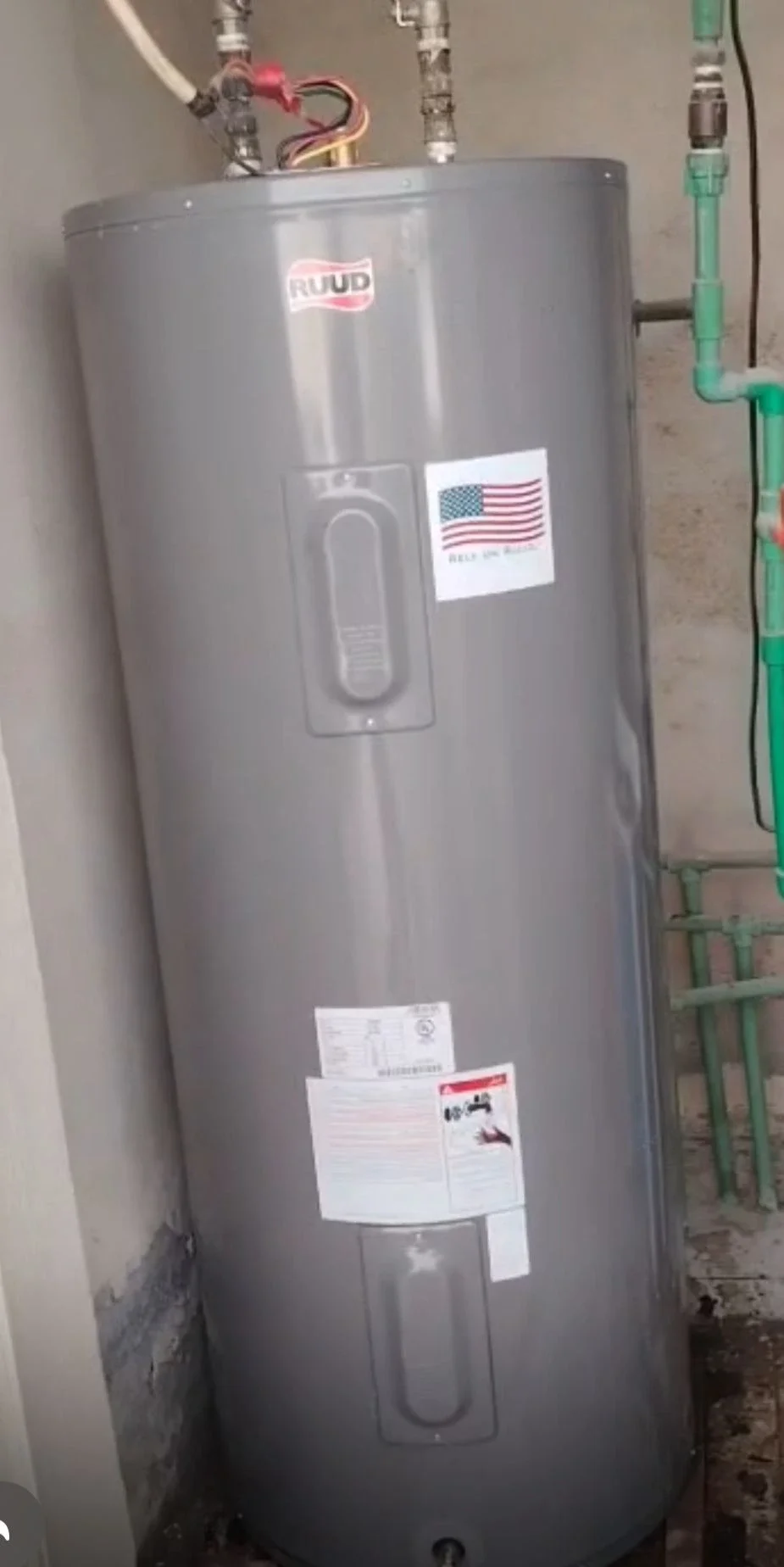
Replacing the central heater safety valve becomes a reasonable decision when inspection confirms that the valve itself can no longer close or respond reliably. However, this should not be treated as a do-it-yourself disassembly guide because the valve is a safety component connected to a pressurized hot-water tank, and experimenting with it is not worth the risk.
The correct replacement decision starts with identifying the heater specifications and the type of valve required. Not every valve that looks similar is an acceptable substitute. The replacement must be suitable for the pressure, temperature, and installation requirements of the appliance.
It is equally important not to replace the valve without investigating what caused the old one to leak or fail. If the supply pressure is excessive, the new valve may start dripping again after a short time. If water temperature is rising abnormally, the same issue can return even when a high-quality new valve has been installed.
From a pricing perspective, there is no single figure that applies to every situation. Cost varies depending on the heater type, valve specification, accessibility of the installation area, and whether an additional underlying problem also needs repair. The important point is not to choose service based only on who can stop the drops for the lowest price. The better choice is the technician who can explain why the leak occurred and reduce the chance of it returning.
-
Valve replacement should follow confirmation that the valve itself is unreliable rather than being based only on seeing drops at the safety outlet
-
The replacement valve must match heater specifications because appearance and connection size alone are not enough for correct selection
-
If excessive pressure or abnormal temperature is not corrected, dripping can return even after a new safety valve has been installed
Water leaking from the pressure relief valve
Water leaking from the pressure relief valve provides an important clue about the system, but it is not a complete diagnosis by itself. Many people see water at the valve and automatically assume that the valve is the source of the problem, when in reality it may simply be the point where the effect of another problem becomes visible.
The first distinction comes from timing. Does the leakage happen only while the heater is warming the water? Does it continue after the heater is switched off and the water has cooled? Does it become worse when no hot water is being used in the home? These questions help build a clearer picture of how pressure is behaving.
Water temperature should also be considered. If the user notices that the water has become significantly hotter than normal at the same time that the valve begins discharging, that information should be given to the technician because it changes the direction of the inspection. If the temperature remains normal but water pressure is unusually strong throughout the house, excessive supply pressure becomes a more likely explanation.
The discharge outlet should never be blocked in an attempt to stop the leak. Water on the floor may be inconvenient, but disabling the relief path is far more serious. The correct repair is to fix the cause rather than preventing the valve from showing that a pressure condition exists. The valve is not being dramatic; it is literally there to relieve pressure.
-
The timing of the leak is more useful than simply knowing that leakage exists because it helps reveal whether the problem is linked to the heating cycle
-
Excessively hot water appearing at the same time as valve discharge should be included in the diagnosis rather than treated as a separate symptom
-
Blocking the relief outlet is not a repair because it removes an essential safety function that must remain available according to the heater design
Inspecting the heater safety valve
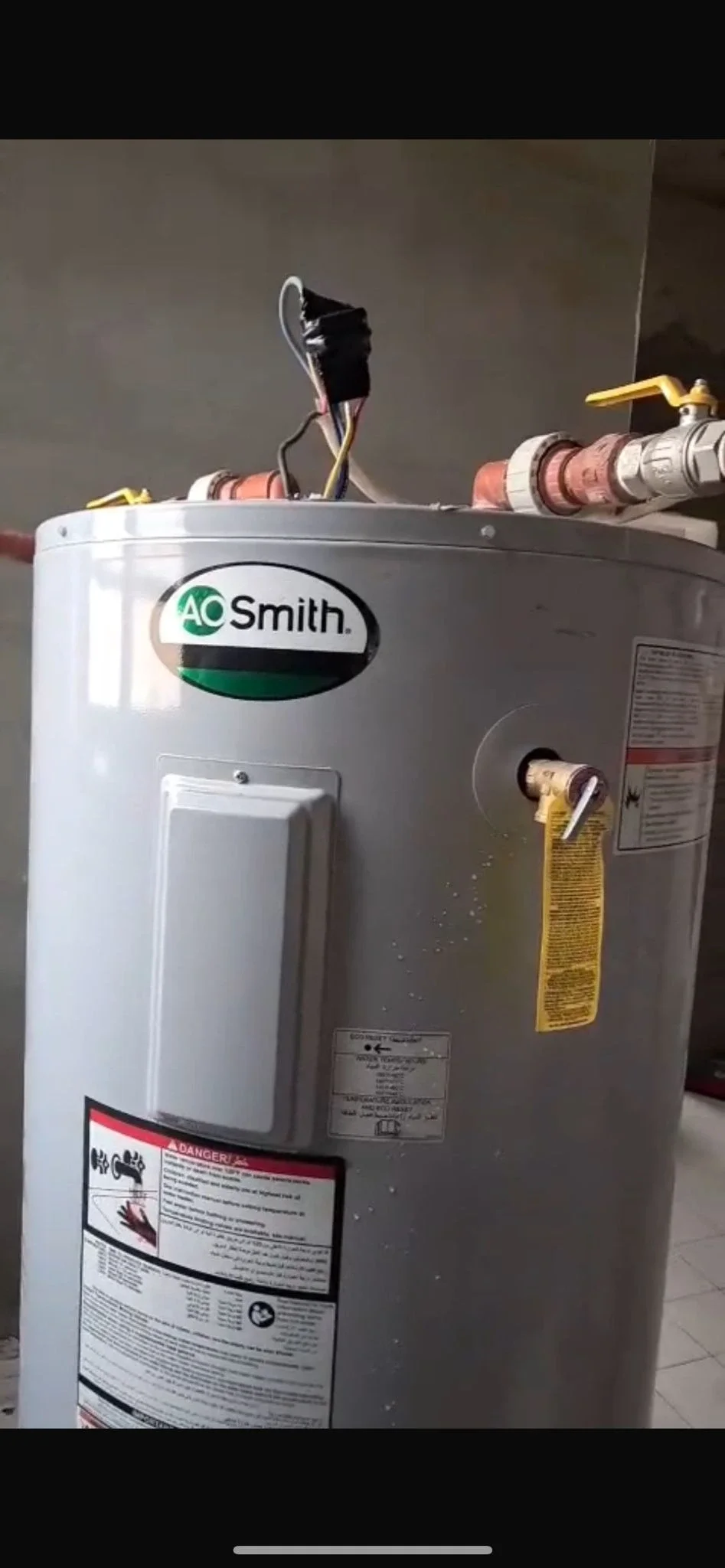
A professional approach to inspecting the heater safety valve does not begin and end with looking at the valve itself. The technician should first collect information about when the leakage appears, how much water is escaping, whether it happens during or after heating, whether the valve has already been replaced, and whether the problem returned afterward.
The next step is to evaluate water pressure, temperature conditions, and the exact source of the leak. It is important to determine whether water is actually coming from the pressure-relief outlet or from the threaded connection where the valve is installed. These are two different problems and require different repairs.
The condition of the valve should then be examined for corrosion, deposits, age, and compatibility with the heater model. The goal is not to manipulate the valve randomly but to confirm that the safety system is operating the way it was designed to operate.
Homeowners can also help diagnosis by making safe observations without removing or testing the valve themselves. Note when the dripping appears, whether it becomes heavier as the water heats, and whether it is still present when the heater is cold. These three pieces of information can sometimes save a technician considerable time when narrowing down the most likely cause.
-
Knowing when dripping occurs before the technician arrives can help connect the problem to heating or continuous supply pressure
-
Identifying the exact starting point of the drop helps distinguish between a functional valve discharge and a leaking installation connection
-
A good inspection should end with a clear explanation of the cause before a replacement part or repair service is recommended
Danger of a leaking heater safety valve
The danger of a leaking heater safety valve is not limited to the amount of water being wasted. More importantly, continuous leakage may be a warning that the system is experiencing abnormal pressure or temperature. Simply drying the floor every day means dealing with the result while ignoring what may be causing it.
Persistent dripping can also leave moisture and mineral deposits around the heater, connected pipes, and surrounding area. If the unit is installed in an enclosed location, ongoing moisture may damage finishes or make it more difficult to notice another leak developing nearby.
The greater danger comes from interfering with the valve in an attempt to stop it from releasing water. The outlet should never be blocked or disabled because its purpose is directly related to system protection. If the volume of discharge becomes unusually high, the water is excessively hot, abnormal noises appear, or electrical problems develop, it is safer to stop using the heater properly and arrange for qualified inspection rather than experimenting with the system.
Preventive maintenance does not mean panicking at the sight of every drop. A few drops do not automatically mean the heater is about to fail dramatically. What matters is a sensible evaluation that identifies whether the valve is correctly responding to a pressure condition or whether the valve itself is no longer operating properly.
-
Repeated leakage deserves investigation because it can be the first visible sign of a pressure problem that was previously unnoticed
-
A sudden major increase in discharge combined with abnormal water temperature deserves faster inspection than a small and stable drip
-
Never block the safety outlet because the correct solution is to fix excessive pressure or valve failure rather than removing the heater’s protective relief function
Conclusion
When water leaks from a central heater safety valve, do not immediately assume that the valve has failed, but do not assume that every drop is normal either. The real meaning depends on when the water comes out, how much is released, whether the discharge is related to the heating cycle, and whether supply pressure and heater temperature remain within normal operating conditions.
The valve may be functioning correctly and releasing excessive pressure, mineral deposits may be preventing it from sealing, the valve may genuinely be worn out, or the problem may originate from incoming water pressure or abnormal temperature control. This is why correct diagnosis focuses on the cause before focusing on the component.
If the safety valve has already been replaced and leakage returns after a short period, that is one of the clearest signs that the system needs a broader inspection rather than a third or fourth valve. A good technician measures, identifies, and explains why the leakage occurred before deciding whether the valve should be replaced or whether another part of the system needs attention.
Frequently Asked Questions
Is it normal for a heater safety valve to release a few drops?
A limited amount of water may appear under certain pressure conditions during heating, but continuous dripping or a noticeable increase in the amount of discharge should be inspected. It is important to determine whether the valve is responding correctly to pressure or whether it can no longer close properly.
Why does the safety valve drip after the water gets hot?
Heating causes water to expand, which can increase pressure inside the system. For that reason, dripping may sometimes be associated with the heating stage. However, repeated or significant discharge should prompt an evaluation of pressure and the way the plumbing system handles thermal expansion.
Can I block the safety valve outlet to stop the leak?
No. The outlet is part of the heater’s safety system and should never be blocked or disabled to stop water discharge. The correct approach is to identify whether excessive pressure, temperature, or a defective valve is causing the problem and repair the underlying cause.
Why did the leak return after I replaced the safety valve?
If the leak returns after valve replacement, the original cause may not have been the valve itself. High incoming water pressure, abnormal temperature, or thermal expansion can all cause a new valve to begin discharging again, which is why the complete system should be checked instead of repeatedly replacing the same part.
How can I tell if the safety valve itself is damaged?
If pressure and water temperature are confirmed to be normal but the valve continues dripping or does not return to a proper closed position, internal wear or deposits become more likely. A proper inspection is still necessary before deciding that replacement is required.
Can high water pressure cause the heater safety valve to leak?
Yes. Excessive incoming water pressure can directly contribute to repeated safety-valve discharge. This is why checking supply pressure is an important diagnostic step before deciding that the valve itself must be replaced.
Can high heater temperature cause safety valve leakage?
Yes. Higher water temperature causes greater thermal expansion and can increase pressure inside the tank. If leakage occurs together with unusually hot water, the temperature-control system should be inspected as well as the safety valve.
Does a leaking safety valve mean the heater tank is damaged?
Not necessarily. Safety-valve leakage can result from several causes that are completely different from tank failure. The actual source of the water, system pressure, water temperature, and valve condition should all be checked before reaching that conclusion.
When is replacing the safety valve the correct solution?
Replacement becomes the right choice when testing confirms that the valve itself can no longer close or respond reliably and when excessive pressure or abnormal temperature has been ruled out as the main cause.
When does safety valve leakage require urgent inspection?
Prompt inspection is recommended if the amount of water suddenly increases, the water becomes unusually hot, abnormal noises appear, electrical problems occur, or significant leakage develops around the heater. In these cases, it is safer to stop using the unit properly and arrange qualified inspection rather than continuing to operate or experiment with it.