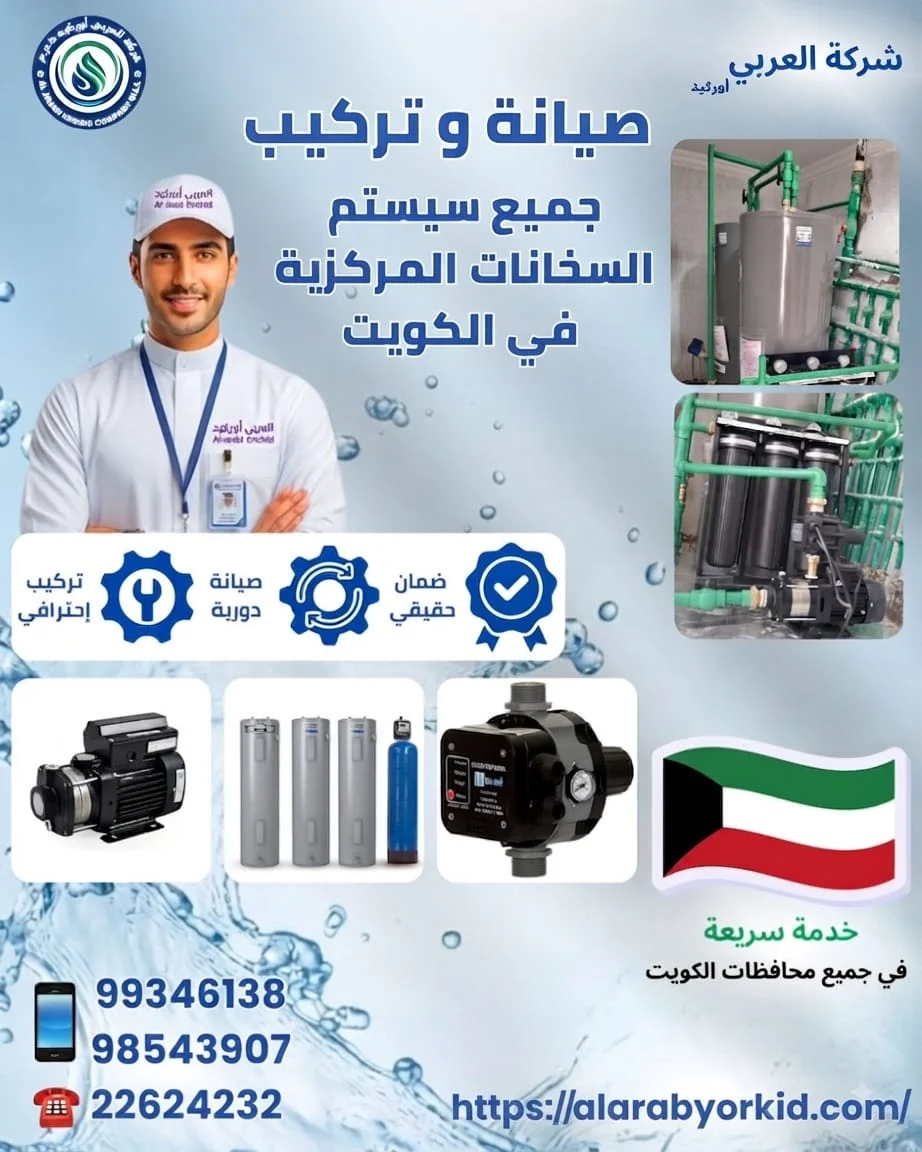
When your central water heater makes the water too hot, the problem is not simply an inconvenience during a shower. Excessively hot water can cause serious burns, and a temperature that rises beyond the normal setting may indicate a problem with the thermostat, temperature sensor, heating element, or mixing system. Consumer safety guidance generally recommends a residential water-heater setting around 120°F, or approximately 49°C, to help reduce scalding risk, while water-heater manufacturers emphasize that diagnosis should begin by comparing the actual water temperature with the selected setting before replacing any component. The correct diagnostic path is therefore: temperature setting first, actual measurement second, temperature control third, heating elements fourth, and finally the safety and mixing components.
Central Water Heater Makes the Water Too Hot
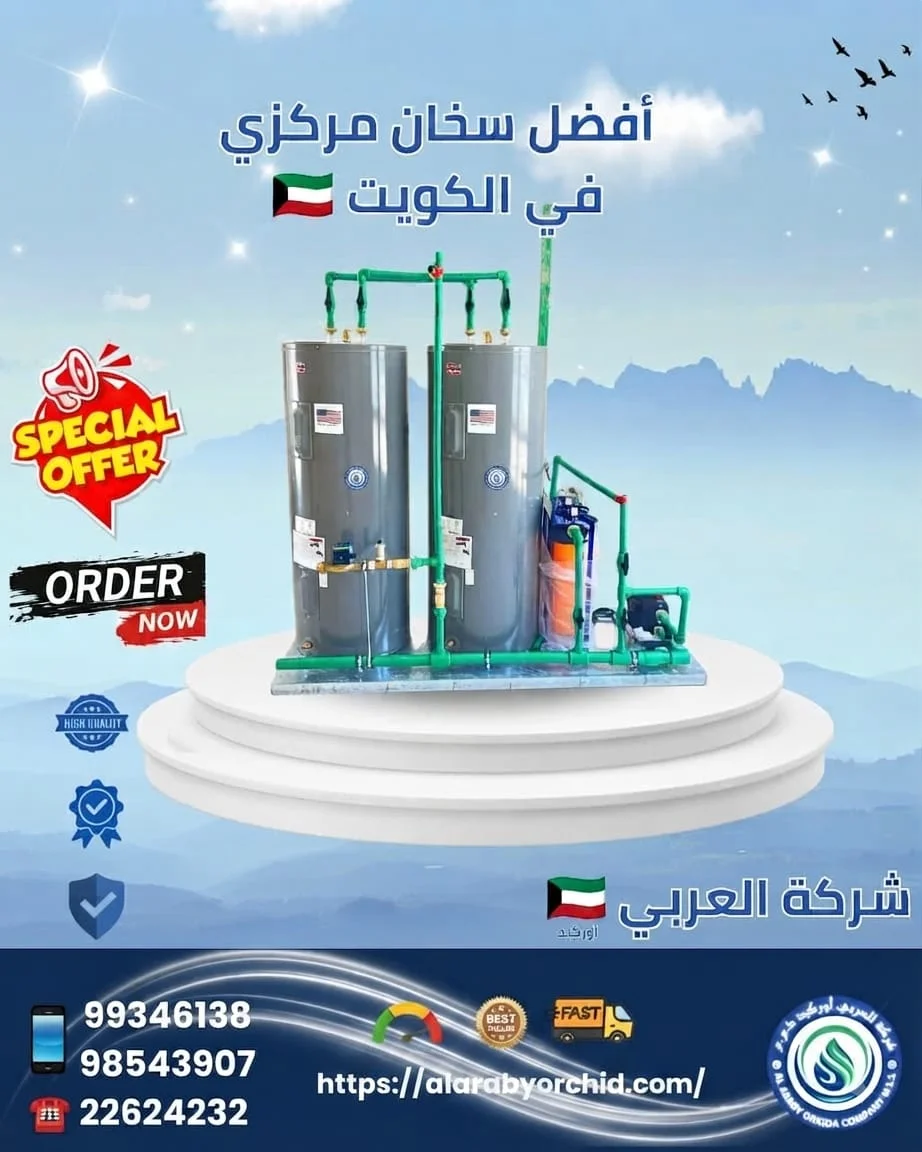
If your central water heater makes the water too hot, the first question should not be, “Which thermostat should I replace?” The first question is whether the water inside the heater is genuinely hotter than the selected setting, or whether the problem appears only at one faucet or shower. This distinction can prevent unnecessary replacement of perfectly good parts and helps determine whether the fault is inside the heater or somewhere in the hot-water distribution system.
Start by looking at the pattern. If every faucet in the home suddenly produces hotter water than normal, particularly when nobody has changed the heater setting, the likelihood increases that the problem is related to temperature control inside the heater. If the problem appears only in one bathroom while the rest of the home is normal, inspecting that shower mixer or local thermostatic mixing valve makes more sense before opening the water heater.
Water-heater manufacturers identify “water too hot” as a symptom that can result from an excessively high temperature setting, a thermostat that does not switch off at the intended setpoint, or temperature variation inside the tank. In some modern electric models, a grounded heating element can also cause excessively hot water. This is an important point because not every overheating complaint automatically means the thermostat itself has failed.
The way the problem started also provides useful diagnostic information. If the temperature became excessive immediately after someone raised the thermostat, the setting is the first place to investigate. If the heater operated normally for years and then began overheating without any adjustment, attention shifts toward the thermostat, temperature sensor, or heating element. If the high-temperature safety limit trips and the same condition returns after resetting the heater, that is a stronger warning that an underlying fault needs proper diagnosis rather than repeated resetting.
Do not judge the temperature by touching the water with your hand. Water that feels only “a little too hot” to one person may be dangerous for a child, an older adult, or someone with reduced sensitivity. Use a suitable thermometer at the point of use after the water has stabilized, while remembering that faucet temperature may not always be exactly the same as tank temperature because of pipe length and mixing valves.
-
If excessive temperature appears at every point of use start by inspecting the heater and its temperature-control system before individual faucets
-
If the problem appears at only one faucet inspect the local mixer or thermostatic mixing valve before blaming the central heater
-
Do not replace a thermostat based only on how the water feels because actual temperature measurement separates a real control fault from a high setting
-
Repeated high-limit trips are an important warning that the root cause needs diagnosis instead of resetting the heater every time
-
A sudden temperature increase after years of normal operation has a different diagnostic path from a heater that was simply set too high from the beginning
Central Water Heater Temperature Is Too High
Central water heater temperature that is too high can appear in more than one way, and it is important to distinguish between a temperature that is intentionally high because of the selected setting and a heater that continues beyond the setting even though the control is adjusted normally. The first situation may be a setting or expectation issue, while the second is more likely to involve a fault.
Many residential electric water heaters leave the factory with a setting close to 120°F or 49°C, although available temperature ranges can vary between models. The label and service manual for the exact heater therefore remain the final reference. Manufacturers also warn that raising the temperature setting increases the risk of scalding significantly.
If you find that the thermostat is deliberately set too high, the solution does not begin with replacing a component. The temperature should be reduced according to the model instructions, the tank should then be allowed enough time to complete a full heating cycle and stabilize, and only after that should the temperature be measured again. In electric heaters with more than one thermostat, the upper and lower thermostat settings should follow the heater manufacturer’s requirements rather than being adjusted randomly.
If the selected setting is normal but the measured temperature consistently rises well above it, diagnosis moves toward the thermostat or temperature sensor. In electric water heaters, service instructions often require checking whether the thermostat is making full contact with the tank surface, then inspecting the heating element and checking thermostat operation. If the thermostat is not firmly positioned against the tank, it may not sense the metal temperature accurately.
In electronically controlled models, a thermistor or other temperature sensor sends the temperature reading to the control board rather than relying only on a mechanical dial. A failed sensor or damaged wiring can appear as a diagnostic fault code on some models, so reading stored fault codes can be part of the process before components are replaced.
-
An intentionally high temperature setting is different from a heater that exceeds the selected setting by itself
-
The correct temperature reference is the manual for the exact heater model because temperature ranges and safety limits vary
-
The thermostat must remain in proper contact with the tank so it can sense temperature accurately
-
In electronically controlled heaters diagnostic codes and temperature sensors should be checked before assuming a conventional thermostat has failed
-
After changing the temperature setting allow the tank to complete a sufficient heating cycle before measuring again instead of judging the result after only a few minutes
Water From the Heater Is Extremely Hot
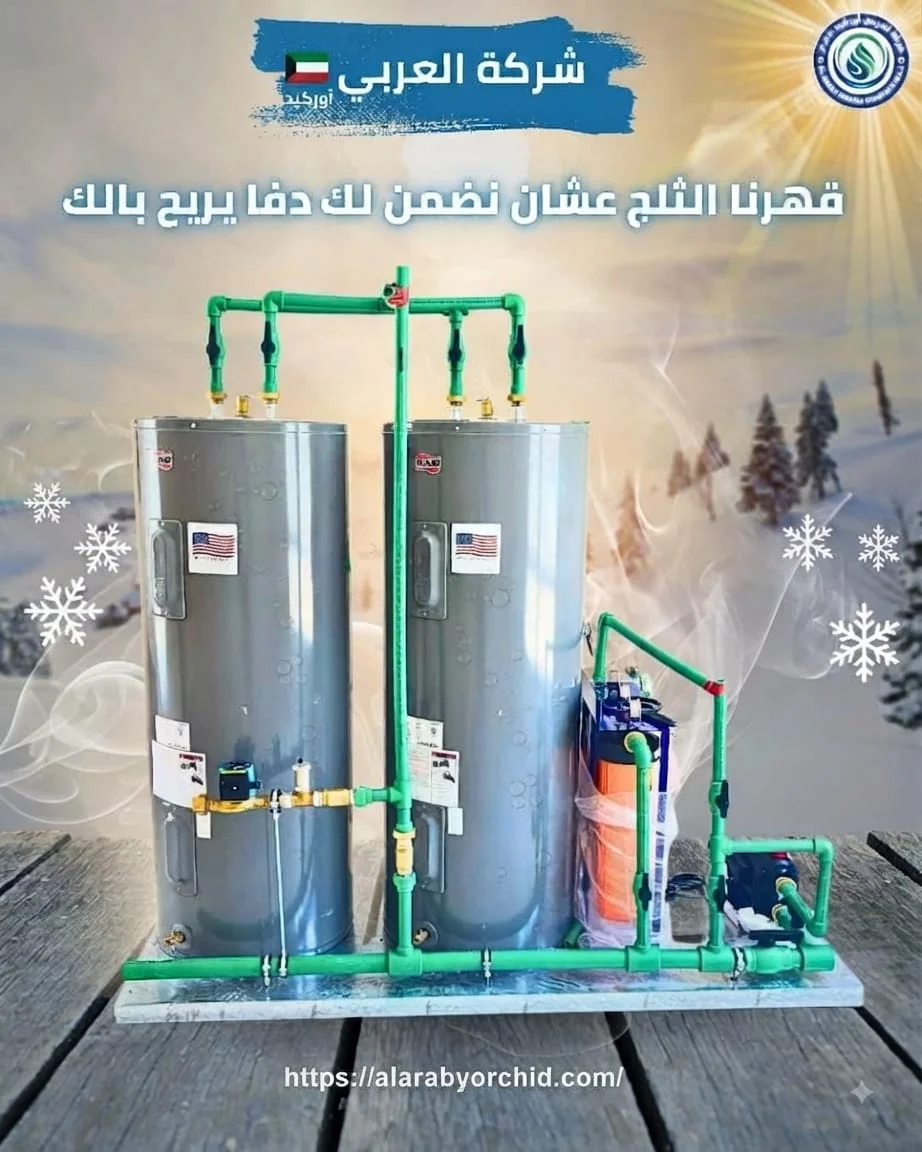
Water from the heater that is extremely hot should be treated first as a safety issue rather than simply a comfort problem. Consumer safety guidance commonly recommends reducing residential water-heater settings to around 120°F or 49°C to lower the risk of tap-water burns. As water temperature increases, the time required to cause a serious scald decreases dramatically.
Water around 140°F or 60°C can cause severe burns within only a few seconds of exposure, while water around 120°F generally requires a much longer exposure time to produce the same level of injury. Exact injury time varies between individuals, but the difference explains why “the water is only a little hotter than usual” is not an acceptable assumption when actual temperatures are excessive.
If children, older adults, or people with reduced reaction speed live in the home, the risk is even greater. The first practical step when the water has become abnormally hot is therefore to prevent unsupervised use of the hot-water system until the fault is investigated.
It is also important to distinguish between storage temperature and delivery temperature. Some systems intentionally store water at a higher temperature for specific operating reasons and then use a thermostatic mixing valve to blend hot and cold water before it reaches faucets and showers. In these systems, a failed or incorrectly adjusted mixing valve can deliver water that is much hotter than intended even though the heater itself is operating at the designed storage temperature.
This is why temperature should be measured at more than one location. If extremely hot water appears at the nearest faucet to the heater as well as throughout the bathrooms, attention should shift toward the water heater or main mixing valve. If the problem appears only after one local mixer, the fault may be restricted to that fixture.
-
Extremely hot water should be treated as a scalding hazard rather than a minor inconvenience
-
Water around 140°F carries a much greater burn risk than a temperature close to 120°F
-
Tank temperature may intentionally be higher than faucet temperature when a thermostatic mixing valve is used
-
A faulty mixing valve can deliver dangerously hot water even when the tank itself is operating at its intended temperature
-
Compare water temperature at several points of use to determine whether the fault is central or limited to one mixer or branch
Causes of Excessively Hot Water
Causes of excessively hot water range from simple temperature settings to electrical faults that require a qualified technician. The first cause is a thermostat setting that is higher than necessary, whether it was changed during previous maintenance or intentionally raised to increase the amount of available hot water.
The second cause is a thermostat that does not switch off at the selected temperature. Water-heater troubleshooting guidance commonly identifies a thermostat that fails to open at its setpoint as a cause of excessively hot water. In a mechanical thermostat, internal electrical contacts may stick or weld together, allowing the heating element to remain energized longer than it should.
The third cause in some electric water heaters is a grounded heating element or an element shorted to the tank body. Current electric water-heater service information identifies a grounded element as one potential cause of “water too hot” and recommends that it be tested by a qualified person. This matters because replacing the thermostat alone will not solve the problem if electrical current is still flowing through an abnormal path at the heating element.
The fourth cause is poor thermostat or sensor contact with the tank. Service procedures for overheating conditions often include checking whether the thermostat is firmly and fully contacting the tank surface. If the temperature-control device is not seated properly, it may sense a lower temperature than the actual water temperature.
The fifth cause is a sensor fault in electronically controlled models. If a thermistor reads a temperature lower than reality, the control board may continue heating because it “believes” the water has not yet reached the target temperature.
The sixth possible cause is a thermostatic mixing valve that is incorrectly adjusted or has failed, especially in systems designed to store water at a higher temperature. A seventh factor can be thermal stratification within the tank, where certain layers of water become hotter than others, causing the outlet temperature to differ from what might be expected from the control setting.
-
Always begin with the current temperature setting because correcting a high setting is easier and less expensive than replacing good components
-
A stuck thermostat or welded electrical contact can allow heating to continue after the selected temperature has been reached
-
A grounded heating element is a recognized cause of excessive temperature in some electric heaters and requires qualified electrical testing
-
A thermostat or sensor that is not properly contacting the tank can give the control system an inaccurate temperature reading
-
A mixing valve should be included in the diagnosis when tank temperature is reasonable but delivered water is hotter than intended
Water Heater Does Not Shut Off at Temperature

If the water heater does not shut off at temperature, the first step is understanding exactly what “does not shut off” means. Does the heating indicator remain illuminated? Is the heating element genuinely continuing to draw electrical current? Or do you only notice that the water is extremely hot? These are different observations and should not be treated as the same diagnosis without measurement.
In an electric water heater, a properly operating thermostat disconnects power from the heating element when the tank reaches its set temperature and allows heating to restart only after the temperature drops within the designed operating differential. If the thermostat contacts stick or the electronic control receives an incorrect temperature signal, the heating cycle may continue longer than intended.
There is another possibility: the heating element itself may be grounded to the tank. Current electric water-heater service guidance lists a ground fault at the element as one of the conditions that should be checked when water becomes excessively hot. Training and service documentation also identify grounded elements or welded thermostat contacts among the faults associated with high-temperature limit trips.
This is not a suitable do-it-yourself electrical test. Accessing elements and thermostats inside a central electric water heater involves potentially lethal voltage. Electrical resistance, continuity, and voltage tests should therefore be performed by a qualified technician following the manufacturer’s service procedures.
If the high-temperature limit or ECO trips, it should not be treated like a button that simply needs to be pressed every day. Its purpose is to provide an additional layer of protection when the heater exceeds the safe operating range defined for that model. If it trips again after being reset, the reason must be identified.
-
A heating indicator that remains on by itself is not enough to confirm a control failure and should be compared with actual water temperature and element operation
-
A thermostat that fails to open its contacts at the intended temperature can keep the heating element energized
-
A grounded heating element may cause abnormal heating even when the problem is not limited to the thermostat
-
Repeatedly resetting the high-temperature limit without finding the cause hides the fault instead of repairing it
-
Voltage resistance and continuity testing inside an electric central water heater should be performed by a qualified technician because of electrical shock risk
Central Water Heater Temperature Setting Fault
A central water heater temperature setting fault does not always mean the thermostat dial itself is defective. Sometimes the dial appears to be set correctly while the actual water temperature differs because of thermostat calibration, installation position, tank temperature stratification, or sensor behavior.
Electric water-heater manufacturers specify a defined thermostat adjustment range and require the electrical supply to be disconnected before accessing mechanical thermostat adjustments. This matters because opening the thermostat cover while the heater remains energized creates a serious electrical hazard.
Proper diagnosis starts by recording the existing temperature setting before changing anything. The water temperature is then measured at a point near the heater after the tank has completed its heating cycle. If the measured temperature repeatedly exceeds the intended setting by a significant amount, the thermostat or sensor can then be inspected according to the heater design.
If the heater uses both an upper and lower thermostat, their settings should follow the model instructions. It is not good practice to increase one thermostat and reduce the other experimentally in an attempt to “balance” the water because the heating elements may operate in a specific sequence depending on the design.
In some systems, the tank is intentionally maintained at a higher storage temperature while a thermostatic mixing valve controls the final delivery temperature. In this situation, reducing the tank thermostat without understanding the system design could reduce available hot-water capacity while leaving the real problem—a faulty mixing valve—untouched.
-
Record the existing temperature setting before making adjustments so you know whether an incorrect setting caused the problem
-
Disconnect electrical power before accessing a mechanical thermostat in an electric water heater
-
Do not adjust upper and lower thermostats experimentally without understanding the heater’s operating sequence
-
Compare intended tank temperature with actual faucet temperature when a mixing valve is part of the system
-
If the thermostat setting is normal but the water consistently exceeds it move on to inspection of the thermostat sensor and heating element
Water Heater Thermostat Raises the Temperature
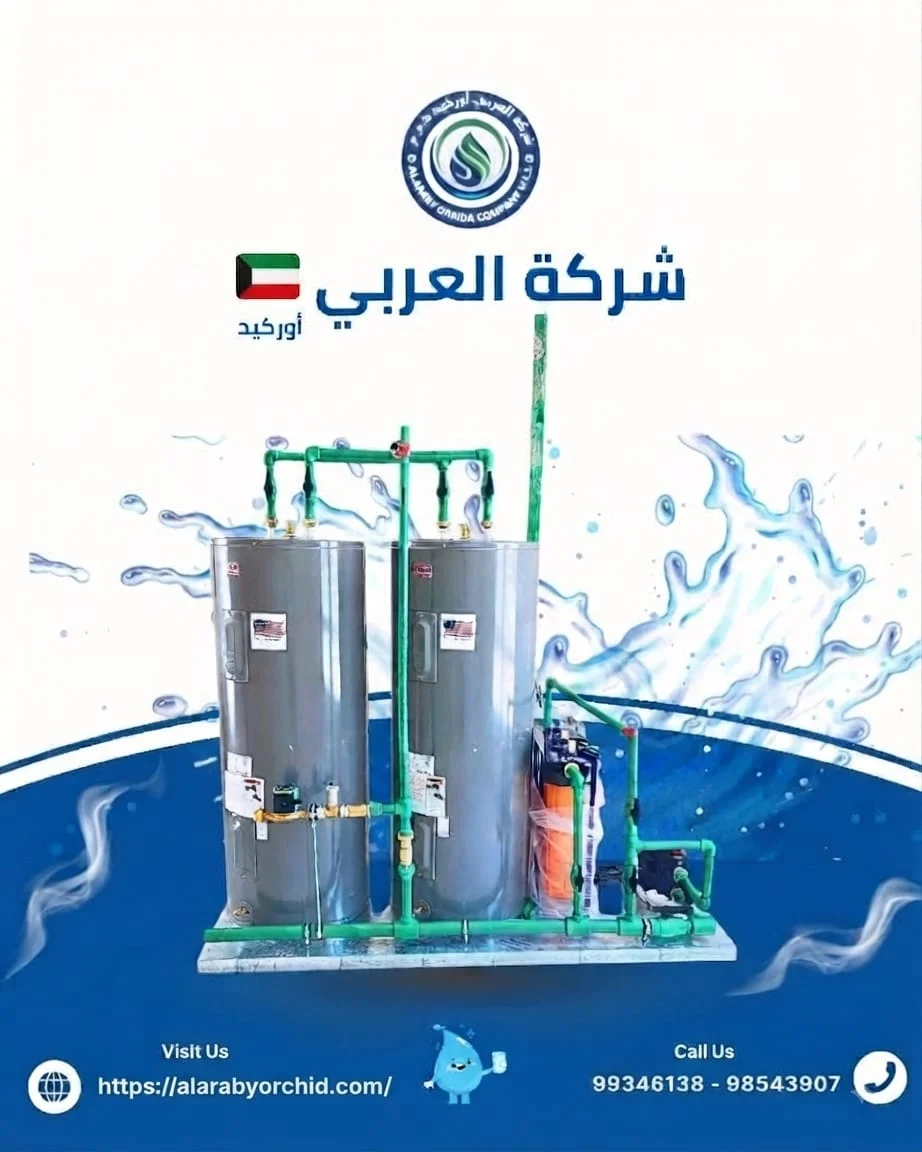
When someone says the water heater thermostat raises the temperature, they usually mean that the thermostat is no longer stopping the heating process at the expected temperature. Technically, the thermostat does not create heat. Its job is to control electrical power to the heating element according to the temperature it senses.
If the electrical contacts inside a mechanical thermostat become stuck, the heating element may remain energized longer than intended. If the thermostat is not firmly contacting the tank body, it may sense a temperature lower than the actual tank temperature. Service procedures for overheating conditions specifically include checking that the thermostat is fully seated against the tank.
In electronically controlled heaters, the problem may be a thermistor, its wiring, or the electronic control board rather than a conventional mechanical thermostat. Some current heater designs provide separate fault codes for upper and lower temperature-sensor failures, which shows why the phrase “replace the thermostat” is not a complete description of every modern temperature-control problem.
Before replacement, the technician should compare the selected setting with the measured temperature, verify correct sensor or thermostat placement, and then test control-system operation. If the thermostat is functioning correctly, diagnosis should continue toward the heating element rather than assuming the replacement thermostat itself is faulty.
The thermostat or high-temperature limit should never be bypassed and the heating element should never be connected directly for testing. Bypassing temperature-control safety devices can expose the tank and the user to dangerously high temperatures.
-
The thermostat controls heating time so a failure can allow the element to remain energized after the setpoint
-
Poor thermostat contact with the tank body can cause a temperature reading that does not represent actual tank temperature
-
Electronic heaters may use separate thermistors so diagnostic fault codes can help identify the affected sensor
-
Replacing the thermostat without testing the heating element can allow the problem to return if the real cause is a grounded element
-
Bypassing the thermostat or high-temperature safety circuit is unsafe and is not an acceptable diagnostic method
Diagnosing a Water Heater That Overheats
Diagnosing a water heater that overheats is most effective when it follows an organized sequence instead of replacing components one by one. The first step is determining whether the problem affects the whole home or only one point of use. The second is recording the current heater setting. The third is measuring the actual water temperature with a suitable thermometer at more than one location.
Water-heater diagnostic guidance recommends measuring delivered water temperature and comparing it with the selected control setting. Excessively hot water is then diagnosed through the temperature setting, thermostat, sensor, and heating elements depending on the exact model.
Next, check whether the heater has displayed a diagnostic fault code or whether the high-temperature safety limit has previously tripped. A high-limit trip indicates that at some point the heater reached a temperature outside the normal control range. When this happens, service procedures commonly include checking thermostat contact with the tank, heating-element condition, and thermostat operation.
The next stage for the technician is electrical diagnosis after isolating electrical power according to the heater service procedure. The goal is to identify a grounded element, stuck thermostat contact, or faulty sensor. Detailed electrical testing is not something a homeowner should attempt because incorrect work inside a central electric water heater can result in serious electrical shock.
Once the heater itself has been confirmed to control tank temperature correctly, the diagnosis moves toward the mixing valve. If tank temperature matches the system design but delivered water after the valve is too hot, the valve calibration and response to hot and cold water should be inspected.
The final step is testing the repair under different operating conditions: first one faucet and then several fixtures, followed by another measurement after a complete heating cycle. The purpose is to confirm that the temperature remains stable rather than appearing temporarily lower because a large volume of hot water was just used.
-
First determine whether excessive heat affects the entire property or only one point of use
-
Record the heater setting and measure actual temperature instead of relying on how the water feels
-
Review any diagnostic code or history of high-limit trips because they provide useful information about the fault path
-
Have a qualified technician test the thermostat sensor and heating elements electrically before purchasing replacement parts
-
Inspect the mixing valve when tank temperature is correct but the temperature delivered to the user remains too high
-
Retest after a full heating cycle to confirm that the actual cause has been eliminated rather than temporarily hidden
Solving Excessively Hot Water
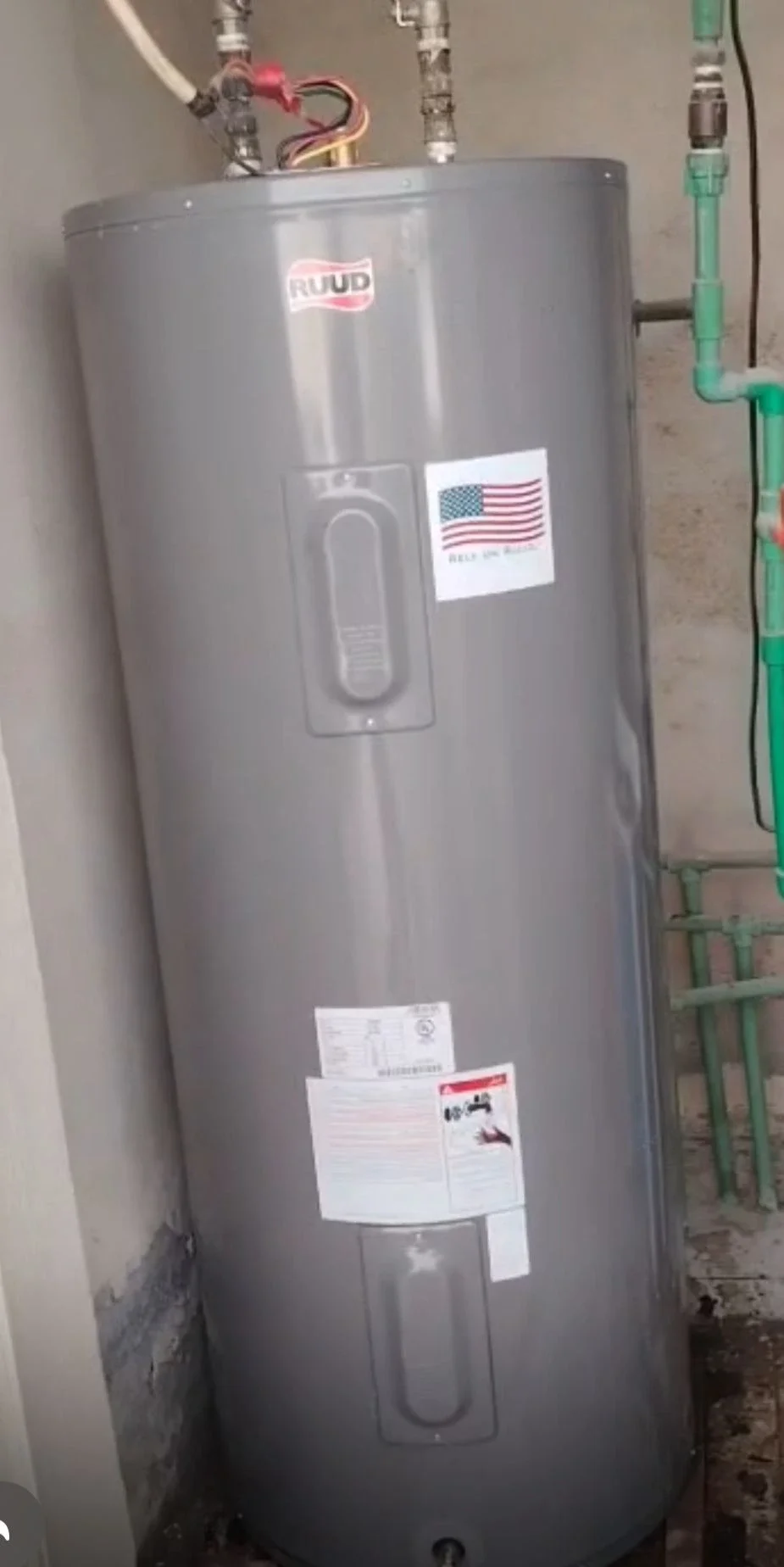
The correct solution for excessively hot water depends entirely on the confirmed cause. If the problem is simply a high temperature setting, the heater should be adjusted to the appropriate temperature according to the model instructions. For many households, a commonly recommended safety setting is around 120°F or49°C, although special system requirements should be evaluated appropriately.
If the thermostat has failed or its contacts remain stuck, it should be replaced with the correct part for the heater model and adjusted properly. If an electronic temperature sensor is causing the problem, the wiring, thermistor, or control board should be repaired or replaced according to the test results.
If the heating element is grounded, replacing the thermostat will not be sufficient. The defective element itself must be replaced. This is a recognized diagnostic possibility in electric water heaters when the water becomes excessively hot.
If poor thermostat contact with the tank is responsible, it should be seated correctly according to the heater design. If the problem is a thermostatic mixing valve, the valve should be adjusted, serviced, or replaced depending on its condition.
If the temperature and pressure relief valve, or T&P valve, is discharging water, never block its outlet. The T&P valve is an emergency safety device intended to protect against excessive pressure or temperature. Blocking the valve or its discharge pipe can create an explosion hazard. It should also never be treated as a normal daily temperature-control device.
-
A high temperature setting should be corrected and measured rather than automatically replacing the thermostat
-
A thermostat with stuck contacts should be replaced after confirming that the control circuit fails to open at the setpoint
-
A grounded heating element requires repair of the electrical fault itself rather than simply installing another thermostat
-
The mixing valve should be inspected when storage temperature is acceptable but delivered water remains too hot
-
Never block the T&P valve or treat its discharge as a problem to eliminate before diagnosing the pressure or temperature condition causing it
Danger of High Central Water Heater Temperature
The danger of high central water heater temperature has three levels: danger to the user, danger to system components, and danger to the tank itself if safety controls fail.
The first danger is scalding. Residential safety guidance commonly recommends a temperature near 120°F to help reduce the risk of tap-water burns, and higher temperatures dramatically reduce the exposure time required to cause serious injury. Children and older adults are particularly vulnerable.
The second danger is activation of the high-temperature safety limit or ECO. This device is designed as an additional layer of protection and not as the normal operating thermostat. The temperature at which it trips varies by model, so there is no single universal cutoff temperature for every water heater. If the ECO activates, the reason the heater reached that temperature should be diagnosed.
The third danger is related to pressure. Water expands as it heats, and in a closed plumbing system this thermal expansion can cause pressure to increase if it is not properly managed. The T&P valve is an emergency safety component, not a device intended to handle thermal expansion continuously during normal operation.
The most dangerous mistake is blocking the safety valve or its discharge pipe because it appears to be “leaking.” Disabling a T&P valve while excessive temperature and pressure are present can lead to severe property damage, tank rupture, or explosion.
For this reason, if the water becomes clearly hotter than normal, the high-temperature limit trips, or the T&P valve begins discharging abnormally, do not treat them as three unrelated problems and replace random components. They may all be symptoms of the same underlying control or pressure problem.
-
Excessive water temperature directly increases scalding risk especially for children and older adults
-
A high-limit trip means the heater reached a condition requiring diagnosis rather than simply another reset
-
Thermal expansion can increase pressure inside a closed plumbing system and should be managed according to the system design
-
The T&P valve is an emergency safety device and must never be blocked or disabled
-
Extremely hot water combined with high-limit trips or safety-valve discharge requires prompt professional inspection
Conclusion
When your central water heater makes the water too hot, the correct diagnosis should not begin by automatically replacing the thermostat. Start by determining whether the problem affects the entire home or only one fixture, then measure the actual water temperature and compare it with the heater setting.
If the temperature setting itself is high, the problem may be simple. If the setting is normal but the water clearly exceeds it, the next steps are checking the thermostat, temperature sensor, thermostat contact with the tank, and heating elements. Current electric water-heater troubleshooting information identifies both excessive settings and grounded heating elements as possible overheating causes, while manufacturer service procedures also include thermostat position, thermostat operation, and heating-element testing.
If the tank itself is operating at the intended storage temperature but water reaches the faucets hotter than it should, the thermostatic mixing valve becomes part of the diagnosis. These valves are specifically used in some systems to reduce the temperature delivered to users when storage temperature is intentionally higher.
From a safety perspective, a residential temperature near 120°F or49°C is commonly recommended to help reduce scalding risk, while exact settings should still consider the heater design and household requirements. If the T&P valve is discharging or the high-temperature safety limit repeatedly trips, never block the valve and do not continue resetting the heater without diagnosis.
To request a central water-heater inspection from Al Arabi Orchid, contact 99346138 and tell the technician whether excessive temperature appears at every faucet or only some of them, whether the temperature setting was recently changed, whether the high-limit reset has tripped, and whether water has discharged from the safety valve. Request a diagnostic inspection covering tank temperature, delivered-water temperature, thermostat, temperature sensor, heating elements, high-temperature limit, and thermostatic mixing valve so the real cause is repaired instead of replacing parts by guesswork.
Frequently Asked Questions
Why did my central water heater suddenly start making the water too hot?
If nobody recently changed the temperature setting, possible causes include a thermostat that no longer switches off correctly, an inaccurate temperature sensor, a grounded heating element in some electric heaters, or a problem with the thermostatic mixing valve. The cause should be identified by comparing the selected setting with actual measured water temperature.
Is the thermostat always responsible for excessively hot water?
No. The thermostat is an important possibility but it is not the only one. A grounded electric heating element can also cause excessively hot water in some heaters, and the problem may also involve the temperature sensor or mixing valve.
What temperature should a central water heater be set to?
A commonly recommended residential setting is around 120°F or49°C to help reduce the risk of hot-water burns. Always consider the heater manual and system requirements, especially where a thermostatic mixing valve or a different storage-temperature strategy is used.
Is water at 60°C dangerous?
Yes. 60°C is approximately 140°F, and water at this temperature can cause serious burns in only a few seconds. This is why abnormally high water temperature should be investigated quickly rather than treated as a minor comfort issue.
Why does the water heater safety reset keep tripping?
The high-temperature safety limit or ECO trips when the heater reaches a high-temperature condition defined as unsafe for that model. If it happens repeatedly, the thermostat, heating elements, and temperature sensors should be inspected instead of simply resetting the heater again.
Can I lower the thermostat temperature myself?
It depends on the heater design and your technical experience, but central electric water heaters contain dangerous electrical voltage. Electrical power must be disconnected before accessing mechanical thermostat controls, and professional service is the safer option when the procedure is not completely clear.
Can a mixing valve make the water too hot?
Yes. If the system uses a thermostatic mixing valve and the valve is incorrectly adjusted or has failed, water delivered to the faucets can become hotter than intended even if the tank itself is operating within the system’s designed storage temperature.
Is water coming from the safety valve because of heat normal?
The T&P valve is designed to relieve unsafe temperature or pressure conditions, but it should not operate as a normal daily control device. Continuous discharge may indicate high pressure, thermal expansion, excessive temperature, or another fault and should be diagnosed. Never block the valve.
Can the heating element raise the temperature even if the thermostat is good?
Yes, in some electric water heaters. A grounded heating element can cause abnormal heating, which is why element testing is part of the diagnosis when the temperature setting and thermostat do not fully explain the overheating.
How do I request an overheating water-heater inspection from Al Arabi Orchid?
Contact 99346138 and explain whether excessive heat affects the entire home, whether the problem started suddenly, whether the temperature setting was changed, whether the high-limit reset has tripped, and whether the T&P valve has discharged water. Request a full diagnosis including actual temperature measurement, thermostat setting, temperature sensor, heating elements, high-temperature limit, and thermostatic mixing valve before approving replacement of any component.

