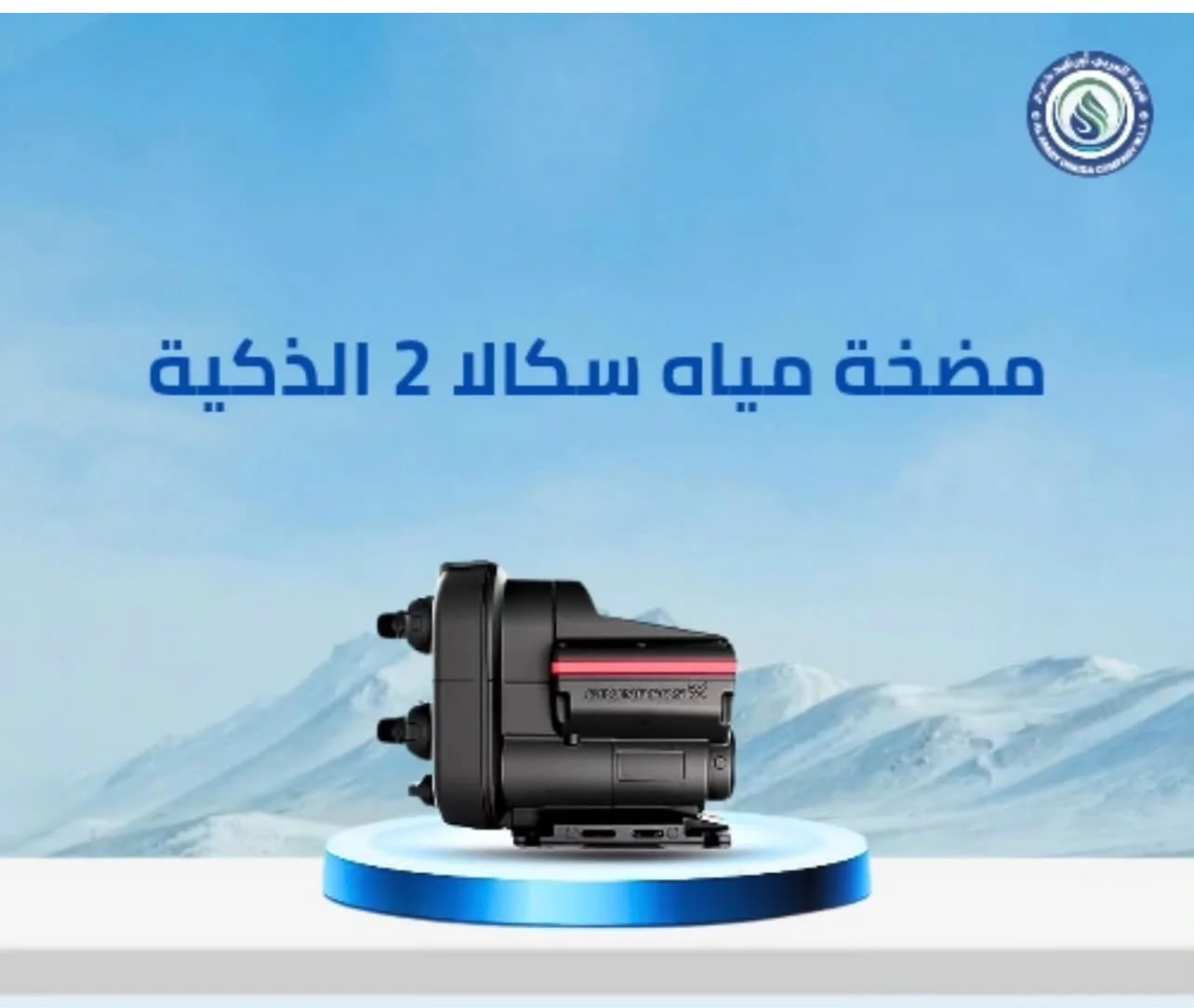
Not every weak water pump needs to be replaced, and at the same time, not every old pump is worth repairing again and again. The right decision starts with the actual cause of the fault, the condition of the motor, the pump housing, the impeller, seals, bearings, and whether the pump can still deliver the required pressure and flow. Sometimes the problem is a blockage, air leak, pressure-control fault, or another replaceable component, and repair makes sense. In other cases, internal wear, repeated failures, motor damage, or a pump that is simply undersized for the property makes replacement the more reliable and economical option. Al Arabi Orchid currently works with Grundfos domestic pumps and provides pump installation and maintenance services in Kuwait, but the best decision should still be based on inspecting the existing pump before purchasing a replacement.
Water Pump Needs Repair or Replacement
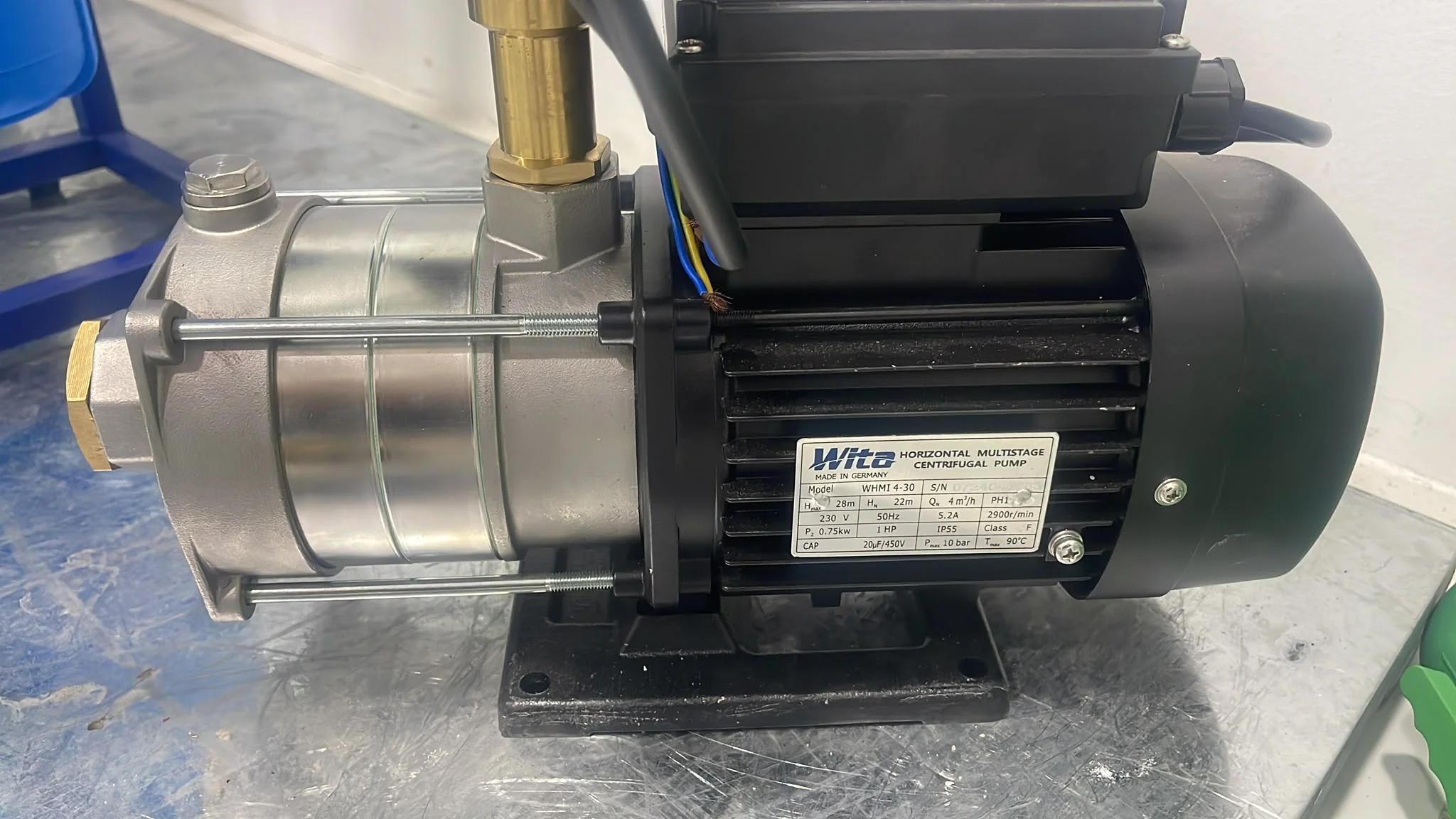
When deciding whether a water pump needs repair or replacement, you need to separate two questions. Does the pump have a specific repairable fault, or has it become unsuitable or unreliable for continued service even if a technician can make it run temporarily? This difference is extremely important because some faults look serious but are actually simple, while other pumps work again for a few days or weeks after repair and then return to the same problem because the core components are already worn.
Start with the performance change. Did water pressure used to be excellent and then suddenly become weak? That pattern points more strongly toward a new fault that deserves diagnosis, such as a blocked suction line, air entering the system, a dirty impeller, leakage, or an electrical or control problem. Pump manufacturers explain that blockage, air at the suction side, low inlet pressure, and cavitation can all cause weak performance, abnormal noise, or unstable operation without automatically requiring complete pump replacement. Dry running is another important risk because operating without sufficient water can damage bearings and shaft seals.
If the pump has been delivering weaker pressure for a long time and every repair only provides temporary improvement, or if there is constant rough noise together with leakage from the housing or shaft seal and repeated bearing problems, the repair decision needs to be examined economically. Noise and vibration can be caused by trapped air, blockage, cavitation, or worn bearings, and severe bearing wear can sometimes move the decision from maintenance toward replacement.
You should also ask whether the pump is still correctly sized. If the house has expanded, another floor was added, more bathrooms are being used, or simultaneous demand has increased, the old pump may be mechanically healthy but too small for the new load. Repairing it will not solve the long-term pressure problem.
Consider a practical example. A pump served a smaller home perfectly for years, but after an additional floor and two bathrooms were added, pressure became weak whenever several outlets were used together. If the motor, bearings, and pump body are still healthy, this is not really “damage” in the usual sense. The operating requirement has changed. In that case, replacement with a properly sized pump can make more sense than repeatedly adjusting the pressure switch or control settings.
-
If pump performance suddenly drops after years of normal operation start with diagnosis because the cause may still be repairable
-
If every repair works only temporarily and the same problem returns evaluate the entire pump instead of replacing the same component repeatedly
-
If household demand has increased beyond the pump’s capacity repair will not solve an undersizing problem
-
Dry running and persistent cavitation can cause mechanical damage so correcting the cause matters more than replacing damaged parts alone
-
The final decision should compare the condition of the motor impeller bearings and seals with the cost of an appropriate replacement
Signs of Water Pump Damage
Signs of water pump damage do not all carry the same level of seriousness. Some indicate a fault that needs prompt service, while others suggest that the pump may be approaching a larger mechanical repair.
One of the clearest signs is a change in sound. If the pump used to operate quietly and now produces rattling, grinding, or a sound similar to gravel moving inside the casing, the cause may be cavitation, trapped air, blockage, or bearing wear. Cavitation can create noise and vibration, reduce performance, and over time damage the impeller, bearings, and seals. Low suction pressure can also contribute to cavitation and create the same type of abnormal sound.
The second sign is new or increasing vibration. A normal pump may have some operating vibration depending on its design, but a noticeable increase should lead to inspection of the mounting, piping, impeller, and bearings. Vibration caused by cavitation or imbalance should not be ignored until the motor eventually stops.
The third sign is unstable water pressure. You may open a faucet and get strong pressure, then weak pressure, then strong pressure again, or the pump may start and stop very rapidly. The problem here may be a pressure switch, pressure tank, network leak, or pressure-control issue rather than damage inside the pump itself.
The fourth sign is water leakage around the pump. A leak from a connection may come from a gasket or fitting, while continuous leakage from the shaft seal or a corroded pump housing requires a different decision. If the housing itself is significantly damaged, repeated patching becomes less attractive.
The fifth sign is unusually high operating temperature. Excessive heat can be associated with high load, poor ventilation, mechanical resistance, or unsuitable operating conditions. A pump that repeatedly trips thermal protection should not simply be restarted again and again without diagnosis.
The sixth sign is poor flow while the motor continues running. In this case, the suction line, filters, impeller, and air entry should be checked before blaming the motor.
The seventh sign is sudden stopping or difficulty starting. The cause may involve electricity, protection devices, a capacitor, or mechanical binding depending on the pump type. This requires a qualified technician rather than repeated restart attempts.
-
A persistent new grinding or rough sound matters more than an old normal operating sound because the change itself is the warning sign
-
Vibration combined with weak pressure raises the likelihood of a mechanical fault cavitation or blockage and deserves early inspection
-
A simple external leak is not the same as a cracked or badly corroded pump housing so the source of the water changes the repair decision
-
Repeated thermal shutdown should lead to diagnosis of the load instead of repeatedly resetting the breaker
-
Weak flow does not automatically prove motor failure because suction problems impeller blockage and air can create the same symptom
When Should a Water Pump Be Replaced?
The question when should a water pump be replaced does not have one correct answer such as “after five years” or “after ten years” for every pump. Service life depends on pump model, operating hours, number of starts and stops, water quality, installation quality, suction conditions, dry running, cavitation, and maintenance.
Dry running can damage bearings and shaft seals, while insufficient suction conditions can create cavitation that produces noise and eventually mechanical damage. This means two pumps of exactly the same age can have completely different mechanical conditions because one has operated under much harsher conditions.
Replacement becomes reasonable in several situations. The first is when the pump housing or major hydraulic components have extensive wear or damage and replacing a seal or bearing is no longer enough to restore reliable operation.
The second situation is when the motor itself has major damage together with other worn components. If the repair requires motor work, bearings, seals, and impeller replacement at the same time, the total repair cost rises while confidence in the remaining old components becomes lower.
The third situation is when the pump no longer matches household demand. A home that originally worked with a half-horsepower pump may later need greater pressure or flow because the plumbing network expanded. Al Arabi Orchid currently advertises Grundfos booster pumps from half horsepower for smaller and medium homes through larger one- and two-horsepower options for bigger homes and buildings, as well as a smart Grundfos pump. This illustrates that one pump size is not appropriate for every property.
The fourth situation is repeated failure that reduces reliability. If every few months there is another part, leak, or shutdown, it is not useful to judge each repair invoice separately. You should consider the total cost, inconvenience, and instability of water service.
The fifth situation is severe bearing wear or persistent mechanical noise associated with confirmed internal deterioration. In some pump types, excessive bearing wear can make replacement more practical than continued repair.
-
Do not rely on age in years alone because operating conditions can greatly shorten or extend pump life
-
Replace the pump when damage has spread from one consumable component to several major components and repair becomes only a delay
-
Recalculate required capacity if the house or plumbing network has changed since the old pump was installed
-
Repeated failures and water-service interruptions are part of the real cost even when each individual repair seems inexpensive
-
An older pump that remains stable mechanically sound and capable of meeting the required performance does not need replacement simply because of age
Repair or Replace the Water Pump
The decision between repair or replace the water pump can be simplified into four technical questions instead of relying on instinct.
Question 1: Which part is damaged?
If the problem is a seal, contactor, pressure switch, pressure tank, blockage, or an impeller that can be cleaned or replaced, repair is often worth considering. If the motor is burned and the bearings, seal, and impeller are also heavily worn, the repair bill becomes much larger and reliability after repair becomes less certain.
Question 2: Is the rest of the pump still in good condition?
Replacing one bearing in a pump with a healthy motor and housing is completely different from replacing a bearing in a pump that is already leaking, corroded, noisy, and overheating.
Question 3: Is the pump correctly sized for the actual load?
If it is smaller than household demand, successful repair does not mean successful system performance. The pump may run again but the pressure problem will remain.
Question 4: How frequently has the fault returned?
The first repair after years of service is very different from a third or fourth repair within a short period.
This is where the idea of “remaining value” becomes useful. If you have a good-quality pump with available parts, a clearly identified fault, and all other major components in good condition, repair may extend useful service for years. If the pump is very old, parts are difficult to obtain, and every service visit reveals another issue, replacement may be less expensive over the near term.
Operating efficiency should also be considered. Not every old pump should be replaced simply because it is old, but if internal wear or poor sizing makes it operate much longer than necessary, a properly selected newer replacement may provide more stable performance.
Al Arabi Orchid currently advertises Grundfos pump installation and maintenance, including a smart Grundfos pump with a published price of KWD 160, but the company does not publish one fixed general price for repairing or replacing every domestic booster pump. The correct comparison should therefore be based on an actual inspection and quotation rather than broad numbers.
-
Repair when the fault is clearly identified the remaining pump components are healthy and correct spare parts are available
-
Replace when several major components are worn or when the motor and pump housing require major work at the same time
-
Do not treat successful restart after repair as enough if the pump was undersized for the plumbing system from the beginning
-
Add together recent repair costs and downtime before comparing them with the price of a suitable new pump
-
Ask the technician to explain the failed component and the condition of the rest of the pump so the recommendation can be justified
Lifespan of a Home Water Pump
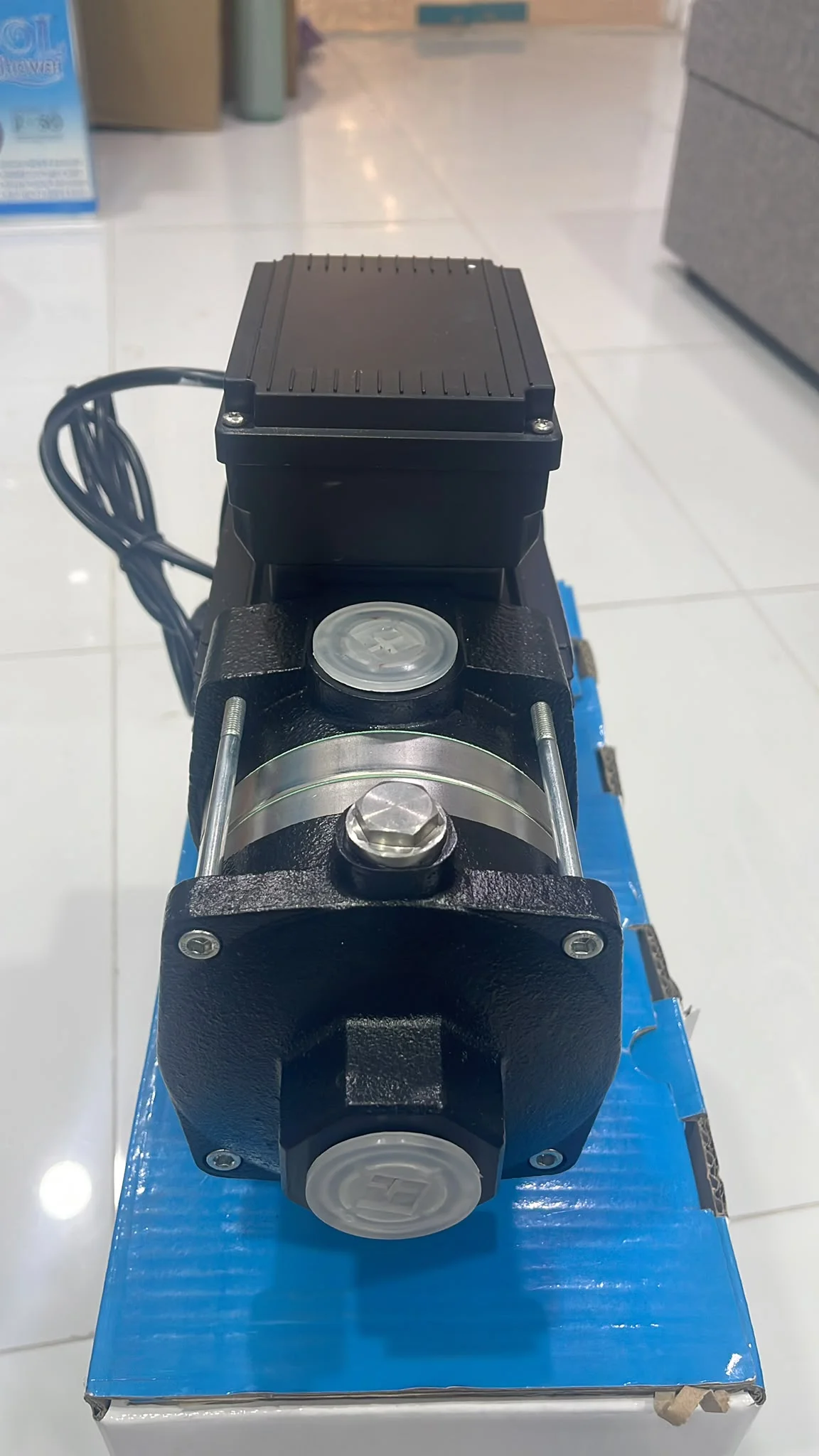
The lifespan of a home water pump should not be measured by calendar years alone. A pump operating at the correct duty point with reasonably clean water, no dry running, no cavitation, and a reasonable number of starts can last very differently from a pump operating under poor suction conditions and cycling far more frequently than intended.
One of the biggest threats to pump life is dry running. Pump manufacturers treat dry-run protection as an important monitoring function because bearings and shaft seals can be damaged when a booster pump operates without enough water. Suitable protection against low-water conditions is therefore important in booster systems.
The second factor is cavitation. This occurs when pressure at the pump inlet drops sufficiently for vapor bubbles to form and then collapse around the impeller. Cavitation creates noise, vibration, lower performance, and can cause mechanical damage to the impeller, bearings, and seals if it continues.
The third factor is short cycling, meaning excessive starting and stopping. If a leaking network, pressure tank problem, or control fault makes the pump start every few seconds, the number of start cycles increases dramatically. Even if the motor can tolerate the load, the system is no longer operating in a normal designed pattern.
The fourth factor is water quality and debris. Sand and suspended particles can create blockage and wear in the impeller or seals, which is why the condition of the suction line and filtration matters.
The fifth factor is installation quality. Piping that places mechanical stress on the pump body, an unsuitable suction line, or air entering through connections can create faults unrelated to the actual age of the product.
So when the technician asks, “how old is the pump?” that is only one part of the picture. You also need to ask: how often does it run? Has the sound changed? Has it ever run without water? Have failures become frequent? Is pressure still the same as when it was new?
-
Operating life matters more than age on paper because running hours and suction conditions determine real wear
-
Protecting the pump from dry running can prevent damage to bearings and the shaft seal
-
Persistent cavitation is not only an annoying sound but a condition that can damage hydraulic and mechanical parts
-
Frequent starting and stopping should lead to inspection of control settings leakage and the pressure tank rather than being accepted as normal
-
Do not replace a stable pump because of an unverified lifespan estimate if performance testing and mechanical condition remain good
Faults That Require Pump Replacement
Not every problem belongs under faults that require pump replacement. There should be clear reasons why replacement is more reasonable than repair.
The first reason is serious damage to the pump housing itself. If there is cracking or severe corrosion in the housing or at major connection points and repair cannot reliably restore leak-tightness or alignment, replacing a seal will not solve the underlying issue.
The second reason is multiple internal failures. If the impeller is badly worn, the bearings are damaged, the shaft or seal needs replacement, and the motor is overheating or has insulation problems, you are no longer repairing one isolated fault. You are rebuilding a heavily worn pump.
The third reason is severe bearing noise with confirmed internal wear, especially in pump types where a complete replacement is more economical than a major rebuild.
The fourth reason is poor spare-parts availability or incorrect replacement parts. If the market only offers unsuitable generic parts and each repair requires modification, long-term reliability becomes weaker. A supported replacement with correct parts can make more sense.
The fifth reason is the pump is not suitable for the actual duty. It may still be mechanically healthy but unable to produce the required pressure and flow. In this situation, replacement is not because the pump is “broken” but because the system design requirement has changed.
The sixth reason is the same fault keeps returning after it has been repaired correctly. If external causes such as dry running, cavitation, or unstable electricity have been corrected and the same component continues to fail, the overall internal condition of the pump should be evaluated.
The seventh reason is repair cost approaching the price of an appropriate replacement. There is no universal rule such as “replace whenever repair exceeds 50% of a new pump.” Pump value, age, replacement warranty, and the condition of the remaining components all matter.
-
Replacement becomes more logical when damage includes the housing or several major components rather than one isolated wear part
-
Lack of correct spare parts reduces the value of repair even when a technician can make the pump operate temporarily
-
An undersized pump should be replaced with the correct duty rather than repeatedly adjusting pressure settings
-
Repeated recurrence of the same fault after external causes have been eliminated suggests deeper internal weakness
-
Do not use one fixed repair-cost percentage for every case because pump age condition replacement price and warranty all change the decision
Checking the Condition of a Water Pump
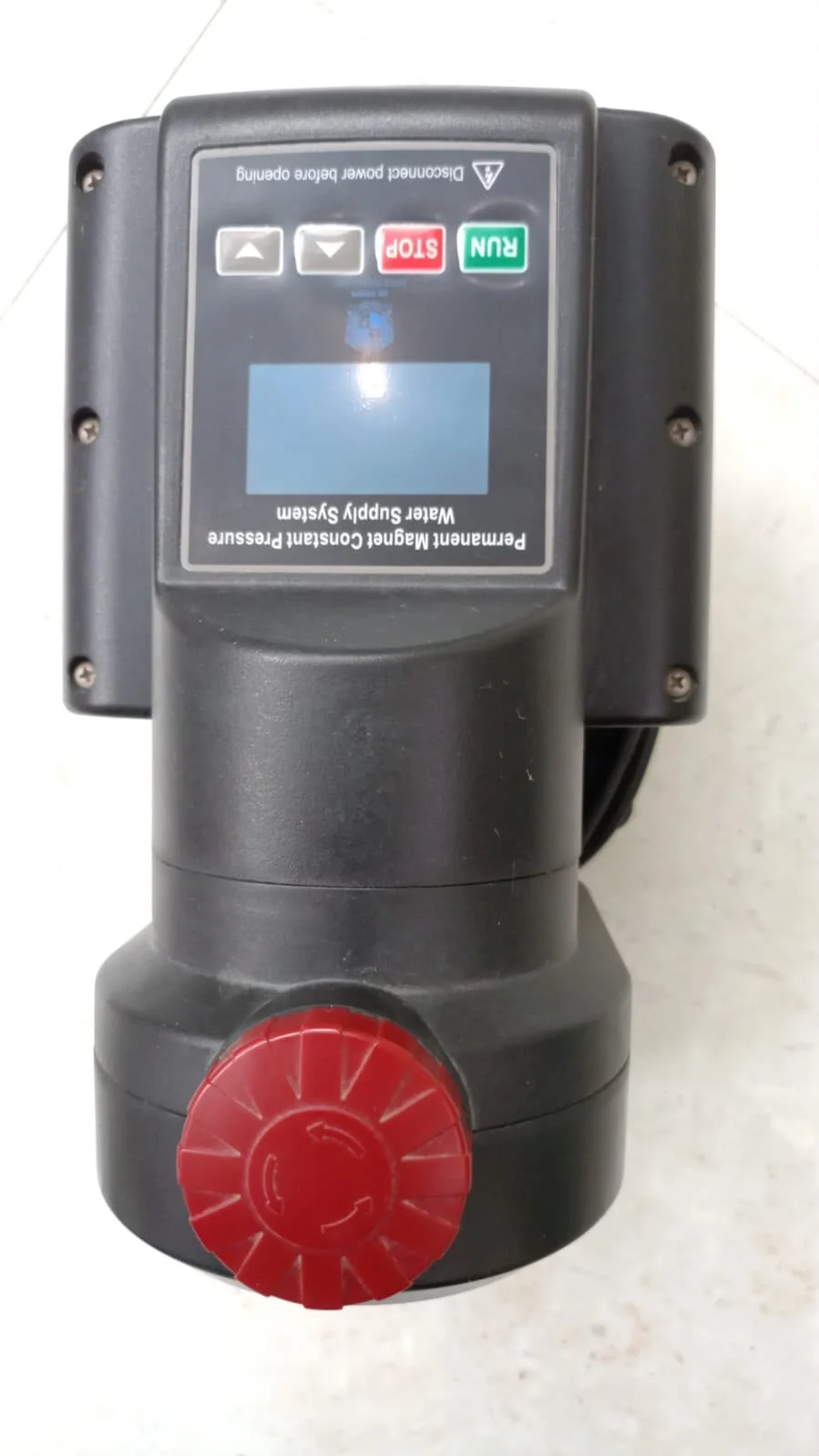
Checking the condition of a water pump before deciding whether to repair or replace it is the most important step in the entire process because without inspection you are choosing based on assumptions.
The inspection starts while the pump is off. The technician checks for leakage, corrosion, the condition of the base and mounting, pipe connections, suction line, and discharge line. Filters are also checked for blockage, valves for proper opening, and suction connections for possible air leaks.
The pump is then operated and the technician listens for sound and vibration. Cavitation noise is different from worn-bearing noise or an object striking inside the impeller. Trapped air, cavitation, blockage, and bearing wear can all cause abnormal sounds, so noise provides direction but should not be the only basis for a final decision.
Next comes performance testing. What pressure is being produced? Is flow stable? Can the pump maintain acceptable performance when more than one outlet is open? Comparing current performance with previous performance or the original specification is extremely useful.
Then the technician reviews operating behavior. Does the pump start and stop every few seconds? Does it operate continuously even under light demand? Does it hesitate before starting? These symptoms can lead toward inspection of the pressure switch, pressure tank, leakage, and control system.
After that comes electrical testing by a qualified technician. Voltage, current, motor protection, and starting components are evaluated according to the pump type. The customer should not open electrical covers and perform these measurements personally.
If the symptoms require it, the technician then inspects hydraulic components such as the impeller, shaft seal, bearings, and shaft and determines whether the issue is cleaning, one replaceable part, or broader wear.
Most importantly, do not accept only the statement “it needs replacement.” Ask the technician to explain:
What fault was actually proven
Which parts are required
Whether the rest of the pump is healthy
How much repair will cost
Which replacement model is suitable if you choose replacement
-
Checking suction filters and connections before dismantling the pump can reveal external causes and prevent unnecessary repair
-
Sound and vibration are diagnostic clues but should be confirmed through performance measurements and mechanical inspection
-
Comparing current pressure and flow with normal pump performance helps show the real amount of deterioration
-
Motor electrical measurements should be carried out by a qualified technician because they are part of safe diagnosis
-
Ask for an inspection result that can be clearly explained instead of accepting “replace it” or “repair it” without reasons
Cost of Repairing Versus Replacing the Pump
The cost of repairing versus replacing the pump should not be decided from the repair invoice alone. You need to calculate the complete “cost of the decision.”
Repair cost includes inspection, parts, labor, removal, and reinstallation, but you should also consider the condition of the remaining old components. If the only problem is one bearing and everything else is excellent, the risk of another immediate failure is relatively low. If the motor is old, the pump leaks, the housing is corroded, and the impeller is worn, the risk is much higher.
Replacement cost includes the price of the new pump, installation, and any required modification to connections, control devices, or the pressure tank. In return, you receive a new unit if it is properly selected and may receive a new warranty depending on the supplier and exact model.
Al Arabi Orchid currently lists a Grundfos smart pump at KWD 160 and advertises half-horsepower booster pumps together with one- to two-horsepower pumps, but it does not publish one fixed price for every model. The company also does not publish one universal repair price for every domestic pump. Therefore, KWD 160 should not be treated as the replacement price for every pump; it is the current published price for one specific smart product.
Consider the decision using examples instead of invented pricing. An old pump needs only a simple seal replacement, the leak source is known, the motor is quiet, and pressure remains excellent. Repair is probably logical. Another pump needs motor work, bearings, a seal, and has a corroded housing while its pressure is already insufficient for the property. Even if technically repairable, replacement becomes a stronger option.
You should also consider downtime cost. If the pump serves a villa and repeated failure means poor water pressure or loss of water service for children, elderly family members, or a large household, reliability has practical value even if it does not appear as a separate invoice item.
Finally, do not compare repair of an old pump with the cheapest new pump in the market. Compare it with a replacement that actually meets the required head and flow, uses suitable materials, has appropriate controls, and comes with clear warranty coverage.
-
The real repair cost includes the condition and likely future failures of remaining old components not only the part being replaced today
-
The price of a new pump should be compared with a replacement that matches the actual duty rather than the cheapest available unit
-
The currently published KWD 160 Grundfos smart pump is one specific product and not a general price for all water pumps
-
Ask for both a repair quotation and a replacement quotation during the same visit so the comparison uses the same inspection data
-
If the cost difference is small and several major components in the old pump are already worn replacement may provide better short-term value
Is an Old Water Pump Worth Repairing?
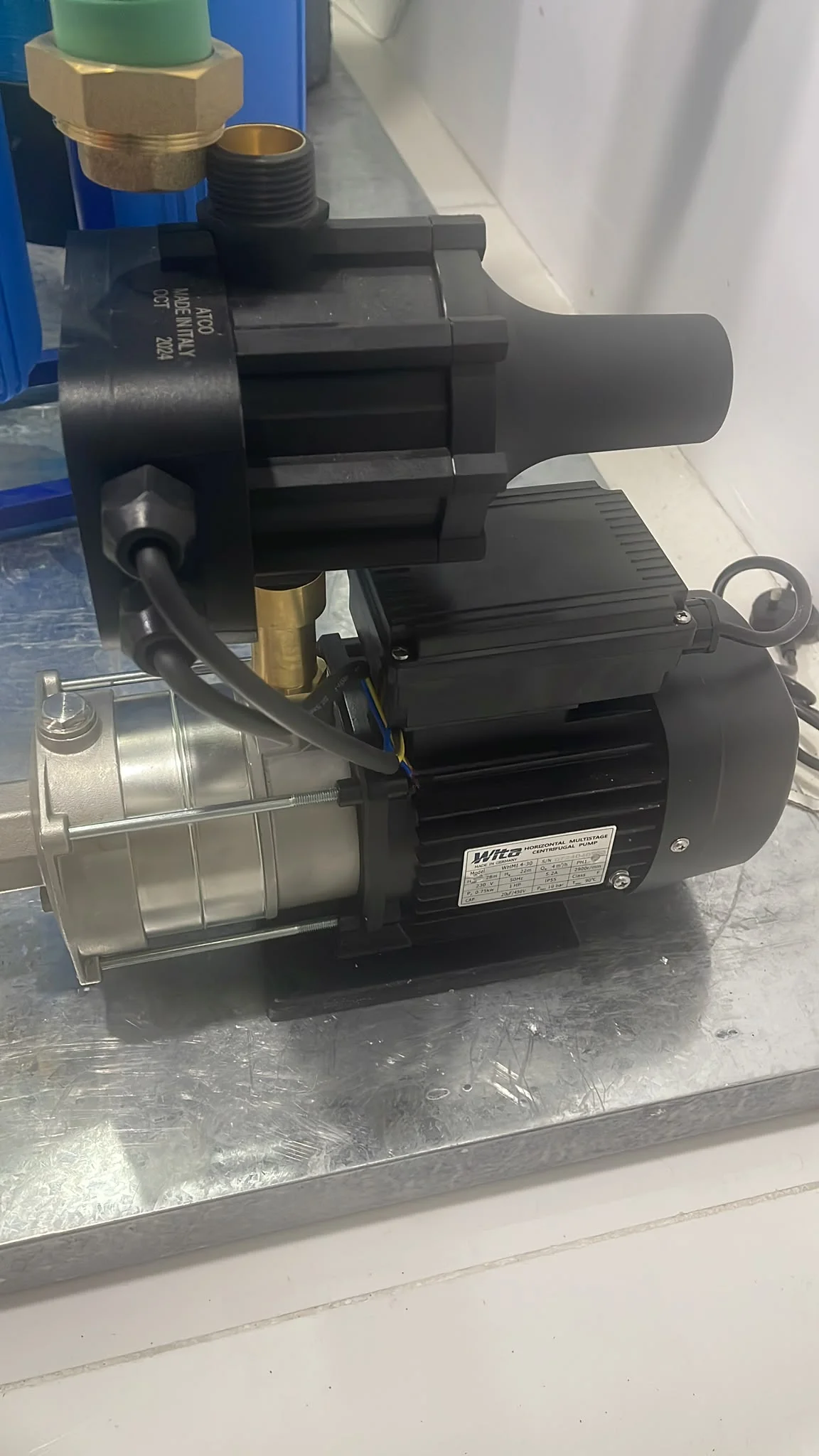
The question is an old water pump worth repairing becomes much easier when you stop looking only at age and start looking at the quality and condition of the actual unit.
A pump can be several years old, come from a good product line, have been installed correctly, never have run dry, and have no major internal corrosion. If its first serious problem is a seal or bearing, repair may be very worthwhile. Age alone is not a reason to throw it away.
On the other hand, a younger pump that has repeatedly experienced dry running, cavitation, or poor suction-line design can be in much worse mechanical condition. Dry running and cavitation can damage bearings, seals, impellers, and overall performance, which is why operating history can matter more than the date printed on the original invoice.
Before repairing an older pump, evaluate five points:
-
Motor condition
-
Pump housing condition
-
Impeller and shaft condition
-
Availability of correct spare parts
-
Whether the capacity still matches the property
If the first four are good and the answer to the fifth is yes, there is a strong reason to repair. If three of those five are poor, replacement becomes more attractive.
Also review repair history. A pump that operated for years without requiring money and then develops one clear fault is different from a pump that has already needed several service visits and parts during the last year.
Technology matters as well. Al Arabi Orchid currently advertises standard Grundfos pumps from half horsepower up to two horsepower together with a smart Grundfos pump that adjusts operation according to pressure demand. Moving to a smart pump is not automatically necessary just because the old pump is older, but it can be an option if replacement is already justified and the new control method suits the water network.
The final point is warranty. If the old pump is outside warranty and needs a major repair, compare that repair with a properly selected new unit with clear warranty coverage rather than comparing only the cost of one component.
-
An old pump can still be worth repairing when the fault is limited and the main components remain healthy
-
Poor operating history can matter more than calendar age so consider previous dry running cavitation and leakage
-
Availability of correct parts improves the value of repair while unsuitable substitute parts reduce reliability
-
If the old capacity no longer matches the property do not let attachment to the old pump stop you from solving the root problem
-
Review the last year of faults and repair costs because they provide a better picture than pump age alone
Water Pump Replacement Decision
The water pump replacement decision can finally be turned into a simple decision matrix instead of remaining an open-ended argument.
Repair the pump if:
The fault is isolated and clearly identified
The motor is healthy
The housing is healthy
The impeller is in good condition
Correct spare parts are available
Current capacity still suits the property
There is no pattern of repeated failures
Seriously consider replacement if:
The fault affects more than one major component
The motor or housing is damaged
Performance was already insufficient before the current failure
Repairs are becoming frequent
Correct parts are difficult to obtain
The property now requires more head and flow than the old pump can provide
Before replacing the pump, external causes should always be excluded. If the old pump keeps failing because it runs without water, installing a new pump without dry-run protection can simply repeat the same problem. Dry-run protection is important because operating without water can damage bearings and shaft seals.
The same applies to cavitation. If cavitation is caused by low inlet pressure or poor suction-line design, replacing the pump alone does not guarantee that the new pump will last longer. Insufficient NPSH can cause cavitation, noise, and eventual damage.
This is why replacement should be a system decision, not only a device decision. If the pump is replaced, the new unit should match required capacity, the suction and discharge lines should be suitable, and the control method should match actual operation.
Al Arabi Orchid currently advertises installation and maintenance of Grundfos pumps ranging from half horsepower to two horsepower, as well as smart pumps, across Kuwait. If the repair-versus-replacement decision is unclear, you can contact 99346138 and request an assessment of both the pump and the water network before purchasing a replacement.
-
Do not replace the pump before correcting the external cause that damaged the old unit because the same fault can affect the new one
-
Repair is the stronger option when the main components are proven healthy and the fault is limited
-
Replacement becomes stronger when poor reliability combines with several worn components or unsuitable capacity
-
Any new pump should be selected according to required head and flow rather than horsepower alone
-
Contact 99346138 and request an assessment of the pump and network before purchasing if it is not clear whether repair is worthwhile
Conclusion
Knowing how to know if a water pump needs repair or replacement begins with one simple rule: do not decide from age alone, one strange sound, or one repair price.
If pump performance was excellent and a clear isolated fault suddenly appeared, such as a seal, blockage, or control component, while the motor, housing, and impeller remain healthy, repair is worth considering. But if the failures have become multiple or repetitive, the housing is corroded, the motor is damaged, or bearings, impeller, and seal all need major work, replacement begins to make much more sense.
You should also understand that not every pressure problem is a pump failure. The old pump may simply have become too small for the property after the plumbing network expanded. Repairing it can restore its original condition, but it cannot increase its original design capacity.
Do not overlook the conditions that destroy pumps prematurely. Dry running can damage bearings and shaft seals, while unsuitable suction conditions can cause cavitation, noise, vibration, poor performance, and damage to the impeller, bearings, and seals.
The cost decision is also more than “one part versus one new pump.” Consider repair history, the condition of the remaining components, spare-parts availability, downtime, and the price of an actually suitable replacement.
Al Arabi Orchid currently advertises installation and maintenance for standard and smart Grundfos pumps for homes and buildings across Kuwait. Its current website publishes a KWD 160 price for one specific smart Grundfos pump, but it does not publish one fixed universal repair or replacement price for every booster pump. The exact price therefore depends on pump type, the actual fault, and the required replacement size.
If your pump has become noisy, pressure is weaker, there is leakage, or it starts and stops repeatedly, contact 99346138 and request an inspection covering the cause of the fault, motor condition, impeller condition, bearings, shaft seal, current pump capacity, repair cost, and the price of a suitable replacement. This makes the final decision based on actual evidence rather than replacing the pump simply because you suspect it is old.
Frequently Asked Questions
How do I know whether my water pump needs repair rather than replacement?
If the fault is limited to something such as a seal, blockage, or control component while the motor, housing, and impeller remain in good condition and the pump still suits household demand, repair is usually worth considering before replacement.
What are the main signs of water pump damage?
Common signs include new noise, grinding, stronger vibration, weak pressure, leakage, overheating, or repeated shutdown. These symptoms require diagnosis because they can be caused by bearing wear, cavitation, blockage, leakage, or control faults.
Does a gravel-like sound mean the pump is completely damaged?
Not necessarily. A gravel-like sound can be associated with cavitation, which occurs when suction pressure becomes unsuitable and vapor bubbles form and collapse around the impeller. Cavitation creates noise and vibration and can eventually cause damage if it continues.
When is replacing the pump better than repairing it?
Replacement becomes more attractive when several major components are damaged, the housing is badly corroded, the motor is significantly damaged, failures are recurring, or the pump is no longer suitable for the pressure and flow required by the property.
What is the normal lifespan of a domestic water pump?
There is no single reliable number that applies to every pump. Service life depends on model, operating hours, start frequency, suction conditions, dry running, cavitation, water quality, and maintenance, so actual mechanical condition matters more than age alone.
Does running a water pump without water damage it?
Yes. Dry running can damage bearings and the shaft seal, which is why suitable dry-run protection is important in booster-pump applications.
Is an old water pump worth repairing?
Yes, if the fault is limited, the motor, housing, and hydraulic components remain in good condition, the pump still matches household demand, and correct spare parts are available. Age alone does not mean the pump must be replaced.
How do I compare the cost of repairing a pump with replacing it?
Compare the full repair cost, including parts and labor and the condition of the remaining components, with the price of a properly sized new pump, installation, and warranty. Do not compare repair cost with the cheapest new pump if that pump does not match the required specifications.
Does Al Arabi Orchid provide new Grundfos pumps?
Yes. The current site lists Grundfos booster pumps from half horsepower up to two horsepower for homes and buildings, together with a smart Grundfos pump. The currently published price for the smart pump is KWD 160.
How do I request a pump inspection before deciding to replace it?
Contact Al Arabi Orchid on 99346138 and explain the pump type and whether the problem is weak pressure, leakage, noise, overheating, or repeated stopping. Ask for an inspection covering the cause of the fault, motor condition, housing condition, impeller, bearings, whether the pump capacity still suits the network, repair cost, and the appropriate replacement option before making the final decision.