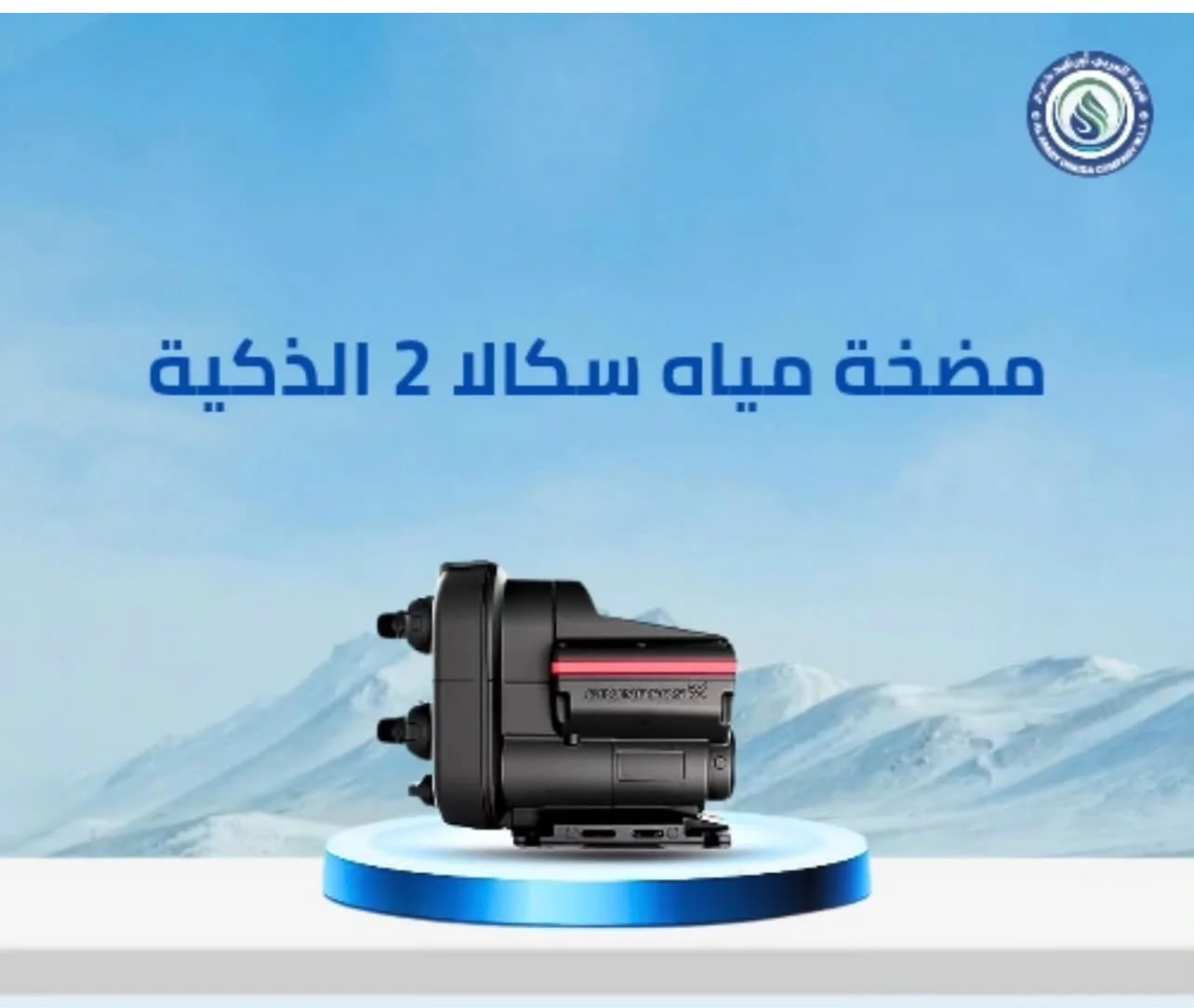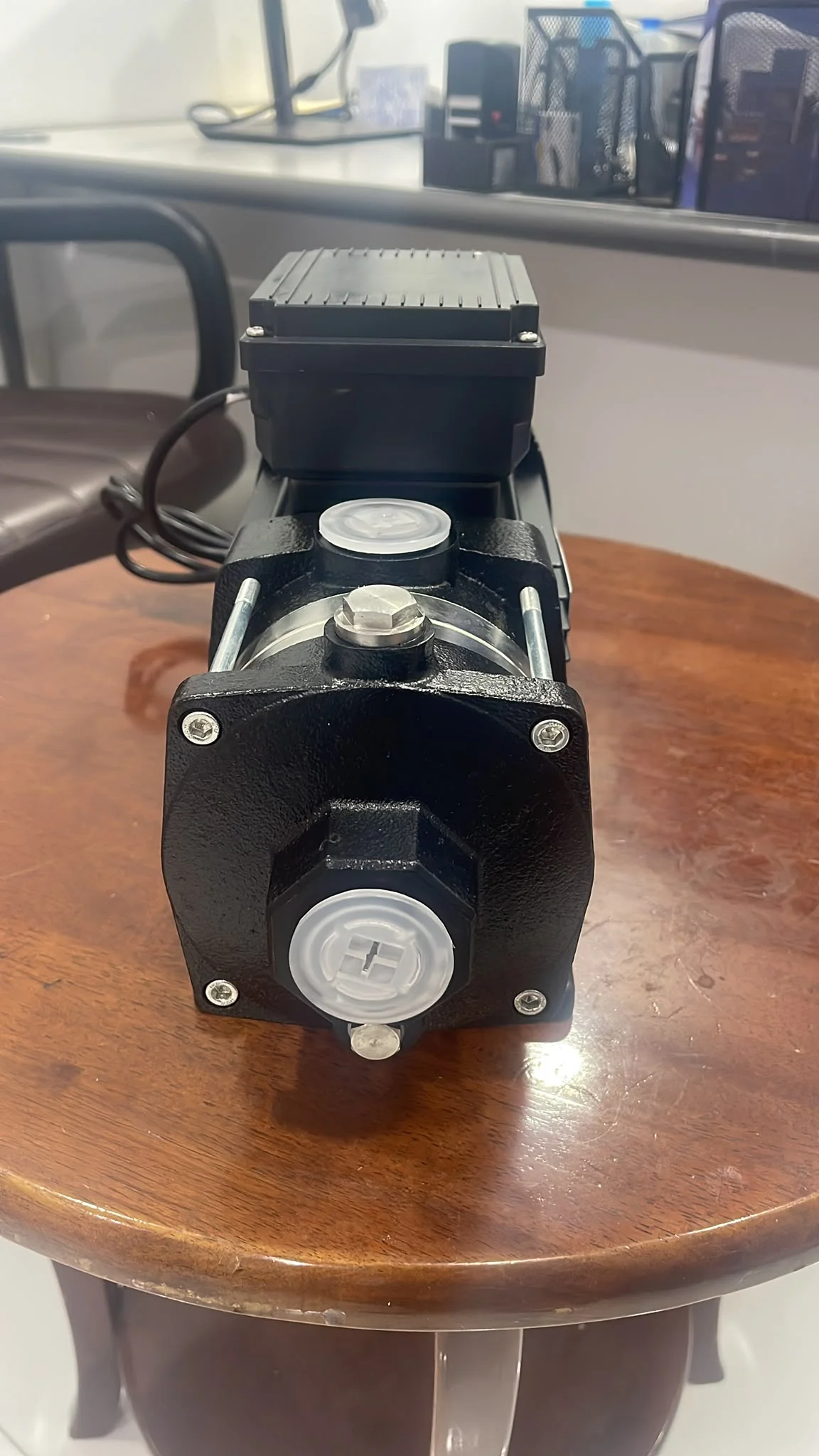
A water pump pressure tank is not just an extra tank installed beside the pump. It is an essential part of pressure stability and helps reduce how often the pump motor starts. Inside the tank, compressed air is separated from the water by a diaphragm or flexible bladder depending on the design. That compressed air allows the plumbing system to deliver a certain amount of water before the pump needs to start again. The problem is that low air pressure can sometimes produce symptoms very similar to a damaged diaphragm, and this is where unnecessary replacement becomes expensive. Al Arabi Orchid currently mentions using a 24-liter pressure tank with some traditional Grundfos booster systems. This article focuses on the practical difference between a tank that only needs its air pressure adjusted and a tank whose internal diaphragm has actually failed and needs replacement.
Water Pump Pressure Tank
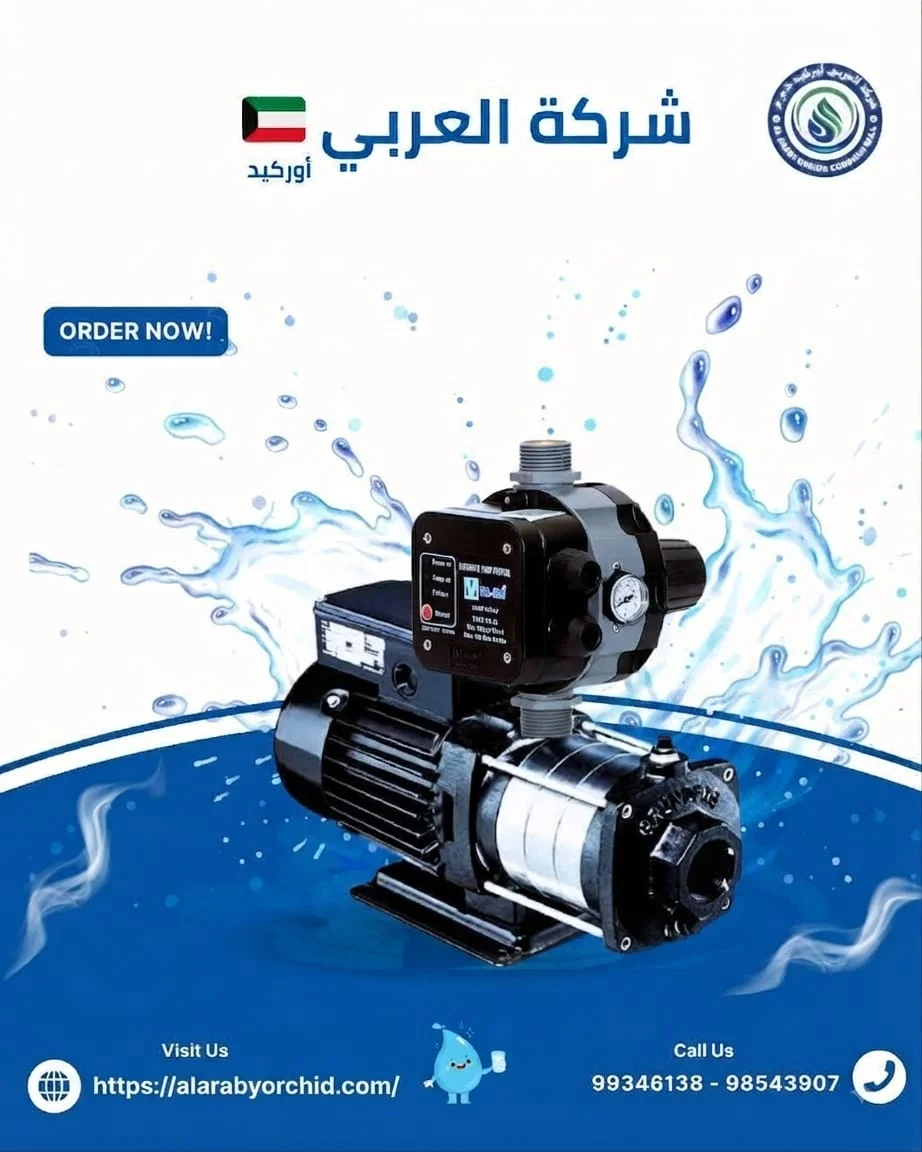
A water pump pressure tank does not increase the horsepower of the motor. Its main job is to store a usable amount of pressurized water so the pump does not have to start every time someone opens a tap briefly. Inside the tank, there is a water side and an air side, separated by a flexible diaphragm or internal bladder depending on the tank design. When the pump pushes water into the tank, the water compresses the trapped air. When a tap is opened, the compressed air pushes some of that stored water back into the plumbing system before pressure falls to the pump start point.
This explains why even a relatively small pressure tank, when healthy and correctly adjusted, can noticeably improve the way a domestic water system behaves. Instead of hearing the pump start whenever a small amount of water is used, the system has a pressurized reserve available between pump cycles. Al Arabi Orchid currently states that some of its traditional Grundfos booster installations can include a 24-liter pressure tank together with the automatic controller, pressure regulator, and check valves.
However, there is an important difference between the nominal size of the tank and the actual amount of water available between pump cycles. A tank marked 24 liters does not mean you receive the full 24 liters of usable water every time the pump stops. Part of the tank volume is occupied by compressed air, and the actual drawdown depends on precharge pressure as well as the pump start and stop pressures.
Pressure-tank manufacturers explain that the tank plays a direct role in reducing the number of pump starts and that correct air precharge is necessary to obtain the intended usable capacity.
In practical diagnosis, a pressure tank should not be judged by age alone. An older tank with a healthy diaphragm and stable air charge can sometimes perform better than a newer tank that has been incorrectly adjusted or has already lost its precharge.
-
The pressure tank stores pressurized water between pump cycles so the motor does not start for every small demand
-
A 24-liter tank does not automatically provide 24 liters of usable water between pump starts
-
The relationship between air precharge and pump start-stop pressures determines how much useful capacity the tank actually provides
-
Al Arabi Orchid currently uses a 24-liter pressure tank in some traditional Grundfos booster arrangements
-
The main purpose of the pressure tank is to stabilize system operation and reduce excessive pump cycling rather than increase pump horsepower
When Should the Pump Pressure Tank Be Replaced?
When should the pump pressure tank be replaced? Replacement is justified when testing shows that the tank itself or the internal diaphragm can no longer separate the air and water correctly, or when the pressure vessel has developed a structural or safety problem. Low air pressure alone is not enough reason to replace the entire tank.
The first clear situation is a failed diaphragm. Grundfos guidance for certain booster systems states that if water comes out of the air valve when it is pressed, this indicates that the internal diaphragm has failed. Depending on the tank design, the correct repair may be replacing the diaphragm or replacing the entire pressure tank.
The second situation is when the tank repeatedly loses its air charge even after it has been adjusted correctly. If a technician fully relieves the water-side pressure, restores the correct precharge, and the air pressure drops again in a short period without an obvious external leak at the air valve, the tank, valve, or internal diaphragm becomes a strong suspect.
The third situation is physical deterioration. Severe corrosion, bulging, structural deformation, leakage around welds, or damage around the tank base should never be treated as something that can be solved simply by adding air. A pressure tank is a pressurized vessel, so visible structural weakness is a safety concern.
Pressure-tank manufacturers warn against repressurizing corroded or structurally damaged tanks and emphasize that the vessel itself must be safe before any attempt is made to restore air pressure.
If the problem is only reduced air precharge while the tank body is healthy and the diaphragm still separates the water from the air correctly, then the system may need air-pressure adjustment rather than replacement.
-
Replace the tank when diaphragm or bladder failure is confirmed rather than simply because the pump is cycling too often
-
Water coming from the air valve is a very strong sign of internal diaphragm failure
-
Repeated air loss after correct adjustment requires inspection of the air valve diaphragm and pressure vessel
-
Severe rust swelling structural weakness or external leakage are safety reasons to replace the tank
-
Low air precharge by itself does not prove that the pressure tank has failed if it can be correctly adjusted and remains stable
Signs of a Damaged Water Pump Pressure Tank
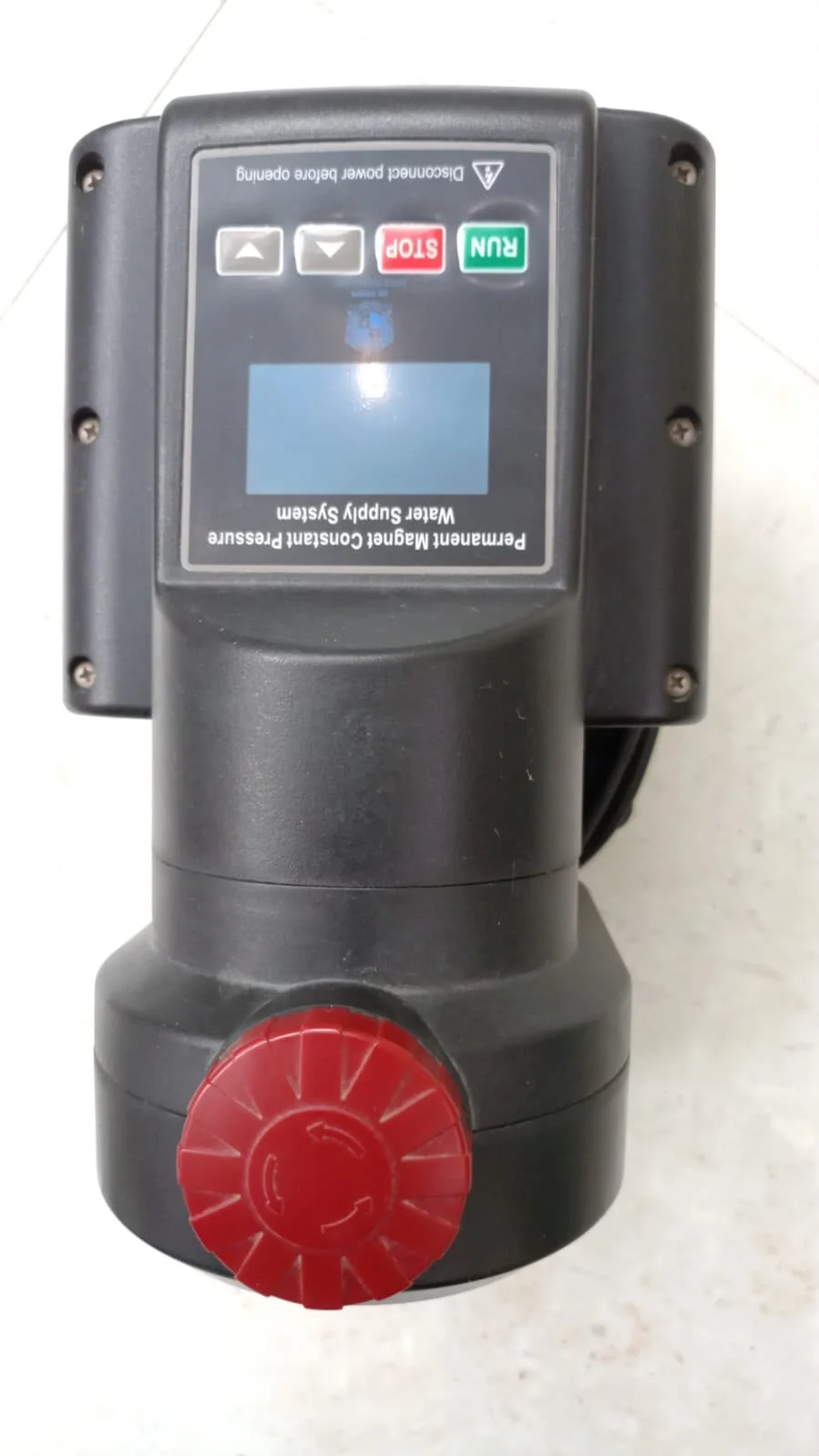
Signs of a damaged water pump pressure tank should be evaluated together rather than relying on one symptom because frequent pump cycling can also be caused by a system leak or a faulty check valve. Strong diagnosis combines system behavior with direct inspection of the pressure tank.
The first sign is rapid pump starting and stopping during small water use. A healthy pressure tank should provide a usable amount of water between pump cycles. When it loses that ability, pressure rises and falls much faster. Pressure-tank manufacturers identify rapid cycling and low or unstable pressure as symptoms that can indicate a tank problem, but they also recommend checking the tank precharge correctly before deciding to replace it.
The second sign is noticeable pressure fluctuation during normal use. Grundfos explains that low or incorrectly adjusted tank precharge can cause fluctuating pressure, additional noise, increased energy consumption, and greater operating stress. This symptom does not prove that the diaphragm has failed, but it does show that the pressure tank deserves inspection.
The third and strongest direct sign is water coming out of the air valve. Grundfos documentation identifies this as an indication that the internal diaphragm has failed.
The fourth sign is a tank that appears waterlogged and does not respond normally when its air charge is checked, or one that loses precharge again shortly after adjustment. The fifth is deterioration of the pressure vessel itself, including deep corrosion, leakage from the tank body, or structural damage.
-
Frequent pump cycling is a warning sign but does not by itself prove that the diaphragm has failed
-
Pressure fluctuation and additional noise make tank precharge one of the first things that should be measured
-
Water coming from the air valve is a strong direct sign of internal diaphragm failure
-
Rapid air loss after adjustment requires checking whether the leak is from the air valve or from the internal tank system
-
Severe corrosion swelling or leakage from the tank body turns the problem from operating comfort into a safety concern
Water Pump Pressure Tank Air Pressure
Water pump pressure tank air pressure is one of the most misunderstood areas because many people search for one pressure value that applies to every pump system. There is no universal number that works for every pressure tank and every automatic controller.
In traditional systems using a pressure switch, some Grundfos guidance for certain systems sets tank precharge at approximately 90% of the pump starting pressure, while other booster-system instructions use a setting of about 2 psi below the pressure-switch cut-in point. These examples show that the correct relationship depends on the specific system design, so the final reference should always be the instructions for the installed pump, pressure tank, and controller.
SCALA2 uses a different rule because it is an integrated booster. Grundfos currently recommends that the integrated tank precharge be set at 70% of the selected outlet pressure and should not exceed that relationship. This rule applies specifically to SCALA2 and should not be copied automatically to a traditional 24-liter pressure tank simply because both systems contain pressure storage.
Even more important than the pressure number itself is how the measurement is taken. Tank precharge should be measured when there is no water pressure acting on the tank. Grundfos states in multiple service instructions that water-side pressure should be fully relieved before checking precharge because measuring the air valve while the water side is still pressurized does not give the true precharge value.
This is where an experienced technician becomes valuable. The technician identifies the pump cut-in pressure, cut-out pressure, and exact tank design, then adjusts the air according to the system requirements rather than simply adding air until the system “feels better.”
-
There is no single air-pressure value that applies to every water pump pressure tank
-
Some traditional systems relate precharge to pump cut-in pressure while SCALA2 uses a different relationship
-
The 70% rule applies specifically to SCALA2 according to current Grundfos guidance and should not be generalized to traditional tanks
-
Pressure-tank air should be measured after removing water-side pressure so the reading reflects true precharge
-
Any change to the automatic controller start-stop settings may require the tank precharge to be checked again so the system remains balanced
Pump Pressure Tank Does Not Hold Pressure
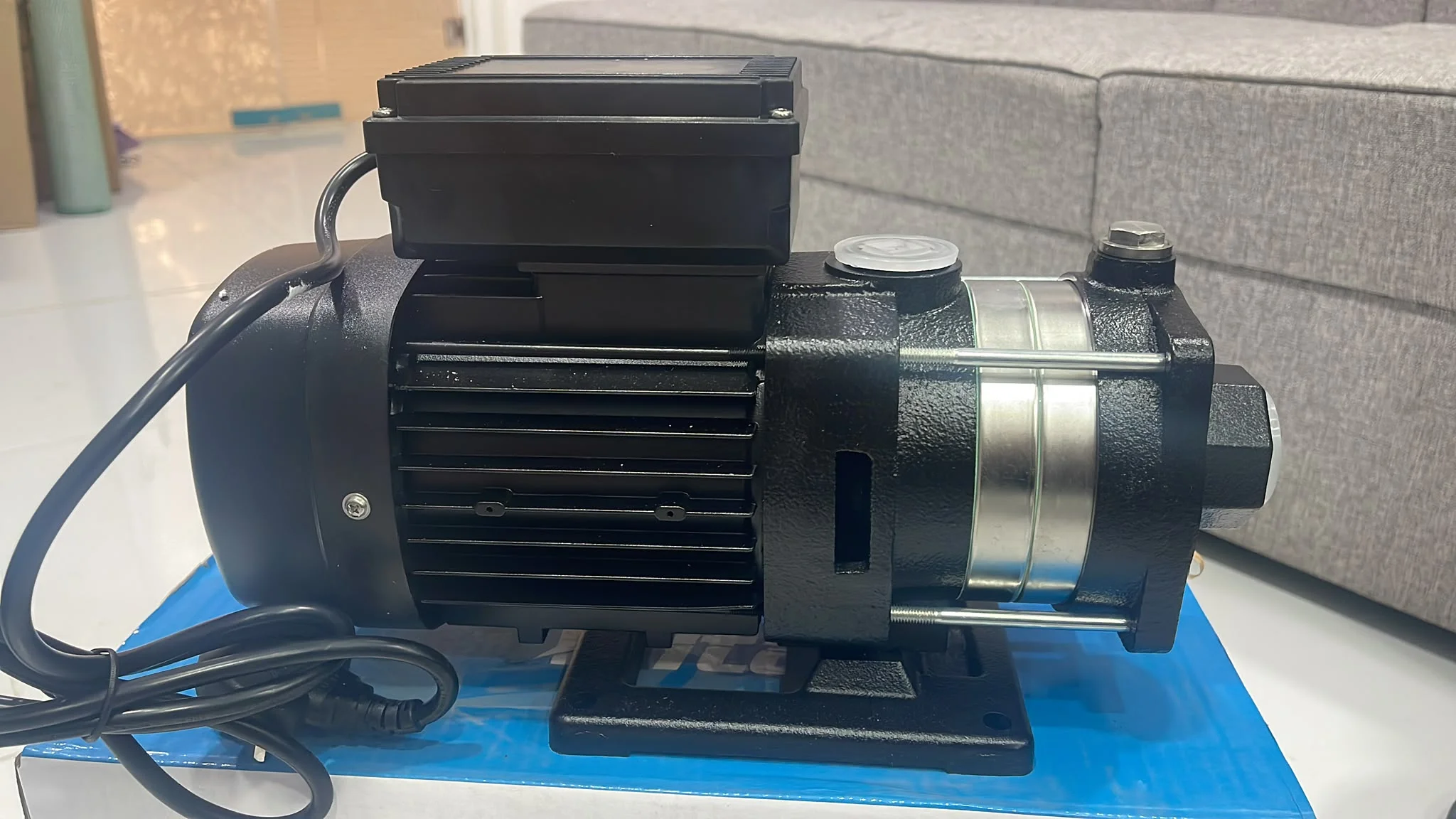
When the pump pressure tank does not hold pressure, the first thing to determine is which pressure is being lost: water pressure in the plumbing network or air pressure inside the tank. Both can produce similar symptoms, but the causes are completely different.
If water pressure falls after the pump stops while the tank’s air charge remains stable, the problem may be a leak somewhere in the plumbing system or a check valve that allows water to flow backward. Replacing the pressure tank in that situation would not solve the real problem.
If the air pressure itself continues to fall, the air valve should be checked first. The valve can leak. Pressure-tank service procedures commonly include checking the air valve and fittings for leakage after adjustment.
If there is no obvious air leak from the valve but water comes out when the valve is pressed, the internal diaphragm is likely damaged. Grundfos guidance identifies this condition as evidence of diaphragm failure, and depending on the tank design the repair is either replacement of the diaphragm or replacement of the complete tank.
There is also a third situation where the tank is not damaged but slowly loses air over a long period. Grundfos explains that repeated diaphragm movement during pump start-stop cycles can allow some air loss over time, which is why it recommends periodic precharge checks in systems such as SCALA2. A small gradual loss over a long period is very different from losing most of the air charge within days.
The practical distinction is important: slow manageable air loss can mean maintenance, while water from the air valve or rapid repeated pressure loss after correct adjustment makes replacement much more likely.
-
Separate loss of plumbing pressure from loss of tank air pressure because they require completely different diagnostic paths
-
If network pressure falls while tank air remains stable inspect leaks and the check valve instead of replacing the tank
-
A leaking air valve can be responsible for precharge loss and should be checked before the diaphragm is condemned
-
Water coming from the air valve strongly indicates diaphragm failure
-
Slow air loss over a long period may require maintenance while rapid loss after adjustment needs deeper inspection
Replacing the Pump Pressure Tank
Replacing the pump pressure tank should be based on matching the replacement to the actual pressure system rather than buying any tank that looks similar to the old one. Important factors include tank volume, maximum working pressure, diaphragm or bladder type, connection size, pump cut-in pressure, and the overall system capacity.
Al Arabi Orchid currently mentions using a 24-liter pressure tank with some traditional Grundfos systems, but that size is not automatically correct for every property. A house with greater water demand or a different pump capacity may require a different pressure-tank assessment.
Tank size matters because it affects pump cycling. A larger correctly selected tank usually provides more usable water between pump starts and therefore reduces the number of motor cycles. Installing a tank that is too small for the system reduces this benefit and can lead to more frequent starts.
Before replacement, electrical power should be isolated and water pressure safely relieved. Pressure-tank service instructions warn that the tank may still contain pressurized water and should be drained carefully before removal.
After installing the replacement tank, the job is not finished simply because the plumbing connection has been made. The new tank precharge should be adjusted according to the pressure system, and then the pump start pressure, stop pressure, operating cycle, and any leakage should be checked.
Some larger or serviceable pressure tanks allow the internal bladder to be replaced separately instead of replacing the complete vessel. Certain manufacturers offer replaceable-bladder designs, but this depends entirely on the specific tank and should never be assumed for every domestic pressure tank.
-
The replacement tank should match the system in volume pressure rating connection size and operating requirements rather than only external dimensions
-
Al Arabi Orchid currently uses a 24-liter tank in some traditional Grundfos systems but that size is not automatically correct for every home
-
Tank volume affects usable drawdown and therefore the number of pump starts
-
Water pressure should be relieved and the system safely isolated before removing a pressurized tank
-
After replacement the precharge and pump cycle should be adjusted and tested rather than treating physical installation as the end of the job
Checking the Water Pump Pressure Tank
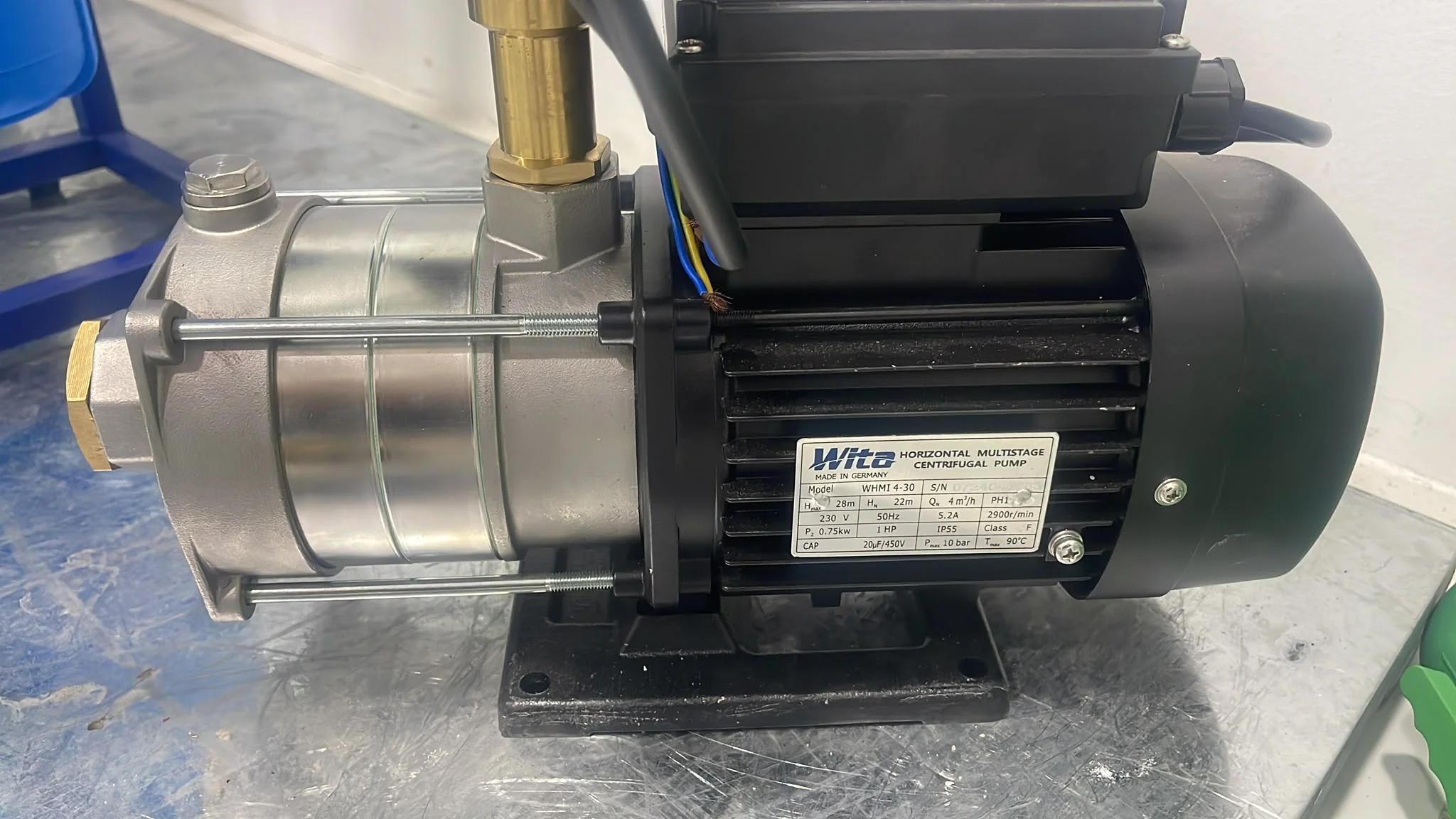
Checking the water pump pressure tank should be treated as a separate test from checking the pump itself. The process begins by observing how the water system behaves. Is the pump starting too often? Does pressure fluctuate? Has the operating pattern changed recently? After that, the inspection moves directly to the tank.
The most important step is isolating electrical power and safely relieving water pressure. Grundfos recommends checking precharge when the tank is not being pressurized by the water system, and for SCALA2 it specifically describes stopping the pump, closing the supply where required, and opening a tap to release system pressure before adjusting the integrated tank.
Next, the air pressure is measured with a suitable gauge and compared with the required value for the specific system. If the reading is low, this does not automatically mean the pressure tank is damaged. The technician can restore the correct precharge and monitor whether it remains stable.
The air valve should then be checked. If water comes out, this is a sign of diaphragm failure according to Grundfos guidance. If only air comes out but the precharge falls again later, the air valve itself and surrounding connections should be checked for leakage.
Visual inspection is also important. Severe corrosion, deformation, or moisture leaking from the tank body can justify replacement for safety reasons even if the air pressure can technically still be restored.
Finally, the system is returned to service and the pump operating time, stop-start cycle, and the amount of water used before the pump restarts are observed. If the system becomes stable after adjusting the air and remains stable over time, replacement may not be necessary. If the same problem returns quickly, replacing the tank becomes more reasonable.
-
Pressure-tank inspection begins with system behavior and then moves to direct precharge measurement after water pressure has been removed
-
A low air reading does not prove diaphragm failure because the tank may only need maintenance and adjustment
-
Water coming from the air valve immediately shifts the diagnosis toward diaphragm failure
-
The external condition of the pressure vessel is part of the replacement decision because tank safety matters more than keeping an old tank operating
-
The strongest test after adjustment is whether pressure and cycling remain stable or the problem returns quickly
Causes of Pump Pressure Tank Damage
Causes of pump pressure tank damage include both normal aging and operating conditions. The internal diaphragm moves continuously as system pressure rises and falls, and this creates repeated mechanical movement over thousands of pump cycles.
Grundfos explains that repeated diaphragm movement can allow some air loss over time. This is not automatically diaphragm failure, but if precharge is never checked or corrected, the system can operate with unstable pressure and increased stress.
Another cause is excessive pump cycling created by an undersized tank, incorrect adjustment, or a leak in the plumbing system. Every additional pump start changes tank pressure and moves the diaphragm. Correcting the condition that causes short cycling therefore protects the entire pressure system, not only the pump motor.
Incorrect pressure is another factor. Operating the tank beyond its design limits or using a precharge that does not match the pump cut-in point changes how the diaphragm moves and reduces useful performance. This is why manufacturers link precharge values to the actual pressure-system design rather than recommending one random number.
Water conditions and temperature also matter within the limitations of the product. Every pressure tank has a maximum working pressure, temperature limit, and material specification. Operating outside the manufacturer’s rating is not normal service.
External corrosion can also damage the vessel or air valve over time, particularly when the tank is installed in a humid or harsh environment.
-
Diaphragm movement is normal but operating for long periods with incorrect precharge increases instability and stress
-
Frequent short cycling increases diaphragm movement so correcting the cause of cycling also protects tank life
-
Air pressure that does not match the pump operating range prevents the tank from working within its best design conditions
-
Exceeding the model’s permitted operating pressure or temperature increases the risk of damage
-
External moisture and corrosion should be monitored because pressure-vessel condition is as important as diaphragm condition
Cost of Replacing a Water Pump Pressure Tank
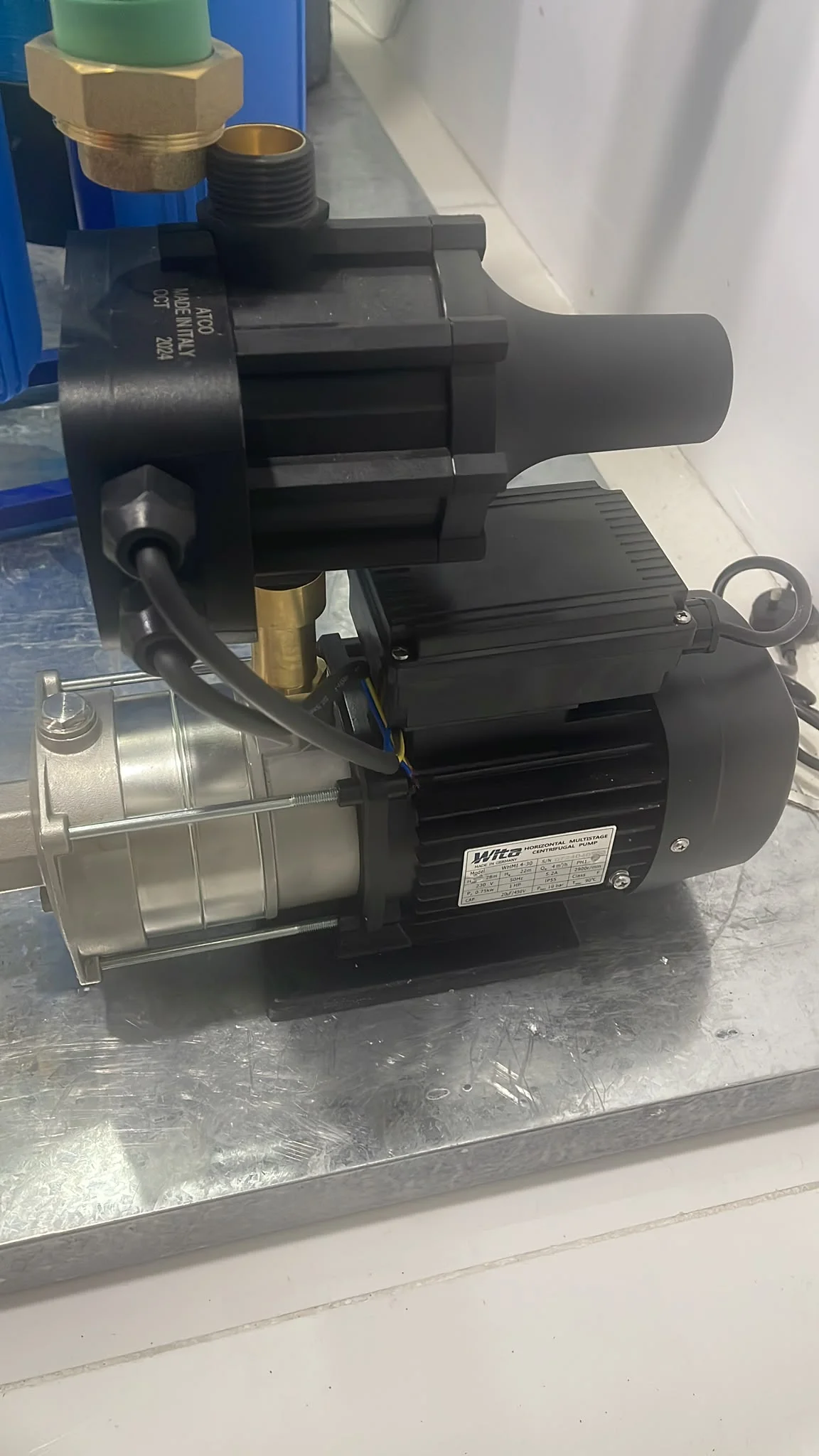
The cost of replacing a water pump pressure tank cannot be reduced to one fair figure without knowing the tank type, size, and installation arrangement. As of August 27, 2026, Al Arabi Orchid clearly mentions a 24-liter pressure tank as part of some traditional Grundfos booster installations, but its website does not currently publish a separate confirmed price for replacing the pressure tank alone. It would therefore be misleading to invent a number and present it as an official price.
The total cost includes several elements. First is the price of the pressure tank itself. A small domestic tank does not cost the same as a larger tank or a pressure vessel designed for a higher working pressure.
Second is the diaphragm design. Some tanks use an internal bladder or diaphragm that is not intended to be serviced separately, meaning the complete tank is replaced. Other designs allow the bladder itself to be replaced.
Third is the condition of the existing plumbing. If the old tank can be removed easily and the isolation valve and fittings are in good condition, the job is simpler. If the system requires a new connection, valve, support, or plumbing modification, the labor cost increases.
Fourth is testing and adjustment. The real service cost should not be viewed as “tank plus ten minutes of installation.” The technician should confirm the pump cut-in pressure, adjust the new tank precharge, check the non-return valve, and look for leakage because installing a new tank on a leaking system simply allows the same cycling problem to return.
Fifth is brand and warranty. A pressure tank with clear specifications, rated working pressure, known diaphragm design, and documented warranty should not be compared only by price with an unknown product.
For an accurate quotation from Al Arabi Orchid, contact 99346138 and provide the existing pressure-tank size, pump type, and whether you want the tank alone replaced or the complete pressure system inspected.
-
Al Arabi Orchid currently mentions a 24-liter tank with some Grundfos systems but does not publish a separate confirmed replacement price
-
Tank size working pressure diaphragm design and brand all directly affect replacement cost
-
Existing valves and prepared fittings reduce labor compared with a system that needs plumbing modifications
-
A complete replacement service should include precharge adjustment and post-installation operating tests rather than only removing and fitting the tank
-
Before approving replacement ask the technician to confirm that the tank or diaphragm has genuinely failed so you do not buy a new tank when the real problem is a leak or controller fault
Adjusting Pump Pressure Tank Air
Adjusting pump pressure tank air is one of the most important steps that separates proper maintenance from unnecessary replacement. However, it must be performed safely and accurately because a reading taken while the water system remains pressurized does not represent true precharge.
The first step is stopping and electrically isolating the pump. The second is relieving water pressure from the system so the water side of the tank is no longer pressurized. Grundfos clearly states that pressure-tank precharge should be checked without water pressure acting on the system.
The air pressure is then measured and compared with the value required by the specific system. This is where one universal rule should never be used. Some traditional Grundfos pressure-system guidance uses a precharge of about 0.9 times the pump cut-in pressure, while other booster systems use a value roughly 2 psi below the pressure-switch start point. SCALA2 currently uses approximately 70% of the selected outlet pressure for its integrated tank. Each value belongs to its own design.
After adjustment, the system is restarted and pressure behavior is observed. If the operating cycle becomes normal and pressure remains stable, the tank may only have needed maintenance. If the air charge disappears again quickly, the valve and internal diaphragm require further inspection.
Adding more air than the specification is not an improvement. Excessive precharge reduces the amount of water that can enter the tank and can make system operation unstable. Very low precharge also reduces effective drawdown and can contribute to frequent cycling.
-
Air adjustment begins by removing water pressure from the tank so the precharge reading is accurate
-
Do not use one memorized pressure value for every tank because the correct relationship depends on the system design
-
SCALA2 uses a 70% rule for its integrated tank while traditional systems may use different relationships
-
Higher-than-required precharge is not better because it reduces useful tank capacity
-
After adjustment monitor pressure stability and cycling and if the air disappears quickly inspect the valve and diaphragm
Conclusion
When should you replace a water pump pressure tank and how do you know it is damaged? The answer begins by separating two very different problems: a tank that has lost its air precharge and a tank whose diaphragm or pressure vessel has actually failed.
If the air pressure is simply low, the pressure tank may still be healthy and only need adjustment. Grundfos recommends periodic precharge checking in systems such as SCALA2 because air pressure can decrease over time, and it links incorrect precharge with pressure fluctuation, additional noise, increased electricity consumption, and greater operating stress.
If water comes out of the air valve, however, this is a strong direct sign of diaphragm failure according to Grundfos guidance. At that point, replacing the diaphragm or the complete tank, depending on the model design, becomes the correct direction.
Any serious corrosion or structural damage to the pressure vessel also needs a safety assessment. A pressure tank is not a component that should be repeatedly repressurized when its body has become weak or badly corroded.
Al Arabi Orchid currently mentions using a 24-liter pressure tank with some traditional Grundfos booster systems in Kuwait, but its website does not currently publish a confirmed independent price for pressure-tank replacement alone as of August 27, 2026.
If you have a pressure-tank problem, contact 99346138 and request testing before replacement. The inspection should include tank precharge, air-valve condition, whether water comes from the valve, pressure stability, diaphragm condition, pressure-vessel condition, and the pump start and stop pressures. If the problem is only low air pressure, the tank may be restored without buying a new one. If the diaphragm or vessel is genuinely damaged, replacement is then based on clear evidence rather than guesswork.
Frequently Asked Questions
What does a water pump pressure tank do?
It stores a usable amount of water under pressure using compressed air separated from the water by a diaphragm or bladder. This allows some water to be used before the pump starts again and helps reduce the number of motor cycles.
How do I know if the pump pressure tank is damaged?
Common symptoms include frequent pump cycling and unstable pressure, but the strongest direct sign is water coming from the air valve. Grundfos identifies water at the air valve as an indication that the internal diaphragm has failed.
Does every pressure tank with low air need replacement?
No. Precharge can gradually decrease over time, which is why periodic checking is recommended. If the air is adjusted correctly, remains stable, and no water comes from the air valve, replacement may not be necessary.
Is water coming from the air valve normal?
No. In diaphragm pressure tanks, water coming from the air valve is a clear indication that the internal diaphragm has failed and the diaphragm or complete tank needs replacement according to the design.
What should the pressure tank air pressure be?
There is no single value for every system. Some traditional systems set precharge relative to the pump cut-in pressure, while Grundfos currently recommends approximately 70% of the selected outlet pressure for the integrated SCALA2 tank. Always follow the actual equipment instructions.
Should I measure tank air pressure while the pump is running?
No. Precharge should be checked after the pump is stopped and water-side pressure has been fully relieved. Measuring while the tank remains pressurized by the plumbing system does not give the true precharge value.
Can the pressure tank cause rapid pump cycling?
Yes. Incorrect precharge, a failed diaphragm, or reduced effective tank volume can cause frequent starting and stopping. However, system leakage, check-valve problems, and controller faults can produce the same symptom, so they should also be checked before replacing the tank.
Is a 24-liter pressure tank suitable for every home?
No. Al Arabi Orchid currently uses a 24-liter tank with some traditional Grundfos systems, but the correct tank size depends on pump capacity, pump start and stop pressures, required drawdown, and acceptable cycling frequency.
How much does it cost to replace a water pump pressure tank?
Al Arabi Orchid does not currently publish one confirmed standalone price for pressure-tank replacement. The cost depends on tank capacity, brand, diaphragm design, plumbing connections, labor, and adjustment, so it is better to request a quotation for the exact system.
How do I request pressure tank inspection or replacement from Al Arabi Orchid?
Contact 99346138 and provide the tank size if it is written on the label, the pump type, and whether the problem is frequent cycling, unstable pressure, or air loss. Ask for an inspection covering precharge pressure, air valve, diaphragm, tank body, pump start pressure, pump stop pressure, and system pressure stability before approving replacement so you know whether the tank needs air adjustment, valve repair, or complete replacement.