When a home water filter gets older and you start noticing that the cartridges clog faster, the flow becomes weaker, or leaks return after every maintenance visit, the natural question is: should I repair it or replace the whole system? The right decision should not be based only on the number of years the filter has been installed. An older system may still be worth maintaining when the housing, fittings, and connections remain in good condition, the correct replacement cartridges are still available, and the filter continues to perform the job it was originally installed to do. On the other hand, a newer filter may still be more economical to replace if its housing is damaged, spare parts are difficult to obtain, or its technology no longer addresses the water-treatment problem you currently have. Most importantly, you need to distinguish between routine cartridge replacement and replacing the complete filtration system, because cartridges are consumable components and reaching the end of their normal service life does not mean the entire filter has reached the end of its life.
Maintain or Replace an Old Water Filter
The decision between maintaining or replacing an old water filter should begin by inspecting the system on four different levels instead of relying on a statement such as “it is ten years old, so it needs to be replaced.”
The first level is the physical condition of the filter body itself. If the housing, head, threads, and fittings are still in good condition and there are no cracks, deformation, or recurring structural leaks, then normal service parts such as cartridges and O-rings can usually continue to be replaced without throwing away the complete system. Cartridge-based filtration systems are designed around regular service. Routine maintenance normally includes removing the old cartridge, cleaning the housing, inspecting the O-ring, replacing it if it is damaged, installing the correct cartridge, and checking for leaks after the water is turned back on. This makes an important distinction: a consumable component reaching the end of its life does not mean the entire filtration system has failed.
The second level is whether the system still performs the job you bought it to perform. If you have a sediment filter designed to reduce sand, rust, or particles and its normal flow and filtration return after proper maintenance, continued service can still make sense. However, if your water-treatment needs have changed and you now need a different function such as chlorine reduction, reverse osmosis, or another treatment method, it does not make sense to continue spending money on a system that was never designed for that task in the first place. Water-treatment systems have different reduction claims and should be selected according to their intended function rather than simply being called a “water filter.”
The third level is availability of correct cartridges and spare parts. Replacement cartridges are not automatically universal simply because their shape or dimensions look similar. Small differences can affect sealing, water flow, and whether water actually passes through the intended filtration media. If your old system no longer has properly matched cartridges and every service visit involves installing whatever “seems to fit,” the value of continuing with that old unit becomes much weaker.
The fourth level is the cost of repeated faults. If maintenance means replacing a cartridge or O-ring at normal intervals, that is routine service rather than a repeated system failure. However, if one visit involves a leaking housing, another involves damaged threads, another a valve, another the storage tank, and then the plumbing connections, the cumulative repair cost deserves a proper comparison with a suitable new system.
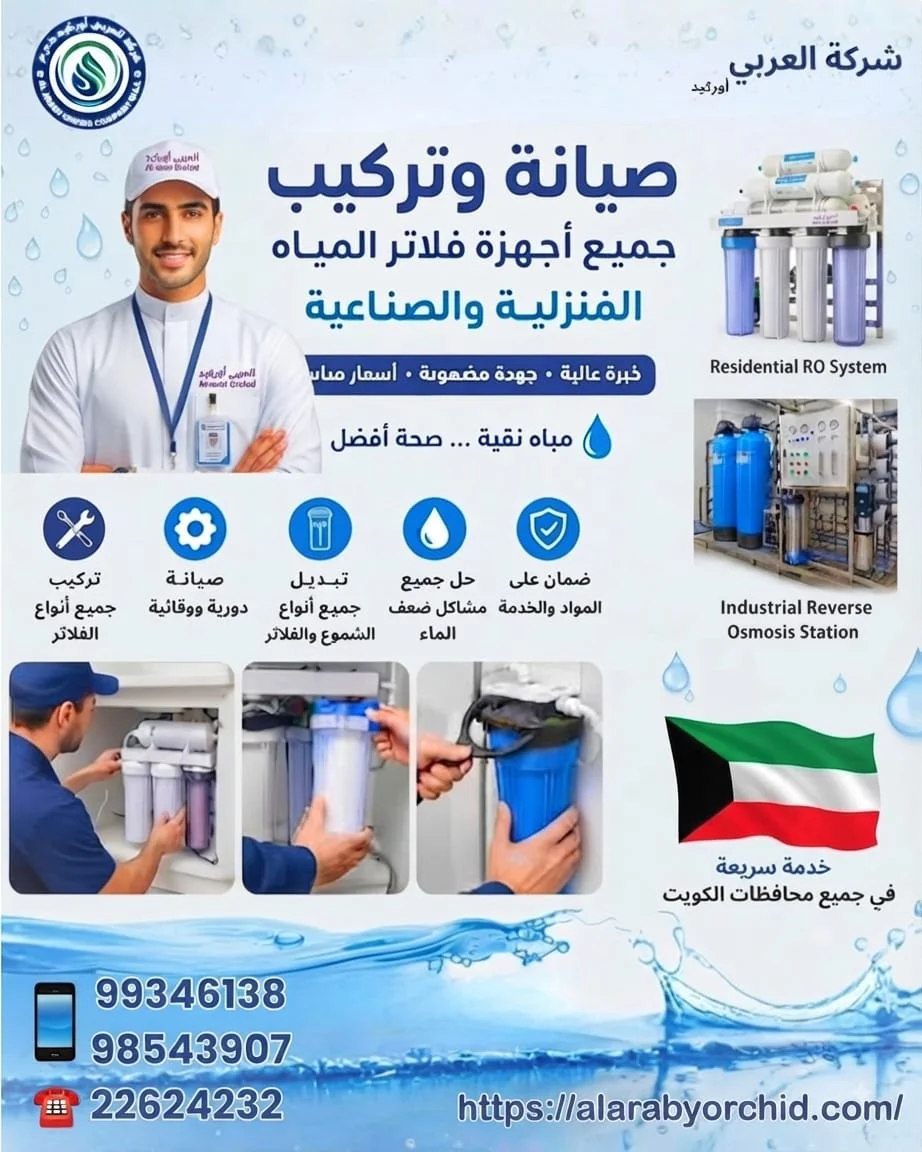
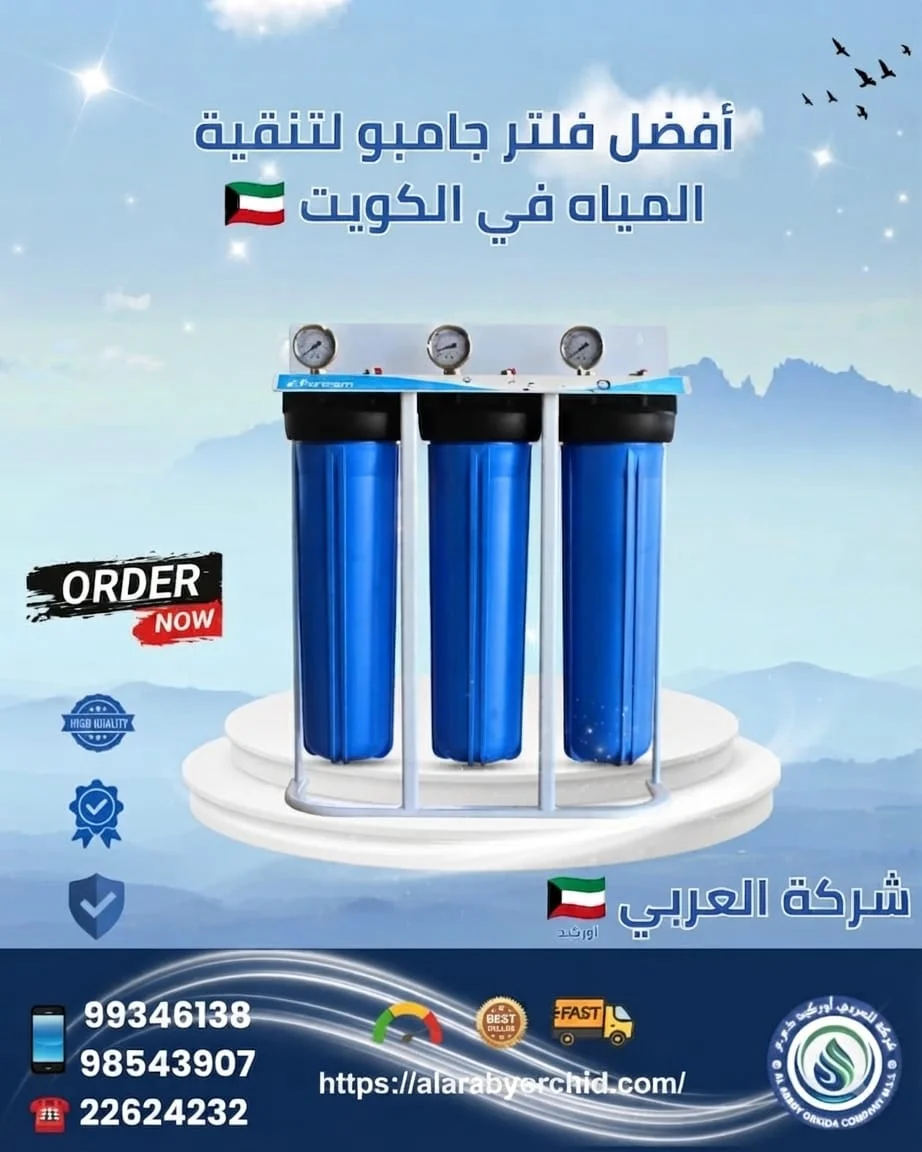
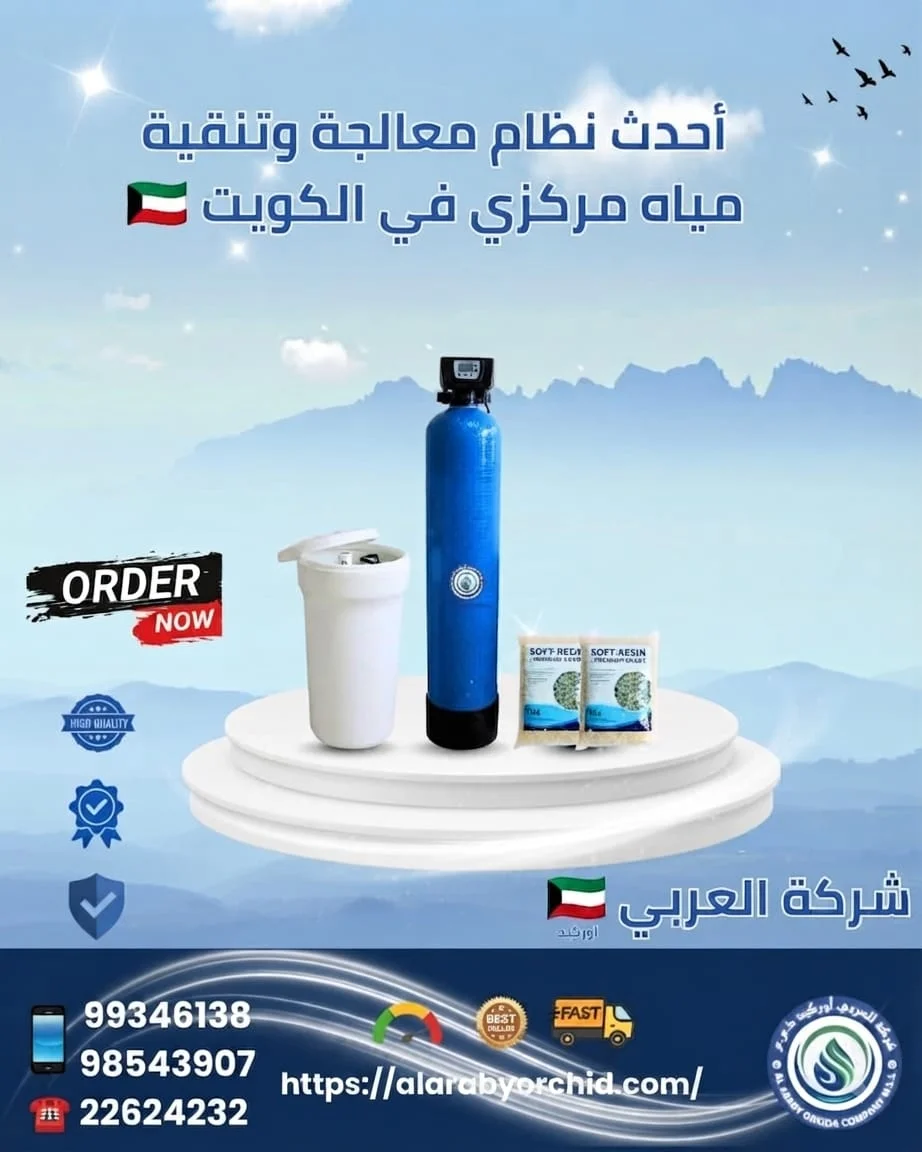
Al Arabi Orchid currently advertises installation and maintenance of several types of water filters in Kuwait, including 3-stage units, Jumbo systems, sand filters, and stainless-steel systems with 8 to 20 cartridges, together with cartridge-replacement services. These choices provide alternatives when an old system no longer makes sense to keep, but the correct replacement should still be selected according to the required filtration function rather than simply by choosing the system with the highest number of stages.
-
Do not treat routine cartridge replacement as proof that the old filter has failed because cartridges are designed to be consumable components
-
If the filter housing fittings and main body remain in good condition and correct parts are available maintenance can still be the more economical decision
-
Lack of properly matched replacement cartridges reduces the long-term value of keeping an old system even when it still operates mechanically
-
Repeated structural leaks valve problems and damaged components are very different from normal cartridge maintenance and should be evaluated separately
-
Do not use age alone as the reason for replacement because physical condition performance spare-parts availability and future cost matter more
When Should a Water Filter Be Replaced?
When should a water filter be replaced as a complete system? Not when the carbon cartridge reaches the end of its service life and not simply because the sediment cartridge becomes clogged. Those are normal maintenance items. Complete replacement becomes more reasonable when the problem moves from a service component to the filtration system itself.
The first situation is damage to the housing or filter head. Water-filter housings operate under pressure, so cracks and structural damage should not be treated like a worn O-ring. A component that contains pressurized water needs dependable structural integrity. If the housing itself is cracked, deformed, or no longer safe to seal correctly, replacing the damaged component or the system is far more sensible than relying on temporary repairs.
The second situation is recurring leakage even after correct O-ring replacement and proper assembly. If the leak is caused only by a worn O-ring, the groove can be cleaned, the O-ring inspected, and the damaged seal replaced. But if leakage continues after correct service or the same area no longer closes properly because the threads or housing have been damaged, replacing the component or entire unit becomes more reasonable than tightening it harder every time. Excessive tightening can create even more damage.
The third situation is when spare parts are no longer available or cannot be trusted. If every cartridge replacement becomes a search for an uncertain substitute and you cannot confirm whether it is actually compatible with the filtration system, the practical value of keeping the old unit falls. A similar-looking cartridge does not guarantee proper filtration performance or sealing.
The fourth situation is when the system no longer matches household demand. For example, a small under-sink filter may now serve a larger family with much higher daily consumption and require unusually frequent cartridge replacement. A small central filter may create excessive pressure drop after a villa expansion. In these situations, you do not necessarily have a “broken filter.” You have an incorrectly sized system for the current demand.
The fifth situation is when your water-treatment objective has changed. If your existing system only controls sediment but you now need a different reduction function, adding random cartridges does not transform the original design into a different technology. A properly selected new system may be the better decision.
-
Replace the system when the pressurized housing is structurally damaged rather than relying on temporary repairs around cracks or deformation
-
Repeated leakage after correct O-ring service and proper installation means the housing fittings or threads themselves need evaluation
-
Loss of access to properly matched replacement cartridges is an important economic reason to consider replacement even when the old system still works
-
If household demand has exceeded the capacity of the filter a larger system addresses the real problem while repeated cartridge changes do not solve sizing
-
A change in water-treatment needs is a valid reason to replace the system because maintenance cannot give an old filter technology it was never designed to provide
Repair the Old Filter or Buy a New One
When comparing repairing the old filter or buying a new one, do not compare the cost of one technician visit with the purchase price of a complete new system. The fair comparison is between the total cost of returning the old system to reliable condition and the complete cost of a suitable replacement.
Start by listing exactly what the old system needs. If the required work is only a new cartridge, an O-ring, housing cleaning, and a leak test, that is normal maintenance. It usually does not make sense to compare routine consumable replacement with purchasing an entirely new filter because a new filter will also require cartridges later.
However, if the repair list becomes:
Housing
Filter head
Valve
Faucet
Tubing
RO storage tank
Membrane
Several additional cartridges
then you are effectively rebuilding a large part of the old system. At that point, you need to ask whether the repaired unit will provide a worthwhile remaining service life, whether the new parts are properly compatible, and whether the total repair cost is approaching the cost of a more suitable replacement.
When comparing with a new system, do not use the cheapest filter on the market as your benchmark. Al Arabi Orchid currently advertises 3-stage and 5-stage kitchen filters starting from KWD 50, as well as Jumbo filters starting from KWD 50 and sand filters starting from KWD 165, but these are completely different filtration categories. A kitchen drinking-water filter should not be compared directly with a central filter just because both are called water filters.
A proper economic comparison should also include:
Annual cartridge cost
Expected replacement frequency
Availability of spare parts
Flow or pressure drop
Warranty
Ease of maintenance
Whether the new system actually addresses the required water problem
Consider a practical example. An old 5-stage filter may require only readily available cartridges, while its housing remains in excellent condition and flow is normal. Buying a complete new system only because the existing one is old may not provide meaningful value. In another case, the old filter may have a leaking housing, a worn faucet, unavailable cartridges, and require a different improvised part every service visit. In that situation, replacement starts to make much more sense even when the immediate purchase price is higher.
Do not use a fixed rule such as “if repair costs more than 50% of a new filter, replace it.” There is no universal percentage that works for every system because remaining life, system quality, replacement price, cartridge cost, and future reliability are different.
-
Compare the cost of returning the existing system to reliable condition rather than comparing one small repair with the price of a complete new filter
-
Cartridge and O-ring replacement are normal consumable maintenance and should not automatically be treated as evidence that a new system is cheaper
-
Do not compare kitchen filters Jumbo systems and sand filters only by price because their functions flow requirements and maintenance needs are different
-
Calculate one or two years of expected cartridges and maintenance instead of making the decision only from today’s repair invoice
-
There is no fixed repair-cost percentage that determines when replacement becomes economical because every filtration system has a different remaining service life
Signs a Water Filter Has Reached the End of Its Life
Signs a water filter has reached the end of its life are different from signs that one cartridge inside the filter has reached the end of its service cycle. This distinction matters because confusing the two can lead to unnecessary complete replacement.
If water flow becomes weak because a sediment cartridge is clogged and normal flow returns after installing a correct new cartridge, that means the cartridge was exhausted, not the complete filtration system.
If taste or odor that a carbon cartridge previously reduced returns and then improves after carbon replacement, the problem was again a consumable filtration stage. Changes in taste, color, or flow can indicate that a cartridge needs service depending on the product and operating conditions.
Stronger signs that the filtration system itself needs replacement consideration include:
Cracks in the housing
Damaged or deformed threads
Recurring structural leakage
Failure to provide the required flow even with new correct cartridges
Unavailable replacement parts
Multiple corroded components
Or filtration technology that no longer matches the current water-treatment requirement
There is also an economic warning sign when every maintenance visit discovers a new fault unrelated to normal cartridge replacement. One month a valve is replaced, then the head, then another structural leak appears. At that point, maintenance has turned into ongoing reconstruction rather than routine service.
RO systems create another useful example. If the RO membrane reaches the end of its useful life but the housing, storage tank, tubing, and the rest of the system remain in good condition, the membrane is a replaceable treatment component. Its failure alone does not mean the complete RO system has reached the end of its life. RO systems are designed around scheduled replacement of several service components while the main system remains in use.
External appearance is also not enough. An older filter may have a yellowed housing but remain mechanically sound and properly sized, while a newer-looking unit may have a damaged housing or incorrect replacement cartridges.
-
Restored flow after installing a correct new cartridge shows that the consumable component was the problem rather than the whole system
-
Cracks deformation and recurring structural leakage are stronger signs of declining system viability than cosmetic discoloration
-
Lack of correctly matched replacement parts eventually becomes a performance problem even when the old filter still operates
-
In RO systems an exhausted membrane alone does not justify replacing the complete unit when the rest of the system remains serviceable
-
Track the type of repeated faults because increasing structural problems tell you more than the purchase date alone
Filter Maintenance Cost Versus Replacement

The cost of filter maintenance versus replacement should be calculated in a way that prevents small individual prices from hiding a much larger long-term expense.
Actual maintenance cost may include:
Cartridges
O-rings
RO membrane
Post-carbon stage
Storage tank if damaged
Valve or faucet
Labor
Cleaning and sanitation according to system instructions
Post-service testing
Replacement cost may include:
New filtration system
Installation
Plumbing modifications
Bypass or isolation valves
Initial cartridge set
Future maintenance
Al Arabi Orchid currently publishes some starting installation prices, but it does not publish one fixed repair table for every old filtration system. Its 3-stage and 5-stage kitchen filters start from KWD 50, Jumbo filters start from KWD 50, and sand filters start from KWD 165. It would therefore be misleading to invent one general price for repairing an old housing or servicing a particular RO system without inspection.
Consider two examples.
Case one: An old kitchen filter has a sound housing and only requires normal cartridge replacement.
In this situation, it does not make sense to compare the cartridge cost directly with KWD 50 and immediately say “a new filter is better,” because the new filter will also require cartridges later.
Case two: An old system requires a housing, faucet, tubing, several filtration stages, and parts that are difficult to obtain.
Here, the total repair cost and expected remaining life deserve comparison with a replacement system.
Cost is not only money. Downtime matters as well. If you have a leak every few weeks and repeatedly shut off the water while waiting for service, reliability has financial and practical value.
You also need to account for poor replacement choices. A cheap new system with expensive or unavailable cartridges may cost more over two years than a higher-priced system that is easier to maintain.
-
Normal cartridge maintenance should not be compared directly with the full price of a new system because every new filter will eventually need consumables
-
Add installation and plumbing-modification costs to the replacement price so the comparison is fair
-
Al Arabi Orchid currently publishes starting prices for several filter types but not one universal repair price for every old filtration system
-
Calculate future cartridge availability and cost because total ownership cost matters more than the first-day purchase price
-
Repeated leaks and service interruptions have practical value even when each individual repair invoice appears inexpensive
Is an Old Water Filter Worth Maintaining?
The question is an old water filter worth maintaining can be answered through a six-point test.
1. Is the main body structurally sound?
If there are no cracks or structural damage, move to the next step.
2. Are the correct replacement parts still available?
Proper replacement cartridges matter because a similar-looking component does not guarantee the same sealing or filtration performance.
3. Does performance return after maintenance?
If installing the correct cartridge restores flow, water quality, and leak-free operation, that is a strong positive sign.
4. Is the system still suitable for current household demand?
If the family has grown or the filter now serves more outlets than it was designed for, maintenance cannot increase the original system capacity.
5. Is the filtration technology still suitable for the current problem?
A sediment filter cannot become an RO system through maintenance. If your needs have changed, replacement may be smarter.
6. Are structural problems becoming frequent?
This is where the cost of continued maintenance should be compared with a suitable replacement.
For example, a Jumbo filter may be several years old but still have a sound housing, readily available O-rings and cartridges, and no pressure problems after installing the correct cartridge. Age alone is not a reason to discard it.
In another example, an old under-sink system may leak from a different location every service visit, have a worn faucet, and no longer have properly matched original replacement components. Even if each individual visit can technically “repair” something, replacement may provide much better reliability.
With systems that need frequent cartridge changes, also distinguish between frequent maintenance caused by water conditions and actual system failure. If incoming water has heavy sediment, the first-stage cartridge may naturally clog sooner. That does not prove the housing itself is old or defective. Improving prefiltration may be more useful than replacing the entire system.
-
An old filter is worth maintaining when the structure is sound correct parts remain available and performance returns after proper service
-
System age matters less than housing condition fittings and the ability to deliver the flow the household currently needs
-
Frequent sediment-cartridge replacement caused by heavily loaded water does not automatically mean the entire filter has reached the end of its life
-
A system that cannot meet a larger household’s current demand needs resizing rather than endless maintenance
-
If every service visit reveals another structural failure start comparing replacement options instead of treating each repair as an isolated event
Deciding to Replace a Water Filter
The decision to replace a water filter should come at the end of inspection rather than at the beginning.
Create two columns.
Keep the current system if:
Housing is sound
Correct parts remain available
The leak can be repaired with a clearly identified service component
Performance remains appropriate
The filtration technology still matches your needs
Maintenance cost remains normal
Consider replacement if:
Housing is damaged
Leaks are multiple or recurring
Parts are unavailable
The system is too small for current use
The filtration technology no longer meets your needs
Or rebuilding cost has become unreasonable
Then decide what the replacement should actually be. If the old system is a kitchen filter, do not automatically buy a 7-stage unit simply because seven is a larger number. You need to know the function of every stage. The number of filtration stages is not a universal measure of quality.
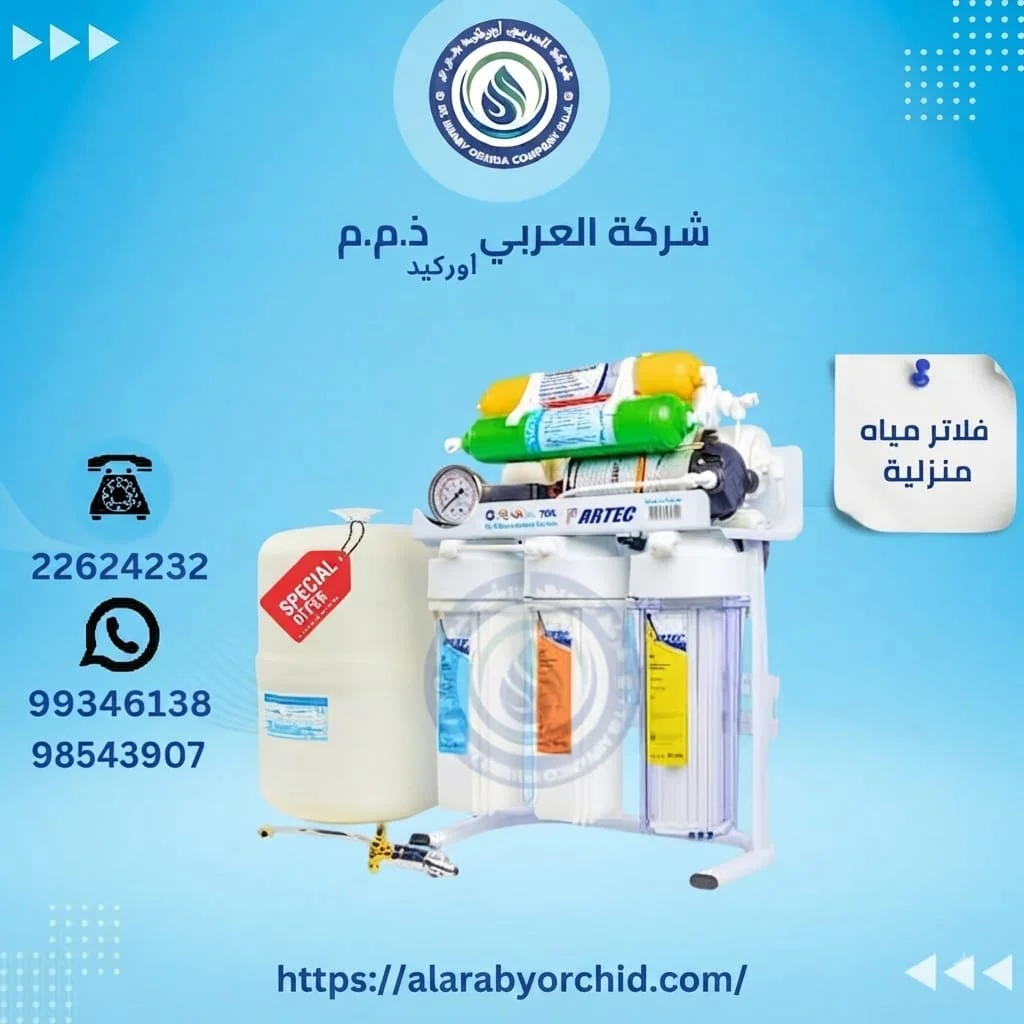
Al Arabi Orchid currently advertises several choices including 3-stage, 5-stage, 6-stage, and 7-stage systems, alkaline filters, Jumbo systems, sand filters, and stainless-steel units. This range is useful, but every system has a different application.
If replacement is recommended, ask the technician to document the reason. For example:
Housing is cracked
Spare parts are unavailable
Flow is lower than household demand
The technology does not address the current problem
Or rebuilding the old system no longer makes economic sense
This prevents decisions based only on “your filter is old, buy a new one” without technical justification.
After installing the new system, keep the model information and cartridge dates. This will make future evaluation much easier because you will have a real maintenance history rather than guessing.
-
Replacement decisions should follow inspection of the actual condition rather than being based only on age or appearance
-
Select the replacement according to function flow and reduction claim rather than simply choosing the highest number of stages
-
Ask for a specific technical reason for replacement so you can compare the recommendation with another professional opinion
-
If the problem is only a cartridge or O-ring there is no automatic reason to replace the complete system
-
Document the model and cartridge information from installation day so future maintenance does not become another problem of unknown parts
Faults That Require Filter Replacement
Faults that require filter replacement do not include every minor leak or reduction in flow. Many filtration problems can be corrected with normal service parts. However, certain conditions make replacement of a major component or the entire system much more reasonable.
One of the most important is cracking in pressure-containing components. A filter housing or head is not a good place for improvised patching. If a pressurized component has lost structural integrity, replacement is the safer and more dependable approach.
The second condition is damaged threads or cross-threading that prevents reliable closure. Tightening the housing harder every time can make the problem worse. Over-tightening can damage housings and O-rings and create leaks.
The third condition is multiple major components failing at the same time. If the filter needs a housing, head, valve, fittings, faucet, and possibly a storage tank, the question is no longer “which part should we repair?” but “how much of the old system is actually worth keeping?”
The fourth condition is lack of trustworthy replacement cartridges. Installing any cartridge that happens to fit the housing can compromise performance because small dimensional or sealing differences may allow water to bypass the intended media.
The fifth condition is when the system remains a hydraulic restriction even when clean because it is too small for current household use. New cartridges cannot increase the physical flow capacity of an undersized housing.
However, problems such as:
A damaged O-ring
A clogged cartridge
A replaceable faucet
Or old tubing
do not automatically justify replacement of the complete system.
-
Replace structurally cracked pressure-containing components instead of attempting temporary repairs
-
Threads that no longer close reliably are a different problem from a simple replaceable O-ring
-
Several major failed components at the same time increase the value of replacement far more than one isolated fault
-
Lack of dependable cartridges for the exact model is a practical replacement reason because serviceability is part of system life
-
Do not turn normal consumable problems such as cartridges or O-rings into an excuse to replace a complete system that is otherwise sound
Lifespan of a Home Water Filter
The lifespan of a home water filter does not have one fixed number such as 5 years or 10 years because the term water filter can describe a simple housing, a multi-stage RO system, a Jumbo filter, a central filter, or a media tank.
The lifespan numbers most commonly published by manufacturers usually refer to replacement cartridges, not the life of the complete filter body. Cartridges can have service cycles stated in months or treated water volume, while the main system continues operating with those components being replaced as needed.
For example, a manufacturer may list certain cartridges for three months and others for twelve months depending on capacity and design, while the same housing continues to be serviced. This is why you should not say “the whole filter lasts twelve months” simply because one cartridge has that service interval.
The useful life of the main filtration system is affected by:
Operating pressure
Water temperature
Sun or outdoor exposure
How the housing is opened and tightened
Over-tightening
Material quality
Maintenance quality
Spare-parts availability
Physical impact or mechanical damage
Housing systems also need protection from conditions that can cause cracking and water leakage, while O-rings require regular inspection.
So if someone tells you, “your filter is seven years old and must be replaced,” ask:
Which component has reached the end of its life?
Is there a crack?
Is pressure unsuitable?
Are the cartridges no longer available?
Does performance remain poor after maintenance?
If there is no technical reason behind the recommendation, age alone is incomplete information.
At the same time, this should not become an excuse to keep a structurally damaged system indefinitely. Periodic inspection determines practical service life.
-
Separate cartridge service life from the lifespan of the main filtration system because they are not the same thing
-
There is no universal time limit for every home water filter because design pressure materials and application vary
-
Incorrect handling such as over-tightening excessive heat or harsh outdoor exposure can shorten housing life
-
An older properly maintained system with readily available parts may remain useful longer than a newer neglected filter
-
Ask about the actual condition of the system component rather than making the decision only from the original purchase date
Buying a New Water Filter Instead of Repairing
Buying a new water filter instead of repairing becomes a strong decision when the new system solves a real existing problem rather than simply looking more modern.
The first reason is structural safety when pressure-containing parts of the old system are damaged.
The second reason is reliability when faults repeatedly appear in several different areas.
The third reason is serviceability when the new system uses clearly identified and readily available cartridges while the old system requires improvised parts every time.
The fourth reason is a change in treatment needs. You may previously have needed only sediment control but now need a different treatment function that the existing device cannot provide.
The fifth reason is system sizing. If the existing whole-house filter significantly reduces flow whenever several outlets are used, a higher-capacity replacement may be better than continuing to operate an undersized system.
If you are considering current Al Arabi Orchid options, the company advertises:
3-stage and 5-stage kitchen filters starting from KWD 50
6-stage and 7-stage filters
Jumbo filters starting from KWD 50
Sand filters starting from KWD 165
Stainless-steel filters with 8, 10, 15, and 20 cartridges
This is not a list from “cheapest to best” because each type is designed for a different application.
Before purchasing a new system, ask:
What cartridge type does it use?
What is the service cycle?
Are replacements locally available?
What is its flow capacity?
What pressure drop should be expected if it is a central filter?
What reduction claim does it provide?
What will the next maintenance visit cost?
Long-term filtration performance depends on regular maintenance and using the correct replacement elements.
This way, the new filter becomes a planned upgrade instead of another unnecessary expense.
-
Buy a new system when it solves a clearly identified problem such as structural damage unavailable parts or inadequate capacity
-
Do not assume more filtration stages automatically mean better performance because every stage should have a clear function and specification
-
Current starting prices differ between filter types so compare treatment function flow and maintenance rather than price alone
-
Confirm replacement-cartridge availability before buying so the new system does not develop the same spare-parts problem as the old one later
-
Contact Al Arabi Orchid on 99346138 and request a comparison between maintaining your current system and installing a suitable replacement for the same water-treatment requirement
Conclusion
The decision whether to maintain or replace an old water filter and how to make the right choice should not depend only on the age of the device or on the fact that cartridges need to be changed regularly.
Cartridges are consumable components by design. Every cartridge has a service cycle depending on the product, which may be expressed in time or treated-water volume. Replacing a cartridge when it reaches its service limit is normal maintenance, not proof that the complete filter has failed.
If the housing remains sound, fittings are in good condition, properly matched cartridges are still available, and performance returns to normal after maintenance, an older filter can remain worth servicing even after many years.
However, if the system has cracks, recurring structural leaks, damaged threads, unavailable spare parts, several major components requiring replacement, or a capacity that is no longer suitable for household demand, replacement becomes the stronger option.
Do not use a fixed financial rule such as “replace it if repair costs more than half the purchase price.” Instead compare:
Current repair cost
Expected future faults
Remaining useful life
Cartridge availability
Annual maintenance cost
Price of a genuinely suitable replacement
Al Arabi Orchid currently advertises installation and maintenance of water filters throughout Kuwait and provides several options including 3-stage and 5-stage systems, 6-stage and 7-stage filters, Jumbo systems, sand filters, and stainless-steel filters, together with cartridge and spare-parts services. It currently lists 3-stage and 5-stage kitchen filters and Jumbo filters starting from KWD 50, while sand filters start from KWD 165. These are starting prices for specific systems and should not be treated as universal replacement prices for every old filter.
Before deciding, contact 99346138 and prepare:
A photo of the filter
Its type and number of stages
Approximate age
Types of recurring faults
Date of the last cartridge replacement
Whether it leaks
Whether normal flow returns after maintenance
Whether correct or original-compatible parts are still available
Then request a clear comparison between repairing the damaged component and continuing with the existing system versus installing a suitable replacement that performs the same required function. This way, you pay for a real solution rather than making the decision only because someone described the filter as “old.”
Frequently Asked Questions
Does an old water filter have to be replaced after a certain number of years?
There is no single fixed lifespan for every water-filtration system. The housing, fittings, performance, and spare-parts availability need to be evaluated separately, while cartridges follow their own individual service cycles.
When is maintaining an old filter better than buying a new one?
Maintenance is usually better when the housing is structurally sound, the fault is limited, correct cartridges and spare parts remain available, performance returns after service, and the system is still appropriate for household needs.
Does frequent cartridge replacement mean the filter has reached the end of its life?
Not necessarily. Water quality or high household consumption can cause some cartridges to become exhausted faster. If the same cartridge clogs unusually quickly, sediment load and system sizing should be investigated before replacing the whole filter.
Does a leaking filter always need to be replaced?
It depends on the source of the leak. A damaged or incorrectly installed O-ring can normally be replaced. A cracked housing or damaged pressure-containing component requires evaluation for replacement rather than temporary patching.
Should I replace the entire RO system when the membrane is exhausted?
Not automatically. The membrane is a replaceable stage in many RO systems. If the housing, storage tank, fittings, and remaining system components are still in good condition, membrane replacement and normal service may be all that is required.
What is the strongest sign that an old water filter is no longer worth repairing?
There is no single sign, but the combination of structural damage, recurring faults, difficulty obtaining correct parts, and high rebuilding cost makes replacement much more reasonable.
Is it better to buy a filter with more stages?
Not necessarily. Stage count alone is not a quality measure. What matters is the function of each stage and whether the system provides the flow and reduction performance required for your water problem.
How much does a new filter cost from Al Arabi Orchid?
The current website lists 3-stage and 5-stage kitchen filters starting from KWD 50, Jumbo filters starting from KWD 50, and sand filters starting from KWD 165. Final price depends on system type, size, and installation requirements.
Can I install any cartridge in an old filter if it has the same size?
It is better not to. A replacement cartridge may appear to be the same size while still differing in sealing, media, or filtration performance. Use a cartridge properly matched to the system.
How do I request an old-filter repair or replacement assessment from Al Arabi Orchid?
Contact 99346138, send a photo of the system and model if known, and explain its age, recurring faults, leaks, current flow, and most recent maintenance. Ask for a clear repair price and the price of a suitable replacement designed for the same filtration function so you can make the decision based on the actual condition rather than age alone.