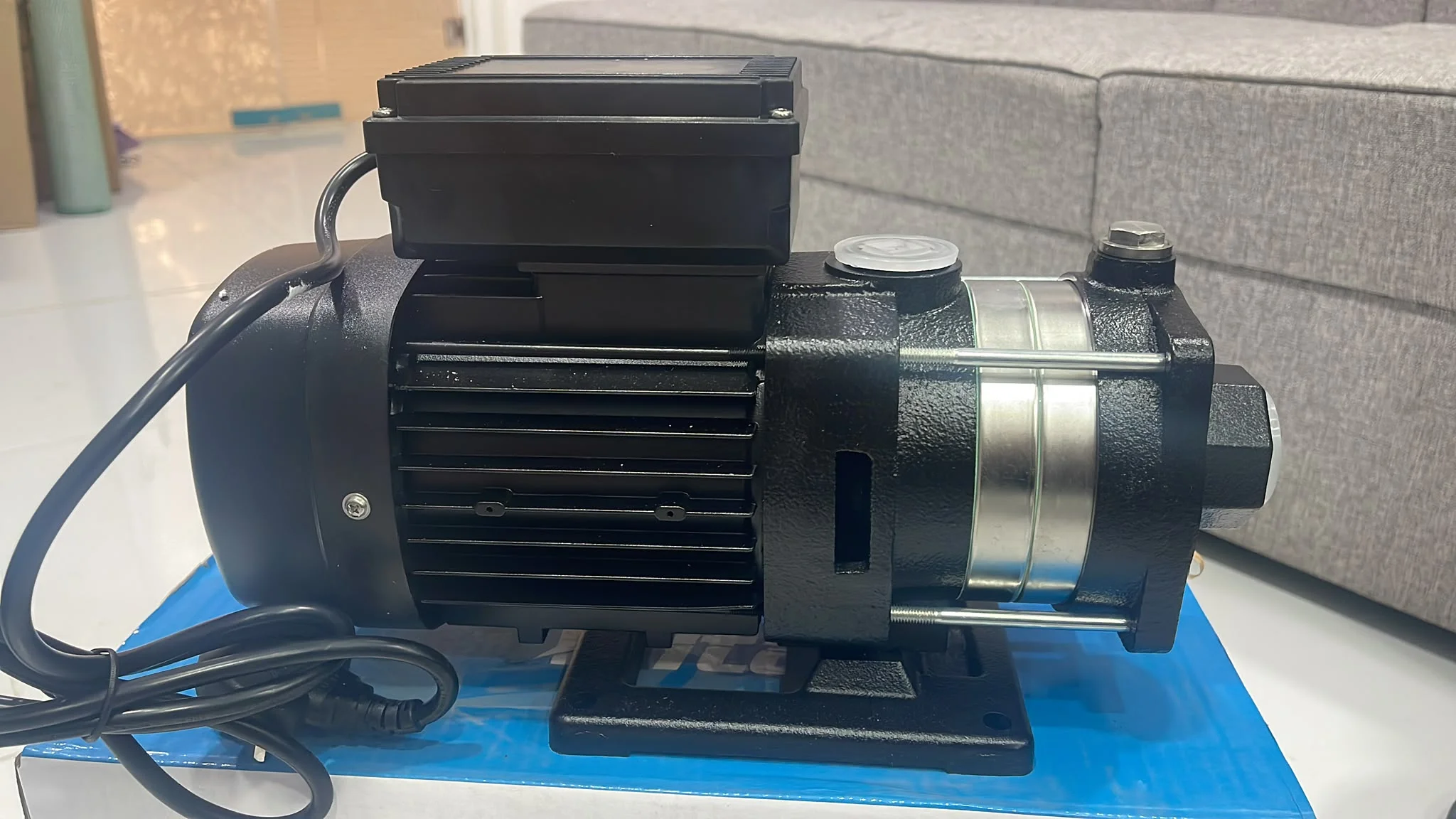
Weak water pressure at home is one of the most common problems that directly affects daily water usage and household comfort. It appears through slow water flow from faucets, poor shower performance, delayed tank filling, or reduced efficiency of appliances that require suitable water pressure. When water pressure becomes low at home, many homeowners immediately start searching for the cause, and the first assumption is often that the water pump is responsible. However, the actual problem may exist within the water network or one of its internal components.
Through practical experience in diagnosing weak water pressure problems in Kuwait, it has been proven that identifying the real cause requires a complete inspection of the entire system, starting from the pump and ending at the final water outlets. Understanding the difference between pump failures and water network problems helps homeowners choose the correct repair method and avoid unnecessary expenses.
Why Does Weak Water Pressure Occur at Home Despite Having a Pump?
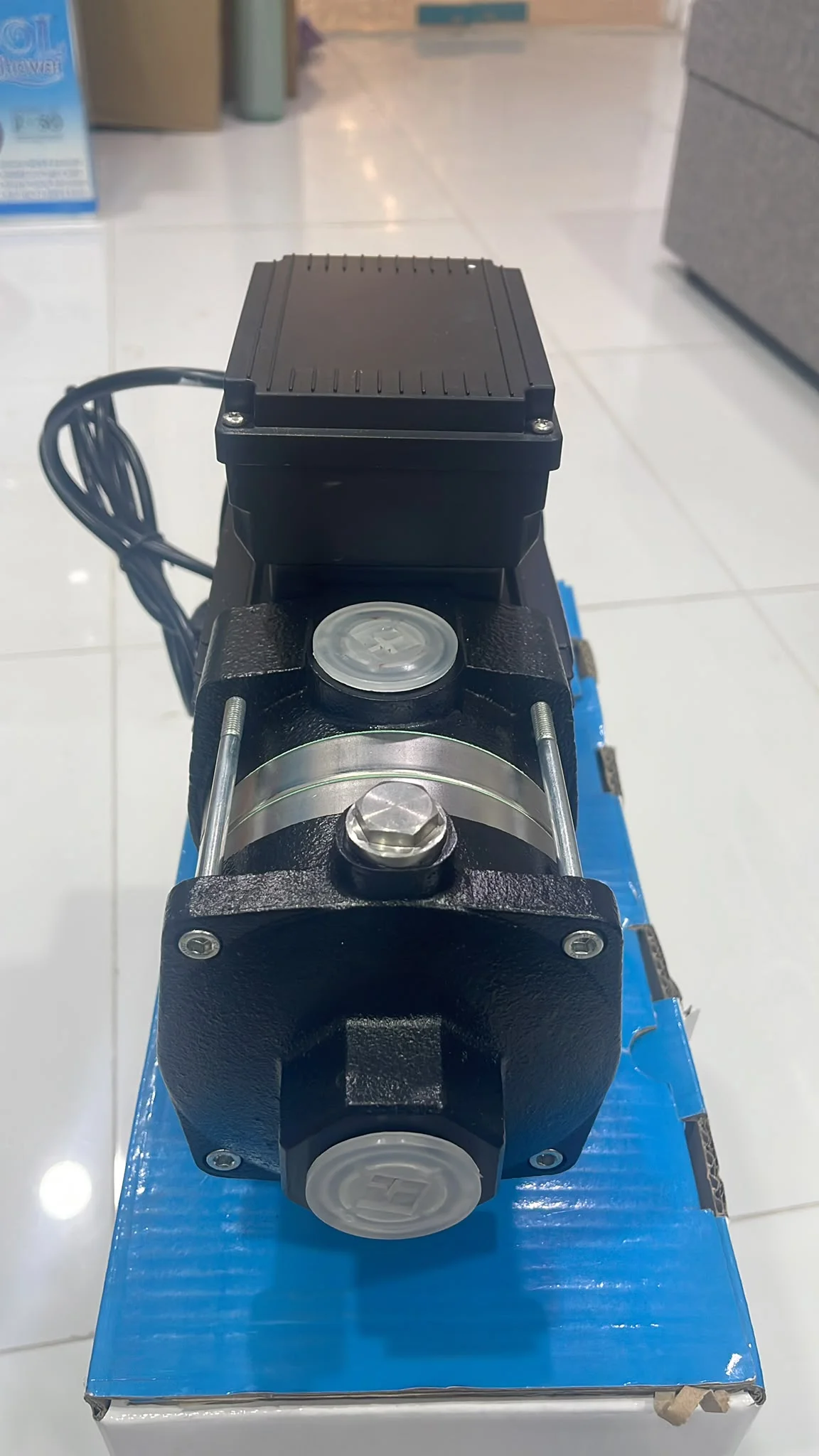
Having a water pump at home does not always guarantee strong and stable water pressure because the efficiency of the system depends on several connected components, not only the pump itself. When weak water pressure occurs at home, the reason may be related to the pump, the water network, or the overall system design. The pump works as part of an integrated system that includes the storage tank, pipes, valves, and different water usage points.
Through practical experience in diagnosing weak water pressure, it has been found that some pumps continue operating normally but lose part of their efficiency over time due to internal wear, impeller damage, motor weakness, or mineral buildup inside the pumping components. The pump may still run, but it may no longer provide the same pressure level as before. Problems with the pressure switch or pressure tank can also affect the pump’s operation and prevent it from maintaining stable pressure.
On the other hand, the pump may be completely functional while the actual problem exists within the water network due to blocked pipes, leaks, or unsuitable valves. Choosing a pump with a capacity lower than the actual household requirements is also a common reason for continuous weak pressure because the pump cannot provide the required water supply regardless of its condition.
Therefore, reaching an effective solution for weak water pressure begins with a complete inspection of the entire system. The technician measures pressure before and after the pump, evaluates the pumping performance, and then checks the internal water network to locate the real cause. Practical experience has shown that many cases where homeowners believe that the pump causes weak water pressure are actually caused by another part of the system. Accurate diagnosis is the first step toward a successful and long-lasting repair.
Is the Problem Caused by the Pump or the Home Water Network?
When water pressure is low at home, the most important question is whether the problem comes from the pump itself or from the internal water network. The treatment method is completely different depending on the location of the fault. Repairing or replacing a perfectly working pump will not solve the issue if the real cause exists in the pipes, valves, or hidden leaks.
If the water pressure coming directly from the pump is weak, the problem may be related to the pump capacity, power supply, or one of its internal components. However, if the pump produces good pressure but the water reaches bathrooms and kitchens with weak flow, the problem is usually inside the internal water network.
Inspecting the home water network includes checking all water lines, identifying possible blockages caused by mineral deposits or buildup, examining valves and filters, and detecting visible or hidden leaks. The pump itself is also tested by measuring operating pressure, water flow rate, motor condition, impeller performance, and control components.
Practical experience has shown that replacing the pump immediately when water pressure becomes weak is not always the correct solution because the actual problem may exist within the network. Therefore, professional diagnosis of weak water pressure helps determine whether the system requires pump maintenance or water network repair.
What Signs Indicate That the Pump Causes Weak Water Pressure?

When weak water pressure occurs at home, the pump is one of the first components that should be inspected, but this does not mean that every pressure problem is caused by the pump. There are specific signs that help determine whether the pumping unit is the actual reason behind the weak pressure or whether the problem exists somewhere else in the system. Through practical experience in diagnosing weak water pressure, it has been found that pump problems usually appear gradually rather than suddenly. Homeowners may notice that water pressure has decreased compared with previous performance, that the pump takes longer to reach the required pressure level, or that it cannot provide enough water when several outlets are used at the same time.
The most common signs of a pump-related problem include weak pressure throughout the entire house, unusual operating sounds, noticeable vibrations, or excessive motor temperature. A significant reduction in water output directly from the pump is also a strong indication that the pumping unit itself has a problem. The cause may be internal impeller wear, reduced motor efficiency, or damage to electrical components that affect the pump’s operating power.
During pump inspection, a professional technician measures discharge pressure, tests water flow rate, checks electricity consumption, and examines the motor, impeller, bearings, and pressure switch to confirm that all parts are working efficiently.
Through these tests, it becomes possible to determine whether the pump is actually causing weak water pressure or whether the issue is related to the internal network. This prevents unnecessary pump replacement and helps select the most suitable repair method at the lowest possible cost.
How Do Pipe Blockages and Water Leaks Affect Water Pressure?
The internal water network can be the main reason behind weak water pressure at home even when the pump is operating efficiently. Water must pass through a complete system of pipes and valves before reaching usage points, and any issue within these components directly affects water flow. Over time, mineral deposits and sediment may accumulate inside pipes, reducing the internal space and limiting the amount of water reaching faucets and showers.
Water leaks are also among the most important causes of pressure loss, especially when they occur inside walls or beneath floors. A small hidden leak may continuously reduce pressure without being noticed by the homeowner. In this situation, the pump works harder than normal in an attempt to compensate for the lost water, which affects performance and increases energy consumption.
For this reason, inspecting the home water network is an essential part of diagnosing pressure problems. The technician measures pressure at different points inside the house and compares the results to identify where the pressure loss occurs. The inspection also includes checking valves, filters, connections, and using suitable detection tools when hidden leaks are suspected.
Practical experience has shown that many weak water pressure cases are solved by repairing a leak or removing a blockage inside the network without replacing the pump. Therefore, inspecting the network together with the pump provides a more accurate diagnosis and ensures that the correct repair solution is applied from the beginning.
What Are the Common Causes of Low Water Pressure at Home?
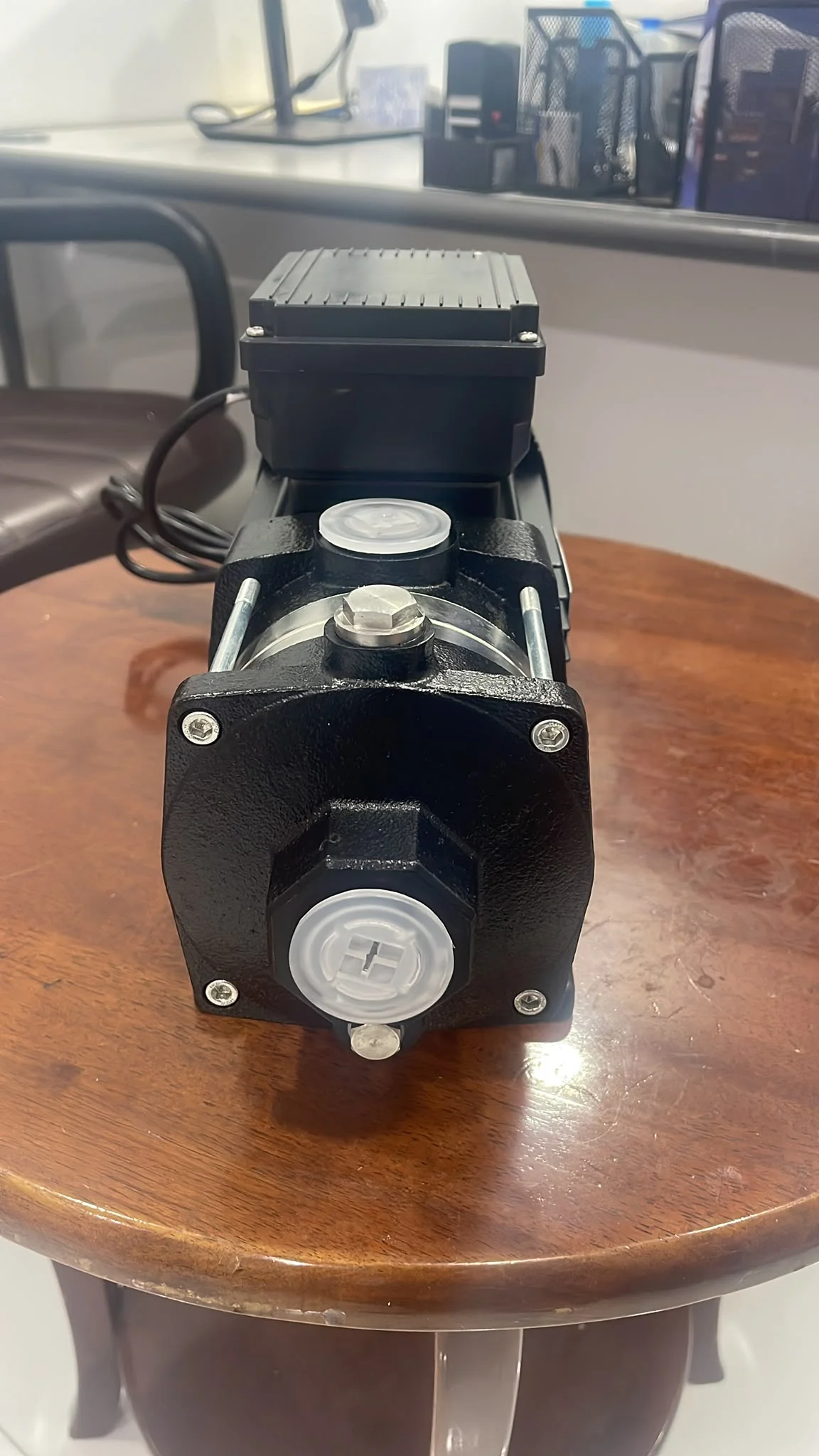
There are many reasons that can lead to low water pressure at home, and these causes are not always related only to the pump. The problem may result from reduced pump performance, blocked pipes, water leaks, or a system design that does not match the actual household requirements. Understanding these possible causes helps identify the correct solution more quickly.
One of the most common causes is the accumulation of deposits inside water pipes, especially in older networks, as these deposits reduce the space available for water flow. The problem may also occur because of unsuitable pipe sizes, partially closed valves, or filters that require cleaning. In addition, adding new bathrooms or appliances without evaluating the existing system capacity can increase water demand beyond the ability of the pump and network.
Pump-related causes include reduced motor efficiency, internal component wear, or problems with the control system. Selecting a pump with insufficient capacity for the property is also a common reason for continuous weak pressure, even when the pump is new and operating normally.
Through practical experience in diagnosing weak water pressure, it has been proven that the solution is not always installing a stronger pump because the actual cause may exist elsewhere in the system. Identifying the real reason before repair helps achieve effective water pressure restoration and prevents the problem from returning again.
How Is Weak Water Pressure Diagnosed Through Professional Inspection?
Accurate inspection is the most important step when dealing with weak water pressure at home because identifying the exact location of the problem saves time and prevents unsuitable repairs. Weak water pressure may result from a simple issue such as a blocked filter, or from a more complex problem such as reduced pump efficiency or a hidden leak inside the network. Therefore, relying only on assumptions or replacing equipment immediately may increase costs without solving the actual problem.
The process of diagnosing weak water pressure begins by measuring water pressure at the pump outlet and comparing this reading with the pressure available at different usage points throughout the house. If the pressure is low from the pump outlet itself, this usually indicates a problem with the pumping unit or water supply source. However, if the pressure is good at the pump but decreases after entering the internal network, the problem is likely related to pipes, valves, or other network components.
The technician also tests water flow rate because pressure measurement alone does not provide a complete picture of system performance. A system may show an acceptable pressure reading while still failing to provide enough water volume when multiple outlets are used simultaneously. The inspection also includes checking the motor, internal impeller, pressure switch, pressure tank, and suction and discharge lines to ensure that all components are functioning properly.
By using professional measuring tools and technical experience, the technician can identify the real cause of the problem, whether it is related to the pump or the water network. This approach helps achieve an effective solution for weak water pressure instead of applying temporary fixes that do not address the root cause.
Does the Pump Need Maintenance When Water Pressure Is Weak?
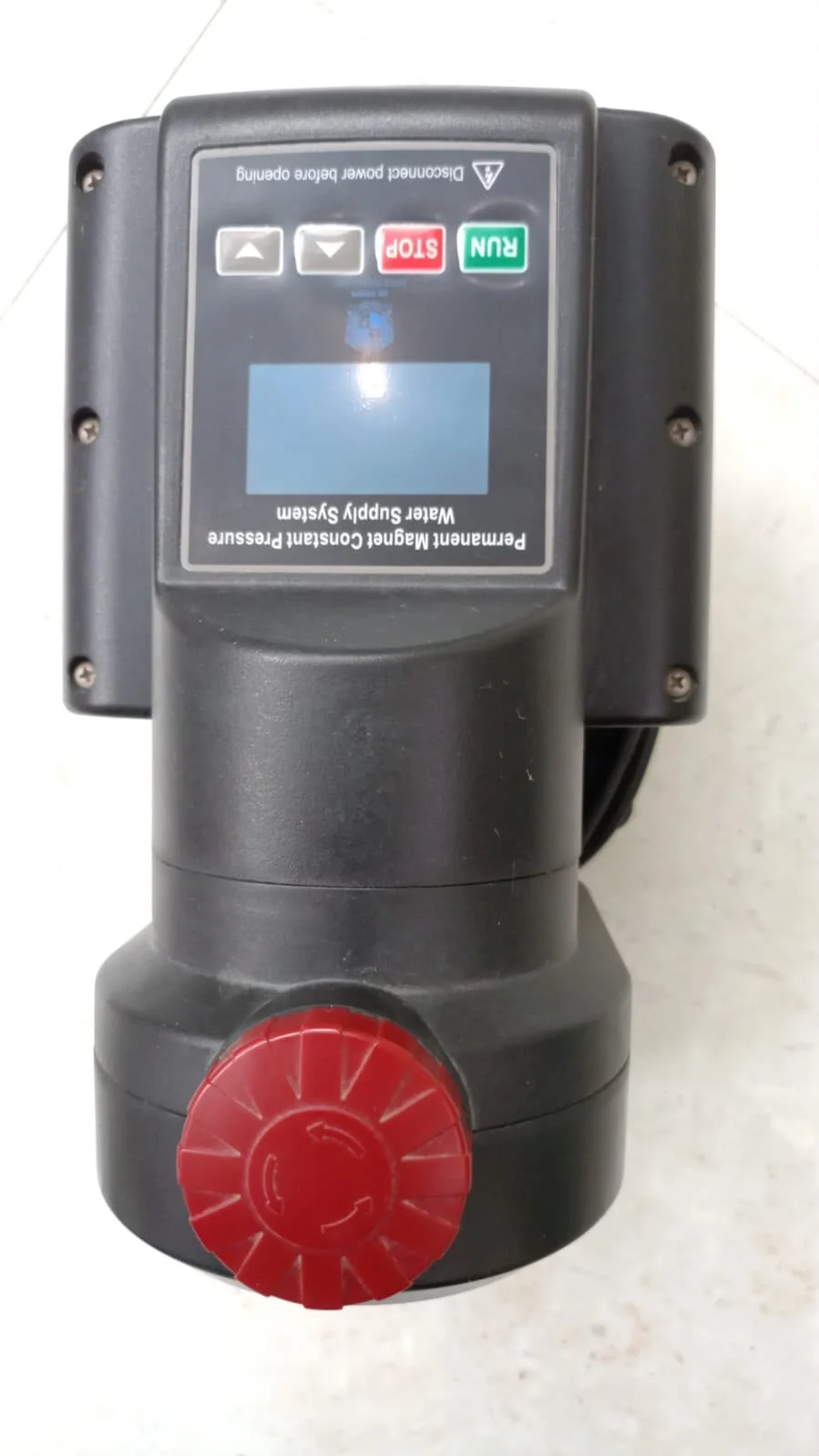
When weak water pressure occurs at home, pump maintenance becomes an important solution if inspection confirms that the reduced pressure is caused by poor pumping performance. The pump operates for long periods every day, and over time some internal components may be affected by continuous use, gradually reducing efficiency even though the pump continues running normally.
Some of the components most affected include the internal impeller, bearings, capacitor, motor, and control parts. Impeller wear may reduce the pump’s ability to push water effectively, while motor weakness may prevent the system from reaching the required pressure level. A faulty pressure switch can also affect pump operation and make performance unstable.
Professional maintenance begins by testing pump performance before removing any parts. The technician measures outlet pressure, water flow rate, and electricity consumption, then inspects internal and external components to determine which parts require repair or replacement. The technician also checks for air entering the suction lines or network problems that may affect pump efficiency.
Practical experience has shown that many pumps can recover their performance after proper maintenance instead of being completely replaced. Therefore, professional inspection helps determine whether the pump is actually causing weak water pressure, reduces repair costs, and extends the operating life of the pump.
How Does Choosing the Right Pump Affect Water Pressure Strength?
Selecting the correct pump is one of the most important factors in achieving stable water pressure at home because installing an unsuitable pump can be a direct reason for continuous weak water pressure even when the pump is new. Pump selection should not depend only on motor power but also on the building size, number of floors, water pipe length, and daily water consumption requirements.
When the pump capacity is lower than the actual household demand, it may operate for long periods while trying to reach the required pressure but fail to provide enough water flow. On the other hand, installing a pump larger than necessary may increase electricity consumption and place excessive pressure on pipes and connections, which can create additional problems in the future.
A professional water pressure technician in Kuwait evaluates the complete system before recommending any pump replacement. The technician reviews the current pump specifications, measures actual pressure, and determines whether the pump capacity matches the home requirements. The compatibility between the pump, water tank, pressure switch, and other network components is also verified.
Practical experience has shown that some weak water pressure cases do not require major repairs but only require selecting the correct pump or adjusting the system properly. Therefore, proper system design is one of the most important factors in maintaining strong and stable water pressure for a long period.
What Mistakes Increase the Problem of Weak Water Pressure at Home?
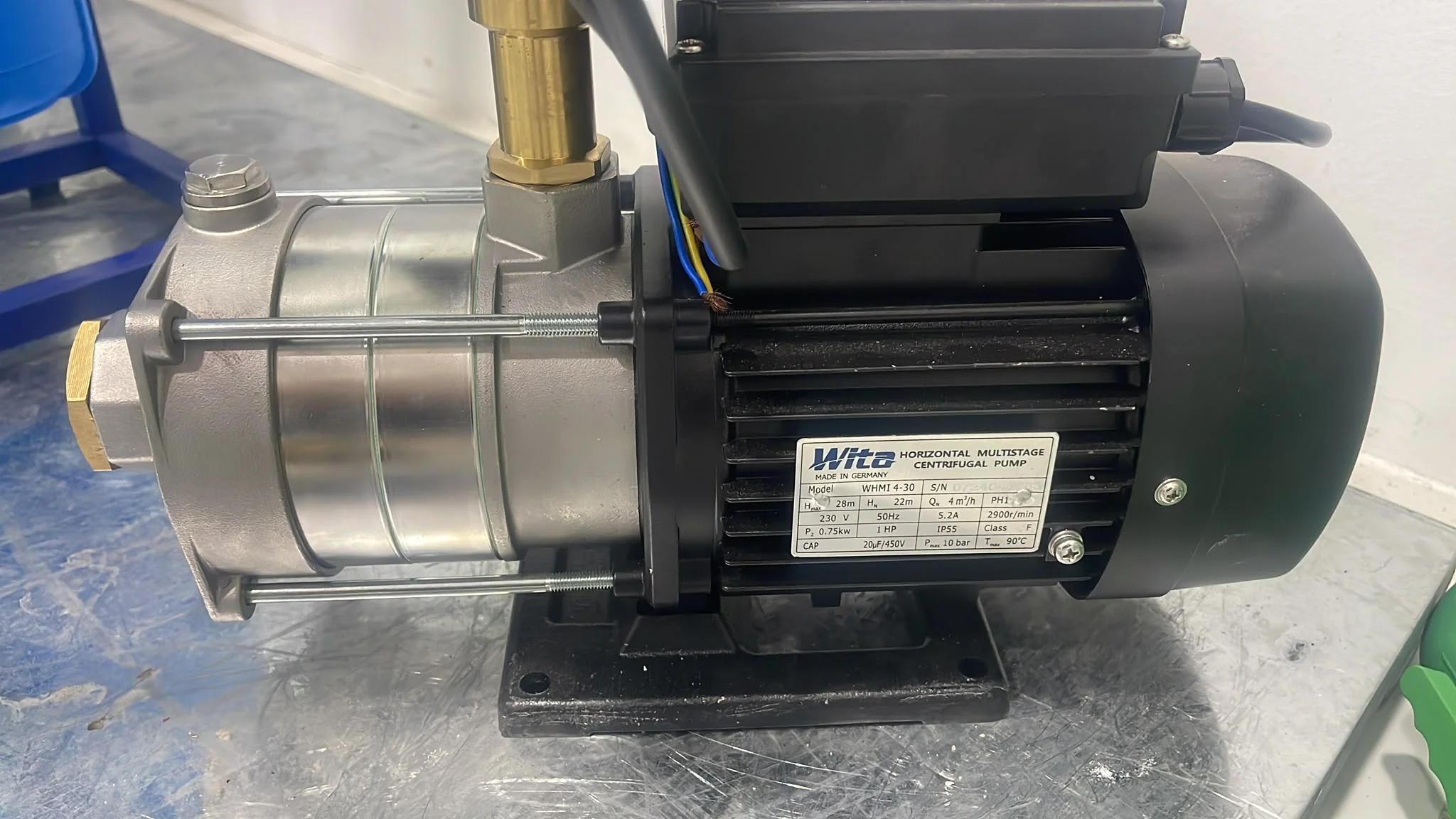
During the handling of many weak water pressure cases at home, it has been found that some daily mistakes contribute to keeping the problem active or making it worse, even after performing simple maintenance work. One of the most common mistakes is ignoring small leaks because some homeowners believe they have no significant effect. However, continuous small leaks gradually reduce water pressure and force the pump to work harder to compensate for the lost water.
Another common mistake is neglecting filter and valve cleaning, which allows dirt and mineral deposits to accumulate and reduce water flow speed. In addition, changing pump or pressure switch settings incorrectly in an attempt to increase water pressure may cause the system to operate outside its suitable limits, creating additional stress on the motor and other components. Using unsuitable spare parts during maintenance can also cause performance problems to return after a short period.
Installing a new pump without studying the actual household requirements is another frequent mistake because increasing pump power does not always solve the issue. If the real cause exists in the water network or system design, replacing the pump will not provide the expected improvement. Therefore, professional diagnosis of weak water pressure should always be performed before making any changes.
Practical experience has shown that regular maintenance and monitoring system performance help reduce the need for repeated water pressure repairs. They also protect the pump and internal network while lowering long-term repair expenses.
How Is Weak Water Pressure Repaired Correctly?
The success of solving weak water pressure depends on treating the actual cause of the problem rather than only improving water flow temporarily. The repair method changes completely depending on the source of the fault. If the problem is caused by the pump, it may require maintenance of internal components, motor repair, replacement of damaged parts, or adjustment of the control system. If the problem is caused by the water network, the solution may involve cleaning pipes, repairing leaks, or replacing valves and filters that restrict proper water flow.
A professional technician begins the repair process only after completing a full inspection and identifying the exact location of the problem. After completing the repair, water pressure is tested at different usage points to confirm that the system has returned to normal performance. The pump operation is also reviewed to ensure that it is not working under excessive load that could cause the problem to return.
In some situations, the solution may require modifying parts of the system, such as improving pipe distribution or selecting a pump suitable for the actual home requirements, especially when the previous design does not match current water demand. Successful repair does not depend on replacing the largest number of parts but on identifying the main cause and applying the correct solution.
Practical experience has shown that accurate inspection before repair saves time and reduces unnecessary expenses. Proper water pressure repair restores system efficiency and helps maintain stable performance without repeated failures.
When Do You Need a Water Pressure Technician in Kuwait to Inspect the Problem?
Some homeowners attempt to solve weak water pressure problems by cleaning certain components or adjusting pump settings themselves, but when the issue continues or the cause remains unclear, professional inspection becomes necessary. A water pressure technician in Kuwait is needed when pressure decreases throughout the entire house, when the pump operates for long periods without improvement, or when unusual sounds and changes in system performance appear.
A professional technician does not rely on assumptions but performs a complete inspection of the entire system, starting from the water source and storage tank, passing through the pump, and reaching the internal distribution network. Pressure and flow measurement tools are used to identify the problem accurately. The technician also checks valves, filters, pipes, and possible leaks. If the pump has a fault, the motor and internal components are evaluated to determine whether repair or replacement is required.
One of the main benefits of hiring a specialist is avoiding unsuitable solutions, such as installing a stronger pump without fixing the real cause or replacing parts that are still working properly. Early diagnosis reduces damage and lowers repair costs.
Practical experience has shown that achieving a successful solution for weak water pressure requires a technician who understands both pumps and water networks because the problem can exist in any part of the system. Professional inspection is therefore the most important step to restore stable water pressure and prevent future problems.
Conclusion
Weak water pressure at home does not always mean that the water pump is damaged. The actual cause may exist in the water network or in one of the system components that affects water delivery performance. Therefore, accurate diagnosis of weak water pressure is the most important step before performing any maintenance or replacement work. Proper inspection determines whether the issue is related to the pump, pipes, leaks, or unsuitable equipment selection.
Practical experience has shown that many pressure problems can be solved when the real cause is discovered early, whether through pump maintenance, repairing part of the network, or adjusting system components. Regular monitoring and preventive maintenance also help prevent repeated failures and extend the lifespan of pumps and water networks.
By working with an experienced water pressure technician in Kuwait who has the correct tools and technical knowledge, homeowners can achieve the best solution at the lowest possible cost because repairs are based on accurate inspection rather than guesswork. The correct approach to weak water pressure always starts with diagnosis and continues with the proper repair method that ensures stable system performance for a long time.
Frequently Asked Questions
What causes weak water pressure at home despite having a pump?
The cause may be reduced pump efficiency, blocked pipes, water leaks, or a pump that does not match the actual household requirements. A complete inspection is necessary to identify the real reason.
How can I know if the pump causes weak water pressure?
This can be determined by measuring water pressure at the pump outlet and comparing it with pressure at usage points. If the pressure is already low from the pump, the issue may be inside the pumping unit.
Can blocked pipes cause low water pressure?
Yes. Mineral deposits and buildup inside pipes reduce the available water passage and decrease flow even when the pump is working properly.
Can weak water pressure be fixed without replacing the pump?
Yes. Many cases can be solved by repairing leaks, cleaning the network, replacing damaged parts, or adjusting system components without replacing the entire pump.
How much does weak water pressure repair cost?
Repair costs depend on the actual cause. The cost may be low if the issue is related to a valve or blockage, while it may increase if the pump requires internal repairs or replacement.
When do I need a water pressure technician in Kuwait?
You need a water pressure technician in Kuwait when the pressure remains low, the cause is unclear, or the pump and water network require professional testing tools to identify the correct solution.

