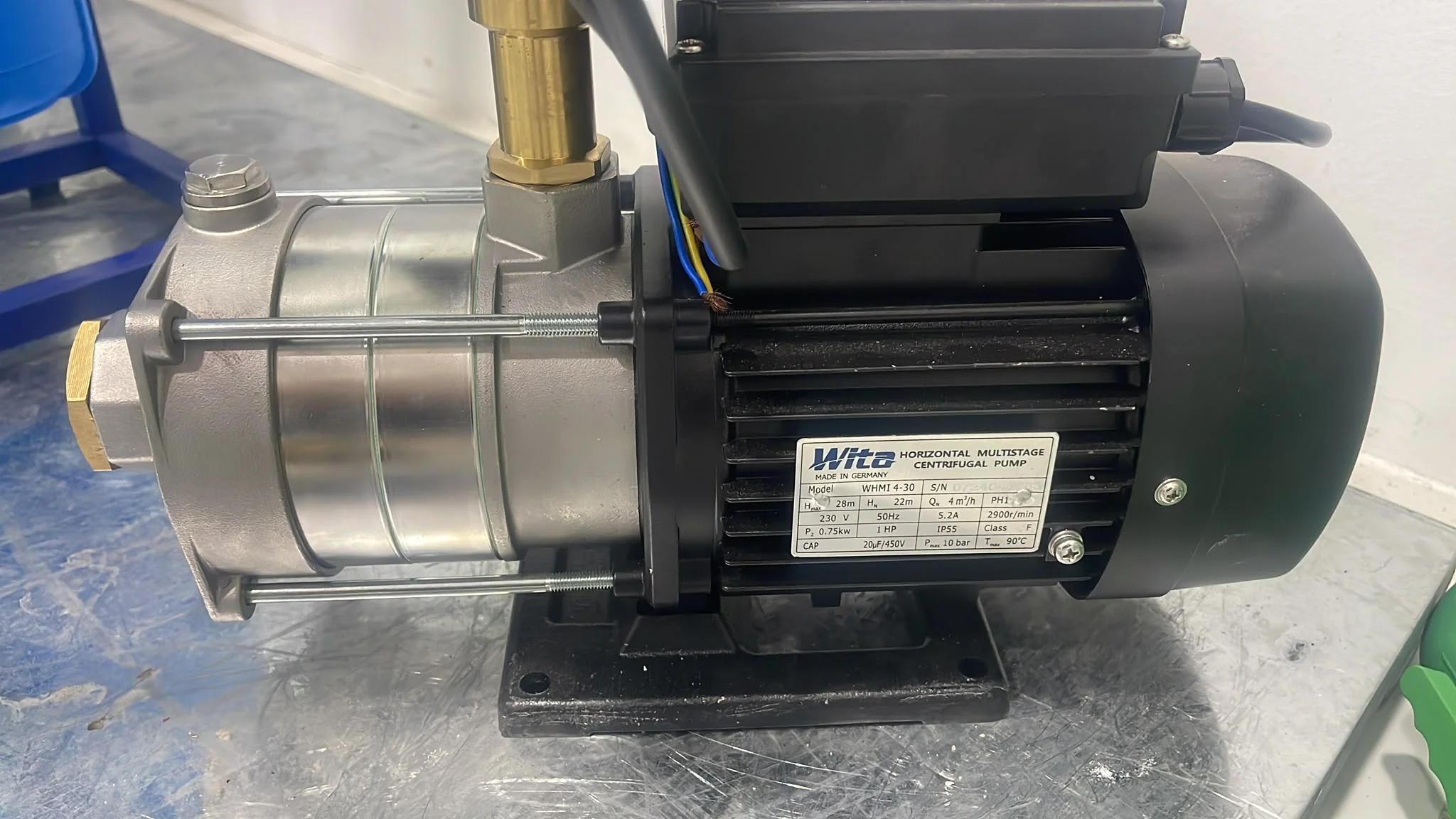
The problem of a water pump pulling air is one of the issues that causes significant inconvenience for homeowners because it directly affects the pump’s ability to draw water and operate the system properly. The pump may continue running for a long time without obtaining the required amount of water, produce unusual operating sounds, or lose its ability to maintain proper priming after stopping.
Through practical experience in water pump maintenance in Kuwait, it has been proven that the cause of air entering a water pump may be related to a small leak in the suction line, an installation problem, or a fault in certain internal components. Therefore, identifying the source of air entry and diagnosing the problem accurately is the first step toward choosing the correct solution and preventing the issue from happening again.
Why Does a Water Pump Pull Air Instead of Water?
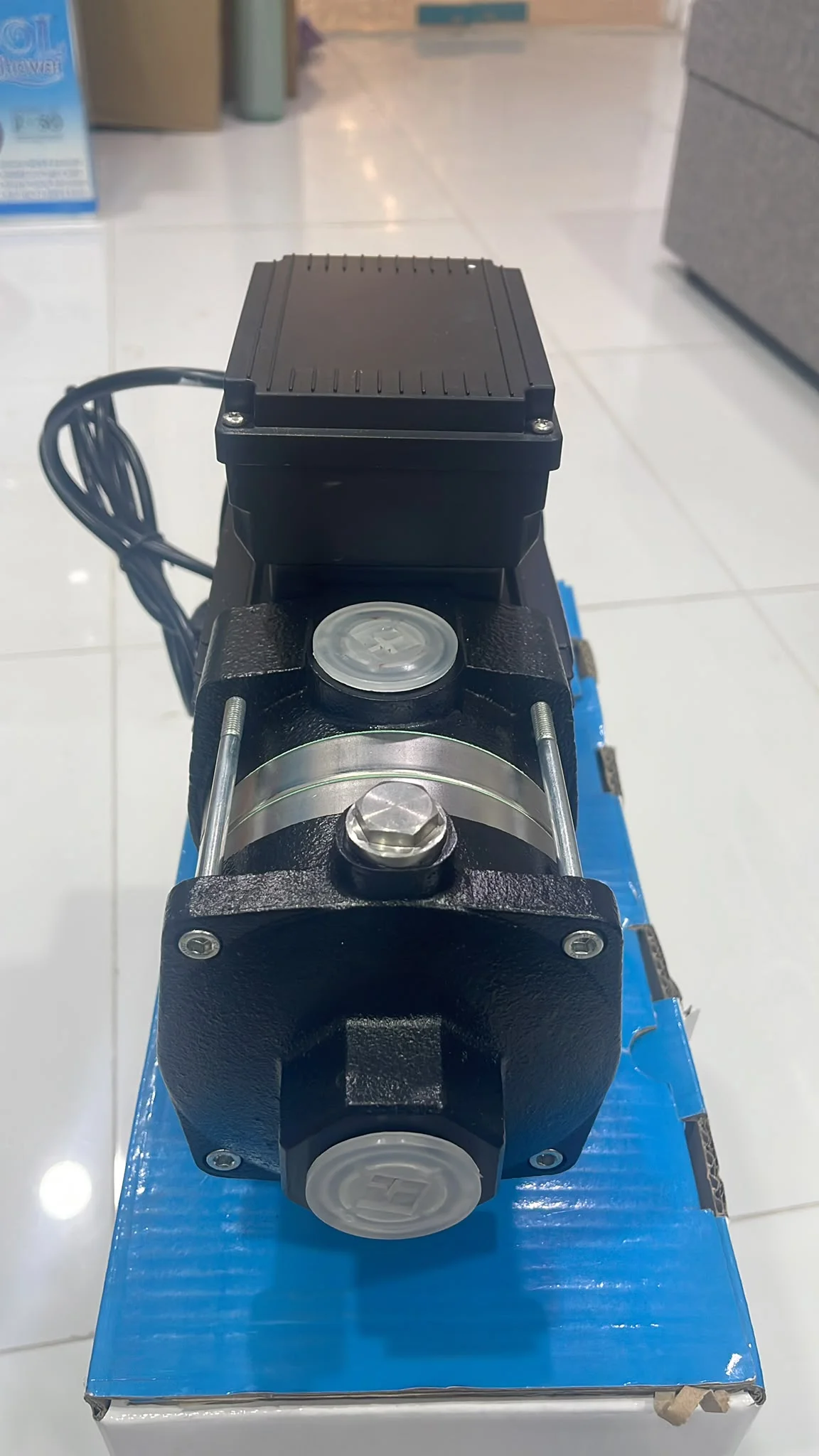
A water pump pulling air occurs when air enters the suction system instead of allowing a continuous flow of water into the pump body. This affects the pump’s ability to create the necessary pressure required for lifting and transferring water. During normal operation, the pump needs a closed system filled with water to perform efficiently. Therefore, any amount of air entering this system can lead to weak suction or complete failure of water pumping.
Through practical experience in diagnosing air suction in water pumps, it has been found that the most common cause is a small leak in the suction line, especially at pipe connections or joints between the pipes and the pump. This type of leak may not appear as visible water leakage because the suction line operates under low pressure, allowing air to enter without any obvious external water loss. Small cracks in old pipes or loose connections can also allow air to enter the system.
Another reason that causes the pump not to draw water due to air is a faulty foot valve located inside the water source. This valve prevents water from returning and keeps the suction line filled with water. If the valve becomes damaged, the pipes may empty and air can enter the pump, causing it to lose its prime and requiring repeated filling before operation.
A low water level at the source or incorrect suction line installation can also cause the pump to draw air instead of water. Therefore, solving the problem does not only depend on removing air from the pump but requires identifying and repairing the actual source of air entry.
What Signs Indicate That the Water Pump Is Pulling Air?
The problem of a water pump pulling air appears through several signs that help identify the fault before it causes damage to the pump components. One of the most noticeable signs is weak water output, intermittent water flow, or observing that the pump is operating but unable to achieve the normal pressure level. Another clear indication is that the pump requires manual water filling before every operation, which is a strong sign that it is losing its prime due to air entering the system.
Another important sign is the appearance of unusual operating sounds, such as humming or sounds similar to air movement inside the pump. This happens because the pump attempts to move a mixture of water and air instead of water alone, reducing the efficiency of the internal impeller and affecting motor performance. The pump temperature may also increase because it continues operating without sufficient water flow that helps cool some internal components.
During water pump air suction diagnosis, the technician monitors pump operation, checks when the problem occurs, verifies the water source level, and then inspects the entire suction line. Special attention is given to pipe connections, valves, and joints because any poorly sealed area may become the entry point for air.
Practical experience has shown that ignoring these signs can make the problem worse because operating the pump for long periods while pulling air may place additional stress on the motor and internal components. Therefore, detecting early warning signs helps perform water pump air leak repair before major failures occur.
How Does a Suction Line Air Leak Affect Water Pump Performance?
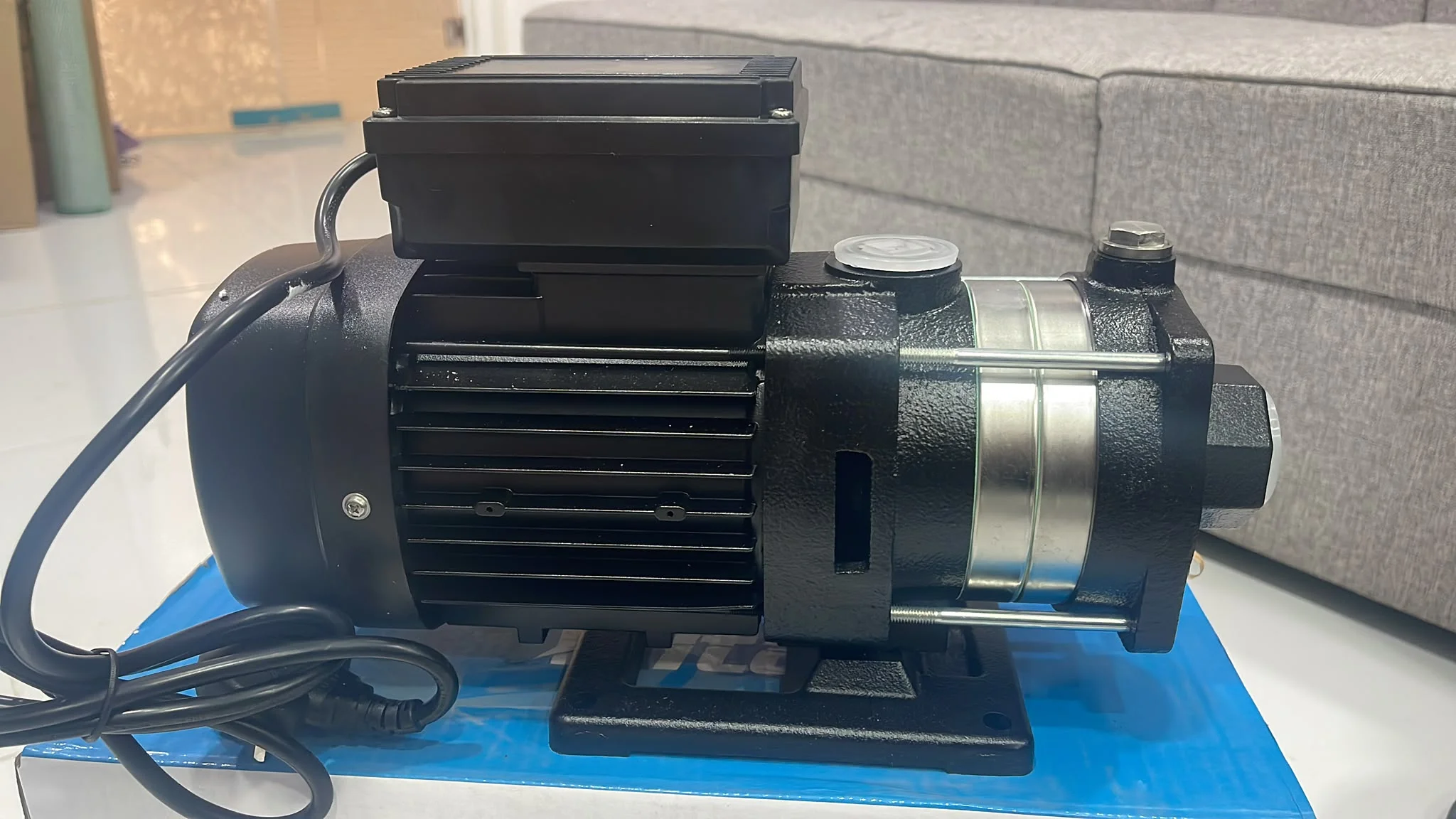
A suction line air leak is one of the most common causes of a water pump pulling air, because the suction line is responsible for transferring water from the source to the pump. Any problem that affects the sealing of this line allows air to enter and prevents the pump from creating the proper pressure required for normal operation. As a result, the pump may experience weak suction or completely stop drawing water.
Air leaks may occur due to damaged rubber seals, loose connections, cracks in old pipes, or a faulty foot valve installed at the water source. The difficulty in detecting this type of problem is that air enters the system without causing obvious water leakage. Therefore, homeowners may assume that the pump itself is damaged while the actual issue exists in a small section of the suction line.
During maintenance of a water pump pulling air, the technician inspects all connection points between the pump and the water source, tests the tightness of joints, and checks the condition of valves and pipes. The technician also tests whether the pump can maintain water inside the system after stopping, because losing water from the suction line is a strong indication of a problem with water retention or air leakage.
Through practical experience, it has been proven that repairing only the air entry point can restore normal pump operation without replacing the entire unit. Therefore, accurately identifying the cause of air entering a water pump saves time and costs while providing an effective and stable solution for the air problem.
How Do You Know That the Pump Has Lost Its Prime Due to Air Entry?
The problem of a pump losing its prime is one of the clearest signs of a suction system issue because the pump depends on being filled with water to create the required suction force. When air enters the system or a leak allows water to escape from the suction line, the pump loses its ability to start correctly and may require manual water filling before operation.
Through practical experience in diagnosing air suction in water pumps, it has been found that loss of prime usually appears after the pump has been stopped for a period of time. The pump may start running but fail to draw water until the user refills the pump body manually. The cause may be a damaged foot valve that cannot retain water inside the suction line or a small leak that allows air to enter and water to escape gradually during downtime.
The problem may also result from incorrect suction line installation, such as improper height, excessive bends, or design issues that allow air pockets to accumulate inside the pipes. In some cases, the suction pipe diameter may not match the pump capacity, making it difficult for the system to maintain stable water flow.
During inspection, the technician reviews the pump priming condition before operation, monitors how long the pump can retain water after stopping, and checks the foot valve, connections, and pipes. After repair, the system is tested to ensure that the pump can maintain water and no longer loses its prime.
Therefore, solving the problem of a pump not drawing water due to air does not only require refilling the pump but requires repairing the actual source of air entry to ensure long-term efficient operation.
What Is the Role of the Foot Valve in Preventing Air From Entering the Water Pump?
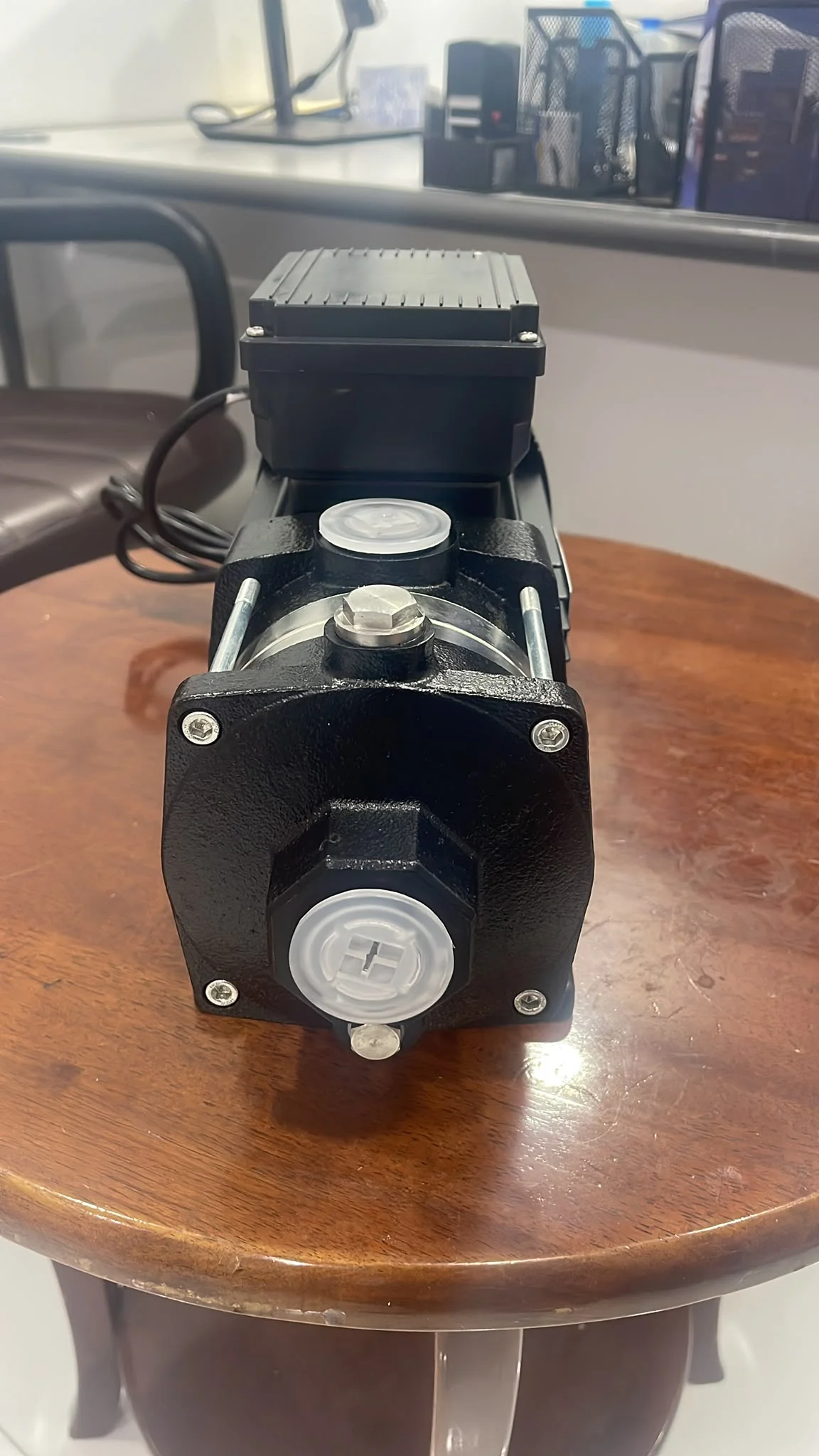
The foot valve plays an essential role in maintaining suction system efficiency because it prevents water from returning back to the source after the pump stops. When this valve becomes damaged or fails to operate correctly, the problem of a water pump pulling air may occur because the suction line becomes empty and air enters the pump body.
Through practical experience in maintenance of a water pump pulling air, it has been found that a damaged foot valve is one of the repeated causes of continuous air entry problems. The valve may fail to close completely due to dirt buildup or internal damage, allowing water to gradually leave the suction line while the pump is not operating. When the pump starts again, it contains air instead of water.
Installing a low-quality foot valve or selecting an unsuitable size for the suction line can also cause the problem to continue even after replacement. Therefore, it is important to choose a valve that matches the pump capacity and system size and install it correctly to prevent air entry and maintain a water-filled suction line.
During inspection, the technician tests the valve’s ability to retain water, reviews the condition of the suction system, and checks for leaks near the valve area. If the valve is confirmed as the cause, it is replaced with a suitable component and the pump is tested to ensure normal operation.
Therefore, checking the foot valve is an important step when searching for the cause of air entering a water pump, because it is one of the most influential components affecting suction performance and pump priming.
How Is Air Removed From a Water Pump Correctly?
The process of removing air from a water pump is an important step when air enters the system, but it is not a complete solution if there is a continuous reason allowing air to enter again. Removing the trapped air helps restart the pump temporarily, but repeated problems indicate the need to find and repair the source of the leak or fault in the suction system.
The process begins by turning off the pump and disconnecting the power supply. The air inside the pump body is then released through the filling point, and the pump is refilled with water until all trapped air is removed. After that, the pump is turned on and monitored to ensure that water flow returns normally. In some systems, a specific valve may need to be opened to allow trapped air inside the pipes to escape.
Through practical experience in solving water pump air problems, it has been proven that refilling the pump alone is not enough if there is a leak in the connections or a problem with the foot valve, because air will enter again after a short time. Therefore, after removing the air, all system components should be inspected to ensure there is no continuous source of air entry.
The pump should not be operated for long periods while containing large amounts of air because this may increase the temperature of internal components and affect motor and impeller performance. Therefore, air removal is considered a supporting procedure within a complete repair process, not a permanent solution by itself.
It is recommended that this process be performed by a professional technician, especially when the problem occurs repeatedly, because identifying the cause of air entering a water pump is the key factor in preventing the issue from returning.
What Other Reasons Cause a Pump Not to Draw Water Due to Air?
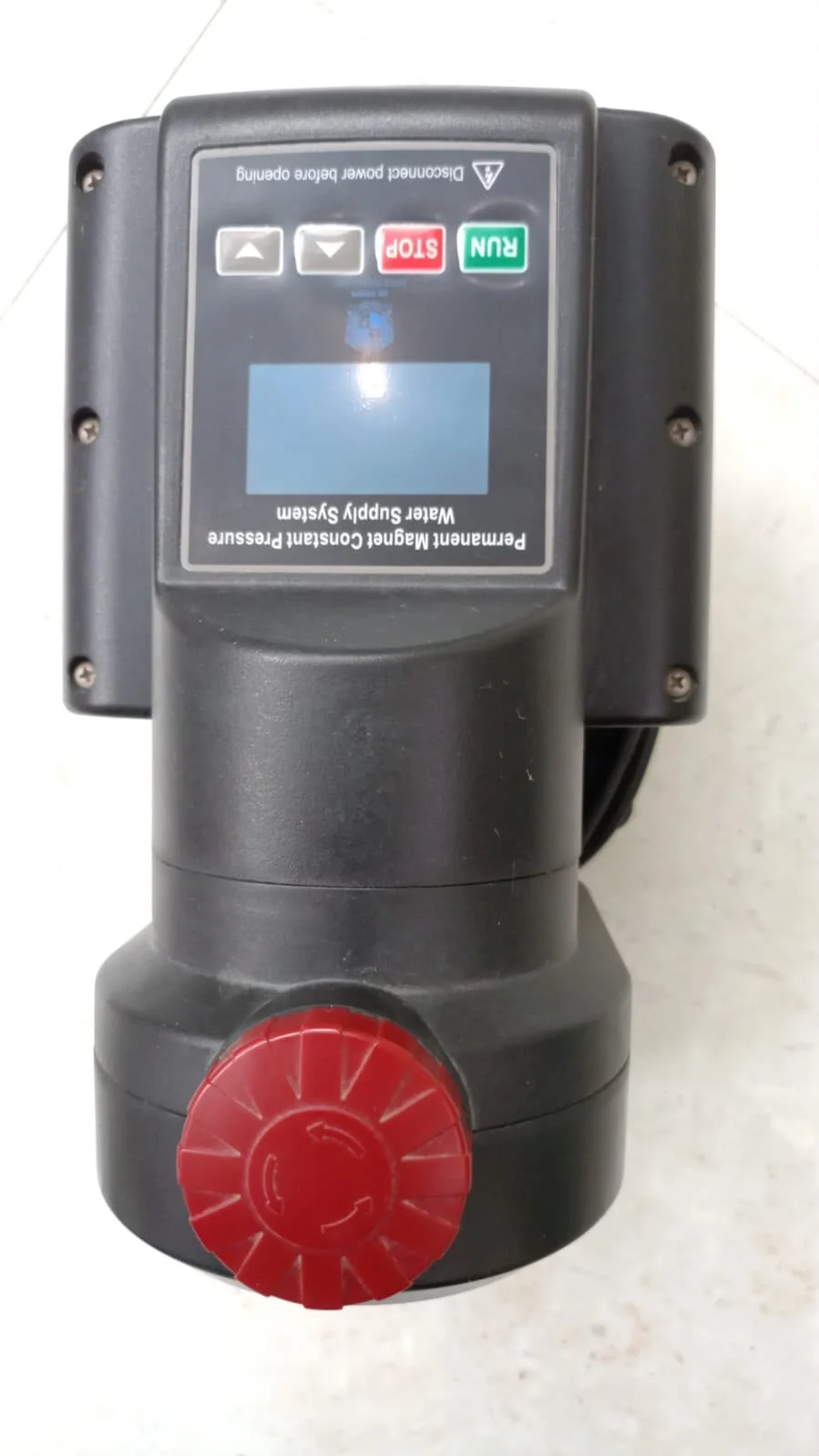
There are several other reasons that can lead to a pump not drawing water due to air, and the problem is not always caused by a visible leak in the connections or a damaged foot valve. The cause may be related to system installation, operating conditions, or factors that affect the pump’s ability to create proper suction. Therefore, inspecting the complete suction system is necessary to identify the actual cause.
One common reason is a low water level at the source. When the suction pipe is not sufficiently submerged, the pump begins pulling air instead of water. The problem may also occur when the pump is installed too far from the water source, increasing suction difficulty and making air entry more likely. In addition, using a suction pipe with an unsuitable diameter or installing too many bends can disturb water flow and allow air pockets to form inside the pipes.
The problem may also happen when the pump is not completely filled with water before operation, especially after maintenance work or when the system has been empty for a long time. If air remains inside the pump body, it may not be able to create the required suction force, making the user believe there is an internal pump failure.
During water pump air suction diagnosis, the technician checks water level, suction pipe length, installation method, and ensures that the pump is properly filled before operation. The system is also tested to confirm that it can maintain water after stopping.
Understanding all possible causes helps achieve an effective solution for water pump air problems instead of focusing on only one possible reason that may not be the actual fault.
How Is Air Suction in a Water Pump Diagnosed Professionally?
Finding the problem of a water pump pulling air requires accurate inspection because air often enters through locations where no visible water leakage appears. Therefore, diagnosis depends on several tests that help identify the air entry point and determine the component responsible for the problem.
The technician begins by reviewing the symptoms: does the pump lose its prime after stopping, does it require manual refilling, does water flow become intermittent, or does an unusual sound appear during operation? The entire suction line is then inspected from the water source to the pump inlet, including all connections, seals, valves, and pipes.
The foot valve is tested to confirm its ability to retain water inside the suction line because losing water after the pump stops is an important indication of a suction system problem. The pump body is also checked for cracks or points that may allow air entry, and the suction pipe installation method, height, and bends are reviewed.
Through professional water pump air suction diagnosis, it becomes possible to determine whether the cause is the suction line, foot valve, or installation method. This prevents replacing the entire pump because of a simple issue in an external component.
Practical experience has shown that accurate diagnosis saves significant time and costs because repairing the actual source of air entry restores normal pump operation without unnecessary repairs.
How Is Air Leakage in a Water Pump Repaired?

The method of repairing air leakage in a water pump depends on identifying the exact location where air enters the system. If the problem is caused by loose connections, the joints are tightened or damaged seals are replaced to ensure complete closure. If the issue is caused by damaged pipes, the affected section may need repair or replacement.
When the foot valve is the cause, it may be cleaned if dirt buildup is the problem, or replaced if it can no longer prevent water from returning. The technician also ensures that the valve size matches the pump and suction line requirements. After repair, the pump is refilled with water and tested to confirm that it can draw water and maintain proper priming.
Through practical experience in maintenance of a water pump pulling air, attention is given not only to stopping air entry but also to ensuring that all system components operate together correctly. There may be more than one cause at the same time, such as a weak valve combined with an improperly sealed connection. Therefore, repairing only one part may not prevent the problem from returning.
After repair, the pump performance is monitored to ensure there are no unusual sounds or reduced water flow. This final testing confirms that the repair was successful and that the system has reached an effective and stable solution for water pump air problems.
How Does Regular Maintenance Prevent Water Pump Air Suction Problems?
Regular maintenance is one of the most important procedures that helps reduce the possibility of a water pump pulling air, because many air entry problems begin with small faults that can be discovered and repaired before affecting the entire system. Regular inspection of the pump and suction lines helps detect loose connections, damaged seals, or early deterioration of the foot valve before the problem develops into complete loss of pump priming.
During maintenance of a water pump pulling air, all connection points between the pump and the water source are inspected. The technician checks that joints are properly sealed, verifies that pipes have no cracks, and tests the foot valve’s ability to maintain water inside the suction line. The pump condition is also reviewed to ensure there are no internal issues affecting the suction process.
Through practical experience, it has been proven that pumps receiving regular maintenance are less likely to experience air entry problems because faults are discovered at an early stage when repairs are easier and less expensive. Maintenance also helps protect the motor, improve efficiency, and reduce excessive stress caused by operating the pump without sufficient water flow.
Regular monitoring also helps identify unusual signs such as frequent need for pump refilling, abnormal operating sounds, or reduced water output. These signs may indicate the beginning of a problem that requires inspection before it becomes more serious.
Therefore, preventive maintenance is not an additional unnecessary cost but an effective way to protect the pump lifespan, maintain efficient operation, and reduce the possibility of the pump losing its prime or requiring major repairs in the future.
When Do You Need a Water Pump Technician in Kuwait to Inspect Air Suction Problems?
When the problem of a water pump pulling air continues despite attempts to restart or refill the pump, professional assistance becomes necessary because repeated failure usually indicates an unresolved cause. The problem may exist in a hidden location, such as a small leak inside the suction line, a faulty valve, or an incorrect pipe installation.
A water pump technician in Kuwait inspects the entire system starting from the water source and continuing through the suction line and pump components. The technician checks water level, pipes, connections, valves, and installation methods. Professional experience helps determine whether air enters because of a small leak, a damaged component, or an issue with system design.
Signs that require professional inspection include frequent pump refilling, failure to draw water after stopping, unusual operating sounds, or weak water flow despite the motor running. These signs indicate that the problem requires accurate diagnosis rather than temporary solutions.
Through practical experience, early intervention reduces repair costs because fixing the source of air entry at the beginning is much easier than waiting for damage caused by continuous operation with insufficient water flow. A qualified technician can provide an effective solution for water pump air problems and prevent the issue from returning.
Choosing a technician with experience in both pumps and water networks ensures accurate diagnosis and proper repair instead of relying on temporary fixes that do not solve the original problem.
Conclusion
The problem of a water pump pulling air is one of the issues that requires accurate diagnosis because it can result from several different causes, starting from a small suction line leak and extending to problems with the foot valve or system installation. Understanding the cause of air entering a water pump is the essential step that determines the correct repair method because simply restarting the pump or removing trapped air may not provide a permanent solution if the source of air entry remains.
Practical experience has shown that most air suction problems can be solved when the real cause is discovered early, whether by repairing connections, replacing a faulty foot valve, modifying the suction line installation, or performing proper pump maintenance. Regular monitoring also reduces the possibility of repeated failures and helps maintain system efficiency.
By working with an experienced water pump technician in Kuwait who has the correct tools and technical knowledge, homeowners can achieve an effective solution that restores normal pump operation. Successful repair is not only about removing air from the water pump, but about treating the original cause to prevent air from entering again and maintaining reliable pump performance for a long period.
Frequently Asked Questions
Why does a water pump pull air instead of water?
The cause may be a leak in the suction line, a damaged foot valve, low water level, or an installation problem in the pipes. Identifying the exact reason requires a complete system inspection.
How can I know that the pump has lost its prime?
Signs include the pump running without producing water, needing manual water filling before operation, or stopping suction after remaining unused for a period of time.
Can air entry problems be fixed without replacing the pump?
Yes. In most cases, the problem can be solved by repairing leaking connections, replacing the foot valve, or adjusting the suction line without replacing the entire pump.
Does operating a pump while pulling air cause damage?
Yes. Running the pump for long periods while pulling air may increase the temperature of internal components and reduce the lifespan of the motor and mechanical parts.
How is air removed from a water pump?
Air is removed by releasing trapped air from the pump body and refilling it with water, but the source of air entry must also be repaired to prevent the problem from returning.
When do I need a water pump technician in Kuwait?
You need a professional technician when the problem keeps returning, the source of air entry is unclear, or the pump repeatedly loses its prime despite being refilled.


