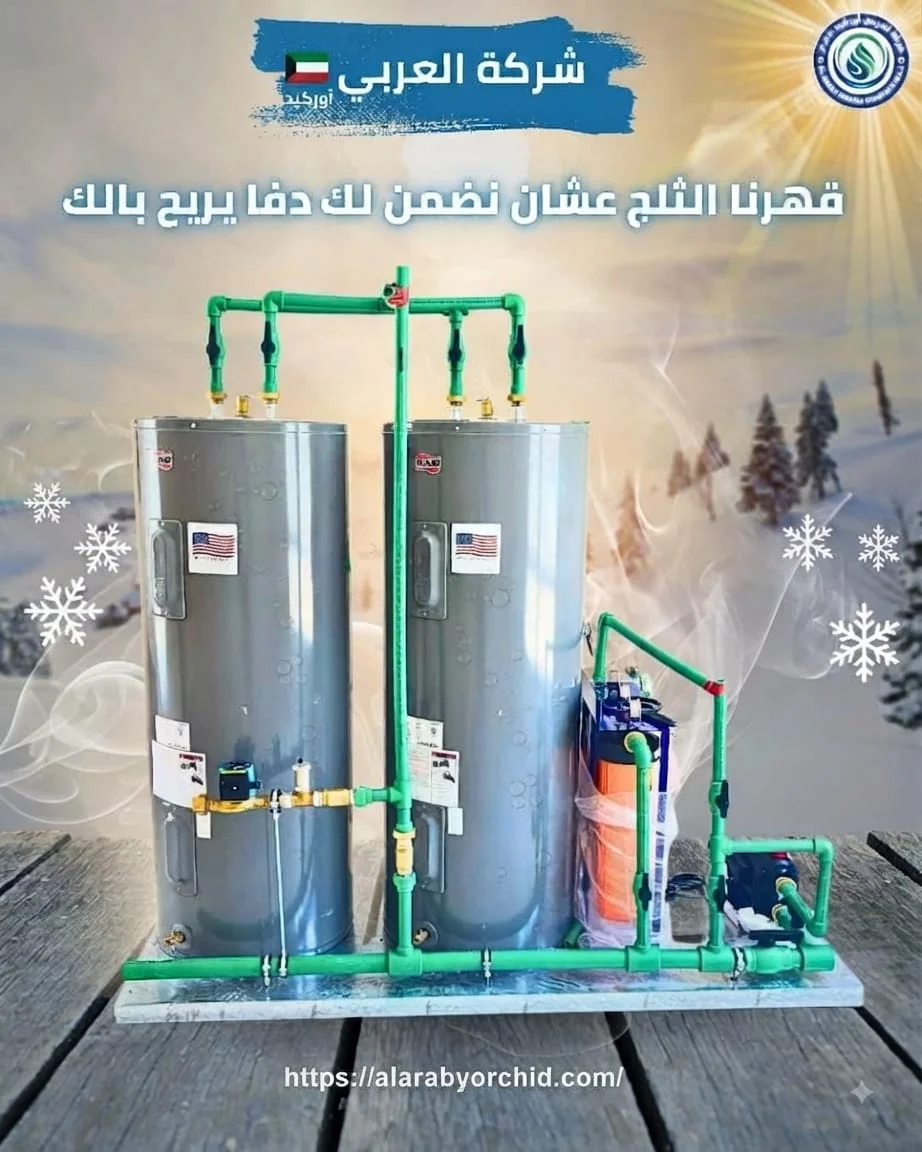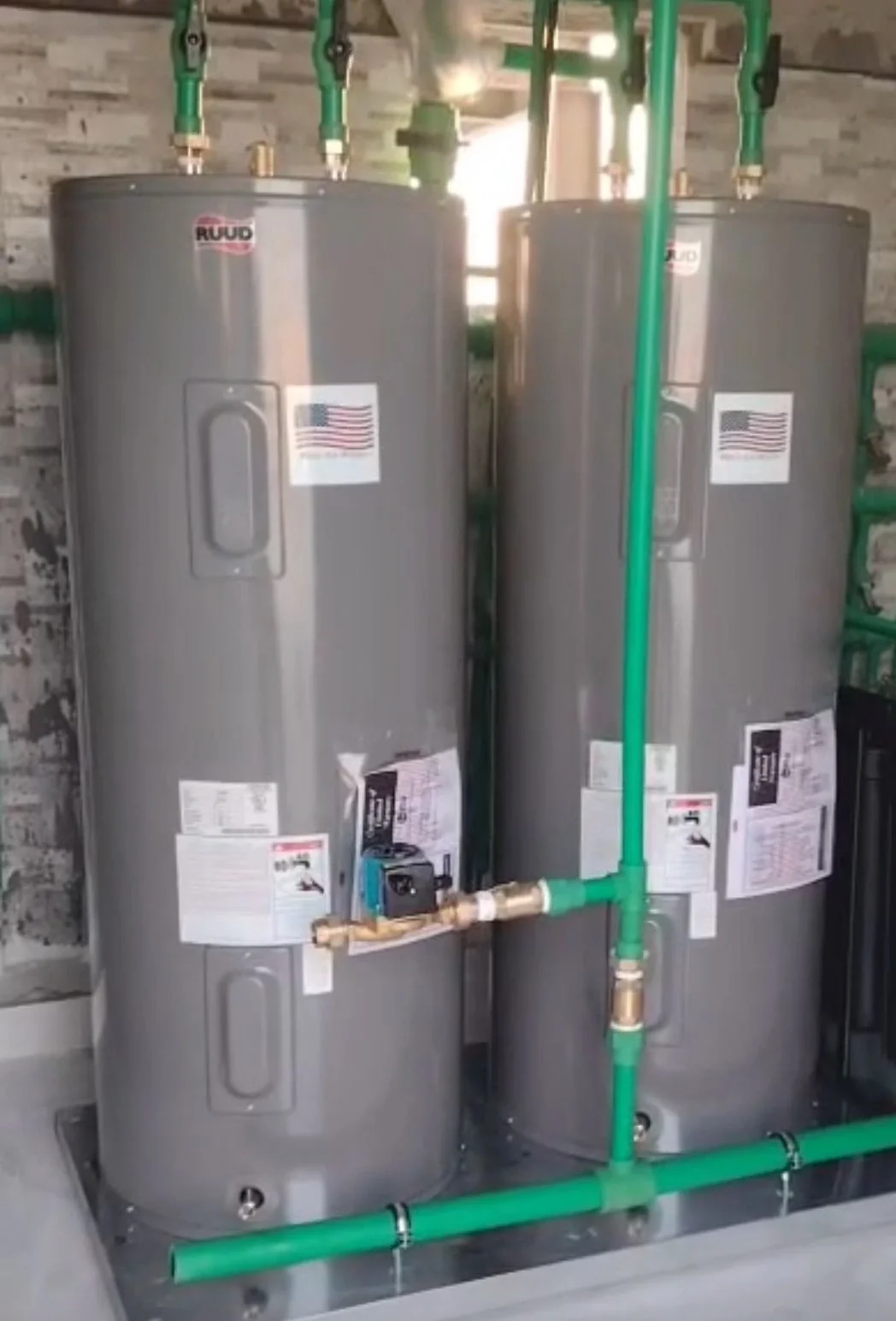
When a central water heater takes too long to heat, the first thing to determine is what “delay” actually means. Does the tank itself now require much longer than before to heat after startup? Is the water already hot inside the tank but slow to reach the bathroom? Or does the problem appear only after a large amount of hot water has been used and the heater needs too much time to complete its Recovery? These are three completely different problems even though a homeowner may describe all of them by saying, “The heater is slow.” Manufacturers themselves distinguish Slow Hot Water Recovery from distribution delays and insufficient hot-water problems. The correct diagnosis therefore starts by identifying exactly where the lost time occurs.
Central Water Heater Takes Too Long to Heat

When a central water heater takes too long to heat, the first step is to compare its current heating time with the normal historical performance of the same unit. This matters because an 80-gallon heater will not necessarily heat at the same speed as a 50-gallon heater if both have similar heating power. A heater starting with a completely cold tank will also require much more time than one that is simply replacing a relatively small quantity of hot water after light use. There is therefore no universal number of minutes after which every heater can automatically be called “slow.” Capacity, element power, incoming water temperature, thermostat setting, and the amount of water being reheated all affect the result.
If the heater is new and has required what the homeowner considers a long heating time since the first day, its behavior may actually be normal for its capacity and electrical input. A storage heater using lower-wattage elements will generally recover more slowly than a similar heater with higher heating input when both are working under the same temperature-rise conditions. That difference does not necessarily indicate a defect; it can simply be the designed performance of the model.
The situation changes when the same heater used to recover noticeably faster and now requires much longer even though household demand has not changed. In that case, performance deterioration becomes more likely. Possible causes include sediment or lime buildup on the heating elements, loose or poor electrical connections, a thermostat that is no longer operating correctly, or a replacement element with a lower wattage than the unit was designed to use.
In electric heaters, the presence of hot water also does not automatically prove that every heating element is working correctly. One part of the tank may still heat while overall Recovery becomes much slower because one element is no longer performing its intended function. This is why diagnosis should focus on actual recovery time and the electrical sequence rather than asking only whether hot water is available.
-
If the heater has been slow since the day it was installed the tank capacity and element power should be compared with the model specification before assuming that a fault exists
-
If heating time becomes noticeably longer after a period of normal operation that change itself is useful evidence and should lead to inspection of the heating elements thermostat voltage electrical connections and sediment condition
-
A larger storage tank requires more time to build a full reserve of heated water when heating input is limited so gallon capacity should always be considered together with kW
-
Incoming water temperature changes heating time because raising very cold water to the selected storage temperature requires more energy than heating warmer incoming water
-
A heater should be judged by comparing actual performance with its own model specifications and previous operating history rather than with another home using a completely different heater
Slow Water Heating in a Central Water Heater
Slow water heating in a central water heater can result from heat being transferred into the water less effectively than it should. In an electric heater, the heating element transfers electrical energy directly into the surrounding water. When mineral Scale or Lime forms over that element, the deposit creates an insulating layer between the hot metal surface and the water. The element may still become hot, but the energy has more difficulty reaching the water efficiently, which can increase operating time and reduce Recovery performance.
This type of problem often develops gradually rather than overnight. If heating has become slower over several months and the heater has also started making popping, crackling, or sizzling sounds, mineral buildup becomes a stronger possibility. Sediment and scale can interfere with heat transfer and force the heater to operate longer to achieve the same result.
The second area to examine is the electrical supply. A heating element designed for a particular voltage will not produce its intended heating output if the actual supply voltage is abnormally low. The correct response is not to replace the element immediately. Voltage should first be measured under operating conditions because the real issue may be in the circuit, electrical connection, or supply rather than in the heating element itself.
The third area is the control sequence. Some electric storage heaters do not operate both heating elements at the same time. Instead, they use a Non-Simultaneous design where the upper and lower thermostats transfer the heating demand between elements according to tank temperature. If one thermostat or element fails to complete its part of this sequence, the heater may still produce some hot water but require much longer to heat the full tank.
This is why slow heating should not be reduced to the phrase “replace the element.” The technician needs to determine whether the real problem is Heat Transfer, Power Delivery, Control Sequence, or simply a normal heating time for the specific model.
-
Gradually slower heating together with evidence of mineral buildup points toward reduced heat transfer before the tank itself is blamed
-
Low electrical voltage can reduce the performance of an otherwise healthy element so measuring Voltage while the unit operates is an important part of diagnosis
-
A multi-element heater can continue producing some hot water even when one part of its heating circuit has failed so the presence of heat does not prove full performance
-
Heating-element and thermostat operating sequences vary by model which is why the exact circuit design should be followed instead of applying one generic rule to every heater
-
Any comparison between the heating time of two water heaters must consider tank capacity element power and Temperature Rise because all three affect the result
Causes of Delayed Hot Water
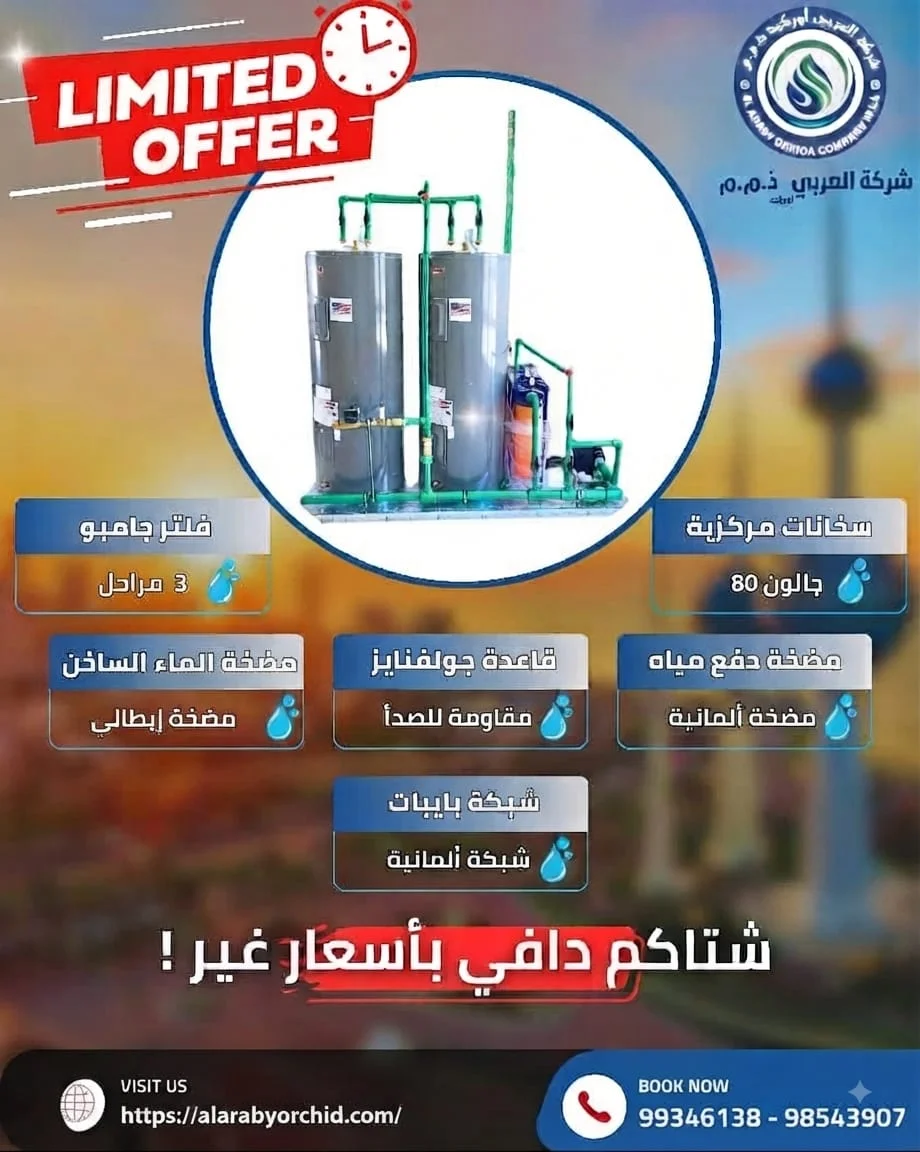
The causes of delayed hot water can come from inside the heater or from outside the heater, and confusing these two situations is one of the most common mistakes in homes. If you open a shower and wait two or three minutes before hot water arrives, that does not automatically mean the heater itself is slow. The tank may have been fully heated for hours, while dozens of meters of piping between the utility area and bathroom are still filled with cooled water that must leave the line before hot water reaches the fixture.
Long hot-water pipe runs also lose heat as water travels through them, especially when the lines are exposed or poorly insulated. This is why a home with long distribution runs can experience delayed hot-water delivery even when the heater is operating perfectly.
It helps to separate three conditions clearly. If the tank is at the correct temperature but a distant faucet always requires a long wait, the problem is Delivery Delay. If hot water arrives quickly but after several showers the family has to wait a long time before hot-water performance returns, the problem is Recovery Delay. If a completely cold heater is switched on and takes time to build its first usable reserve of hot water, that is Initial Heat-Up Time.
There is also a fourth situation where only one outlet is slow while the rest of the house receives hot water normally. In that case, the local pipe branch, mixer valve, fixture flow, or other local component should be checked before blaming the central heater.
In properties with long hot-water networks, a properly designed hot-water recirculation system can reduce waiting time by keeping heated water closer to distant fixtures. However, that solution addresses distribution delay rather than the speed at which the heater generates heat.
-
If the tank is already hot but the faucet still takes a long time to receive hot water the problem is more likely connected to pipe distance and distribution than to tank heating speed
-
Recovery Delay appears after stored hot water has been used while Delivery Delay can occur even when the tank has been fully heated for hours
-
Remote bathrooms require evaluation of pipe length insulation and recirculation because installing a more powerful heater may not reduce delivery time at all
-
If only one fixture is affected while the rest of the home behaves normally the local branch and mixer should be checked before altering the central system
-
A hot-water recirculation pump can reduce waiting time in some long plumbing systems but its control strategy should be appropriate so the solution does not create unnecessary heat loss
Water Heater Needs a Long Time to Heat
When a water heater needs a long time to heat, it is essential to determine whether the discussion is about a completely cold tank or Recovery after partial use. This distinction changes expectations significantly. If a large storage tank has been completely drained or is being heated for the first time, a large quantity of water must absorb thermal energy. Naturally, that takes longer than replacing only 15 or 20 gallons after one shower.
The energy requirement is directly connected to both the quantity of water and the required temperature increase. The greater the volume of water and the larger the difference between incoming cold-water temperature and the selected storage temperature, the more energy the heater must deliver. For this reason, even a completely healthy heater can take different amounts of time under different conditions.
Heating-element wattage becomes especially important here. A heater with higher electrical input can generally recover faster than a similar heater with lower input, provided both are designed for those ratings and the property can support the electrical load. However, this does not mean that installing a higher-wattage element is a safe shortcut. Every heater is designed around specific element ratings, wiring, thermostats, and breaker requirements, and those specifications should not be exceeded.
If heating time is clearly longer than expected for the specific model, the inspection moves to the components. Are the upper and lower elements both operating? Is the supply voltage correct? Is the thermostat switching correctly? Is scale covering the heating surfaces?
The important point is that a long heating time can be completely normal when a large amount of cold water must be heated, but it can also indicate a performance fault when the same heater suddenly becomes much slower under unchanged conditions.
-
A completely cold tank requires much more heating time than normal Recovery after partial use so the starting condition must be known before judging heater performance
-
Increasing the amount of water being heated or increasing the required Temperature Rise raises the energy demand even when every heater component is operating properly
-
Higher Wattage can provide faster Recovery in a properly designed system but it does not justify installing an element above the manufacturer’s specified rating
-
If the same heater begins taking much longer under the same household conditions its components should be inspected rather than assuming the delay is simply normal for the tank size
-
Reviewing the exact model data helps distinguish an unrealistic user expectation from a genuine reduction in heater performance
Weak Water Heater Heating Speed
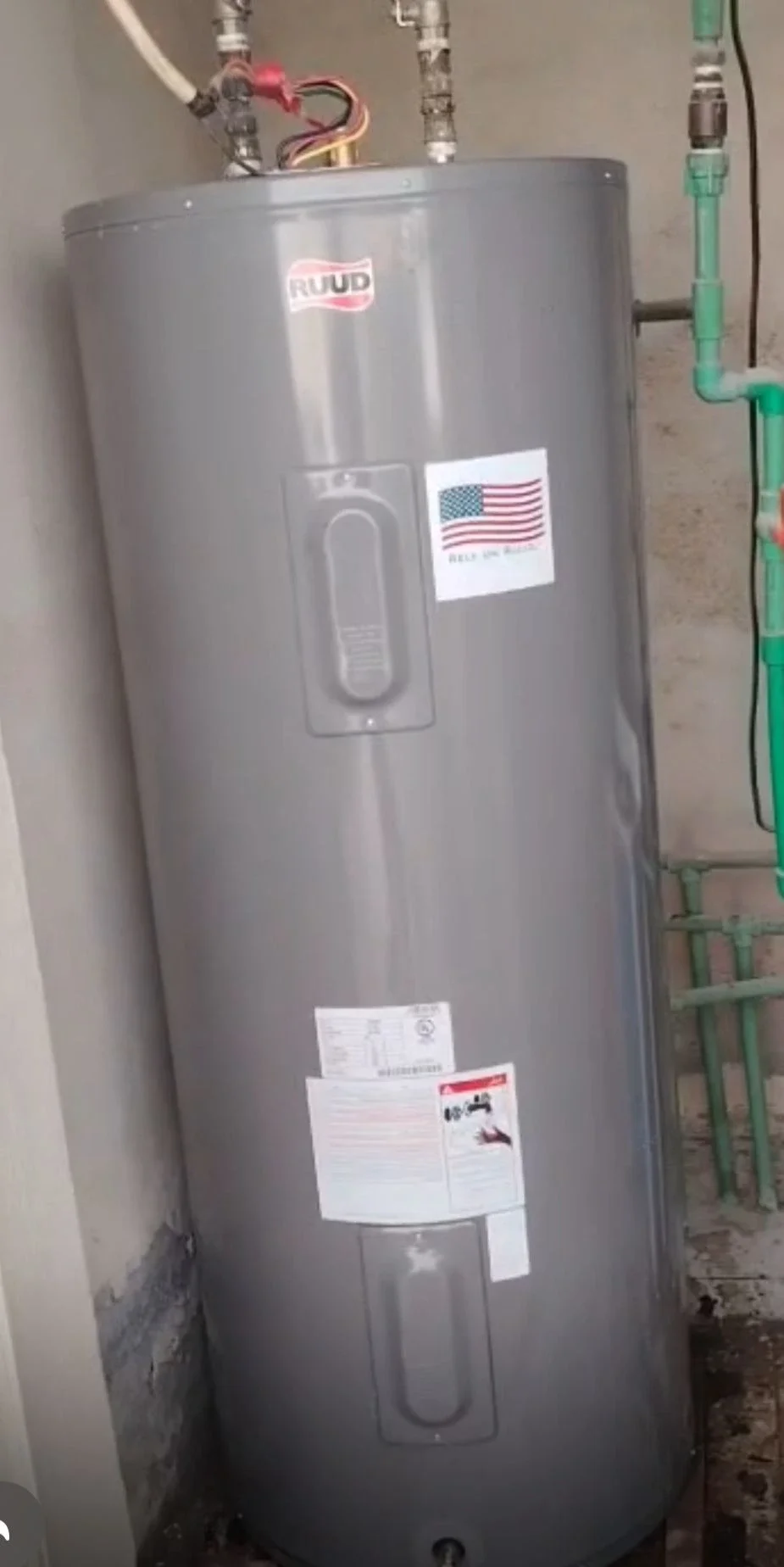
Weak water heater heating speed becomes easier to identify when Recovery is measured instead of judged only by personal impression. If the heater previously returned to normal hot-water availability within a certain period after heavy use and now takes close to twice as long, that is a measurable change. The question then becomes: where did the original heating capability go?
Slow Recovery can be caused by several technical problems including sediment or lime buildup, loose electrical connections, a thermostat that is not functioning correctly, or a heating element with an incorrect wattage. Looking at these causes separately prevents the problem from being confused with a tank that is simply too small.
Electrical connections are a good example. A loose connection can create unwanted resistance and heat or prevent the element from receiving proper power. A technician should therefore inspect wiring and operating voltage rather than testing only the element as an isolated component.
Mineral buildup creates a different pattern. Scale on the heating surface acts as a thermal barrier, forcing the heater to remain energized longer to transfer the same amount of heat into the water. This can create a gradual decline in Recovery that develops over months rather than a sudden complete failure.
There are also homes where the heater is technically healthy but household demand is continuous. If the family draws hot water faster than the unit can replace it for a long period, the heater will appear “slow” even though it is operating exactly according to its specifications. In that case, the issue is not lost heating capability but demand that exceeds Recovery Rate.
-
Real reduction in heating speed appears when Recovery falls below the heater’s previous performance or model specification rather than simply because the household has started using more hot water
-
Poor electrical connections can reduce performance without causing a complete element failure so diagnosis should include the complete circuit rather than only the heating element
-
Scale can interfere with heat transfer and cause a gradual decline in Recovery over time even when there is no obvious electrical fault
-
If household demand remains higher than Recovery Rate for a long period the heater may be healthy but unable to rebuild stored hot water quickly enough for the ongoing load
-
Good diagnosis separates lost heating capability from increased household demand because the first requires maintenance while the second may require demand management or a higher-performance system
Delayed Hot Water Delivery
Delayed hot water delivery to a bathroom is a different issue from slow heating inside the water heater, and this distinction is extremely important. Imagine the heater is installed on the roof or in a remote utility room while the bathroom is located far away. The hot-water pipe between the two locations becomes filled with water that cools after the previous use. When the shower is opened again, all of that cooled water must leave the pipe before fresh hot water from the heater can arrive.
The longer and wider the pipe, the more water is stored inside it and the longer the waiting period can become. A larger pipe contains more standing water, while a low fixture flow rate takes longer to clear the same pipe volume.
If the storage tank is hot but every morning the same distant bathroom takes approximately the same amount of time to receive hot water, that pattern strongly suggests Distribution Delay rather than a slow heater.
Pipe insulation can reduce heat loss while hot water is moving through the system and help the water remain warmer for longer periods, but insulation cannot remove the physical volume of cooled water already sitting in a long line after extended inactivity.
This is where Hot Water Recirculation can become useful. A return line and pump can keep hot water circulating so that heated water remains closer to distant fixtures. However, correct design and control are important. A recirculation pump running continuously through poorly insulated piping can turn the hot-water loop into a long radiator and waste heat around the clock.
In some properties, the real issue is not only distance but also low flow. If a fixture delivers very little water, clearing the cooled water from the line takes longer even when pipe length remains unchanged.
-
Delayed hot-water arrival with a fully heated tank moves the diagnostic focus from the heating elements to the volume and distance of the distribution piping
-
Pipe length diameter and fixture flow rate determine how much cooled water must move before hot water reaches a distant outlet
-
Pipe insulation reduces heat loss but does not eliminate the need for recirculation when the real problem is a large volume of cooled water standing in a long line
-
A properly designed recirculation pump can reduce waiting time substantially while uncontrolled continuous operation can increase energy consumption
-
Before installing a larger heater because the shower takes too long to become hot confirm that the real problem is not Distribution Delay because a larger tank does not shorten the distance between the heater and the bathroom
Water Heater Element Heats Slowly

When people say the water heater element heats slowly, they are usually referring to the electric heating element. Diagnosis needs to be more precise than assuming an element is either fully working or completely burned out. An element can remain electrically functional while being covered with mineral scale that reduces heat transfer, or a replacement element may have been installed with a lower Wattage than the original design.
A replacement component that physically fits is not automatically equivalent to the original part. If the heater was designed for a certain element rating and a lower-wattage replacement is installed, the heater can still heat water but Recovery becomes slower. This is one reason why a customer may say, “The element is new but the heater became slower after replacement.”
Scale is another important factor. A thick mineral layer around the element forces heat to travel through an insulating deposit before reaching the surrounding water. The element still becomes hot, but the transfer of energy into the water becomes less effective and operating time increases.
The third factor is Voltage. Low supply voltage reduces actual heating output. Diagnosing this requires a qualified technician to measure the circuit safely under operating conditions rather than repeatedly replacing elements without checking the power source.
In heaters with more than one element, only one element may be affected. If the upper element completes its stage but the lower element does not, the system can still appear to “turn on” and produce some hot water while taking much longer to heat the full tank.
-
A replacement element should match the recommended Wattage and Voltage because matching physical size alone does not guarantee the same Recovery performance
-
Mineral scale on the element can reduce heat transfer and extend operating time even when the element is not electrically open or burned out
-
Low Voltage requires inspection of the electrical supply and circuit rather than repeatedly replacing the heating element without addressing the real cause
-
Multi-element systems require each element and its position in the operating sequence to be checked because one functioning element can hide failure of the other
-
Heating elements should be replaced after measurement and diagnosis rather than simply because the overall heating time feels long since the real cause may be Control Supply or Scale
Water Heater Thermostat and Slow Heating
The relationship between the water heater thermostat and slow heating is mainly about control rather than raw heating power. The thermostat senses tank temperature and decides when heating elements should energize or switch off according to the heater’s electrical design. If the thermostat reads incorrectly, loses proper contact, or develops an internal fault, it may stop heating too early or fail to activate the next stage at the proper time.
Some electric heaters use separate upper and lower thermostats. In those systems, the upper control may first heat the upper part of the tank and then transfer the heating demand to the lower section. If one thermostat does not complete that sequence correctly, the heater may still provide an initial supply of hot water but build the full hot-water reserve much more slowly.
It is also important to distinguish a low thermostat setting from a thermostat fault. A lower setting simply targets a lower storage temperature. That can make the user feel that the water is not hot enough, but it is not the same as a control problem that prevents the heater from completing its intended heating cycle.
Raising the thermostat to compensate for slow heating is therefore not the correct response. If the element is weak, scaled, or receiving insufficient power, raising the setpoint can simply make the heater operate longer while increasing the risk of excessively hot water.
A technician should compare actual outlet or tank temperature with the control setting and observe whether the thermostat activates the correct element at the correct stage. In Non-Simultaneous systems, the transfer between upper and lower control becomes particularly important.
-
The thermostat controls when a heating element starts and stops so a control fault can delay the buildup of hot-water storage even when the element itself is healthy
-
A low thermostat setting produces lower stored temperature and should be distinguished from a fault that prevents the normal heating sequence from being completed
-
Raising the thermostat randomly is not a proper solution for slow Recovery and can increase scalding risk without correcting the real performance problem
-
In heaters with separate upper and lower controls both thermostat stages should be checked because failure of one stage can affect the performance of the entire tank
-
Comparing measured water temperature with the actual control setting helps determine whether the problem comes from temperature sensing and control or from heating power itself
How to Fix Slow Water Heating

The correct solution for slow water heating begins by classifying the problem before buying any replacement part. If testing shows that one heating element has failed, it should be replaced with the correct specification. If supply voltage is low, the electrical circuit or supply needs attention. If the thermostat is not operating correctly, the control problem should be repaired or the thermostat replaced. If Scale has built up on the heating elements or sediment is interfering with heat transfer, cleaning or maintenance can be considered according to the condition of the heater.
The important point is that one repair should not be applied to every slow-heating complaint. A technician should evaluate mineral buildup, electrical connections, thermostat operation, Voltage, and element Wattage instead of assuming one cause from the beginning.
If the problem is normal Initial Heat-Up that simply feels longer than the homeowner would prefer, maintenance may not change anything. A future replacement with higher Heating Input could reduce heating time if the property’s electrical infrastructure supports it, but that is an equipment-selection decision rather than a repair.
If the complaint is Recovery after heavy use, heater capacity and actual household load need to be compared. When the unit is operating exactly according to its specifications but family demand exceeds its Recovery capability, there is no failed component to repair. The household may need to spread usage or eventually select a heater with greater first-hour performance.
If the issue is delayed delivery, heating elements and thermostats are not the solution. Pipe length, insulation, flow rate, and hot-water recirculation need to be evaluated instead.
The correct solution always answers one question: where is the time being lost? Inside the tank while heat is being generated, during Recovery after hot-water use, or in the distribution path between the heater and the user?
-
A failed heating element should be replaced with the correct specification while low supply voltage should be corrected in the electrical system because a new element cannot solve a Supply Problem
-
Scale should be cleaned when inspection confirms that it is interfering with heat transfer rather than assuming every slow heater needs draining and flushing
-
If the heater operates according to specification but household demand exceeds Recovery Rate the correct response involves the load or a higher-performance system rather than servicing a healthy heater
-
Delayed hot-water arrival at remote fixtures should be addressed through distribution or Recirculation rather than by increasing the heating element power without a technical reason
-
The best solution addresses the specific source of delay and its success should be measured by actual improvement in heating or delivery time rather than simply by the number of parts replaced
Diagnosing Slow Water Heater Heating
Diagnosing slow water heater heating should follow a clear sequence so the technician does not waste time investigating the wrong system. The first question is whether the complaint involves Initial Heating, Recovery, or Delivery. Without answering that question, it is possible to spend time testing elements in a heater that is already fully hot while the real issue is simply a distant bathroom.
The second step is recording the exact heater information: Brand, Model, Capacity, element kW, Voltage, and Phase. Without these details, expected performance cannot be established. An 80-gallon 9 kW heater is not the same as an 80-gallon model with substantially lower heating input, and the control arrangement can differ as well.
The third step is measurement. The technician should check starting water temperature, heating or Recovery time under known conditions, and supply voltage while the heater is operating when an electrical problem is suspected. The heating elements should be observed or tested to confirm whether they receive the correct operating signal and whether the thermostats transfer the sequence correctly.
The fourth step is reviewing the history of the problem. If heating time has deteriorated gradually and popping sounds have increased, Scale becomes more likely. If the change happened suddenly, an element, thermostat, connection, or electrical fault becomes a stronger possibility.
The fifth step is separating the distribution system from the storage tank. If the water is hot at the heater outlet but takes a long time to reach a bathroom, heat production is not the main problem. Pipe length, Recirculation, and flow rate need to be checked.
Al Arabi Orchid provides central water heater installation and maintenance services in Kuwait, including heating-element and thermostat replacement, scale cleaning, and hot-water recirculation solutions. For diagnosis, you can contact 99346138.
-
The first diagnostic question is where the delay happens because Initial Heat-Up Recovery and Delivery are three separate complaints requiring different tests and solutions
-
Recording Brand Model Capacity kW Voltage and Phase prevents the unit from being compared with another heater that has completely different technical characteristics
-
Actual measurements of temperature voltage and Recovery time are more useful than a general statement that the heater feels slow because they reveal where performance has changed
-
The history of the complaint helps separate Scale that develops gradually from element or thermostat faults that can appear suddenly
-
When requesting service from Al Arabi Orchid on 99346138 explain whether the delay happens after switching the heater on after taking showers or only at distant bathrooms so diagnosis can begin in the correct area
Conclusion
Why does a central water heater take so long to heat water? Because the delay the homeowner experiences can happen at several different stages. Sometimes the problem is inside the storage tank because a Heating Element, Thermostat, Low Voltage condition, or mineral Scale is reducing heat production. Sometimes the heater is functioning correctly but its natural Recovery is lower than the household’s current demand. In other situations, the water is already fully heated but takes too long to travel through distant piping before reaching the bathroom.
This is why the correct solution does not begin with replacing the heater or turning the thermostat higher. It begins by determining whether the real complaint is slow heating, slow Recovery, or delayed delivery. Only after that distinction can the technician decide whether the system needs heating elements, thermostat service, scale cleaning, an electrical inspection, or a Recirculation solution.
If you need inspection in Kuwait, contact Al Arabi Orchid on 99346138 and provide the heater capacity, brand, approximate time needed for hot water, and exactly when the delay occurs. The timing of the problem usually tells the technician far more than simply saying, “The heater is slow.”
Frequently Asked Questions
How do I know whether the heater is actually slow or the hot water is just delayed?
Compare a fixture close to the heater with a distant fixture if possible. If hot water is immediately available close to the heater but takes much longer to reach the distant bathroom, the problem is likely related to distribution distance or recirculation. If the tank itself cannot reach the required temperature within its normal time, heating performance should be investigated.
Can one failed heating element make the heater take longer?
Yes. In multi-element electric water heaters, one element can continue producing some hot water while overall Recovery becomes much slower. This is why the presence of hot water does not prove that all heating elements are operating correctly.
Can scale make a central water heater heat more slowly?
Yes. Mineral Scale on heating elements acts as a barrier to heat transfer and can force the heater to operate longer while reducing Recovery performance. This type of slowdown often develops gradually over time.
Is it normal for an 80-gallon heater to take longer than a 50-gallon heater?
If the heating power is similar and both tanks begin at approximately the same incoming-water temperature, heating the larger volume requires more energy and will generally take longer. Tank gallons therefore should never be evaluated separately from kW and Temperature Rise.
Will increasing the thermostat make the heater heat faster?
Not necessarily. Raising the Setpoint means the heater must reach a higher temperature, which can actually extend operating time and increase scalding risk. If Recovery is slow, the real cause should be diagnosed rather than simply increasing the thermostat setting.
Why does the heater seem fast at first but slow after a shower?
At the beginning, you are using hot water that was already stored in the tank. After a shower, cold replacement water enters and the heater has to reheat it. This is called Recovery, and the time required depends on the amount of water used, heating power, and incoming-water temperature.
Can low electrical voltage make a water heater slow?
Yes. Low Supply Voltage can reduce heating-element output and therefore slow Hot Water Recovery. Voltage and the electrical circuit should be checked by a qualified technician rather than replacing heating elements without diagnosis.
Why is hot water delayed only in the far bathroom?
Because the cooled water sitting inside the hot-water pipe must leave before fresh hot water from the heater can arrive. Pipe length, diameter, flow rate, insulation, and Recirculation all influence how long the user waits.
Can a recirculation pump solve delayed hot water?
It can be very effective when the delay is caused by a long distribution network because it keeps hot water closer to distant fixtures. The system still needs correct design and control so it does not waste energy through unnecessary continuous circulation.
What is the best way to diagnose a heater that has become slow?
First determine whether the delay happens during Initial Heating, Recovery after hot-water use, or delivery to the faucet. Then evaluate heater capacity, kW, electrical voltage, heating elements, thermostats, sediment or Scale, and finally distribution and Recirculation when necessary. You can contact Al Arabi Orchid on 99346138 for inspection of the heater and connected hot-water system.