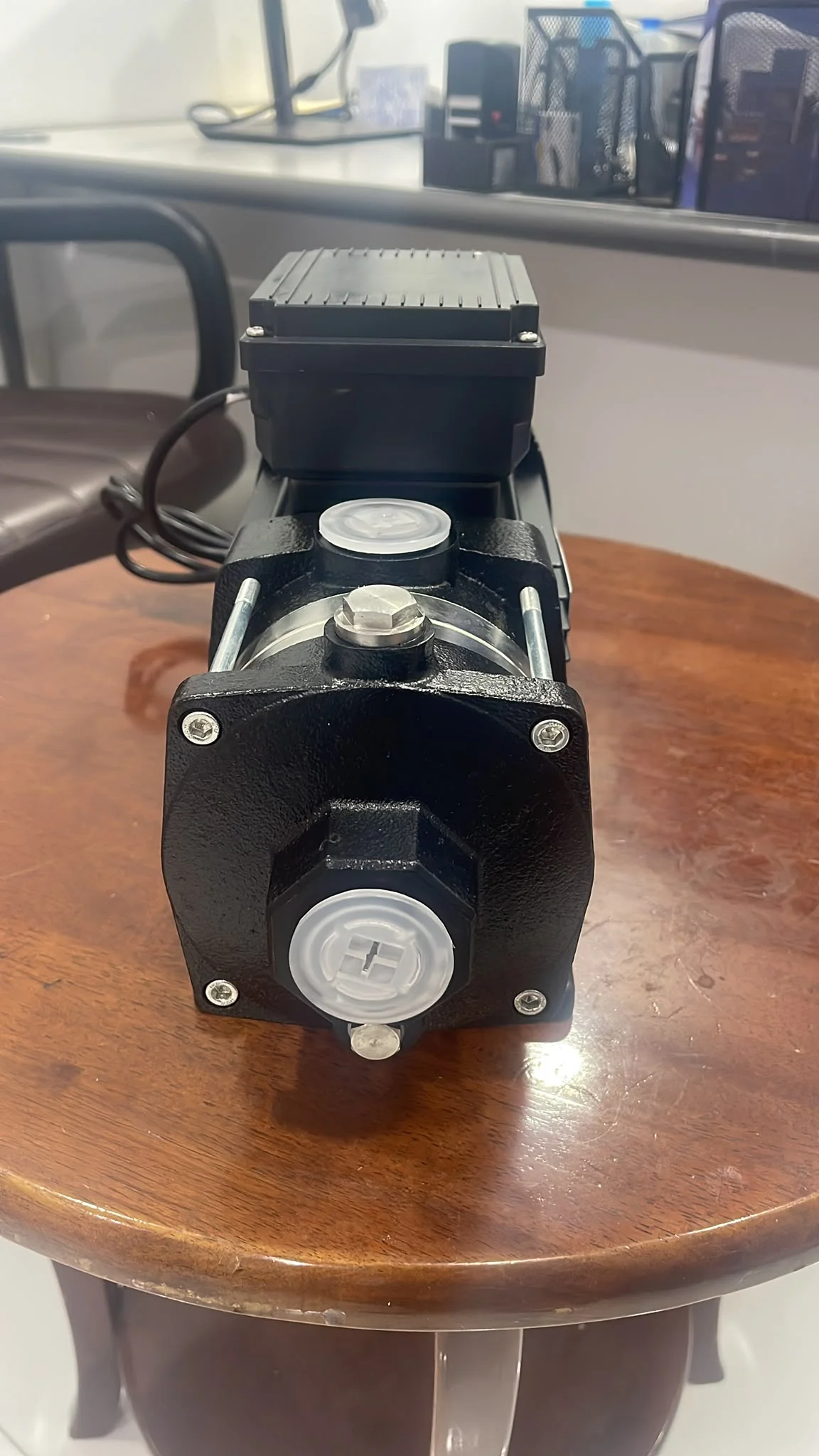
A water pump that keeps running continuously may appear to be working efficiently at first glance, but in reality, it is one of the clearest indicators that something is wrong within the pumping system or the household water network. When the water pump keeps running continuously, it not only increases electricity consumption but also exposes the motor, bearings, impeller, and other internal components to excessive wear, significantly reducing the overall service life of the pump. Through years of practical experience in diagnosing pressure pump faults across Kuwait, it has become evident that continuous pump operation can result from several different causes. Some are relatively simple and can be corrected within a short period, while others require a detailed technical inspection to identify the real source of the problem. In this article, we explain the actual reasons behind continuous water pump operation, how professional technicians diagnose every possible cause, the correct repair procedures, and practical field-based recommendations that help homeowners avoid unnecessary part replacements while restoring the pump to normal operating conditions.
Why Does the Water Pump Keep Running Without Stopping?
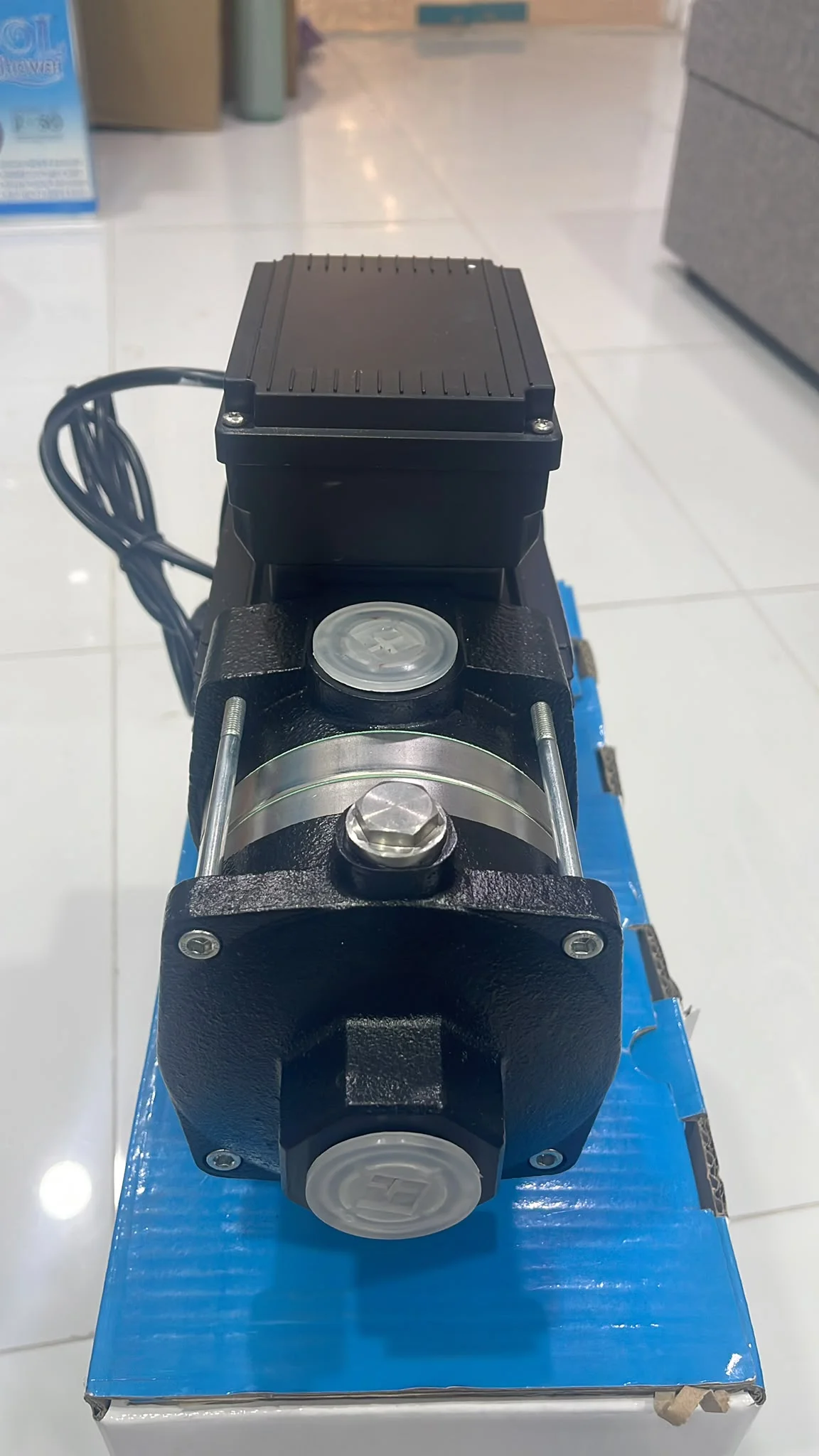
When a homeowner notices that the water pump keeps running continuously, the first assumption is often that the motor itself has developed a serious fault. However, extensive field experience has shown that the motor is frequently operating perfectly normally, while the real problem lies within the pressure control system or somewhere in the plumbing network where pressure is being continuously lost. A water pump is designed to operate until it reaches a predetermined pressure level. Once that pressure is achieved, the pressure switch automatically disconnects the motor. If the required pressure is never reached for any reason, the pump continues operating indefinitely in an attempt to build pressure. The underlying cause may be a hidden water leak within the plumbing system, a defective pressure switch, reduced hydraulic performance caused by impeller wear, air entering the suction line, or a partial blockage that prevents the pump from generating sufficient discharge pressure despite continuous motor operation.
For this reason, experienced technicians begin pressure pump fault diagnosis by measuring the actual operating pressure and comparing it with the manufacturer's specified cut-off pressure. The pressure switch is then inspected carefully to verify correct calibration, electrical contact condition, and switching performance. The technician proceeds to inspect the plumbing network for internal and external leaks, checks every valve, fitting, connection, and pressure tank when installed, and evaluates the pump's ability to reach its designed operating pressure within the expected period of time. Practical field experience has repeatedly demonstrated that many cases involving water pumps that never shut off were ultimately traced to relatively minor problems such as incorrect pressure switch adjustment or small undetected leaks that had existed for weeks or months. This confirms that accurate diagnosis saves both time and repair expenses while preventing unnecessary replacement of pumps or motors that are still in excellent operating condition.
Can the Household Plumbing System Be the Reason for Continuous Pump Operation?
One of the most common mistakes made when investigating the cause of continuous pump operation is focusing exclusively on the pump while ignoring the plumbing system itself. Practical experience has repeatedly demonstrated that the household water network is often the actual source of the problem. A small leak may exist inside concealed piping, beneath floors, behind walls, inside toilet cisterns, or within valves and fittings. Although these leaks may be too small for homeowners to notice visually, they create a constant pressure loss throughout the plumbing system. As pressure continuously drops, the pump interprets this as ongoing water demand and therefore continues operating in an attempt to restore pressure. The result is that the pump never shuts off, even though the pump itself may be functioning perfectly. Other possible causes include a defective check valve that allows water to flow back toward the storage tank after the pump stops, a pressure tank that has lost its internal air charge, or unnoticed water consumption occurring somewhere within the property.
Professional technicians therefore never begin repairing continuous pump operation by disassembling the pump itself. Instead, they perform a complete inspection of the entire plumbing network. Every water outlet is closed before monitoring pressure stability and observing whether pressure gradually declines without any water usage. All visible valves, fittings, pipelines, and connections are inspected carefully, while the check valve and pressure tank are tested for proper operation. Whenever concealed leakage is suspected, specialized electronic leak detection equipment is used to identify hidden water losses beneath floors or inside walls without unnecessary demolition. Practical field experience has consistently shown that many situations where homeowners believed the pump would not switch off were successfully resolved simply by repairing a small plumbing leak or replacing a faulty check valve, without replacing any component inside the pump itself. This clearly demonstrates that successfully solving continuous water pump operation requires evaluating the entire water distribution system rather than concentrating solely on the pump.
How Are Pressure Pump Faults Diagnosed When the Pump Runs Continuously?
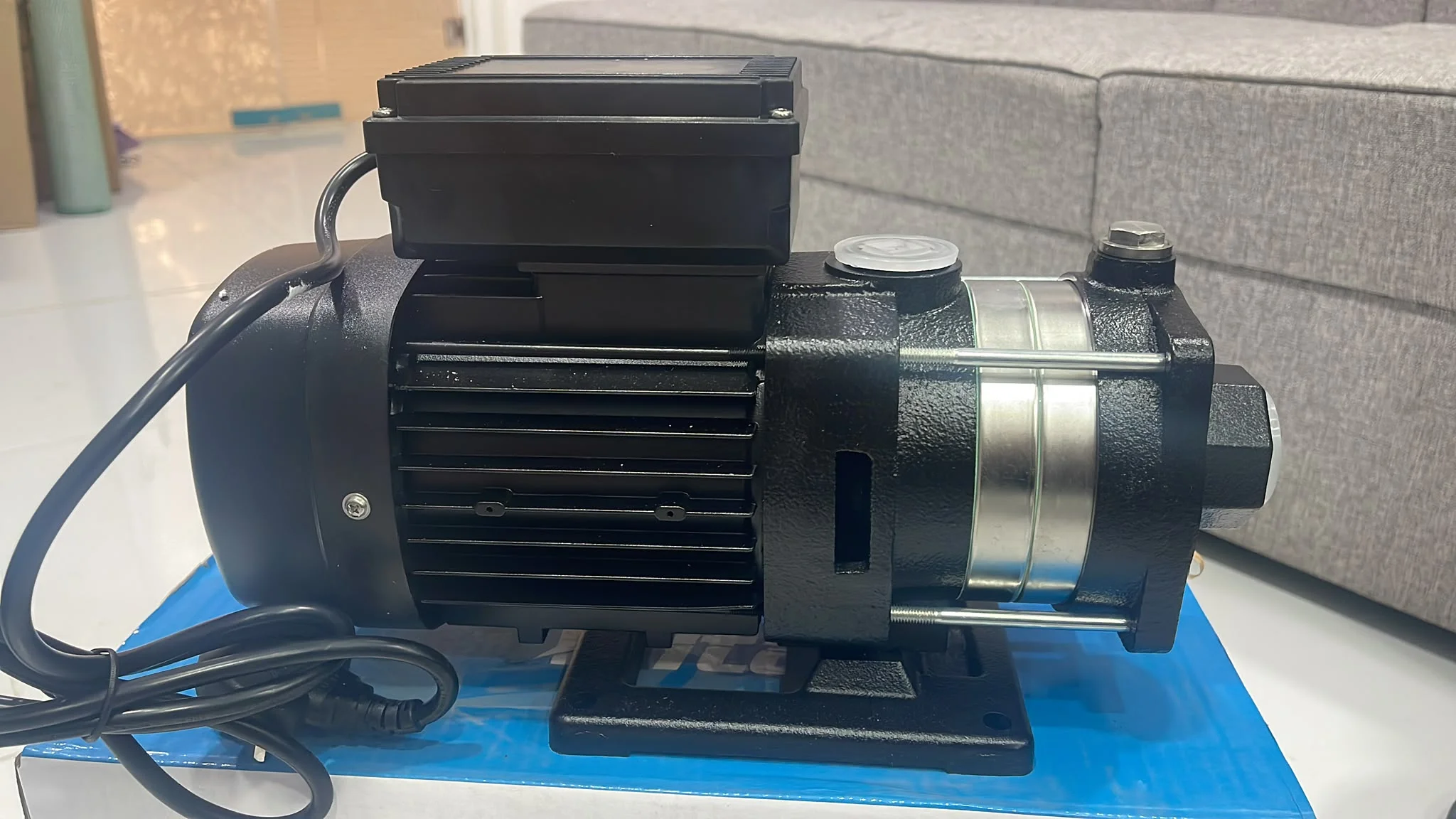
Accurate pressure pump fault diagnosis is the most important step before performing any repair because continuous pump operation can result from several different causes that often produce similar symptoms. Practical experience has shown that many pumps have been replaced unnecessarily because the original diagnosis was incorrect. In some cases, the actual problem was only a pressure switch adjustment issue, a small hidden leak, or a faulty check valve, yet the entire pump was replaced without confirming the real cause. Professional technicians therefore do not begin by changing components randomly. Instead, they first collect detailed information from the homeowner, including when the problem started, whether the pump previously switched off normally, whether electricity consumption increased, whether water pressure decreased, whether unusual operating sounds appeared, and whether the pump had started cycling differently before becoming continuously active. These details provide important clues that help determine the correct diagnostic path before any repair work begins.
The next stage involves practical testing using specialized equipment. The technician measures the actual operating pressure and cut-off pressure, then compares the readings with the pump manufacturer's recommended values. The pressure switch is tested to confirm that it responds correctly and disconnects electrical power when the required pressure is reached. Electrical measurements are also performed, including voltage and current testing during operation, to ensure that the motor is working within normal limits. The pressure tank, check valve, suction and discharge lines, and possible leakage points are inspected carefully. The technician also evaluates whether the pump can achieve the required pressure within the normal operating time. If the pump fails to reach the cut-off pressure, further inspection is carried out on the impeller, bearings, and motor to identify possible performance losses. Through years of practical experience, this systematic approach has proven highly effective in identifying the reason why a water pump does not shut off accurately, reducing unnecessary expenses and ensuring that repairing continuous pump operation provides a long-term solution rather than a temporary fix.
Can a Faulty Pressure Switch Cause the Water Pump to Keep Running?
The pressure switch is one of the most important control components in any pumping system, and any malfunction within this device can directly cause the water pump to keep running continuously even when all other components are operating correctly. The pressure switch works by monitoring the pressure level inside the water network. When the pressure reaches the predetermined cut-off value, the switch disconnects power from the motor and stops the pump. When pressure drops again due to normal water usage, it reconnects the electrical supply and allows the pump to restart. Over time, however, the internal electrical contacts may become worn, the adjustment springs may weaken, or the calibration settings may change. When this happens, the switch may fail to send the correct stop command, causing the pump to continue operating without reaching a normal shutdown cycle.
For this reason, professional technicians never judge the condition of a pressure switch simply by looking at its external appearance. During pressure pump fault diagnosis, the switch is tested while the system is operating. The technician measures the actual cut-off pressure, compares it with the required setting, examines electrical contact points for burning or sticking, and verifies whether the internal mechanism responds correctly to pressure changes. If the problem is only incorrect adjustment, the switch can often be recalibrated. However, if internal components are worn or damaged, replacement with a compatible and high-quality pressure switch is usually recommended. Practical field experience has shown that a large percentage of cases involving a water pump that does not switch off were caused by pressure switch problems or incorrect calibration. Correcting this issue often restores normal pump operation without requiring major repairs, making pressure switch inspection one of the most important steps when searching for the cause of continuous water pump operation.
Can the Motor Be the Reason Behind Continuous Water Pump Operation?

Although many cases of continuous water pump operation are caused by pressure control problems or water leaks, the motor and pumping components should not be ignored during diagnosis. In some situations, the motor itself may lose efficiency over time due to worn bearings, weakened electrical windings, or mechanical damage inside the pump assembly. When the motor cannot generate the required performance level, the pump may continue operating because it fails to reach the pressure needed for automatic shutdown. The homeowner may assume that the pressure switch is defective because the pump never stops, while the real problem is reduced pumping capacity caused by internal wear. Impeller erosion, damaged blades, excessive friction, or declining motor performance can all reduce the pump's ability to create sufficient pressure.
During pressure pump fault diagnosis, technicians evaluate motor performance by measuring electrical current consumption and comparing it with normal operating specifications. They also inspect motor temperature, startup behavior, vibration levels, and the time required for the pump to reach cut-off pressure. A complete mechanical inspection may include checking bearings, shaft rotation, impeller condition, and internal components responsible for maintaining hydraulic efficiency. If testing confirms reduced motor performance, the technician determines whether repairing specific components is practical or whether replacement provides better long-term value. Practical experience has shown that motor-related causes are less common than leaks or pressure switch failures, but they remain important factors that must be considered when searching for a reliable solution to continuous pump operation. A complete diagnosis that includes electrical, mechanical, and hydraulic evaluation ensures that the repair addresses the actual source of the problem rather than only the visible symptom.
How Do Water Leaks Cause the Pump to Run Continuously?
One of the most frequently discovered causes during field inspections is that the cause of continuous pump operation is not located inside the pump itself but rather somewhere within the household water network. A leak may be clearly visible, such as water escaping from a valve, faucet, or exposed connection, but it can also remain hidden inside walls, under flooring, or within concealed plumbing lines. Hidden leaks are particularly problematic because they may continue for long periods without obvious signs while constantly reducing water pressure inside the system. As pressure continues to fall, the pump receives the signal that water demand still exists, causing it to operate continuously without reaching the required cut-off pressure. This explains why the pump never shuts off even though many of its internal components may still be functioning correctly.
Professional technicians therefore inspect the entire plumbing system before making any decision regarding pump replacement or major repairs. All water outlets are closed, and pressure behavior is monitored to determine whether the system loses pressure without active water consumption. Visible connections, valves, toilet tanks, external pipelines, storage tanks, and heating systems are inspected carefully because they are common locations for unnoticed water loss. In more complex cases, electronic leak detection equipment may be used to locate concealed leaks without unnecessary damage to walls or floors. Practical experience has demonstrated that many customers who reported the water pump keeps running continuously actually had a small plumbing leak that was causing permanent pressure loss. Once the leak was repaired, the pump returned to its normal operating cycle without requiring replacement of the motor or other expensive components. This confirms that complete system evaluation is an essential part of pressure pump fault diagnosis and should always be performed before assuming that the pump itself has failed.
When Is Repairing the Pump Better Than Replacing It?
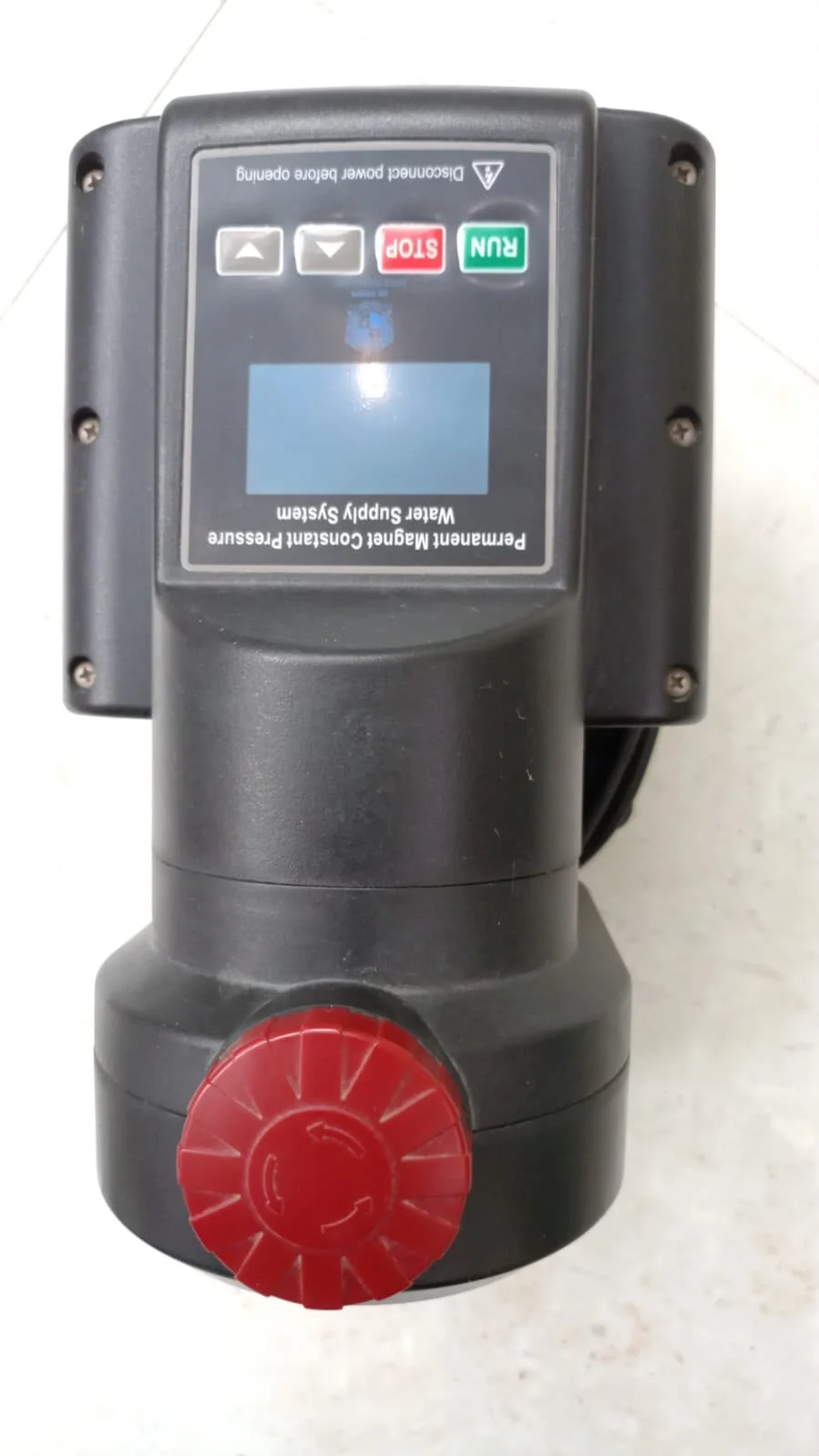
When homeowners experience continuous water pump operation, many immediately consider purchasing a new pump, but practical experience shows that replacement should never be the first decision before completing a detailed technical evaluation. In many cases, the actual cause is a faulty pressure switch, a damaged check valve, a minor water leak, or reduced impeller performance, all of which can often be repaired without replacing the entire pumping unit. High-quality pumps can continue operating efficiently for many years when worn components are replaced at the right time and proper maintenance procedures are followed. Therefore, repair is frequently the most economical and practical option when the main pump body and motor remain in good condition.
However, if inspection reveals severe corrosion inside the pump housing, complete motor failure, extensive mechanical damage, or a repair expense that approaches the cost of installing a newer and more energy-efficient model, replacement may become the better technical and financial choice. Professional technicians evaluate the complete condition of the pump, explain the required repairs, estimate the expected service life after repair, and compare these factors with the cost and benefits of purchasing a new unit. This allows homeowners to make an informed decision based on technical facts rather than assumptions. Practical experience has shown that proper evaluation prevents unnecessary spending and ensures that the selected solution provides the best balance between cost, reliability, and long-term performance. Understanding whether to repair or replace is therefore an important part of achieving a successful solution to continuous pump operation and maintaining a reliable household water system.
How Can You Prevent the Pump From Running Continuously Again?
After completing repairing continuous pump operation, the next priority is maintaining the system correctly to prevent the same problem from returning. Practical experience has shown that pumps receiving regular inspection and preventive maintenance are far less likely to develop continuous running problems because developing faults are identified before they become major failures. Waiting until the pump operates constantly for long periods often allows small issues to develop into expensive repairs. For this reason, homeowners should monitor pump performance regularly and pay attention to any changes in water pressure, operating sounds, vibration levels, or running time.
• Monitor water pressure regularly because gradual pressure loss may indicate an early leak or developing control problem.
• Perform regular pressure pump fault diagnosis inspections, especially for pumps operating many hours every day.
• Clean filters and water pipelines periodically to prevent restrictions that reduce the pump's ability to reach the cut-off pressure.
• Check the pressure switch settings and recalibrate them whenever necessary according to manufacturer specifications.
• Inspect the check valve and pressure tank regularly because failure of either component can lead to continuous water pump operation.
• Repair any water leaks immediately after detection, even if the leak appears very small.
• Use original or manufacturer-approved spare parts during maintenance to ensure stable long-term performance.
• Contact an experienced water pump technician in Kuwait who can inspect the entire pumping system rather than focusing only on the pump itself, because identifying the true cause is the foundation of every successful repair.
How Does Choosing the Wrong Pump Size Affect Continuous Operation?
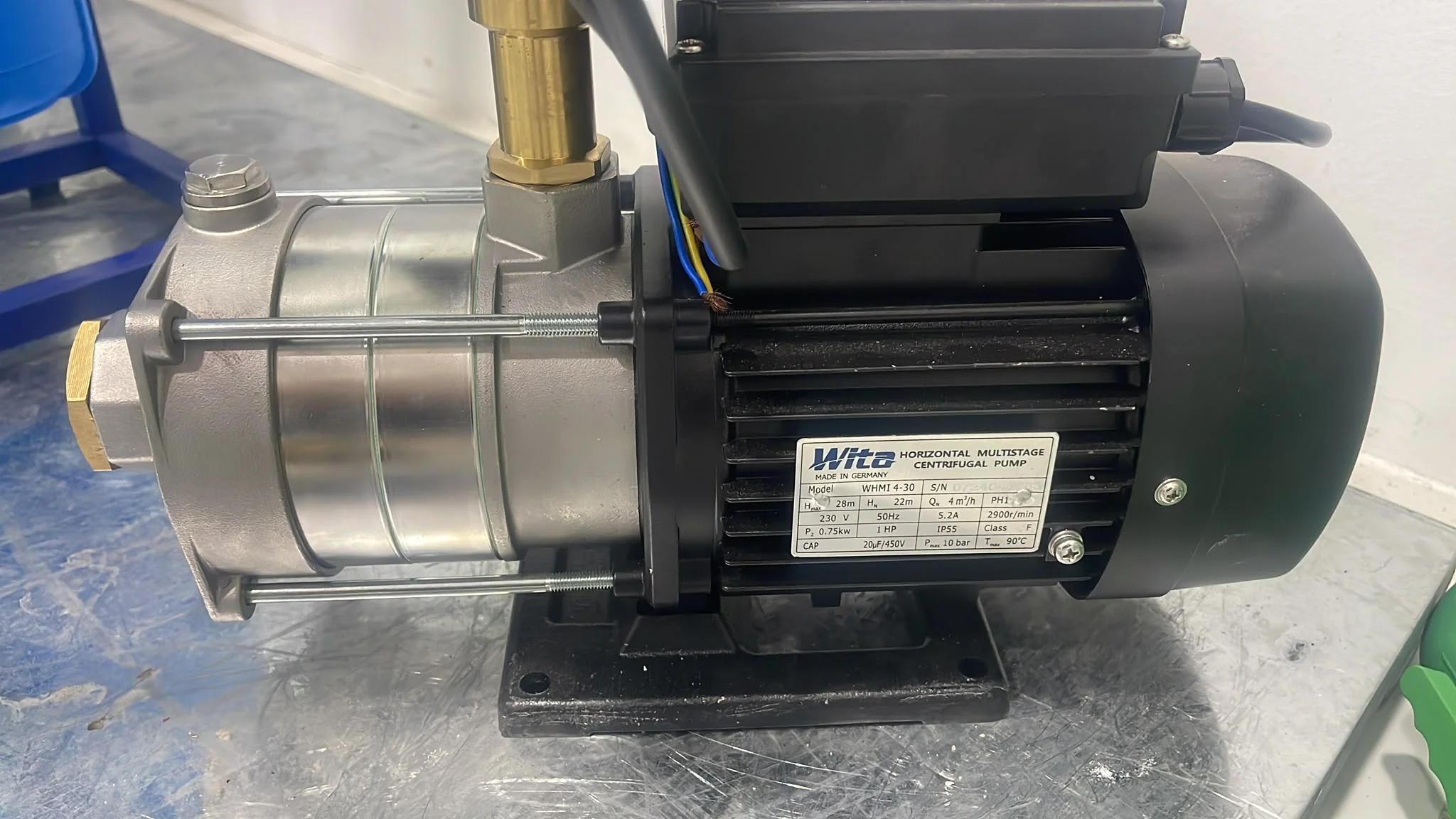
One factor that many homeowners overlook when investigating the cause of continuous pump operation is that the problem may not always be a technical failure. In some cases, the original pump selection was not suitable for the actual requirements of the property. Practical experience in installing and maintaining residential water pumps in Kuwait has shown that some pumps are selected based only on horsepower or purchase price, without considering important factors such as the number of water outlets, building height, pipeline length, daily consumption rate, and required operating pressure. When a pump has a capacity lower than the actual household demand, it may operate for extended periods while trying to reach the required pressure level. However, because the pump cannot achieve the necessary pressure, it continues running without reaching the automatic shutdown point. On the other hand, installing an oversized pump can also create problems by causing frequent cycling, excessive pressure fluctuations, and unnecessary stress on control components and mechanical parts.
For this reason, an experienced water pump technician in Kuwait does not begin repairing continuous pump operation before reviewing the complete pump specifications and comparing them with the actual requirements of the building. The technician evaluates flow rate, maximum pumping height, operating pressure, pipe dimensions, and compatibility between the pump, pressure switch, and pressure tank. The time required for the pump to reach the cut-off pressure is also measured because this provides valuable information about whether the pump is operating within its designed performance range. Practical experience has shown that correcting an incorrectly selected pump size or adjusting the system configuration has solved many cases where the water pump keeps running continuously without requiring expensive repairs. This proves that proper system design and correct equipment selection are just as important as maintenance quality when achieving reliable pump performance.
How to Choose a Water Pump Technician in Kuwait Who Can Solve the Problem Correctly?
When the water pump keeps running continuously, choosing the right professional to inspect and repair the system is just as important as selecting the repair method itself. Incorrect diagnosis often leads to unnecessary replacement of components while the real cause remains unresolved. Practical experience has shown that many customers have replaced pressure switches, motors, or even complete pumps only to discover later that the actual problem was a small hidden leak, incorrect pressure adjustment, or a damaged check valve. A qualified water pump technician in Kuwait does not immediately dismantle the pump or replace parts without testing. Instead, the technician evaluates the complete system, performs accurate measurements, and uses professional diagnostic methods before recommending any repair solution.
A skilled technician should be capable of testing operating pressure, measuring electrical performance, inspecting the pressure switch, checking the pressure tank, evaluating valves and pipelines, and identifying whether the problem originates from the pump itself or another part of the water system. A professional technician also explains the reason behind the failure, provides a clear comparison between repair and replacement costs, and uses reliable spare parts that match the pump specifications. Practical field experience has shown that working with a specialist who understands pressure pump fault diagnosis significantly reduces repair time, prevents repeated failures, and lowers the cost of repairing a pump that runs continuously because the repair is based on accurate technical evaluation rather than trial and error. Selecting the right technician is therefore a key factor in achieving a permanent solution and maintaining a reliable household water supply system.
Conclusion
When the water pump keeps running continuously, this should not be considered a normal operating condition. It is a warning sign indicating that a problem exists somewhere within the pumping system, pressure control system, or household water network. Practical experience has shown that continuous pump operation can result from many different causes, including water leaks, pressure switch failures, reduced pumping efficiency, damaged check valves, incorrect pump selection, or internal mechanical problems. Therefore, the correct approach always begins with professional pressure pump fault diagnosis based on accurate measurements and practical technical experience rather than replacing components randomly.
Regular maintenance, monitoring water pressure, checking control components, repairing leaks immediately, and using reliable spare parts are essential steps for preventing recurring problems. When homeowners rely on an experienced water pump technician in Kuwait, the entire system can be evaluated correctly, allowing the real cause of the failure to be identified and repaired efficiently. A proper solution to continuous water pump operation not only restores normal pump cycling but also reduces electricity consumption, prevents unnecessary stress on the motor, extends equipment lifespan, and lowers future maintenance expenses.
By combining preventive maintenance with professional diagnosis and correct repair procedures, homeowners can ensure stable water pressure, avoid unexpected breakdowns, and maintain a reliable pumping system that continues operating efficiently for many years.
Frequently Asked Questions
Why does my water pump keep running continuously?
The most common reasons include hidden water leaks, a faulty pressure switch, a damaged check valve, reduced pump efficiency, incorrect pump sizing, or problems preventing the system from reaching the required shut-off pressure. A professional pressure pump fault diagnosis is necessary to determine the exact cause.
Can continuous pump operation damage the motor?
Yes. When the pump operates without stopping for extended periods, the motor experiences excessive heat, increased electrical consumption, and additional stress on bearings and internal components. Over time, this can significantly reduce the service life of the pump.
Could a small water leak cause the pump not to shut off?
Yes. Even a small leak can continuously reduce system pressure, causing the pump to operate repeatedly or continuously in an attempt to restore pressure. This is why checking the plumbing network is an essential part of diagnosing continuous pump operation.
How much does it cost to repair a pump that runs continuously?
The cost of repairing a pump that runs continuously depends on the actual cause of the problem. The repair may involve a simple pressure switch adjustment, leak repair, valve replacement, or more extensive component replacement. Accurate pricing requires a complete technical inspection.
Should I replace the pump if it does not stop running?
Not necessarily. Many continuous operation problems can be repaired without replacing the entire pump, especially when the motor, housing, and main mechanical components remain in good condition. Replacement should only be considered after a professional evaluation.
How can I prevent my water pump from running continuously again?
Regular maintenance, pressure monitoring, leak detection, pressure switch inspection, filter cleaning, proper pump selection, and contacting an experienced water pump technician in Kuwait whenever performance changes are noticed are the most effective ways to prevent recurring continuous operation problems.

