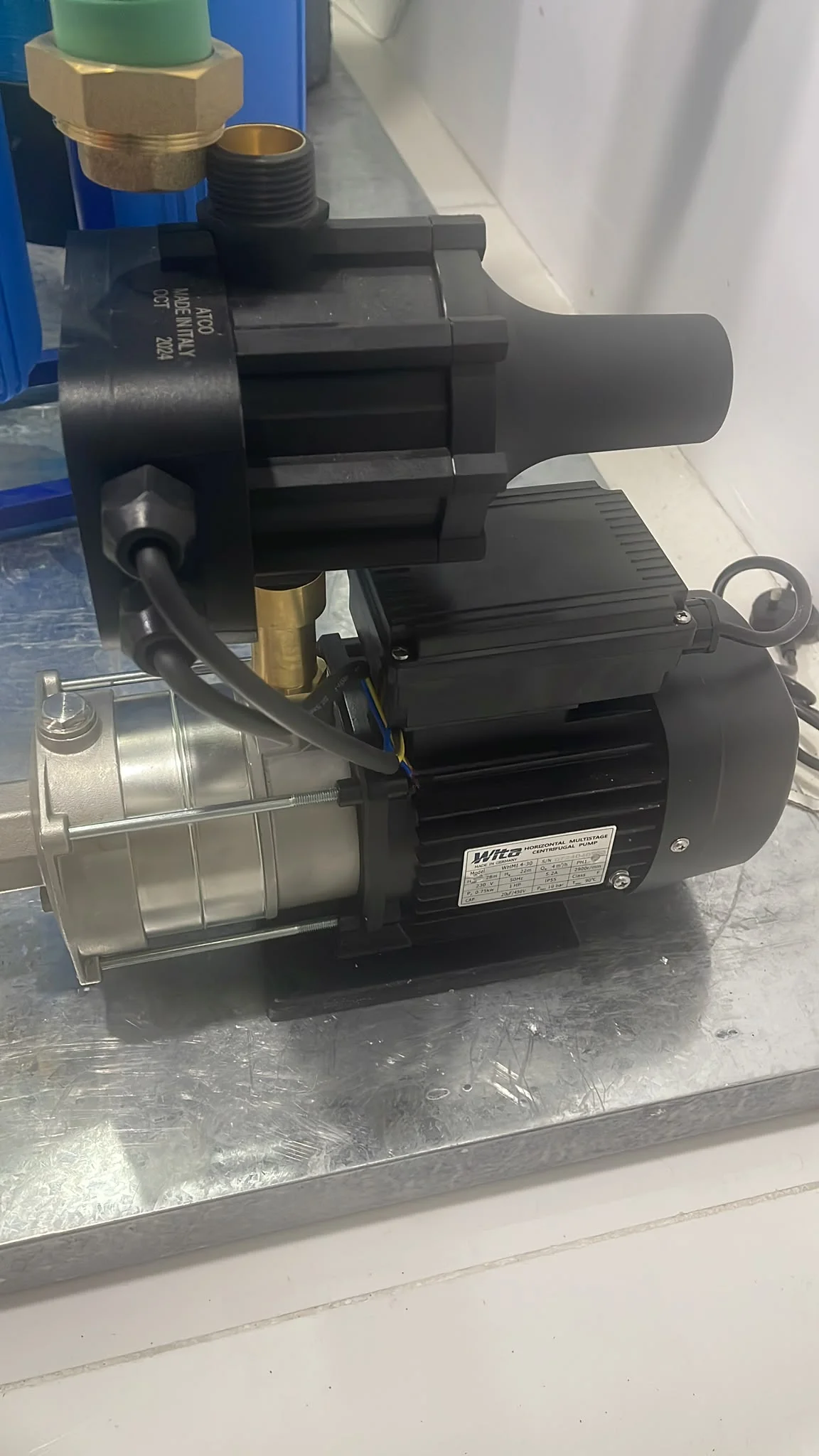
A water pump stopping unexpectedly is one of the most disruptive problems any homeowner can face because the pump is the primary component responsible for supplying sufficient water pressure to every water outlet in the property. Once it stops working, bathrooms, kitchens, central water heaters, washing machines, irrigation systems, and every appliance connected to the water network are affected immediately. Many homeowners assume that when the water pump is not working, it has reached the end of its service life and must be replaced completely. However, practical field experience has repeatedly shown that a large percentage of these failures can be repaired successfully once the real cause of the malfunction is accurately identified. Through years of experience in diagnosing water pump faults across Kuwait, it has become clear that accurate diagnosis is the foundation of every successful repair because it prevents unnecessary replacement of expensive components and significantly reduces repair costs. In this guide, we explain the real reasons why a water pump stops operating, how every component should be inspected, the correct repair procedures, and the common mistakes that lead to recurring failures, all based on genuine field experience and technically reliable information.
Why Doesn't the Water Pump Work Even Though Electricity Is Available?
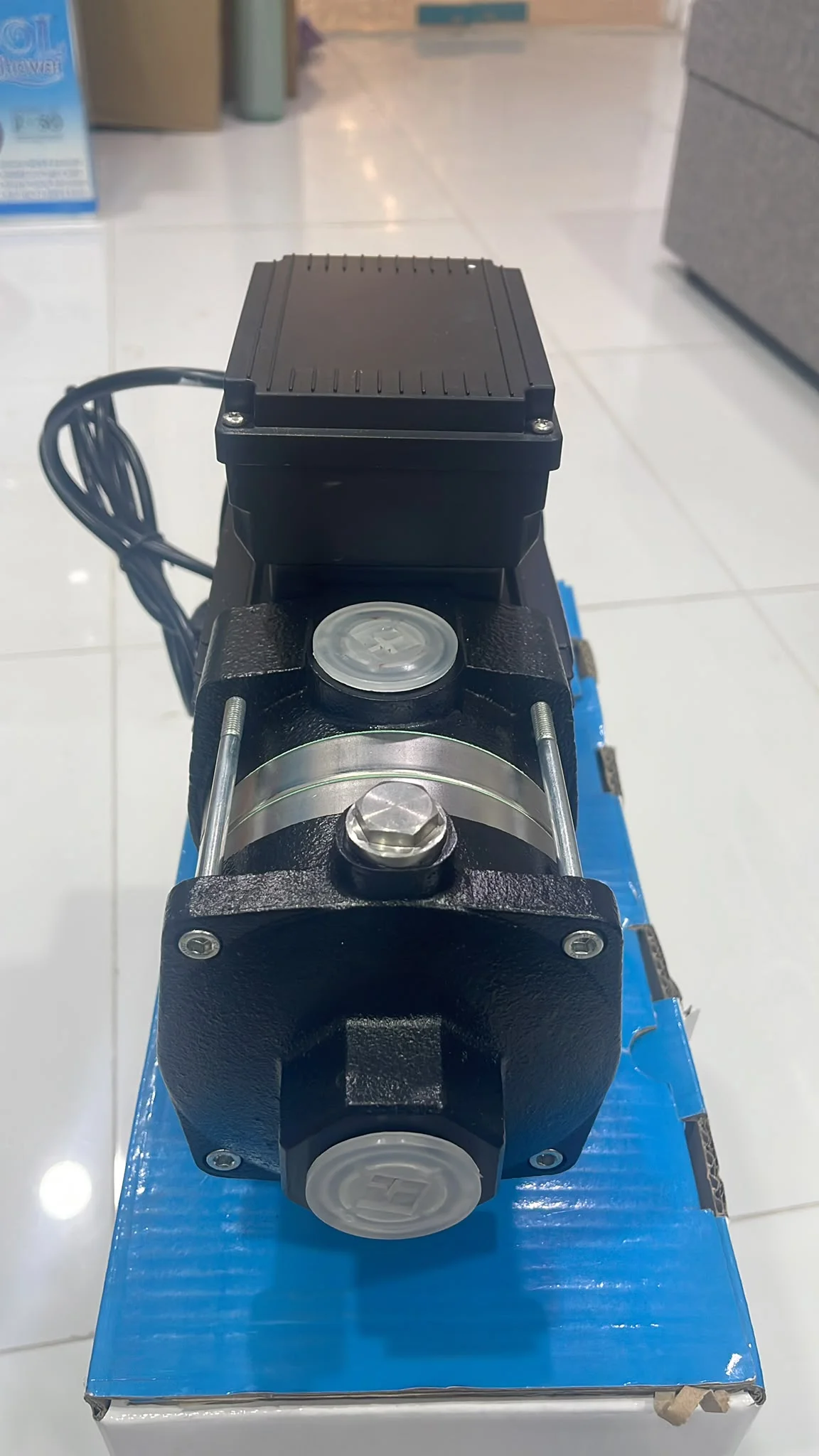
One of the most common situations encountered during residential water pump maintenance is when the homeowner confirms that electricity is available throughout the house and that the pump's circuit breaker is switched on, yet the water pump is not working at all. At this point, many people immediately assume that the motor has burned out or that the entire pump has reached the end of its lifespan. Practical experience, however, has demonstrated that electrical power reaching the pump does not necessarily mean that every component within the starting circuit is functioning correctly. The capacitor may have failed and lost its ability to generate the starting torque required by the motor. The motor windings may have suffered partial damage that allows electrical current to pass without producing sufficient rotational force. The thermal protection device may repeatedly disconnect the motor because excessive operating temperatures are being generated by mechanical overload or internal blockage. In addition, voltage may drop significantly only during the startup phase, preventing the motor from turning even though voltage measurements taken while the pump is idle appear completely normal. Such faults cannot be detected without professional instruments capable of measuring electrical performance under actual operating conditions.
For this reason, experienced technicians begin water pump fault diagnosis by measuring supply voltage while attempting to start the pump rather than checking voltage only when the unit is switched off. They then measure current draw, test the capacitor, check motor winding resistance, inspect the pressure switch, examine the thermal overload protector, and verify the condition of every electrical protection component. The entire terminal box is carefully inspected to identify burned terminals, loose electrical connections, or excessive contact resistance that could prevent sufficient voltage from reaching the motor during startup. Daily field experience has shown that many pumps which homeowners believed required complete replacement were restored to full operation after repairing only one component within the electrical starting circuit. This clearly demonstrates that proper electrical diagnosis is the true foundation of solving water pump problems, because it saves time, reduces repair costs, prevents unnecessary replacement of perfectly functional components, and ensures that the root cause of the malfunction is corrected rather than merely treating its symptoms.
Why Does the Pump Run but Fail to Draw Water?
This is one of the most frequently encountered situations during water pump fault diagnosis. The homeowner hears the motor operating normally and notices that the pump appears to be running, yet the pump is not drawing water, and no water reaches the household plumbing system. Many people immediately suspect motor failure, but professional inspection usually reveals that the problem is hydraulic rather than electrical. Field experience has consistently shown that the most common cause is air entering the suction line through a small leak in one of the fittings or sealing gaskets. This type of leak may not allow water to escape externally, yet it allows air to enter the suction pipe, preventing the pump from creating the vacuum necessary to lift water. Other common causes include a low water level inside the storage tank, loss of pump priming, failure of the check valve, clogged suction filters, sediment accumulation inside the suction line, or wear of the impeller after years of continuous operation.
Professional technicians therefore never replace the motor simply because the pump is not drawing water. Instead, they begin by inspecting the entire suction system. The suction pipe is first checked to ensure it remains completely filled with water and contains no trapped air pockets. The check valve is then tested to verify that it retains water inside the suction line after the pump stops operating. Every fitting, gasket, and threaded connection is inspected carefully for possible air leaks. Suction and discharge pressures are measured using specialized pressure gauges before the technician proceeds to inspect the impeller for wear, damage, or breakage. The suction piping and filters are also examined thoroughly to eliminate any possibility of blockage that could restrict water flow into the pump. Years of practical field experience have proven that following this systematic diagnostic sequence dramatically reduces repair time, prevents unnecessary replacement of functional components, makes repairing a stopped water pump considerably more accurate, and greatly reduces the likelihood of the same problem returning shortly after maintenance has been completed.
How Are Water Pump Faults Diagnosed Professionally?
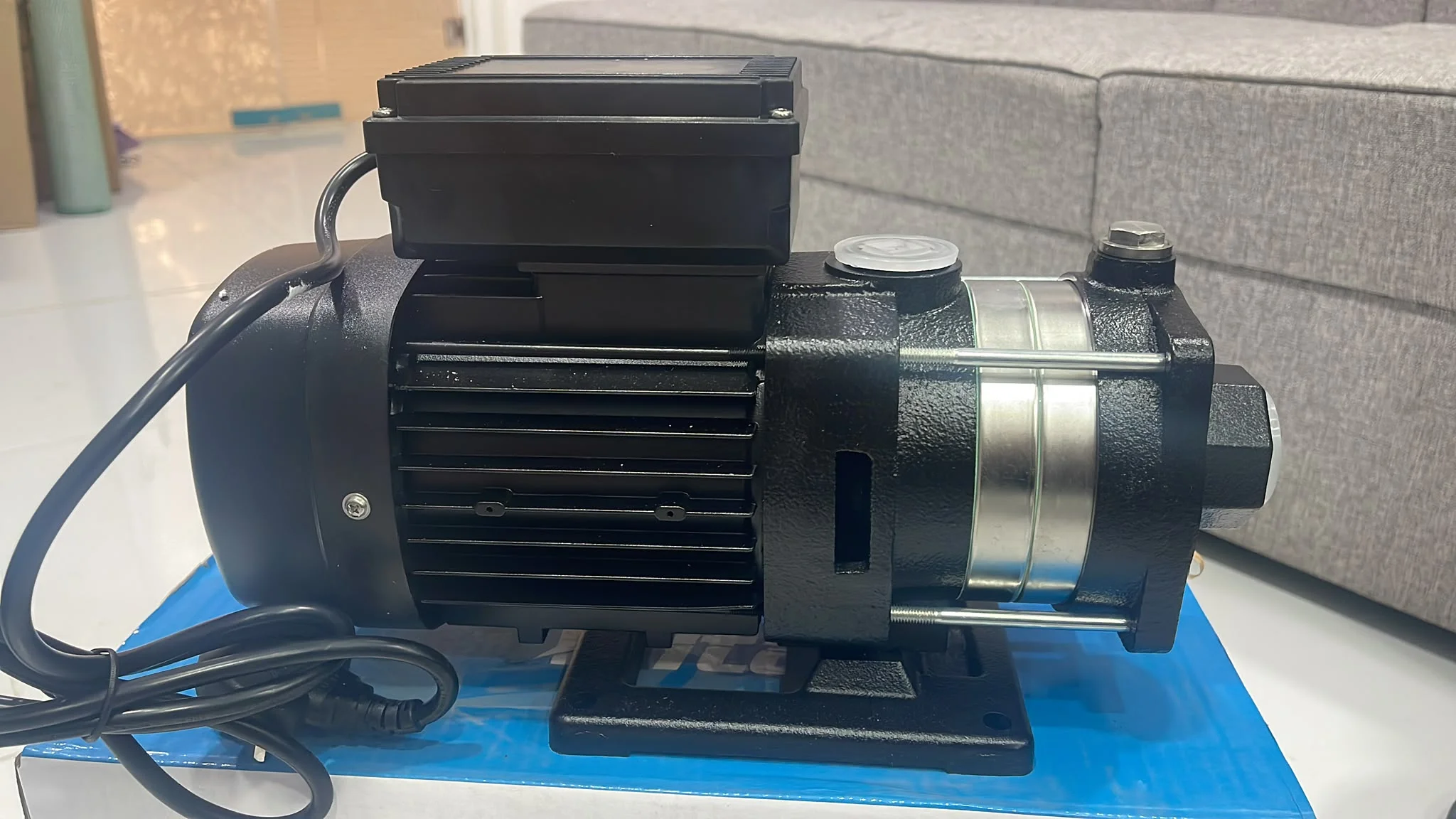
Successful water pump fault diagnosis depends on following a structured engineering process rather than relying on assumptions or replacing parts through trial and error. Years of practical field experience have shown that many unsuccessful repair attempts begin with an incorrect diagnosis, where technicians replace capacitors, pressure switches, or even entire motors before confirming that these components are actually responsible for the failure. Professional technicians therefore begin long before using any tools. They first gather detailed information from the homeowner by asking when the problem started, whether the pump stopped suddenly or gradually lost performance, whether water pressure declined before the complete shutdown, whether unusual noises or excessive vibration were noticed, whether the motor became unusually hot, and whether the pump had begun cycling on and off repeatedly before it failed. They also ask whether any plumbing work, pipe modifications, or storage tank installations were carried out recently because many hydraulic faults appear immediately after changes are made to the water system.
Once sufficient background information has been collected, the technician performs a complete visual inspection of the entire pumping system. The pump housing, mounting base, suction and discharge lines, storage tank, electrical control box, valves, and visible pipework are carefully examined before any disassembly begins. The next stage involves comprehensive electrical, hydraulic, and mechanical testing using professional diagnostic equipment. Supply voltage is measured under operating load, electrical current is analyzed during startup and normal operation, the capacitor is tested, motor winding resistance is measured, insulation resistance is checked, the pressure switch and thermal protection devices are inspected, suction and discharge pressures are recorded, and the technician verifies that no air is trapped within the piping system. A complete water pump motor inspection is then performed to evaluate bearing condition, shaft rotation, impeller wear, and possible internal friction. Years of practical experience have proven that following this systematic diagnostic procedure allows technicians to identify the real cause of the malfunction during the first visit in most cases. As a result, water pump problem solving becomes significantly faster, more accurate, and much less likely to result in recurring failures because the root cause is eliminated rather than simply masking the symptoms.
What Mechanical Problems Can Cause a Water Pump to Stop Working?
Although electrical failures receive most of the attention whenever the water pump is not working, practical experience consistently demonstrates that a significant percentage of pump failures originate from mechanical problems that gradually develop until the pump can no longer operate efficiently. One of the most common causes is bearing wear. Bearings support continuous shaft rotation under constant load, and as they deteriorate, internal friction increases steadily until the motor struggles to rotate the shaft properly. This causes higher electrical current consumption, increased operating temperature, and eventually complete pump failure. Mineral scale accumulation inside the pumping chamber or sand and debris entering with the water supply can also wear down or jam the impeller, reducing pumping efficiency while placing excessive strain on the motor. Damaged mechanical seals may allow water to enter sensitive mechanical components, resulting in corrosion and internal deterioration. Likewise, a bent drive shaft or loose mounting base can generate continuous vibration that gradually damages bearings, seals, couplings, and other mechanical assemblies.
For this reason, diagnosing water pump faults never relies solely on electrical testing. Professional technicians also perform a comprehensive mechanical inspection. After disconnecting electrical power, they verify that the drive shaft rotates freely by hand before carefully examining bearings for roughness or excessive wear. The impeller is inspected for cracks, erosion, deformation, or broken blades that may reduce hydraulic efficiency. Mechanical seals, gaskets, mounting hardware, and structural supports are also evaluated to identify leakage, vibration, corrosion, or alignment problems. The pump casing itself is checked for internal wear, cracks, or structural damage that could reduce discharge pressure or allow water leakage. Practical field experience has consistently shown that identifying these mechanical problems at an early stage significantly reduces water pump repair costs, prevents secondary damage to the motor, extends the overall service life of the equipment, and maintains stable operating efficiency for many years.
How Is a Water Pump Motor Inspected to Confirm Its Condition?
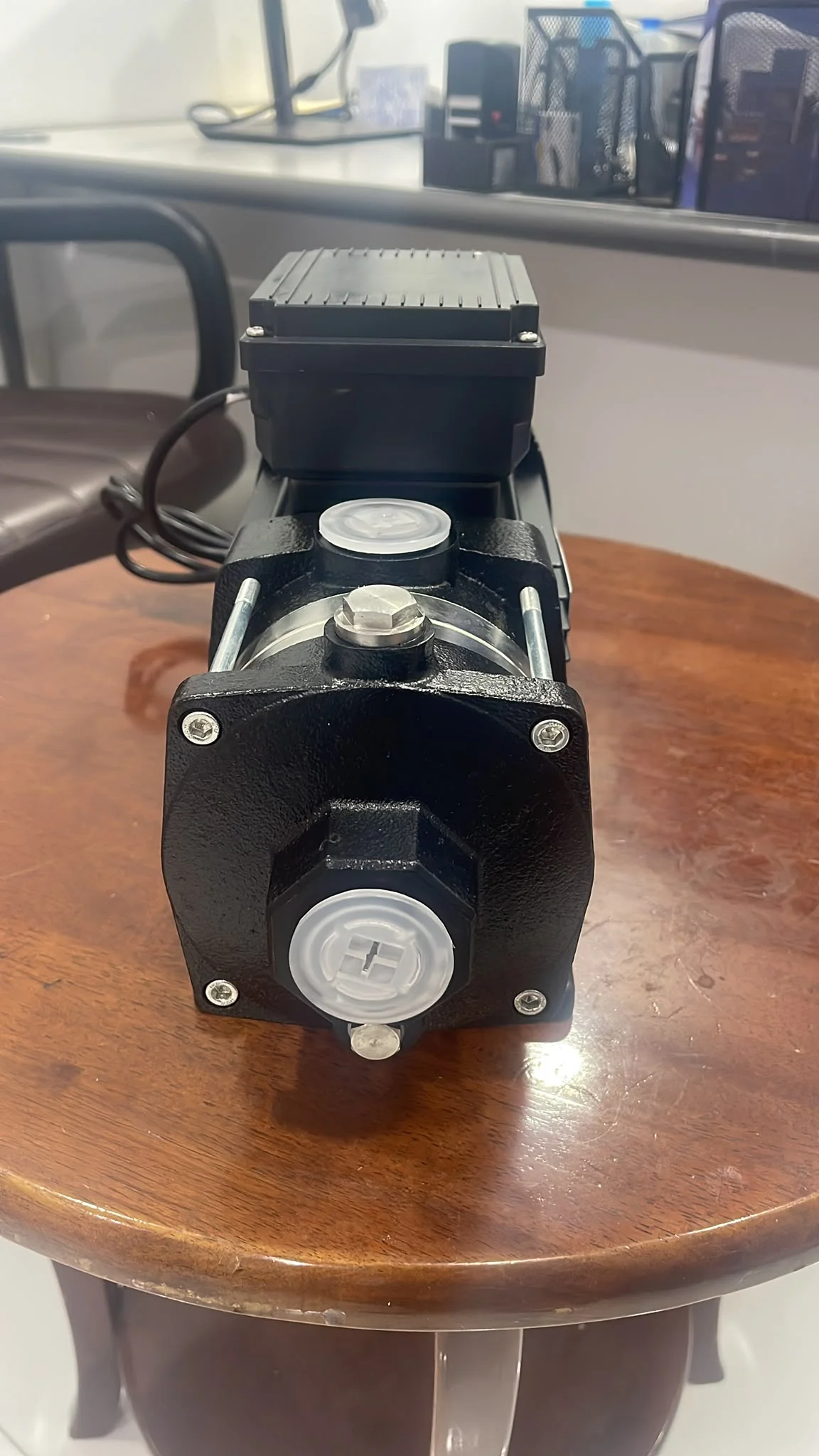
A thorough water pump motor inspection represents the most critical stage when dealing with any pump that has stopped operating because the motor is responsible for generating the mechanical movement required to drive every hydraulic component within the pumping system. However, judging the condition of a motor simply because it produces a humming sound or attempts to start is one of the most common misconceptions among homeowners. Practical experience has repeatedly shown that many serious internal failures cannot be detected without specialized testing equipment. Motor windings may suffer partial damage that still allows electrical current to flow while preventing sufficient starting torque from being generated. Insulation resistance may deteriorate because of prolonged exposure to moisture or excessive operating temperatures. A weakened capacitor may prevent the motor from starting despite healthy windings, while thermal overload devices may repeatedly interrupt operation because of excessive mechanical loading elsewhere within the pump assembly.
Professional technicians therefore begin by measuring motor winding resistance before performing insulation resistance testing to identify any internal leakage between windings or between the windings and the motor housing. Current consumption is then measured during both startup and continuous operation and compared with the manufacturer's specified operating values. The capacitor, thermal overload protector, and all electrical protection devices are tested before moving to the mechanical inspection stage. Bearings are checked for wear, shaft rotation is evaluated for smooth operation, vibration is analyzed, and technicians carefully listen for abnormal mechanical sounds that could indicate internal damage. If every test confirms that the motor itself remains healthy, attention immediately shifts toward other possible causes, including hydraulic restrictions, air entering the suction system, pressure switch failures, or impeller damage. Years of practical experience in residential water pump maintenance have shown that this disciplined inspection process prevents perfectly functional motors from being replaced unnecessarily, saves homeowners substantial repair costs, and ensures that every repair decision is based on objective technical evidence rather than guesswork.
When Is Repairing a Water Pump Better Than Replacing It?
When homeowners discover that the water pump is not working, one of the first questions they ask is whether repairing the existing pump is worthwhile or whether purchasing a completely new unit would be a better investment. The correct answer is never determined simply by the age of the pump. Instead, it depends entirely on the results of a comprehensive water pump fault diagnosis. Practical field experience has shown that many pumps which have been operating for years can continue delivering reliable performance after replacing only a limited number of worn components such as the capacitor, pressure switch, bearings, mechanical seals, or impeller, provided that both the pump housing and motor remain structurally sound. In these situations, repairing the pump is often the most economical solution because it restores normal performance at a fraction of the cost of installing a completely new system while maintaining compatibility with the existing plumbing network and electrical installation.
However, if a detailed water pump motor inspection reveals completely burned windings together with severe corrosion inside the pump housing or extensive damage to the major mechanical components, or if the cost of repairing the water pump approaches the price of a modern, energy-efficient replacement pump, then replacement becomes the more practical technical and financial decision. Professional technicians therefore prepare a detailed technical assessment explaining the condition of every major component, the estimated service life after repair, the expected long-term reliability, and a direct comparison between repair expenses and replacement costs. Practical experience has repeatedly demonstrated that homeowners who make this decision based on objective technical evaluation rather than assumptions achieve lower long-term maintenance expenses, improved operating reliability, and better overall value for their investment.
How Does Regular Maintenance Prevent Water Pump Failure?
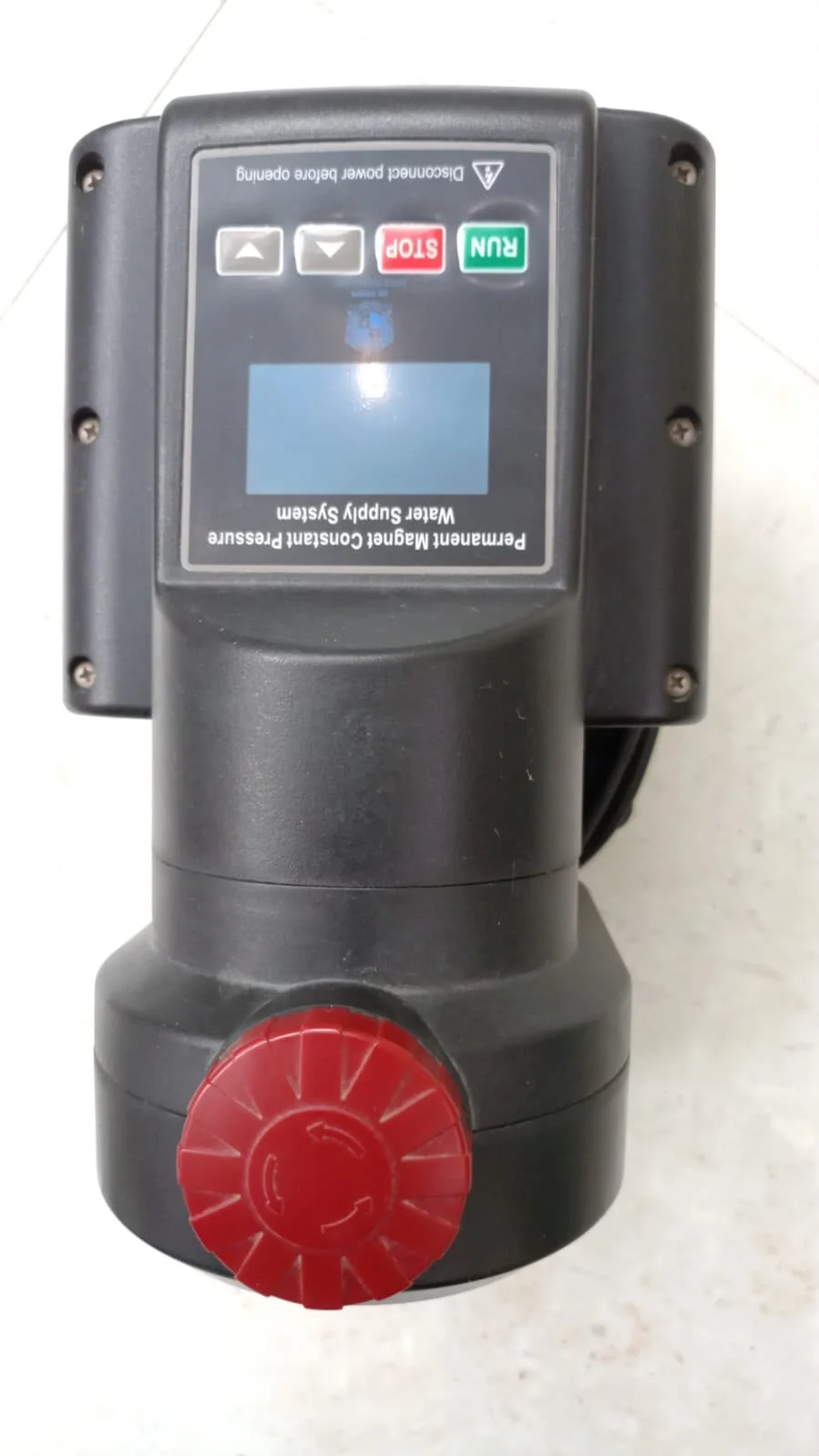
Field experience consistently proves that most situations where the water pump is not working did not begin with a sudden catastrophic failure. Instead, they were preceded by warning signs that remained unnoticed or were ignored for extended periods. These warning signs often include a gradual reduction in water pressure, increased operating noise, higher motor temperatures, longer running times before reaching the required pressure, or frequent on-off cycling. As the pump continues operating under these abnormal conditions, excessive stress is placed on bearings, motor windings, capacitors, impellers, and other internal components until complete failure eventually occurs. Through years of performing residential water pump maintenance, it has become evident that addressing these early warning signs dramatically reduces the likelihood of major breakdowns and significantly lowers future repair costs.
Professional preventive maintenance therefore involves far more than simply cleaning the pump. A complete maintenance program includes measuring operating voltage and current, testing the capacitor, inspecting the pressure switch, checking thermal protection devices, performing a complete water pump motor inspection, measuring suction and discharge pressures, cleaning filters, inspecting suction and discharge pipelines, checking for air leaks or water leaks, examining the check valve, verifying storage tank operation, and ensuring that the pump mounting base remains secure and vibration-free. Internal sediment accumulation is removed whenever necessary, and every hydraulic connection is inspected carefully. Years of practical experience have shown that pumps maintained according to this preventive schedule operate for considerably longer periods, maintain consistent household water pressure, consume less electricity, and experience far fewer unexpected failures. Preventive maintenance therefore represents one of the most valuable investments homeowners can make to maximize pump reliability and extend equipment lifespan.
What Mistakes Do Homeowners Make That Cause Water Pump Failure?
After diagnosing hundreds of different pump failures, practical experience has shown that many problems were not caused by manufacturing defects or normal equipment aging but instead resulted from avoidable operating mistakes and maintenance neglect. These seemingly minor errors gradually increase stress on the motor and hydraulic system until the water pump is not working at all. Understanding these mistakes is therefore just as important as understanding repair procedures because avoiding them significantly reduces the need for expensive future repairs.
• Operating the pump while the storage tank water level is too low, causing dry running that overheats the motor and damages the impeller and mechanical seals.
• Ignoring gradually decreasing water pressure or increased operating noise because the symptoms appear minor, even though they often indicate the beginning of a serious mechanical or hydraulic problem.
• Failing to clean suction filters and pipelines regularly, allowing sediment and debris to accumulate until excessive mechanical load is placed on the motor.
• Using poor-quality electrical connections or leaving wiring exposed to moisture, leading to voltage instability, overheated terminals, and electrical contact failure.
• Neglecting residential water pump maintenance and waiting until the pump stops completely before requesting professional service instead of scheduling routine preventive inspections.
• Installing a pump whose capacity is too small for the household demand or operating it continuously beyond its designed performance limits, causing accelerated wear and overheating.
• Using low-quality replacement parts during previous repairs, resulting in repeated failures within a relatively short period.
• Attempting to repair the pump without professional knowledge or without carrying out proper water pump fault diagnosis, which frequently causes additional damage to otherwise functional components and significantly increases the overall water pump repair cost compared with repairing the original fault at an early stage.
How Can You Maintain Your Water Pump and Maximize Its Service Life?
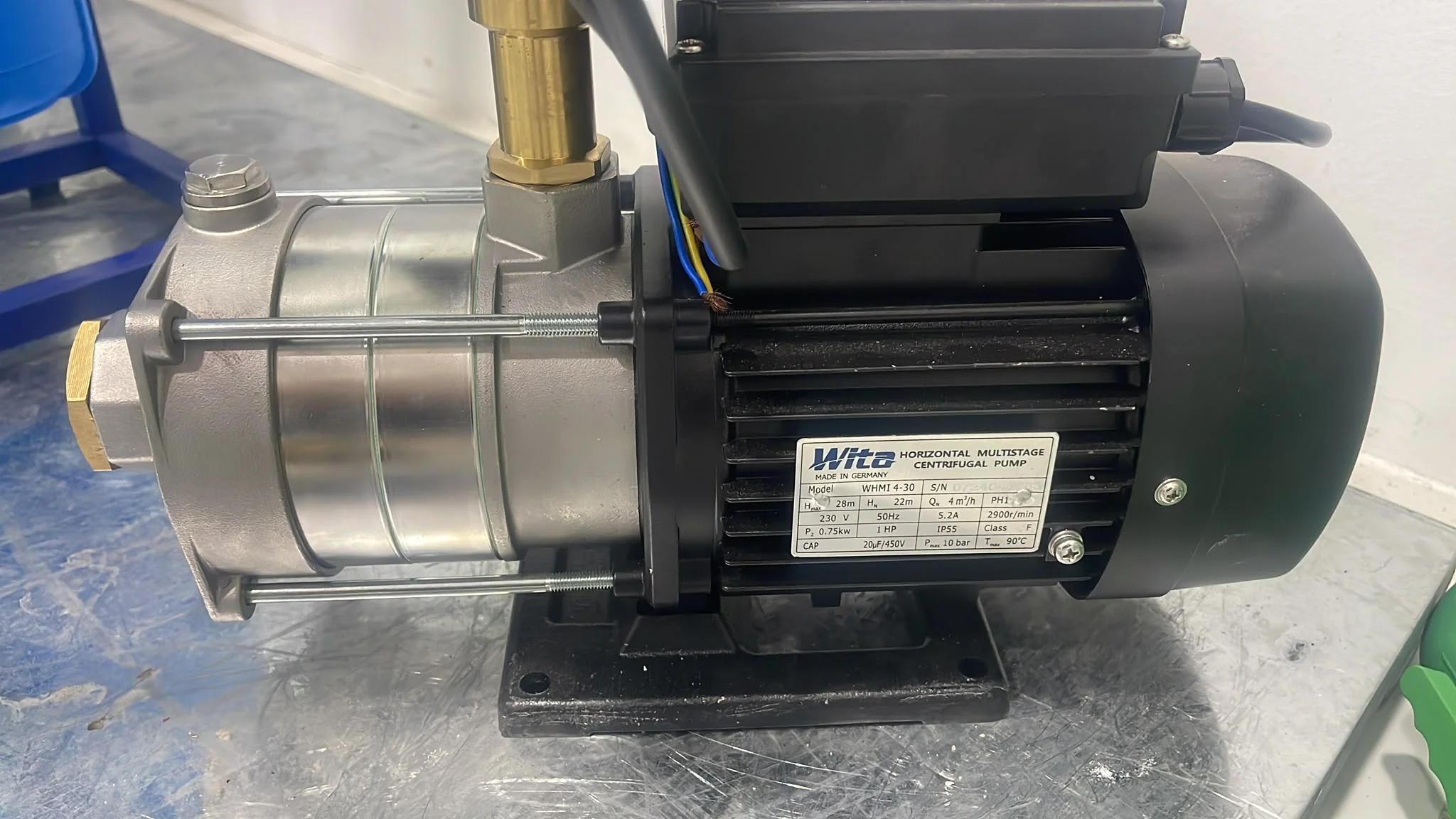
Once repairing a stopped water pump has been completed successfully, the next stage becomes just as important as the repair itself: preserving the pump so it continues operating efficiently for many years. Practical experience gained from countless residential water pump maintenance visits has shown that many recurring failures are not caused by poor-quality repairs but rather by improper daily operation or long periods without preventive maintenance. A residential water pump may operate for several hours every day, meaning its motor, bearings, impeller, seals, and electrical protection components remain under continuous mechanical and electrical stress. Without regular monitoring, small problems gradually become larger failures. Slight reductions in water pressure, minor increases in operating noise, longer running times, or occasional vibration are often the earliest warning signs that something inside the pump requires attention. When these symptoms are ignored, the pump continues operating under abnormal conditions until one or more critical components fail completely.
For this reason, experienced technicians recommend following a simple but consistent maintenance routine. Household water pressure should be monitored regularly, unusual operating sounds should never be ignored, vibration levels should be observed carefully, and suction filters together with suction and discharge pipelines should be cleaned periodically to prevent sediment accumulation. The pump should never be allowed to operate while the storage tank is empty because dry running rapidly overheats the motor and damages the impeller and mechanical seals. A scheduled water pump motor inspection should also be performed to evaluate electrical performance, bearing condition, capacitor efficiency, pressure switch operation, and wiring integrity. Whenever replacement parts become necessary, only genuine or manufacturer-approved components should be installed. Years of field experience have consistently demonstrated that homeowners who follow these preventive measures experience significantly fewer unexpected failures, enjoy longer equipment life, maintain stable water pressure, reduce electricity consumption, and substantially lower the overall cost of water pump repairs throughout the pump's lifetime.
How Do You Choose the Right Technician to Repair Your Water Pump?
Selecting the professional who will perform water pump repair is just as important as choosing the repair method itself because the quality of the diagnosis determines the success of every stage that follows. Practical experience has repeatedly shown that many complicated pump failures originally began as relatively minor problems but became much more serious after being handled by inexperienced technicians who replaced healthy components, installed unsuitable spare parts, or failed to identify the actual source of the malfunction. A qualified technician therefore never begins by replacing components immediately. Instead, the repair process starts with gathering information from the homeowner, followed by a complete water pump fault diagnosis using professional testing equipment, after which a clear technical explanation and repair plan are presented before any work begins. Once repairs have been completed, the pump is tested under real operating conditions to confirm stable pressure, proper electrical performance, and correct operation of every protection device before the repair is considered complete.
Several characteristics clearly distinguish an experienced technician from an inexperienced one. A qualified specialist has practical experience with different types of residential pumps, understands how to interpret electrical and hydraulic measurements correctly, and never recommends replacing the motor or the entire pump before completing a full technical inspection. Reliable technicians also use genuine or manufacturer-approved replacement parts whenever possible and explain the cause of the failure together with the preventive measures required to avoid similar problems in the future. Years of practical experience have demonstrated that working with a technician who specializes in water pump motor inspection and complete pumping system maintenance significantly shortens repair time, reduces the likelihood of repeated failures, extends the overall service life of the equipment, and ensures that water pump problem solving is based on scientific diagnosis and engineering principles rather than assumptions or trial-and-error repairs.
Conclusion
When the water pump is not working, the correct first step is never to purchase a replacement pump or begin changing components randomly. The most important step is carrying out a professional water pump fault diagnosis based on accurate measurements, systematic testing, and practical field experience. Daily maintenance work throughout Kuwait has repeatedly demonstrated that many pumps which homeowners believed had reached the end of their service life were actually restored to full operating efficiency after repairing the true cause of the failure. Whether the problem involved the capacitor, pressure switch, motor, suction piping, impeller, or another mechanical component, accurate diagnosis remained the key factor that determined the success of the repair. Proper diagnosis saves time, reduces unnecessary expenses, prevents healthy components from being replaced, and ensures that the root cause is eliminated instead of simply addressing the visible symptoms.
Regular residential water pump maintenance remains the most effective strategy for preventing unexpected breakdowns because it identifies developing faults long before they become major failures. Routine water pump motor inspections, stable electrical supply, clean filters, genuine replacement parts, and professional servicing all contribute to longer equipment life, consistent household water pressure, reduced electricity consumption, and lower long-term maintenance costs. When these preventive measures are combined with experienced technical support and accurate diagnosis whenever problems arise, homeowners gain reliable water pressure, fewer emergency repairs, improved system efficiency, and the confidence that their water pumping system will continue operating safely and efficiently for many years.
Frequently Asked Questions
Can a water pump be repaired instead of being replaced?
Yes. In many cases, the failure is limited to serviceable components such as the capacitor, pressure switch, bearings, mechanical seals, or impeller, making repair a practical and cost-effective solution. A professional water pump fault diagnosis determines whether repair is technically appropriate before recommending replacement.
Why does the pump run but no water comes out?
The most common causes include air entering the suction line, a faulty check valve, low water level inside the storage tank, clogged suction piping, or loss of pump priming. These hydraulic problems often prevent water delivery even though the motor continues running normally.
How is a water pump motor inspected?
A complete water pump motor inspection includes measuring winding resistance, testing insulation resistance, checking electrical current consumption, evaluating the capacitor, examining thermal protection devices, inspecting bearings, verifying smooth shaft rotation, and identifying abnormal vibration or mechanical noise that may indicate internal damage.
How much does water pump repair cost?
The cost of water pump repair depends on the nature of the fault, the condition of the motor, the extent of mechanical damage, the availability of replacement parts, and whether repairs can be completed on-site or require workshop rebuilding. Accurate pricing is only possible after a full technical inspection.
When should a water pump be replaced instead of repaired?
Replacement becomes the better option when inspection reveals completely burned motor windings together with severe structural damage, excessive corrosion, or repair costs approaching the price of a modern replacement pump that offers higher efficiency and improved long-term reliability.
How can I prevent my water pump from failing again?
Regular residential water pump maintenance, scheduled water pump motor inspections, cleaning filters and pipelines, maintaining stable electrical voltage, preventing dry running, monitoring water pressure, and requesting professional service whenever operating conditions change are the most effective ways to reduce future failures, extend equipment lifespan, and maintain reliable water pressure throughout the home.


