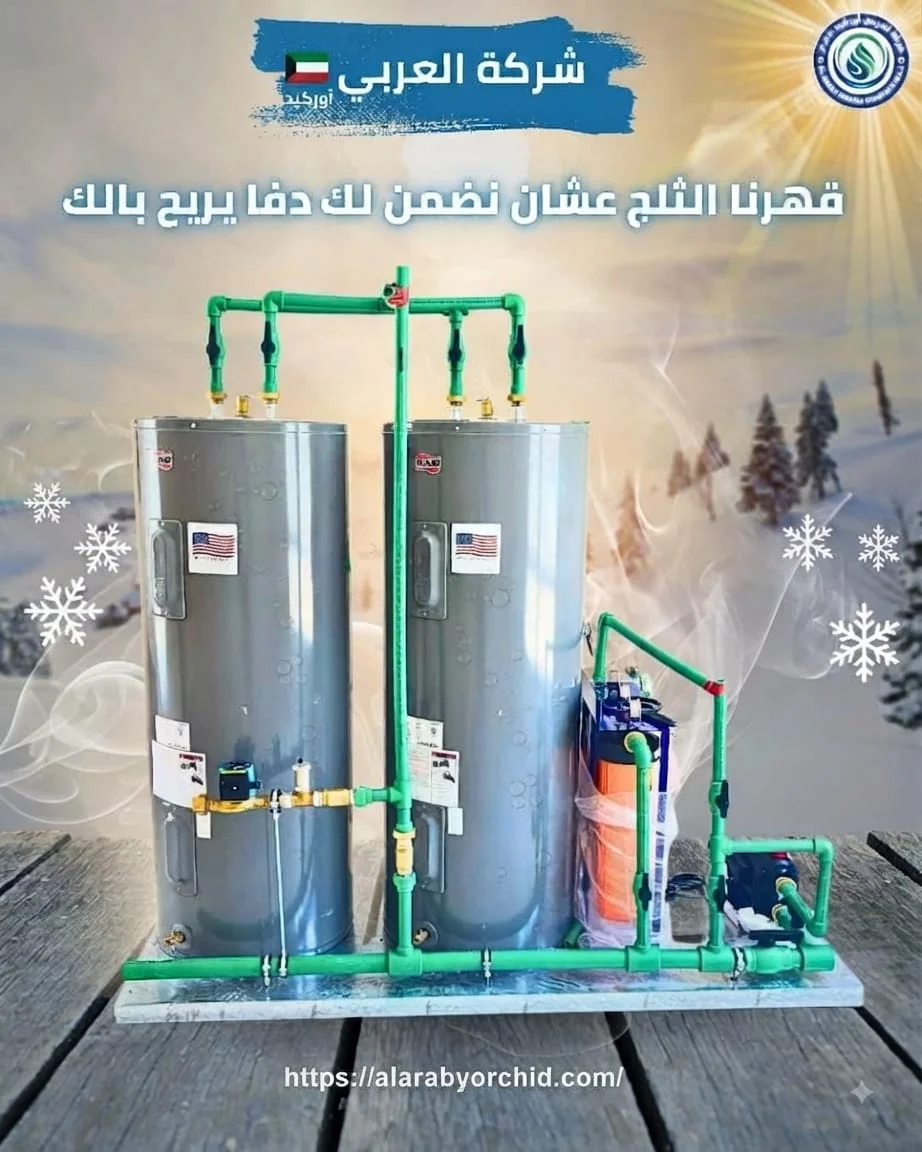
Having an old central water heater at home does not automatically mean it has become an electricity-hungry appliance that must be replaced immediately. What determines whether replacement makes financial sense is how the heater’s performance has changed over the years, how many hours it now needs to operate to provide the same amount of hot water, the condition of the insulation and tank, whether the thermostat is working properly, and how often repairs are becoming necessary. Sometimes fixing one simple fault can restore normal performance and cost far less than buying a new heater. In other cases, you may keep paying for repeated repairs and higher electricity use until you realize that you have practically been financing a new heater without actually buying one. The right decision comes from comparing current operating and maintenance costs with the total cost of a suitable replacement.
Electricity consumption of an old central heater
Electricity consumption of an old central heater does not increase simply because the manufacturing date is old. Age itself does not sit next to the meter and secretly pull extra electricity. What matters is what has changed inside the system over time. A ten-year-old heater with a healthy tank, good insulation, stable thermostats, and heating elements that operate within a normal cycle can be more economical than a newer heater with a hot-water leak, incorrect capacity, or an unnecessarily high temperature setting. That is why the first rule is not to judge energy use by age alone.
The calculation starts with actual operating time. A heating element has a specific electrical power rating, and when it operates, it uses energy according to that power and the length of time it remains on. If the same heater used to reach the required temperature within a certain period several years ago and now consistently needs much longer without any increase in household size or hot-water demand, that change deserves investigation.
The reason could be weakened insulation that allows heat to escape more quickly, a thermostat that causes longer-than-necessary operation, a hot-water leak that continuously introduces cold replacement water into the tank, or mineral buildup and other operating problems that affect system performance. So the statement “an old heater uses more electricity” is incomplete. A more accurate statement is that problems that develop as a heater ages can increase operating time and therefore energy consumption.
Take a simple example for calculation purposes rather than as a fixed consumption figure. If the heater has a 4.5 kW element and it operates for two hours per day, theoretical electricity use during heating is 9 kWh. If it now operates for three hours to provide the same amount of hot water, consumption during operation becomes 13.5 kWh. The difference is not because the wattage printed on the heating element changed. The difference comes from the longer operating time.
-
Compare current heater operating hours with previous performance while keeping household demand as similar as possible because actual run time gives a more useful picture than the heater’s manufacturing year
-
Do not assume that the rated wattage of the heating element automatically means high electricity bills because total consumption depends on power multiplied by actual operating time
-
If run time has increased while hot-water demand remains similar, inspect insulation, leakage, temperature control, and overall heater condition before deciding to purchase a new unit
-
A stable older heater should not be replaced purely for theoretical savings unless there is a measurable or reasonably demonstrated difference in energy use
The old heater increases the electricity bill
When someone says the old heater increases the electricity bill, it is important to separate the total household bill from the heater’s actual performance before blaming the appliance. Electricity costs change because of air conditioning, household size, other appliances, seasonal demand, shower habits, and many other factors. A higher final bill does not prove that the water heater is responsible unless there are signs connected to its operation, such as longer heating periods, frequent reheating without clear hot-water use, unusually high water temperature, or a hot-water leak.
The best comparison is between similar periods. If the household has roughly the same number of people, hot-water use remains similar, and the heater temperature setting has not changed, yet the unit now runs noticeably longer and struggles more to maintain heat, then the possibility that the heater is contributing to higher electricity use becomes stronger.
In a storage water heater, part of the electricity goes toward heating the water that you actually use, while another part is used to replace heat that escapes from the stored water while it is sitting in the tank. If insulation becomes weaker or the hot-water network loses heat quickly, the thermostat calls for reheating more often even when nobody is taking a shower.
This is where one of the common mistakes appears. The homeowner sees a higher bill and immediately decides to buy a new heater. After replacement, they discover that a mixer has been leaking hot water or a circulation pump is operating in a way that causes excessive heat loss, and the electricity bill remains almost unchanged. The brand-new heater is then sitting there wondering why it was invited into the story in the first place.
The smarter approach is to identify the heater’s actual usage or at least monitor the frequency and duration of its cycles, then fix any obvious waste around the system. If operating time remains unusually high after simpler causes have been corrected, comparing a new heater becomes economically meaningful.
-
Monitor how often the heater turns on when no hot water is being used because frequent cycles can reveal heat loss or a leak that needs attention
-
Compare similar seasons because comparing a cold winter month with a low-demand month can give a misleading conclusion
-
Check hot-water piping, mixers, and any circulation pump before blaming the tank because part of the energy loss may be occurring outside the heater itself
-
Do not use a higher electricity bill alone as the reason to buy a new heater because replacement makes sense when the appliance is clearly shown to be contributing to higher operating cost
When is replacing the heater more economical?
The question when is replacing the heater more economical is answered by comparing the cost of continuing with the existing unit against the expected annual cost after replacement rather than only looking at the purchase price of a new heater or automatically discarding the old one because of age.
Start with three clear figures or reasonable estimates: the annual electricity cost attributable to the old heater, the repair and maintenance costs that keep recurring, and the complete purchase and installation cost of the new unit. Then estimate the expected annual savings conservatively. Do not base the calculation on an advertisement claiming that the new model will cut your bill in half before anyone has even looked at how your home uses hot water.
Here is a simple example to explain the calculation. If testing and comparison suggest that a suitable new heater can save a certain amount each year while also reducing repeated repairs, calculate the payback period = net replacement cost ÷ expected annual savings. If the total new heater and installation cost after considering any remaining value of the old unit is KWD 300, for example, and the realistic annual saving is KWD 60, the approximate payback period is five years. This is only an example of the method because heater prices, electricity tariffs, and household usage differ.
Electricity is not the only factor. If the old tank has started leaking, breakdowns are becoming frequent, spare parts are difficult to obtain, or the heater repeatedly leaves the house without hot water, replacement also provides operational value even if the electricity savings alone would take longer to recover the purchase price.
On the other hand, if the old heater only needs a thermostat or heating element, the tank is in excellent condition, and a relatively inexpensive repair restores normal energy use, buying a complete new heater solely to chase small electricity savings may take many years to recover.
-
Combine heater electricity cost with repeated maintenance expenses because the total cost of an old heater is more than the electricity bill alone
-
Calculate payback using a realistic and conservative savings estimate instead of general marketing claims that may not apply to your home
-
The more frequent the repairs become alongside high run time and reduced reliability, the stronger the economic case for a new heater becomes even if the old one can still technically operate
-
If the current fault is minor and inexpensive to repair and normal performance returns afterward, repair may be more economical than replacing a heater with no clear financial return
Energy efficiency of an old heater
Energy efficiency of an old heater depends more on its actual condition than on the year printed on the manufacturing label. In storage heaters, a major part of efficiency comes from how well the tank retains heat and reduces standby heat losses between periods of use.
If the tank starts losing heat quickly, the heating element has to operate more frequently even when nobody has opened a hot-water tap. You may notice this if the heater reaches temperature and switches off but then starts reheating again after a very short period without any clear demand. That behavior can have several causes, so it does not prove poor insulation by itself, but insulation should be included in the diagnosis.
Newer units may offer improved insulation and control designs depending on the model, but the word new is not an efficiency certificate. When shopping, compare heaters within the same category and look at available energy-efficiency information rather than choosing a model simply because it looks modern or has a brighter display.
Correct sizing also matters. A highly efficient heater that is much larger than the household needs stores and maintains a greater volume of hot water than necessary. A heater that is too small may leave the household struggling during periods of high demand.
-
Old-heater efficiency should be judged from current performance and heat retention rather than age alone
-
Frequent reheating without obvious hot-water use deserves investigation because it can point to heat loss, leakage, or a control issue
-
When purchasing a replacement, compare actual energy-efficiency information among similar heater types rather than relying only on terms such as modern or energy-saving
-
Correct capacity is part of efficiency because the largest tank available is not automatically the most economical choice for every home
Operating cost of an old central heater
The operating cost of an old central heater includes more than electricity. If you really want to know what the appliance is costing you, include energy use, maintenance, replacement parts, technician visits, and periods when the home loses reliable hot water over one or two years.
A heater may have acceptable electricity consumption but repeatedly need a thermostat, then a heating element a few months later, then a valve after that. In this situation, electricity plus repair cost may be starting to climb. The opposite is also possible: an older heater may require only minor periodic service and remain economically sensible.
From an electricity perspective, you can estimate consumption by using heating-element wattage and the number of hours it actually operates, then applying the electricity tariff that applies to you. If you do not have accurate measurement, monitor performance over a meaningful period instead of guessing from a single day because demand changes with weather and shower frequency.
Do not forget actual hot-water consumption. A household that uses twice as much hot water will require more energy even with an excellent heater because the appliance does not create heat by magic.
-
Add up repair costs over 12 to 24 months to see whether the old heater is still economical or whether scattered expenses are beginning to accumulate significantly
-
Use actual operating hours or reliable energy measurement instead of estimating the bill from heating-element wattage alone
-
Separate normal usage cost from waste because a household that consumes more hot water will naturally need more energy regardless of heater age
-
Keep a record of repairs because five small service visits can eventually cost more than one major repair or a carefully planned replacement
Replacing the heater to reduce electricity use
Replacing the heater to reduce electricity use makes sense when there is a real performance difference between the existing unit and the replacement rather than simply assuming that every new appliance will cut the electricity bill in half the moment it enters the house.
Before replacing the heater, fix problems that would remain even after the new unit is installed, such as leaking hot-water lines, poor pipe insulation, or incorrect system sizing. If you install a new heater into a system that is wasting hot water or heat, the new unit will continue paying the energy cost of the old problem.
Then choose a heater that suits real household demand. Consider the number of people, how many bathrooms may be used at the same time, and how much hot water is required during peak periods. The goal is a heater that meets demand without unnecessary oversizing.
Compare insulation, control design, and any available efficiency information. If the difference between the old and new units is very small and the existing heater is otherwise healthy, replacement purely for electricity savings may provide weak financial value.
-
Repair hot-water waste before buying a replacement because even the most efficient heater cannot save energy when hot water is continuously leaking away
-
Do not oversize the heater purely for comfort because a larger tank costs more and keeps a larger volume of water hot
-
Ask for a realistic comparison between expected consumption and actual demand rather than relying on a general statement that a certain model is energy-saving
-
Base the replacement decision on electricity use, reliability, and maintenance together so the new heater provides broader value than just a hoped-for reduction in the bill
Comparing electricity use of old and new heaters
Comparing electricity use of old and new heaters has to be fair, otherwise the conclusion is decided before the comparison begins. Compare two heaters designed to serve approximately the same number of users, provide the same level of comfort, and deliver similar water temperature.
Do not compare an old 120-gallon heater serving a large household with a new 50-gallon unit and conclude that the new one uses less electricity. Of course the service level is different. A proper comparison uses alternatives capable of performing the same task.
Look at storage heat loss, insulation quality, control system performance, and correct capacity, then estimate expected operating hours. If there is an established efficiency metric available for the models being compared, use it as part of the decision rather than as a substitute for understanding household demand.
After installation, monitor energy use over a reasonable period and compare conditions as consistently as possible. That is when you can see whether the promised savings became real or remained a nice-looking estimate on paper.
-
Compare heaters that provide the same required service level so that apparent savings are not simply caused by selecting a smaller unit that cannot meet household demand
-
Use insulation, control performance, and efficiency specifications together because electrical wattage alone does not determine annual operating cost
-
Monitor actual consumption after replacement because measurable change in the same home is the strongest evidence that the investment made sense
-
Any comparison that ignores changes in household size, water temperature settings, or season can produce a misleading conclusion
Saving electricity by replacing the heater
Saving electricity by replacing the heater delivers the greatest value when replacement solves several weaknesses in the old system at the same time. For example, an old heater that loses heat quickly, has repeated control problems, and is oversized for the household may be a strong candidate for replacement because the new unit can improve several issues at once.
However, do not expect that replacing an old but fully functional resistance heating element with a new resistance element will automatically cut electricity consumption in half. A resistance element’s basic job is to convert electricity into heat, and the major economic differences usually come from how long it operates, how much heat the system loses, and how much water needs to be heated.
This is an important point because it prevents exaggerated marketing claims. A new heater saves energy when the new system needs less energy to provide the same comfort because of better insulation, improved control, correct sizing, and reduced waste, not simply because the appliance is new.
-
Real savings come from reducing operating hours, heat losses, or waste while maintaining the same level of hot-water comfort
-
Do not expect dramatic savings simply from replacing a healthy electrical heating element with a new one if the operating conditions remain the same
-
Measure energy use before and after replacement instead of relying on impression because other household appliances can hide the heater’s effect on the total bill
-
A new heater performs best when capacity is selected correctly and surrounding hot-water-system problems are addressed at the same time
Heater age and its effect on electricity consumption
Heater age and its effect on electricity consumption have an indirect relationship. As a heater gets older, the likelihood of issues such as control deterioration, mineral buildup, insulation decline, and repeated repairs may increase, but age does not mean that every heater automatically starts consuming more electricity.
An older unit that has been properly maintained can remain stable while a newer heater with poor installation or leakage can operate for longer periods. This is why age should be treated as one factor in the decision rather than the final answer.
As the heater becomes older, comparing current performance with its own history becomes more important. How much longer does heating take now? How often does the unit operate when nobody is using hot water? How many repairs has it needed during the past two years? What condition is the tank in? These questions provide much more useful information than simply asking how many years old the heater is.
Age becomes economically important when it appears together with other problems. A heater that is old, operating longer, requiring repeated repairs, and showing tank deterioration creates a much stronger case for replacement. High age without those additional problems is not enough by itself.
-
Use age as a reason for closer monitoring rather than an automatic deadline for disposing of a heater that still operates efficiently
-
Repair history gives a more accurate picture of the appliance’s stage of life than manufacturing year alone
-
When age combines with longer operating time, tank deterioration, and repeated service costs, replacement becomes more economically reasonable
-
An older but stable heater can sometimes remain more economical than replacing it early without a clear difference in operating cost
Is buying a new energy-saving heater worth it?
The value of buying a new energy-saving heater should be calculated before spending the money, not after installation. The first question is how much the new heater will cost including installation and any required modifications. The second is how much you realistically expect to save each year in electricity and maintenance. The third is how many years it will take for those savings to recover the replacement cost.
If the payback period fits the amount of time you expect to remain in the home and use the appliance, and the new heater also provides better warranty coverage and reliability, then replacement becomes much more attractive. If it would take an extremely long time to recover the purchase cost and the old heater is still in good condition, there may be little reason to replace a functioning appliance simply to chase small annual savings.
A new heater also provides non-financial value such as fewer emergency breakdowns, warranty coverage, and more reliable hot water. These benefits are difficult to express as one number but can matter significantly when the old heater has started failing repeatedly.
When choosing a replacement, do not be attracted by the word energy-saving without supporting information. Review capacity, efficiency specifications, power requirements, warranty, and how well the model suits actual household demand. A heater can look wonderfully efficient on paper and still leave the entire family waiting for the shower if it is too small for the home.
-
Calculate the payback period using expected electricity and maintenance savings so you can decide whether the investment makes financial sense
-
Include the value of warranty protection and fewer breakdowns because these save both money and inconvenience even when they do not appear directly on the electricity bill
-
Do not buy a heater simply because it is marketed as energy-saving before confirming that its capacity and performance suit real household demand
-
If the old heater is in poor condition, operates excessively, and requires frequent repairs, purchasing a new unit can become more economical than continuing to replace one component after another
Conclusion
An old central heater is not automatically guilty of raising the electricity bill simply because it has been installed for many years. What determines whether replacement is more economical is operating time, insulation condition, tank condition, control performance, frequency of repairs, and the amount of hot water the household actually needs.
If the heater is old but stable, the tank is sound, electricity use remains normal, and the current problem is minor, repair may still be the best financial decision. If the unit now operates much longer than it used to, loses heat, requires repeated repairs, and its overall condition has deteriorated, purchasing a properly sized and efficient replacement begins to make more economic sense.
The best calculation before replacement is to combine current electricity and maintenance costs, compare them with the purchase and installation cost of the new heater, estimate realistic annual savings, and calculate the payback period. In other words, do not replace the heater simply because it has reached a certain age and hold a retirement party for it, and do not keep it running for another ten years just because it still manages to produce hot water. The numbers should make the decision because the electricity meter has absolutely no emotional attachment to your old heater.
Frequently Asked Questions
Does an old central heater automatically use more electricity?
No. Age alone does not increase electricity consumption, but problems that can develop over time, such as heat loss, leakage, unstable temperature control, or longer operating periods, can increase energy use.
How can I tell if the heater is causing my higher electricity bill?
Monitor its operating time and the frequency of heating cycles and compare them with previous performance while keeping household use as similar as possible. Also check for hot-water leakage or changes in temperature settings.
When is buying a new heater cheaper than repairing the old one?
Replacement becomes more economical when higher operating cost appears together with repeated repairs, tank deterioration, or a clear decline in performance, and the expected savings from the new heater can reasonably justify its purchase cost.
Does every new heater use less electricity than an old heater?
Not necessarily. The result depends on the efficiency of the new model, correct capacity, installation quality, household usage, and the condition of the hot-water distribution system.
How do I calculate heater operating cost?
Start with the heating-element power rating in kilowatts and multiply it by the actual number of operating hours to estimate energy use in kilowatt-hours. Then apply the electricity tariff relevant to you while remembering that operating time changes from day to day.
Does replacing an old heating element save electricity?
If the existing element is faulty and causing abnormal operation, repairing the problem is important. However, replacing a healthy heating element with a new one does not automatically produce a major reduction in electricity consumption.
Does insulation affect the heater electricity bill?
Yes. Heat loss from the tank or hot-water pipes forces the system to operate more often to replace lost heat, so insulation condition is an important part of evaluating heater efficiency.
Does a larger heater always consume more electricity?
Not always in a simple direct way, but a larger tank stores a greater volume of hot water and can have greater standby losses when it is significantly oversized for household needs. Correct sizing is more important than assuming bigger is better.
What is the payback period when replacing a heater?
The payback period is the amount of time required for annual savings in electricity and maintenance to recover the purchase and installation cost of the new heater. It is commonly estimated by dividing the net replacement cost by expected annual savings.
When is replacing the heater purely for energy savings a poor idea?
If the existing heater is in good condition, operates normally, has no repeated repairs, and the expected difference in operating cost is small, recovering the cost of a new heater may take many years and keeping the current unit can be more economical.