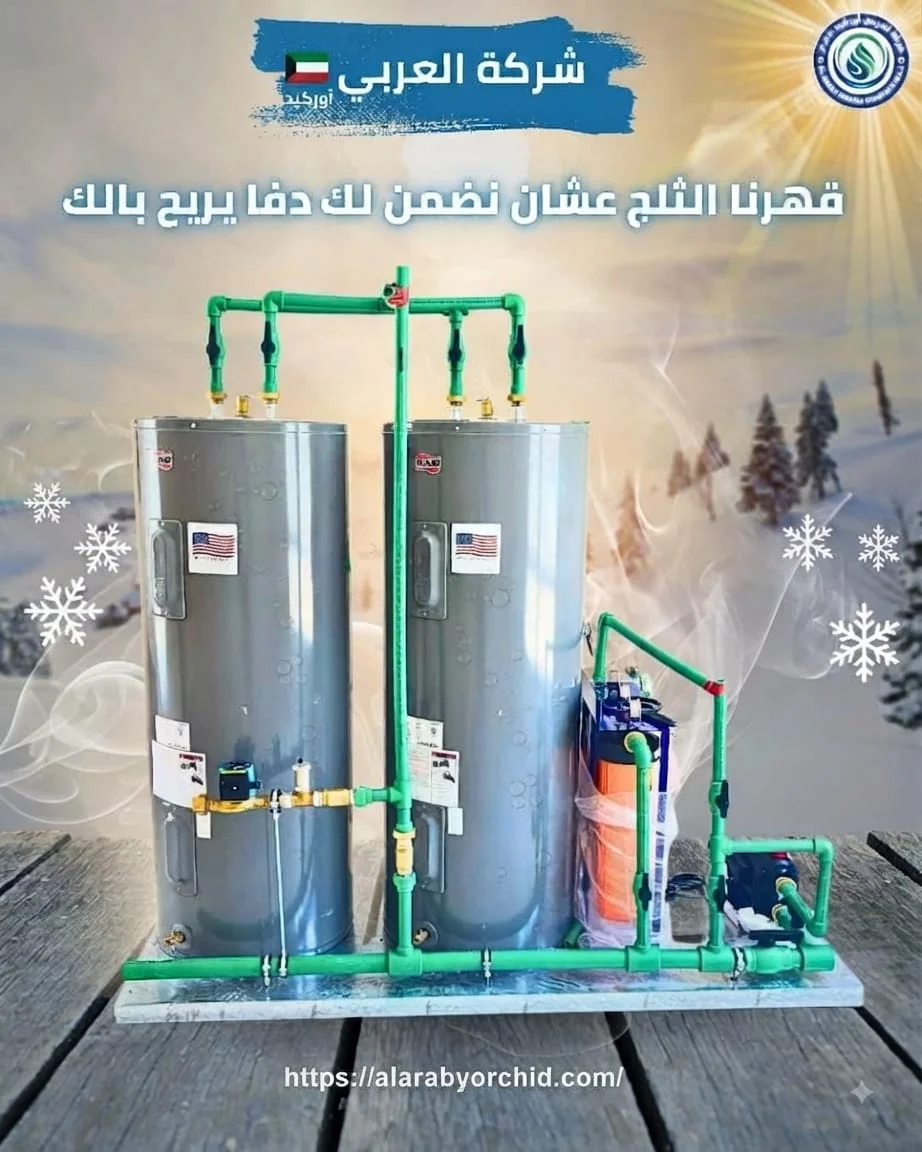
Choosing a 50-gallon central water heater cannot be decided simply by asking, “How many people live in the house?” because two families with the same number of residents can have completely different hot-water usage patterns. Fifty US gallons is approximately 189 liters of nominal storage capacity, but what actually determines whether the heater will be sufficient is the amount of hot water required during the busiest hour, the heater’s recovery capability, and how many bathrooms are used at the same time. Al Arabi Orchid currently lists American central water heaters in capacities including 50, 65, 80, and 120 gallons from brands such as Ruud, Bradford White, A. O. Smith, Americana, Rheem, and Richmond. Before buying, it is better to calculate actual household usage and review the model’s First-Hour Rating instead of relying only on the number of people in the home.
50-Gallon Central Water Heater in Kuwait
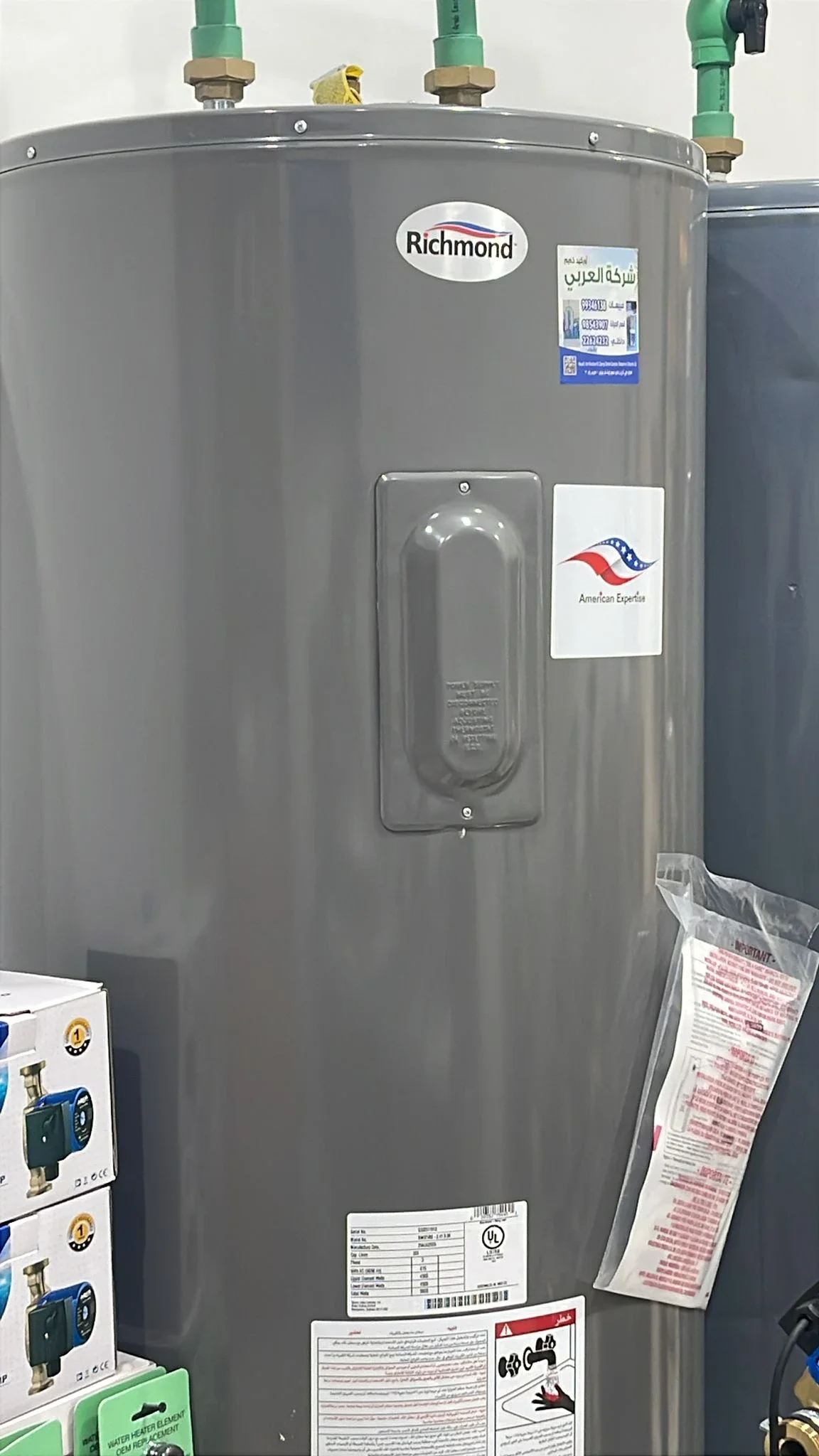
Choosing a 50-gallon central water heater in Kuwait can be an excellent option for a house or apartment with moderate hot-water demand, but the phrase “50 gallons” alone does not give you a complete picture of performance. If we are talking about 50 US gallons, the nominal capacity is approximately 189 liters, but it is important to understand that the commercial capacity printed on the product name is not always identical to the actual rated storage volume of every model. For example, the A. O. Smith ENS-50 is marketed as a nominal 50-gallon heater while its currently published Rated Storage Volume is 46 gallons. This is not a defect or a shortage in the unit. It simply illustrates the difference between Nominal Capacity and the actual rated storage capacity of a particular model.
More important than tank capacity alone is the First-Hour Rating or FHR. This figure estimates the maximum amount of hot water a storage heater can deliver during the first hour when it begins with a fully heated tank. For that reason, FHR provides a much more practical picture of household performance than simply looking at the label “50 gallons.”
This is where an important distinction appears: not every heater labeled 50 gallons performs the same way. The current A. O. Smith ENS-50, for example, has a First-Hour Rating of 57 gallons with two 4,500-watt heating elements, while the ENT-50 Tall model from the same manufacturer has a 62-gallon First-Hour Rating, even though both are classified in the nominal 50-gallon category. The difference comes from model design, recovery characteristics, and the technical configuration of the heater, which is exactly why capacity alone should not determine the purchase.
In Kuwait, instead of simply telling the technician, “I want a 50-gallon heater,” it is better to explain how many bathrooms the property has, how many people live there, whether showers are taken one after another, whether two bathrooms are used simultaneously, whether there is a bathtub, and whether kitchen or other hot-water use happens during the same peak period.
Al Arabi Orchid currently lists 50 gallons among the American central heater capacities it supplies and installs in Kuwait, but choosing the brand and model within this category should remain connected to the property’s real hot-water usage rather than simply choosing whichever 50-gallon heater happens to be available.
-
A 50-gallon heater is a sensible option when the model’s first-hour performance can cover the home’s actual demand during the busiest hour
-
A nominal 50 US gallons equals approximately 189 liters but Rated Storage can differ slightly from one model to another so the product specification sheet remains the more accurate reference
-
Two heaters marketed as 50 gallons can deliver different first-hour performance because of differences in design recovery and heating-element configuration
-
If the household uses more than one bathroom at the same time simultaneous demand should be calculated before confirming the purchase
-
When contacting Al Arabi Orchid on 99346138 explain the usage pattern and number of actively used bathrooms so 50 gallons can be compared properly with larger capacities
How Many People Can a 50-Gallon Water Heater Serve?
The question how many people can a 50-gallon water heater serve requires a careful answer because giving a fixed number such as “four people” may be correct in one property and completely wrong in another. Household size is useful information, but it is not the only factor because the way hot water is consumed during the busiest hour determines the real load placed on the heater.
Consider two households, each with four people.
Household one:
The father showers at 6:00 a.m.
The mother showers at 7:00 a.m.
The children use the bathroom later at different times
There is no major kitchen hot-water use during the same period
Household two:
All four people prepare between 6:30 and 7:30 a.m.
Two bathrooms are used during overlapping periods
Someone also uses hot water in the kitchen at the same time
The number of people is identical, but the Peak-Hour Demand in the second household is clearly higher.
That is why the right method is not to say “50 gallons equals four people” and stop there. A better approach is to calculate how much hot water is used during the busiest hour and compare that demand with the First-Hour Rating of the model being considered. Proper storage-water-heater sizing relies much more on First-Hour Rating compared with peak-hour demand than on tank capacity alone. FHR itself is influenced by storage capacity, heat source, and heating-element or burner input.
A traditional peak-demand example combines showers and other household hot-water uses that happen during the same hour to estimate total demand. The purpose of that method is not to force one universal number onto every family but to teach you to count the activities occurring within the same time period rather than adding up all hot-water use across an entire day.
Because 50-gallon models themselves vary, the answer to “how many people?” changes with the specific heater. The A. O. Smith ENS-50 has an FHR of 57 gallons, while the current ENT-50 provides 62 gallons. That difference can be significant in a household operating close to the heater’s performance limit.
The practical answer is therefore that a 50-gallon heater may comfortably suit a small or medium-sized family when hot-water use is balanced and spread out, but it does not guarantee service for one fixed number of people. Three people taking long showers and using hot water simultaneously may create more demand than five people whose usage is short and distributed throughout the day.
-
Do not rely on a general chart claiming that 50 gallons always serves a fixed number of people because usage patterns can completely change the result
-
The number of consecutive showers within one hour matters more than total household size when most demand occurs during the same period
-
Bathtubs long showers and simultaneous kitchen or multi-bathroom hot-water use can raise peak-hour demand substantially even in a smaller household
-
First-Hour Rating gives a much more realistic picture of how well a particular model can serve a family than storage capacity alone
-
A medium-sized family with distributed usage may be very comfortable with 50 gallons while a smaller but heavier-use household may need to compare 65 or 80 gallons
Is a 50-Gallon Water Heater Enough for a Home?
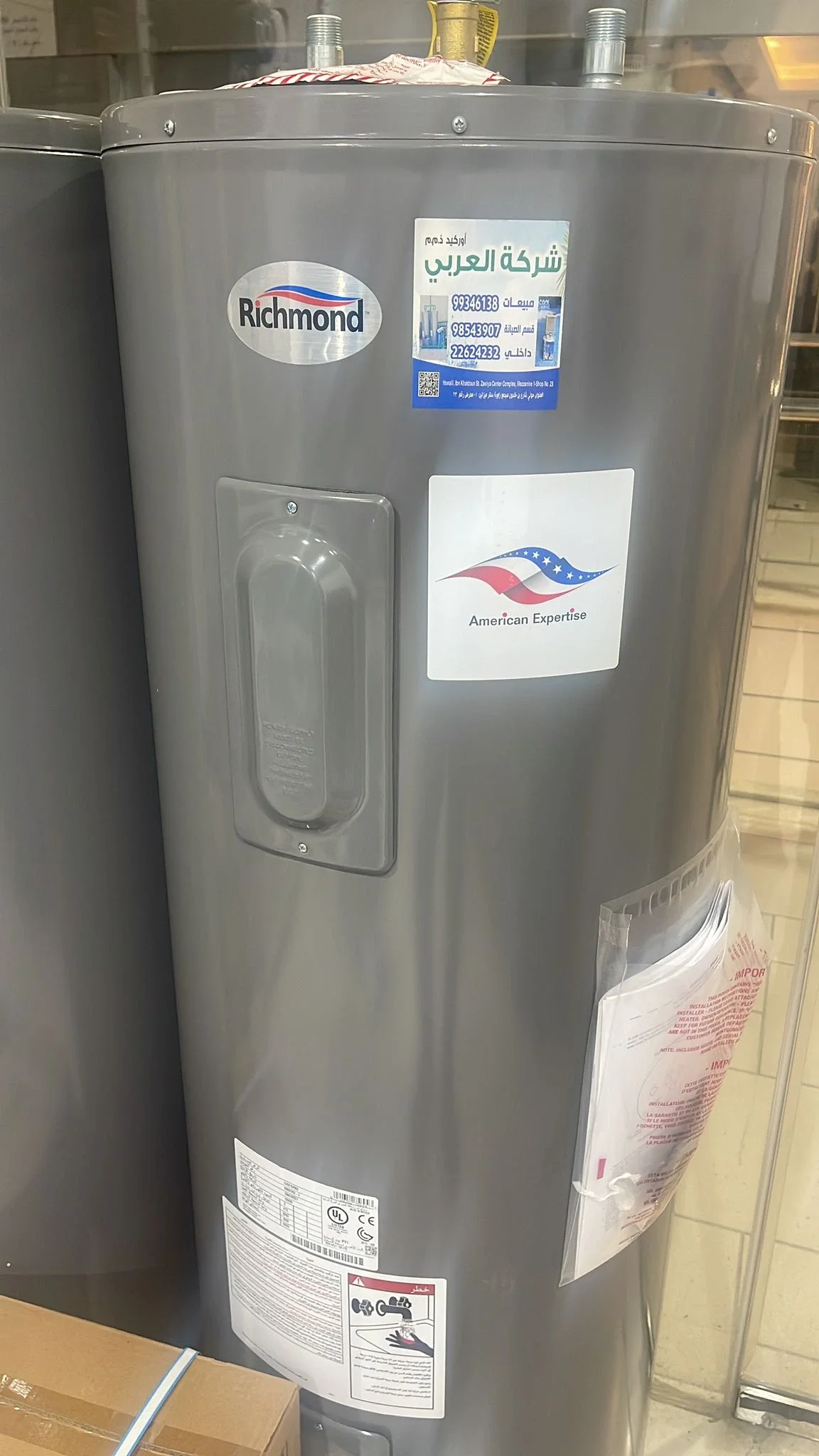
Answering is a 50-gallon water heater enough for a home begins by defining what “enough” actually means. If you mean that hot water should never run out under any circumstances, that is an unrealistic expectation for any limited-capacity storage heater. If you mean that the household should get through its busiest hour without the water becoming uncomfortably lukewarm, then the question can be answered technically.
The first step is calculating Peak-Hour Demand. Identify the busiest hour in the household and ask: How many showers happen during that period? How long are those showers? Is a bathtub being filled? Is the kitchen or sink using hot water at the same time? Then compare the expected demand with the First-Hour Rating of the actual heater model. For storage water heaters, FHR is a much more useful sizing tool than tank capacity by itself because it reflects the amount of hot water the unit can actually deliver during realistic use.
The second factor is Recovery Rate. This describes how quickly the heater can reheat incoming cold water after hot water has been drawn from the tank. In other words, a 50-gallon heater does not simply hold 50 gallons that disappear and then stop being useful. While hot water is being used, the heater is already working to restore heat to incoming water according to its recovery capability. That is why First-Hour Rating represents a combination of stored volume and recovery performance.
The third factor is the condition of the heater itself. If a 50-gallon unit served the household comfortably for two or three years and suddenly hot water begins running out much faster, it would be wrong to conclude immediately that the tank is too small. One heating element may no longer be working properly, the thermostat may have a fault, household usage may have increased, the number of residents may have changed, or showers may have become longer. Performance should be inspected before paying for a larger heater.
The fourth factor is the difference between running out of hot water and waiting too long for hot water to arrive. If the home has enough hot water but the farthest bathroom takes a long time to receive it, upgrading from 50 to 65 or 80 gallons does not shorten the plumbing distance. That is a distribution issue and may require evaluation of a hot-water recirculation system rather than increasing storage capacity.
The fifth point is that house size alone is not enough. A small apartment occupied by six people may require more hot-water output than a large villa occupied by only two people. Property size is more useful for understanding heater location and plumbing distances, while actual usage determines required capacity.
-
A 50-gallon heater is enough when the model’s First-Hour Rating reasonably matches or exceeds the household’s true peak-hour demand
-
If the heater used to be sufficient and performance has recently declined inspect the heater or changes in household use before increasing capacity
-
Recovery Rate matters because it determines how quickly the heater can replace hot-water capacity while water is still being drawn
-
Long waiting times at a distant bathroom are a distribution problem that is different from running out of stored hot water
-
The choice between 50 65 or 80 gallons should follow real model performance and actual demand rather than house size alone
50-Gallon Water Heater Capacity for a Family
Evaluating 50-gallon water heater capacity for a family becomes more accurate when household usage is divided into low, moderate, and heavy demand during the peak hour rather than simply calling families “small” or “large.”
Low demand means showers are spread throughout the day and no more than one major hot-water outlet is being used at the same time. In this situation, a 50-gallon heater may provide excellent comfort if the model’s FHR covers the household demand.
Moderate demand might involve two showers close together with minor hot-water use at the kitchen or sink. In this case, First-Hour Rating becomes more important than nominal storage.
Heavy demand can involve three long showers one after another, two bathrooms being used simultaneously, or a bathtub being filled while other hot-water use continues. In that situation, a 50-gallon heater may be operating close to its limit even when the number of household members is not especially high.
Thinking this way helps avoid oversizing, which means buying a heater significantly larger than needed. A tank that is unnecessarily large usually costs more to purchase, requires more installation space, and can increase standby heat losses compared with a correctly sized unit.
The opposite problem is undersizing. Choosing too small a heater can result in the last person during the morning rush repeatedly receiving lukewarm water and reduce daily comfort.
A 50-gallon heater should therefore not be described as universally “small” or “large.” It is simply one capacity that has to match the family’s actual usage pattern.
A household of four people who spread showers throughout the day may find 50 gallons more than adequate. A household of three people where two bathrooms are used at the same time and showers are long may need to compare a larger capacity.
-
Families that spread bathroom use across different times can benefit more from 50 gallons than families that concentrate most hot-water use within one hour
-
Buying a larger tank than necessary increases purchase cost installation space and potentially standby heat losses
-
If the final user during peak hour repeatedly receives lukewarm water the heater capacity or performance should be reassessed
-
Do not estimate household demand using only the quietest days but use the most demanding realistic period of regular hot-water use
-
The right capacity should provide a reasonable comfort margin during peak demand without forcing you to buy a tank much larger than necessary
50-Gallon Water Heater for Apartments
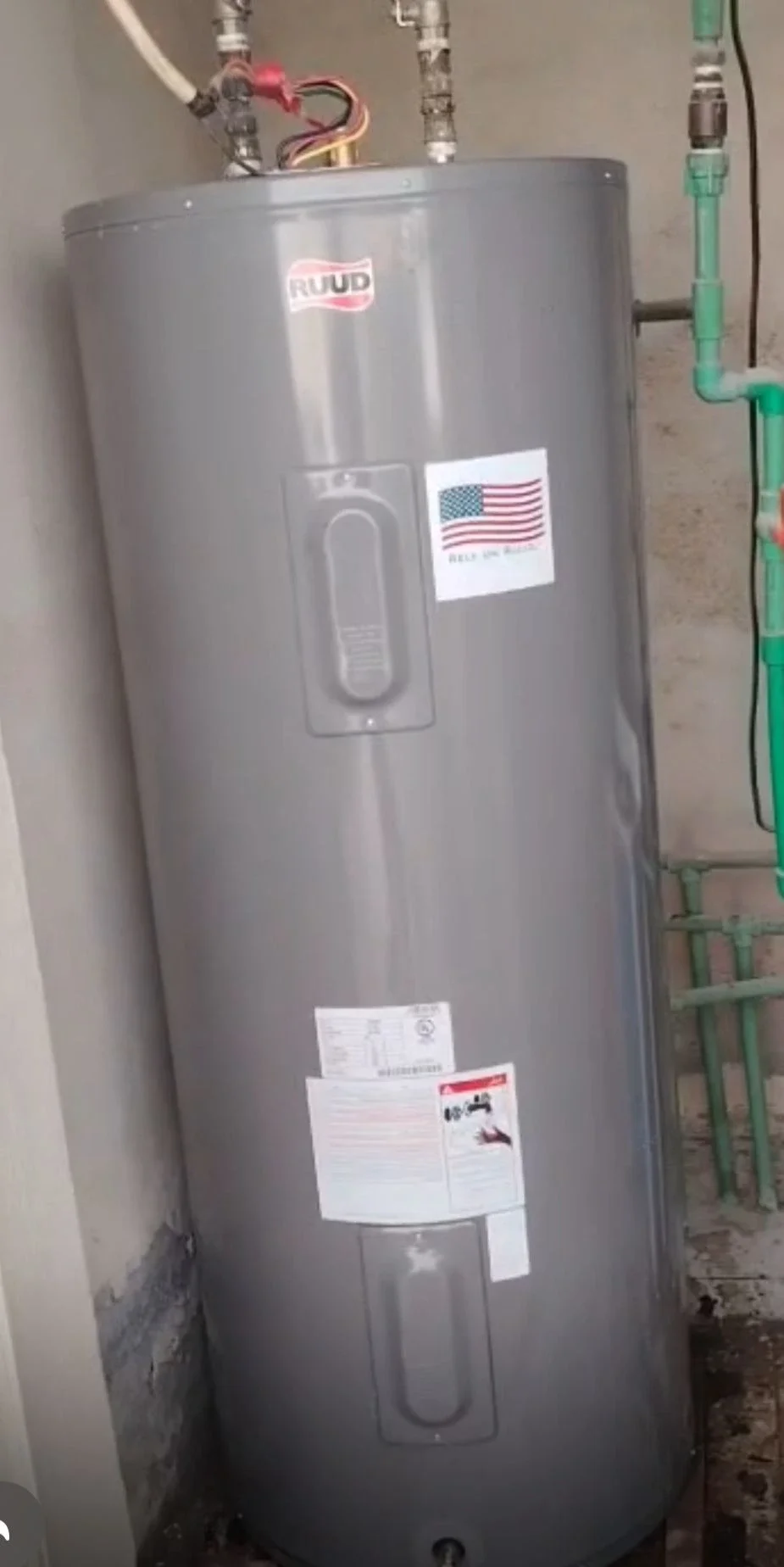
A 50-gallon water heater for apartments can be a very practical choice in many situations because apartment hot-water networks are often shorter than those in villas, there may be fewer active outlets, and installation space is usually more limited. However, this does not mean every apartment should automatically use the same capacity.
An apartment with two bathrooms and a family whose usage is distributed throughout the day is completely different from another apartment with the same two bathrooms but five or six people all preparing for work or school within the same hour. The type of property therefore does not determine capacity; the behavior of the occupants does.
One advantage of the 50-gallon category is that manufacturers offer it in different physical configurations. A. O. Smith, for example, has 50-gallon Short models and 50-gallon Tall models. The ENS-50 is currently classified as Short, while the ENT-50 is a Tall model, and the two have different dimensions and performance characteristics even though they share the same nominal capacity.
This is particularly important in apartments because the installation area can be tight. It is not enough to say, “The old heater was 50 gallons, so any 50-gallon model will fit.” You should measure:
Available height
Diameter or width
The delivery path into the installation area
Connection locations
And the clearance needed to reach elements and valves during future maintenance
You should also separate storage capacity from water pressure. Installing a larger heater will not solve weak shower pressure if the real problem is the plumbing network or booster system. Storage controls how much hot water is available, while water pressure and flow are separate issues.
Al Arabi Orchid currently lists 50 gallons among the capacities it supplies in American central water heaters. For apartments with moderate demand, it makes sense to evaluate this size first instead of immediately moving to a larger heater simply “to be safe.”
-
An apartment does not automatically require 50 gallons but shorter piping and moderate usage can make it a very balanced option
-
Tall and Short models can differ in physical dimensions and performance even when both are marketed as 50-gallon heaters
-
Future maintenance clearance is as important as the space required to fit the heater because elements and valves need to remain accessible
-
A larger storage tank does not fix low system pressure because storage capacity and water-pressure problems are completely different
-
Apartments with heavy simultaneous morning use should calculate Peak-Hour Demand just like a villa instead of relying only on apartment size
50-Gallon Central Water Heater Energy Consumption
When discussing 50-gallon central water heater energy consumption, it is important to separate storage capacity from electricity consumption. The figure 50 gallons tells you the general tank category, but it does not tell you how much electricity the heater will use every day.
Actual consumption depends on several factors:
Heating-element wattage
How much hot water is drawn
Incoming water temperature
The thermostat setting
Tank insulation
Standby losses
And the efficiency of the model
For example, the current A. O. Smith ENS-50 uses two 4,500-watt elements and has a published UEF of 0.92, while its First-Hour Rating is 57 gallons. The ENT-50 Tall also uses two 4,500-watt elements but has an FHR of 62 gallons. This shows that even heaters with similar nominal capacity and element ratings can differ in important performance indicators.
It is also important not to confuse Wattage with daily energy use. A 4.5 kW heating element does not automatically consume 4.5 kWh during every hour of the day. The element operates when the heater needs to restore heat and switches off when the thermostat reaches its set temperature.
If electricity use suddenly rises, do not immediately blame tank capacity. Daily hot-water use may have increased, there may be a hot-water leak, the thermostat setting may be higher than necessary, a recirculation system may be running for extended periods, or a maintenance issue may be causing the heater to operate more frequently.
When comparing efficiency, UEF or Uniform Energy Factor is useful because it provides a standardized measure of water-heater efficiency. A higher UEF generally indicates greater efficiency under the applicable test procedure, although actual operating cost still depends on household usage, energy prices, and installation conditions.
-
The 50-gallon figure describes the storage category and does not determine daily electricity consumption without information about the model and usage
-
Heating-element wattage describes instantaneous electrical input while operating and is not a fixed energy-use figure across 24 hours
-
Unnecessarily high temperature settings can increase heat loss and should not be used as a random solution to insufficient capacity
-
If electricity use changes significantly review usage leakage maintenance and temperature settings before assuming tank size is responsible
-
When comparing two models look at UEF FHR and heating input together rather than choosing by gallon capacity alone
What Size Home Is Suitable for a 50-Gallon Water Heater?

Searching for what size home is suitable for a 50-gallon water heater requires correcting one common assumption: the square meters of the building do not consume hot water. The real demand comes from the people, their usage habits, shower duration, and the number of fixtures using hot water during the same period.
A 100-square-meter home with six residents may consume more hot water than a 400-square-meter house occupied by only two people. Property size is therefore more useful for understanding plumbing distribution and distance between the heater and bathrooms than for directly calculating storage capacity.
If the house is large and the farthest bathroom is a long distance from the heater, you may notice a delay before hot water arrives. Increasing the tank from 50 to 80 or 120 gallons does not shorten the piping. In that case, the distribution system or a hot-water recirculation solution may be the area that needs evaluation.
On the other hand, a smaller property may have three bathrooms with two of them used simultaneously every day. Even though the building is smaller, Peak Demand can still be high.
Instead of asking, “How many square meters is 50 gallons suitable for?” ask:
How many people use hot water?
How many bathrooms operate at the same time?
How long are the showers?
Is there a bathtub?
Does kitchen or other hot-water use overlap with showers?
Proper water-heater sizing focuses on Peak-Hour Demand and First-Hour Rating rather than building floor area.
-
Building size alone is not a reliable measure of heater capacity because demand is created by users and their hot-water habits
-
A large home with few residents may be better suited to 50 gallons than a smaller home with heavy simultaneous usage
-
Long plumbing distances explain delayed hot-water arrival but do not prove that the storage tank is too small
-
The number duration and overlap of showers provide more useful sizing information than the number of rooms or square meters
-
Use house size to evaluate distribution and installation location and use Peak-Hour Demand to evaluate heater capacity
How Many Bathrooms Can a 50-Gallon Water Heater Serve?
The question how many bathrooms can a 50-gallon water heater serve also needs a careful answer because having three bathrooms on the property plan does not mean the heater must supply all three at maximum flow at exactly the same time. One bathroom may rarely be used, while two others may create most of the daily demand.
The better metric is Simultaneous Demand. A house with two bathrooms that are both used every morning at the same time may create a higher load than a house with four bathrooms where family members use them one after another.
Shower flow rate also matters. The higher the showerhead flow, the faster hot-water reserves are used. If two showers operate at the same time, total water demand increases rapidly.
However, the calculation is not simply shower GPM multiplied by time because the water at the shower is usually a mixture of hot and cold water. The hot-water fraction depends on tank temperature, incoming cold-water temperature, and the desired shower temperature.
In practical terms, a 50-gallon heater can serve a home with more than one bathroom when usage is moderate and staggered. The same heater may operate close to its limit when two or more bathrooms are used heavily and simultaneously.
This is where First-Hour Rating again becomes useful. The ENS-50, for example, provides 57 gallons of FHR, while the ENT-50 provides 62 gallons, so the usable margin differs even within the 50-gallon category.
-
The number of bathrooms used during the same period matters more than the total number of bathrooms in the property
-
High-flow showerheads use the available hot-water reserve faster than lower-flow fixtures even when shower duration is the same
-
Having three bathrooms does not automatically mean 50 gallons is too small when usage is staggered
-
Two bathrooms used simultaneously for long periods may create more demand than four bathrooms used one after another
-
When requesting a capacity assessment explain how many bathrooms are actually used during peak hour rather than only how many appear on the floor plan
Choosing a 50-Gallon Water Heater

Choosing a 50-gallon water heater requires a clear technical checklist that is stronger than relying only on brand name or price.
The first item is First-Hour Rating. The current A. O. Smith ENS-50 provides 57 gallons during the first hour, while the ENT-50 Tall provides 62 gallons. This proves that the same nominal storage category does not guarantee the same hot-water output.
The second item is Recovery Rate, because you need to know how quickly the heater can replace the hot water that has already been drawn.
The third item is Rated Storage Volume. The ENS-50, for example, is marketed as Nominal 50 gallons while its currently published Rated Storage is 46 gallons. You should therefore not assume the commercial number always equals the exact usable storage figure.
The fourth item is Wattage and Voltage, because electrical compatibility must be confirmed using the actual model rather than simply the tank size.
The fifth item is physical dimensions and tank configuration. Short and Tall designs offer different installation options depending on available space.
The sixth item is UEF efficiency when that information is available.
The seventh item is warranty and spare-parts availability.
Al Arabi Orchid currently states that it supplies and installs Ruud, Bradford White, A. O. Smith, Americana, Rheem, and Richmond, with 50 gallons included among the available capacities. Its main service information currently advertises 6 years of tank coverage and 2 years on heating elements, but it is still better to receive the exact written warranty for the specific model being supplied because warranty wording can vary between products and service pages.
If you are deciding between 50 and 65 gallons, do not start with the price difference. Start with this question: does the FHR of the 50-gallon model cover your Peak Demand with a reasonable margin? If yes, you may have no reason to pay for more capacity. If not, moving to the next size has a clear technical justification.
-
Compare First-Hour Rating before relying on brand name because differences within the 50-gallon category can noticeably change user experience
-
Review Rated Storage so you know the actual storage volume rather than relying only on Nominal Capacity
-
Match Wattage and Voltage to the property electrical supply before purchase so unexpected electrical modifications do not appear after delivery
-
Measure height diameter and service clearance because Short and Tall models differ even within the same capacity category
-
Choose between 50 65 or 80 gallons according to peak-hour demand and real model performance rather than price difference alone
Using a 50-Gallon Water Heater in Kuwait
Using a 50-gallon water heater in Kuwait works well when tank capacity, model performance, and household usage are properly matched. One of the biggest mistakes is buying the heater simply because “this is the common size” without checking whether the actual model fits the property.
In an apartment or small-to-medium-sized home where hot-water use is spread throughout the day, 50 gallons can be a very balanced solution. It can also perform extremely well in a larger property with only a few residents. However, if the home has several bathrooms and heavy simultaneous morning usage, the calculation should happen before purchase rather than discovering after installation that the system is operating near its limit.
After installation, monitor how performance changes over time. If the heater used to serve the home comfortably and then after several years hot water begins running out more quickly, do not automatically move to 65 or 80 gallons. Inspect the heating elements, thermostat, sediment condition, and any changes in household usage. Sometimes the problem is maintenance rather than sizing.
You should also avoid raising the thermostat randomly to compensate for insufficient hot water. Higher storage temperature increases scalding risk and changes standby heat loss, so temperature settings should remain safe and within the heater manufacturer’s instructions.
Al Arabi Orchid currently lists American water heaters in capacities including 50, 65, 80, and 120 gallons and advertises service across all six governorates of Kuwait. Because capacity conversions can sometimes be written inconsistently on service-provider pages, the safest approach is to rely on the gallon rating on the actual heater data sheet and convert it accurately when needed. Fifty US gallons equals approximately 189 liters.
Having several capacities available is useful because it allows the customer to choose according to demand rather than forcing one size onto every property.
-
Do not change heater capacity simply because performance declines after several years before inspecting maintenance issues that may reduce available hot water
-
Do not increase temperature settings randomly to compensate for insufficient capacity because user safety matters more than trying to create additional mixed-water volume
-
Monitor heater performance during the busiest household hour because this is the most realistic test of whether the chosen size is comfortable
-
Having 50 65 80 and 120-gallon options allows comparison based on actual demand rather than automatically buying the largest size
-
Before buying call 99346138 explain your usage pattern and request model information including FHR Rated Storage and Wattage when available
Conclusion
The question 50-Gallon Central Water Heater: Is It Right for Your Home? cannot be answered by household size alone. If we are referring to 50 US gallons, the nominal storage capacity is approximately 189 liters, although actual Rated Storage can differ slightly depending on the design of the model. The A. O. Smith ENS-50, for example, is nominally classified as 50 gallons while its published Rated Storage is 46 gallons.
The most important figure after storage capacity is First-Hour Rating. This estimates the amount of hot water a storage heater can deliver during the first hour when it begins with a fully heated tank. Proper sizing becomes much more accurate when FHR is compared with household Peak-Hour Demand instead of relying only on tank size.
The difference within the 50-gallon category itself can be significant. The current A. O. Smith ENS-50 provides an FHR of 57 gallons, while the ENT-50 provides 62 gallons, even though both are nominally 50-gallon heaters. These figures do not apply to every 50-gallon heater, but they demonstrate that the specific model matters just as much as nominal capacity.
In practical terms, 50 gallons may be suitable for:
A small or medium-sized family with distributed hot-water use
An apartment with one or two bathrooms and no heavy simultaneous demand
A larger property with only a few residents
Or a family whose Peak-Hour Demand remains within the selected model’s performance
It may become limiting when the home has several long consecutive showers, a large bathtub, or two or more bathrooms being used simultaneously every day.
Do not rely only on the size of the property or the number of bathrooms shown on the floor plan. Base the decision on what is actually being used during the busiest hour.
Al Arabi Orchid currently lists 50 gallons among the American central heater capacities it supplies alongside 65, 80, and 120 gallons, with brands including Ruud, Bradford White, A. O. Smith, Americana, Rheem, and Richmond.
Before calling 99346138, prepare:
The number of household members
The number of bathrooms used at the same time
Average shower duration
Whether the home has a bathtub
Any other hot-water use happening during the same period
And the model you are considering
Then request a comparison of Rated Storage, First-Hour Rating, Recovery Rate, Wattage, dimensions, and warranty. This is how you determine whether 50 gallons genuinely fits your home or whether 65 or 80 gallons would provide a better performance margin without buying far more capacity than you need or choosing a tank that is too small for everyday comfort.
Frequently Asked Questions
How many liters is a 50-gallon water heater?
If we mean 50 US gallons, the nominal capacity is approximately 189 liters. However, some heaters marketed as 50-gallon models have a slightly lower Rated Storage Volume, so the model specification sheet remains the final reference.
How many people can a 50-gallon water heater serve?
There is no single number that applies to every household. Household size matters, but shower duration, simultaneous usage, and the model’s First-Hour Rating matter more. A 50-gallon model may comfortably serve a small or medium-sized family with distributed usage, while a smaller family with heavy simultaneous demand may need a larger capacity.
Is 50 gallons enough for four people?
It can be, but there is no guarantee. Four people who shower at different times create a very different demand pattern from four people using two bathrooms and the kitchen during the same morning hour. The better approach is calculating Peak-Hour Demand and comparing it with the model’s FHR.
Is a 50-gallon water heater suitable for two bathrooms?
It can be suitable when bathroom use is moderate or staggered. If both bathrooms are used simultaneously every day for long periods, flow and peak-hour demand should be calculated before making the decision.
What is First-Hour Rating and why does it matter?
It is an estimate of the maximum amount of hot water a storage heater can deliver during an hour that begins with a fully heated tank. FHR provides a practical picture of performance because it reflects both stored water and recovery capability rather than relying on nominal gallon capacity alone.
Do all 50-gallon water heaters provide the same amount of hot water?
No. The current A. O. Smith ENS-50 has an FHR of 57 gallons, while the ENT-50 provides 62 gallons. That is why you should compare the actual model instead of assuming every 50-gallon heater performs the same way.
Is a 50-gallon heater suitable for a villa?
It can be when household size and peak-hour demand are low or moderate. The word “villa” does not automatically mean you need 80 or 120 gallons because building size alone does not determine hot-water consumption.
If 50 gallons is no longer enough should I immediately switch to 65 gallons?
Not before inspection. If the heater served the household well previously and its performance has recently changed, the cause may be a heating element, thermostat, maintenance issue, or an actual increase in household demand. If the current demand genuinely exceeds the heater’s capability, then comparing 65 or 80 gallons makes sense.
Does a 50-gallon heater always use less electricity than an 80-gallon heater?
Not necessarily. Electricity consumption depends on heating-element input, hot-water demand, temperature settings, insulation, standby losses, and model efficiency. Tank capacity is only one part of the calculation and cannot determine daily energy consumption by itself.
How do I know whether a 50-gallon heater is right for my home before buying?
Identify the busiest hour of hot-water use and estimate the number and duration of showers and simultaneous bathroom use. Then request the model specifications, especially First-Hour Rating, Recovery Rate, Rated Storage, Wattage, and UEF when available. You can also contact Al Arabi Orchid on 99346138 to compare 50 gallons with other available capacities according to your household requirements.