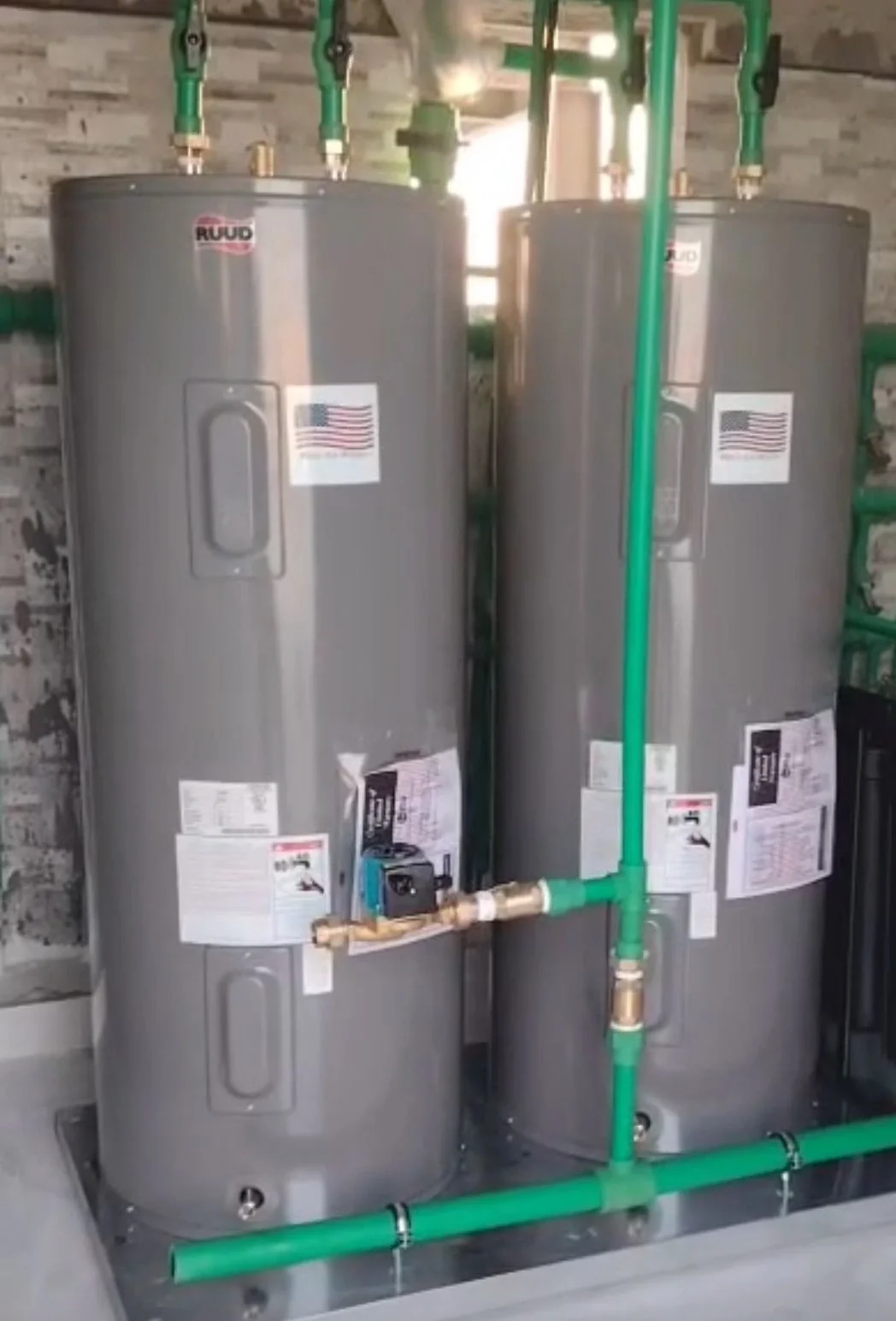
If the central water heater gives you hot water at first but the temperature starts dropping after ten minutes or after the first two showers, do not immediately assume the tank is too small or replace the heater. The problem may genuinely be related to capacity, but it could also be a failed heating element, a thermostat that is not controlling the heating cycle correctly, sediment affecting performance, or unwanted mixing between hot and cold water somewhere in the plumbing system. The key is how the problem appeared. Has the heater never been able to meet the household demand since installation, or did it work perfectly for years and then change? Checking this difference can prevent you from buying a new heater when the real problem is repairable.
Hot water runs out quickly
When hot water runs out quickly, the first question should not be, “What larger heater should I install?” The better question is, “Has the amount of hot water actually changed compared with before?” This distinction separates a capacity issue from a performance issue. If the same heater served the same household normally for years and then suddenly began running out sooner, it is less likely that the tank capacity itself suddenly became unsuitable. A fault or a reduction in the performance of one component becomes more likely.
In an electric central water heater, one heating element can fail while another element continues working. In that situation, the water does not become completely cold, which can mislead the homeowner. You may still get hot water at the beginning, but the available quantity or recovery speed is no longer what it used to be. This is one of the main reasons inspection should come before replacement.
Sediment and mineral scale can also contribute. If deposits collect on the heating elements or inside the tank, performance may decline gradually and the heater can take longer to replace the heat lost after hot water is used. However, an older heater should not automatically be blamed on sediment because heating-element or thermostat faults can create similar symptoms.
You should also check whether the problem occurs at every faucet and bathroom or only in one location. If hot water works normally in the kitchen and another bathroom but becomes cold quickly in one shower, the problem may be the local mixing valve or shower control rather than the central heater itself.
The timing of the temperature drop matters as well. If the first full shower is normal and the second shower begins getting cold during repeated use, capacity and recovery performance become important. If the temperature suddenly changes from hot to cold within the same shower, a control or mixing problem may need a different diagnostic approach.
Consider a practical example: a home used the same heater with the same number of residents for years without complaints, but suddenly the last person in the household only receives lukewarm water. Before buying a larger tank, the heating elements, thermostats, sediment, and plumbing behavior should be inspected because increasing the tank size may hide the actual fault instead of fixing it.
-
If the heater used to meet household demand but hot-water quantity decreased without any clear increase in usage then checking for faults should come before assuming the tank has become too small
-
Having some hot water at the beginning does not prove that every heating element is working because certain element failures allow the heater to continue producing heat at reduced performance
-
If the issue appears in only one bathroom while the rest of the home works normally then the shower valve mixing cartridge or local distribution line should be checked before blaming the central heater
-
Gradual decline combined with longer recovery time can point toward sediment or weakening heating components but inspection is still needed to confirm the actual cause
-
The exact point when the water changes from hot to lukewarm provides useful information because running out after long use is different from unstable temperature only a few minutes into a shower
-
Replacing the heater before identifying the cause can lead to paying for a new unit while the real issue remains in a heating element control component or mixing point elsewhere in the plumbing system
The heater does not provide enough hot water for the household
When the heater does not provide enough hot water for the household, you need to separate a heater that was undersized from the beginning from one that used to be adequate and later stopped keeping up. These are not the same problem and should not lead to the same decision.
If the heater has always run out after two people shower even though the home has a large family with several consecutive showers, then the tank capacity or recovery performance may genuinely be lower than the household’s peak demand. In this situation, evaluating heater size is reasonable, but the number of residents alone is not enough. Two people taking long showers at the same time can use more hot water than a larger family whose use is spread throughout the day.
The number of bathrooms is also not a complete rule. A villa with four bathrooms does not mean all four are used at once. What matters is simultaneous demand: how many showers operate during the same period and whether the kitchen or other hot-water fixtures are also being used.
The heater’s previous performance is another useful clue. If the same capacity served the household comfortably in the past but the number of residents increased or shower habits changed and several people now use hot water within one hour, the existing heater may simply be facing more demand than before.
If nothing in the household has changed and the heater suddenly no longer provides enough hot water, pause before recommending a larger tank. Testing the heating elements, thermostats, mineral scale, and recovery rate may reveal that the problem is not tank size at all.
In some homes, the user believes a larger heater is needed because the shower gets cold near the end, while the actual issue is excessive cold-water mixing or a very high-flow shower head. Flow rate directly affects how quickly stored hot water is consumed and should be considered in the overall diagnosis.
Raising the temperature setting randomly is not the correct solution either. Higher temperatures increase the risk of scalding and require appropriate system design and mixing control where applicable. The better approach is to identify the actual reason the hot water is running out.
For example, if a household grew from three people to six and four residents now shower within one hour, the increase in demand is obvious and capacity deserves reevaluation. If the family size is unchanged but performance deteriorates within a week, the heater should be diagnosed before a larger tank is considered.
-
The number of household members helps estimate demand but does not tell the whole story because shower duration flow rate and simultaneous use can change consumption substantially
-
A heater that has been undersized since installation is different from a unit that loses performance after years of satisfactory service so the history of the problem matters
-
An increase in residents or more closely scheduled showers can make a previously suitable tank too small even when the heater itself has no fault
-
If household usage is unchanged while hot-water quantity suddenly falls the heater should be inspected before moving directly to a larger capacity
-
Shower flow rate and simultaneous kitchen and bathroom use matter because tank demand depends on how much hot water is drawn over a short period
-
Increasing the thermostat setting without proper assessment is not a safe substitute for diagnosing a capacity or performance problem because higher temperatures involve separate safety concerns
Hot water runs out too fast
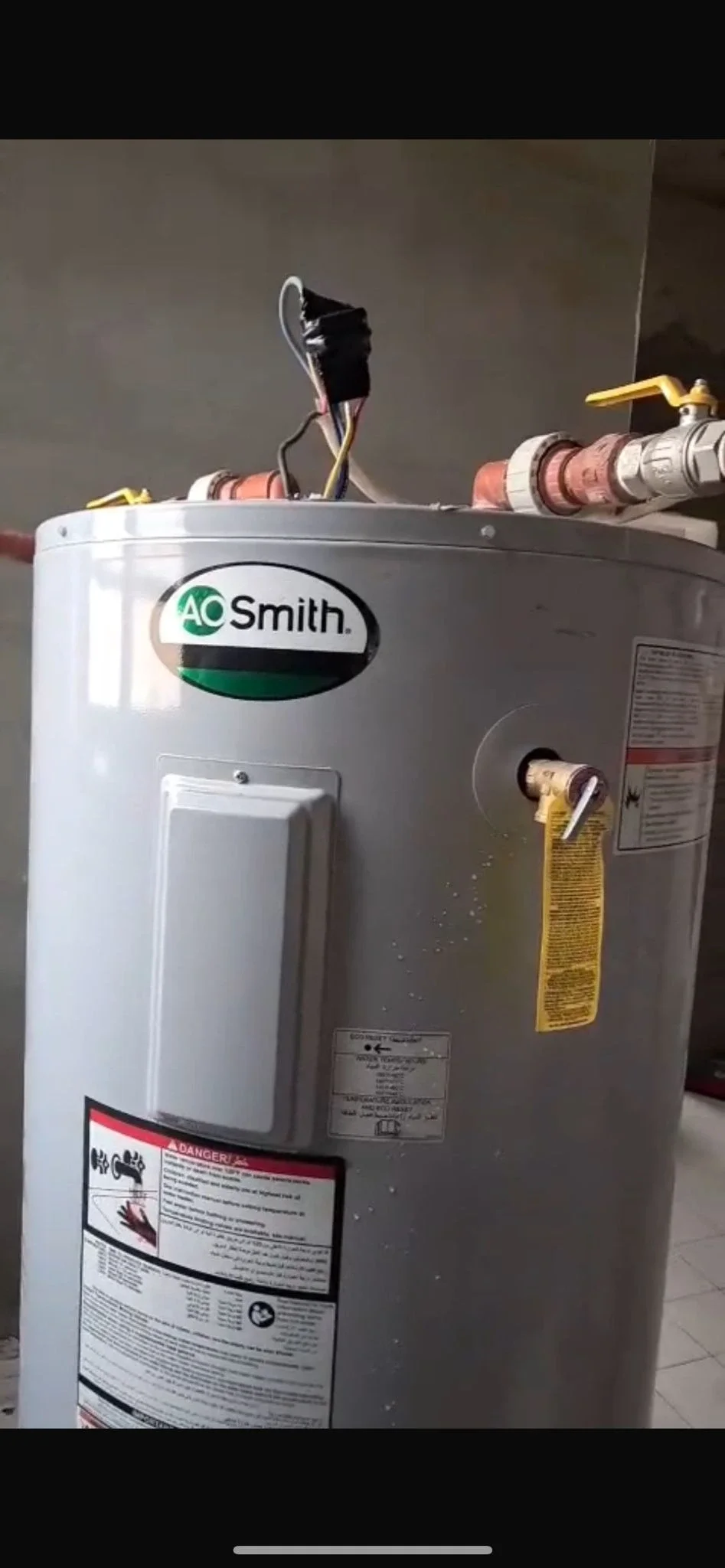
When hot water runs out too fast, you first need to define what “too fast” actually means. Does the water remain hot for twenty minutes and then gradually cool? Does it begin hot but turn lukewarm after five minutes? Does hot water return after waiting for a while? Or does the temperature alternate unpredictably between hot and cold? Each pattern points toward a different diagnostic direction.
If the water starts at a normal temperature and gradually cools as use continues, the heater may simply be using its stored hot water faster than it can recover. This becomes more noticeable during peak periods when several people use hot water consecutively.
If the amount of hot water suddenly seems to be only half of what it used to be, checking the heating elements becomes important. Some electric heaters use more than one element in a controlled sequence, and if one element fails, the heater can lose a significant amount of effective heating performance even though it still produces some hot water.
If the heater eventually produces hot water again but takes much longer than it used to, the recovery rate deserves attention. Scale on the heating elements, a control problem, or an element no longer operating at full capacity can all slow the return of usable hot water after the tank has been partially depleted.
If the water becomes cold suddenly and then hot again during the same shower, however, that pattern may point more toward a mixing valve or plumbing issue than actual depletion of the tank. Certain mixing problems allow excessive cold water to enter the flow and make the user think the heater has run out.
The incoming cold-water temperature also affects the result. When colder water enters the tank, the heater needs more energy and time to raise it to the desired temperature, which can reduce the amount of immediately usable hot water under demanding conditions.
You should also consider whether there is a hot-water leak or another fixture being used elsewhere. Hot-water consumption from another location can reduce the available supply without the person taking the shower realizing it.
A practical example is a shower that used to remain comfortably hot for fifteen minutes but now becomes cold after seven minutes even though household conditions have not changed. That measurable difference matters. It indicates that something has changed in the heater or plumbing system rather than simply suggesting that a larger tank is needed.
-
Estimating how many minutes pass before the temperature starts falling helps compare current performance with previous performance instead of relying only on the general statement that hot water runs out quickly
-
Hot water returning only after a much longer wait than before points toward recovery performance heating elements and sediment rather than tank size alone
-
A clear reduction in usable hot-water quantity deserves inspection of the heating elements because the heater may continue producing heat even when one element is not doing its job
-
Sudden temperature swings during the same shower are different from gradual tank depletion and may direct attention toward the shower valve or unwanted mixing in the plumbing network
-
Colder incoming water and higher flow rates reduce the amount of usable hot water available during a short period even when the heater itself is functioning normally
-
Comparing the current usable shower duration with a previously stable duration gives the technician stronger diagnostic information than selecting a larger heater based on guesswork
Central heater does not provide enough hot water
If you have a central heater that does not provide enough hot water, proper diagnosis starts by determining whether the issue is the stored quantity itself, the heater’s ability to recover after water is used, or a fault that has reduced performance below normal. All three situations can make the homeowner feel that the heater “no longer provides enough,” but the solution is completely different in each case.
If the tank has always been too small for household demand, the problem usually appears from the beginning. The first person may receive normal hot water but the available amount drops quickly during peak periods. In this case, reviewing capacity makes sense because the heater may be operating correctly while serving demand that exceeds its design.
If the heater used to provide enough water and then gradually or suddenly stopped doing so, replacement should not be the first decision. A weak heating element, thermostat problem, or sediment buildup can reduce performance even though the tank capacity itself has not changed.
Another important point is that the “amount of hot water” does not depend only on tank volume. The temperature inside the tank, how quickly water is being drawn, and how much cold water is mixed with the hot supply all affect how much usable hot water the customer experiences.
If the heater is set correctly but a mixing valve is allowing more cold water than it should, the user can experience lower water temperature even while the tank still contains properly heated water.
The plumbing network should also be considered. A leak in the hot-water line, another fixture drawing water, or a faulty mixing valve allowing unwanted crossover can make the system appear undersized when the tank is not the real problem.
You also need to know whether the problem affects the entire home or only one area. A central heater that supplies the kitchen and two bathrooms normally while one bathroom has poor hot-water performance points more toward a local fixture or distribution problem than the need to replace the whole heater.
-
A heater that has never provided enough hot water usually requires a different capacity assessment from a heater that performed well and later lost part of its output
-
The usable amount of hot water depends on tank temperature flow rate and cold-water mixing rather than tank size alone
-
If the issue affects only one bathroom while the other fixtures are normal then the local mixing valve or distribution line should be checked before blaming the central heater
-
Loss of performance after years of normal operation directs inspection toward the heating elements thermostat and sediment before purchasing a larger unit
-
A leak on the hot-water line or unnoticed demand from another fixture can reduce available hot water even when the tank itself is correctly sized
-
Heater adequacy should be judged from whole-house performance and peak-demand patterns rather than from one isolated use
Reduced amount of hot water
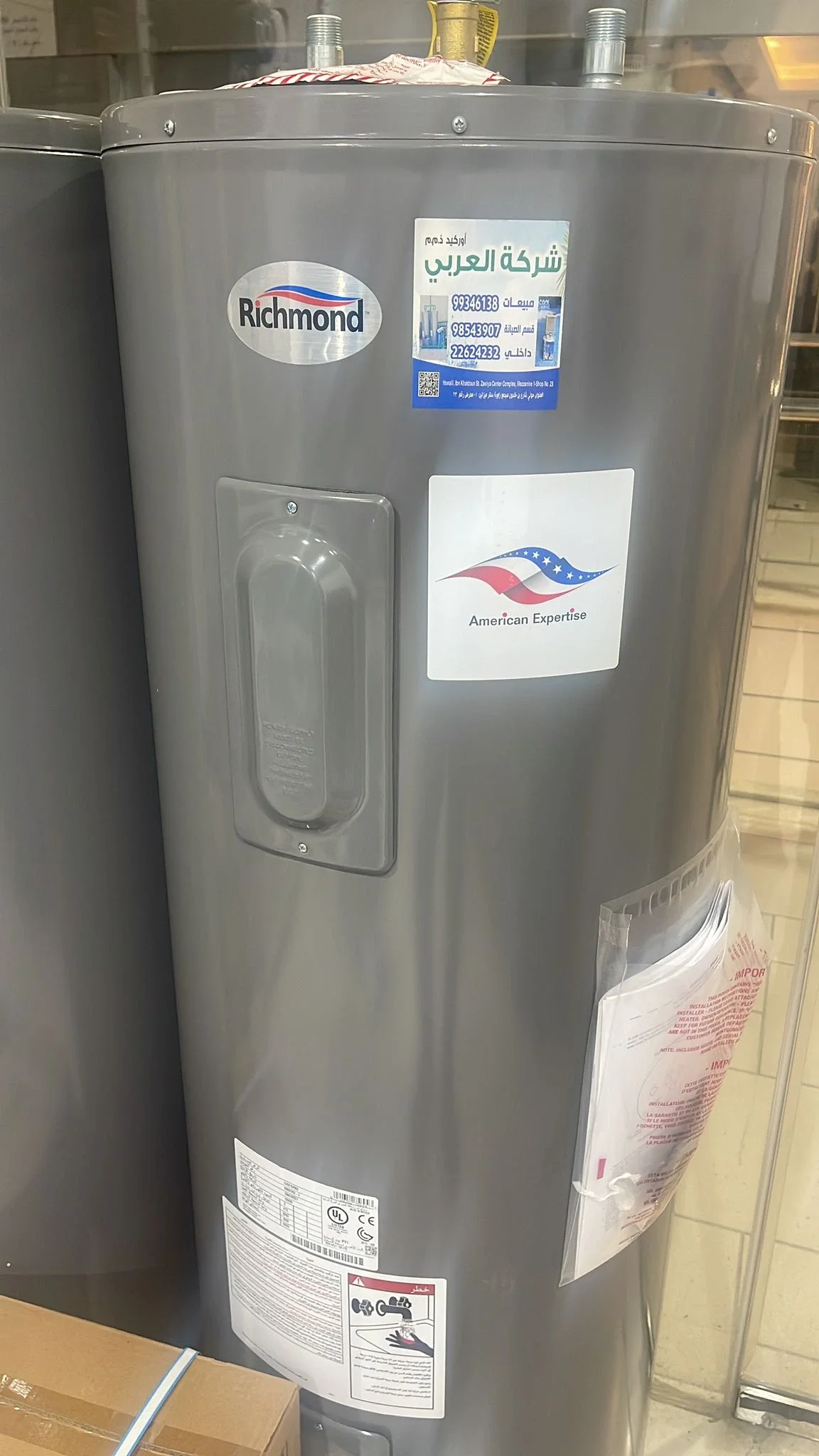
A reduced amount of hot water is different from having no heat at all. In the first situation, the heater still works but delivers less than before or runs out sooner, while in the second situation the fault is usually more obvious. This difference helps narrow down where the problem may be.
If usable hot-water quantity declines gradually over several months, sediment buildup, weakening heating performance, or changes in the way the heater operates may be involved. A slow decline points toward a different diagnostic route from a problem that appears suddenly in one day.
If the reduction appears suddenly, electrical or control faults become more likely. In some electric heaters, having multiple heating elements means that failure of one element does not always make the water completely cold but can significantly reduce the heater’s performance.
It is also useful to determine whether the water temperature itself is lower than before or whether the initial temperature is normal but does not last as long. If the water is lukewarm from the beginning, the thermostat or a heating element may not be reaching the required temperature. If the water starts properly hot and then cools quickly, capacity, recovery, and mixing become more important.
Sediment inside the tank may also reduce effective performance or interfere with heat transfer depending on the type of buildup, but it should not be assumed to be the cause without inspection.
High flow rate is another possibility. A high-flow shower head or simultaneous use of several fixtures can empty the stored supply more quickly even when the heater is in good condition.
Most importantly, a lower hot-water quantity is not always solved by buying a larger heater. If the actual problem is a failed component inside a correctly sized tank, purchasing a bigger unit increases cost without addressing the underlying fault.
For example, a home that comfortably supported three consecutive hot-water uses but suddenly can barely support two should be compared with its own previous performance. That change is more informative than simply asking whether the heater capacity is too small.
-
Reduced quantity is different from complete loss of heating because the heater can continue operating partially even when a fault has lowered its performance
-
The difference between water that is lukewarm from the beginning and water that starts hot but cools quickly helps direct inspection toward controls capacity or recovery performance
-
Failure of one heating element can reduce heater output without making the entire tank cold which is why electrical testing matters
-
High shower flow or simultaneous use can consume the stored supply rapidly and create the impression that hot-water quantity has dropped
-
A decline compared with the heater’s previous performance gives stronger evidence than judging capacity without knowing the history of the system
-
Buying a larger heater is not logical when the real problem is a fault inside a unit whose capacity was previously sufficient
The heater does not last through shower time
When the heater does not last through shower time, the first thing to identify is whether the problem affects the very first shower or only appears after several consecutive uses. If the first person already experiences a very short supply of hot water, an equipment fault, mixing issue, or excessive flow rate may be more likely than simple undersizing.
If the first shower is completely normal but the second or third begins getting cold, tank capacity and recovery performance become much more relevant. The heater needs time to heat the cold water entering the tank to replace what was used, and several showers close together may not give it enough time to recover fully.
Shower duration itself matters. A difference of five or ten minutes per person can significantly change hot-water consumption, especially when the shower head has a high flow rate.
Tank temperature also affects available hot-water duration, but it should not be raised randomly because safety comes first. Any adjustment should remain within appropriate operating conditions and the design of the system.
If the problem began after installing a new shower head or mixing valve, the flow rate or mixing behavior may be the real cause. Sometimes the user associates the timing with the heater even though the actual change happened at the point of use.
If shower duration has remained the same but hot water now runs out sooner than before, heating elements, sediment, and thermostats should be checked before choosing a larger tank.
In villas with bathrooms located far from the heater, a portion of the hot water may be lost while waiting for it to reach the fixture. Distribution design or a recirculation system can therefore affect the perceived adequacy of the heater and should not automatically be treated as a tank-capacity problem.
-
If even the first shower is much shorter than normal then faults mixing problems or unusually high flow should be checked before assuming the tank is undersized
-
If the problem appears only after consecutive showers then tank capacity and heat-recovery performance become central parts of the diagnosis
-
Shower duration and shower-head flow rate can change tank consumption substantially even when the number of household members remains the same
-
A problem that starts after replacing the shower or mixing valve may come from changed flow or mixing rather than a new fault inside the heater
-
Hot water running out sooner than before under the same usage pattern requires internal performance testing before installing a larger tank
-
Long distribution lines and delayed hot-water delivery can waste part of the stored supply before actual use and affect how adequate the heater feels
Central water heater capacity problem
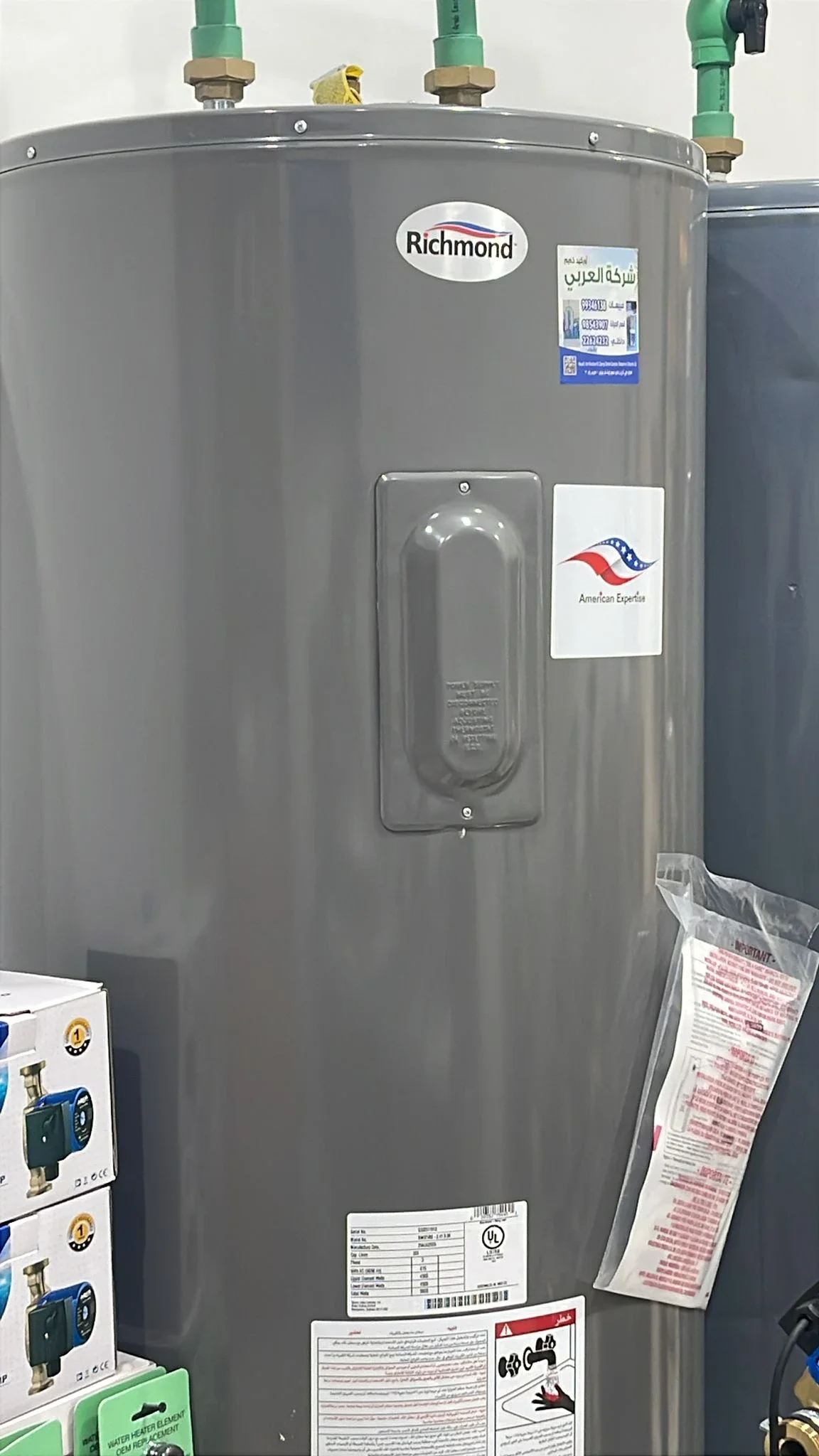
A central water heater capacity problem appears when hot-water demand is greater than the stored supply and the heater’s ability to recover during the period of use. Before concluding that tank size is the problem, however, you need to confirm that the heater is operating at full capacity because a unit with a failed heating element can feel very similar to an undersized heater.
The first sign pointing toward a genuine capacity issue is that the heater has always struggled during peak demand or started struggling only after household demand increased. It may work perfectly during quiet parts of the day but lose temperature when three or four people use the bathrooms one after another.
The second useful sign is that performance improves clearly when the heater is given enough time between uses. In that situation, the heater may be heating correctly but simply needs more time to replace the energy lost during heavy demand. This is different from a heater with a failed element that may remain weak even after a longer recovery period.
You should also ask whether the home itself has changed. The household may have grown from four people to seven, an additional bathroom may now be used regularly, or shower schedules may have become much closer together. A capacity that worked well several years ago can become inadequate when demand changes.
If the number of users and their habits remain unchanged while performance suddenly declines, it should not automatically be called a capacity issue. The physical tank size did not suddenly shrink. Something about the heater or plumbing system has probably changed.
Flow rate also matters. A higher-flow shower empties the stored hot water faster than a lower-flow fixture even if shower duration is identical. Calculating required capacity using only the number of people therefore gives an incomplete picture.
Another mistake is choosing a much larger tank simply because the homeowner is worried about running out of hot water. Oversizing without a real need means a larger appliance, more installation space, and higher cost without necessarily providing useful value.
-
A genuine capacity problem appears most clearly during simultaneous or consecutive peak use while the heater may perform normally during quieter periods
-
Clear improvement after allowing sufficient recovery time suggests demand may be exceeding the system’s peak capability rather than the heater having a total failure
-
More household members or changed shower habits can make a previously suitable capacity inadequate even when the heater remains fully functional
-
Stable household usage combined with a sudden decline in performance points more toward a fault because the physical tank capacity has not changed
-
Shower flow rate matters in sizing because hot-water demand depends on how much water is drawn over time rather than the number of residents alone
-
Choosing a tank that is much larger than necessary is not automatically better because the best solution balances real demand installation space cost and recovery performance
Water becomes cold quickly
When water becomes cold quickly, the exact pattern of the temperature change matters because it can reveal a great deal about the cause. If the water begins properly hot and then gradually cools as use continues, the tank may simply be losing its stored hot-water supply faster than the heater can recover.
If the water shifts suddenly from hot to cold and then becomes hot again during the same shower, the situation is different. This pattern may direct attention toward a shower mixing valve, a central mixing valve, or pressure changes between the hot and cold lines rather than actual tank depletion.
If the issue occurs throughout the entire home, the central heater or central hot-water source becomes a stronger suspect. If it happens in only one shower, the local valve, cartridge, or branch line should be inspected first.
Tank temperature is important as well. If the thermostat does not allow the water to reach the required temperature, the water may start out only lukewarm and appear to cool much faster after mixing. If one heating element is not working, part of the tank may remain cooler than expected.
Mineral scale and sediment can also slow heat recovery. In that case, the heater may deliver an initial quantity of properly heated water but fail to replace that heat quickly enough during consecutive use.
A central mixing valve should also be included in the inspection where one is installed. If the valve is faulty or its adjustment has changed, it can reduce the delivered temperature more than expected even while the tank itself still contains hot water.
For example, if every faucet in the home starts hot and becomes cooler at roughly the same point in use, the central heater deserves attention. If only one bathroom has unstable water temperature while the kitchen and another bathroom remain normal, replacing the central heater would be an unreasonable first step.
-
Gradual temperature decline during continued use is different from sudden switching between hot and cold so the pattern of cooling itself is part of the diagnosis
-
A problem affecting every hot-water fixture points more toward the central heater while a local problem suggests checking the shower valve or individual branch
-
A thermostat or failed heating element can cause the water to start at a lower temperature or cool sooner even when the tank capacity is appropriate
-
Scale and sediment can slow recovery and become more noticeable during repeated hot-water use
-
A central mixing valve should be checked where present because it can change the temperature delivered to fixtures even when the tank itself remains hot
-
Replacing the entire heater because of a problem that affects only one fixture is usually premature because the fault may be local to the mixing valve or distribution line
Weak heater performance during peak demand

Weak heater performance during peak demand usually becomes noticeable in the morning before work or in the evening when several people use hot water within a short period. The important distinction is whether the heater is functioning normally but reaching its design limit or whether a fault becomes more noticeable under heavy demand.
If the heater works perfectly throughout the day but struggles only when two or three bathrooms are used in close succession, tank capacity and recovery rate should be reviewed. The unit may be completely healthy while the demand during that particular hour exceeds what it can provide.
If the heater now struggles even with one or two users when it previously handled much more, the possibility of a fault becomes stronger. A failed heating element, unstable thermostat, or heavy sediment buildup can reduce the heater’s effective reserve and make it run out much sooner during peak demand.
Peak demand is not just the number of people. Two showers running at the same time are different from the same two people showering consecutively because simultaneous draw removes stored hot water faster. Kitchen use at the same time adds even more demand.
Incoming water temperature also affects peak performance. The colder the water entering the tank, the more energy and time the heater needs to raise it to the required temperature, which can increase recovery time during repeated use.
In a large villa, pressure and temperature should also be separated. Low water pressure during peak use does not necessarily mean the heater is failing and may be related to the pump or plumbing network. Likewise, strong pressure does not guarantee that enough stored heat is available.
The solution is not always heater replacement. Sometimes adjusting usage patterns, repairing a heating element, removing sediment, or correcting a mixing issue restores normal performance. If the heater tests correctly and demand genuinely exceeds system capacity, then evaluating a larger tank or another appropriate solution becomes reasonable.
-
Weak performance that appears only during concentrated household use is different from poor performance throughout the entire day so the timing of the problem reveals important information
-
A healthy heater can reach its natural operating limit when simultaneous demand exceeds its storage and recovery capability
-
Peak-demand performance that is worse than what the heater previously delivered should lead to inspection of heating elements thermostats and sediment before increasing tank size
-
Kitchen and bathroom use occurring at the same time contribute to total peak load so demand should not be calculated from showers alone
-
Colder incoming water increases the work required from the heater and can extend recovery time during consecutive use
-
Moving to a larger heater becomes reasonable only after confirming that the current heater is working at full performance and that the real problem is demand exceeding system capability
Inspecting a heater that does not retain heat
When inspecting a heater that does not retain heat, the first step is to define what “does not retain” actually means. Does the water inside the tank lose temperature quickly even when nobody uses it, or does the hot water only disappear during active use? These are different situations because heat loss during storage is not the same as consuming the stored supply during showers.
If the heater remains unused for several hours and the water is much cooler than expected afterward, several possibilities should be considered. The temperature setting may be too low, the control system may not be maintaining the target temperature correctly, heat loss may be higher than normal, or there may be constant unwanted mixing within the plumbing system.
If the tank retains heat while no one is using water but becomes cold quickly once demand begins, attention shifts more toward stored quantity, draw rate, and the heating elements’ ability to replace the heat lost as cold water enters.
Tank insulation plays a role in reducing standby heat loss, but it should not be judged simply by touching the outside of the heater. Some homeowners feel warmth on the tank jacket and assume insulation has failed, but external surface temperature alone is not a reliable diagnosis because heater construction differs between models.
Hidden hot-water use should also be considered. An internally leaking mixing valve, an unnoticed fixture, or a poorly controlled recirculation system can continuously remove heat even when nobody is visibly taking a shower.
The thermostat is another important part of the picture. If it shuts off too early or does not maintain the required operating temperature, the homeowner may believe the heater cannot retain heat when the tank was never fully heated in the first place.
A weak heating element can also create a situation where the upper part of the tank is hot while the lower portion remains cooler. This produces hot water initially followed by a much faster temperature drop than expected.
A proper inspection therefore does not focus only on the tank. It reviews actual temperature after standby periods, recovery time, heating-element performance, thermostat behavior, and any abnormal mixing or demand in the plumbing system before deciding that replacement is necessary.
-
Losing heat during several hours of no use is different from running out only during showers so identifying the exact scenario changes the diagnostic direction completely
-
A thermostat that shuts off before the target temperature is reached can make the heater appear unable to retain heat when the tank was never fully heated
-
A weak heating element can leave one part of the tank hot and another part cooler which makes the usable hot-water quantity appear smaller than the actual tank capacity
-
Internal mixing or hidden demand on the hot-water line can remove heat from the system even when no household member is obviously using hot water
-
Tank insulation should not be judged only by touching the outside surface because construction differs between models and surface warmth alone is not a reliable test
-
Before replacing the heater it should be confirmed that the heat loss comes from the tank itself rather than from the controls heating elements or surrounding plumbing system
Conclusion
If hot water runs out quickly, do not begin with the biggest and most expensive solution. Replacing the central water heater can be the right decision in some cases, but not before identifying what has actually changed. A heater that served the household properly for years and then started running out sooner should have its heating elements, thermostats, sediment, mixing behavior, and distribution system checked before being labeled too small.
If the heater has never met household demand, the number of residents has increased, or simultaneous hot-water use has become significantly higher, then reevaluating tank capacity and recovery performance makes more sense.
The key point is that the same complaint — “hot water runs out too quickly” — can hide several completely different causes. Sometimes the problem is inside the heater, sometimes it is in the plumbing system, sometimes demand has increased, and sometimes tank capacity really is insufficient.
That is why inspection before replacement is not an unnecessary extra step. It is the shortest route to the correct decision. If the fault is repairable, you avoid paying for a new heater without a reason. If the capacity genuinely no longer meets household demand, you can choose the replacement with a clear understanding of why the old system was insufficient instead of repeating the same problem.
Frequently Asked Questions
Why does hot water run out quickly even though the heater is working?
The cause may be a weak heating element, thermostat fault, sediment buildup, demand that exceeds the tank capacity, or unwanted mixing with cold water. The fact that the heater still produces some hot water does not prove that every component is working correctly.
Does hot water running out quickly mean the heater is too small?
Not always. If the heater used to serve the home properly and suddenly stops providing enough hot water, performance should be inspected before assuming the tank capacity is insufficient.
How do I know whether the problem is capacity or a fault?
If the problem has existed since the heater was installed or appeared after a significant increase in household demand, capacity becomes more likely. If it appears after years of normal use with the same demand, a fault or performance decline becomes more likely.
Can one failed heating element still leave some hot water?
Yes. Depending on the heater design, the unit may continue providing some hot water while available quantity or recovery performance drops significantly. This is why having hot water does not confirm that every heating element is healthy.
Can sediment make hot water run out faster?
Yes. Sediment and mineral scale can reduce effective heat transfer or slow recovery, but the cause should be confirmed because similar symptoms can also come from other faults.
Can the problem come from the shower valve instead of the heater?
Yes. This is particularly likely when temperature instability or rapid cooling affects only one bathroom while the rest of the home receives normal hot water.
Should I install a larger heater if the family has grown?
A larger capacity may be appropriate if the new household demand genuinely exceeds the existing heater’s capability, but the decision should consider usage patterns and recovery performance rather than the number of residents alone.
Why does the heater sometimes work in the morning but not keep up when several people use it?
Consecutive or simultaneous use consumes the stored hot water faster and gives the heater less time to heat the cold water entering the tank.
Will raising the heater temperature make the hot water last longer?
Randomly raising the temperature is not an appropriate solution because higher temperatures increase scalding risk. The reason for insufficient hot water should be diagnosed and the system should be operated within safe and appropriate settings.
When should I replace the heater instead of repairing it?
Replacement should be considered when inspection shows that the tank capacity no longer meets household demand or when the condition of the tank or repeated faults make replacement more practical. It should not be replaced simply because hot water has started running out quickly.