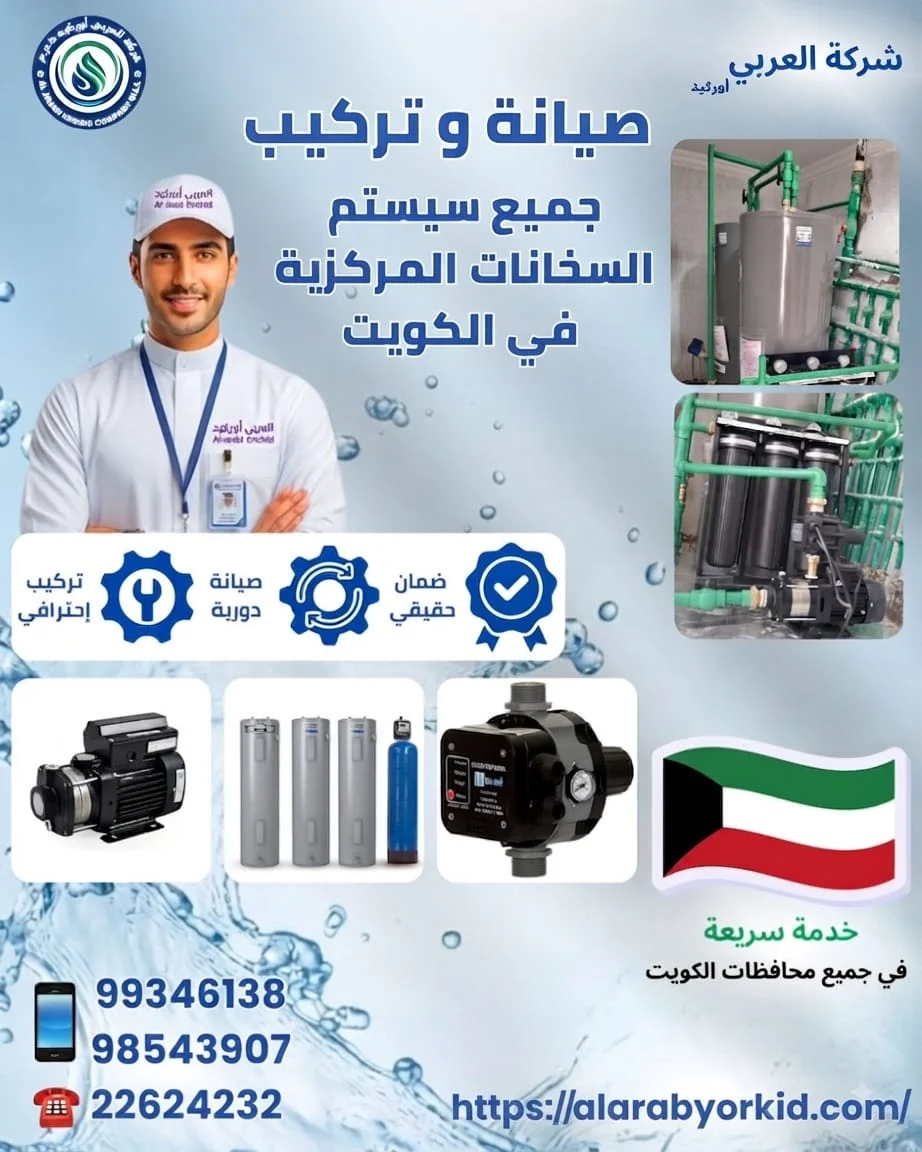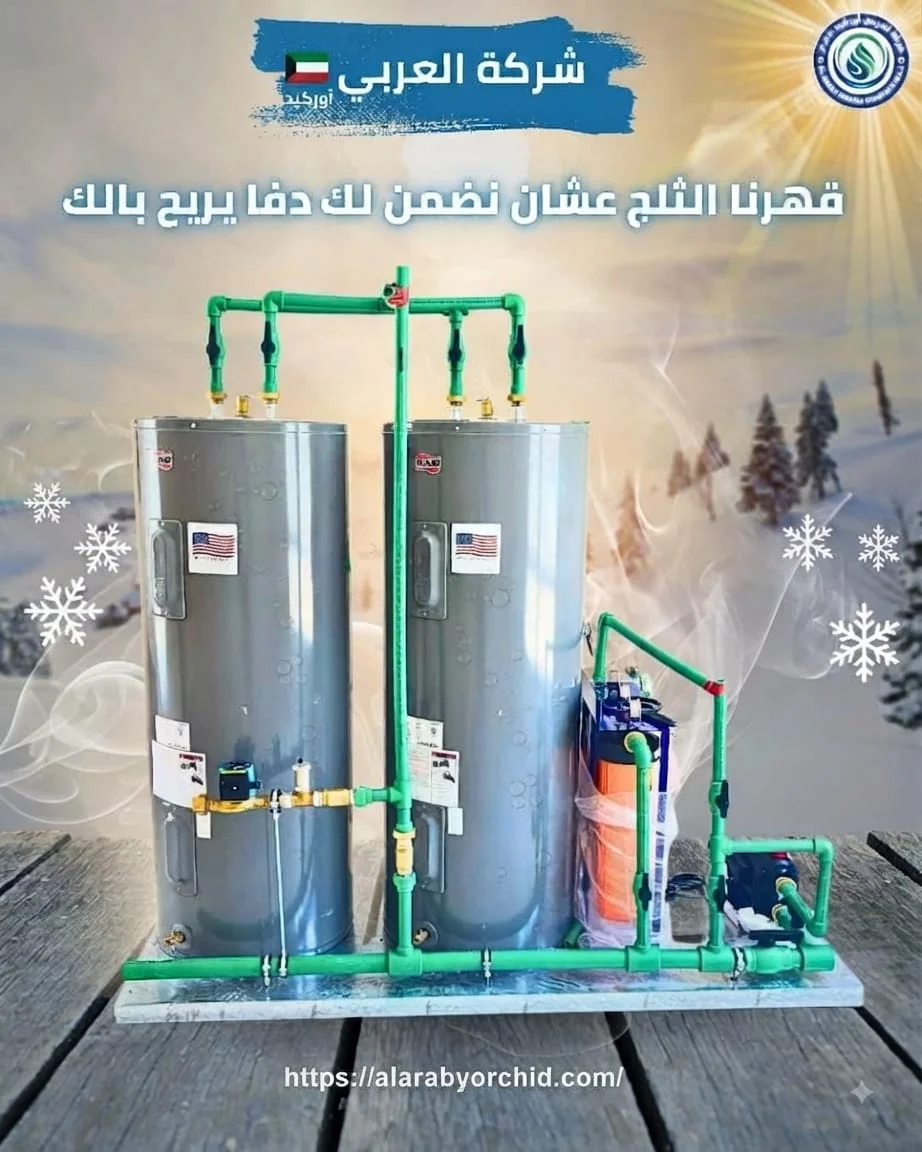
Central water heater electricity consumption cannot be calculated from the power rating printed on the heater alone. A heater rated at 4.5 kW does not mean it consumes 4.5 kWh continuously for 24 hours. It draws that level of power while the heating elements are operating, then the thermostat switches them off when the water reaches the required temperature and turns them back on according to hot-water use and heat loss. To understand your household’s real consumption, you need to consider heater power, actual operating time, hot-water demand, thermostat setting, tank heat loss, and pipe losses. In Kuwait, the final monetary cost also depends on the tariff category applied to the property.
Central Water Heater Electricity Consumption

Central water heater electricity consumption is made up of several different parts, and understanding these parts is the first step toward reducing consumption properly instead of switching the heater on and off randomly. The largest portion is usually the energy required to heat the cold water entering the tank to replace the hot water that has been used. Every time someone takes a shower or uses hot water in the kitchen, part of the heated storage leaves the tank and is replaced by colder water. The heating elements then operate again to raise that replacement water to the selected storage temperature.
The second part is standby heat loss. Even when nobody opens a hot-water faucet, the heated tank gradually loses some energy to the surrounding environment. The better the insulation around the tank, the less often the heating elements need to restart simply to maintain temperature. This means heater efficiency is not only about how quickly it heats the water but also about how effectively it retains that heat after the heating cycle ends.
The third part is heat loss through the hot-water distribution network. If the property has long hot-water pipes, poorly insulated pipework, or a recirculation loop that operates for long periods, the heater is not only maintaining the tank temperature. It is also replacing heat that escapes from the piping. Proper pipe insulation can reduce these distribution losses and improve the total efficiency of the hot-water system.
The fourth part is household behavior. Four long showers consume far more hot water than two short showers. A large bathtub creates a very different load from light daily use. Two families using the same heater model can therefore have completely different electricity consumption even when the heater capacity and power rating are identical.
-
Real heater consumption begins with the quantity of hot water being used because every amount removed from the tank is replaced by colder water that needs additional energy
-
Heat loss from the tank consumes electricity even when no hot water is being used because the thermostat restarts the elements to maintain storage temperature
-
Long or poorly insulated hot-water pipes increase the thermal load because some of the paid energy disappears before the hot water reaches the user
-
A household using large bathtubs long showers and simultaneous hot-water fixtures will consume more energy than a household with the same number of residents but shorter and more distributed use
-
Before assuming that the heater itself is consuming too much electricity separate the energy used to produce hot water from tank losses pipe losses and household usage habits
How Much Electricity Does a Central Water Heater Use?
The question how much electricity does a central water heater use does not have one fixed answer that applies to every heater. The simplest calculation is:
Power in kilowatts × actual operating hours = electricity consumption in kilowatt-hours
If you have a 4.5 kW heater and the heating elements actually operate for a total of two hours during the day, the theoretical electricity consumption during those operating periods would be approximately 9 kWh.
The important word is “actually.” A heater can remain connected to electricity all day without the elements operating continuously. The thermostat cycles the elements on and off as needed. This is where many homeowners overestimate consumption because they multiply the heater’s power rating by 24 hours even though the elements may only operate for a small portion of the day.
Consider another example. If a 6 kW heater operates for a total of 2.5 hours per day, the theoretical daily consumption would be 15 kWh. Over 30 days, that becomes approximately 450 kWh per month under that operating assumption. If the same heater operates for only 1.5 hours per day, the monthly figure drops to approximately 270 kWh. The heater itself has not changed; the operating time has.
Heaters with more than one heating element also require an understanding of their control design. Some models operate elements sequentially rather than simultaneously. Simply adding the power ratings of all elements and multiplying that figure by total heater-on time can therefore produce an inaccurate estimate.
Al Arabi Orchid currently works with American central heaters in capacities such as 50, 65, 80, and 120 gallons, but tank capacity alone is not enough to calculate electricity use. The exact model power rating and operating pattern are also required.
-
A 4.5 kW heater consumes approximately 4.5 kWh when its element actually operates at that power for one full hour not simply because the appliance has remained connected for an hour
-
If a 4.5 kW element operates for two actual hours per day the theoretical example is about 9 kWh per day before converting consumption into cost
-
Do not multiply heater power by twenty-four hours unless the heating element is genuinely operating continuously because that is not normal thermostat-controlled behavior
-
The operating arrangement of multiple elements differs between models so it is important to know whether they work simultaneously or sequentially before estimating instantaneous power
-
Final electricity use changes with tank capacity household demand incoming water temperature thermostat setting insulation and operating time so the gallon label alone cannot predict the bill
Reducing Water Heater Electricity Consumption

Reducing water heater electricity consumption begins by reducing the amount of energy the system needs to produce or replace rather than simply switching the heater off in a way that reduces household comfort. One of the strongest steps is reducing wasted hot water. A ten-minute high-flow shower uses considerably more hot water than a shorter shower or a properly selected lower-flow showerhead. Every liter of hot water that is not wasted is one liter the heater does not need to reheat.
Reducing water flow does not necessarily mean accepting poor shower performance. Efficient showerheads can maintain acceptable comfort while reducing the amount of water that needs to be heated. Fixing leaks is equally important because a dripping hot-water faucet continuously draws heated water and allows colder replacement water into the tank, forcing the heater to consume electricity for water nobody actually uses.
The second major area is recirculation control. A hot-water recirculation pump can be extremely useful in villas and properties with long distribution lines because it reduces waiting time. However, operating the loop continuously when nobody needs hot water can keep a large network of piping hot all day, increasing thermal losses. A control strategy based on demand or actual usage times can reduce this unnecessary load when the system design allows it.
Maintenance also matters. Scale or mineral deposits on heating elements can reduce heat-transfer performance and increase operating time. If the heater suddenly needs longer heating cycles than it used to, inspection is more useful than simply accepting the increased electricity bill as normal.
-
Reduce hot-water duration and flow where practical without sacrificing comfort because using less hot water directly reduces the amount of replacement water that must be reheated
-
Repair dripping faucets and hot-water leaks because continuous water loss forces the heater to spend energy replacing heat that nobody benefits from
-
Review recirculation pump operation when it runs for many unnecessary hours because keeping the full distribution loop hot can create continuous thermal losses
-
Inspect the heater if heating cycles become longer than before because the increase may be caused by scale control problems or another fault rather than by higher household demand
-
Do not rely on random electrical shutdowns as the only energy-saving strategy because reducing demand and heat loss usually provides a more reliable long-term result
Calculating Central Water Heater Consumption
Calculating central water heater consumption can be done in a practical way instead of guessing. First, identify the heater power rating from the data plate. Suppose it is 4.5 kW. The second step is estimating the total time that the heating elements actually operate during the day. If they operate for a total of three hours spread across the morning and evening, the calculation is:
4.5 × 3 = 13.5 kWh per day
Over 30 days:
13.5 × 30 = 405 kWh per month
This is only a calculation example, not a fixed prediction for every 4.5 kW water heater. Another household with the same heater could have a total heating-element runtime of only 1.5 hours per day, producing approximately 202.5 kWh per month, while a higher-demand household could have a substantially longer runtime.
The next step is converting energy consumption into cost. It is better not to use a random electricity price from the internet because Kuwait electricity tariffs depend on the property category and applicable billing structure. The actual tariff on the property account or the official tariff calculator should be used.
If actual element runtime is difficult to determine, a qualified electrician can help monitor the dedicated circuit where appropriate. Another method is comparing meter readings during controlled periods when other household loads are relatively stable. The goal is to move from the statement “I feel the heater uses too much electricity” to an actual number that can be compared before and after efficiency improvements.
It is also important to remember that the simple electrical calculation does not explain every real-world loss. Tank insulation, piping losses, control cycles, and recirculation all influence actual energy use.
-
Start with the power rating printed on the actual heater data plate because two heaters with the same gallon capacity can have different electrical inputs
-
Multiply heater power by actual operating hours and then by the number of days to obtain an approximate kilowatt-hour figure that can be compared with the bill
-
A 4.5 kW heater operating for three actual hours each day gives approximately 405 kWh over thirty days but this remains a calculation example rather than a universal monthly figure
-
Use the applicable Kuwait electricity tariff to convert energy consumption into cost instead of relying on a general rate that may not apply to the property
-
Repeat the same calculation after any energy-saving changes so you can verify whether the adjustment actually reduced consumption rather than relying only on personal impression
Monthly Central Water Heater Electricity Consumption

Monthly central water heater electricity consumption can change significantly from one month to another even when the heater itself has not changed. The reason is that consumption depends on hot-water demand, incoming water temperature, tank and pipe losses, household occupancy, and changing bathing habits.
Consider three theoretical situations for a 4.5 kW heater. If the heating elements operate for 1.5 hours per day, the monthly calculation is approximately 202.5 kWh over 30 days. If the total runtime rises to three hours per day, consumption becomes approximately 405 kWh. If the heater runs for four hours per day, the monthly figure reaches approximately 540 kWh. The heater power remains identical in all three examples; only the total operating time changes.
This is why the question “How much electricity does an 80-gallon heater use per month?” is incomplete. An 80-gallon heater in a three-person household may operate far less than the same model in a six-person household. Even within the same property, consumption can increase when guests stay for a period or when the family begins taking longer showers.
A larger tank can have different standby losses because it stores more heated water, but it is not correct to assume that a 120-gallon heater will automatically consume twice as much electricity as a 60-gallon heater. Actual consumption still depends on insulation, thermostat setting, household draw, recovery characteristics, and total runtime.
The best way to understand monthly performance is to monitor energy use over several billing periods and note any major changes in household occupancy or hot-water behavior. If consumption suddenly rises without a clear change in use, then leakage, thermostat operation, heating elements, recirculation, and sediment should be investigated.
-
Monthly consumption depends primarily on the total heating-element runtime during the month rather than tank capacity alone
-
The same 4.5 kW heater can produce very different monthly consumption when element runtime changes from one and a half hours to four hours per day
-
More residents guests or longer showers increase element runtime even though the heater hardware itself has not changed
-
A sudden monthly increase with no clear change in household behavior justifies inspection of leaks controls sediment and recirculation rather than automatically blaming seasonal conditions
-
Monitoring several months with the same method provides a stronger picture than relying on one unusual bill affected by temporary circumstances
Central Water Heater Electricity Bill
The central water heater electricity bill is the result of electricity consumption in kilowatt-hours multiplied by the tariff applied to the property. For that reason, it is not accurate to give every customer in Kuwait one identical cost figure without knowing the billing category.
Another challenge is that a residential electricity bill normally does not show a separate line saying, “The water heater consumed this amount.” If the total bill rises, the additional consumption may also come from air conditioning, pumps, appliances, or another load. To determine whether the heater is genuinely responsible, look for changes in heater operating behavior and household hot-water use.
For example, if the heater repeatedly enters heating cycles late at night after many hours with no hot-water demand, the system should be checked for tank heat loss, an uncontrolled recirculation loop, or a hidden leak. If most heater operation occurs immediately after showers and then stops for long periods, that may simply reflect normal Recovery.
It is also a mistake to replace the entire heater solely because the electricity bill is high without first identifying the cause. A newer, better-insulated heater may certainly reduce energy use when the old unit is inefficient, but if the real problem is a leaking hot-water line or a recirculation pump operating continuously, part of the high consumption will remain even after heater replacement.
The better approach is to establish a baseline, make one meaningful change, and then measure again under similar household conditions.
-
Final cost depends on both consumption and the applicable tariff so another household’s bill is not a reliable comparison even when it uses the same heater
-
When total electricity cost rises compare heater operating behavior with other major household electrical loads because the main bill does not automatically separate appliance consumption
-
Frequent heater operation during long periods with no hot-water use should lead to investigation of leakage heat loss and recirculation before blaming the heater itself
-
Replacing a healthy heater without correcting distribution losses may reduce only a small part of the problem while the larger source of waste remains
-
Record consumption before and after any repair or adjustment so the improvement is linked to a clear action rather than to one naturally variable bill
Saving Energy With a Central Water Heater
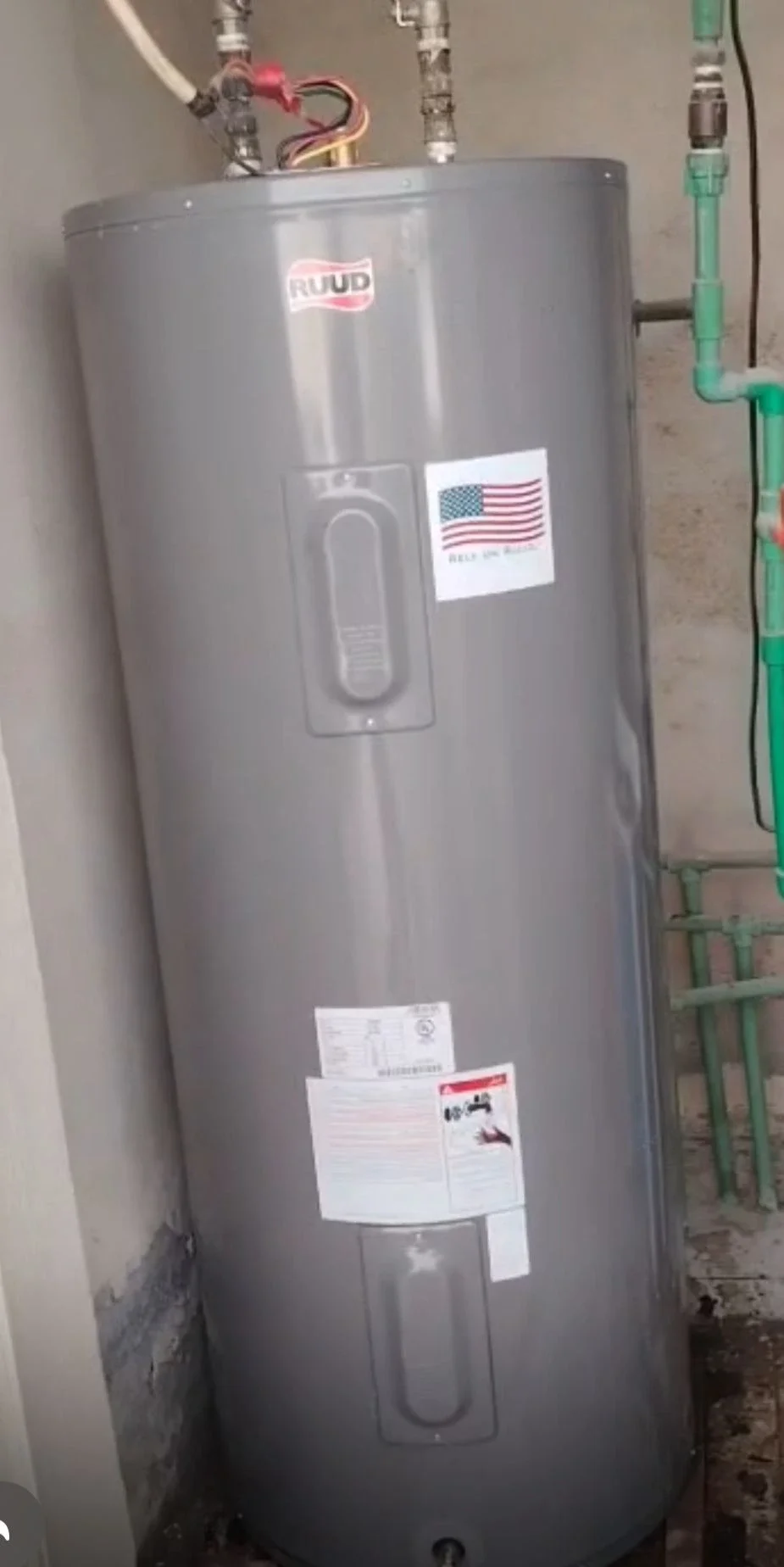
Saving energy with a central water heater works best when improvements are made in stages according to their likely benefit. The first stage involves low-cost actions such as reviewing the thermostat setting, repairing leaks, and reducing unnecessary hot-water use at showers and faucets. Using less hot water immediately reduces both water consumption and the energy required to heat replacement water.
The second stage is the hot-water distribution network. Insulating accessible hot-water pipes, especially long sections near the heater or in areas exposed to heat loss, can reduce the amount of energy lost before the water reaches the bathroom. This is especially relevant in larger villas where piping distances can be much longer than in a small apartment.
The third stage is recirculation control. If the property has a hot-water recirculation pump, it does not always need to operate in the same way throughout the entire day. Where system design allows it, scheduling or demand-based operation can reduce the amount of time the distribution network remains unnecessarily hot.
The fourth stage is evaluating the heater itself. When replacement is necessary, compare energy-efficiency ratings among products of the same technology and draw category instead of selecting a model only by capacity or brand.
The fifth stage is proper sizing. A heater that is much larger than the household needs maintains a larger volume of hot water than necessary, while a severely undersized heater may operate heavily and still provide poor comfort. The best energy performance usually comes from a heater matched closely to actual household demand.
-
Begin with improvements that do not require heater replacement such as reducing hot-water waste and repairing leaks because every saved liter also saves heating energy
-
Insulate hot-water piping where practical because long distribution runs can lose a meaningful amount of heat before the water reaches the user
-
Control recirculation according to actual demand when system design allows it instead of maintaining the entire loop at high temperature continuously
-
When buying a replacement compare efficiency ratings among similar technologies rather than selecting the highest number from completely different types of water heaters
-
Choose a tank capacity close to the real household requirement because unnecessary stored volume and chronic undersizing can both reduce overall system value
Setting Water Heater Temperature to Save Electricity
Setting the water heater temperature to save electricity is one of the most commonly misunderstood energy-saving measures. Some homeowners raise the thermostat to the maximum setting because they believe the hot water will “last longer.” While a higher storage temperature can increase the amount of mixed usable hot water, it also requires more energy, increases standby heat loss, and raises the risk of scalding.
Around 120°F or approximately 49°C is commonly used as a residential reference point in energy-efficiency guidance, although the correct setting still depends on manufacturer instructions, local requirements, household needs, and whether the system uses appropriate mixing protection. Some installations may require different storage temperatures for health, institutional, or system-design reasons.
Why does a higher temperature increase energy use? The heater must first raise the entire water volume to a higher temperature. Then, because the difference between tank temperature and the surrounding environment becomes larger, heat escapes more quickly. The heater therefore spends more energy both reaching the higher temperature and replacing the additional standby losses.
In heaters with more than one thermostat, adjustment should follow the manufacturer’s instructions. Homeowners should not open electrical service covers and experiment with live electrical components. If the thermostat settings are located behind electrical access panels, a qualified technician should make the adjustment safely.
Reducing temperature also needs to remain practical. If the setting is lowered too much, the family may become uncomfortable and then repeatedly change the control without understanding the impact. The goal is a safe and appropriate setting that meets household needs without unnecessary excess temperature.
-
Setting the heater substantially hotter than necessary increases the energy required for every heating cycle and also increases standby heat loss afterward
-
Approximately 49°C is a common residential reference point but the final setting should follow manufacturer requirements safety considerations and the specific hot-water system
-
Do not raise temperature as a quick solution for insufficient capacity before diagnosing the underlying issue because this can increase both electricity use and scalding risk
-
Multi-thermostat heaters should be adjusted according to the manufacturer’s control design and electrical access panels should not be opened casually
-
Evaluate comfort and operating time after any safe adjustment instead of lowering temperature excessively and then repeatedly changing the setting without a consistent plan
Water Heater Insulation and Energy Consumption
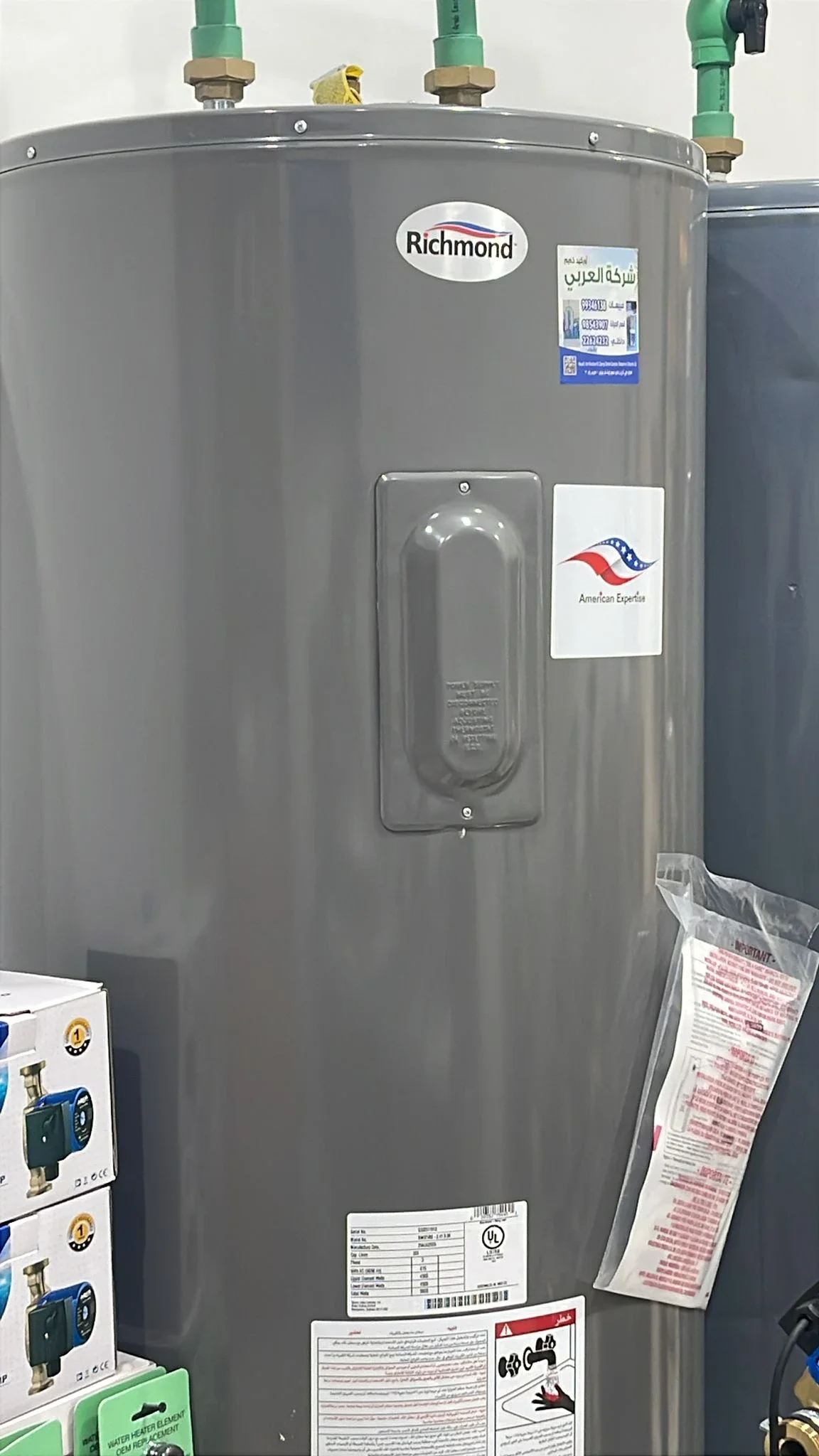
Water heater insulation and energy consumption are directly connected through standby heat loss, but tank insulation and pipe insulation should be considered separately. Many modern water heaters already include substantial factory insulation and may not need an additional insulation blanket.
The first step is always checking the specific heater manual. Some manufacturers explain that selected models already meet insulation and standby-loss requirements without an external blanket. If an additional jacket is permitted, important components such as the T&P relief valve, control areas, service panels, and other required clearances must not be covered.
This becomes even more important with certain technologies. A heat-pump water heater relies on air movement around the appliance and should not be wrapped in a way that blocks the airflow required for operation. Applying an insulation blanket without understanding the heater design can therefore reduce efficiency rather than improve it.
Pipe insulation, however, is often a clear opportunity in long hot-water systems. Insulating accessible hot-water piping reduces temperature loss as water travels between the heater and the fixtures. In systems with recirculation, pipe insulation becomes even more important because hot water may pass through the network repeatedly.
This matters especially in larger properties where pipes may run through utility spaces, roofs, or other areas exposed to significant heat exchange. In those systems, improving the distribution network can sometimes provide more value than adding insulation to a tank that is already well insulated from the factory.
-
Do not add an insulation blanket to the heater before checking the exact model instructions because many modern tanks already have adequate factory insulation
-
The T&P valve control panels electrical access points and required service areas must remain accessible and should never be covered simply for the sake of adding insulation
-
Hot-water pipe insulation can reduce distribution losses especially in properties with long pipe runs between the heater and bathrooms
-
An uninsulated recirculation loop can lose energy continuously while the pump operates because heat escapes every time hot water travels through the network
-
Evaluate tank insulation and pipe insulation separately because the greatest energy-saving opportunity may be in the distribution system rather than on the heater body itself
Central Water Heater Energy Efficiency
Central water heater energy efficiency does not mean simply finding the heater with the lowest electrical power rating. A 4.5 kW heater is not automatically more efficient than a 9 kW heater. Power rating indicates how quickly energy can be delivered, while efficiency describes how much useful hot-water service the system provides relative to total energy input and losses.
One important standardized metric is the Uniform Energy Factor, which is used to compare overall efficiency among water heaters under defined test conditions. A higher value generally indicates better efficiency within a proper comparison. However, heaters of very different technologies or draw categories should not be compared using one number without understanding how the systems actually work.
Efficiency at the appliance level is also different from efficiency at the household-system level. You can install a well-insulated heater and still waste energy through forty meters of uninsulated hot-water pipe or through a recirculation loop running continuously. Conversely, an appropriately sized heater with insulated piping, controlled recirculation, and reasonable hot-water use can deliver better real-world results.
Tank size also matters. If the heater is significantly larger than the household needs, it maintains a larger hot-water reserve than necessary. If it is far too small, it may operate heavily during peak demand while still failing to provide adequate comfort. Correct sizing supports both comfort and energy performance.
Al Arabi Orchid currently supplies and installs American central water heaters in several capacities including 50, 65, 80, and 120 gallons. For a meaningful efficiency assessment, capacity, electrical input, household demand, and network design should be reviewed together rather than selecting a heater based only on the gallon label.
-
Uniform Energy Factor helps compare the efficiency of similar heater models but does not replace proper sizing and performance analysis
-
Higher electrical power does not automatically mean greater waste because a higher-input heater may complete Recovery faster while total energy use still depends on the actual heat required
-
Tank efficiency can be partially lost when the hot-water network is long uninsulated or continuously recirculated without a real need
-
A heater that is far too large maintains unnecessary stored heat while one that is too small may fail during peak demand so correct sizing is part of overall system efficiency
-
When contacting Al Arabi Orchid on 99346138 provide the heater capacity power rating household size and recirculation details so energy-saving recommendations can be based on actual operating information
Conclusion
How much electricity does a central water heater use and how can you reduce it? The answer begins with a simple equation but does not end there. Power in kilowatts multiplied by actual operating hours gives electricity consumption in kilowatt-hours. After that, the more important question is why the heater needs to operate for that amount of time in the first place. Is the household using large quantities of hot water? Is the thermostat set higher than necessary? Is there a leak? Are the pipes losing heat? Is the recirculation pump operating continuously? Is the tank oversized, poorly insulated, or suffering from reduced performance?
The strongest energy-saving plan begins by measuring consumption and then reducing hot-water waste, repairing leaks, reviewing temperature settings, insulating appropriate pipework, controlling recirculation, and servicing the heater if operating time has increased abnormally.
In Kuwait, do not convert energy use into a dinar amount using a random internet tariff. Use the tariff that actually applies to the property. If you notice that the heater has started operating significantly longer than before without any increase in household use, contact Al Arabi Orchid on 99346138 to inspect heating elements, thermostats, sediment, leakage, and recirculation before replacing the complete heater.
Frequently Asked Questions
How many kilowatt-hours does a central water heater use per day?
It depends on heater power and actual heating-element runtime. A 4.5 kW heater operating for a total of two actual hours during the day gives a theoretical example of approximately 9 kWh. The daily figure cannot be determined from tank capacity alone.
Does an 80-gallon heater use more electricity than a 50-gallon heater?
Not by one fixed percentage. The larger tank stores more water and may have different standby losses, but actual consumption also depends on household demand, heating input, thermostat setting, insulation, and operating time. It is not accurate to assign a fixed difference without comparing the specific models and usage.
How do I calculate monthly water heater consumption?
Multiply the heater power in kilowatts by the actual daily heating-element runtime and then multiply the result by the number of days in the month. For example, a 4.5 kW heater operating for three actual hours per day produces approximately 405 kWh over 30 days.
Does switching the heater off save electricity?
It can reduce some standby losses during long periods of non-use, but the benefit depends on tank insulation, how long the heater remains off, and household usage. Frequent random switching is not a substitute for fixing leaks, excessive temperature settings, or distribution losses.
What is the best water heater temperature for saving electricity?
Around 49°C or 120°F is commonly used as a residential reference point, but the final setting should follow manufacturer instructions and the safety requirements of the actual hot-water system. Some applications may require different storage temperatures.
Does insulating hot-water piping reduce electricity consumption?
Yes. Pipe insulation reduces heat loss as hot water travels through the distribution system and can improve overall water-heating efficiency, especially in properties with long pipe runs.
Should I insulate the water heater tank itself?
Not always. Many modern heaters already have adequate factory insulation and may not need an additional blanket. The exact model instructions should be checked, and safety valves, electrical controls, and service areas must never be blocked.
Can a recirculation pump increase the water heater bill?
Yes, particularly when it runs for long periods and keeps a large hot-water network continuously heated. Proper control and pipe insulation can reduce these losses depending on the system design.
How do I know if increased electricity consumption is caused by a fault?
If the heater begins operating more frequently or for longer periods than before without an increase in household hot-water demand, inspect for leakage, sediment, thermostat problems, heating-element performance, and recirculation losses.
How can Al Arabi Orchid help reduce central heater consumption?
Contact Al Arabi Orchid on 99346138 and provide the heater capacity, electrical power, household size, whether a recirculation pump is installed, and what change you have noticed in operating time or electricity use. The inspection should determine whether the main loss comes from the heater, leakage, heating elements, thermostat settings, or the hot-water distribution network before recommending any replacement.