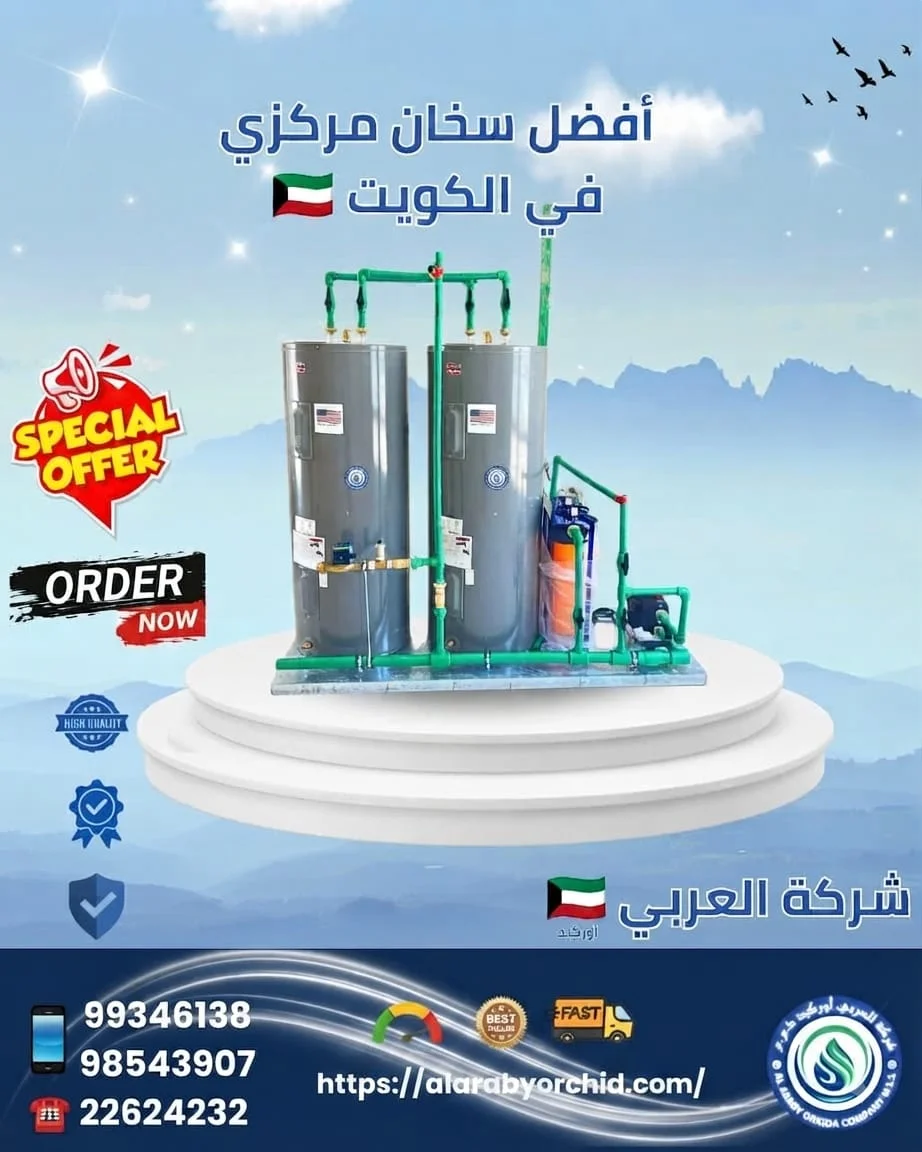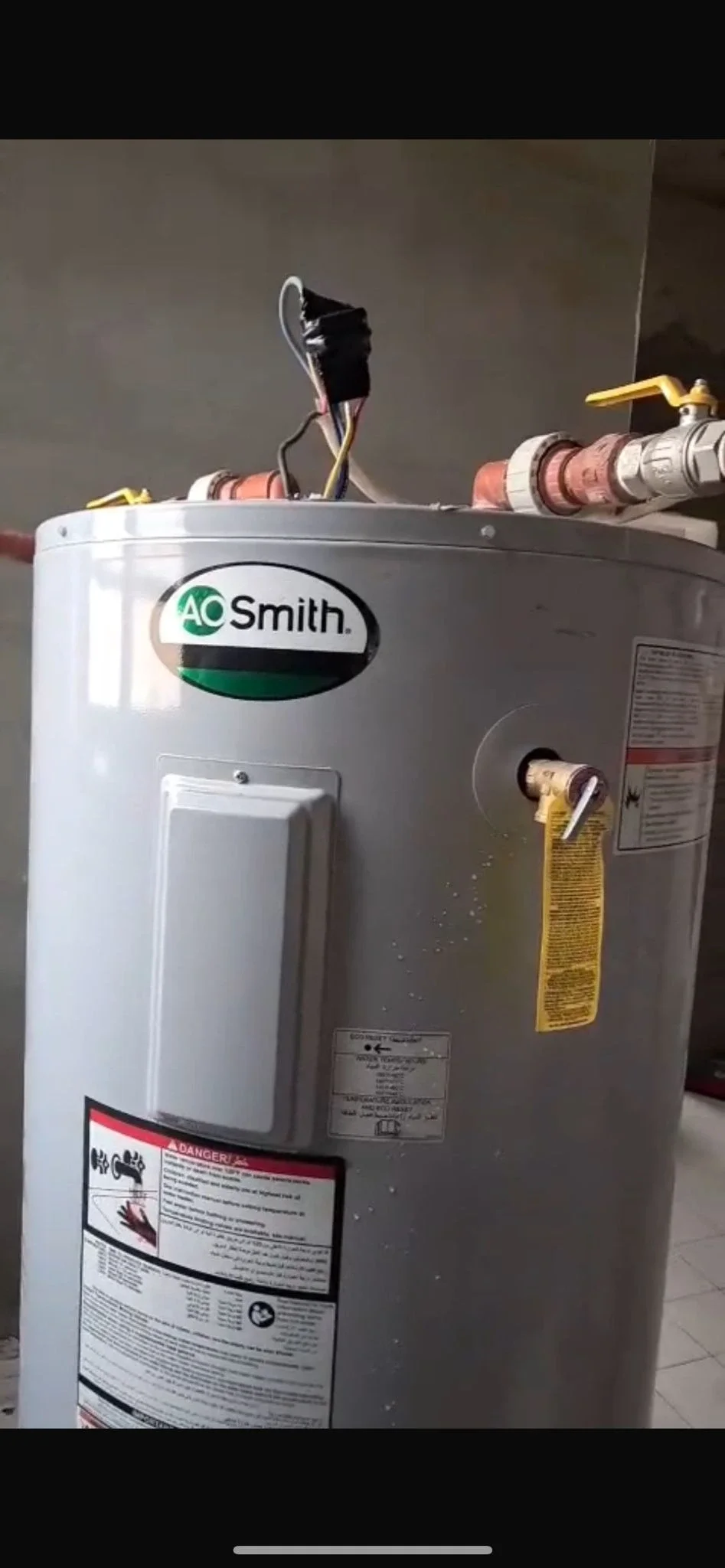
If your central water heater keeps shutting off, the first thing to understand is what “shutting off” actually means, because not every shutdown indicates a fault. A normal storage water heater heats the water, stops when the target temperature is reached, and starts again later when the temperature drops or cold water enters the tank. That is part of normal operation. The problem begins when the heater shuts down far too quickly, stops before the water becomes hot, cycles differently from its usual pattern, or repeatedly trips the electrical breaker itself. Al Arabi Orchid 99346138 begins diagnosis by identifying what is shutting off and when it happens instead of automatically replacing the thermostat, because the same complaint can describe several completely different problems.
Central Water Heater Keeps Shutting Off
When you say the central water heater keeps shutting off, the first question should be: what exactly is shutting off? Is the heating element stopping after the water reaches the thermostat setting and then operating again later? That is usually normal because a storage water heater maintains the temperature of the water inside the tank by cycling the heating system according to thermostat demand. The heater is not designed to keep the heating elements energized continuously throughout the entire day.
The situation is different if the electrical breaker trips, the internal high-temperature safety control activates, or the heater stops before the stored water reaches the required temperature. Central electric water heaters normally include temperature controls and a high-limit safety device designed to interrupt power if abnormal overheating occurs. If that protection repeatedly needs to be reset, the important question is not how to keep resetting it but why it is activating. A thermostat problem, an abnormal heating-element condition, or another electrical fault may need to be investigated.
Timing gives the technician an important diagnostic clue. If the heater operates for a reasonable period, produces properly heated water, and then stops, its behavior may be completely normal. If it runs only briefly and shuts down while the water is still cold, the thermostat, heating elements, safety controls, and electrical supply need closer attention. If the external circuit breaker trips, electrical safety becomes the priority rather than increasing the thermostat setting or repeatedly trying to restart the heater.
Al Arabi Orchid 99346138 distinguishes between normal thermostat cycling, high-temperature safety shutdown, and electrical breaker tripping from the beginning because confusing these three conditions can send the entire repair process in the wrong direction.
-
A heater stopping after reaching the required water temperature and starting again after the temperature falls is normally part of storage-heater operation and does not by itself prove there is a fault
-
Shutting down while the water remains cold or before heating is completed requires a different diagnosis because the heater is stopping before performing its intended job
-
If the electrical breaker repeatedly trips do not simply reset it every time because the cause may be inside the heater or electrical circuit and should be professionally inspected
-
Knowing whether the shutdown happens after a few minutes after a complete heating cycle or only during hot water use gives the technician far more useful information than simply saying the heater keeps shutting off
Central Water Heater Turns On and Off
A central water heater turns on and off as part of normal operation, but whether the behavior is healthy depends on the time between cycles and what happens to the water temperature. A storage heater should not keep its heating element operating continuously 24 hours a day. The thermostat monitors stored-water temperature, stops heating when the selected temperature is reached, and calls for heat again when the tank cools naturally or when hot water is used and colder replacement water enters the tank.
What deserves attention is a change from the heater’s established behavior. For example, if the unit previously operated for normal heating periods and then stayed off for a reasonable time but suddenly begins switching on and off repeatedly at very short intervals without any noticeable increase in hot water use, something may have changed. Possible areas to investigate include unstable thermostat control, deterioration in a heating component, abnormal heat loss, or another electrical condition depending on the exact model and symptoms.
The water coming from the tap should always be connected to what you observe at the heater. If temperature remains stable, the household receives enough hot water, the electrical breaker does not trip, and there has been no new change in operation, there may be no reason to worry simply because you notice the heater cycling. If the cycles become extremely short and the water remains lukewarm or swings noticeably between hot and cooler temperatures, then the operating pattern is affecting performance and deserves inspection.
Some electric heaters with two heating elements also do not necessarily energize both elements at the same time. Certain designs use non-simultaneous operation where control transfers between the upper and lower elements according to heating demand. This means a change from one heating stage to another should not automatically be treated as a fault before understanding how that model was designed to operate.
-
Normal on-and-off cycling with stable hot water usually reflects the thermostat doing its job by maintaining the selected tank temperature
-
A sudden change from stable heating cycles to rapid cycling without any change in household demand is a better reason for inspection than cycling by itself
-
Hot water quality is the more important indicator because frequent-looking cycles may still be normal when the heater maintains temperature and comfortably meets household demand
-
Some multi-element electric heaters operate their heating elements in stages so the technician should understand the model design before treating every change in heating operation as a fault
Causes of Central Water Heater Shutting Off
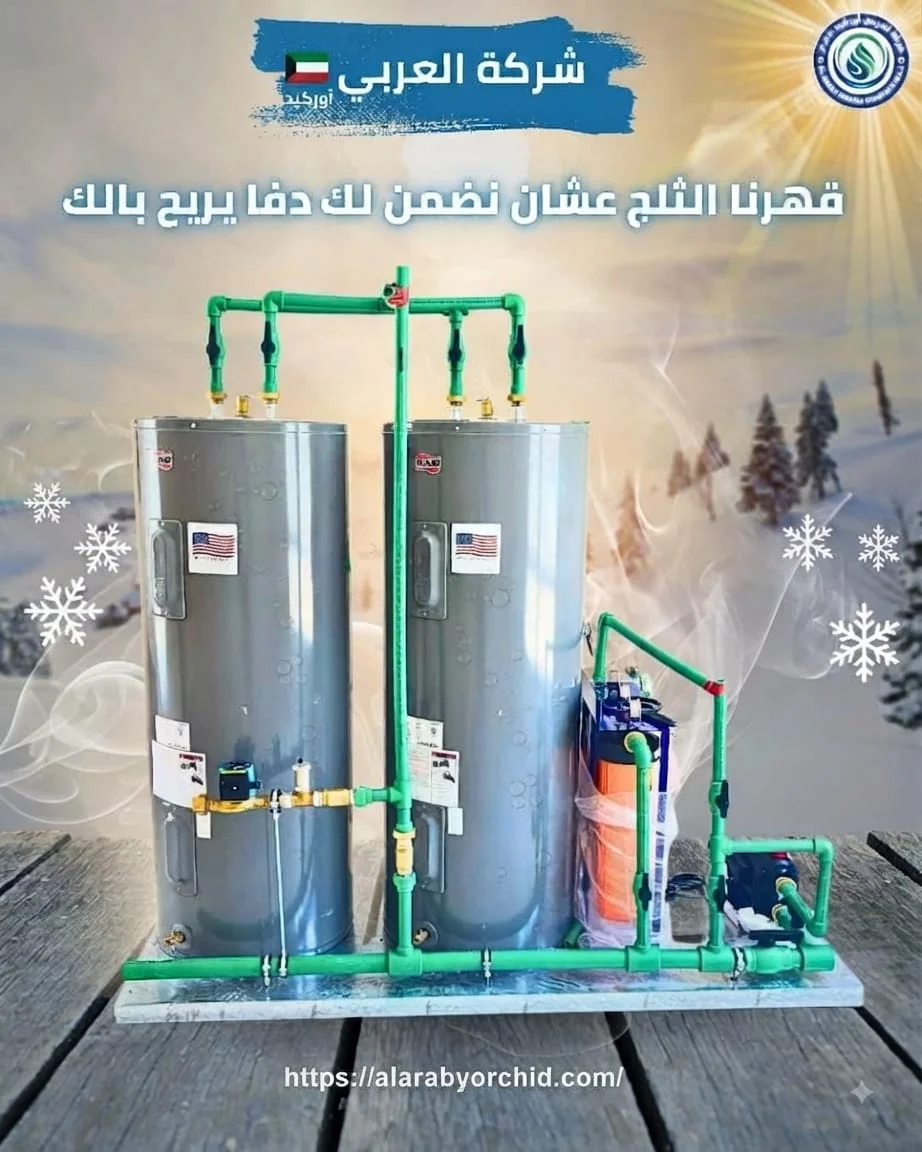
The causes of a central water heater shutting off depend heavily on which component is actually interrupting operation. If the thermostat stops heating after the target temperature is reached, that is normal. If the high-temperature safety control activates, the heater may have experienced an abnormal temperature condition that needs diagnosis. If the electrical circuit breaker trips, the problem moves into a different electrical diagnostic path and should be handled by a qualified technician. Correct diagnosis therefore does not begin with “replace the thermostat.” It begins by identifying exactly which control or protective device stopped the heater.
A faulty thermostat is one possible cause. If it does not sense or control temperature correctly, the heater may cycle abnormally, stop too early, or in some cases allow conditions that activate the high-limit safety device. Heating-element problems can sometimes create similar symptoms, which is why the appearance of a safety shutdown does not automatically mean the safety device itself is faulty. Sometimes that device is doing exactly what it was designed to do and is warning you about a problem elsewhere in the circuit.
Heating elements also need to be considered. A failed element can cause poor or completely absent heating, while certain electrical element faults can also affect normal control and protection behavior. The element should therefore be tested rather than judged simply by whether the heater appears to have electricity.
Another situation that must be separated from an actual fault is increased household demand. If the heater operates more frequently because more hot water is being used than before, this is not necessarily abnormal shutdown behavior. New cold water entering the tank after use simply creates more heating demand and naturally increases the number of heating cycles.
Al Arabi Orchid 99346138 connects the causes of central water heater shutting off with the water temperature, household demand, and the exact device stopping operation rather than treating every shutdown as one identical fault.
-
The thermostat is supposed to stop heating when the selected temperature is reached so that normal thermostat action should never be treated automatically as a repair problem
-
Repeated activation of the high-temperature safety device requires investigation into overheating or control problems instead of simply resetting the safety switch every time
-
An external breaker tripping is different from thermostat cycling and requires proper electrical evaluation of both the circuit and the heater
-
More heating cycles caused by increased hot water consumption are not automatically a fault because every significant draw introduces colder water that naturally needs reheating
Central Water Heater Shuts Off Quickly
If the central water heater shuts off quickly before it has had a reasonable opportunity to heat the tank, the next question is what happens immediately after the shutdown. If it starts again only a few minutes later and repeats the same short cycle while the stored water remains below the required temperature, this is different from normal thermostat operation. Possible causes can include inaccurate temperature control, a thermostat problem, an electrical component that behaves abnormally under load, or a protective device interrupting operation because of another fault.
There is no single number of minutes that defines “too quickly” for every water heater. Heating time varies according to tank capacity, heating-element output, incoming water temperature, and the thermostat setting. A larger storage tank generally takes longer to recover than a smaller one when heating power is similar. This means rapid shutdown should be judged against the normal behavior and technical capability of that particular heater rather than against one universal stopwatch figure.
If the heater runs briefly because only a small amount of heat needs to be restored and the water actually reaches the required temperature, there may be no fault at all. The problem is when the heater stops quickly and the water remains cold or lukewarm. In that case, the technician needs to determine whether the thermostat is still calling for heat, whether electrical power is reaching the heating element, and whether a safety device is interrupting the cycle.
-
A quick shutdown becomes important when it prevents the heater from reaching the required water temperature while a short cycle after successful heating may be completely normal
-
Heating time changes according to tank capacity heating output and incoming water temperature so current performance should be compared with the same heater’s normal behavior rather than another model
-
Repeated very short cycles combined with lukewarm water justify checking the thermostat electrical supply and heating elements instead of simply increasing the temperature setting
-
Recording how long the heater runs before stopping and checking the water temperature afterward helps determine whether the heating cycle was completed successfully or interrupted too early
Water Heater Shuts Off Before Heating the Water

When the water heater shuts off before heating the water, the symptom is clearer: the operating cycle ends before the expected result has been achieved. The first step is to determine whether the heater lost electrical power completely or whether only the heating circuit stopped. If the high-temperature safety device activated, the reason for that activation needs to be identified. If the external breaker tripped, the situation should be treated as an electrical issue and repeated resetting should be avoided until the fault is properly diagnosed.
Sometimes a homeowner presses the reset button and the heater returns to normal operation for a day or two before the same problem returns. That does not mean the problem was “partly fixed.” If the high-limit or ECO safety device repeatedly needs resetting, the original condition that caused the safety shutdown is still present. Resetting restores operation temporarily but does not eliminate the reason the protection activated.
In heaters with two elements, failure of one element can sometimes allow part of the tank to heat while preventing normal recovery of the entire stored volume. This is why the amount of available hot water is useful diagnostic information. There is a difference between having absolutely no hot water and having only a small amount before the temperature drops.
The technician should therefore look at both the electrical behavior and the actual hot water result. The heater may be losing power, operating only part of its heating system, or stopping because a control or protective component has interrupted operation.
-
If the heater shuts down before producing enough hot water the condition is different from normal thermostat cycling and the technician must determine whether control protection or electrical power stopped the cycle
-
A heater returning to operation after a reset and then shutting down again means the reset addressed the immediate shutdown but not the underlying condition that triggered the protection
-
Having a small quantity of hot water instead of none at all can help determine whether only part of the heating system is operating
-
Do not continue forcing a heater to operate when its breaker or safety device repeatedly trips because proper electrical diagnosis is more important than making the heater complete one more cycle
Central Water Heater Thermostat Failure
A central water heater thermostat failure can appear in several different ways and is not limited to the heater refusing to start. The thermostat monitors water temperature and tells the heating system when to operate and when to stop. If its sensing or control becomes inaccurate, you may notice heating that stops too early, unstable temperatures, irregular cycling, or in certain situations activation of the high-temperature safety protection.
One of the most common diagnostic mistakes is assuming every shutdown means “the thermostat is definitely bad.” A heating element fault or another electrical problem can create similar symptoms. This is why the thermostat should be tested rather than replaced simply because its name sounds like the most obvious suspect.
A technician checks whether the thermostat calls for heat at the correct time, whether it stops heating after the expected temperature is reached, and whether its behavior matches the actual water temperature. If the thermostat is functioning properly, the investigation moves to other components instead of replacing a good part.
Users should not remove thermostat covers and experiment with wiring themselves. Electric central water heaters combine mains electricity with a water-filled appliance, so internal electrical testing requires power isolation, suitable tools, and proper technical experience.
-
A faulty thermostat can cause early shutdown or unstable temperature but these symptoms can also come from other faults so testing is more reliable than guessing
-
Thermostat shutdown after the water reaches the selected temperature is normal operation and should not be treated as a fault simply because the heater has stopped
-
Repeated activation of high-temperature protection may be related to a control problem which means the original cause should be investigated before repeated resets
-
Replacing a thermostat without electrical testing can waste money if the real fault is in the heating element wiring or another part of the circuit
Repeated Water Heater Cycling On and Off
Repeated water heater cycling on and off has a normal side to it because the storage tank naturally loses some heat over time and every use of hot water introduces colder replacement water. The heater therefore needs to operate periodically to restore the selected temperature. Increased household consumption naturally leads to more heating cycles because the tank is being asked to recover more frequently.
The more useful warning sign is a change in cycling behavior. If the same household has the same usage pattern and thermostat setting but the heater suddenly starts operating and stopping far more frequently than before, the cause deserves investigation. A temperature-control component may be becoming unstable, a heating element may be deteriorating, heat loss may have increased, or another operating condition may have changed.
The homeowner does not need to sit next to the heater with a notebook counting every cycle. What matters is whether the new cycling pattern comes with another symptom such as fluctuating water temperature, unusually frequent operation without hot water use, noticeably weaker heating, or a protection device activating.
If there has been a genuine increase in water use, however, more frequent operation can be completely expected. The system cannot replace a large quantity of used hot water without running another heating cycle.
-
More frequent heating cycles during periods when several bathrooms are being used are expected because the heater must warm the colder replacement water entering the tank
-
A change in cycling behavior without any change in household demand deserves more attention than the absolute number of cycles because previous normal behavior gives the observation context
-
Fluctuating water temperature together with frequent cycling can indicate that a heating or control component is no longer operating consistently
-
Monitoring the effect on hot water performance is more useful than simply listening to the heater because the final temperature and available hot water reveal whether the cycling is actually abnormal
Water Heater Will Not Stay On
If the water heater will not stay on, the first question is whether it is actually supposed to remain on. If the water has reached the selected temperature, stopping is correct. If the water remains cold and the heater repeatedly stops before completing the cycle, then the electrical supply, temperature controls, safety devices, and heating components need to be investigated.
Repeated circuit-breaker tripping cannot be solved by changing the thermostat setting or repeatedly pressing buttons. The same applies to a high-temperature safety device. These protective components are designed to interrupt operation when abnormal conditions appear. If they activate repeatedly, the correct response is to identify the cause rather than defeat or bypass the protection.
Some electrical faults also appear only after components have been operating under load and have warmed up. A heater may therefore start normally and shut down after several minutes. This makes the exact timing useful to the technician. An immediate shutdown, a shutdown after ten minutes, and one occurring near the end of the normal heating cycle can point toward different areas of investigation.
The technician may need to observe the heater through an actual operating cycle rather than testing it only while cold. This is especially useful when the problem is intermittent and cannot be reproduced immediately after the unit is restarted.
-
A heater stopping after achieving the selected temperature is normal while stopping with cold water remaining in the tank is the symptom that requires investigation
-
The timing of shutdown after startup helps narrow down possible causes because an immediate electrical interruption differs from a fault that appears only after components heat under load
-
High-temperature controls and circuit breakers are protective devices and repeated activation should never be treated as an inconvenience that simply needs to be bypassed
-
Internal electrical testing should be carried out after safely isolating power and by a qualified person because live electrical experimentation inside a water heater is not an appropriate troubleshooting method
Diagnosing Central Water Heater Shutdowns
Correctly diagnosing central water heater shutdowns can be organized into a logical sequence. First, determine what stopped the heater: the thermostat, internal high-temperature safety device, or external breaker. Second, note the water temperature when the shutdown occurs. Third, determine whether the heater restarts automatically or requires a reset or breaker operation. Fourth, identify whether the problem happens immediately after startup or only after the heater has been running for some time. Technical measurements can then be selected according to the actual model and symptoms.
If the water is properly hot and the heater restarts by itself later when temperature drops, the behavior is probably normal cycling. If the water remains cold and the safety control needs manual resetting, the reason for that protection operating must be investigated. If the electrical breaker trips, the electrical circuit and heater need inspection. If temperatures fluctuate without an obvious protective shutdown, the technician can focus more closely on thermostat control and heating elements.
The history of the problem is also important. Did it begin after a heating element was replaced? Did it start after thermostat work? Was a new heater recently installed? Or has the symptom gradually become more frequent over time? A change that occurred shortly before the first shutdown can be extremely useful diagnostic information.
Al Arabi Orchid 99346138 bases diagnosing central water heater shutdowns on actual operating behavior, measurements, and model information rather than making a quick telephone diagnosis such as “it must be the thermostat.” In electrical troubleshooting, certainty without testing has a habit of becoming expensive very quickly.
-
The first diagnostic step is identifying which component stopped operation because the thermostat safety control and circuit breaker each have different functions and different likely causes
-
Water temperature at the moment of shutdown shows whether the heater successfully completed its heating cycle or stopped before reaching the required temperature
-
Knowing whether the heater restarts automatically or requires manual intervention helps distinguish normal cycling from a protective shutdown or electrical interruption
-
Any maintenance or component replacement carried out shortly before the problem began belongs in the diagnostic history because the timing may reveal information that is not visible from an external inspection
Fixing Repeated Water Heater Shutdowns
There is no single part that provides the solution to repeated water heater shutdowns in every case. If inspection confirms that the heater is simply stopping after reaching the correct temperature, there is nothing to repair. If the thermostat is proven to be controlling temperature incorrectly, it can be serviced or replaced according to the model. If a heating element has failed, it should be tested and replaced when necessary. If the high-temperature safety protection repeatedly activates, the condition causing that protection to operate needs to be corrected before a reset can be considered anything more than temporary.
If the problem comes from the breaker or the electrical circuit, repair should follow the actual electrical fault and the heater’s specified load requirements. The answer is not to install a larger breaker simply because the existing one keeps tripping. Circuit protection must be correctly matched to the wiring, load, and heater specifications, and electrical modifications should be carried out by a qualified technician.
After any repair, the heater should complete a full test cycle. The technician needs to confirm that it heats the water to the required temperature, shuts off normally, starts again when heat is required, and does not repeatedly activate the high-temperature protection or breaker. A repair is not fully proven just because the heater runs for five minutes after a new component is installed.
Al Arabi Orchid 99346138 connects the solution to repeated water heater shutdowns directly to the confirmed diagnosis. Avoiding one unnecessary replacement is better than turning the tank into a collection of brand-new parts while the original fault continues watching everyone from the corner.
-
If testing confirms that shutdown is simply normal thermostat operation no good components should be replaced just because the user noticed the heater stopping
-
Correcting a high-temperature safety shutdown requires removing the condition that activates the protection because repeatedly pressing Reset is not a permanent repair
-
Problems involving the breaker or electrical supply require proper electrical diagnosis and the protective device should never be randomly upsized simply to force continued operation
-
Repair is complete only after testing a full heating cycle and confirming that the heater reaches the required temperature shuts down normally and restarts reliably when additional heat is needed
Conclusion
If your central water heater keeps shutting off, do not begin by replacing the thermostat before determining what is actually stopping. A normal storage heater turns its heating system on and off to maintain water temperature, and that behavior is not a fault. The problem begins when the heater stops before the water is properly heated, suddenly starts cycling far more rapidly than before, repeatedly activates its high-temperature safety device, or trips the electrical breaker.
Correct diagnosis depends on when the shutdown happens, the water temperature at that moment, whether the heater restarts automatically or requires manual resetting, and what the electrical controls are doing during the cycle. The thermostat, heating elements, safety protection, and electrical supply should then be inspected according to the symptoms instead of replacing parts by trial and error.
You can contact Al Arabi Orchid on 99346138 to inspect your central water heater and identify the reason for repeated shutdowns before replacing components so the repair addresses the actual fault rather than only the symptom it created.
Frequently Asked Questions
Is it normal for a central water heater to turn on and off?
Yes. In a storage water heater, it is normal for the thermostat to stop heating after the selected water temperature is reached and start heating again when the temperature drops or hot water is used. That cycling is part of normal operation.
When is a water heater shutting off considered abnormal?
It becomes abnormal when the heater stops before heating the water, cycles much faster than its normal pattern, repeatedly trips the electrical breaker or high-temperature safety control, or causes noticeable changes in hot water temperature.
Can the thermostat cause the heater to shut off?
Yes. A thermostat fault can cause abnormal temperature control and may contribute to premature shutdown or high-temperature safety activation in some situations. However, heating-element faults and other electrical issues can create similar symptoms, so the thermostat should be tested before replacement.
Why does the heater shut off before the water gets hot?
Possible causes include problems with temperature control, a high-temperature safety device, a heating element, or the electrical supply depending on what actually interrupts operation. Identifying whether the thermostat, safety control, or breaker stopped the heater is an important diagnostic step.
Should I press Reset if the water heater shuts off?
A reset performed according to the heater instructions may restore operation once, but if the safety device repeatedly trips, do not rely on Reset as the solution. The fault or abnormal temperature condition causing the shutdown needs to be identified.
Why does the breaker trip when I turn on the water heater?
Repeated breaker tripping can indicate an electrical problem in the heater or circuit and should be inspected by a qualified technician. Do not randomly replace the breaker with a higher-rated one or keep resetting it without identifying the cause.
Can a faulty heating element make the heater shut off?
Some heating-element faults can affect heating performance or safety operation, while other element failures mainly cause weak or completely absent heating. Electrical testing is needed to determine the actual condition of the element.
How do I know if the shutdown is normal?
If the water has reached the required temperature, the heater stops, and then starts again later when the temperature falls or hot water is used, the cycling is usually normal.
Does frequent cycling increase electricity consumption?
The heater uses energy whenever it needs to replace heat lost from the tank or reheat cold water entering after hot water consumption. Thermostat settings, household demand, insulation, and standby heat loss all influence how often the heater operates and how much electricity it uses.
Who can diagnose a central water heater that keeps shutting off in Kuwait?
You can contact Al Arabi Orchid on 99346138 and explain whether the electrical breaker trips or the heater itself stops, whether the water becomes hot before shutdown, and approximately how long the unit operates before stopping. These details help direct the inspection toward the correct cause.