If you have noticed a noticeable increase in your electricity bill and started wondering whether your central water heater raises electricity bills, do not blame the heater immediately because higher consumption does not always mean the unit is faulty. Electricity use may rise because the household is using more hot water, the temperature setting has been increased, or the heater is operating longer than before. The cause may also be a hot water leak, thermostat problem, sediment buildup, or another issue affecting performance. Storage water heaters also use energy to maintain the temperature of stored water between periods of use because some heat naturally escapes from the tank. Al Arabi Orchid 99346138 starts by comparing heater operating time, household demand, and actual performance instead of immediately blaming the heating element because there are several different ways energy can be wasted.
Central Water Heater Raises Electricity Bills

If you feel that your central water heater raises electricity bills noticeably, the first useful question is not whether the heater consumes electricity because of course it does. That is exactly what an electric water heater is designed to use. The better question is whether it has started consuming more electricity than normal for the same amount of hot water. That is where proper diagnosis begins. If the number of residents is unchanged, shower routines are approximately the same, and the thermostat setting has not been raised, but the heater now operates for longer periods or starts reheating much more frequently, that change deserves investigation.
A storage water heater has two main energy demands. The first is the electricity required to heat the water the household actually uses. Every time hot water leaves the tank, colder incoming water replaces it and must be heated back to the selected temperature. The second is the energy used to compensate for heat that escapes from the stored water while the heater is sitting between periods of use. These are known as standby heat losses. This is why a storage heater may occasionally turn on even when nobody has opened a hot water tap for some time.
However, an increased electricity bill should not automatically be blamed on the heater without considering other household loads. What you need is practical evidence such as longer heater operating times, noticeably greater hot water use, or a performance change that appeared around the same time as the higher consumption. If a household grows from four residents to six, for example, increased heater operation would be expected and would not necessarily indicate a fault.
Al Arabi Orchid 99346138 distinguishes between naturally higher consumption caused by increased demand and unnecessary consumption caused by a technical problem or unsuitable heater setup because the solutions are completely different.
-
A higher electricity bill does not prove that the heater is faulty because more residents longer showers or heavier hot water use naturally increase the amount of energy required
-
The most useful comparison is between current and previous household consumption under reasonably similar conditions so you can identify whether heater behavior actually changed
-
A storage heater uses electricity both to reheat water that has been consumed and to replace part of the heat naturally lost from the tank while the water is stored
-
If the heater begins operating for noticeably longer periods without any clear increase in household demand that change deserves diagnosis before assuming that buying a new heater is the solution
Central Water Heater Electricity Consumption
Understanding central water heater electricity consumption requires separating the heater’s power rating from the total amount of electricity it uses during a month. If the heating element is rated at several kilowatts, that number tells you how much electrical power the element uses while operating. It does not tell you by itself what the monthly bill will be. Actual energy consumption depends on how long the heating elements remain energized and how many times the heater needs to operate throughout the day.
Imagine two water heaters. One has a higher heating output but heats the required volume efficiently and switches off after a reasonable period. The other has a lower power rating but operates for very long periods because household demand is high or its performance no longer matches the load. You cannot determine which one costs more to operate simply from the power rating without considering operating time. Storage capacity also affects the amount of water being maintained at temperature and the energy needed to recover after hot water use.
When comparing newer water heaters, you may also see a rating called UEF or Uniform Energy Factor. This is used to indicate overall water-heater efficiency within the appropriate product category. A higher UEF generally represents better efficiency when comparing suitable models within the same type and usage class. However, the efficiency rating does not replace correct sizing. A highly efficient heater that is too small for household demand may still provide poor comfort during peak periods.
One common misunderstanding is seeing a heater labeled at 9 kW and assuming that it consumes 9 kW continuously all day. That is not correct when the heating elements cycle according to thermostat demand. What matters is the total time the heating system is actually operating under load.
-
The electrical power rating printed on the heater shows its energy-use rate while the heating elements are operating but does not mean the unit draws that amount continuously throughout the day
-
The amount of hot water used each day directly affects operating time because every quantity removed from the tank is replaced with colder water that needs reheating
-
UEF can be useful when comparing the efficiency of suitable models within the correct product category but it should not replace proper capacity selection
-
Actual operating hours are more meaningful than the heating-element power rating alone because the electricity bill results from both power and the amount of time that power is used
High Electricity Consumption From a Water Heater
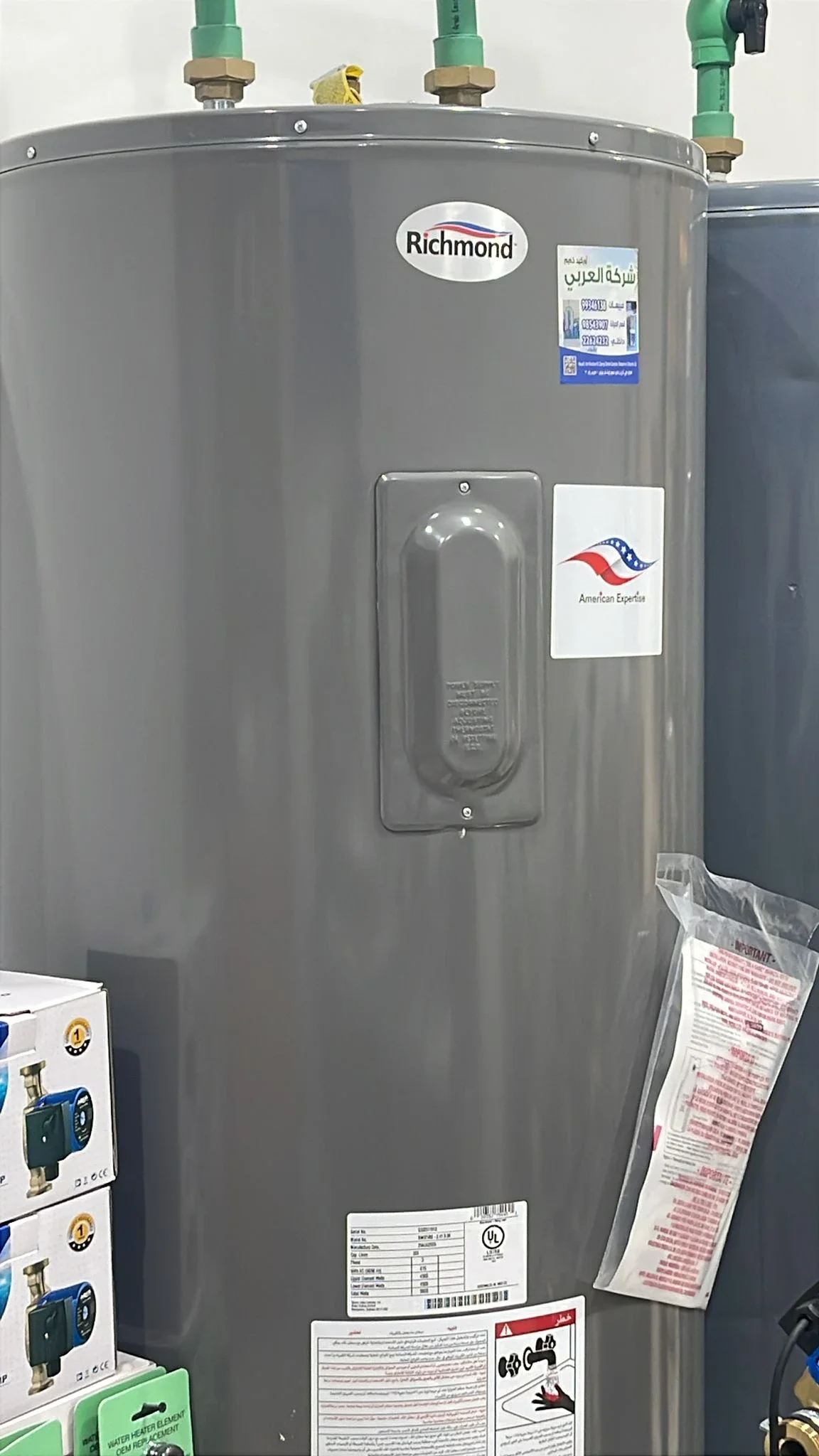
High electricity consumption from a water heater becomes important when the heater’s behavior changes without a reasonable change in household use. If the system previously reached the required temperature within a familiar operating pattern and now consistently takes longer, the cause should be investigated. An aging electric water heater or one whose operating efficiency has declined may require more time to provide the same hot water performance.
Another factor to check is hidden hot water loss. A small leak in a hot water line or a tap that does not close properly can allow heated water to escape continuously. Colder water then enters the tank to replace what was lost and the heater must operate more frequently to reheat it. The homeowner may notice that the heater keeps turning on and assume the thermostat is faulty when the unit is actually compensating for a continuous hot water loss somewhere in the system.
The selected temperature also affects consumption. The greater the temperature difference the heater must maintain between incoming water and stored hot water, the more energy it generally requires to heat and maintain that water. Higher storage temperatures can also increase standby heat losses because the difference between tank temperature and surrounding temperature becomes greater. For this reason, raising the thermostat more than necessary is not a smart way to improve performance.
Sediment is another possible factor when performance deteriorates gradually. Mineral deposits inside certain storage heaters can reduce the effectiveness of heat transfer and cause the heater to work less efficiently. This does not mean every high electricity bill is caused by sediment, but it becomes a more relevant possibility when increased consumption appears together with longer heating times or new operating noises.
-
If operating time increases consistently while household size and hot water use remain similar then technical inspection becomes more appropriate than assuming the change is simply normal aging
-
A hot water leak creates continuous demand because every quantity lost from the system is replaced by colder water that must be heated again even when nobody is intentionally using hot water
-
Setting the water temperature higher than necessary increases the energy needed to reach and maintain that temperature so thermostat adjustment should be deliberate rather than random
-
Sediment buildup is one possible cause of declining performance in some storage heaters but a higher electricity bill by itself is not enough evidence and the actual cause should be confirmed
Causes of Increased Water Heater Electricity Use
The causes of increased water heater electricity use are not limited to one component, which is why the best diagnostic process moves from simple explanations toward more technical ones. Start with household behavior. Has the number of residents increased? Are showers longer? Are several bathrooms now using hot water at the same time? If hot water demand increases, electricity use naturally rises because the heater simply has to heat a larger quantity of water.
The next step is checking for hot water leakage. A small drip may look insignificant, but over an entire day it can represent a substantial quantity of water that must be replaced and reheated. Then review the thermostat setting and whether it was changed recently. After that, observe the heater’s operating cycle. Does it restart frequently even without obvious hot water use? Does it take longer to reach temperature? Is the delivered temperature stable?
The more technical stage includes checking the thermostat, heating elements, sediment condition, insulation, and overall tank condition depending on the model and symptoms. The purpose is not to replace every possible component “just in case.” Diagnosis should identify where the energy is actually being lost before repair begins.
-
Start with changes in household habits before blaming the equipment because longer showers and more residents increase electricity demand even when the heater itself is in excellent condition
-
Check hot water leaks because they waste both water and electricity by forcing the heater to continually replace and reheat the lost volume
-
Watch whether the heater restarts frequently without obvious hot water demand because abnormal cycling may point toward heat loss or unstable temperature control
-
Replacing components without measurements is not an energy-saving strategy because you may pay for a new thermostat or heating element while the real cause remains somewhere else in the system
Reducing Central Water Heater Electricity Use

The best way of reducing central water heater electricity use is not to keep switching the heater off and on manually every few hours. Start by eliminating energy use that provides no practical comfort. The first step is repairing any hot water leak because there is little value in trying to save electricity while already heated water is escaping from the plumbing system.
The second step is maintaining a reasonable temperature setting according to manufacturer instructions and household needs instead of unnecessarily increasing the thermostat. The third is reviewing hot water pipe insulation where appropriate for the property and heater system. Reducing heat loss from hot water lines helps deliver more of the heat produced by the heater to the actual user instead of losing it before the water reaches the bathroom or kitchen.
The fourth step is correct heater sizing. A storage tank significantly larger than the household needs is not a free advantage because the system is maintaining a larger volume of heated water. At the same time, a heater that is too small can create comfort problems and may undergo very intensive recovery during peak periods. The objective is balance rather than choosing the smallest or largest tank available.
A properly sized heater operating at an appropriate temperature with a sound distribution system will generally give the homeowner a better chance of controlling unnecessary energy use than a heater constantly being switched manually without understanding the underlying demand.
-
Repair any hot water leak before pursuing more complicated energy-saving measures because every lost liter or gallon of hot water requires additional energy to replace and reheat
-
Do not raise the temperature setting to compensate for weak heating because the actual cause may be a fault or sediment and the higher setting may increase consumption without solving the problem
-
Suitable insulation around hot water lines can reduce heat loss before the water reaches the user when installed in a way that is appropriate for the property and system
-
Selecting capacity close to actual household demand helps energy use stay connected to real consumption instead of maintaining an oversized tank or operating an undersized unit under excessive pressure
Old Water Heater and Electricity Consumption
The relationship between an old water heater and electricity consumption is not as simple as saying every heater becomes wasteful the moment it reaches a certain age. Age by itself does not consume electricity. What can increase electricity use are the conditions that sometimes develop as a heater gets older, such as sediment buildup, deterioration in temperature controls, changes in insulation performance, or longer heating times compared with previous years.
An aging electric heater may begin delivering water below the expected temperature or taking noticeably longer to reheat. When the system requires longer operating periods to provide the same amount of useful hot water, monthly energy consumption can increase. This makes operating behavior more useful than simply looking at the manufacturing year.
If you have an older heater that still operates steadily, reaches temperature normally, and shows no clear evidence of increased energy use, replacing it solely because it is old may not produce the savings you expect. You need evidence from performance and consumption rather than assumptions based on age.
On the other hand, if the heater has begun requiring repeated repairs, takes considerably longer to heat, and has generally deteriorated, comparing the cost of continuing to operate it with a newer and more efficient model becomes much more reasonable.
-
Heater age alone is not an independent cause of higher consumption but problems that develop over the years can make the unit operate longer to achieve the same result
-
Compare current heating time with the heater’s previous normal performance because a clear change in operating duration is more meaningful than the manufacturing year alone
-
A stable older heater should not automatically be replaced for theoretical savings while a deteriorating heater deserves a genuine comparison between continued repair and a more efficient replacement
-
Replacement becomes easier to justify when increased consumption appears together with poor performance and repeated faults rather than when age is the only concern
Water Heater Thermostat and Energy Consumption
The water heater thermostat and energy consumption are directly connected through temperature control and operating time. The thermostat does not create electrical energy or make the heating element suddenly draw twice its rated power. Its job is to determine when heating begins and when it stops according to the selected water temperature. If the setting is unnecessarily high, the heater has to reach and maintain a higher temperature.
If the thermostat develops a fault and temperature control becomes unstable, the homeowner may notice fluctuating water temperature or unusual heating cycles. Depending on the nature of the fault, energy consumption can also be affected. However, it would be incorrect to assume that every high electricity bill means the thermostat is faulty. Proper diagnosis should compare the actual water temperature and heater cycling behavior with the selected setting.
Another common mistake is raising the thermostat to compensate for weak hot water. If the real problem is a damaged heating element, sediment buildup, or heat loss in the distribution system, increasing the setting may only increase operating demand while leaving the original fault unresolved.
The thermostat should therefore be considered as one part of the overall heating-control system rather than the automatic suspect whenever the electricity bill increases.
-
The thermostat affects energy use mainly by controlling the required water temperature and the operating periods of the heating elements rather than changing the element’s rated electrical power
-
Increasing the temperature setting beyond household needs raises the heating requirement so any adjustment should balance comfort with manufacturer instructions and safe operation
-
Unstable water temperature combined with unusual cycling can justify thermostat testing but replacing it without measurements may not reduce consumption if the real cause is elsewhere
-
Weak hot water should be diagnosed before raising the temperature setting because a higher setting cannot repair a failed element heat-loss problem or significant internal buildup
Water Heater Sediment and Electricity Consumption
The relationship between water heater sediment and electricity consumption becomes particularly important when performance declines gradually. Minerals and deposits can collect at the bottom of certain storage tanks over time and may interfere with efficient heat transfer. As these deposits accumulate, the heater may need to work under less favorable conditions to bring the stored water to the required temperature.
Sediment buildup can sometimes be associated with slower heating, unusual popping or cracking sounds, and reduced overall performance. When these symptoms appear together with increased operating time, sediment becomes a more reasonable part of the inspection.
However, sediment should not become the automatic suspect behind every high electricity bill. If household hot water consumption has doubled, flushing the heater will not magically eliminate the energy required to heat that additional water. Likewise, the correct cleaning method and frequency depend on heater design, age, condition, and manufacturer instructions.
Preventive attention to sediment is generally more useful than allowing heavy buildup to develop for many years and then expecting one maintenance visit to reverse all of the effects of long-term neglect.
-
Sediment becomes a more relevant possibility when increased electricity consumption appears together with slower heating or noticeable changes in heater operation
-
Removing deposits correctly can help some storage heaters maintain better heat-transfer performance but servicing should follow the requirements of the actual heater model
-
Cleaning cannot eliminate electricity use caused by greater household hot water demand because energy requirements still depend on the amount of water being heated
-
Managing sediment as part of preventive maintenance is more practical than allowing severe buildup to accumulate and trying to correct years of neglect during a single service visit
Saving Electricity With a Central Water Heater

To achieve genuine electricity savings with a central water heater, focus on measures whose effects can be understood and monitored. Reduce unnecessary hot water waste, repair leaks, maintain a reasonable thermostat setting, and review whether the storage tank is considerably larger than household demand. After that, consider the technical efficiency of the heater, insulation, and component condition.
If you are away from the property for an extended period and the heater includes a manufacturer-approved Vacation or Away mode, that function can be used according to the heater instructions rather than leaving the unit operating exactly as it would in a fully occupied home. Some modern water heaters include operating modes specifically designed to reduce unnecessary energy use during periods of absence.
Manually switching the heater on for five minutes and off for ten minutes throughout the day is not an intelligent energy-management system. The heater already contains temperature controls designed to regulate heating according to demand. Random manual operation may reduce comfort without providing any clear understanding of whether meaningful electricity was actually saved.
The better strategy is to reduce unnecessary demand and correct system losses while allowing the heater controls to perform the job they were designed to do.
-
Reduce unnecessary hot water consumption because lowering the quantity of water that needs heating addresses energy use at its source instead of trying to save electricity after the water has already been consumed
-
Use approved vacation or economy operating modes when the heater supports them and follow manufacturer instructions rather than inventing a manual switching schedule that may not suit the equipment
-
Address leakage insulation and temperature settings before replacing the heater because a significant portion of energy waste may exist in the surrounding system rather than the tank itself
-
Compare electricity consumption before and after any change so you can determine whether the action produced a measurable benefit instead of relying only on the impression that the heater seems to operate less
Water Heater Energy Efficiency
Water heater energy efficiency gives you a smarter basis for comparison than simply asking how many kilowatts the heating element uses. On models evaluated with the UEF standard, a higher Uniform Energy Factor generally indicates greater overall efficiency within the appropriate comparison category. This allows consumers to compare how effectively different water heaters use energy under standardized conditions.
However, a high-efficiency heater cannot compensate for incorrect capacity selection. If you buy a tank dramatically larger than household demand, you are still maintaining more heated water than necessary. If you select a system that is too small, the household may struggle during peak periods regardless of how impressive the efficiency rating looks on the specification sheet.
Practical efficiency therefore combines several factors: an efficient heater model + correct capacity + appropriate temperature settings + a distribution system without unnecessary losses + maintenance when required. When these factors work together, the homeowner has a much better chance of reducing unnecessary energy consumption while maintaining comfortable hot water availability.
Al Arabi Orchid 99346138 evaluates heater efficiency as part of the complete system because no efficiency label in the world can compensate for a hot water tap that leaks throughout the night.
-
Use recognized efficiency ratings when comparing heaters within the same appropriate category rather than choosing a model based only on heating power or storage capacity
-
Correct tank sizing is part of practical energy efficiency because the heater should cover demand without continuously maintaining an unnecessary volume of stored hot water
-
The hot water network surrounding the heater affects final performance because leakage and distribution heat loss waste energy even when the tank itself has strong efficiency specifications
-
The best decision combines product efficiency with real household use and maintenance because manufacturer ratings describe the appliance while your electricity bill reflects the complete system
Conclusion
If you believe your central water heater raises electricity bills, do not start by replacing the heating element or purchasing a new water heater before identifying where the increase actually comes from. Review hot water use first, then check for leakage, thermostat settings, heating time, thermostat behavior, sediment condition, and heat losses. If the heater’s operating pattern has changed significantly without a corresponding change in household demand, professional inspection becomes much more useful.
Real energy savings do not mean depriving the household of hot water or manually switching the heater on and off all day. The objective is to reduce waste and allow the system to produce the hot water the household actually needs without unnecessary operating time.
You can contact Al Arabi Orchid on 99346138 if you notice unusually long operating periods, weak heating, or excessive cycling. The heater can be inspected to determine whether the increased electricity use is caused by the appliance itself, thermostat settings, sediment, or the surrounding hot water network before money is spent on a solution unrelated to the real problem.
Frequently Asked Questions
Does a central water heater increase the electricity bill?
An electric central water heater naturally represents part of household electricity consumption because it heats a significant volume of water and maintains that stored water at the selected temperature. An unusual increase, however, should be investigated by comparing household demand, operating time, and heater condition.
How do I know if my water heater is using more electricity than normal?
Look for a clear increase in operating time, more frequent reheating without additional hot water use, or a change in performance despite the same number of residents and similar household routines. Comparing current behavior with previous normal operation is very useful.
Does a larger water heater use more electricity?
Not according to tank size alone. A larger tank stores more water, but actual consumption depends on household usage, insulation, thermostat settings, efficiency, incoming water temperature, and operating time.
Does increasing the thermostat temperature raise electricity consumption?
A higher temperature setting requires the heater to raise the water to a greater temperature and maintain it there, which generally increases the energy requirement. The thermostat should therefore not be raised unnecessarily or used as a substitute for diagnosing poor heating.
Can a faulty thermostat increase the electricity bill?
It can affect consumption if it causes abnormal temperature control or unstable operation, but a high bill has many other possible causes. The thermostat should be tested rather than replaced based on the electricity bill alone.
Can sediment increase water heater electricity use?
Sediment buildup inside some storage water heaters can reduce effective heat transfer and contribute to less efficient heating. It should be addressed as part of appropriate maintenance when the heater condition and symptoms support that diagnosis.
Does an old water heater consume more electricity than a new one?
Not every older heater automatically consumes more electricity. However, aging equipment, mineral buildup, deteriorating controls, and longer heating times can cause some older systems to use more energy than they did when operating normally.
Does a hot water leak affect the electricity bill?
Yes. A hot water leak causes heated water to be lost and replaced by colder incoming water, forcing the heater to operate again. The leak therefore wastes both water and electricity.
How can I save water heater electricity without losing hot water?
Start by repairing leaks, maintaining a suitable temperature setting, reducing unnecessary hot water waste, reviewing pipe insulation and heater condition, and making sure the storage capacity matches actual household demand instead of relying on constant manual switching.
When should I call a technician because of high water heater consumption?
If heating takes noticeably longer, the heater cycles frequently without increased household use, temperatures become unstable, or new operating noises appear, you can contact Al Arabi Orchid on 99346138 to inspect the cause of the performance change and determine the appropriate solution.