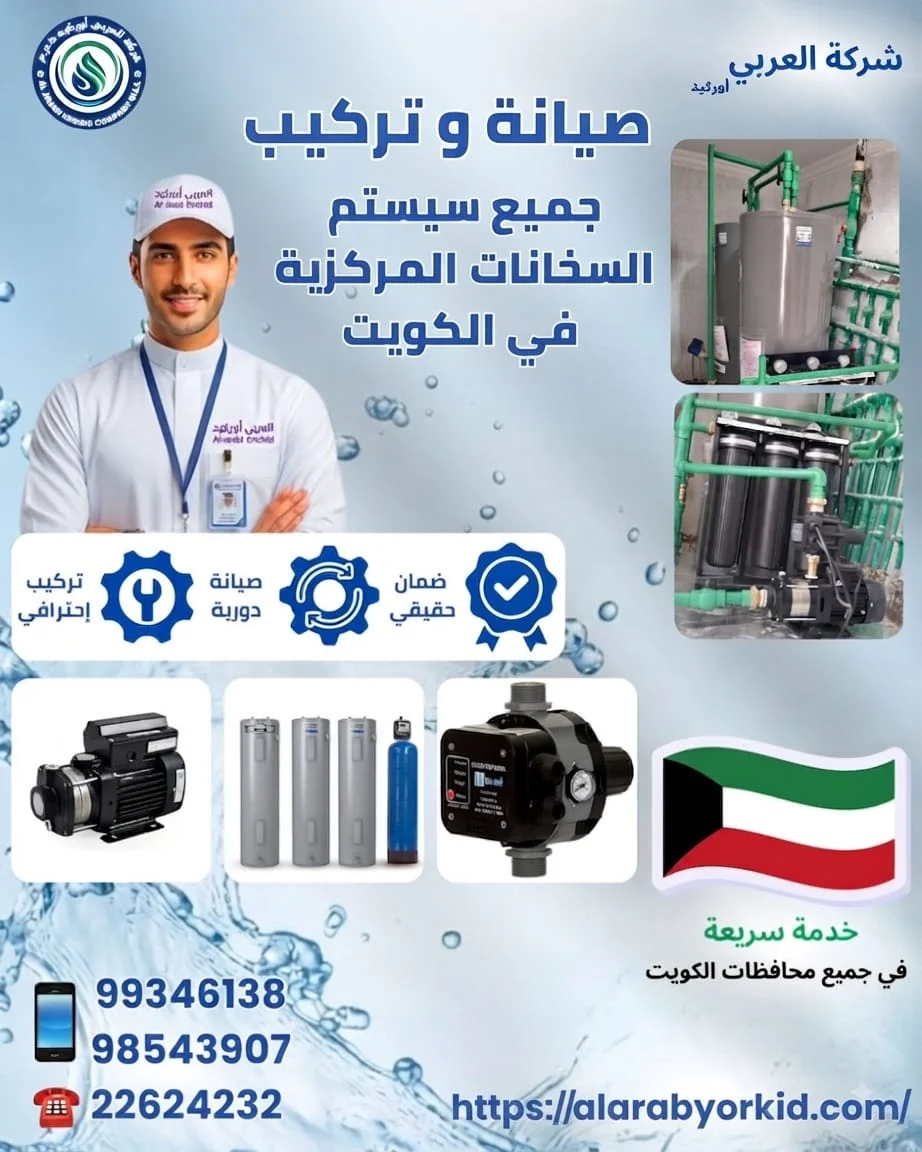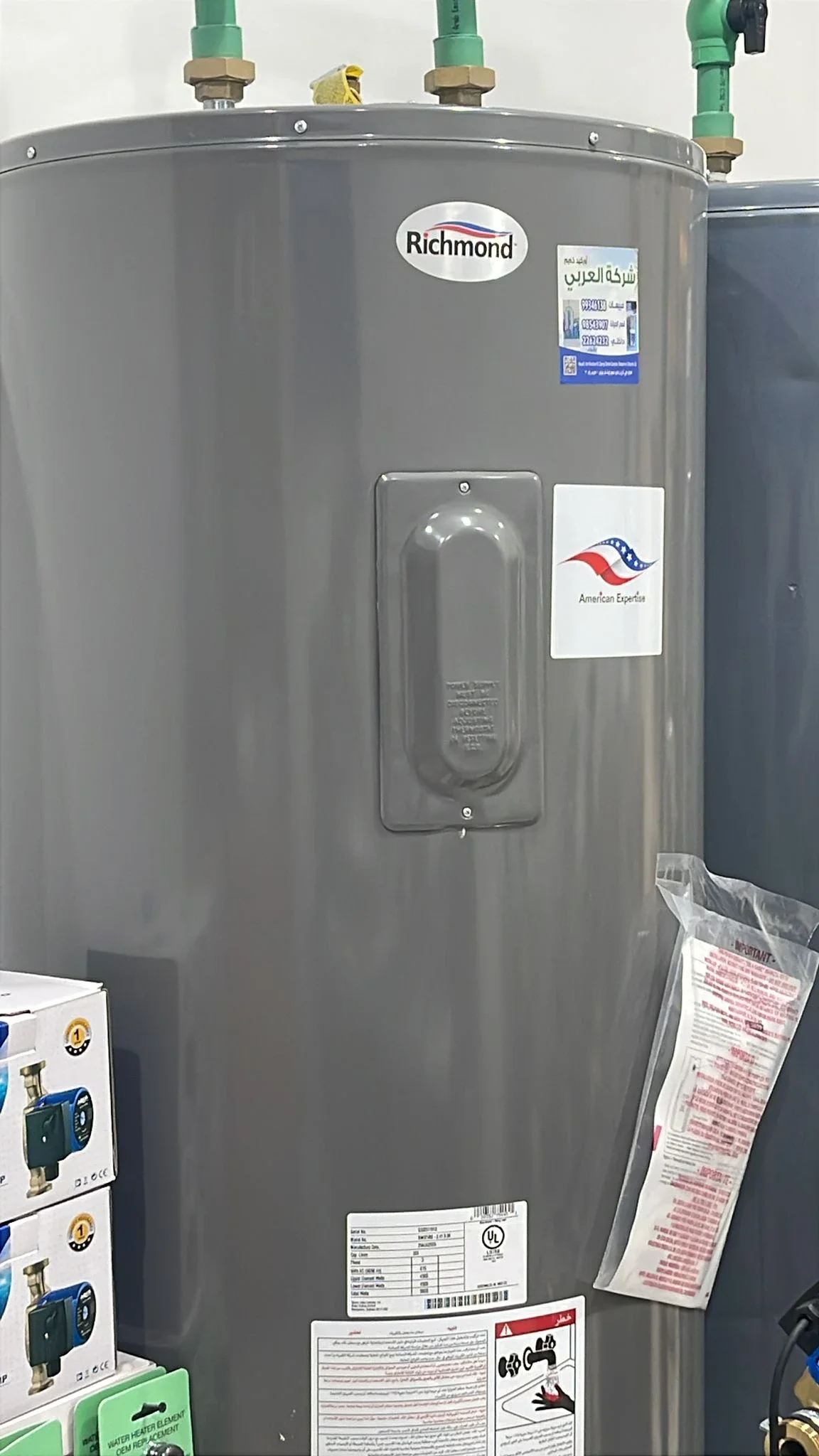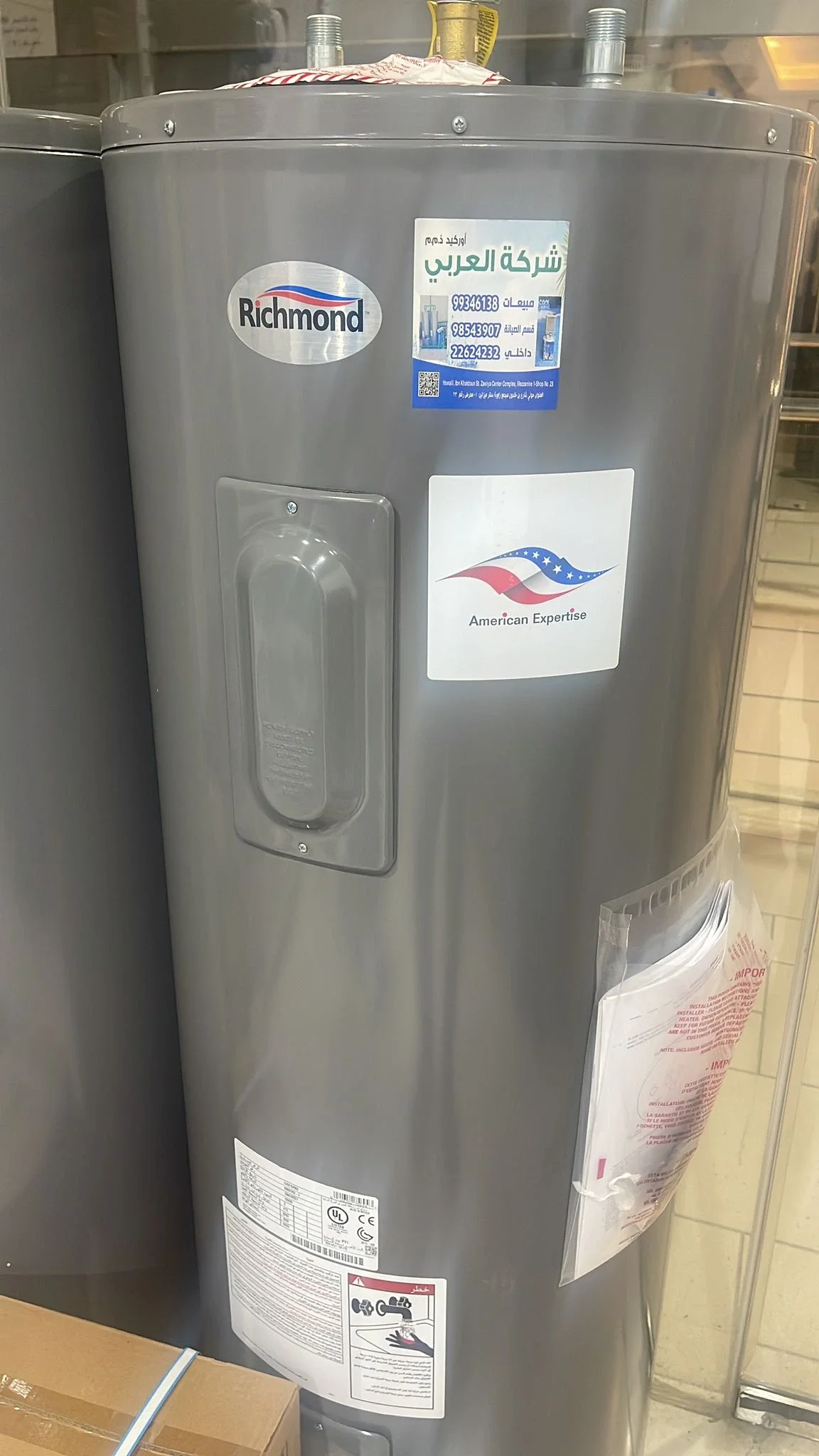
Not every water heater that stops heating or becomes too hot automatically needs a new thermostat. The central water heater thermostat is only one part of a complete electrical control circuit that can include the power supply, heating elements, high-temperature safety limit, wiring, and temperature sensors depending on the heater design. That is why thermostat diagnosis should be based on evidence rather than guesswork. Manufacturer service guidance lists a failed thermostat among the causes of no hot water, insufficient hot water, slow recovery, and overheating, but it also identifies other possible causes such as failed heating elements, loose wiring, grounded elements, and safety-limit problems. Al Arabi Orchid currently provides thermostat replacement services, but the correct approach is to diagnose the fault first and replace the thermostat only when testing confirms that it is actually responsible.
Replacing a Central Water Heater Thermostat
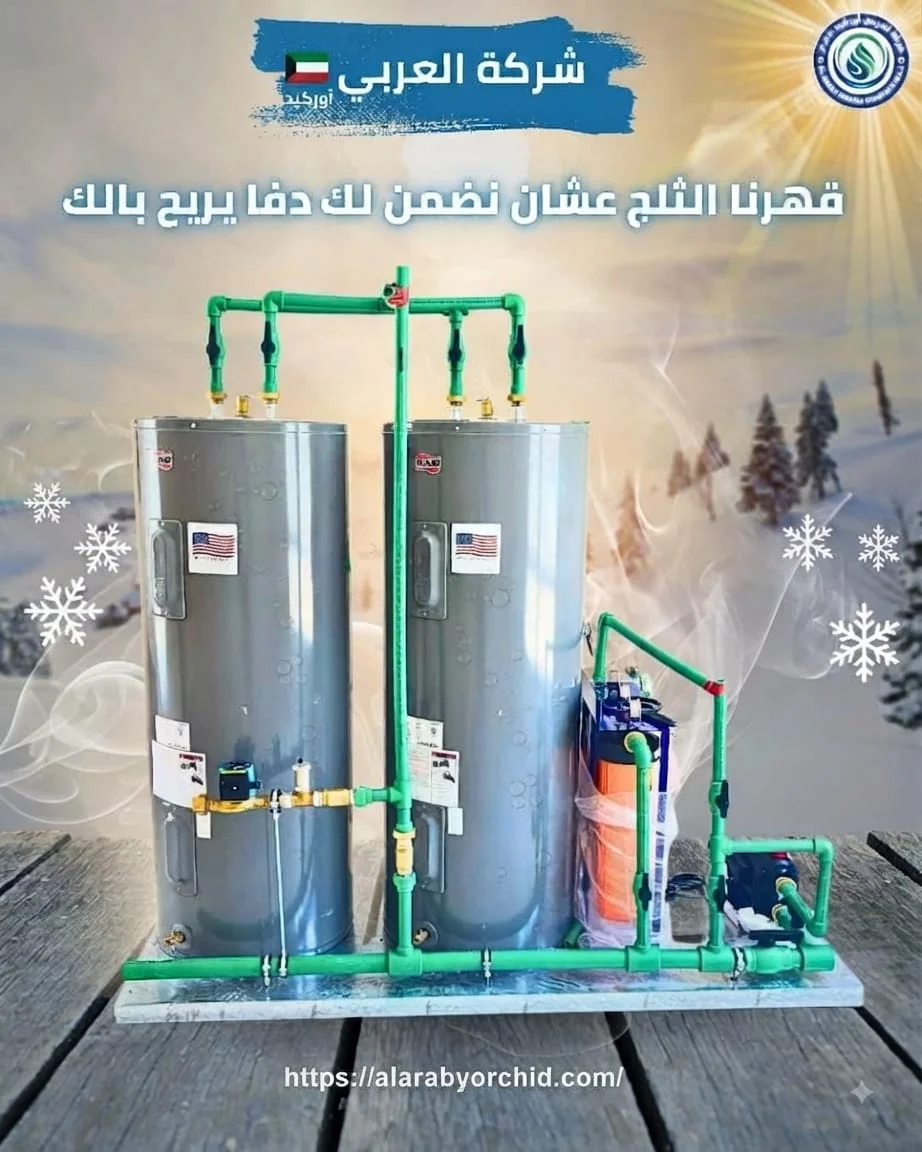
Replacing a central water heater thermostat is the correct decision when testing confirms that the thermostat can no longer perform its main job: supplying power to the heating element when the tank requires heat and disconnecting that power once the selected temperature is reached. When the fault is genuinely inside that control function, replacing the thermostat addresses the cause. If the heater is not heating because of a failed element, breaker problem, blown protection device, or loose connection, installing a new thermostat will not correct the problem.
Water-heater troubleshooting information lists an inoperative thermostat among the possible causes of several symptoms, including no hot water, insufficient hot water, slow recovery, and overheated water. However, the same diagnostic tables also list heating elements, electrical connections, high-temperature limits, contactors, and other components as possible causes of the exact same complaints. This is very important because one symptom can come from several different parts of the heater.
In practical diagnosis, thermostat replacement becomes justified when there is a clear sequence of evidence: proper electrical supply is reaching the heater, the heating element itself has tested correctly, the wiring is secure, and the high-temperature safety limit is not the reason the heater has stopped. After those conditions are confirmed, testing then shows that the thermostat does not open or close the circuit according to the required tank temperature. At that point, replacement makes sense because the competing causes have been ruled out.
In American-style electric water heaters with two heating elements, there may be an upper thermostat and a lower thermostat. It is not accurate to say “replace the thermostat” without first identifying which one is responsible. The upper thermostat plays an important role in controlling the heating sequence in many designs, while the lower thermostat controls a different part of the heating cycle. Manufacturers provide separate replacement procedures for upper thermostats and lower thermostats in many electric models, which confirms why the exact failed component must be identified before replacement.
Replacement also involves more than installing a part that looks physically similar. The new thermostat needs to match the heater model, electrical rating, control design, and terminal arrangement. Using a generic component that is not electrically compatible can cause improper operation or interfere with safety functions.
Al Arabi Orchid currently advertises a water-heater thermostat replacement service using an original replacement part with warranty, but its website does not publish one fixed price for this service. The final price depends on the heater model, thermostat type, and the condition of the electrical circuit at the time of inspection.
-
Thermostat replacement is justified when testing proves that the thermostat no longer switches the heating circuit on or off correctly
-
No hot water by itself is not enough to condemn the thermostat because the element breaker wiring and high-temperature limit can create the same symptom
-
Two-element heaters require identifying whether the upper or lower thermostat has failed instead of replacing both without testing
-
The replacement thermostat must match the exact heater specifications rather than simply looking similar to the old component
-
Contact Al Arabi Orchid on 99346138 for diagnosis before replacement so you pay for the component that has actually been proven faulty
Signs of a Failed Water Heater Thermostat
Signs of a failed water heater thermostat rarely consist of one symptom that proves the diagnosis by itself. The probability increases when several symptoms appear together and are supported by test results. The first sign is that the water does not heat even though the electrical supply and heating element have already been confirmed to be good. If both conditions are verified and the thermostat does not send power to the element when heating is required, suspicion of thermostat failure becomes much stronger.
The second sign is the opposite situation: the water becomes excessively hot. Water-heater service guidance lists a failed thermostat as one possible cause of overheated water, but it also identifies other possibilities such as a grounded heating element, an excessively high setting, or a malfunctioning high-temperature limit. Excessive temperature therefore provides a reason to test the thermostat but does not prove by itself that it needs replacement.
The third sign is that the water temperature does not respond properly to adjustment. For example, you reduce the thermostat setting correctly and allow the tank to complete a full heating cycle, but the actual water temperature remains far too high or much lower than expected. In this situation, thermostat calibration, physical contact with the tank, or internal failure should be considered. In electronically controlled heaters, the system may use a separate temperature sensor and electronic board rather than a simple mechanical thermostat.
The fourth sign is repeated tripping of the high-temperature safety limit. When the high-limit device opens because the tank temperature has become excessive, manufacturer diagnostic procedures include checking whether the thermostat is making full contact with the tank, whether a heating element is grounded, and whether the thermostat is operating correctly. This matters because the ECO is a protective device, but its operation alone does not prove that the thermostat is the failed part.
The fifth sign can be weak hot-water recovery without another obvious cause. A thermostat that does not energize the correct heating element when needed can make hot water run out sooner or recover slowly. However, exactly the same symptom can occur with a scaled heating element, a failed element, or a weak electrical connection, so diagnosis still needs to continue.
A sixth sign can sometimes be visible heat damage around the thermostat terminals or wiring. In this situation, simply tightening the connection and restarting the heater is not enough. Heat damage suggests that the technician should inspect the connection resistance, terminal condition, thermostat, and wiring together.
-
No heating with confirmed electrical supply and a good heating element greatly increases the likelihood of thermostat failure
-
Excessively hot water can indicate a thermostat that does not switch off but it can also result from a grounded element or an excessively high setting
-
Failure of water temperature to respond to a correct adjustment after a full cycle is a reason to inspect thermostat operation and temperature sensing
-
Repeated ECO trips justify thermostat testing but do not prove by themselves that the thermostat needs replacement
-
Burn marks or discoloration around electrical terminals require inspection of both the thermostat and wiring rather than replacing one part while leaving the cause of overheating
Central Water Heater Thermostat Is Not Working

When someone says the central water heater thermostat is not working, the first step is to identify which thermostat function has failed. A thermostat can fail open and stop supplying electricity to the heating element. It can fail in a condition that prevents it from switching off when the correct temperature is reached. It can also be electrically functional but sense the tank temperature incorrectly because it is not making proper physical contact with the tank surface.
In traditional control systems, the thermostat completes the heating-control circuit when there is demand for heat and opens the circuit once the water reaches the temperature required by the setting. This basic operating function is what needs to be evaluated when thermostat failure is suspected.
If the thermostat fails in an open position, the symptom may be completely cold water or incomplete heating depending on which thermostat is affected and how the heater elements are arranged. If the thermostat remains closed or continues demanding heat, water temperature may rise until the high-temperature safety limit intervenes. However, a heating element grounded to the tank can also create abnormal heating even when the thermostat itself is not the main problem, which is why the heating elements should be tested together with the control circuit.
When a heater produces no hot water at all, the thermostat should not be the first component blamed before verifying the power supply. Manufacturer service procedures typically begin by checking wiring, incoming voltage, high-temperature safety protection, and heating elements before concluding that the control device is faulty. This diagnostic order prevents replacing a thermostat when the actual cause is a breaker, element, or wiring problem.
It is also important to distinguish between the thermostat and the ECO. In many electric water heaters, the high-temperature safety limit is physically mounted near or integrated with the upper thermostat assembly, but its purpose is different. The thermostat regulates normal heating cycles, while the ECO stops the heater if an abnormal high-temperature condition occurs. They should not automatically be diagnosed as one single fault simply because they are located together.
-
A thermostat stuck open can prevent the heating element from operating even though electrical power is reaching the heater
-
A thermostat that does not open can contribute to overheating but a grounded element and other overheating causes still need to be ruled out
-
The ECO performs a different safety function from the normal thermostat and should not be treated as the same failure
-
A heater with no hot water requires power-supply and element checks before the thermostat can be blamed conclusively
-
Identifying the failure mode is more useful than simply saying the thermostat is bad because it tells the technician what the control should or should not be doing during testing
Testing a Central Water Heater Thermostat
Testing a central water heater thermostat correctly combines temperature observation with electrical diagnosis. Because an electric central water heater contains dangerous voltage, direct measurements inside the heater should be performed by a qualified technician. Manufacturer service procedures use electrical meters to test thermostat operation and warn clearly about shock hazards during service.
The first part of the test does not require touching electrical wiring. The technician identifies the exact complaint, measures the delivered water temperature, and compares it with the thermostat setting. If the complaint is “no hot water,” the technician confirms incoming electrical power, breaker condition, high-temperature safety state, wiring, and heating elements. If those components are functioning correctly, testing can then move to the thermostat.
During electrical diagnosis, the goal is not simply to confirm that “electricity is present.” The real question is whether the thermostat changes the state of the heating circuit according to demand for heat. When the tank needs heating, does it send electricity through the correct circuit? When the tank reaches the selected temperature, does it disconnect that circuit? The exact terminals and test procedure vary between heater models, so the wiring diagram from one heater should never be copied onto another.
In a two-element heater, the technician also confirms the operating sequence between the upper and lower controls. Many two-element electric water heaters use non-simultaneous operation, meaning only one heating element operates at a time according to the control sequence. Without understanding this design, someone can incorrectly assume that an element or thermostat is faulty when the heater is actually operating normally.
The physical contact between the thermostat and the tank also needs inspection. If the thermostat is not pressed firmly against the tank surface, the temperature it senses may not accurately represent actual tank temperature. Manufacturer service procedures specifically include this check when diagnosing overheating and repeated high-limit operation.
The heating element is then tested alongside the thermostat because a failed element can produce many of the same symptoms. This is the difference between diagnosis and simple part replacement: proper diagnosis confirms the relationship between temperature demand, thermostat output, and heating-element response.
-
Thermostat testing begins by comparing the complaint actual water temperature and thermostat setting before touching electrical wiring
-
Incoming power heating elements and the high-temperature limit should be confirmed so a thermostat is not blamed for a fault caused elsewhere
-
The technician tests whether the thermostat supplies and interrupts the heating circuit at the correct points in the temperature cycle
-
Two-element heaters require understanding the normal operating sequence because the elements may intentionally not operate together
-
Proper thermostat contact with the tank is important because an inaccurate temperature reading can result from installation position rather than internal failure
-
Electrical testing inside a central water heater should not be treated as a safe homeowner procedure because of high-voltage shock risk
Symptoms of a Water Heater Thermostat Fault

Symptoms of a water heater thermostat fault vary depending on the type of failure, so the most useful way to understand them is to connect each symptom with the control function that may have been lost.
If the thermostat does not call for heat even though the tank temperature has fallen, the water remains cold or cooler than the selected setting. In a two-element heater, if the fault affects the lower thermostat, you may still receive an initial quantity of hot water but notice that the usable hot-water volume is much lower than before because the lower section of the tank is not being reheated correctly.
If the thermostat fails to switch off, the temperature can rise above the selected setting. However, it would be a mistake to say this proves thermostat failure with complete certainty. Manufacturer diagnostic information identifies several separate causes of excessively hot water, including a grounded heating element, an excessively high thermostat setting, an inoperative thermostat, and a malfunctioning high-temperature limit.
If the thermostat operates intermittently, the customer may notice some days of normal operation and other days with reduced temperature or inconsistent behavior, particularly if an electrical terminal is loose or heat has developed around a connection. A single test may not reveal the whole problem, so the wiring and actual operating pattern should be reviewed together.
In electronically controlled heaters, the phrase “water thermostat” may be used generally by the customer even though the actual technical component is a thermistor, temperature sensor, or power-control module. Some modern heater designs list an upper temperature sensor not making proper contact with the tank or a power-switch module among the possible causes of excessive temperature or continuous heating. This is why the exact heater model must be identified before deciding what component should be replaced.
Symptoms therefore begin the diagnostic process, but they do not complete it. Replacement should follow actual testing.
-
Cold water despite the rest of the heating circuit being functional can indicate a thermostat that is not calling for heat
-
Reduced usable hot-water volume in a two-element heater can involve the lower control but the lower heating element itself must still be ruled out
-
Temperature that repeatedly exceeds the selected setting can involve a thermostat that does not switch off but a grounded element remains an important competing possibility
-
Intermittent or unstable heating should include inspection of electrical connections rather than replacing the thermostat alone
-
Electronically controlled heaters may use sensors and control modules so the correct component name must come from the heater model rather than only from the customer’s description
Central Water Heater Thermostat Price
The price of a central water heater thermostat does not have one correct figure for every heater because the term thermostat includes several designs and heater types. An upper thermostat for an American-style electric heater may not cost the same as a lower thermostat, and an electronic control module is completely different from a traditional mechanical thermostat. The component price is also different from the total cost of diagnosis and installation.
As of September 2026, Al Arabi Orchid clearly advertises a water-heater thermostat replacement service using an original part with warranty, but its website does not publish a separate fixed price for the thermostat or the replacement service. It would therefore be inaccurate to assign Al Arabi Orchid a price that it has not publicly listed.
One Kuwait service provider currently publishes an approximate thermostat-replacement range of around KWD 20 to 35, but this is only an example from another provider. It is not an official Al Arabi Orchid price and should not be treated as a guaranteed market average.
Why does the cost vary? The first factor is heater brand and model. Bradford White, A. O. Smith, Rheem, Richmond, and other heaters can require different part numbers. The second factor is whether the repair requires only an upper thermostat, only a lower thermostat, or a complete control assembly. The third factor is whether damaged wiring or electrical terminals also require repair. The fourth factor is whether the high-temperature safety limit is part of the thermostat assembly. The fifth factor is how difficult the heater is to access.
Most importantly, do not compare two quotations only by the “thermostat price.” Ask whether the quotation includes diagnosis, replacement component, installation, temperature adjustment, full-cycle testing, and warranty. A cheaper thermostat installed without diagnosis can cost more in the end if the actual fault turns out to be the heating element.
-
Al Arabi Orchid advertises thermostat replacement using an original part with warranty but does not currently publish one fixed independent price for the service
-
The KWD 20 to 35 range published by another Kuwait service provider is only a market example and is not an Al Arabi Orchid price
-
Heater model thermostat type and control position all influence replacement cost
-
Repairing damaged wires or terminals adds a different cost from replacing the thermostat alone
-
Ask for a quotation that clearly includes diagnosis part installation adjustment testing and warranty rather than comparing the component price alone
Adjusting a Central Water Heater Thermostat
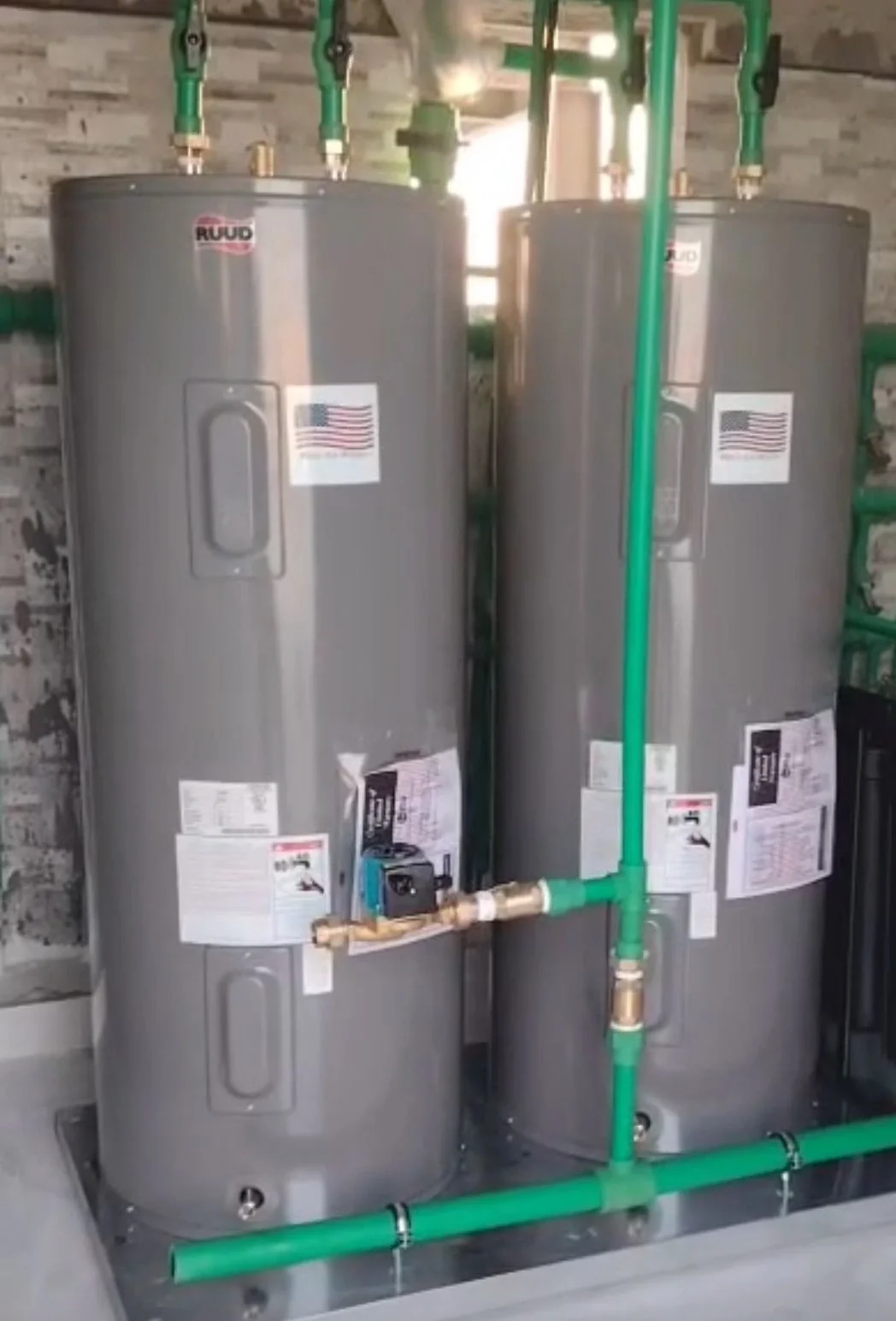
Adjusting a central water heater thermostat is not a solution for every problem. If the thermostat is healthy but the selected temperature is simply too low, changing the setting can restore normal performance. If the thermostat itself no longer opens or closes the circuit according to tank temperature, turning the adjustment dial will not repair the fault.
Many electric water-heater manufacturers specify a particular procedure for reaching and adjusting the thermostat, including a clear requirement to disconnect electrical power first. Official service materials are provided specifically for thermostat adjustment because accessing the control area involves electrical components.
If the heater has an upper and lower thermostat, both should be adjusted according to the exact model instructions. It is not good practice to raise one thermostat and lower the other simply to “experiment.” The control sequence between the two heating elements is designed in a specific way, and random settings can create unbalanced heating or reduced performance.
After adjusting the thermostat, the result should not be judged immediately. The tank needs enough time to complete a heating cycle so the temperature can stabilize. Only then should the delivered water temperature be measured again. If the setting was changed but the water temperature does not respond after a complete cycle, testing should begin instead of continuing to rotate the adjustment dial.
The difference between storage temperature and faucet temperature also matters when the system uses a thermostatic mixing valve. The thermostat may be controlling the tank at one temperature while the mixing valve reduces delivery temperature before the water reaches the fixtures. If faucet temperature is incorrect, the thermostat should not automatically be adjusted before actual tank temperature is understood.
-
Thermostat adjustment corrects an inappropriate setting but does not repair failed electrical contacts or a damaged temperature sensor
-
Electrical power should be disconnected according to the manufacturer’s procedure before accessing an electric water heater thermostat
-
Upper and lower thermostats should be adjusted according to the heater design rather than by random experimentation
-
Allow the tank to complete a full heating cycle after adjustment before measuring temperature and deciding whether replacement is needed
-
A mixing valve means faucet temperature may not be the same as the actual storage temperature inside the heater
Replacing a Thermostat in an American Water Heater
Replacing a thermostat in an American water heater requires accurate model matching because the phrase “American water heater” includes many different manufacturers and control designs. Al Arabi Orchid currently lists brands including Ruud, Bradford White, A. O. Smith, Americana, Rheem, and Richmond among the heater brands it services.
In traditional A. O. Smith electric water heaters, the manufacturer provides official procedures for servicing and replacing upper and lower thermostats separately. Rheem also provides technical information specifically for replacing an electric thermostat and separate guidance for thermostat testing. These materials confirm that thermostat replacement is a normal repair procedure, but it needs to follow the exact design of the heater rather than use an unspecified generic part.
Before replacement, the technician should identify the heater model number, electrical voltage, and wiring diagram. Electrical power is then isolated according to safety procedures, and the new thermostat is matched to the old one in both electrical function and rating. After installation, the temperature is adjusted correctly and insulation and protective covers are restored to their proper positions.
One stage that is often skipped is testing after replacement. The fact that the heater turns on does not prove that the repair is successful. A complete heating cycle should be observed to confirm that the heating element operates when required, the thermostat opens the circuit at the correct temperature, and the high-temperature safety limit does not trip again.
If the old thermostat was damaged by a loose electrical connection, the source of heat at the terminal must be repaired at the same time. Installing a new thermostat on the same poor connection can cause the new component to fail again.
-
Do not order an American water heater thermostat based only on the general heater description and provide the exact model number instead
-
Some brands use separate upper and lower thermostats so the failed component should be identified before ordering
-
Matching the voltage and terminal arrangement is part of selecting the correct replacement thermostat
-
Successful replacement should be confirmed through a complete heating cycle rather than only checking that the heater turns on
-
If the old thermostat shows heat damage inspect the wiring terminals and connectors so the same failure does not damage the replacement
Water Heater Thermostat Keeps Tripping
When the water heater thermostat keeps tripping, the first thing to determine is whether the normal thermostat is cycling as designed or the high-temperature safety limit or ECO is opening. A normal thermostat is supposed to switch on and off throughout the day according to water temperature. That is not a fault. The problem is when the heater requires repeated manual resetting or when hot water becomes abnormally unstable.
The ECO is different from the normal thermostat. The high-temperature limit opens during an excessive-temperature condition and should only be reset after the cause of overheating has been investigated. When service procedures confirm that the ECO has opened because of excessive tank temperature, three important areas are commonly checked: whether the thermostat is making proper contact with the tank, whether the heating elements are shorted or grounded, and whether the thermostat is operating correctly.
This means that if the Reset button repeatedly trips, you should not immediately purchase another thermostat. The thermostat may indeed be responsible, but a grounded heating element, incorrectly positioned temperature sensor, or failed high-temperature limit can produce the same result. Diagnostic tables treat a grounded element, high thermostat setting, failed thermostat, and failed safety limit as separate overheating causes.
If the normal thermostat is cycling very frequently without the ECO opening, the cause can be high hot-water demand, normal control differential depending on the heater design, or continuous heat loss from ongoing water use. Measuring actual heating-cycle duration and water temperature is more useful than simply counting how often someone hears the thermostat click.
If the ECO has tripped more than once, repeated resetting should stop being treated as the solution. Its job is to protect the heater and user from an abnormal high-temperature condition.
-
Normal thermostat cycling when the heater reaches its setpoint is part of proper operation and is not evidence of failure
-
Repeated need to press the manual Reset button usually indicates high-limit operation and requires diagnosis of the cause
-
A grounded heating element can cause overheating and ECO trips even when the thermostat appears to be the obvious suspect
-
Proper thermostat contact with the tank should be checked when the high-temperature limit repeatedly opens
-
Do not treat resetting as a repair because the safety limit is designed to indicate an abnormal condition not to function as a daily operating switch
Diagnosing a Water Heater Thermostat Fault
Diagnosing a water heater thermostat fault is most reliable when it follows a structured elimination process that leads to one final question: does the thermostat genuinely need replacement or not?
The first step is defining the exact symptom. Is there no hot water at all? Is there only a small amount of hot water? Is recovery slow? Is the water excessively hot? Does the high-temperature reset keep tripping? Each symptom points toward a different group of possible causes.
The second step is checking power supply and electrical connections. Manufacturer diagnostic procedures commonly begin by checking wiring, voltage, high-temperature protection, and heating elements before concluding that the control itself is defective. This prevents one of the most common mistakes: replacing a thermostat when the breaker, wire, heating element, or another component is actually responsible.
The third step is testing the heating elements. Heater manufacturers publish separate procedures for checking open or grounded elements, which shows that element testing is distinct from thermostat testing but essential for differentiating between the two.
The fourth step is comparing actual water temperature with the thermostat setting. If the thermostat calls for heat when the tank is cool and repeatedly opens the circuit when the selected temperature is reached, the probability that it is functioning correctly becomes higher. If it does not change the state of the circuit even though tank temperature changes significantly, suspicion of thermostat failure becomes stronger.
The fifth step is verifying that the thermostat or temperature sensor is properly positioned against the tank. Poor physical contact can cause incorrect sensing and should be corrected before concluding that the component has failed internally.
The sixth step is identifying which thermostat is affected if the heater has more than one, and then selecting the correct replacement part for the exact model instead of using a generic substitute.
The seventh step comes after repair: operate the heater through a full cycle and measure the final water temperature. If the heater reaches the desired temperature, switches off correctly, and restarts normally after the temperature later drops, the repair has been verified rather than merely assumed.
Al Arabi Orchid currently provides water-heater thermostat replacement services in Kuwait using original parts with warranty, and customers can contact 99346138 to request diagnosis.
-
Define the exact symptom first because overheating no heat and slow recovery do not follow the same diagnostic path
-
Confirm power supply wiring and high-temperature protection before blaming the thermostat
-
Test the heating element because an open or grounded element can imitate thermostat-control problems
-
Compare thermostat state with actual tank temperature to determine whether it calls for and stops heating at the correct times
-
Verify thermostat or sensor contact with the tank before interpreting an inaccurate temperature reading as internal component failure
-
Identify the upper or lower thermostat in two-element heaters and then choose the replacement part that matches the exact model
-
After replacement test a complete heating cycle and actual water temperature instead of ending the repair as soon as the heater turns on
Conclusion
How do you know when a central water heater thermostat needs replacing? You know when testing proves that the problem is inside the temperature-control function itself, not simply because the water is cold or excessively hot.
Manufacturer service information lists a failed thermostat among the causes of no hot water, insufficient hot water, slow recovery, and overheating, but the same guidance also identifies heating elements, wiring, scale, high-temperature safety limits, and grounded elements as competing causes. This means that any diagnosis declaring “the thermostat is bad” within the first few minutes without testing the rest of the heating circuit is incomplete.
Major heater manufacturers also separate their procedures for thermostat testing, thermostat replacement, and open or grounded heating-element testing, while other service documentation distinguishes between upper and lower thermostats. All of this supports one basic rule: the thermostat should be replaced after it has been identified as the cause, not simply because it is an easy component to suspect.
If the heater is overheating, the grounded heating element and temperature setting should be ruled out before the thermostat is condemned. If it does not heat, the electrical supply, heating elements, and high-temperature limit should be checked. If the ECO repeatedly trips, thermostat contact with the tank, heating-element condition, and the overall control circuit should be inspected before repeated resetting.
Regarding cost, Al Arabi Orchid currently advertises thermostat replacement using an original component with warranty, but it does not publish one fixed price for this service. The actual cost therefore depends on the heater model, thermostat type, and confirmed fault.
If you have a central water heater from Ruud, Bradford White, A. O. Smith, Americana, Rheem, or Richmond and suspect thermostat failure, contact Al Arabi Orchid on 99346138 and request diagnosis covering electrical supply, heating elements, high-temperature limit, upper and lower thermostats, wiring condition, and actual water temperature. This way, the thermostat is replaced only when it is genuinely responsible for the problem.
Frequently Asked Questions
How do I know if my central water heater thermostat is bad?
Suspicion becomes stronger when the water does not heat despite confirmed electrical power and a good heating element, when temperature does not respond correctly to thermostat adjustment, or when the thermostat does not open or close the heating circuit according to actual tank temperature. Final diagnosis still requires ruling out the elements, wiring, and high-temperature limit.
Does no hot water mean the thermostat needs replacing?
No. No hot water can also be caused by loss of electrical power, loose wiring, failed heating elements, a high-temperature safety problem, or other control components. The thermostat is only one of several possible causes.
Is excessively hot water a sign of thermostat failure?
It can be, particularly if the thermostat does not switch off at the selected temperature. However, a grounded heating element, excessively high setting, or high-limit problem can create the same symptom, so thermostat replacement should not take place before those causes are checked.
Can a thermostat be tested without replacing it?
Yes. A technician can test thermostat behavior in relation to tank temperature and the heating circuit while also confirming electrical supply and heating-element condition. Thermostat testing should normally come before replacement.
Does an American electric water heater have more than one thermostat?
Many two-element electric water heaters use an upper and lower thermostat or separate control arrangements for the two heating zones. The exact heater model determines the design and which control needs to be tested.
Why does the Reset button on the thermostat keep tripping?
In many cases, the device that is tripping is actually the high-temperature safety limit or ECO rather than the normal thermostat cycle. If it repeatedly opens, thermostat contact with the tank, heating-element grounding, and thermostat operation should be checked instead of only resetting the button.
How much does it cost to replace a central water heater thermostat?
Al Arabi Orchid does not currently publish a fixed independent price for thermostat replacement. Another Kuwait service provider publishes an approximate KWD 20–35 range, but this is only a market example and not an Al Arabi Orchid price or guaranteed final cost. The actual price depends on the heater model, replacement part, and diagnosis.
Can I replace the water heater thermostat myself?
A central electric water heater contains dangerous electrical voltage, and manufacturers warn about shock risk during testing and service. Electrical measurements, wiring work, and thermostat replacement are safer when performed by a qualified technician.
Does replacing the thermostat always solve weak hot water?
No. Weak hot-water performance can result from a failed lower element, mineral scale on the elements, loose wiring, high household demand, or very cold incoming water. Thermostat replacement only helps when testing confirms that the thermostat is the component preventing proper heating or recovery.
How do I request a thermostat inspection from Al Arabi Orchid?
Call 99346138 and provide the heater model and the exact symptom: no heat, excessive heat, repeated safety-reset trips, or unstable water temperature. Request inspection of electrical supply, heating elements, upper and lower thermostats, high-temperature limit, wiring, and actual water temperature before replacing the thermostat so the decision is based on clear diagnosis rather than trial and error.