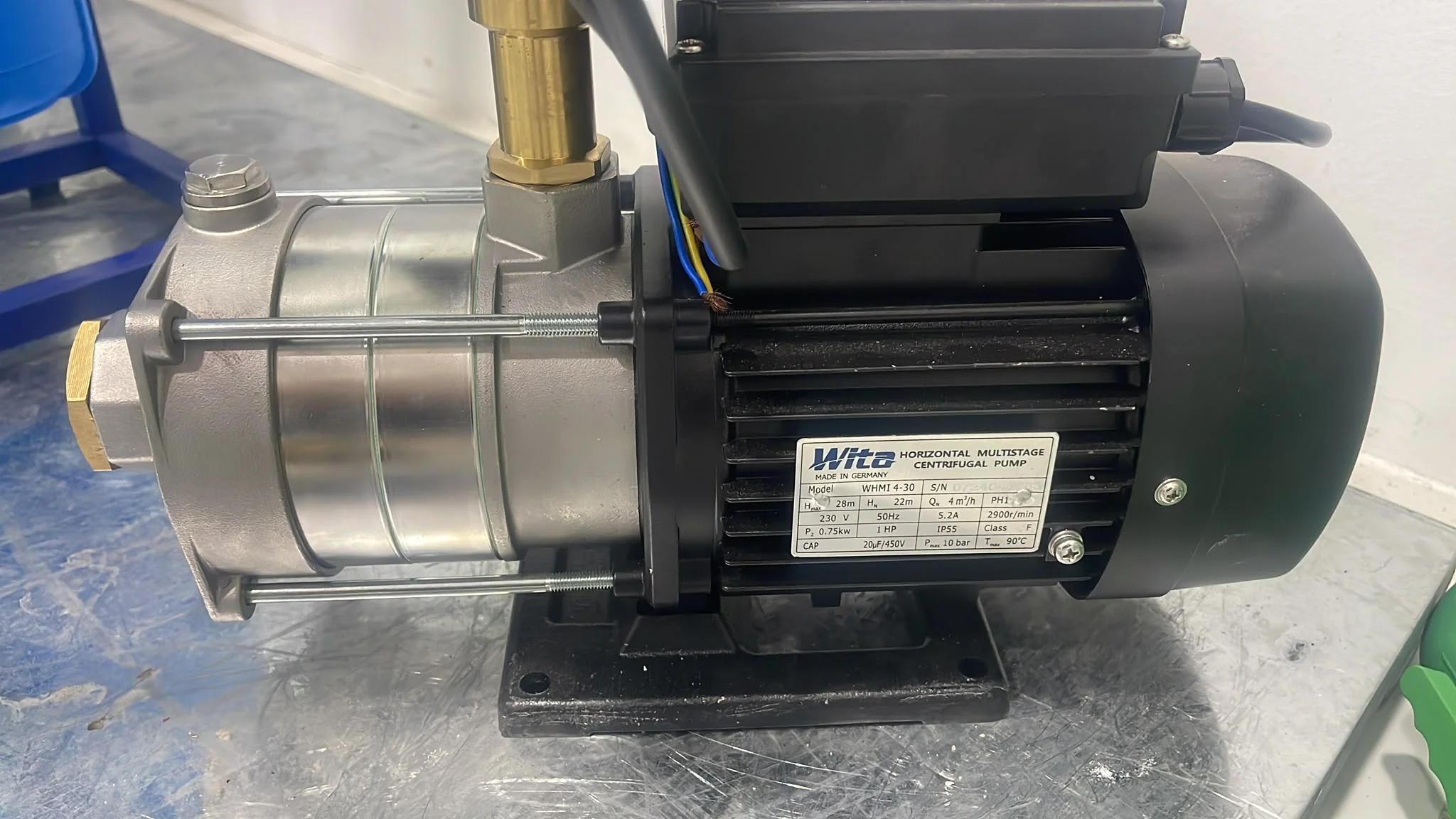
Residential water pumps have become one of the most essential components of modern homes in Kuwait because they ensure that water reaches every bathroom, kitchen, laundry room, and utility area with stable pressure throughout the day. Whether the property consists of a single floor or multiple stories, the water pump operates continuously behind the scenes, and homeowners often do not notice its importance until a problem suddenly appears. Even a minor malfunction can reduce water pressure, interrupt water supply to upper floors, increase electricity consumption, or lead to repeated failures that affect the comfort of everyone living in the house. Based on extensive practical experience in water pump maintenance throughout Kuwait, it has become clear that many common problems can be prevented simply by understanding how residential pumps operate, selecting the correct pump for the building, and performing preventive maintenance at the appropriate intervals. This comprehensive guide explains everything homeowners need to know about residential water pumps, including their different types, the most common failures, professional maintenance practices, repair procedures, selection criteria, and practical recommendations that help maintain reliable operation for many years.
Why Have Residential Water Pumps Become Essential in Most Homes Across Kuwait?
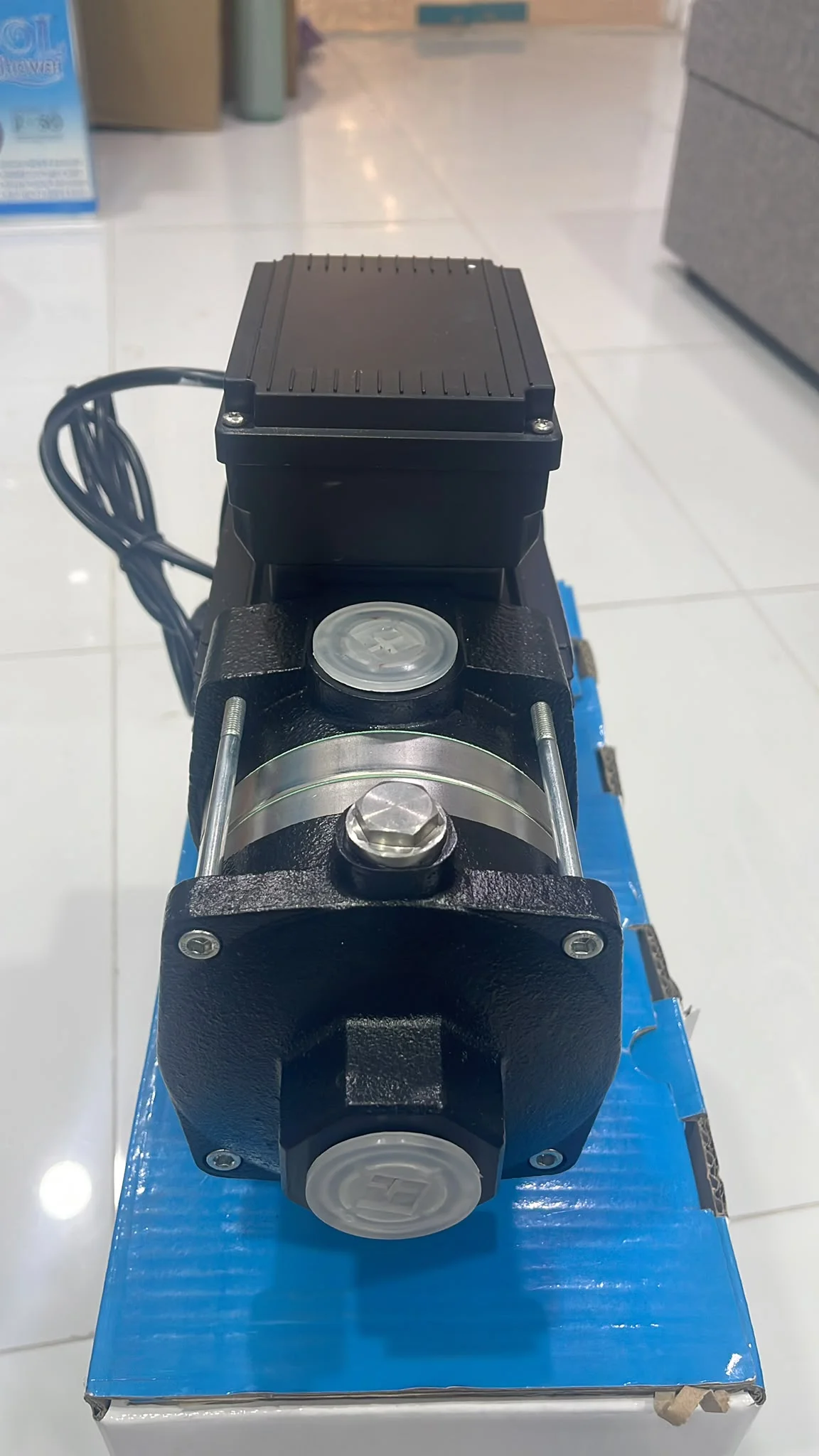
Over the past several years, residential water pumps have become indispensable in many Kuwaiti homes and villas because of local water distribution systems, building heights, and the widespread use of underground and rooftop storage tanks. Even homes connected to municipal water supplies often experience insufficient pressure to deliver consistent water flow to every outlet simultaneously, especially when multiple bathrooms, kitchens, or hot water systems are being used at the same time. As a result, the water pump has become responsible for maintaining stable pressure throughout the plumbing system, ensuring comfortable daily use while allowing every plumbing fixture to operate efficiently regardless of demand.
Practical field experience gained while preparing this guide to residential water pumps in Kuwait has shown that many problems initially blamed on the public water network are actually caused by selecting the wrong pump for the building. Some homeowners install pumps that are too small for large multi-story villas, while others purchase oversized systems for relatively small houses. Both situations result in unnecessary operating problems. Professional pump selection therefore always begins by evaluating the number of floors, plumbing fixtures, simultaneous water demand, total pipe length, required pressure, and expected daily consumption before recommending a suitable model. When these engineering calculations are performed correctly, the selected pump operates more efficiently, consumes less electricity, experiences fewer mechanical failures, and provides stable water pressure throughout the home for many years.
What Types of Residential Water Pumps Are Available and Where Is Each One Used?
Homeowners researching residential water pump types quickly discover that the market offers numerous designs with different operating principles, capacities, and intended applications. Selecting the proper pump therefore depends on much more than price or motor horsepower. Pressure boosting pumps are designed to increase water pressure inside residential plumbing systems, transfer pumps move water between storage tanks, multistage pumps provide high pressure for larger buildings, and electronically controlled pumps maintain constant water pressure automatically regardless of changing household demand.
Practical installation experience has consistently shown that choosing the correct pump type significantly reduces future maintenance requirements because every design is engineered for a specific operating environment. Important selection factors include required flow rate, total dynamic head, water quality, expected operating hours, and the number of daily start-stop cycles. For this reason, the best residential water pump is not necessarily the most powerful or most expensive model available. Instead, it is the pump that provides the proper balance between required pressure, flow capacity, energy efficiency, maintenance accessibility, and the availability of genuine water pump spare parts whenever servicing becomes necessary.
How Should You Choose the Best Water Pump Before Purchasing?
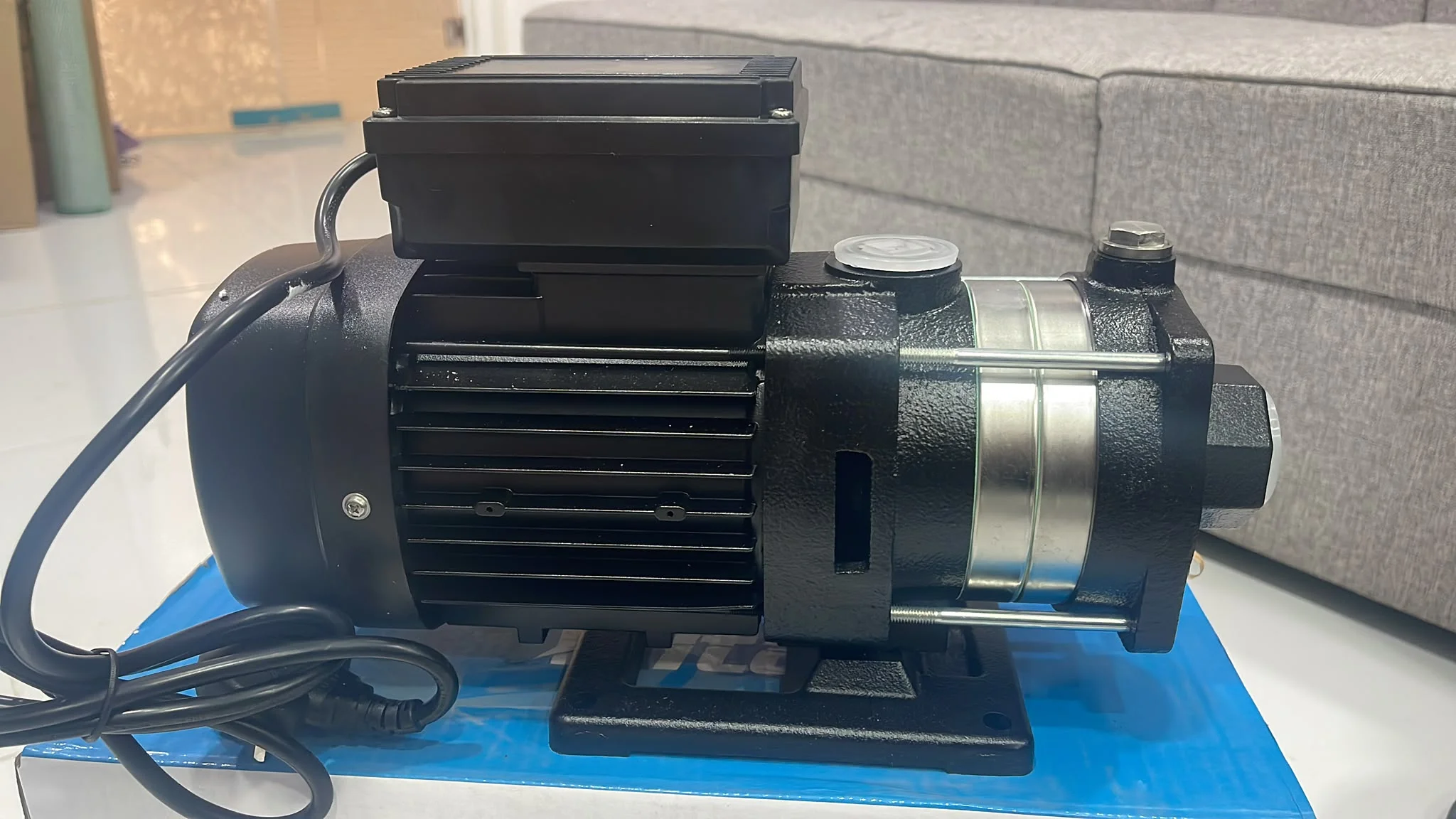
Selecting the best residential water pump begins with understanding the actual hydraulic requirements of the building rather than comparing prices or manufacturer names alone. Many buyers focus exclusively on motor horsepower while overlooking much more important engineering considerations such as flow capacity, total pumping head, simultaneous water demand, pressure control systems, operating efficiency, noise levels, manufacturing quality, and long-term maintenance support. Every one of these factors influences the pump's reliability and performance throughout its service life.
Extensive practical experience installing residential water pumps has shown that systems selected through proper engineering evaluation consistently outperform pumps chosen solely because of lower purchase prices. Correctly sized pumps operate more efficiently, experience fewer breakdowns, consume less electricity, and deliver longer service lives. Homeowners are therefore strongly encouraged to consult an experienced water pump technician in Kuwait before purchasing a pump. A professional evaluation ensures that the selected model matches the building's actual hydraulic requirements, providing dependable operation, lower maintenance expenses, and reduced long-term ownership costs while maintaining consistent water pressure throughout the entire plumbing system.
What Are the Most Common Residential Water Pump Failures and How Can You Recognize Them?
Although modern residential water pumps are engineered to provide many years of dependable service, they operate under continuous mechanical, hydraulic, and electrical loads every day. As a result, certain failures eventually become unavoidable. The real problem, however, is rarely the fault itself. Instead, it is the tendency to ignore early warning signs until a minor issue develops into a major mechanical failure. Based on extensive practical experience in water pump repair throughout Kuwait, most failures begin with subtle symptoms such as gradually decreasing water pressure, longer operating cycles, unusual mechanical noises, frequent start-stop operation, excessive vibration, or noticeable increases in electricity consumption. Many homeowners continue using the pump despite these changes, allowing relatively simple problems to develop into expensive repairs.
For this reason, water pump failures should always be investigated as soon as the first symptoms appear. Continued operation under abnormal conditions may damage bearings, overheat motor windings, wear mechanical seals, increase electrical load, and shorten the service life of numerous internal components. Professional diagnosis also requires distinguishing between electrical faults, such as low supply voltage or failed capacitors, mechanical problems including worn impellers or damaged bearings, and hydraulic issues caused by blocked pipelines, suction restrictions, or air entering the pumping system. Practical field experience has repeatedly demonstrated that early diagnosis significantly reduces repair costs, prevents unnecessary replacement of major components, and extends the operational lifespan of the entire pumping system.
Why Is Preventive Maintenance More Valuable Than Repairing Failures Later?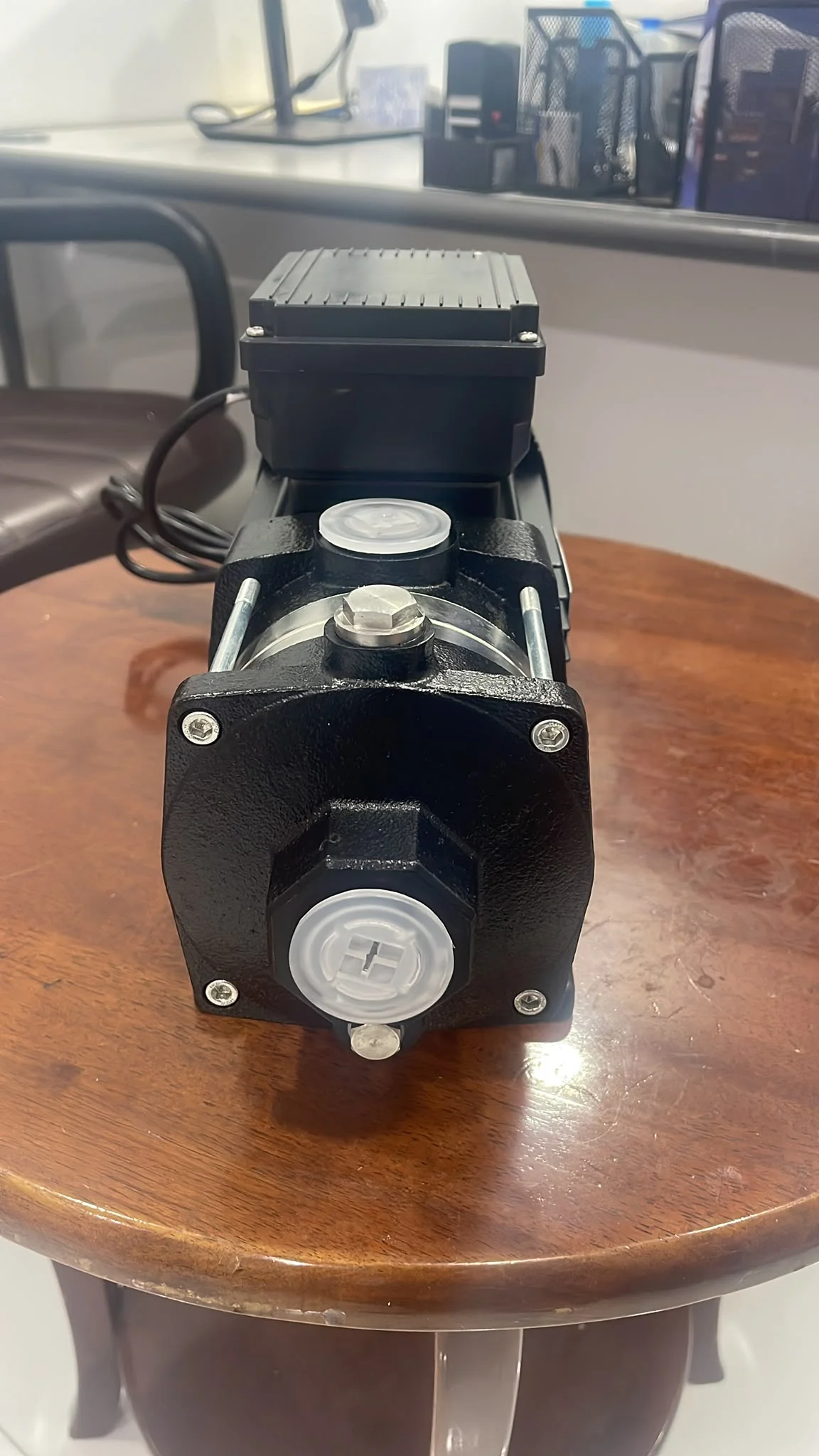
Many homeowners wait until the pump completely stops operating before requesting water pump maintenance, but practical experience consistently proves that preventive maintenance delivers far greater long-term value than emergency repairs. A pump that receives routine inspection operates more efficiently, consumes less electricity, maintains stable water pressure, and is far less likely to fail unexpectedly during periods of heavy household demand.
Professional maintenance includes checking operating pressure, inspecting pressure switches, testing safety protection systems, examining electrical connections, evaluating bearing condition, inspecting mechanical seals, verifying that no water or air leaks are present, cleaning filters, and monitoring motor performance during operation. Maintenance also includes inspecting water pump spare parts that naturally experience wear over time, including seals, gaskets, shaft seals, pressure controls, and other serviceable components depending on pump design. Extensive practical experience throughout Kuwait has shown that these preventive maintenance procedures significantly extend pump service life, improve operating efficiency, reduce energy consumption, and prevent many failures that would otherwise require expensive repairs or complete pump replacement.
How Are Residential Water Pumps Repaired Professionally?
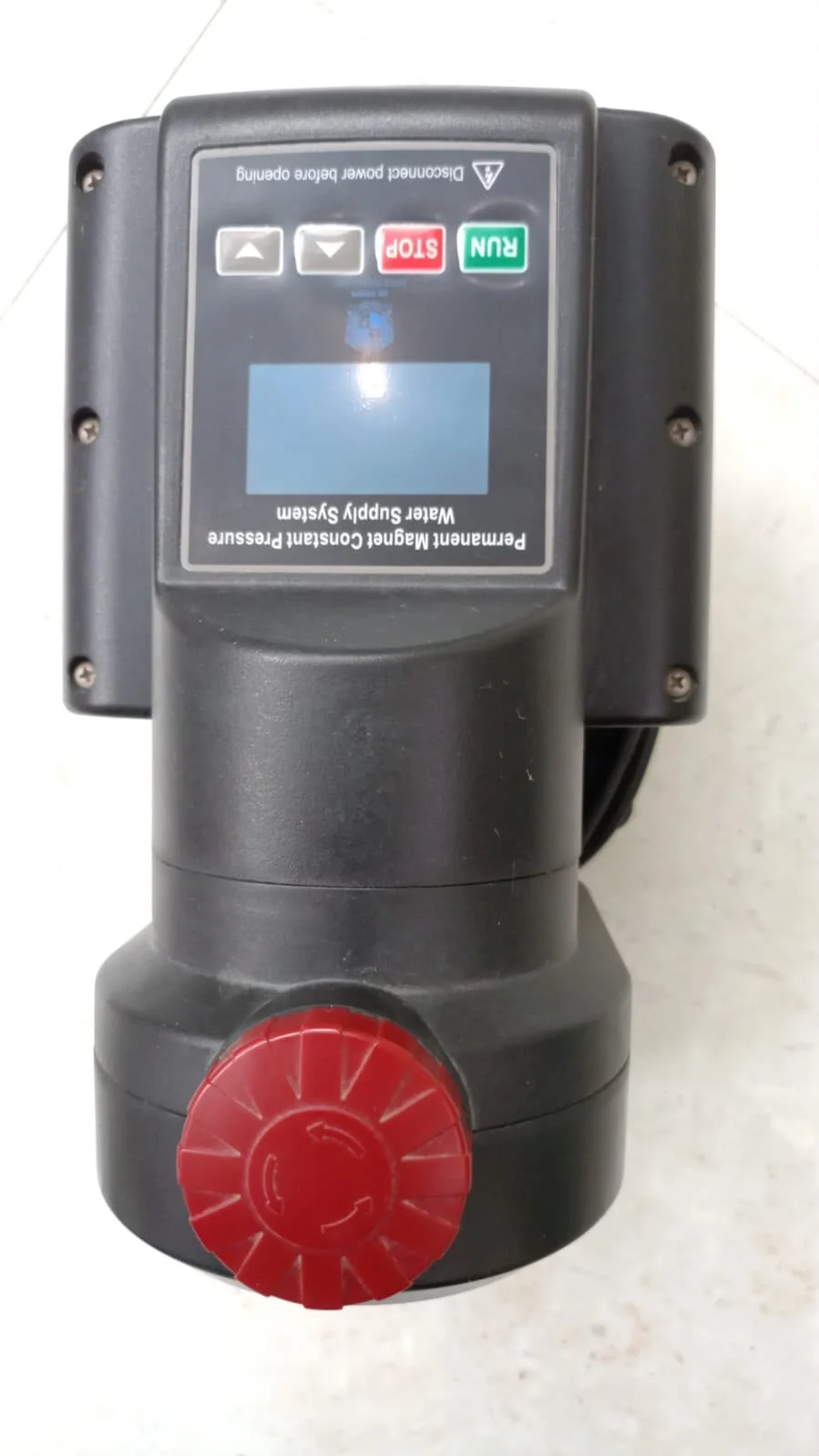
Successful water pump repair is never limited to replacing the damaged component alone. Professional repair always begins with identifying the underlying cause that allowed the failure to occur. In many situations, the visibly damaged part is only the consequence of another hidden problem, such as unstable electrical voltage, dry running conditions, blocked plumbing systems, excessive operating pressure, or incorrect pump sizing. If only the damaged component is replaced while the original cause remains unresolved, the same failure usually returns after a relatively short period.
An experienced water pump technician in Kuwait therefore begins by measuring electrical voltage, current consumption, suction and discharge pressure, evaluating all protection systems, inspecting the motor, impeller, bearings, mechanical seals, and every hydraulic and electrical connection throughout the system. Once the actual cause has been identified, repairs are completed using genuine water pump spare parts or components that fully comply with the manufacturer's specifications. After the repair has been completed, the pump undergoes comprehensive operational testing to verify stable pressure, normal electrical consumption, smooth operation, and the complete absence of abnormal vibration or mechanical noise. Practical field experience has consistently shown that this systematic repair process produces long-lasting results, minimizes recurring failures, restores original operating performance, and provides homeowners with reliable water pressure for many years following the repair.
Why Is Using Genuine Spare Parts Essential for Long Pump Life?
When a failure occurs, many homeowners naturally look for the lowest possible repair cost and often choose inexpensive replacement components instead of genuine water pump spare parts. While this may appear to reduce expenses initially, practical experience consistently shows that low-quality replacement parts frequently lead to repeated failures and significantly higher repair costs over time. Genuine components are manufactured according to the exact engineering tolerances specified by the pump manufacturer, ensuring perfect compatibility with the motor, shaft, impeller, mechanical seals, bearings, and every other critical internal component. This precise compatibility allows the pump to continue operating at the same efficiency and reliability originally intended by its designers.
By contrast, low-quality aftermarket components may create excessive vibration, poor impeller balance, increased motor temperature, accelerated bearing wear, water leakage, or additional mechanical stress throughout the pumping system. These secondary problems often damage components that were previously in excellent condition. Practical experience gained from countless water pump repair projects has demonstrated that many major failures originated after inexpensive non-original replacement parts were installed during previous maintenance. Professional technicians therefore explain the long-term advantages of genuine components, helping homeowners understand that investing in quality water pump spare parts protects the pump's overall reliability, reduces future maintenance costs, and significantly extends its service life rather than focusing only on the immediate repair expense.
When Should a Water Pump Be Replaced Instead of Repaired?

Not every malfunction means that a pump has reached the end of its useful life. Likewise, continuing to repair a severely worn pump is not always the most economical decision. Determining whether to repair or replace a residential pump requires a complete technical evaluation that includes the condition of the motor, pump housing, impeller, bearings, frequency of previous failures, repair costs, expected remaining service life, and the continued availability of genuine water pump spare parts for that particular model.
Practical field experience has shown that pumps suffering complete motor winding failure together with extensive internal corrosion, worn impellers, damaged pump housings, or multiple mechanical failures often become less economical to repair than replacing them with a modern high-efficiency unit. On the other hand, when the problem is limited to one replaceable component and the remaining parts are still in good condition, professional water pump maintenance and repair remain the most practical and cost-effective solution. Experienced technicians therefore never recommend replacement automatically. Instead, they carefully explain the technical condition of the existing pump, compare repair costs with replacement costs, and provide objective recommendations based entirely on the actual condition of the equipment rather than attempting to promote unnecessary repairs or equipment sales.
How Can You Maximize the Lifespan of Your Residential Water Pump?
The service life of residential water pumps can be extended significantly by following proven preventive practices that reduce mechanical stress, improve operating efficiency, and minimize the likelihood of unexpected failures.
• Choose the best residential water pump based on the actual hydraulic requirements of the building rather than selecting a model solely because of horsepower or purchase price.
• Ensure installation is performed by an experienced water pump technician in Kuwait who correctly calculates pressure requirements, flow rates, and the most appropriate installation location.
• Schedule regular water pump maintenance that includes electrical, mechanical, and hydraulic inspections instead of waiting until the pump completely stops operating.
• Clean filters, strainers, and plumbing systems regularly to prevent excessive mechanical loading caused by blockages or accumulated debris.
• Monitor any changes in water pressure, operating noise, vibration, or running time and investigate these symptoms before they develop into major mechanical failures.
• Always use genuine water pump spare parts or replacement components fully compliant with the manufacturer's engineering specifications whenever repairs become necessary.
• Protect the pump from dry running conditions, unstable electrical voltage, and abnormal operating pressures by maintaining properly functioning protection systems.
• Follow a scheduled preventive maintenance program because early detection of minor faults greatly reduces the occurrence of water pump failures, preserves operating efficiency, lowers electricity consumption, extends equipment lifespan, and minimizes long-term maintenance expenses while ensuring reliable household water pressure throughout the year.
Conclusion
This guide to residential water pumps in Kuwait is designed to provide homeowners with a complete understanding of how residential pumping systems operate, how to select the correct pump, and how to manage maintenance and repairs before small issues become major failures. Practical experience gained through installing, maintaining, and repairing residential pumps across Kuwait has consistently shown that serious failures rarely occur without warning. Most begin with simple symptoms such as gradually declining water pressure, unusual operating noise, frequent cycling, increased electricity consumption, or longer running times. When these warning signs are addressed early through professional water pump maintenance, homeowners can prevent expensive repairs, extend equipment lifespan, improve operating efficiency, and avoid unexpected interruptions to their household water supply.
Choosing the best residential water pump should therefore never depend solely on motor horsepower or purchase price. Instead, it requires careful evaluation of household water demand, building height, plumbing system design, installation quality, operating conditions, maintenance accessibility, and the availability of genuine water pump spare parts. Working with an experienced water pump technician in Kuwait ensures that the pump is selected correctly, installed professionally, and maintained according to manufacturer recommendations. This comprehensive approach provides reliable water pressure, stable daily operation, reduced energy consumption, fewer mechanical failures, lower long-term operating costs, and many additional years of dependable service. Investing in proper pump selection, professional installation, and preventive maintenance ultimately delivers greater comfort, improved reliability, and better long-term value for every homeowner.
Frequently Asked Questions
What is the best residential water pump?
The best residential water pump depends on several technical factors, including the number of floors, household size, simultaneous water usage, required pressure, daily flow rate, plumbing system design, and overall building requirements. There is no single model that is ideal for every home, which is why professional evaluation before purchasing is always recommended.
What are the most common residential water pump failures?
The most common water pump failures include reduced water pressure, frequent starting and stopping, failure to start, air entering the pump, abnormal operating noise, water leakage, overheating motors, damaged bearings, worn impellers, and malfunctions within pressure control or protection systems.
When should residential water pumps receive maintenance?
Professional water pump maintenance should be performed regularly even when no visible problems are present. Routine inspection helps detect developing faults before they become serious failures, preserves operating efficiency, extends pump lifespan, reduces electricity consumption, and significantly lowers future repair costs.
Can every residential water pump be repaired?
In many situations, water pump repair is entirely possible if the problem is identified early and the motor, pump housing, and other major components remain in good condition. However, if severe mechanical damage, extensive corrosion, or major motor failure has occurred, replacing the pump may provide a more economical long-term solution.
Is it important to use genuine water pump spare parts?
Yes. Genuine water pump spare parts are manufactured to the exact engineering specifications required by the pump manufacturer. Using original components ensures proper compatibility, maintains operating efficiency, minimizes recurring failures, extends equipment lifespan, and provides significantly greater long-term reliability than low-quality aftermarket replacements.
When should I contact a water pump technician in Kuwait?
You should contact an experienced water pump technician in Kuwait whenever you notice persistent low water pressure, repeated pump shutdowns, abnormal mechanical noise, overheating, water leakage, excessive vibration, increased electricity consumption, or any noticeable decline in pump performance. Early professional diagnosis allows problems to be corrected before they develop into major mechanical failures, reducing repair costs while maintaining safe, reliable, and efficient operation of the entire residential water system.

