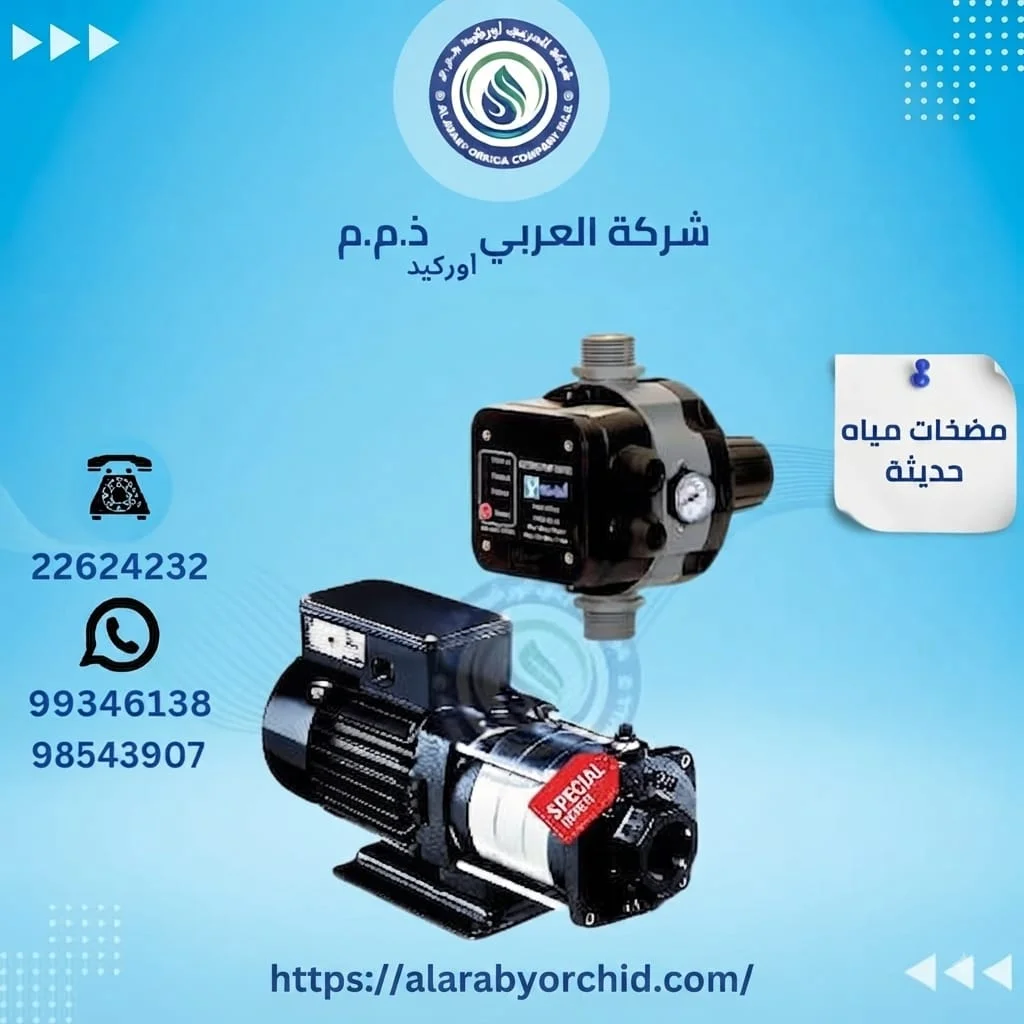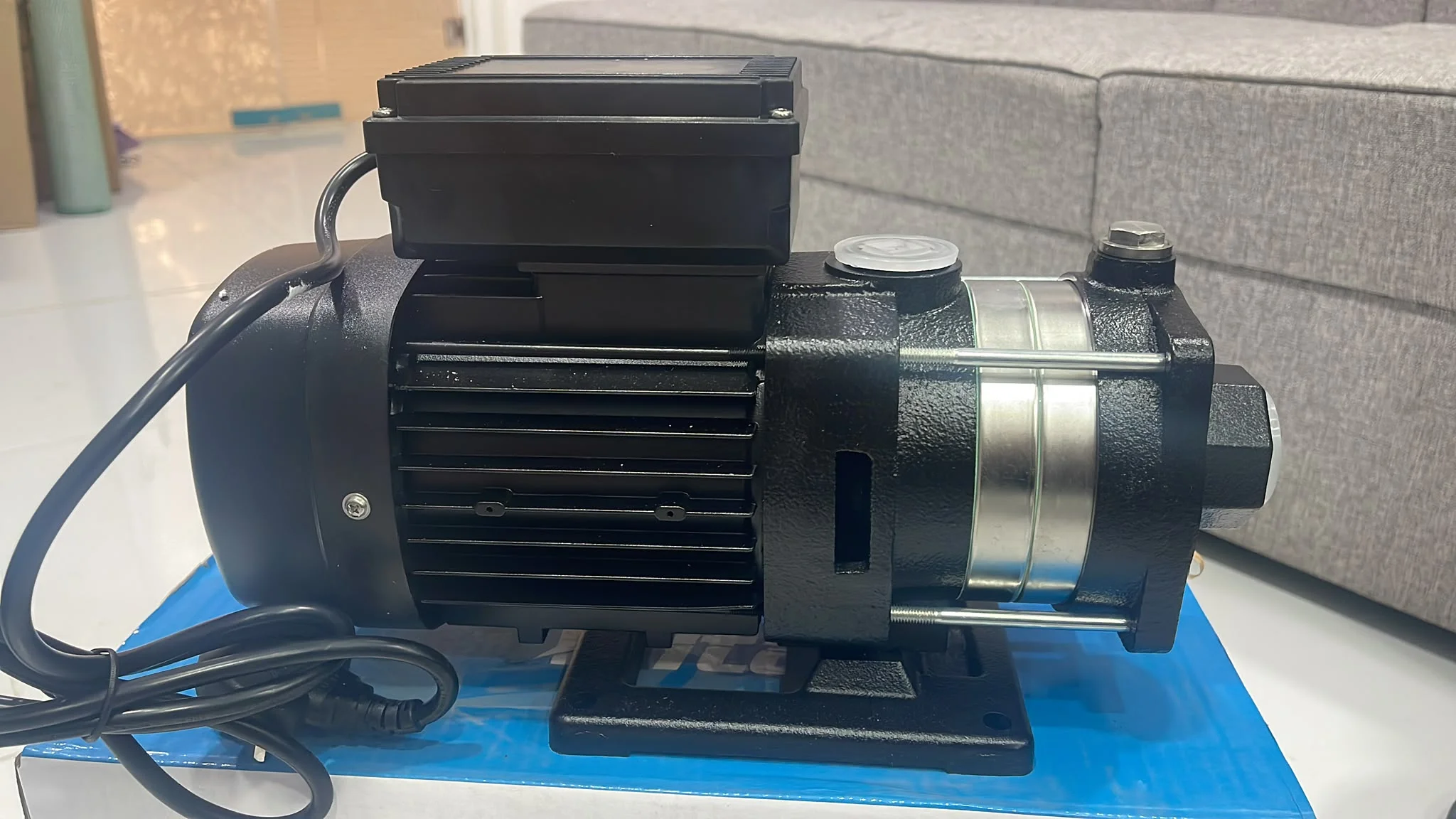
When an old water pump breaks down, the first question is usually simple: should I repair it or buy a new pump and avoid more trouble? The answer is not always that a new pump is better, and repair is not automatically the cheaper choice either. The decision depends on the pump’s age, the type of fault, the condition of the motor, casing, impeller, shaft, frequency of previous failures, spare-part availability, and even how much electricity and operating cost you are paying for the performance you receive. One older pump may need only a single component and be well worth repairing, while another may need a bearing today, a seal next month, and motor work shortly afterward. In that situation, continuing to repair can become more expensive than replacement. The correct comparison considers both today’s cost and the expected cost over the coming years.
Repair the old pump or buy a new one
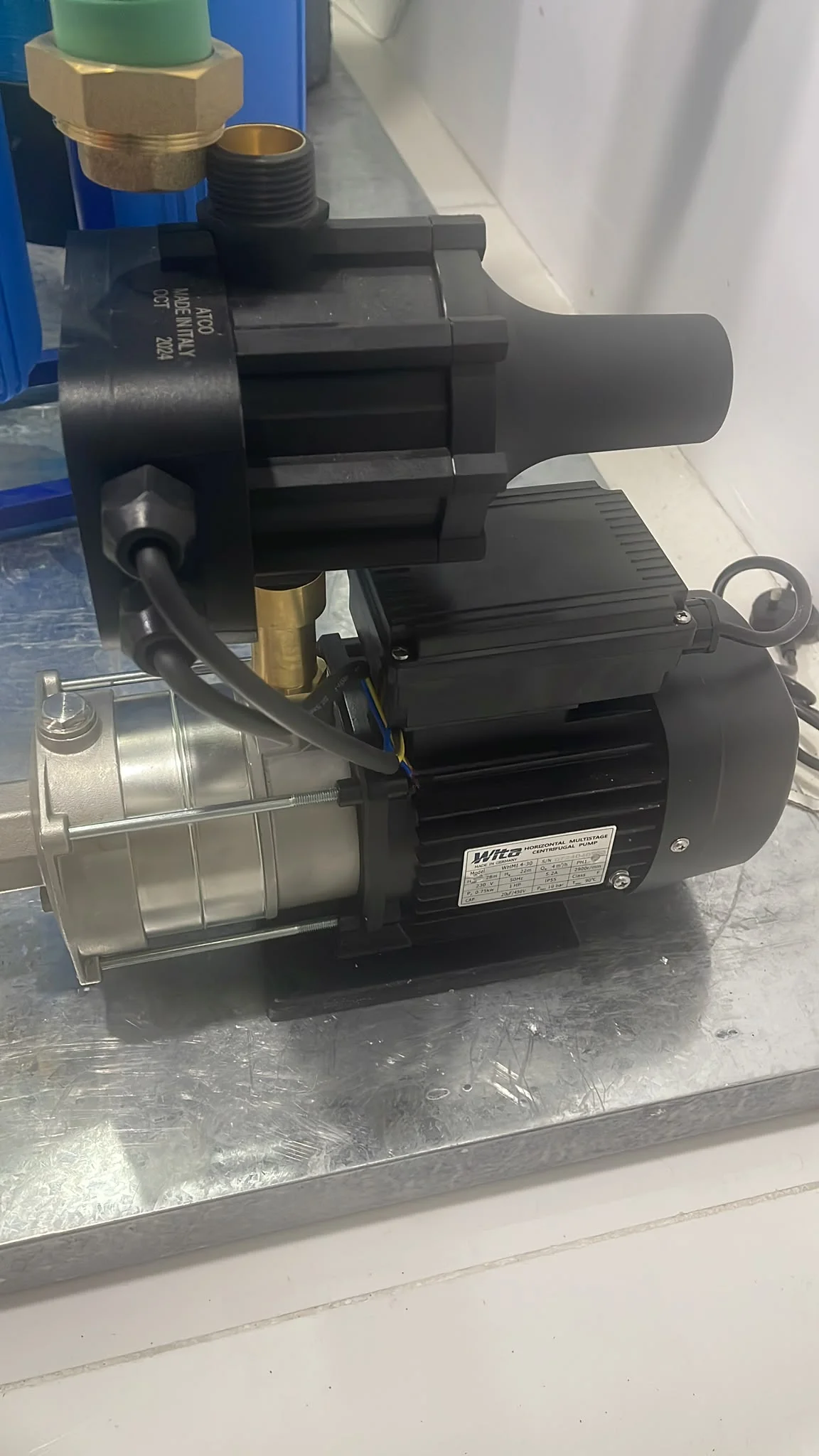
The decision to repair the old pump or buy a new one should begin with the actual condition of the pump rather than simply the number of years shown on the original purchase invoice. A pump can be several years old but still operate under good conditions, have a healthy casing, and never have suffered a major failure. If it now needs only a mechanical seal or bearing, repairing it may be a very sensible decision because the main structure and motor are still performing properly.
On the other hand, a relatively newer pump may have spent its life under difficult operating conditions such as excessive cycling, poor suction, high operating temperature, or repeated operation without enough water. In that situation, the number of calendar years does not show the complete picture because the internal components may have experienced much greater wear.
The first question is always: what is the current fault? If the problem is limited to one specific component and repair cost is low compared with the value of the pump while the remaining parts are healthy, there is little reason to replace the complete unit. However, if the motor is weak while there is also leakage, shaft noise, and a worn impeller, repairing one part may simply become the beginning of a long sequence of expenses.
The service history should also be reviewed. A pump that has operated for years without maintenance and is now experiencing its first genuine fault is very different from a pump where three or four components have already been replaced during a short period. Repeated failures can indicate that the equipment is moving into a general wear stage rather than suffering from one isolated fault.
The pump should also be compared with the property’s current requirements. The equipment may still be mechanically healthy but no longer large enough after additional bathrooms, another floor, or more residents have increased water demand. Repairing it can return it to its original condition, but it cannot increase the pump’s original design capacity.
The final decision should therefore compare repair cost and expected remaining service life with the cost of purchasing and installing a correctly sized new pump. The decision should not simply be based on the statement that repair is cheaper today because the lowest cost today is not always the lowest cost next year.
-
Repairing one confirmed component in a pump with a healthy motor and casing is often more economical than replacing the complete unit
-
Several faults appearing in the same pump change the calculation because you are no longer paying for one isolated problem but for a system that is wearing out in several areas
-
Pump age in years is less important than its operating conditions maintenance history and the loads it has experienced
-
If the property’s water demand has increased beyond the original pump capacity repair can restore performance but cannot increase the pump’s design capability
-
The correct decision compares repair cost with the expected useful life afterward rather than looking only at the difference between today’s repair bill and a new pump price
New pump cost versus repair cost
New pump cost versus repair cost should be calculated more broadly than simply comparing the pump price with the price of one spare part. Repair may include the replacement component, dismantling and reassembly labor, transportation, adjustment, and sometimes a second visit if another affected component is discovered. Purchasing a new pump includes the equipment price, installation, and in some cases changes to piping, mounting, or controls when the replacement model is different.
If the repair is straightforward, such as replacing a seal or bearing while the rest of the pump remains in excellent condition, the repair cost can be only a small portion of the price of a new pump. In this situation, there is little reason to replace the entire unit simply because it is old.
The calculation changes when repair requires major motor work or rewinding together with an impeller, seal, bearing, and substantial dismantling labor. Even if the total repair cost remains slightly lower than the price of a new unit, the next question should be how much reliable service life the repaired pump is expected to provide and whether the casing, shaft, and remaining components are likely to continue operating properly.
Warranty also belongs in the calculation. A new pump normally begins a new service period and may include a manufacturer or supplier warranty according to the product. Repairing an older pump may provide warranty only on the replaced part or specific repair work. Warranty alone is not a reason to replace the pump, but it contributes to the overall value.
Water-system downtime also has a cost, especially in a villa or building that depends heavily on the pump for normal pressure. If an old pump fails repeatedly and every failure interrupts the water supply and requires another technician visit, inconvenience and downtime should be included in the decision even when they do not appear as a separate line on the repair invoice.
Another common mistake is comparing the price of one part with the price of a complete new pump. The fair comparison is between the full expected repair cost and the full replacement cost, while also considering expected life and reliability under each option.
A simple example makes the point clear. If the pump needs one part, repair cost is reasonable, and there is no history of repeated faults, repair is probably sensible. If a new component is required every few months, however, the apparently low price of each individual service visit becomes misleading because the annual total may become substantial.
-
Repair cost should include parts labor and any related components that may need service rather than only the price of the failed part
-
New pump cost should include the equipment installation and any required modifications to piping or controls so the comparison remains fair
-
A small price difference between repair and replacement should be evaluated together with expected life warranty and reliability instead of automatically choosing the lower figure
-
Repeated failures create indirect costs such as water interruptions and repeated appointments even when each individual repair seems inexpensive
-
The best comparison looks at expected cost over several years rather than one invoice today
Lifespan of an old water pump
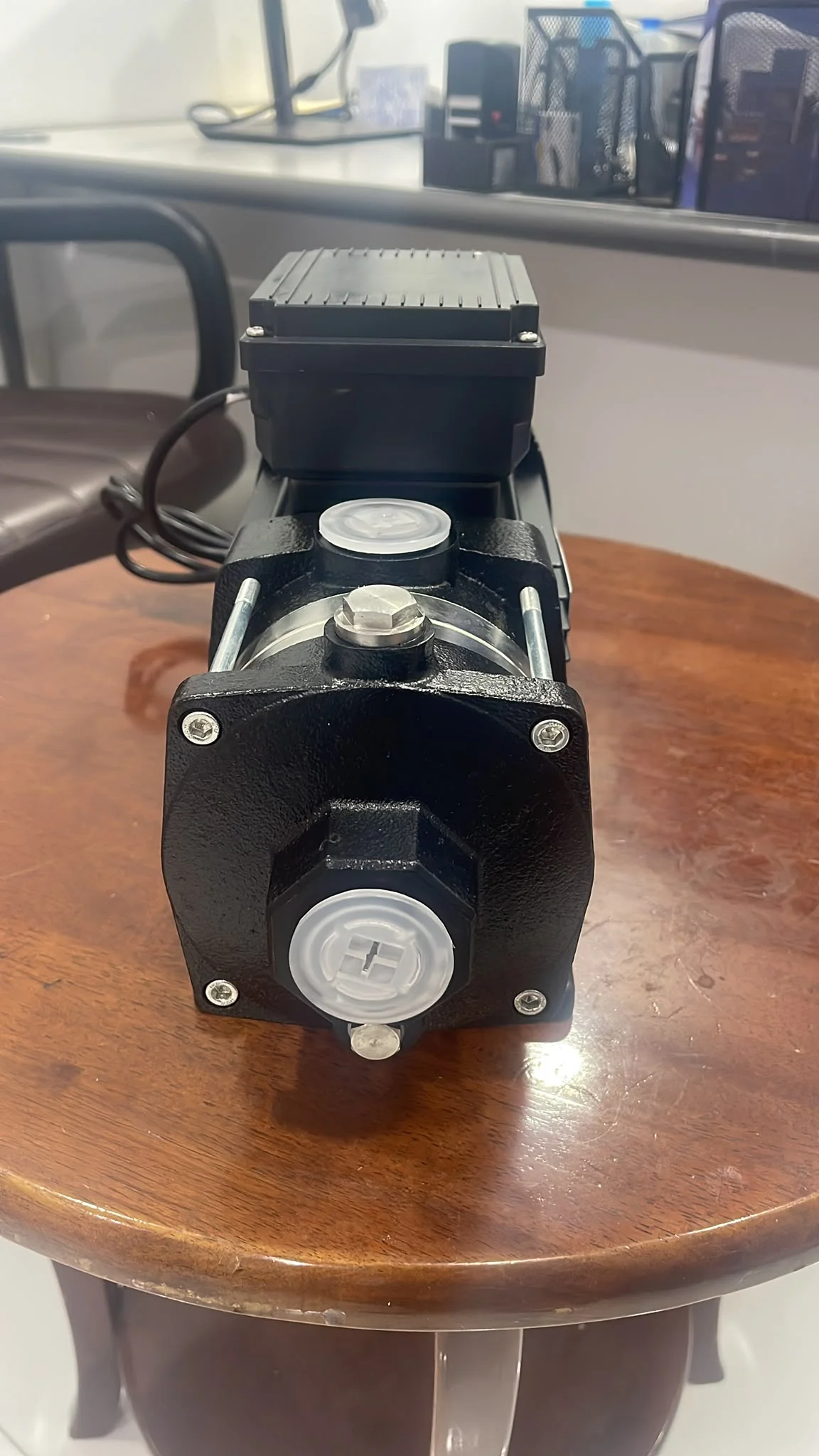
The lifespan of an old water pump cannot be measured by one fixed number that applies to every model and every property because service life depends on operating hours, installation quality, water condition, ambient temperature, number of starts and stops, and maintenance. Two identical pump models can last very different lengths of time if one operates under gentle conditions while the other starts and stops dozens of times more often.
Frequent cycling is one of the factors that can accelerate wear. If the pressure tank or control system is not adjusted correctly and the motor starts every few seconds, additional stress is placed on the motor and starting components. A pump that appears relatively young in years can therefore be more worn than an older pump that has experienced fewer operating cycles.
Suction conditions also matter. A pump supplied with a stable flow of water operates under very different conditions from one that repeatedly draws air, runs dry, or works with poor suction. These problems can increase stress on the impeller, mechanical seal, and other components.
Previous maintenance history can reveal a great deal. If the seal, bearing, impeller, and motor have already required multiple repairs, that suggests the pump is wearing in several areas. If the main components remain original and healthy and the pump now needs only one simple consumable part, age alone is not a good reason to discard it.
Current sound, vibration, temperature, leakage, and performance are often more useful than asking how many years the pump has been installed. The shaft can be inspected for play, the casing checked for damage, the motor performance evaluated, and the expected pressure and flow confirmed after repair.
The pump type and original build quality should also be considered. Some models are designed for long service life, are repairable, and continue to have readily available spare parts. In these situations, maintenance can provide greater value.
Instead of saying, “My pump is eight years old, so it must be replaced,” a better question is, “What condition is it in today, how many major components are still healthy, and how much reliable service can reasonably be expected after repair?”
-
Calendar age alone does not determine the end of pump life because operating hours cycling frequency and suction conditions have a major effect
-
An older pump in excellent mechanical condition can be a better repair candidate than a newer pump that has experienced harsh and frequent operation
-
Previous spare-part history helps show whether the current fault is isolated or whether the pump is moving into a general wear stage
-
Sound heat vibration leakage and measured performance provide more useful information than the number of years alone
-
Good original design and continued availability of suitable spare parts improve the value of maintaining an older pump when its condition justifies repair
When is pump replacement the better option?
When is pump replacement the better option? The first situation is when several major faults exist at the same time. A weak motor combined with a worn shaft, leakage, noisy bearings, and a damaged impeller means that a large percentage of the pump is being rebuilt rather than one specific component being repaired.
The second situation is repeated failure within short periods. If a seal is replaced today, a bearing fails two months later, pressure becomes weak shortly afterward, and the motor then needs work, the equipment is giving a clear signal that maintenance is no longer an occasional repair.
The third situation is when correct spare parts become difficult to obtain or technicians repeatedly have to use uncertain substitutes because genuine or properly matched components are no longer available. A pump that cannot be serviced reliably with the correct components becomes an ongoing experiment.
The fourth situation is when pump capacity no longer matches the property. If another floor, annex, bathrooms, or significantly higher water demand has been added, repairing the old pump cannot turn it into a higher-capacity model. Replacing it with a pump sized for current demand may be the more logical option.
The fifth situation is serious wear or damage to the pump casing or other fundamental structural areas that make future repair less reliable. Replacing internal parts inside a heavily worn body does not provide the same confidence as repairing a pump with a sound structure.
The sixth situation is when the total major repair cost becomes close to the cost of a suitable new pump including installation. When the price difference is small, the additional reliability, warranty, and fresh service life of a new unit can make replacement more sensible.
The seventh situation is when the old pump causes repeated interruptions that significantly affect the comfort of the property. Reliability itself has value, particularly in villas and buildings that depend heavily on the pump for daily water pressure.
-
Replacement becomes more logical when several major faults appear together instead of one isolated repairable component
-
Frequent breakdowns over short periods are an important sign that annual maintenance cost is rising
-
Difficulty obtaining correctly matched spare parts reduces the value of keeping the old pump even when some repairs remain technically possible
-
A pump that no longer matches current household demand needs capacity reassessment rather than maintenance that simply restores its old specification
-
When major repair cost approaches the price of a new replacement reliability warranty and a new service life become stronger reasons to replace the unit
Is repairing an old water motor worthwhile?
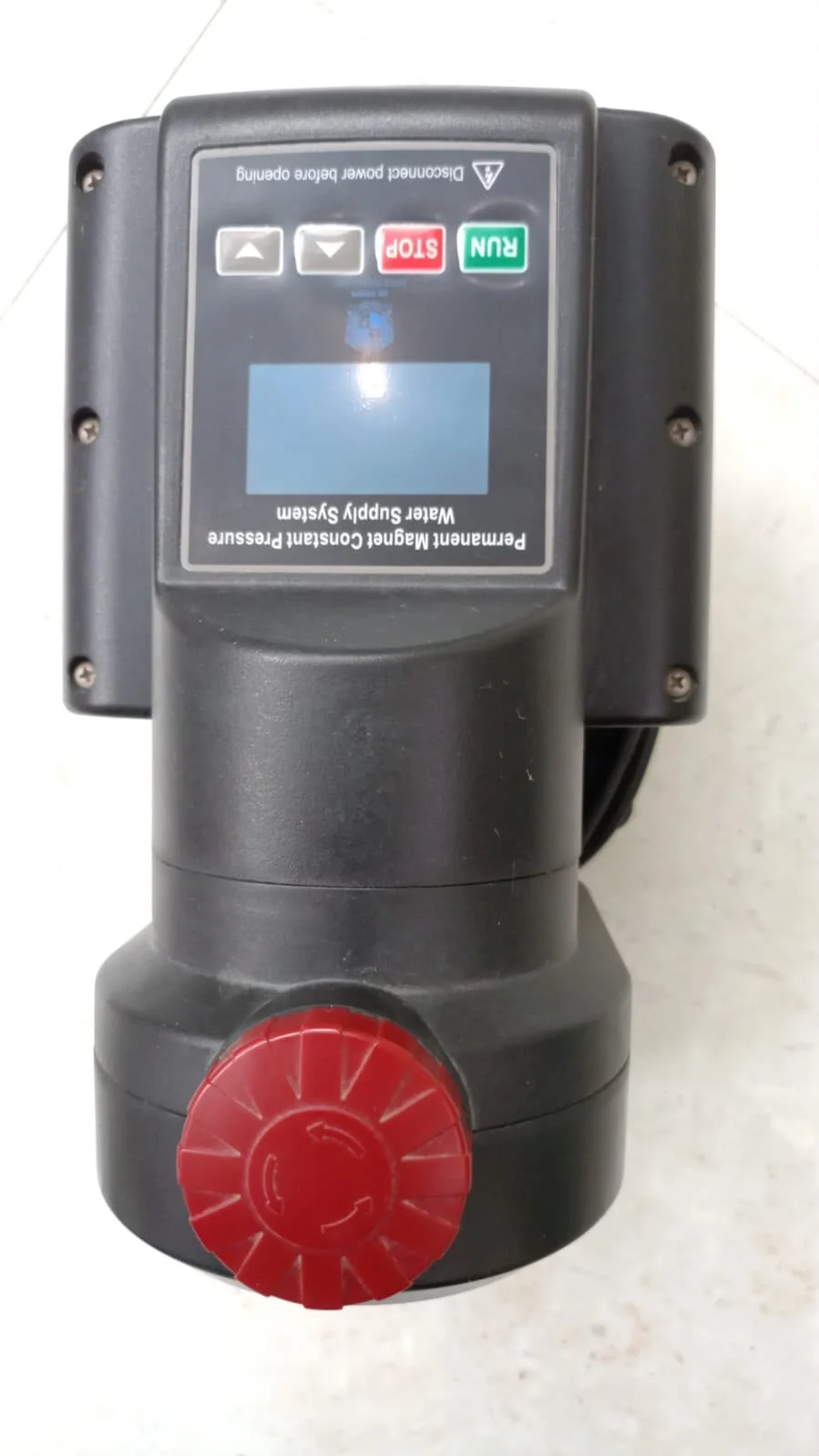
Whether repairing an old water motor is worthwhile depends on what type of fault exists inside the motor. If the problem is a starting component, bearing, or cooling fan while the motor windings and main structure remain healthy, repair can be very sensible. If there is serious winding damage, overheating, and a history of difficult operation, the calculation becomes different.
When motor rewinding is required, the quality of the available repair and the overall value of the pump should be considered. Not every motor is worth rewinding, especially if the pump casing and hydraulic section are also old and heavily worn. There is little sense in paying for major motor work if the impeller, mechanical seal, or shaft is likely to require another major repair shortly afterward.
On the other hand, a good-quality motor installed on a pump that remains mechanically healthy can be a strong repair candidate when the electrical fault is clearly limited. The fact that the motor is old does not automatically make it a poor repair choice.
The reason for motor failure should also be identified. If the motor burned because the pump ran continuously due to leakage in the water network or a failed control system, repairing the windings without correcting the cause exposes the motor to the same stress again.
A rough bearing that creates additional mechanical load also needs to be corrected. Poor ventilation caused by an enclosed installation location should be improved as well. Otherwise, only the result is being repaired while the original cause remains.
After motor repair, starting behavior, operating temperature, sound, and electrical loading under correct operating conditions should be evaluated by a qualified technician. A motor that rotates after repair is not automatically a motor that has returned to healthy operation.
The financial value should compare the expected service life after repair with the cost of a replacement motor or complete pump. If the repair is reasonably priced and likely to provide years of additional use, it can be an excellent decision. If it is likely to provide only a short period of operation with high uncertainty, replacement becomes more economical.
-
Repairing one limited motor fault in an otherwise healthy unit is very different from rebuilding a worn motor and hydraulic section at the same time
-
The reason for motor failure should be corrected so the same problem does not return after the repair has been paid for
-
Motor rewinding should be evaluated according to repair quality and the condition of the rest of the pump rather than simply because rewinding is technically possible
-
Operating temperature sound and performance should be checked after repair to confirm that the motor has returned to suitable working condition
-
True value is measured by expected service life after repair compared with what a replacement motor or complete new pump can provide
Buying a new pump instead of repairing
Buying a new pump instead of repairing can be an opportunity not only to eliminate the current fault but also to correct an old pump-selection mistake. If the previous pump was already oversized or undersized for the property, it makes little sense to automatically buy another unit with exactly the same capacity.
Before buying the replacement, required flow, pressure, elevation, and network losses should be reassessed just as they would be for any new pump installation. If the main reason for replacement is that the house has expanded, the new pump should be selected according to the additional demand.
The control method should also be reviewed. A customer who has suffered from excessive cycling with an older system may benefit from a replacement arrangement designed to match demand more effectively. In some properties, smart or variable-speed pumps can provide more stable pressure, but that does not mean they are necessary for every house.
Future spare-part availability and service should also be considered. Purchasing a low-priced model that becomes difficult to repair after the first fault can place the customer back in the same replacement decision much sooner than expected.
Operating efficiency is another factor, particularly when the pump runs for many hours. It would be inaccurate to promise that every new pump will reduce electricity consumption by a fixed percentage because actual energy use depends on capacity, controls, operating hours, and system demand. However, a correctly sized and properly controlled pump can avoid unnecessary operating time created by poor selection.
Al Arabi Orchid currently focuses on Grundfos pumps and pressure-boosting systems together with installation, maintenance, and spare parts. This type of service becomes useful when replacement is treated as a complete water-system decision rather than simply the sale of another motor.
Most importantly, the cause that damaged the old pump should not be allowed to follow the new one. If poor suction, electrical issues, vibration, or excessive cycling contributed to the previous failure, they should be corrected during the replacement.
-
Buying a new pump is an opportunity to reassess the property’s actual requirement instead of automatically copying the old pump capacity
-
Spare-part availability and future service support should be considered as part of purchase value rather than looking only at the initial price
-
Selecting a suitable control system can reduce unnecessary operation and provide more stable performance according to household demand
-
The reason the old pump failed should be corrected before the new unit is put into service so the same short service life is not repeated
-
The best new pump is one that matches the current network and remains practical to service and maintain in the future
Comparing pump lifespan after maintenance
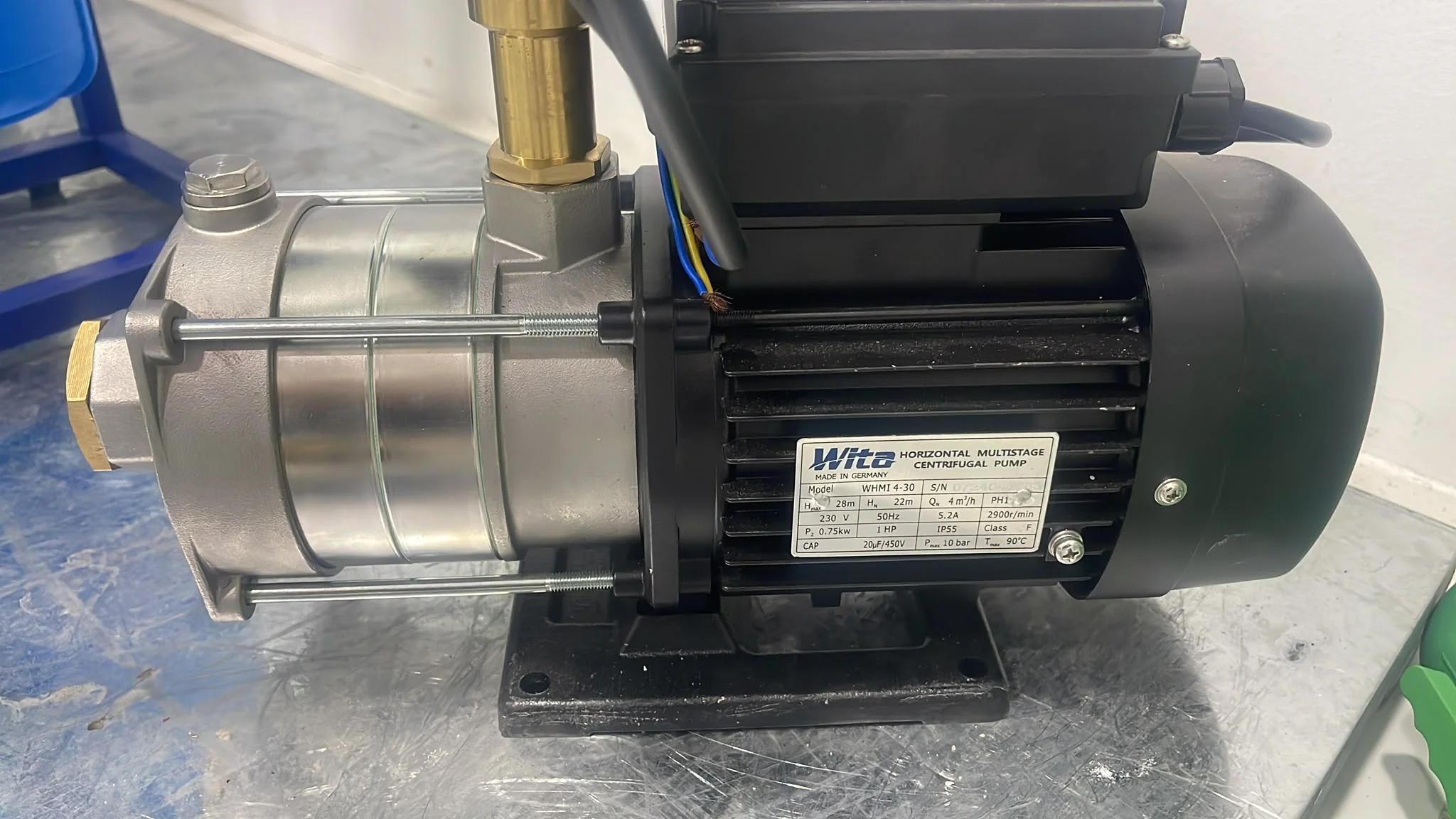
Comparing pump lifespan after maintenance should never involve promises such as “repair it and it will definitely last another five years” because remaining life depends on what was replaced, the condition of components that were not replaced, and the operating environment. A professional technician can assess the condition, but one guaranteed number does not apply to every pump.
If the pump has only one damaged bearing and it is replaced correctly while the shaft, motor, mechanical seal, and casing remain in excellent condition, expecting useful additional service is reasonable. If the bearing is replaced while the shaft is already worn and the seal has begun to leak, the expected service life is less certain.
Comprehensive maintenance can sometimes improve the value of repair because it does more than focus on the failed component. It also corrects the cause and inspects related parts. For example, if a mechanical seal failed because of dry running and the seal is replaced while the cause of dry running is also corrected, the repair becomes much more meaningful.
However, maintenance should not be confused with resetting the pump’s age to zero. An older pump after repair still contains components that have already completed years of operation. A new pump begins with all components in a new condition, while repair renews only specific parts.
This is why lifespan comparison should be based on probability and economic value. If the repair is simple and the fundamental pump structure is strong, the repaired pump can provide excellent value. If the repair is major and many remaining components are very old, the additional service period becomes less predictable.
Performance after maintenance should also be monitored. Stable pressure, normal cycling, acceptable temperature, and the absence of leakage or new noise are more useful indicators than simply noting that the pump has completed one week without another breakdown.
Follow-up after repair also helps confirm whether the decision was good. If significant faults return quickly after a major repair, that becomes a strong sign that replacement may be a better decision next time.
-
Maintenance does not return every pump component to a new condition so expected remaining life depends on the condition of the parts that were left in service
-
Correcting the original cause together with replacing the damaged component gives the repair greater value than changing the part while leaving the root problem
-
A pump with one isolated fault and otherwise excellent components has a better chance of long service after repair than a unit where several worn parts have already required work
-
Stable pressure sound temperature and operation after maintenance provide better indicators than general promises about a fixed number of years
-
Rapid return of major faults after substantial repair reduces the logic of beginning another repair cycle every time
Operating cost of an old pump
The operating cost of an old pump is not limited to the electricity bill. It includes electrical consumption, maintenance labor, spare parts, downtime, and the possibility of leakage or unstable pressure causing the system to operate longer than necessary.
An old pump does not automatically consume more electricity simply because of age. If the equipment remains in excellent condition, is correctly sized, and its control system works properly, it may continue operating efficiently. That is why replacing a pump only to claim electricity savings without measurements or a clear reason is not a sound decision.
However, if the impeller is worn or the system has become weak enough that the motor runs longer to achieve the required pressure, operating hours can increase. If the control system or pressure tank causes excessive cycling, the motor also starts more often than necessary.
Maintenance cost should then be added. A pump that requires one simple annual service is very different from one that develops a new fault every two months. The customer should add up what has been spent over a reasonable period instead of viewing each repair invoice separately.
Downtime also matters. A house losing normal water pressure for hours every time the pump fails represents a real operating problem even if each individual repair is cheap. Some customers reasonably choose a more expensive new pump because greater reliability has practical value.
When comparing an older traditional pump with a new smart pump, no fixed electricity-saving percentage should be assumed. Actual savings depend on power rating, control method, demand pattern, and operating hours. The complete system should be evaluated.
Sometimes simple maintenance of the pressure tank or control system restores normal operation and eliminates unnecessary running without requiring complete pump replacement. For that reason, operating cost itself should be diagnosed before it becomes a reason to buy another pump.
-
Equipment age alone does not prove that electricity use is high so the decision should consider performance and actual operating hours
-
Longer operating periods or excessive starting can increase running cost even when the pump has not completely failed
-
Adding maintenance expenses across an entire year provides a clearer picture than treating every breakdown as a separate small invoice
-
The cost of water-supply interruptions and unstable pressure has practical value even when it does not appear on the electricity bill
-
Improving controls or correcting a water-network problem may reduce unnecessary operation without replacing the complete pump
Deciding whether to replace a home water pump
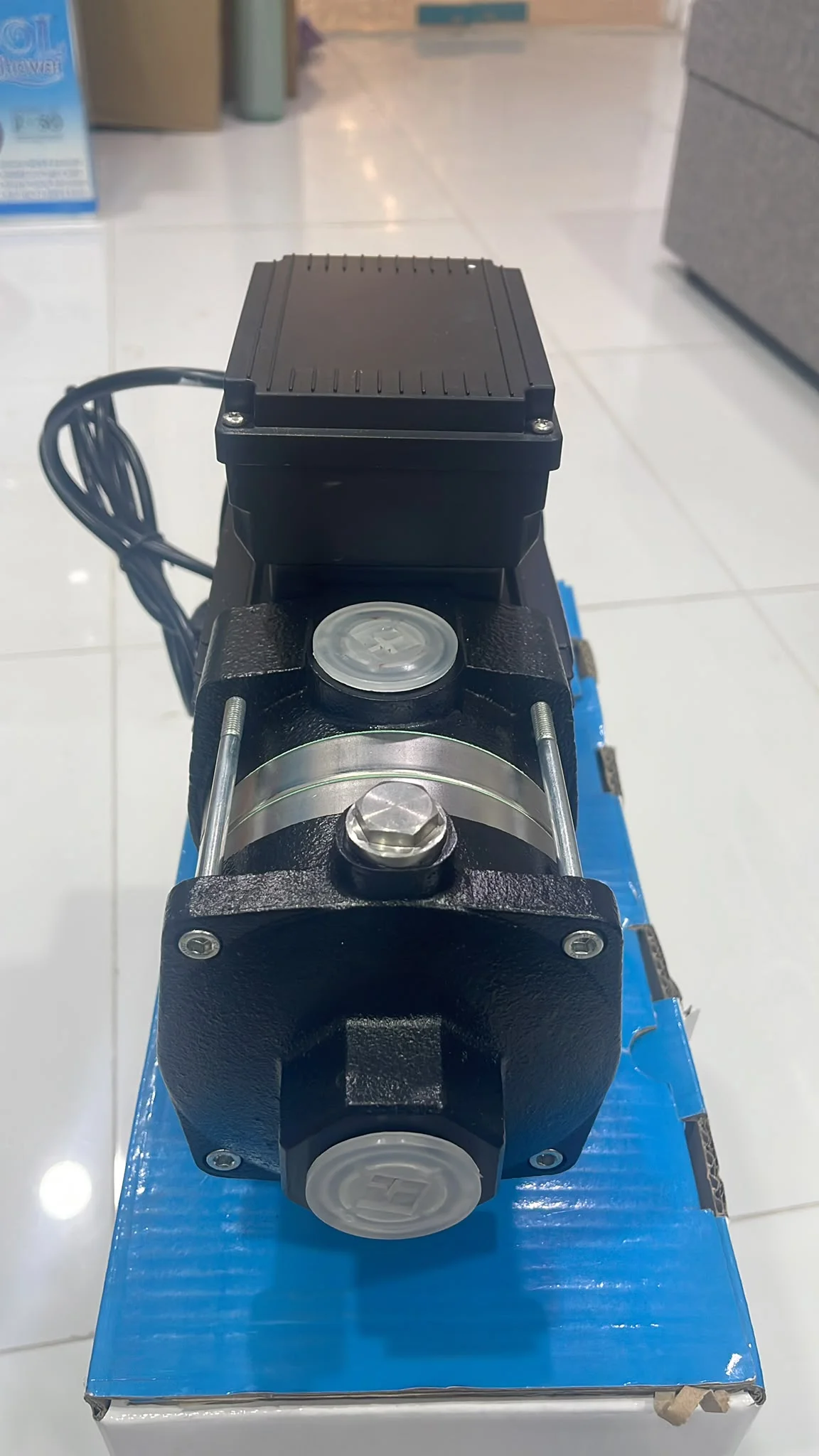
The decision to replace a home water pump should ideally be the result of a clear assessment rather than an emotional reaction because the pump caused one difficult day. Start with five pieces of information: pump age, motor condition, hydraulic-section condition, number of recent failures, and whether the pump capacity still matches household demand.
Then calculate the current repair cost. This should include not only the failed part but all work required to return the pump to reliable service. The cost of a suitable new replacement including installation can then be calculated.
Next, compare expected reliability. If the old pump will still contain healthy major components after repair and does not have a frustrating history of breakdowns, continuing to use it may make sense. If several critical parts are already close to failure, a new pump can provide more confidence.
Future household plans should also be considered. Is another floor, bathroom, or annex expected? If so, investing heavily in an old pump that is already only just sufficient for the current load may be less sensible than redesigning the system.
Spare-part and service availability should also influence the decision. A pump that looks excellent on paper but becomes difficult to maintain when something fails is not always the best long-term option.
Budget naturally matters as well. If a new pump is not practical financially and the existing unit can be repaired safely and economically with good expected reliability, repair remains a completely valid choice and should not automatically be treated as a temporary compromise.
The important thing is to avoid two extreme ideas: “everything old must be replaced” and “anything repairable must be repaired.” Both are oversimplifications. Some older pumps are worth keeping, while some technically repairable pumps have already reached the point where further spending provides little value.
-
The home replacement decision should combine technical condition cost reliability and future use instead of depending only on the age of the pump
-
Planned property expansion can make investing heavily in an old limited-capacity pump less worthwhile
-
The customer’s budget matters but any repair should still remain safe technically sound and dependable rather than simply providing temporary operation
-
Future spare-part and service availability should be considered before selecting the replacement so the first fault does not immediately create another replacement decision
-
The best decision is the one that reduces total cost and inconvenience over the coming years rather than the one that produces the lowest bill today
Repair or replace the water motor
The question repair or replace the water motor first requires identifying whether the fault is limited to the motor or affects the complete pump because customers often refer to the entire pump assembly as the motor. If the problem is a small motor component and the main motor remains healthy, there may be no reason to replace the complete unit. If the motor itself has a fault while the hydraulic section remains excellent, repair or partial replacement can be evaluated depending on design and cost.
However, if the motor is damaged while the impeller is worn, the mechanical seal leaks, and the bearing is noisy, this is no longer one motor fault. The pump is approaching a major rebuild. In that situation, purchasing a new pump may be more economical and dependable.
The old model should also be checked against the current water system. If pressure was excellent before the failure and household demand has not changed, restoring the pump may make sense because the original system was successful. If the customer was already unhappy with pressure before the breakdown, spending heavily to restore an unsuitable pump returns the same inadequate performance.
Repair quality matters as well. A professional repair using correctly matched components and proper workmanship is very different from a low-cost repair using questionable parts. This is why the word “repair” should not be compared by price alone without understanding exactly what the work includes.
After repair, pressure, flow, cycling, temperature, and sound should be checked. If replacement is selected, the new pump should only be installed after the cause that affected the old one has been corrected.
Al Arabi Orchid works with water pump installation, maintenance, and spare parts as part of its water-system services in Kuwait, so the better decision comes from evaluating the complete pump and system rather than focusing only on the motor.
-
Motor repair makes sense when the fault is limited and the rest of the pump remains in a condition worth investing in
-
Several faults across the motor and hydraulic section change the decision from repairing one component to evaluating replacement of the complete unit
-
A pump that was already inadequate for household demand is not worth a major repair that simply restores the same unsuitable performance
-
Spare-part quality and workmanship determine the value of repair so the lowest price is not necessarily the lowest long-term cost
-
Whether repair or replacement is selected the original cause of failure should be corrected and the system should be tested after completion
Conclusion
Repairing an old pump or buying a new one does not have one answer that works for every home. If the fault is limited and the motor, casing, shaft, and remaining components are still in good condition, repair can save a significant amount of money and provide excellent additional service life. If failures keep repeating, major components are worn, and repair cost begins approaching the price of a new replacement, buying a new pump becomes the smarter decision.
Always compare the complete repair cost, expected remaining life, failure history, suitability of the pump capacity for the property, spare-part availability, and reliability with the cost of purchasing and installing a new unit. Also remember that a pump that has become too small for the property’s current demand will not become more powerful simply because it has been repaired.
The objective is not to preserve old equipment at any cost and not to buy new equipment at the first unusual sound. The goal is to spend money once in the right place. There is a big difference between an older pump that deserves a second chance and one that seems to arrive every month with another surprise waiting on the repair invoice.
Frequently Asked Questions
When is repairing an old pump better than buying a new one?
When the fault is limited to one clearly identified component, the motor, casing, and shaft remain in good condition, and the repair cost is reasonable compared with the price of a suitable replacement.
When is repairing an old pump no longer economical?
When faults become frequent, several major components are damaged, or the total cost of a complete repair approaches the price of a suitable new pump.
Is pump age alone enough reason to replace it?
No. Operating conditions, maintenance history, running hours, and suction conditions are often more important than the number of years alone.
Does a new pump always use less electricity?
Not necessarily. Electricity consumption depends on pump capacity, control method, operating hours, and correct sizing rather than simply whether the equipment is new.
If I replace the pump motor, does the pump become like new?
No. Components such as the casing, impeller, shaft, and mechanical seal remain at their existing age and condition, so they should be evaluated before investing heavily in the motor.
Does repeatedly replacing small parts mean I should replace the pump?
If the repairs occur frequently and the combined cost of parts and labor keeps rising, this is an important sign that the economics should be compared with a new pump.
Should I repair the pump if the house now needs higher pressure?
If the current pump is no longer suitable for the increased load, repair only restores its original performance and does not increase its design capacity, so replacement with a correctly sized model may be better.
What should be included in the repair-cost calculation?
Include spare parts, labor, the condition of the remaining components, expected future failures, and any service interruption rather than looking only at the price of the failed part.
Will buying a new pump solve the problem permanently?
It solves the equipment problem when the new pump is correctly selected and installed, but if poor suction, electrical issues, or other network conditions that damaged the old pump remain, the new pump may eventually suffer as well.
How do I decide whether to repair or replace the water motor?
Have the motor and complete pump inspected, then compare the repair cost and expected remaining service life with the cost of a new pump that properly matches the property’s current water demand.