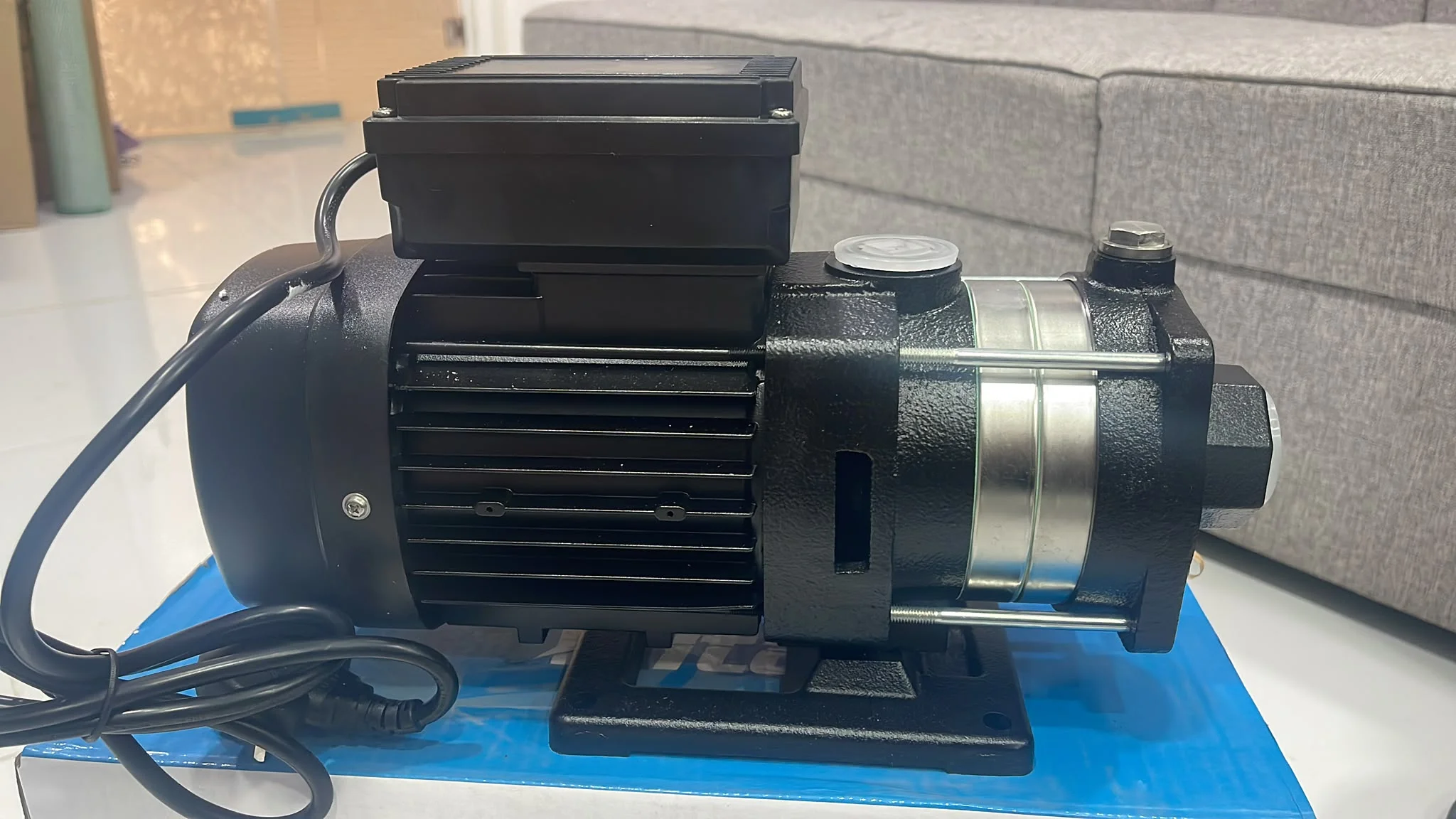
Just because the pump is running and you can hear the motor does not automatically mean it is moving water with the required force. Sometimes the pump is electrically operational, but the real problem comes from the suction side, air entering the line, a blockage, a worn impeller, a valve that is not fully open, or an unstable water level in the tank. The mistake is replacing the complete pump before finding out where the pressure is actually being lost. Proper diagnosis starts at the water source and follows the water path toward the pump and then through the household network while comparing suction and discharge performance. This makes it possible to determine whether the fault is truly inside the pump or whether the pump is operating normally but surrounding conditions are preventing it from delivering the expected performance.
The pump runs but the water is weak
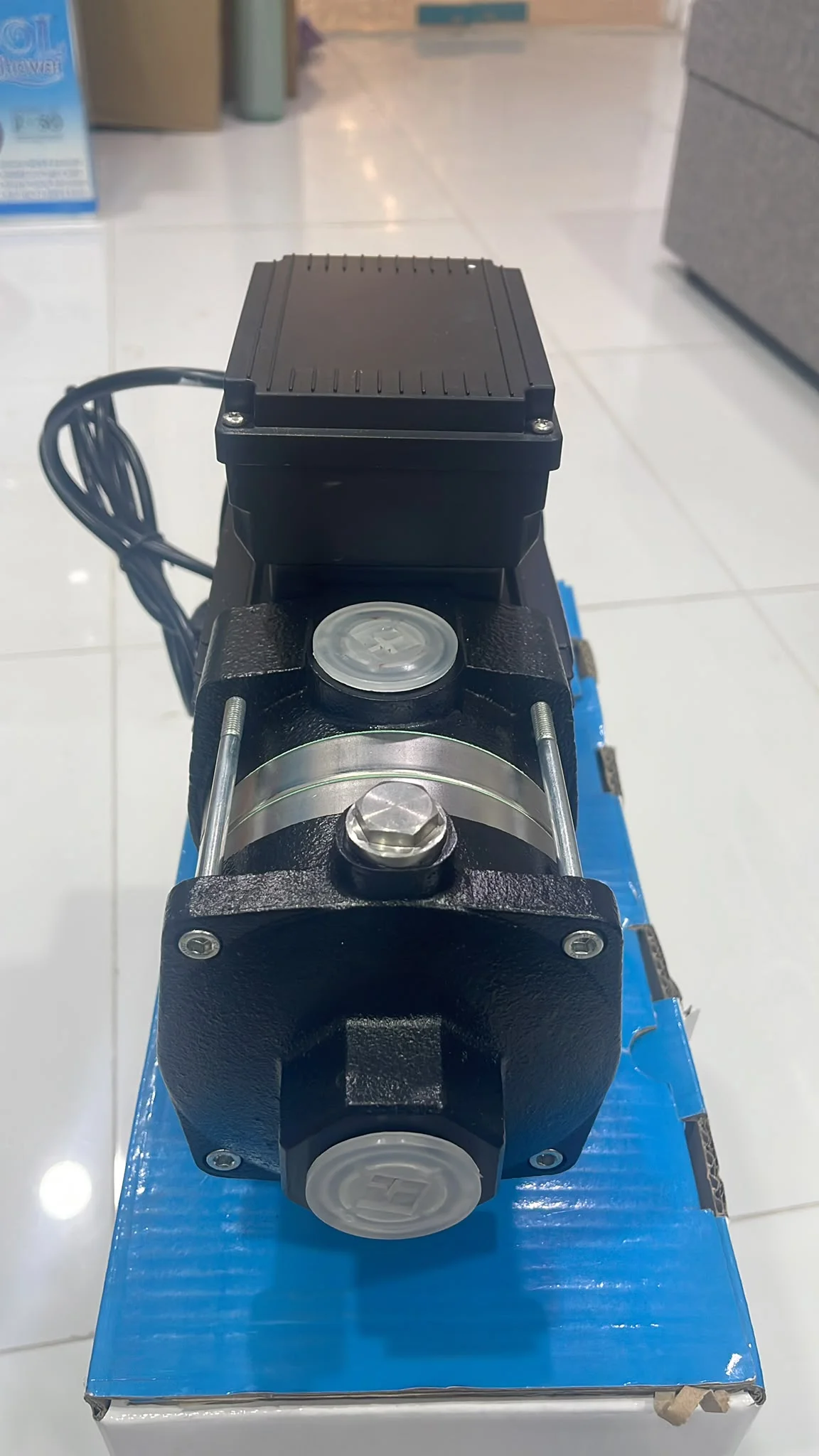
When the pump runs but the water is weak, the first thing to understand is the difference between motor operation and the pump’s ability to move enough water. You may hear the motor rotating normally without any obvious mechanical sound, while the hydraulic section of the pump or the suction line is failing to provide the required flow. For that reason, simply hearing the equipment running is not enough to confirm that the complete pump is healthy.
Start by asking whether the weak water problem affects the entire house or only one location. If all taps become weak at the same time, attention should move toward the water source, pump, and main line. If only one bathroom has weak water while the rest of the property is normal, the problem is more likely to be local to that outlet or branch line rather than the main pump.
The water level in the tank should then be checked. Even an excellent pump cannot provide stable performance if the water reaching it is limited or if the suction line is pulling air together with the water. A blocked filter before the pump or a valve that is only partially open can also restrict incoming water and make the pump rotate without receiving enough supply to produce strong discharge.
Timing is also important. If the pump used to provide strong pressure and suddenly became weak, something has likely changed in the pump or water network. If performance has been weak since the original installation, the pump capacity or system design may have been insufficient from the beginning.
If the problem appears only when several taps are opened, that directs diagnosis toward available flow during peak demand. The pump may provide excellent pressure with one outlet but fail to keep up when three outlets are used simultaneously.
One common mistake is replacing the motor simply because the water is weak while the motor sound appears normal. Before making that decision, the suction side, blockages, air entry, impeller, and connections should all be checked because many faults in these areas can be repaired without replacing the complete pump.
-
Weak water throughout the entire house is different from one weak tap so the scope of the problem should be identified before the pump is touched
-
Hearing the motor confirms that one part of the system is operating but it does not prove that water flow and discharge pressure are adequate
-
Tank level suction piping filters and valves should be checked early because they can restrict the performance of an otherwise healthy pump
-
If weakness appears only when several outlets are used diagnosis should focus on flow capacity and real peak-demand performance
-
Complete pump replacement should be a later decision after external and internal repairable causes have been ruled out
The water motor runs but pressure is low
When the water motor runs but pressure is low, it is important to determine where the pressure is falling and whether the pump itself is actually producing less pressure than before or whether pressure is being lost after the water leaves the pump. This distinction matters because the fault can be before the pump, inside it, or somewhere in the distribution network after it.
If the technician can compare pressure at the pump discharge with pressure at more distant points in the network, it becomes easier to determine whether the pump is producing good pressure that is then being lost through the piping or whether pressure is already low directly at the pump. This type of measurement is more reliable than judging the problem only by how the water feels at the tap.
Inside the pump, a worn or damaged impeller can allow the motor to rotate while transferring less energy to the water. Internal wear can also increase clearances and reduce hydraulic efficiency even though the motor continues running normally.
However, before opening the pump, external conditions should be reviewed. A suction line that is too small, excessively long, partially blocked, or allowing air to enter can reduce the amount of water reaching the pump. No matter how powerful the pump is, it cannot discharge more water than it receives consistently.
On the discharge side, there may be a blocked filter, a valve that is not fully open, or deposits inside part of the network. In this situation, the pump may be producing pressure near the unit while the user experiences weak water farther away because resistance increases along the line.
A gradual pressure decline over several months is different from a sudden drop that appears overnight. Gradual decline may point toward wear or accumulated deposits, while a sudden change directs attention toward something more immediate such as a valve position, blockage, air entry, or a failed component.
Electrically, a motor that rotates should not automatically be considered perfect. It may still be operating under abnormal load or reduced performance, but electrical testing should be carried out by a qualified technician rather than by the homeowner opening electrical connections.
-
Pressure loss should be traced along the water path to determine whether the problem occurs before the pump inside it or after discharge
-
A motor can rotate normally while a worn impeller produces far less hydraulic performance than required
-
A discharge-side restriction can allow the pump to build pressure near the unit while the user receives weak water farther away
-
Gradual performance loss should be diagnosed differently from a sudden pressure drop that appears from one day to the next
-
Electrical testing of the motor should be carried out by a qualified technician rather than treating electrical components as a home troubleshooting area
Weak water despite the pump running
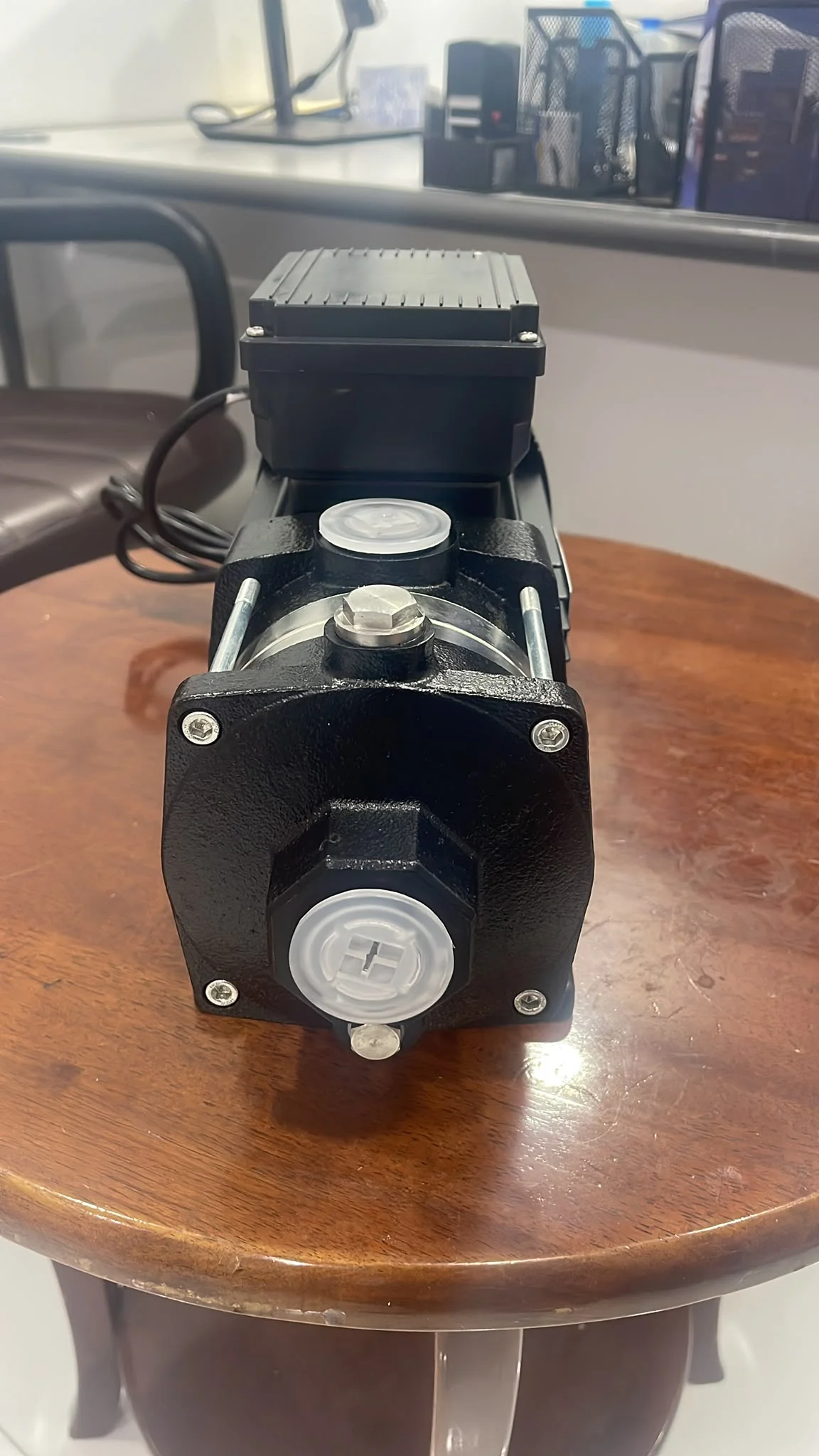
Weak water despite the pump running can sometimes result from several small restrictions acting together rather than one major fault. For example, a filter may be starting to block while the tank level is slightly lower than usual and one valve is not fully open. Each factor alone may not create a major problem, but together they can produce a noticeable reduction in pressure and flow.
That is why a structured inspection is better than replacing one component at random. The process should begin at the tank by confirming that there is enough water and that the float valve is refilling the tank normally. The suction line should then be checked for fittings that may allow air to enter and for restrictions that limit flow.
The pump itself is then considered. If its sound has changed, vibration has increased, or it takes longer than before to build pressure, these are useful clues. If the sound remains completely normal and there is no unusual heat, the rest of the network should still be checked before assuming an internal pump fault.
Sometimes the system itself has changed. A new filter may have been installed, an additional bathroom may have been added, the piping route may have become longer, or the number of residents may have increased. A pump that was adequate before can remain mechanically healthy while current demand becomes greater than its original capacity.
It is also important to separate pressure from flow. You may have good pressure when a tap is first opened, but the volume of water quickly falls. In that case, the system can build pressure while static but cannot maintain enough flow during actual use.
If the system includes a pressure tank and pressure control, these components also affect the way the problem appears. A poorly adjusted or damaged pressure tank can cause fluctuation and repeated starting, but not every constant weak-water problem is caused by the pressure tank. Inspection should determine whether it is actually involved.
-
Several small restrictions in the water system can combine to create noticeable weakness even when no single component has failed severely
-
Changes in household use or additional water services can increase demand and reveal that an older pump is now below the current load despite still being mechanically healthy
-
Pressure and flow are not the same thing so performance should be observed during continued water use rather than only at the moment the tap is opened
-
Pressure tanks and controls should be checked according to actual cycling and fluctuation symptoms rather than being blamed automatically for all weak-water complaints
-
Diagnosis should begin with the simplest accessible causes before moving toward pump dismantling or complete replacement
The pump rotates but does not push water strongly
When the pump rotates but does not push water strongly, this clearly shows the difference between a mechanical part that is turning and a hydraulic section that must transfer that movement into useful water flow. Shaft rotation alone is not enough if the impeller is no longer transferring energy efficiently or if the pump is not properly filled with water according to its design.
One possible cause is air in the suction line. If the pump requires proper priming and air enters instead of water, the motor may continue running while the discharge becomes weak or intermittent. The cause may be a loose suction fitting, low water level, or a problem with the non-return valve depending on the installation.
Another possibility is a worn or damaged impeller. Over time, the impeller can lose its ability to move water effectively, especially when exposed to sediment or unsuitable operating conditions. However, the impeller should not be blamed based on pressure alone because a suction restriction can create very similar symptoms.
In some cases, the motor rotates but the mechanical connection between the shaft and the pumping section is not functioning correctly because of an internal mechanical fault. This requires professional dismantling and inspection after external causes have been ruled out.
Certain pumps operating under poor suction conditions may also experience cavitation, which is the formation and collapse of vapor bubbles caused by low pressure at the suction side. Cavitation can create abnormal sound, reduce performance, and damage the impeller over time. If it appears, the suction conditions need correction instead of simply replacing the impeller.
Valves can also affect the result. A damaged non-return valve or a valve that is not fully open can reduce flow and make performance noticeably weaker.
If the pump rotates but produces almost no discharge, it should not be left running for long periods in the hope that it will eventually “catch.” Operation under unsuitable conditions can increase damage.
-
Air entering the suction line can allow the motor to rotate while the amount of water passing through the pump remains below what is required
-
Impeller damage is an important possibility but should be confirmed after suction source and valve problems are ruled out
-
Cavitation creates abnormal sound and reduced performance and requires correction of suction conditions so impeller damage does not continue
-
Running a pump for long periods while it is not discharging properly is not a useful test and may increase damage
-
Diagnosis should focus on whether rotation is being converted into water movement rather than simply confirming that the motor can turn
Causes of weak pump discharge
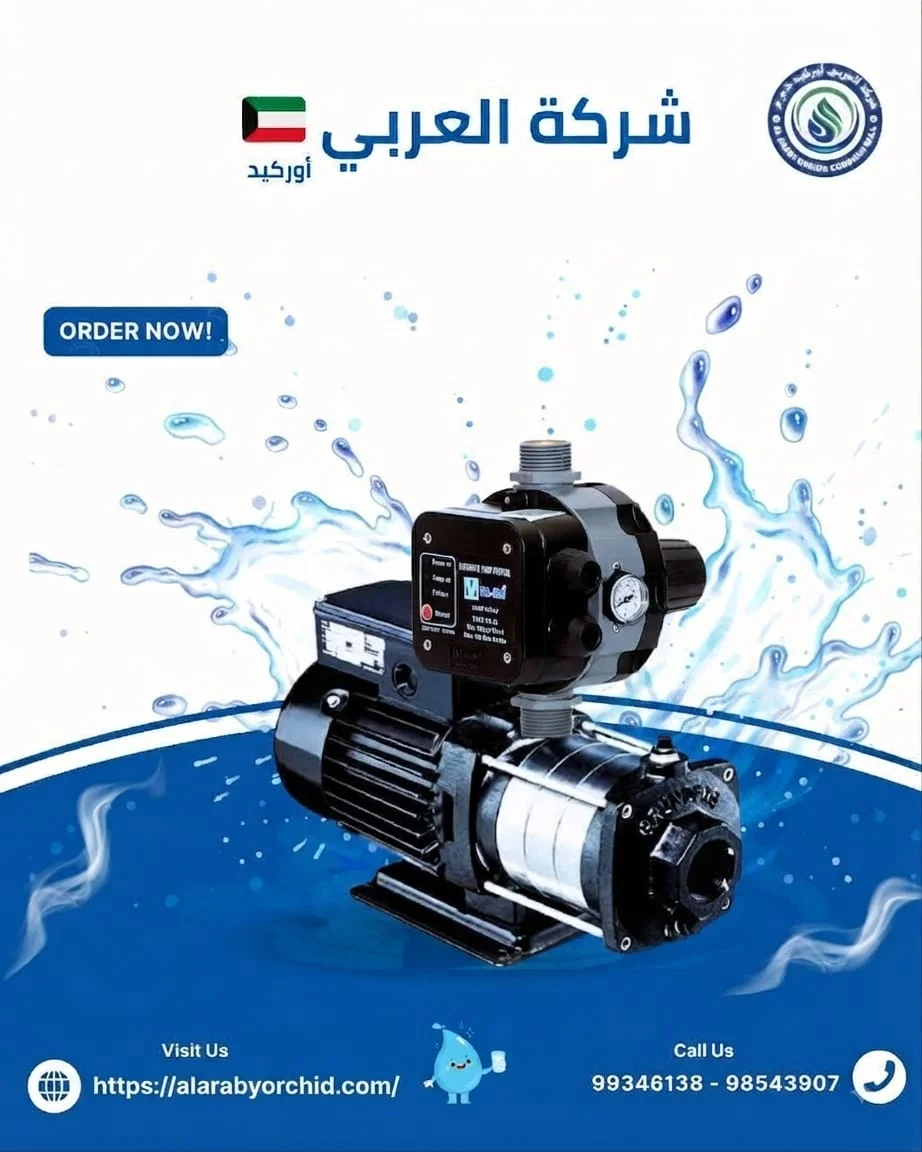
There are many causes of weak pump discharge, which is why the easiest way to understand the problem is to divide it into four groups: the water source, the suction line, the pump itself, and the discharge network. This prevents every weak-water complaint from being reduced to “the motor is weak.”
The first group begins with the water source. A low tank level, a tank that does not refill quickly enough, or a faulty float valve can all reduce the amount of water available to the pump. If the source is unstable, pump discharge will also vary regardless of equipment quality.
The second group is the suction side. A blockage, restriction, pre-pump filter, partially closed valve, air leak, or faulty non-return valve can all weaken the water supply reaching the pump. This area is especially important because any restriction here deprives the pump of water before it can even begin doing its job.
The third group involves the pump itself. The impeller may wear, the bearing may create additional friction, the shaft may be affected, or internal hydraulic components may lose efficiency. Mechanical inspection becomes appropriate after confirming that external conditions are normal.
The fourth group comes after the pump. A filter, pressure regulator, valve, or pipe section with deposits can restrict water flow. If the network was recently modified or new components were added before the problem appeared, those changes should become part of the investigation.
System design is another factor. A pump that is too small for current demand is not necessarily broken. It may simply provide less performance than the property requires during peak use. At the same time, installing a much larger pump does not solve restricted piping.
Correct diagnosis does not stop at identifying a possible cause. It looks for evidence. If a blockage is suspected, performance should be compared before and after that section. If an impeller problem is suspected, the impeller should be inspected after network restrictions have been ruled out.
-
The water source is the first stage of diagnosis because a pump cannot compensate for a continuous shortage of incoming water
-
The suction side deserves early attention because any restriction there can reduce the performance of the entire system without the motor itself being damaged
-
Internal pump parts should be opened and inspected after external causes have been ruled out so maintenance does not become unnecessary dismantling
-
Recent changes to the water network should be connected to the timing of the problem because a new filter or valve can change performance
-
A pump that is unsuitable for current demand has a sizing problem rather than necessarily a spare-part failure
Blocked pipes while the pump is running
Blocked pipes while the pump is running can be misleading because the equipment may sound completely normal while significantly less water reaches the taps. A blockage does not need to close the pipe completely. A partial restriction caused by deposits, a loaded filter, or a valve that is not fully open can create enough resistance to reduce flow substantially.
If the restriction is on the suction side, the effect can be even more serious because the pump itself does not receive enough water. Depending on the pump type and severity of the blockage, the sound and performance may change noticeably. If the restriction is on the discharge side, pressure may behave differently across various parts of the network.
Filters are among the first components that should be checked when a main filter exists because accumulated debris can reduce flow gradually. Sometimes the homeowner notices weak pressure and considers replacing the pump when the actual solution is simply servicing the filter.
Valves should also be confirmed as fully open. After tank cleaning or other maintenance, a valve may be left partially closed and the weak-water problem can begin immediately afterward. Connecting the timing of the problem with the last work carried out on the system often provides an important clue.
If internal pipe deposits are suspected, the network should be evaluated properly instead of inserting random tools or chemicals that may damage the piping. Pipe material, age, and the location of the restriction influence the correct treatment.
The advantage of checking for restrictions is that it can prevent a major unnecessary purchase. If pressure is good before a particular section of the network and weak after it, there is little reason to replace the motor.
After the restriction is corrected, flow should be tested again and compared with the previous condition. If performance returns to normal, the problem has been proven to be in the network rather than in the pump.
-
A partial blockage can reduce water volume significantly even though the pipe still allows some water to pass
-
Main filters and valves should be checked early because simple restrictions can create symptoms that look like a weak pump
-
A problem that begins immediately after maintenance or network changes makes the most recent work an important diagnostic clue
-
Good pressure before a particular section and weak pressure after it points toward the line rather than toward replacement of a functioning pump
-
Pipe deposits should be treated according to the network material and fault location rather than with random methods that may damage the piping
Air leakage in the pump suction line
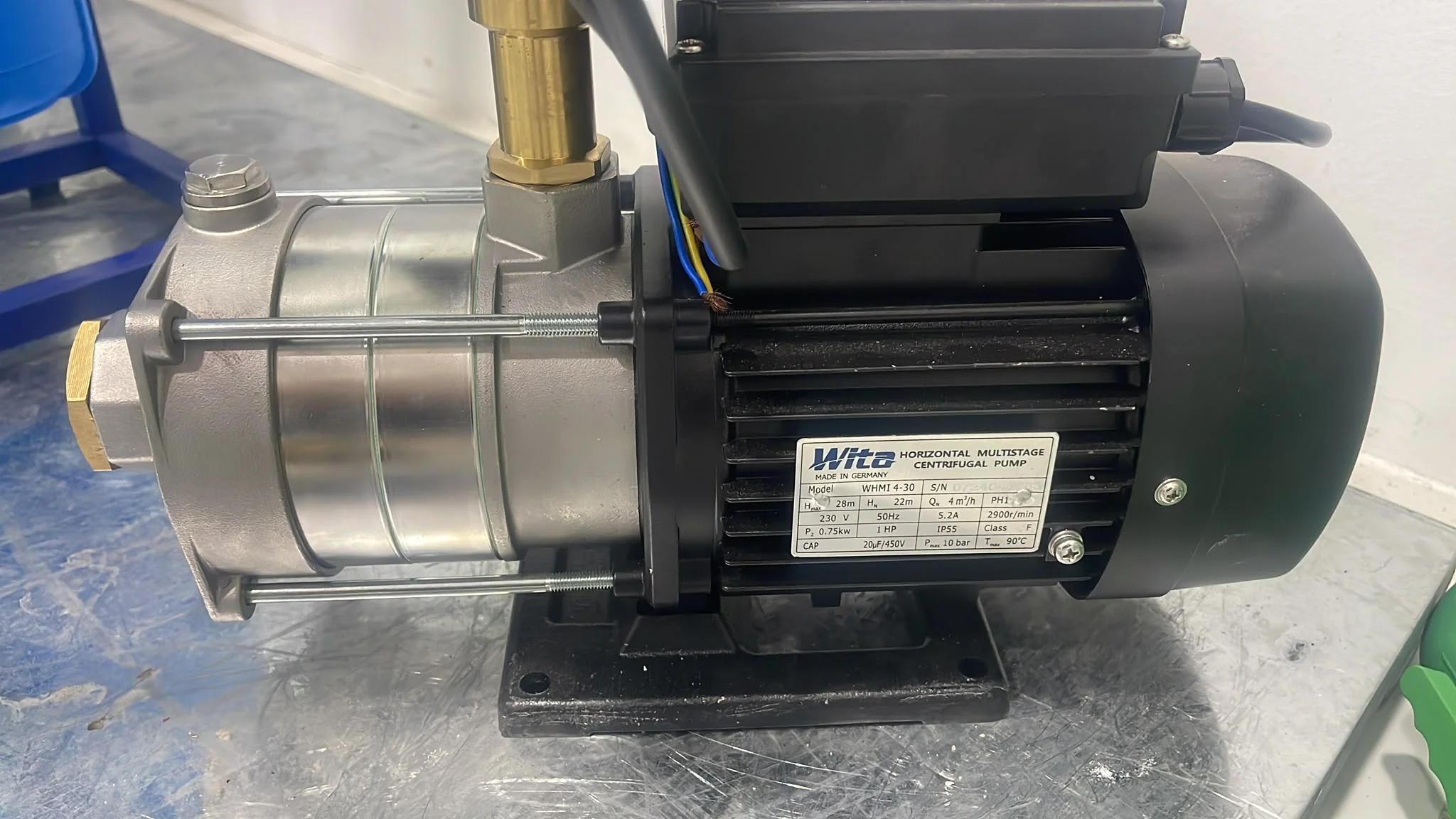
Air leakage in the pump suction line is different from water leakage because the suction side can draw air through a very small opening without any visible water escaping from that location. This is why the problem can continue for a long time without the homeowner seeing an obvious leak even though the pump never provides stable performance.
When air enters with the water, the amount of actual water reaching the pump is reduced and discharge can become weak or intermittent. You may hear a different sound or notice that pressure fluctuates instead of remaining stable.
The air can enter through a suction fitting, cover, gasket, non-return valve, or because the water level becomes low enough for air to reach the suction point. Finding the source requires proper inspection rather than randomly tightening every connection.
One useful clue is a pump that loses performance after sitting unused for some time and then requires extra time to restore normal flow. In this situation, the suction line’s ability to retain water between operating cycles and the condition of the non-return valve should be checked according to the system design.
If the suction line is long or contains unsuitable elevation changes, the effect of even a small air leak can become greater. This is why replacing the pump does not necessarily solve the problem. A new pump connected to the same leaking suction line can suffer from exactly the same symptoms.
Another mistake is allowing the pump to operate for long periods while drawing an unstable mixture of water and air. Poor operating conditions can lead to heat, cavitation, and faster wear of internal parts.
After the air leak is repaired, the pump should be prepared according to its design and tested through several start-and-stop cycles to confirm that suction and flow remain stable.
-
Air leakage on the suction side can occur without any visible drop of water appearing outside the pipe
-
Pressure fluctuation and weak discharge after the pump has been stopped can direct attention toward suction-line sealing
-
Installing a new pump on a suction line that still draws air simply transfers the same problem to the new equipment
-
Non-return valves and suction fittings should be inspected because loss of water from the suction line between operating cycles can weaken startup
-
Successful repair is confirmed when suction and flow remain stable after the pump has been started and stopped several times
Weak water suction despite motor rotation
Weak water suction despite motor rotation usually means that the problem begins before the discharge stage, so diagnosis should focus on the path that brings water into the pump. The water source, suction-line height, diameter, valves, and pump condition all influence this area.
Start with the water level because the distance from which the pump needs to draw water affects operating conditions depending on the pump design. If tank level has changed or the water source now drops lower than before, a problem can appear even though nothing has been changed in the motor.
The suction-line diameter, length, and restrictions should then be checked. A pipe that is too small for the required flow, a blocked filter, or excessive fittings can increase resistance. If the pump previously worked properly with the same line, attention should move toward something new such as a blockage or air leak.
A non-return valve that no longer holds the water column can force the pump to begin from more difficult conditions every time it starts. Depending on the system, the customer may notice a delay before normal pressure returns.
Inside the pump, the impeller or internal hydraulic components may have lost efficiency and no longer create the same suction and discharge conditions as before. However, the pump should only be opened after the external line has been checked.
Running the pump without water or with very little water is not a valid test. Some pumps can be damaged by dry operation, so if suction is lost the test should be stopped and the water-supply issue corrected.
In newly installed systems where weak suction has existed from the beginning, the relationship between the pump location and the tank should be reviewed because different pumps have different suction requirements. If the problem appears after years of successful operation, the more likely explanation is a change, wear, blockage, or leakage.
-
Weak suction directs inspection toward the section between the water source and pump inlet before focusing on the discharge network
-
Changes in water level can affect pump conditions even when nothing has changed inside the motor
-
A faulty non-return valve can weaken startup because the suction line does not retain its normal condition between operating cycles
-
Dry running should not be used to test motor strength because continued rotation without water can damage the pump
-
A new fault in a system that previously worked well should lead to investigation of recent changes instead of assuming the entire original design has suddenly become incorrect
Inspecting the pump before replacing it
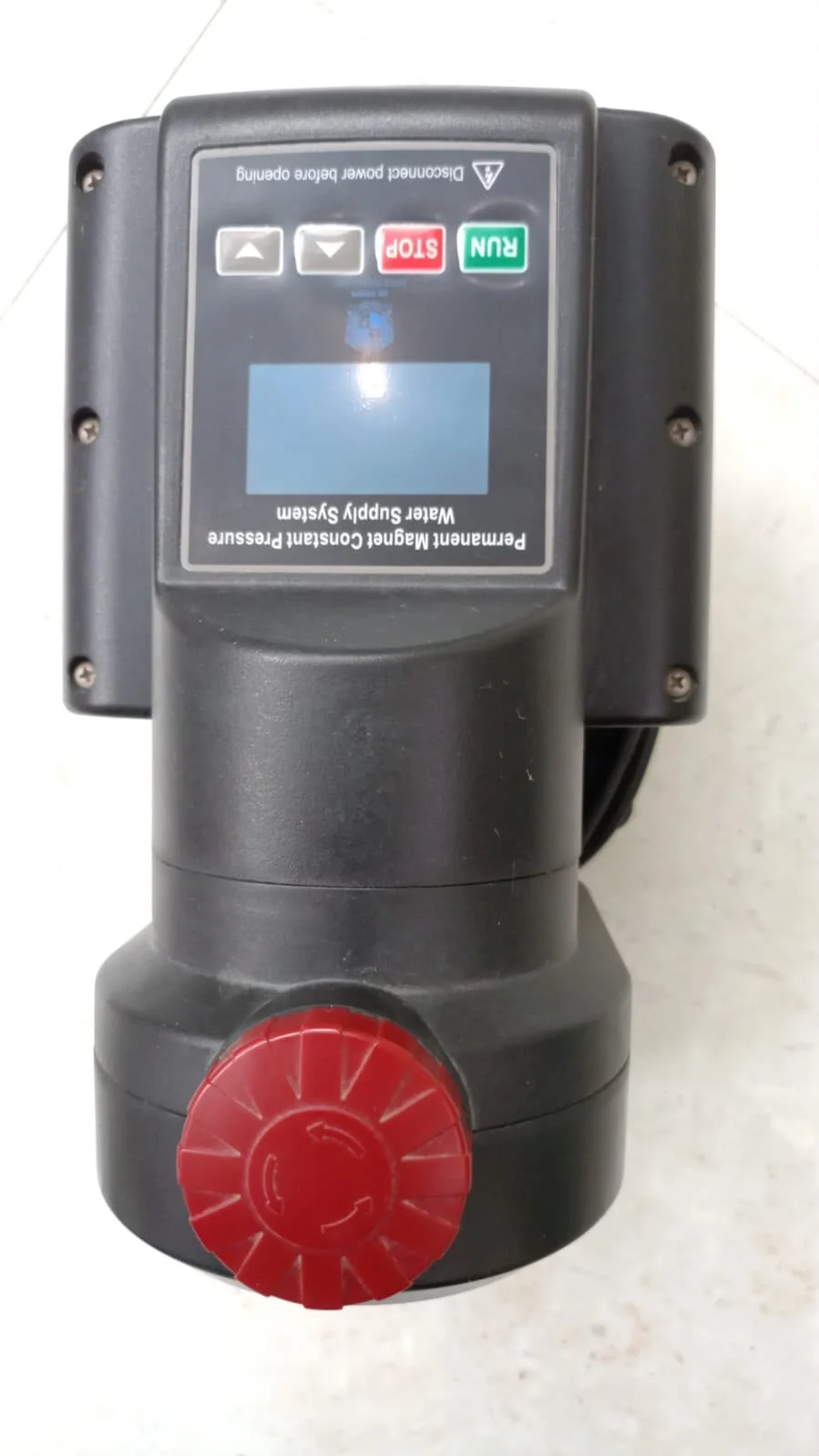
Inspecting the pump before replacing it can save you from the most expensive mistake of all: buying a new pump and then discovering that the water pressure has not improved because the actual cause is somewhere in the network. Before replacement, there should be evidence that the pump itself has lost capacity and that the problem is not caused by the suction line, filter, valves, controls, or piping.
Inspection begins with the system in its current operating condition. The technician records the symptoms and checks whether weakness is constant or related to the number of open taps, whether the pump sound is normal, and whether there is any new leakage, heat, or vibration.
The water source, suction line, valves, and filters should then be checked. If these components are healthy, pump pressure and flow can be assessed where possible and compared with what would reasonably be expected from the equipment and system.
If the results suggest an internal fault, the impeller and relevant internal parts can be inspected. If only one component is worn while the rest of the pump is in excellent condition, repairing that part may be far more economical than replacing the entire unit.
On the other hand, if the pump is very old, the motor is weak, internal components are badly worn, and there is a long history of repeated faults, complete replacement may be the more sensible decision. The difference is that the decision is now based on evidence rather than simply on the statement that “the water is weak.”
The pump should also be checked against the property’s current demand. The equipment may be completely healthy but originally selected for a lower load before another floor, additional bathrooms, or more residents were added. In this situation, replacement may still be justified, but the reason is insufficient capacity rather than mechanical failure.
Before buying the replacement pump, the required flow and pressure should be determined so the same sizing mistake is not repeated or replaced with unnecessary oversizing.
-
Pump replacement should be supported by evidence that weak performance comes from the pump itself rather than from an external restriction on suction or discharge
-
One replaceable internal component does not mean the entire pump has reached the end of its life when the remaining parts are healthy
-
Pump age fault history spare-part cost and labor should all be considered when deciding between repair and replacement
-
Changes in household demand can make a healthy pump insufficient which is a sizing issue rather than an internal mechanical failure
-
Required pressure and flow should be determined before buying the replacement so the same selection problem is not repeated
Solving low water pump discharge
Solving low water pump discharge is not based on one standard repair because the real objective is to remove whatever is restricting performance. If the cause is a blocked filter, the filter needs service. If air is entering the suction line, the line and source of the air leak need repair. If the impeller is worn, replacing it may be the appropriate solution.
The first stage is separating the cause from the symptom. Weak water is only the result. The actual cause still needs to be identified. Replacing the motor without this step may make it feel as though something has been done, only for the weak-water problem to remain unchanged.
If the water source is inadequate, the tank refill system, float valve, or other conditions limiting available water should be corrected. If suction is the problem, attention should move toward the fittings, valves, filters, and restrictions.
If the network after the pump is responsible, the restriction should be corrected instead of installing a stronger pump just to force water through an existing blockage. A larger pump is not a substitute for repairing restricted piping.
If inspection confirms reduced performance inside the pump, the technician should determine whether replacing the impeller or another component can restore normal operation or whether the internal wear is extensive enough to make replacement more economical. The decision depends on the overall condition of the pump.
After repair, the result should be tested under the same conditions that originally exposed the problem. If the customer complains that pressure collapses when two showers are used, the final test should include two showers rather than one nearby tap. If the complaint concerns the upper floor, the test should take place there rather than only beside the pump.
Pump cycling, sound, and leakage should also be observed because solving low pressure should not create another problem. The objective is a balanced system, not the highest possible pressure at any cost.
-
The repair should match the confirmed cause rather than whichever component is most commonly replaced when water pressure becomes weak
-
Increasing pump capacity is not a proper solution when the water network contains a clear restriction or blockage
-
Internal repair is worthwhile when wear is limited and normal performance can be restored without approaching the cost of a new pump
-
Final testing should reproduce the same usage condition that originally exposed the problem so the technician can confirm that the fault has genuinely disappeared
-
The best solution restores stable flow and pressure without excessive running new noise or new leakage
Conclusion
If the pump runs but the water is weak, do not begin with the final step and immediately decide to replace the whole unit. Start with the water source, suction line, filter, valves, and possible air entry, then move toward the impeller and internal pump condition before checking the discharge network. Sometimes the cause is relatively small but makes a healthy pump appear completely worn out.
The difference between proper diagnosis and guesswork is that proper diagnosis determines where pressure is being lost, when the flow becomes weak, and why the change happened. If the pump used to be strong and suddenly becomes weak, look for what changed. If it has been weak since the first day, review sizing and system design. If performance collapses only when several outlets are used, focus on peak-demand flow.
The important thing is not to treat motor noise as proof that the entire pump is healthy and not to treat weak water as proof that the pump has died. Sometimes the pump is running perfectly well and, in its own way, saying, “I am turning, everyone. Just give me enough water to push first.” Proper diagnosis is what tells you whether the problem is the pump itself or the path before and after it.
Frequently Asked Questions
Why does the pump run while the water comes out weak?
Possible causes include poor tank supply, a blocked filter, a partially closed valve, air entering the suction line, impeller wear, or pressure loss inside the water network.
Does motor operation mean the pump is healthy?
No. The motor may rotate normally while the impeller, suction side, or another part of the system reduces water flow and discharge pressure.
Does weak water mean I need to replace the pump?
Not necessarily. Many causes are outside the pump, including filters, valves, suction problems, and air leakage, which is why these should be checked before replacement.
How can I tell if the impeller is the problem?
Weak pressure with a healthy water source and suction line can direct attention toward the impeller, but blockage, air entry, and network problems should be ruled out before deciding.
Can air entering the suction line make the pump weak?
Yes. Air entering the suction side reduces the amount of water reaching the pump and can cause intermittent flow or unstable performance.
Can a blocked filter reduce pump pressure?
Yes. If a filter is installed in the water path and becomes heavily loaded with debris, resistance can rise and flow can fall even when the pump itself is healthy.
Why is the pump strong with one tap but weak with several taps?
This often means that simultaneous demand is higher than the amount of water the system can provide. The cause may be pump capacity or resistance somewhere in the network.
Can a non-return valve cause weak pump performance?
Yes. If it is damaged or fails to maintain the suction line correctly according to the system design, performance can be affected, especially during startup.
When is replacing the pump better than repairing it?
When inspection confirms extensive internal wear, serious motor and hydraulic damage, high repair cost, or when the pump is no longer suitable for the current water demand of the property.
What should I check before buying a new pump?
Check the water source, suction line, filters, valves, and possible air leakage first, then evaluate the pump itself. Buying a new unit before this inspection may leave you paying for another pump while the original problem remains.