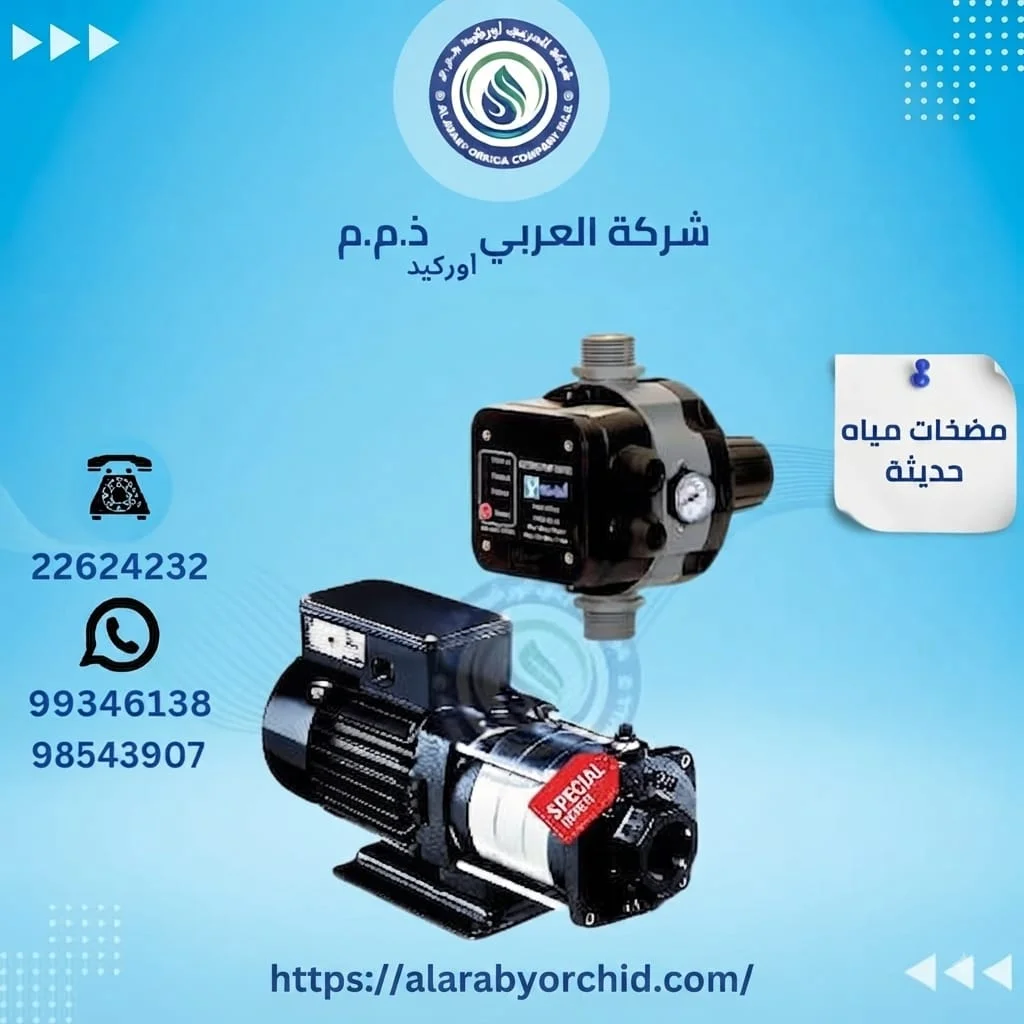
When the water pump runs for a few seconds, stops, and then starts again shortly afterward, do not immediately assume the motor has failed. The same behavior can be caused by a very small leak, a pressure tank that has lost its air charge, a damaged internal diaphragm, an incorrectly adjusted pressure switch, or a valve that allows pressure to fall after the pump stops. The pattern of the fault matters too. A pump that repeatedly starts when no water is being used is not the same as a pump that runs for a long time, stops, and then restarts after cooling down. Correct diagnosis starts by observing when the pump stops and what happens to system pressure before and after that point. Replacing the pump before identifying the cause can mean paying for a new unit while the original problem remains somewhere in the plumbing system.
Water pump starts and stops
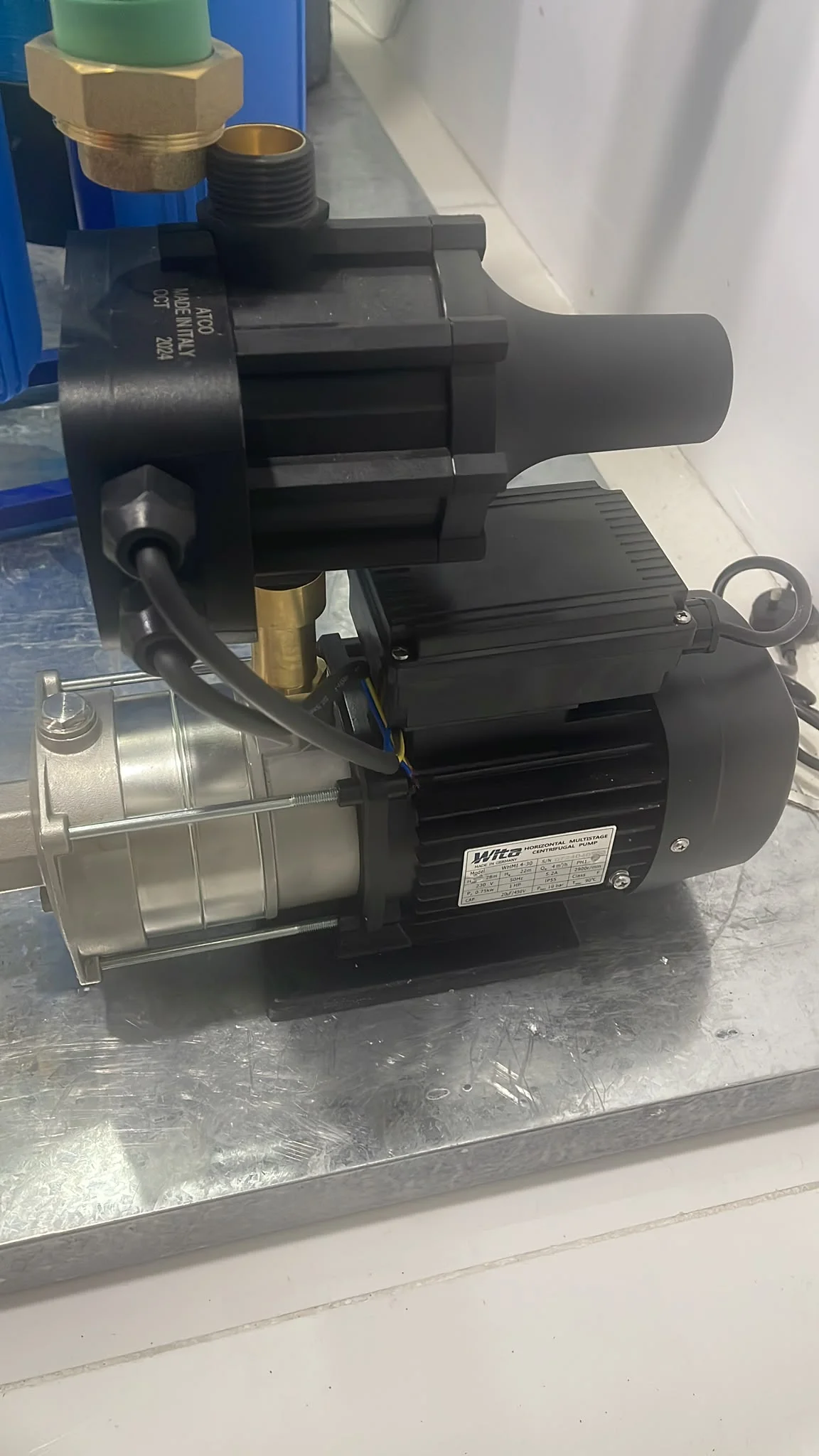
When the water pump starts and stops rapidly, the first thing to do is distinguish normal cycling from abnormal short cycling. A pump normally starts when pressure falls because a faucet has been opened and stops once the system reaches its cut-off pressure. The problem begins when each cycle becomes extremely short, with the pump running only for a few seconds before stopping and then starting again shortly afterward.
One of the first possibilities to check is pressure loss somewhere after the pump. The leak may be obvious at a pipe or fitting, but it can also be extremely small, such as a dripping faucet, a toilet cistern that keeps passing a little water, or another outlet that is easy to overlook. As pressure falls because of that leak, the controller starts the pump. Once pressure is restored, the pump stops, and the same cycle begins again. This is why some homeowners hear the pump running by itself at night even though nobody is using water.
The second possibility is the pressure tank if the system uses a bladder or diaphragm tank. The tank stores a quantity of water under pressure so the pump does not need to start every time a small amount of water is used. If the air charge is no longer correct or the internal diaphragm is damaged, the amount of usable stored water becomes much smaller and the pump starts far more frequently than normal.
The controller or pressure switch should then be checked because unsuitable cut-in and cut-out settings can create a very narrow pressure range. When this range is too small, the pump can enter short cycles instead of running in a longer and more stable pattern.
The non-return valve is another possible cause. If it does not close properly, water can flow back toward the source after the pump stops. Pressure then falls and the pump starts again even when no fixture is being used.
The important point is not to assume that every cycling problem means the motor is weak. In many cases, the motor itself is completely healthy and the fault is in the part of the system that controls or maintains pressure.
-
If the pump starts by itself when nobody is using water then checking for leakage and a faulty non-return valve should be among the first diagnostic steps
-
If each running cycle has become noticeably shorter than before then the pressure tank diaphragm and air charge become more likely areas to inspect
-
If the pump starts with every small faucet movement and stops again almost immediately then the system may not have enough stored pressure between cycles
-
If pressure falls immediately after the pump stops even though no water is being used then the source of that pressure loss should be identified before replacing the motor
-
Incorrect controller settings can cause a mechanically healthy pump to enter frequent and uncomfortable start-stop cycles
-
The pump should only be judged after determining whether the real cause is pressure loss a pressure tank problem a valve issue or a control fault because replacing the whole unit may not solve the problem
Water pump motor keeps stopping
The phrase water pump motor keeps stopping can describe more than one type of fault, so it is important to define exactly what “stopping” means. Does the motor run for only a few seconds, stop when pressure rises, and then restart quickly? Or does it run for a longer period, stop suddenly, and only start again after some time has passed? These two patterns are very different and require different diagnostic paths.
If rapid starting and stopping are closely linked to fast pressure changes, attention usually returns to the pressure tank, pressure switch, leaks, or non-return valve. If the motor runs normally for a while and then stops under load before restarting later, thermal protection becomes a more relevant possibility. Some motors include protection that shuts the unit down if temperature rises too much and allows operation again after the motor cools.
Heat itself is not a final diagnosis because it can have several causes. The pump may be operating under excessive load, the hydraulic section may have a problem, or surrounding operating conditions may be unsuitable. The homeowner should not open the electrical cover, bypass any protection device, or repeatedly reset a tripping breaker because the protection exists to prevent a more serious failure.
It is also important to distinguish between the motor stopping and the controller stopping the pump. Sometimes a homeowner hears the pump stop and assumes that the motor has suffered an electrical fault when the pressure switch has simply issued a normal stop command because system pressure reached its cut-off point.
The timing of the fault also provides useful information. If the motor stops only when several bathrooms are operating, the issue may become more noticeable under higher load. If it stops even during light demand, the diagnostic picture is different. If it automatically restarts after cooling, that is particularly useful information for the technician.
Describing the problem precisely can save a great deal of guesswork. Saying “the pump runs for five minutes, stops, and starts again after ten minutes” is far more useful than simply saying “the pump keeps stopping.”
-
Stopping after a few seconds while pressure changes rapidly is different from stopping after a long running period so cycle duration is one of the most important diagnostic details
-
A motor that restarts after a cooling period can point toward a thermal-protection path and requires checking load and operating conditions rather than bypassing the protection
-
A pump stopping because the controller has reached cut-out pressure is a control action and does not by itself prove that the motor is faulty
-
If the problem appears only when several outlets operate at once then checking load flow and pump operating conditions is more useful than looking only at the system during light use
-
Opening electrical covers bypassing protection or repeatedly resetting a breaker is not a safe diagnostic step because the underlying problem may require professional electrical inspection
-
Describing how long the pump runs how long it remains stopped and whether it restarts by itself provides far more useful information than deciding to replace the motor simply because it stops
Water pump runs every minute
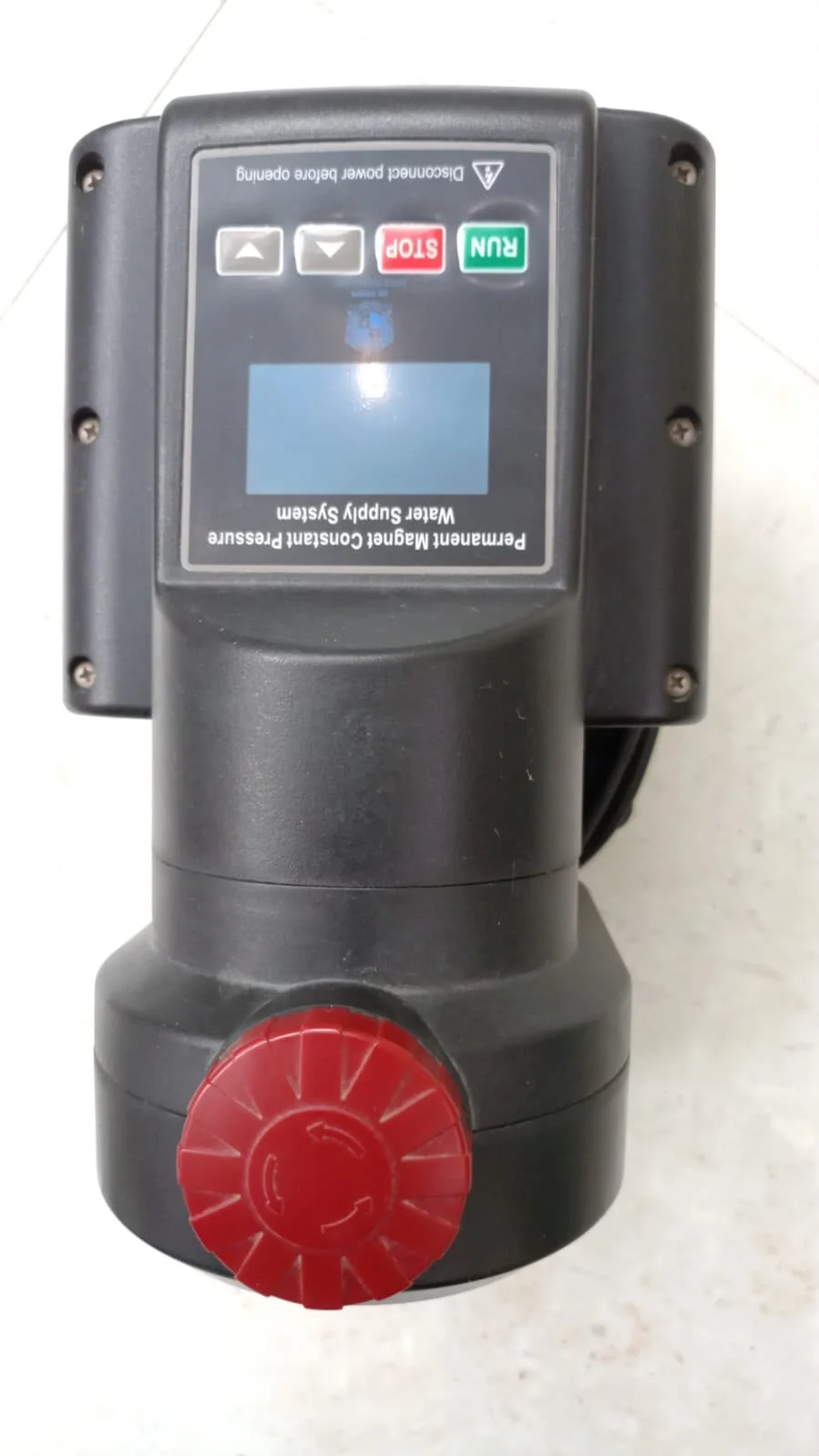
If the water pump runs every minute or almost every minute even when the house is quiet, this should not be dismissed as normal pump behavior. Repeated cycling at this frequency usually means system pressure is falling between cycles faster than it should, and the reason for that loss needs to be identified.
The easiest scenario to understand is a small leak. There may be no visible water on the floor because the leak can come from a toilet cistern passing a small amount of water, a dripping faucet, a hidden line, or an outdoor connection. Even that small amount can gradually reduce pressure until the controller reaches its start point. The pump then restores pressure, stops, and the cycle begins again.
If no leak is found, the system’s ability to store pressure should be examined. A healthy pressure tank creates a useful interval between pump starts because it supplies pressurized water before the motor needs to run again. If the tank has lost its correct air charge or the internal diaphragm has developed a problem, this interval becomes much shorter and the pump may start even for very small water usage.
The non-return valve should then be considered because reverse flow can allow pressure to fall even when every faucet in the home is closed. This creates a pattern that sounds very similar to a plumbing leak, even though the actual pressure loss is occurring back toward the source.
A useful diagnostic method is to observe the system pressure when no water is being used. If pressure remains stable for a long period, the issue may be related to demand or insufficient pressure-storage capacity. If pressure falls gradually while all outlets are closed, there is an ongoing pressure loss that needs to be traced.
The phrase “every minute” should not be used as an absolute diagnostic rule because cycle duration changes according to pressure-tank size, pressure-switch settings, leak size, and pump type. What matters is that the behavior has become abnormal compared with the system’s usual operation.
-
Repeated pump starts with no obvious water use make continuous pressure loss one of the most important possibilities to investigate
-
A very small leak can be enough to trigger pump operation even when there is no obvious pool of water around the pipes or floor
-
A pressure tank that has lost its storage function can force the pump to compensate for even very small water demands instead of the tank covering them
-
Water flowing backward through a faulty non-return valve can create a cycling pattern that closely resembles a plumbing leak and the two need to be separated during diagnosis
-
Observing whether pressure remains stable when all fixtures are closed helps determine whether the problem is a continuous loss or something linked only to water use
-
The exact number of minutes between starts is not a diagnosis by itself because tank size system settings and the amount of pressure loss all change the cycle length from one property to another
Cause of repeated pump operation
Understanding the cause of repeated pump operation requires watching when each cycle begins rather than simply hearing the motor run and assuming something is broken. Repeated operation with no water use points toward very different causes from cycling that appears only during showering or when several faucets are opened. The first diagnostic question is therefore: does the pump start while the entire house is quiet? If the answer is yes, pressure loss, reverse flow, or a pressure-tank problem becomes a stronger possibility. If the cycling appears only during water use, attention shifts toward tank capacity, pressure settings, and system demand.
If a pressure gauge is present, its behavior should be observed. When pressure reaches the cut-out point and then gradually falls while every fixture is closed, the system is not holding pressure. The cause may be a leak somewhere after the pump, a non-return valve that does not fully close, or a small point of water consumption that has gone unnoticed.
If pressure remains stable during periods of no use but the pump starts and stops very rapidly as soon as a faucet is opened, then the pressure tank becomes more relevant. The tank should absorb some of the change and provide stored water so the motor does not need to start for every small amount of demand.
Cycle duration matters too. A cycle lasting two or three seconds is different from one lasting a minute or longer. The shorter the cycle becomes compared with normal operation, the more important it is to check the difference between cut-in and cut-out pressure and to inspect the condition of the pressure tank.
The actual pump size should also be considered. A pump that is too large for a small plumbing network and paired with a very small pressure tank can raise pressure extremely quickly, shut off quickly, and restart after only a small pressure drop. This creates frequent cycling even when the motor itself has no direct mechanical fault.
Correct diagnosis therefore combines cycle timing, pressure stability, pressure-tank condition, controller settings, and pump size rather than replacing parts by guesswork.
-
Pump starts with no visible water demand make leakage or reverse flow some of the first causes that should be checked before blaming the motor
-
Stable pressure during no-use periods followed by rapid cycling during small water demand points more strongly toward the pressure tank or pressure-control range
-
Pressure that gradually falls after the pump stops while all outlets are closed shows that the system is losing pressure somewhere and that source needs to be identified
-
Extremely short running cycles are different from normal pump operation so the duration of each cycle is an important diagnostic clue
-
A pump that is oversized for a small system and paired with a limited pressure tank can cycle frequently even when the motor itself is healthy
-
The most accurate diagnosis combines pressure behavior and timing with the condition of the tank and controls instead of treating pump noise alone as enough evidence for replacement
Water pump automatic controller fault
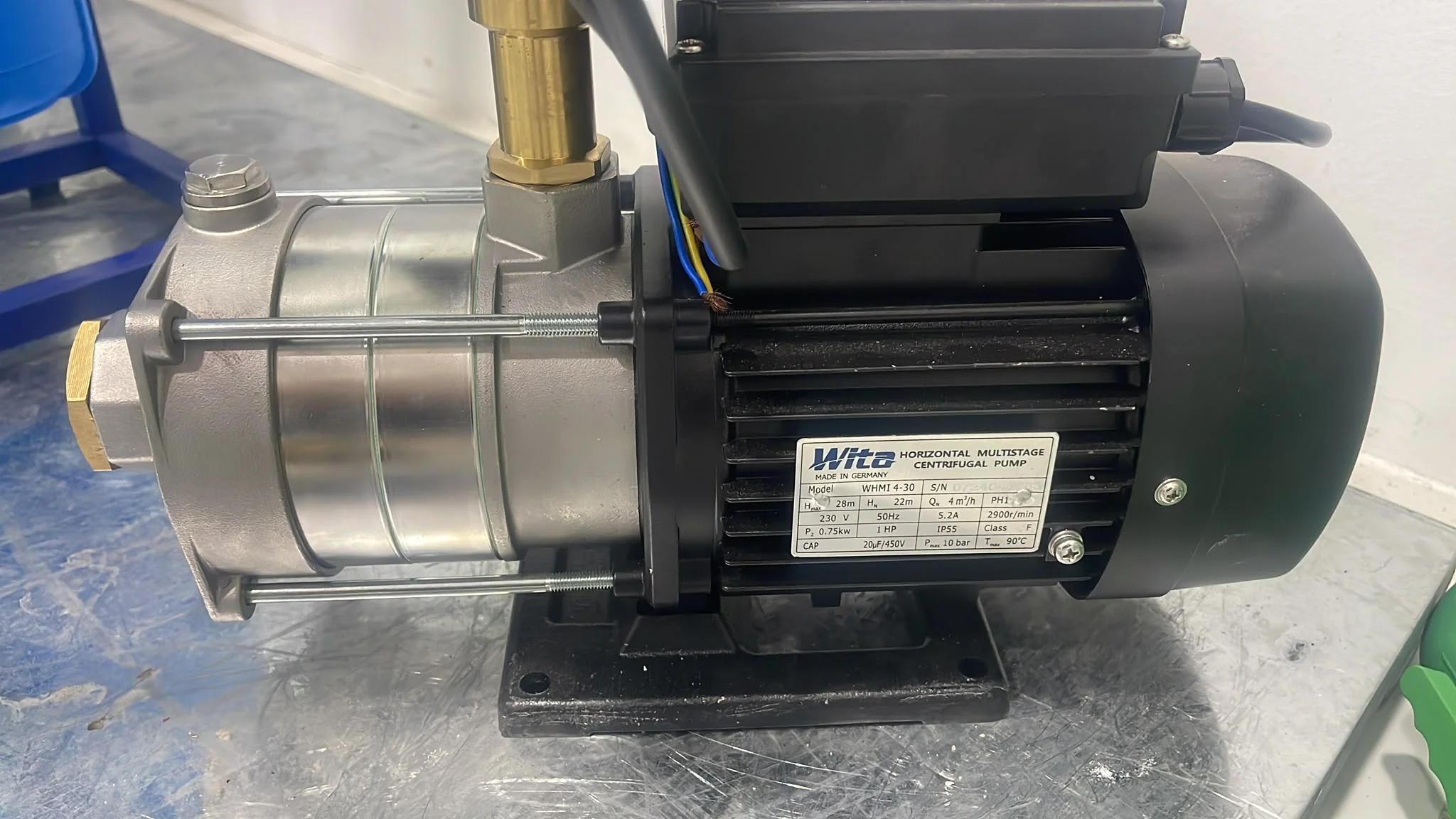
A water pump automatic controller fault can easily make the homeowner believe the motor itself is failing because the controller is the component that tells the pump when to start and stop according to pressure or flow depending on the type of system. If its reading, adjustment, or response is incorrect, the pump may start when it should not, stop too quickly, or fail to stop at the correct point.
In systems that use a mechanical pressure switch, there is one pressure level where the pump starts and another where it stops. If the difference between these two points becomes too narrow or is not suited to the system, the pump can enter frequent short cycles instead of running in a stable pattern.
In some cases, the problem is not the setting itself but the way pressure reaches the switch. A small sensing port or connection can become restricted by sediment or deposits, which may cause delayed or unstable readings and make the controller behave strangely even though the pump itself is capable of operating correctly.
Electronic controllers work differently because they may use pressure and flow sensing together with additional control and protection logic. A faulty sensor, unstable reading, or internal control problem can create abnormal operation, but the diagnosis should be based on the specific controller model because not all automatic controllers operate in the same way.
One useful clue is comparing the pressure reading with the exact moment the pump starts and stops. If the start and stop commands occur at inconsistent or illogical pressures, the control system deserves closer inspection.
The homeowner should not randomly adjust pressure-switch screws or open electrical covers because changing settings without measurement can create excessive pressure or prevent proper shut-off. Bypassing the controller or connecting the pump directly is also not a safe test because the controller is part of the system’s protection as well as its operating logic.
Sometimes replacing the controller is genuinely the correct repair. In other cases, the real issue is a restricted sensing connection or an incorrectly charged pressure tank. That is why the complete system should be checked before buying a new control unit.
-
The controller determines pump start and stop timing so incorrect sensing or adjustment can look like a motor fault even when the motor itself is healthy
-
An excessively narrow difference between cut-in and cut-out pressure can cause frequent short pump cycles
-
A blocked pressure-sensing port can create inaccurate readings and make the controller respond inconsistently
-
Electronic controllers operate differently from traditional pressure switches so diagnosis should follow the design of the actual unit rather than one general rule
-
Changing pressure settings without measurement or understanding system limits can create excessive pressure or prevent correct shut-off
-
Bypassing the automatic controller and running the pump directly is not a safe diagnostic method because the control unit is part of system protection and not merely a simple switch
Water pump pressure tank bladder problem
A water pump pressure tank bladder problem is one of the most common reasons a pump begins starting and stopping rapidly in systems that use a pressure tank. The bladder or diaphragm separates the water from the compressed air inside the tank and allows the tank to store pressurized water before the motor needs to start again.
When the air charge becomes too low or the diaphragm is damaged, the amount of usable stored water falls significantly. The result is that even opening a small faucet can reduce pressure very quickly. The motor starts, raises the pressure within seconds, stops, and the same cycle repeats.
One sign that deserves attention is when the pump suddenly begins starting with every small use after previously providing much longer intervals between cycles. If the tank has lost its ability to store useful pressurized water, the change becomes obvious even though the pump itself may not have changed at all.
It is important to distinguish between a tank that has lost its air charge and one with a failed internal diaphragm because the repair is not the same. Air-charge inspection is carried out correctly after isolating the tank and relieving water pressure according to the service procedure and using proper measurement. If the diaphragm has failed and water has entered the air side, simply adding more air does not repair the problem.
Tank size also matters. Even if the bladder is healthy, a tank that is too small for the pump size and household demand can cause more frequent cycling than a properly sized system. In other words, the issue may be incorrect system matching rather than component failure.
The pre-charge pressure should also be appropriate relative to the pump’s cut-in pressure because the relationship between the two affects how much usable water the tank can provide before the motor needs to start.
A common mistake is replacing the entire pump while the pressure tank is the real cause. The motor may be working perfectly but starting too often because the component designed to reduce cycling has lost its function.
-
A healthy bladder helps the pressure tank store pressurized water and reduces the number of motor starts caused by small water use
-
Loss of air charge makes pressure fall faster and forces the motor into frequent cycles even when the pump itself is not faulty
-
A failed diaphragm is different from low air charge because adding air does not repair a torn diaphragm or restore separation between the water and air sections
-
Pressure-tank size should match the pump and household demand because a tank that is too small can cause repeated cycling even when the bladder is intact
-
Pre-charge pressure needs to match the operating system so the tank can use its available storage effectively instead of providing only limited benefit
-
Replacing the motor before checking the pressure tank can be unnecessary because the real problem may be the bladder air charge or tank sizing rather than the pump itself
Pump does not hold pressure
When the pump does not hold pressure, the problem is not necessarily the strength of the motor. Stable pressure depends on the plumbing network remaining sealed, the non-return valve preventing reverse flow, and the pressure tank and controller working together correctly. If any one of these parts fails to do its job, pressure can rise while the pump is running and then fall quickly after it stops.
The first thing to observe is what happens immediately after the pump stops. If the pressure gauge reaches the cut-out point and then begins falling while nobody is using water, the system is clearly losing pressure. That loss may be downstream of the pump through a plumbing leak, or upstream through a non-return valve that fails to close completely and allows water to return toward the tank or source.
If pressure remains stable while every outlet is closed but becomes unstable as soon as a faucet is opened, the picture is different. The pressure tank, pump capacity under flow, or controller settings may then be more relevant because the problem appears under load rather than as a continuous leak.
The speed of pressure change provides another clue. If the gauge jumps very quickly from low pressure to high pressure and then falls again just as quickly, the system may have very little pressure-storage capacity or the gap between cut-in and cut-out may be too narrow.
It is also important to remember that unstable pressure can come from normal household demand. If several outlets operate at once and the pump is close to the limit of its performance, pressure may change as fixtures open and close. This is different from pressure falling while the house is completely quiet.
Proper inspection therefore does not rely on a single pressure reading. Pressure should be observed before starting, while the pump runs, immediately after stopping, during a no-use period, and then again with one or more fixtures operating.
-
Pressure that falls after the pump stops while all faucets are closed strongly suggests pressure loss that should be located before the motor is replaced
-
A non-return valve that does not seal properly can allow water to flow back toward the source and force the pump to restore pressure repeatedly even when there is no household demand
-
Stable pressure during no-use periods but instability only during water demand points more toward flow capacity pressure-tank performance or controller settings
-
Rapid movement between cut-in and cut-out pressure can indicate that the system has very little usable pressure storage between cycles
-
Pressure variation while several fixtures operate is different from pressure loss with no water use so the exact timing of the problem is extremely important
-
Accurate diagnosis requires observing several complete cycles because one isolated reading cannot determine whether the cause is a leak valve tank or demand that exceeds system capacity
Repeated water pump operation
Repeated water pump operation is not only annoying because of the sound. It is a sign that the system is asking the motor to start more often than normal. The shorter the running and stopping periods become, the more important it is to identify the cause rather than waiting for the behavior to become worse.
The first scenario is repeated small water use. If the pressure tank is operating correctly, it should cover part of these small demands without starting the motor every time. If the pump runs with every slight opening of a faucet, the pressure tank becomes one of the main components to inspect.
The second scenario is a slow leak. This type of problem can be difficult to notice because it may leave no obvious mark, but it continuously reduces pressure. Every time pressure reaches the start point, the pump runs, restores pressure, stops, and the same pattern repeats throughout the day.
The third scenario is poor matching between system components. A powerful pump connected to a small pressure tank or a system with a very narrow pressure range can cycle frequently even when every individual component is technically functional. In this situation, the issue is system design or adjustment rather than failure of one specific part.
The non-return valve should also be checked because water flowing backward after the pump stops creates almost the same result as a plumbing leak: pressure falls and the pump starts again. The difference can only be confirmed by inspection rather than by sound alone.
If frequent cycling begins suddenly after years of normal operation, that timing is valuable information. A sudden change suggests that something new has occurred, such as a leak, a pressure-tank problem, a valve issue, or a controller fault rather than the entire system design suddenly becoming incorrect.
If the problem has existed from the first day of installation, system matching between the pump, pressure tank, controller, and plumbing size should be reviewed from the beginning.
Frequent short cycling should not be ignored just because water is still reaching the taps. Repeated starting and stopping is not the ideal operating condition for a pump system, and finding the cause early is better than allowing the system to continue operating unstably.
-
Frequent starting with very small water use makes pressure-tank inspection important because the tank is supposed to reduce the need for the motor to start for every small demand
-
A problem that suddenly appears after a long period of normal operation points toward a new change such as leakage valve failure or a pressure-tank issue
-
A cycling problem present from the first day may indicate that the system components or settings were mismatched from the beginning
-
A strong pump with a small tank or narrow pressure range can cycle frequently even without a direct motor fault
-
Reverse flow after pump shutdown can behave very similarly to a leak so the non-return valve should be included in the inspection
-
Frequent short cycling should not be ignored simply because water is still available because correcting the cause early is better than leaving the system to operate under unstable conditions
Checking home pump pressure
Checking home pump pressure is the step that connects all of these symptoms and turns the diagnosis into something based on measurable behavior rather than guesswork. The same cycling sound can come from several different causes, but the pressure reading helps show when the fault begins and what happens after the pump stops.
The inspection begins by identifying the actual cut-in and cut-out pressures and observing the difference between them. If the pump starts and stops within an extremely narrow pressure range, the cycles will naturally become shorter. If pressure reaches the cut-out point and then falls even though no water is being used, the system is failing to hold pressure.
The next test is carried out while the house is quiet. Faucets and water-using appliances are left off and pressure is observed to see whether it remains stable. If pressure starts to fall, that points the diagnosis toward leakage, reverse flow, or another part of the system that is failing to remain sealed.
Pressure should then be observed under demand. Open one outlet and watch how the pump responds, then compare that behavior with normal higher usage. If pressure remains stable with one outlet but falls sharply when several outlets are used, the issue may involve system capacity or excessive pressure loss through the plumbing.
The pressure tank should also be included in the inspection because its air charge and condition directly affect cycle duration. Tank pre-charge should be checked using the correct procedure after relieving water pressure and following the service requirements rather than through random adjustments.
Pressure-switch or controller settings should not be changed simply because the numbers look wrong. Settings need to respect the limits of the pump, tank, and plumbing components because randomly increasing cut-out pressure can create a larger problem.
If electrical warning signs appear, such as a burning smell, a tripping breaker, or abnormal heat, hydraulic pressure testing should not turn into electrical experimentation. Electrical covers should not be opened and protection should not be bypassed.
-
Reading the cut-in and cut-out pressures shows whether cycling is short because the control range is narrow or because pressure is disappearing rapidly after shutdown
-
Testing the plumbing while no water is being used helps separate leakage or reverse-flow problems from faults that appear only under demand
-
Comparing pressure with one outlet and with higher household use shows whether the system maintains performance or loses pressure as flow rises
-
Pressure-tank inspection is an important part of diagnosis but it should be carried out correctly after relieving water pressure rather than through random adjustment
-
Changing start or stop pressure without knowing the system limits is not a solution because excessive settings can affect the tank pump and other plumbing components
-
Any electrical warning sign such as a burning smell breaker trip or unusual heat requires professional inspection and the motor cover should not be opened or protection bypassed as a test
Home water pump motor fault
When there is a home water pump motor fault, many people automatically connect any repeated starting and stopping with motor failure, but that conclusion is not always accurate. The motor may be completely healthy while the real problem is the pressure tank, controller, non-return valve, or a leak in the plumbing. Before replacing the motor, it is important to determine whether it has actually lost performance or whether it is simply responding repeatedly to an external pressure problem.
One sign that deserves attention is a clear change in the way the motor behaves. If it begins producing an unusual sound, becomes abnormally hot, or stops after running for a period and then starts again after cooling, the possibility of a motor or load-related problem becomes stronger and professional inspection is required.
If the motor runs strongly, raises pressure normally, stops, and then starts again after a short period, there is less reason to immediately condemn it. That behavior more strongly suggests pressure loss, a pressure-tank problem, or a control issue.
It is also important to distinguish between a weak motor and weak water flow. The motor may be healthy while the hydraulic section of the pump has a restriction, wear, or another fault that reduces performance. In other cases, the water source before the pump is the real limitation.
If the breaker trips, there is a burning smell, strong abnormal heat, or unusual electrical noise, the system should not be repeatedly restarted and the electrical cover should not be opened. If a known safe isolation point is accessible, the system can be isolated and left for professional inspection because bypassing protection can turn a minor fault into a more serious problem.
The history of the fault also matters. If the system operated normally for years and rapid cycling suddenly began, it makes sense to search for a new change in the network before assuming the motor has reached the end of its life. If performance was poor from the first day, pump selection, controller settings, or installation may all be part of the problem.
The final inspection should determine whether the repair belongs to the pressure tank, valve, controller, leak, hydraulic pump section, or the motor itself. This prevents replacing the most expensive component in the system before confirming that it is actually responsible for the fault.
-
A motor that runs strongly and reaches normal pressure quickly is not automatically faulty because the cycling problem may come from pressure loss after shutdown
-
Excessive heat or stopping after a period of operation followed by restarting after cooling suggests a different diagnostic path involving load protection and motor condition
-
Weak water flow does not automatically mean a weak motor because a hydraulic restriction pump wear or unstable water source can create the same symptom
-
Breaker trips burning smells or unusual electrical noises are warning signs that require stopping experimentation and avoiding any attempt to bypass protection
-
A problem that appears suddenly after years of normal operation makes a new change in the plumbing system more likely than an automatic assumption that the motor has simply failed
-
The decision to replace the motor should come only after excluding pressure-tank controller valve leakage and other faults that can create the same behavior
Conclusion
When a water pump starts and stops repeatedly, the most important thing is not to replace the motor as soon as the symptom appears. Repeated cycling can have several causes, and each cause produces a different pattern when the system is observed carefully.
If the pump starts when no water is being used, attention should focus on pressure loss, plumbing leaks, and the non-return valve. If it starts with every small faucet movement, the pressure tank, bladder condition, and system settings become more important.
If the motor runs for a while, stops, and then starts again after cooling, the diagnostic path is different and should include load conditions, thermal protection, and the motor itself.
Checking pressure before startup, during operation, and after shutdown removes much of the guesswork and helps determine whether the problem is in the plumbing network, controller, pressure tank, or pump.
Most importantly, electrical adjustment, protection bypassing, or opening the motor cover should not be part of a home experiment. Correct diagnosis saves money, protects the system, and allows the faulty component to be repaired or replaced instead of changing the entire pump unnecessarily.
Frequently Asked Questions
Why does my water pump start and stop so quickly?
Common causes include pressure loss, a pressure tank that is not working properly, unsuitable controller settings, or a non-return valve that allows water to flow backward.
Does repeated cycling mean the motor is damaged?
Not necessarily. The motor may be healthy while the real problem is the pressure tank, a leak, the automatic controller, or the non-return valve.
How can I tell if a leak is causing the pump to start?
If pressure falls while all water outlets are closed and the pump starts again by itself, there is pressure loss somewhere that needs to be located.
Can the pressure-tank bladder make the pump run every minute?
Yes. If the tank loses its air charge, the diaphragm fails, or the tank size is unsuitable for the system, the pump can start much more frequently.
Can an automatic controller fault make the pump stop quickly?
Yes. Unstable pressure sensing or incorrect cut-in and cut-out settings can cause frequent start-stop commands.
Why does the motor stop after a few minutes and then start again?
This may involve thermal protection, excessive load, or unsuitable operating conditions and should be inspected professionally.
Can the non-return valve cause repeated cycling?
Yes. If it does not close tightly, water can flow back toward the source, pressure falls, and the pump starts again.
Will changing the controller pressure solve the problem?
Not always. Changing settings without proper measurement can make the problem worse, so pressure loss and pressure-tank condition should be checked first.
When should I replace the pump instead of repairing the system?
Replacement should be considered when inspection confirms that the pump or motor itself can no longer provide the required pressure or flow after leaks, the pressure tank, valve, and controller have been ruled out.
What should be checked first if the pump starts by itself?
First check whether system pressure remains stable with all water outlets closed, then inspect for leakage, non-return valve problems, and pressure-tank issues before blaming the motor.
