Not every water pump that becomes weak or starts making noise has reached the end of its life and needs complete replacement. In many cases, the problem is caused by one specific component such as the impeller, bearing, mechanical seal, or a motor part, and repairing or replacing that component can be far more economical when the pump body and main motor are still in good condition. The real problem begins when parts are replaced by guesswork without proper diagnosis because you may pay for a healthy component while the original fault remains. The correct decision depends on the symptoms, overall pump condition, age, and the cost of the replacement part compared with the price of a complete new pump. In this article, we explain how to identify which component actually needs replacement, when changing the part makes financial sense, and when it is better to stop spending money on a pump that has already reached the end of its practical service life.
Water pump spare parts in Kuwait
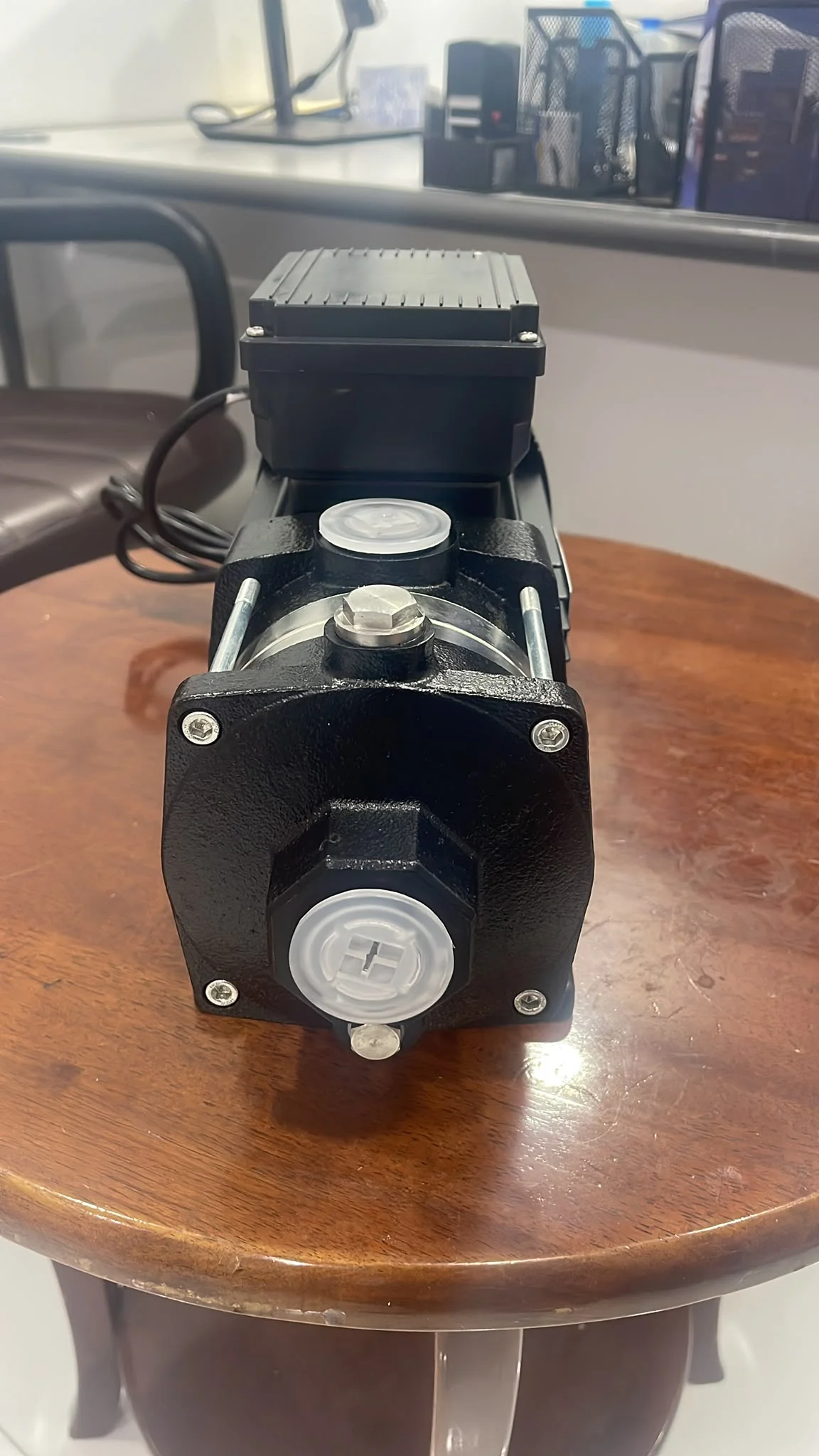
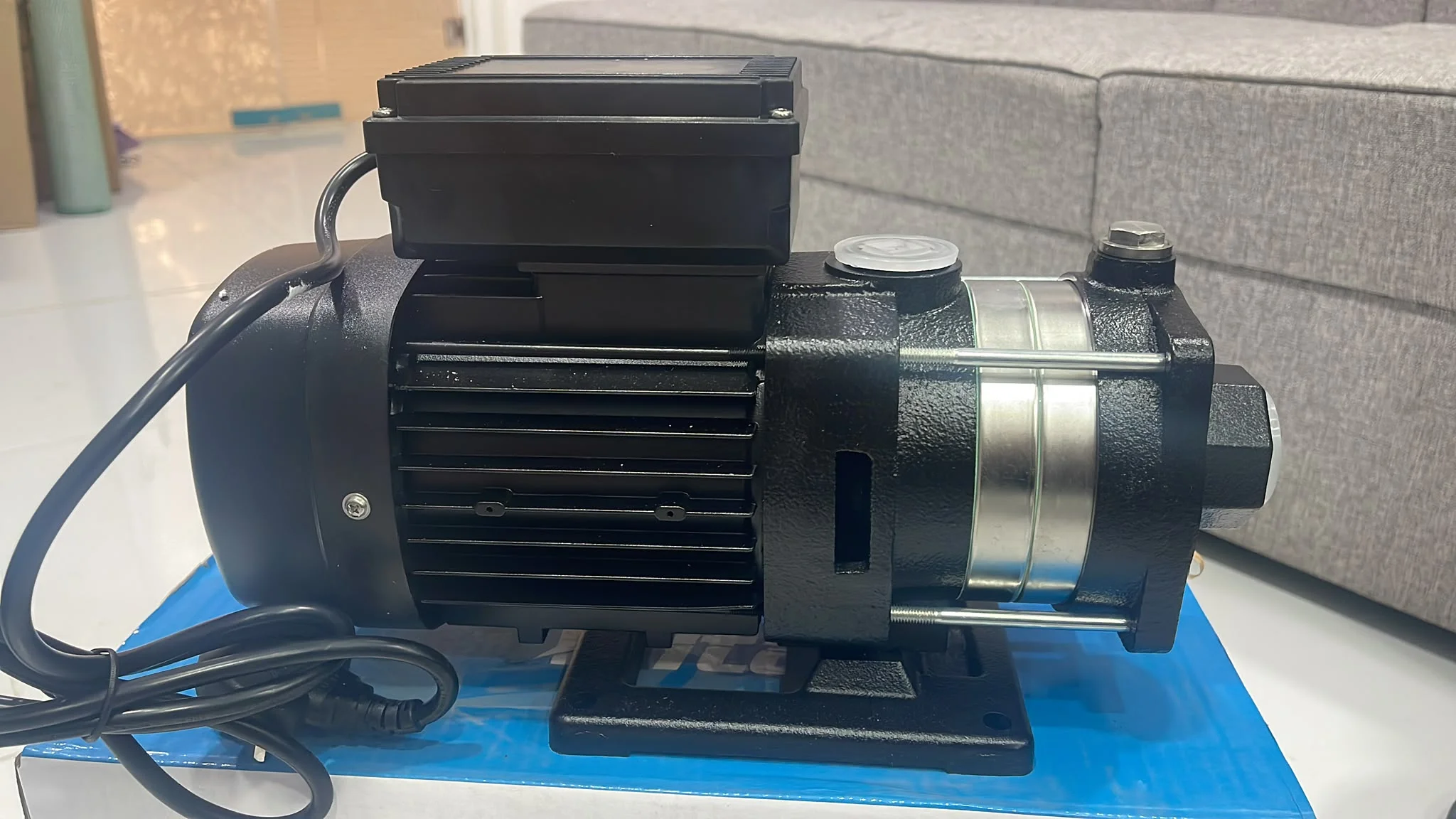
Water pump spare parts in Kuwait are not limited to one component because a household pump contains mechanical and electrical parts, and each one has a different function and different warning signs when it begins to deteriorate. There is the impeller, which moves the water and creates pressure; the bearing, which allows the motor shaft to rotate smoothly; the mechanical seal, which prevents water from reaching the motor side; and various motor and control components that differ depending on the pump type and design. That is why when a customer says, “I need a pump part,” the first question should be what fault the pump has, not which component they want to buy.
In many situations, the pump can still be repaired economically. For example, if the pump body is healthy, the motor windings are not burned, the shaft is in good condition, and the fault is limited to a bearing or seal, replacing that one part usually makes more sense than purchasing a completely new pump. However, if several problems exist at the same time, such as continuous leakage combined with loud noise, weak pressure, and overheating, then the total repair cost needs to be compared with the value of a replacement pump instead of continuing to change one part after another.
The type of pump also matters. A household booster pump is not the same as a hot-water return pump, submersible pump, or sewage pump. Even when some part names are similar, dimensions, materials, and installation methods can be different. That means a spare part should never be selected by appearance alone and assumed to fit.
It is also important to identify the pump model or technical data before ordering a replacement part. The impeller, seal, and bearing must match the shaft, pump body, power rating, rotational speed, and overall design. A part that is forced into position or modified randomly can create vibration, leakage, or additional load on the motor.
From an economic perspective, do not look only at the spare-part price. Consider the labor required for dismantling and reassembly, the condition of the remaining components, and any warranty on the repair. A cheap part installed on a badly corroded pump body is not a bargain because you may be paying for another repair shortly afterward.
-
Spare-part selection starts with fault diagnosis and confirmation of the pump model and specifications rather than buying a component that simply looks similar to the original
-
If the pump body motor and shaft remain in good condition repairing one failed component is often more economical than replacing the entire pump
-
Several simultaneous faults in an older pump require an economic comparison because the combined cost of parts and labor may approach the price of a new unit
-
Pump type determines spare-part specifications because a booster-pump component does not necessarily fit a return pump or submersible pump
-
The correct replacement part should restore normal performance without random modifications or additional stress on the motor or circulation system
When should pump parts be replaced?
The question when should pump parts be replaced does not have one answer such as every two years because pump components do not all wear out according to a fixed schedule. Some parts naturally wear with operating hours, while others can continue working for many years when operating conditions are good. The decision to replace a component should depend on its actual condition and how much it is affecting pump performance rather than on age alone.
The first standard is a confirmed fault. If the bearing has developed roughness or clear noise and inspection confirms that the sound is coming from the bearing, replacement is reasonable. If the mechanical seal begins leaking water from the area between the pump casing and motor, that requires attention. If the impeller is worn or damaged and water pressure has dropped while the motor is still rotating normally, then the impeller should be investigated instead of automatically blaming the motor.
The second factor is how the fault develops over time. Some components provide warning signs before causing larger damage. A worn bearing that is ignored can increase vibration and eventually affect the shaft or mechanical seal. A leaking seal can allow moisture to reach an area where it should not be present. This means delaying a relatively small repair can sometimes turn it into a much larger one.
The third factor is replacement cost compared with pump age. A relatively new pump with one damaged part is usually worth repairing. A very old pump that needs another component every few months requires a different decision. In that case, ask how much has already been spent on maintenance during the past year, how much practical life may remain, and whether spare parts are still readily available.
The cause of the failure also needs to be corrected. If the seal failed because the pump was running dry and the reason for dry running remains, simply installing another seal does not solve the original problem. If the bearing was damaged by vibration from an unstable mounting base, the mounting issue also needs correction.
Proper replacement includes inspecting the component and the related parts. It makes no sense to install a new seal while leaving a badly scored shaft in the same contact area or to replace the bearing without checking whether the shaft itself has excessive wear or play.
-
A part should be replaced when its failure is confirmed or when continuing to run it risks damaging other components inside the pump
-
Pump age should be included in the decision because repairing one component in an otherwise healthy pump is different from repeated repairs in a very old unit
-
The underlying cause of the component failure should be corrected at the same time so the same problem does not return shortly afterward
-
Noise leakage and weak pressure are useful warning signs but they are not final diagnoses until the relevant component is inspected
-
Economical maintenance ends at the point where repeated repairs become more expensive than continuing with the existing pump is worth
Signs of damaged water pump parts
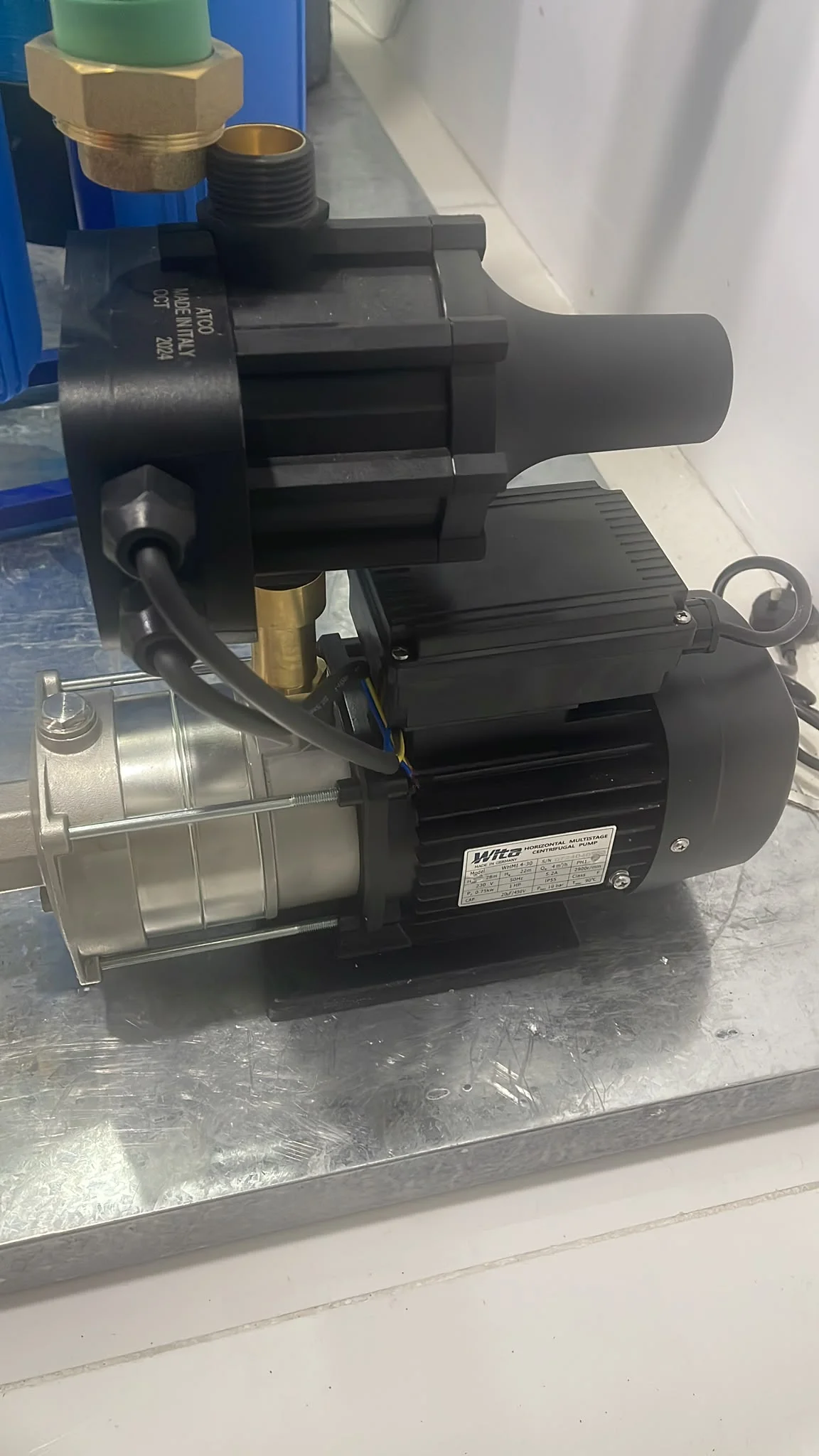
Signs of damaged water pump parts differ according to the component, which is why describing the fault clearly saves a great deal of diagnostic time. Noise is not the same as leakage, weak pressure is not the same as motor failure, and each symptom points toward a different area even though the technician still needs to confirm the cause through inspection because several components can produce similar symptoms.
If a grinding or rough mechanical sound appears and becomes more noticeable as the pump rotates, the bearing becomes one of the stronger possibilities, especially when the noise is accompanied by vibration that was not present before. However, the technician still needs to confirm that the sound is not coming from the cooling fan, pump casing, or a foreign object interfering with the impeller.
If water begins leaking from the area separating the water side from the motor side, the mechanical seal becomes one of the main suspects. A leak from an external fitting, flange, or connection is completely different and does not necessarily require opening the pump.
Low pressure while the motor continues rotating normally may be connected to a worn or damaged impeller, but the same symptom can also result from a blocked suction line, air entering the system, a valve problem, or insufficient water supply. Replacing the impeller before checking the external water system can therefore be a completely unnecessary expense.
If the pump hums but does not start or starts with difficulty, attention shifts toward starting components and the motor, depending on the pump design. These electrical checks should be carried out by a qualified technician because opening wiring or testing electrical components is not suitable for untrained home troubleshooting.
High motor temperature can come from excessive load, poor ventilation, a rough bearing, an electrical fault, or operation outside the pump’s intended conditions. A hot motor does not automatically mean the complete motor needs replacement.
Another important sign is repeated tripping of the protective device. This is not something that should be solved by bypassing the protection. The protection exists to stop the equipment when a problem is detected, so the reason for the trip should be diagnosed rather than repeatedly restarting the pump.
-
Grinding noise and vibration direct attention toward the bearing and shaft but the technician should first rule out the fan and other mechanical sources of noise
-
Leakage from the shaft area is different from leakage at external connections so the exact location of the water helps identify the likely cause
-
Weak pressure can come from the impeller or from the external water network which is why suction lines valves and circulation should be checked before opening the pump
-
Difficult motor starting or repeated electrical tripping requires a qualified technician and should never be handled by bypassing protective devices
-
Motor overheating is a symptom that needs interpretation because the cause may be mechanical electrical or related to the way the pump is being operated
Original water pump spare parts
Choosing original water pump spare parts can be particularly important for components where exact dimensions, material quality, and manufacturing precision directly affect pump life. However, the word original alone is not enough. The part needs to be original for the correct pump model, not simply made by the same brand, because one manufacturer may produce dozens of pump models with completely different dimensions.
The mechanical seal is a good example. A small difference in shaft diameter, seal height, or the material used on the sealing faces can cause poor fitting and lead to leakage. The same applies to the impeller because its diameter, width, blade design, and clearance inside the pump casing all affect pressure and flow.
The bearing also needs the correct reference number, dimensions, sealing type, and load capability for the motor speed and operating conditions. Installing a bearing simply because it physically fits into the housing is not a proper quality standard. The replacement must be suitable for the load and operating environment and should come from a reliable source.
Does this mean every non-original replacement part is poor quality? Not necessarily. High-quality aftermarket parts can be a good option when they come from a reputable manufacturer and genuinely match the required specifications. However, the more sensitive the component and the more expensive the consequences of failure, the more important it becomes to choose a trusted original or equivalent replacement rather than saving a small amount.
In higher-value pump systems or applications where a shutdown causes a serious problem for the home or building, an original or approved equivalent part is often the more sensible option because the customer is paying for compatibility and reliability rather than simply the brand name printed on the box.
The economic comparison should also include how difficult and expensive it is to access the component. If dismantling and reassembling the pump requires significant labor, saving a few dinars on a questionable part makes little sense if the same labor has to be paid again shortly afterward.
-
An original component is useful when it is matched to the exact pump model rather than simply carrying the same manufacturer name
-
Sensitive parts such as seals impellers and bearings require accurate compatibility in dimensions materials and operating conditions
-
A high-quality aftermarket part can be suitable when it comes from a trusted source and genuinely matches the required specifications
-
The more expensive it is to dismantle and reassemble the pump the less sensible it becomes to save a small amount on a low-confidence component
-
The pump model number and actual dimensions should be used before purchase rather than choosing the part by visual appearance alone
Replacing a water pump impeller
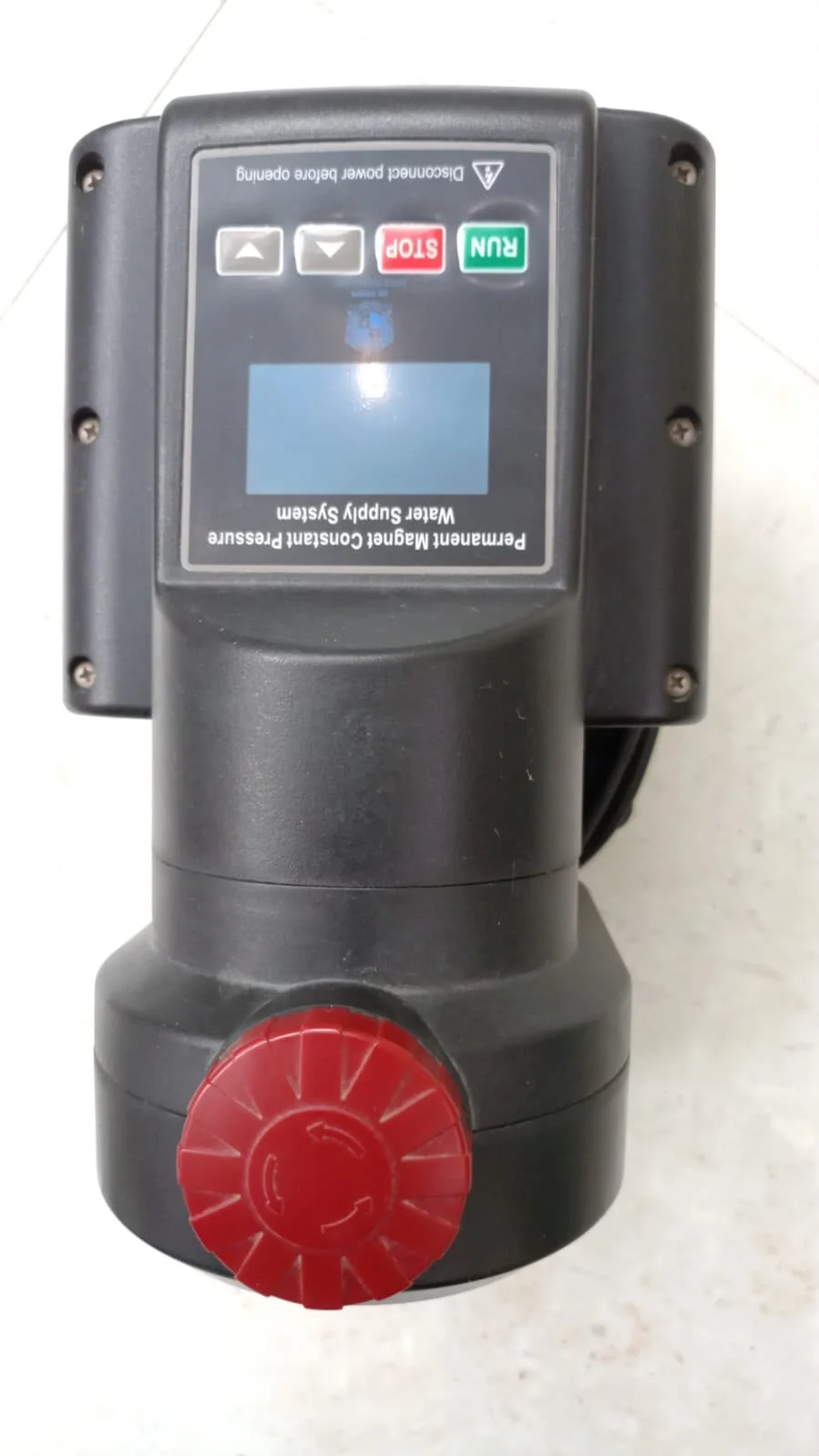
Replacing a water pump impeller becomes necessary when inspection confirms that the impeller has lost its ability to move water properly because of wear, breakage, or obvious physical damage and when the problem is not coming from the external water network. The impeller is the component that converts motor rotation into water movement and pressure, so any significant damage to its shape or surfaces can directly reduce performance.
One possible symptom is that the motor appears to rotate normally while the water flow or pressure has become lower than before. However, this symptom alone is not enough because a blocked suction line, air leakage, or low water level can produce very similar results. That is why the network should be checked before the pump casing is opened.
If the impeller is removed, the shaft area and the key or other method used to secure the impeller should also be examined according to the pump design. Sometimes the impeller itself is not the only problem. Its mounting point may have become loose or worn. Installing a new impeller onto a damaged shaft or mounting point can quickly recreate the same fault.
Impeller material is also important. Different pumps may use different materials depending on water quality and operating conditions, and the correct replacement cannot be selected only because the external diameter looks similar. Blade shape, impeller width, and internal clearances are all part of the hydraulic design.
After replacement, the pump should be operated while pressure, sound, and smooth rotation are monitored. If the wrong impeller size has been installed, unusual friction, noise, or excessive motor load may appear.
From an economic perspective, impeller replacement can be an excellent repair when the rest of the pump is healthy. However, if the pump body is badly worn, the shaft is damaged, and the motor is already weak, installing only a new impeller may simply delay the larger problem rather than provide a long-term solution.
-
The impeller should be replaced only after suction-line restrictions and external network problems that can produce the same low-pressure symptom have been ruled out
-
Shaft condition and the impeller mounting method should be inspected before installing the new part so the same damage does not return
-
Impeller selection depends on the pump model and hydraulic design rather than external diameter alone
-
After replacement pressure should return without abnormal rubbing vibration or excessive motor load
-
If several other parts of the pump are already badly damaged the overall repair economics should be reviewed instead of replacing the impeller alone
Replacing a water pump bearing
Replacing a water pump bearing becomes an important repair when the pump develops rough mechanical noise or increased shaft vibration and inspection confirms that the bearing is the source. The bearing supports the rotating shaft and allows it to move smoothly. As the bearing wears, friction increases and shaft movement becomes less stable.
Leaving a damaged bearing in operation for too long does more than create annoying noise. Continuous vibration can reach the mechanical seal and accelerate its failure, while the shaft, cooling fan, or other components can also be affected. This is why replacing a failing bearing at the right time can protect several other parts.
Diagnosis requires distinguishing bearing noise from a fan rubbing against its cover or a foreign object inside the pump. The technician checks movement, play, and sound, and after dismantling the pump inspects the bearing itself along with the shaft and bearing seat.
When replacing the bearing, it is not enough to install any part with the same external diameter. The bearing reference number, sealing type, load rating, and quality must match the pump design. The shaft should also be inspected because a new bearing will not operate correctly if the bearing seat is already worn or has excessive play.
Installation requires care as well. Striking the bearing incorrectly or applying installation force through the wrong ring can damage a brand-new bearing before the pump is even reassembled. This type of precise mechanical work is better handled by a technician with the correct tools rather than forcing the part into place with a hammer until it appears to fit.
After reassembly, the pump is operated while sound, vibration, and temperature around the bearing area are monitored. If the bearing was the true cause, the improvement should be clearly noticeable.
From a cost perspective, bearing replacement is often worthwhile when the motor and shaft remain healthy. If the motor windings are damaged, the shaft is badly worn, and the mechanical seal is also leaking, then the complete condition of the pump needs to be considered before continuing with further repairs.
-
Bearing noise should be confirmed before dismantling because fan noise and other external friction can sound very similar
-
Delaying replacement of a damaged bearing can affect the mechanical seal and shaft because of continued vibration
-
Bearing reference number quality and load capability need to match the pump rather than simply sharing the same external dimensions
-
The bearing seat on the shaft and housing should be inspected so a new bearing is not installed onto a damaged surface
-
After replacement sound vibration and operating temperature should be monitored to confirm that normal shaft movement has been restored
Replacing a water pump seal

Replacing a water pump seal is one of the repairs most closely associated with leakage around the shaft because the mechanical seal separates the water side of the pump from the motor side while still allowing the shaft to rotate. When its sealing faces become worn or damaged by heat or dry operation, water begins appearing where it should not.
Not every pump leak means the mechanical seal has failed. Water can also escape from a gasket, fitting, crack, flange, or loose connection. The first step is therefore to identify the exact source. If the leak comes from the area between the pump casing and the motor, the mechanical seal becomes a strong possibility.
When replacing the seal, the shaft or sleeve where the seal operates should also be inspected because scoring or wear in the contact area can damage the new seal or prevent proper sealing. Cleanliness during installation is extremely important because dirt on the sealing surfaces can interfere with the seal’s ability to work correctly.
Seal material should also match the water temperature, pump type, and operating conditions. A seal used on a hot-water return pump may require different specifications from one used with cold domestic water. Matching the dimensions alone does not always mean the component is suitable.
One of the most important causes of seal failure is running the pump without enough water because the seal faces depend on correct operating conditions. If the pump is drawing air, the tank regularly empties, or dry running keeps happening, the underlying reason needs to be corrected before or together with installation of the new seal.
After replacement, the pump should be operated while the seal area is observed carefully to confirm that leakage has stopped and that the pressure and sound remain normal. Continued leakage should not be dismissed as something the new seal needs time to “settle into.” Persistent water usually means that installation, the shaft surface, or another component requires further inspection.
-
The leak source should be identified before replacing the mechanical seal because gaskets fittings and other connections may be responsible instead
-
Shaft and contact-surface condition should be checked before fitting the new seal because scoring can prevent proper sealing
-
Seal specification depends on pump type water temperature and operating conditions rather than size alone
-
Dry running or air entering the system should be corrected so the replacement seal does not fail in exactly the same way
-
After installation the pump should be monitored during operation to confirm that leakage has stopped and pressure and sound remain stable
Household water pump motor parts
Household water pump motor parts include components that differ according to motor and pump design and can include starting parts, protective components, a cooling fan, bearings, and other electrical items. It is important to distinguish between an external component that can be replaced relatively easily and major internal motor damage that requires an economic comparison between repair, motor replacement, and replacing the complete pump.
If the motor does not start or starts with difficulty, the failed component should not be identified from the sound alone. Several electrical problems can create similar symptoms, and correct diagnosis requires safe measurements by a qualified technician. Opening terminal boxes, touching capacitors, or bypassing protective components is not recommended because some parts can retain electrical charge or operate at dangerous voltage.
The motor cooling fan is an example of a relatively simple component that can have a major effect. If the fan is broken or the ventilation cover becomes blocked, motor temperature can rise over time. In this case, replacing the fan or restoring airflow can make sense when the rest of the motor remains healthy.
The bearing also sits between the mechanical and motor side of the system because a rough bearing increases motor load and operating temperature. Some starting components may also need replacement if testing confirms they have weakened.
If internal winding damage or insulation failure is found, the decision between rewinding and replacement depends on motor value, power rating, repair quality available, and overall pump age. Not every damaged motor is worth rewinding, and not every burned motor should automatically be discarded without comparing the economics.
After any motor repair, the technician should confirm that an external mechanical problem did not create the failure. Excessive pump load, a seized component, a rough bearing, or unstable electrical supply can damage the motor again if the root cause remains.
-
Motor faults require a qualified technician because diagnosis depends on electrical measurements and protective devices should never be bypassed or opened randomly
-
A small cooling fan can have a major effect on motor temperature so damage to it should not be ignored
-
Before repairing an electrical component the pump should be checked for mechanical seizure or excessive load
-
Motor rewinding or replacement should be decided according to overall economics and pump condition rather than only whether the repair is technically possible
-
Successful motor repair should result in normal starting stable sound and appropriate operating temperature under normal load
Diagnosing a damaged pump part
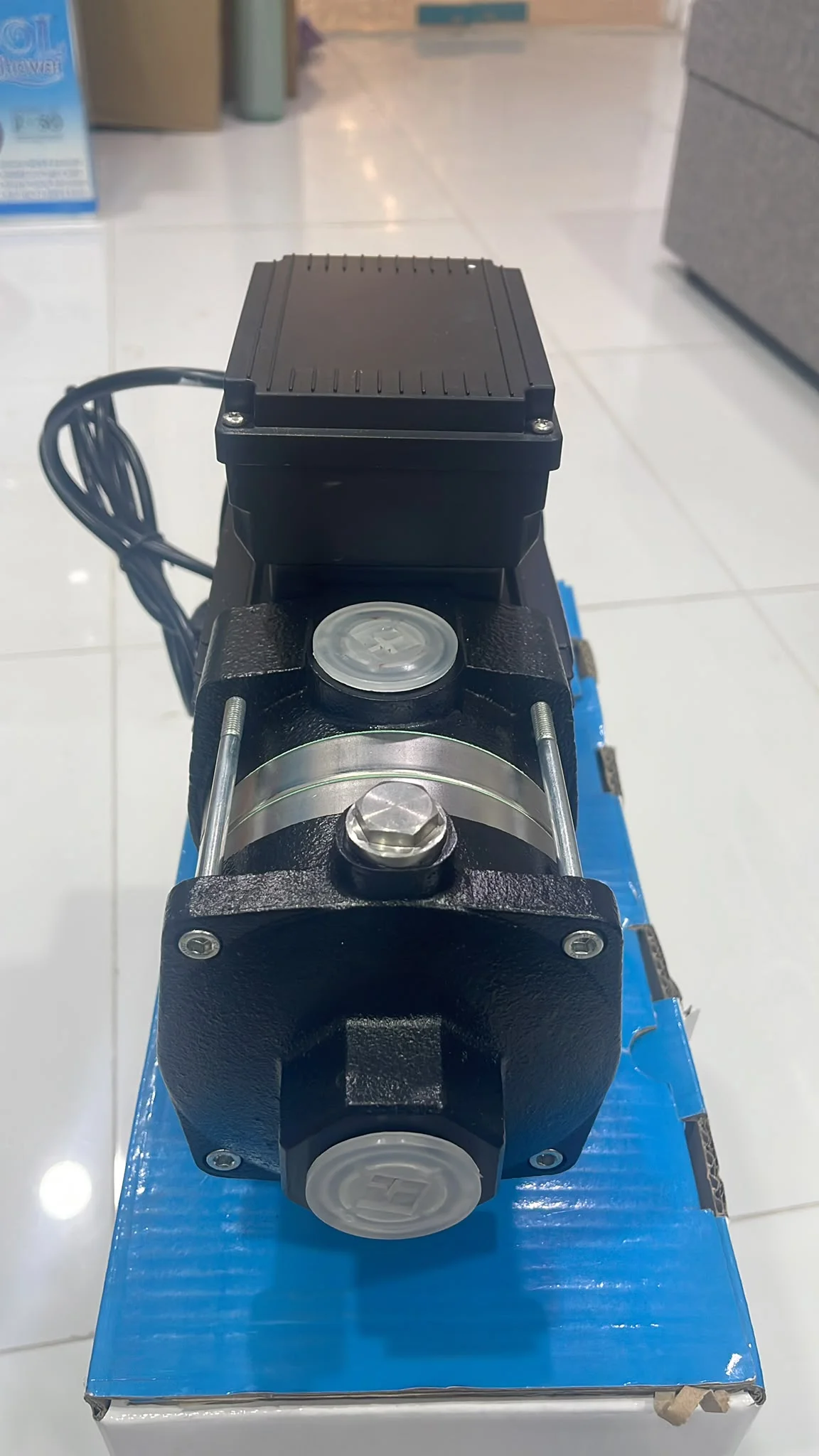
Diagnosing a damaged pump part requires a structured approach because jumping directly to the most expensive component is one of the easiest ways to increase maintenance cost unnecessarily. The process starts with the customer complaint and turns it into a symptom that can be tested, such as weak pressure, abnormal noise, leakage, complete stoppage, overheating, or repeated electrical tripping.
If the complaint is low pressure, the water source, suction line, valves, and possible air entry should be checked before the pump is opened. If the complaint is noise, the technician identifies the location and whether it changes with speed or operating conditions. If the problem is leakage, the exact point where water appears is identified. If the fault is electrical, a qualified technician performs the necessary measurements.
After gathering the symptoms, they are connected to possible components. Low pressure may point toward the impeller, but only after external water-network problems are ruled out. Grinding noise may point toward a bearing, but only after confirming that the fan is not rubbing. Shaft leakage may point toward the mechanical seal, while casing or fitting leakage indicates a completely different problem.
The advantage of this method is that it reduces unnecessary spare-part purchases. Instead of replacing the impeller, then the pump, and eventually discovering that the valve was nearly closed from the beginning, the simplest and most likely causes are checked first.
If dismantling becomes necessary, several internal components should be inspected at the same time because access provides an opportunity to check the shaft, impeller, seal, and bearing. This may reveal that the suspected component is not the only damaged part.
The goal is not to make the repair list longer. The objective is to determine whether repairing all confirmed faults is financially sensible. If the total spare-part cost becomes high, it may be better to stop and compare the repair with a new pump rather than continue simply because the unit has already been opened.
-
Diagnosis starts from the symptom and rules out external network problems before opening the pump unnecessarily
-
Each warning sign should be linked to more than one possible cause until testing confirms the component that is actually responsible
-
Inspecting related components while the pump is open can identify secondary damage before the unit is reassembled
-
Spare-part price alone is not a reason to replace a component when there is no evidence that it caused the fault
-
After confirmed faults are identified an economic comparison should be made between partial repair full repair and complete pump replacement
Pump maintenance by replacing parts
Pump maintenance by replacing parts is an excellent decision when worn components are limited and the pump body and main motor remain in a condition that can provide additional years of service. The objective of maintenance is not to claim that the pump has become “like new.” The real goal is to restore required performance through the least expensive technically correct intervention.
The first step after diagnosis is creating a list containing only the parts that genuinely need replacement. If the seal is leaking and the bearing is healthy, there is no reason to replace both as a precaution unless there is a clear technical reason. If an older pump is already open and the bearing is close to the end of its life while the labor required to reach it is significant, the technician can discuss with the customer whether replacing it during the same visit provides economic value. The important point is that the decision should be explained and justified.
Once the correct parts are selected, compatibility should be confirmed and the components should be installed properly. The pump is then reassembled and all required sealing and adjustment points are checked. After reconnecting the pump to the system, pressure, flow, leakage, sound, and overall operation should be tested.
Successful maintenance must solve the original symptom. If the customer came because of weak pressure and pressure does not return after the part is replaced, the job should not be considered finished. Diagnosis should continue to determine whether there is a second cause.
From an economic perspective, keep a history of the repairs. If the pump needs a different component every three months, the situation is no longer normal maintenance. Record the previous parts and labor costs and compare the total with the price of a suitable new pump. Sometimes the more economical decision is to stop repairing a unit that keeps returning every month asking for another “gift.”
Al Arabi Orchid focuses on selecting the appropriate component while considering the condition of the complete water system rather than replacing parts randomly. This is particularly important with pumps because water-network or pressure problems can damage new components if the original system issue is left unresolved.
-
Part-based maintenance is economical when the fault is limited and the rest of the pump remains healthy enough to provide additional reliable service
-
More than one component should not be replaced simply because the pump is already open unless there is a clear technical reason and an economic benefit to doing the work during the same visit
-
Testing after reassembly should include pressure flow sound and leakage so the original complaint can be confirmed as resolved
-
Keeping a maintenance history shows whether the pump is still worth repairing or whether repeated costs have become higher than replacement
-
The best decision is not always repair and not always replacement but the option that provides reliable operation at a reasonable total cost
Conclusion
Water pump spare parts can be an excellent solution when you know exactly which component is damaged, why it failed, and whether the rest of the pump is still worth repairing. The impeller, bearing, mechanical seal, and motor components can all be replaced at the right time and save the cost of an entire new pump, while replacing parts by guesswork can do the opposite and make you pay for healthy components.
If pressure is weak, do not immediately blame the impeller. If the pump is noisy, do not decide that the bearing has failed before inspection. If there is leakage, identify the source before ordering a new mechanical seal. Every symptom can have more than one possible cause, and proper diagnosis is what turns a possibility into a repair decision.
Economic value should always remain part of the process. A healthy pump with one failed component is usually worth repairing. An old pump with leakage, noise, a tired motor, and repeated spare-part replacements may be more economical to replace. Maintenance is supposed to save you money, not turn the pump into a monthly visitor that keeps arriving with another component on its shopping list.
Frequently Asked Questions
When should I replace a pump part instead of the entire pump?
When the fault is limited to one confirmed component, the pump body, motor, and shaft remain in good condition, and the repair cost is reasonable compared with purchasing a new pump.
How do I know if the pump impeller is damaged?
Weak pressure while the motor appears to rotate normally can be one sign of impeller damage, but suction-line restrictions, air entry, valve problems, and other external causes should be ruled out before blaming the impeller.
What are the signs of a damaged pump bearing?
Possible signs include rough grinding noise and increased vibration, but the technician should confirm that the sound is not coming from the cooling fan or another rubbing component before replacing the bearing.
How do I know if the pump seal needs replacement?
If water leaks from the area between the pump casing and motor, the mechanical seal becomes one of the main possibilities, but the exact source should still be identified because the leak may come from a gasket or another connection.
Do I always need original pump spare parts?
It is better to use an original or trusted equivalent part that matches the required specifications, especially for sensitive components where dimensions, materials, and operating conditions matter more than a small difference in price.
Can the bearing be replaced without changing the mechanical seal?
Yes, if inspection confirms that the seal is still healthy and does not need replacement. However, its condition and the shaft should still be checked while the pump is dismantled so obvious damage is not ignored.
Does replacing the seal solve every pump leak?
No. Leakage can come from the pump casing, gasket, connection, flange, or other location, which is why the exact source should be identified before replacing the mechanical seal.
When is repairing a pump motor no longer economical?
When the motor damage is significant and other pump components are also worn, or when the combined cost of rewinding, spare parts, and labor approaches the price of a more reliable replacement pump.
Does weak pump pressure mean the impeller must be replaced?
Not necessarily. Low pressure has many possible causes outside the pump, including suction restrictions, air entry, or valve problems, so the impeller should only be considered after those causes are checked.
When should I stop replacing parts and buy a new pump?
When faults become frequent, repair and spare-part costs continue to increase, or the pump body, shaft, and motor are damaged enough that each repair is likely to provide only a short additional service life compared with installing a new pump.