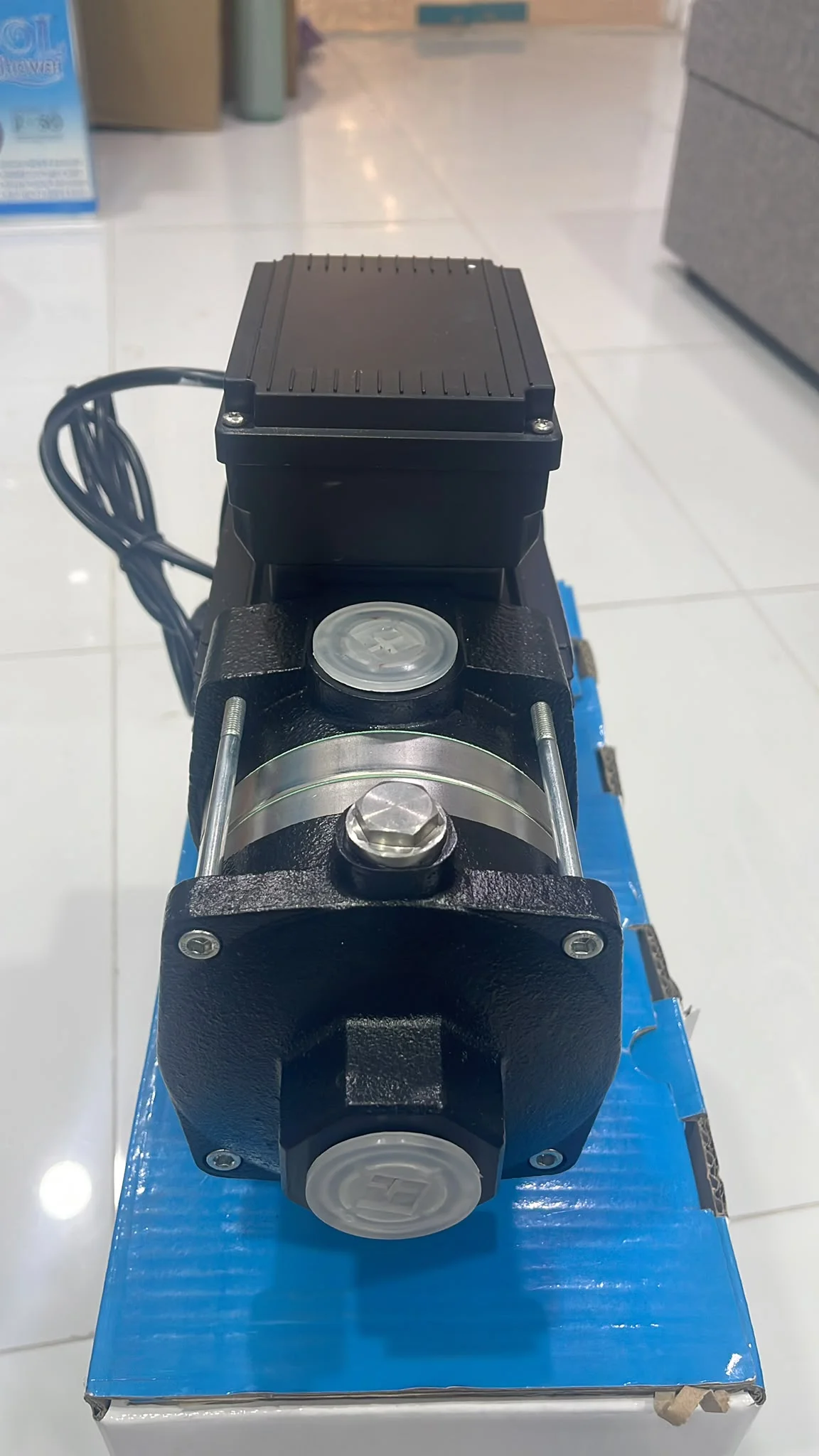
The problem of a water pump making loud noise is one of the issues that homeowners quickly notice because a properly functioning pump usually operates with a limited and stable sound level. However, when the noise becomes louder than normal or unusual sounds appear, this may indicate a problem that requires inspection. The sound may be caused by simple vibration or installation issues, or it may be a sign of internal problems affecting the motor, impeller, or suction system.
Through practical experience in water pump maintenance in Kuwait, it has been proven that identifying the cause of water pump noise requires accurate diagnosis rather than randomly replacing parts. This article explains the real reasons behind water pump noise, how to identify the source of the sound, the correct repair methods, and the most important maintenance tips to keep the pump operating quietly and efficiently.
Why Does a Water Pump Make Loud Noise During Operation?

When a water pump makes loud noise, this usually indicates a change in the way one of the system components is working because a properly installed pump normally operates with a low and stable sound level. The homeowner may notice that the noise appears only when the pump starts, continues throughout the entire operating period, or gradually increases over time. Each situation may have different causes that require accurate analysis.
Through practical experience in diagnosing water pump noise, it has been found that the most common causes are related to internal component wear due to long-term operation. The motor bearings may become damaged, causing excessive friction that produces a continuous humming or grinding sound. The internal impeller may also become worn or an external object may enter the pump, creating friction that increases noise and reduces pumping efficiency at the same time.
The cause may also be related to the pump installation method. Poor installation, unstable mounting, or placing the pump on an unsuitable surface can transfer vibrations to floors and walls, making the sound appear much louder than the actual operating noise. In addition, problems in the suction line, such as air entering the system, may create unusual sounds similar to humming or knocking during operation.
Therefore, identifying the cause of water pump noise does not depend only on the volume of the sound, but requires checking the source of the noise and determining whether it comes from the motor, pump body, or connected pipes. Proper diagnosis helps perform the correct water pump noise repair and prevents unnecessary replacement of working components.
What Mechanical Problems Cause Excessive Water Pump Noise?
Mechanical problems are among the most common reasons behind noisy household water pumps, especially in pumps that operate for long periods without regular maintenance. Continuous operation causes natural wear on moving parts, and the noise may begin as a minor issue before gradually becoming louder and more noticeable to the homeowner.
One of the most common causes is damaged internal motor bearings. When bearings wear out, friction increases during shaft rotation, producing metallic sounds or continuous humming. The internal impeller may also become damaged or unbalanced, causing vibration and loud operating noise. In addition, mineral deposits inside the pump body can affect the movement of internal components and reduce overall operating efficiency.
During maintenance of a noisy water pump, a professional technician inspects all mechanical parts before deciding whether replacement is necessary. The technician checks the motor condition, operating temperature, vibration level, and rotation sound to identify the component responsible for the problem. In some cases, the solution may only require replacing bearings or cleaning the impeller, while other cases may require more extensive repair depending on the damage level.
Through practical experience, it has been proven that ignoring mechanical noises for a long time can cause the problem to develop further. Excessive friction may damage the motor completely or reduce the pump’s ability to deliver water efficiently. Therefore, addressing the cause of water pump vibration early helps reduce repair costs and extends the pump’s operating life.
Does a Humming Sound From the Water Pump Indicate a Serious Problem?
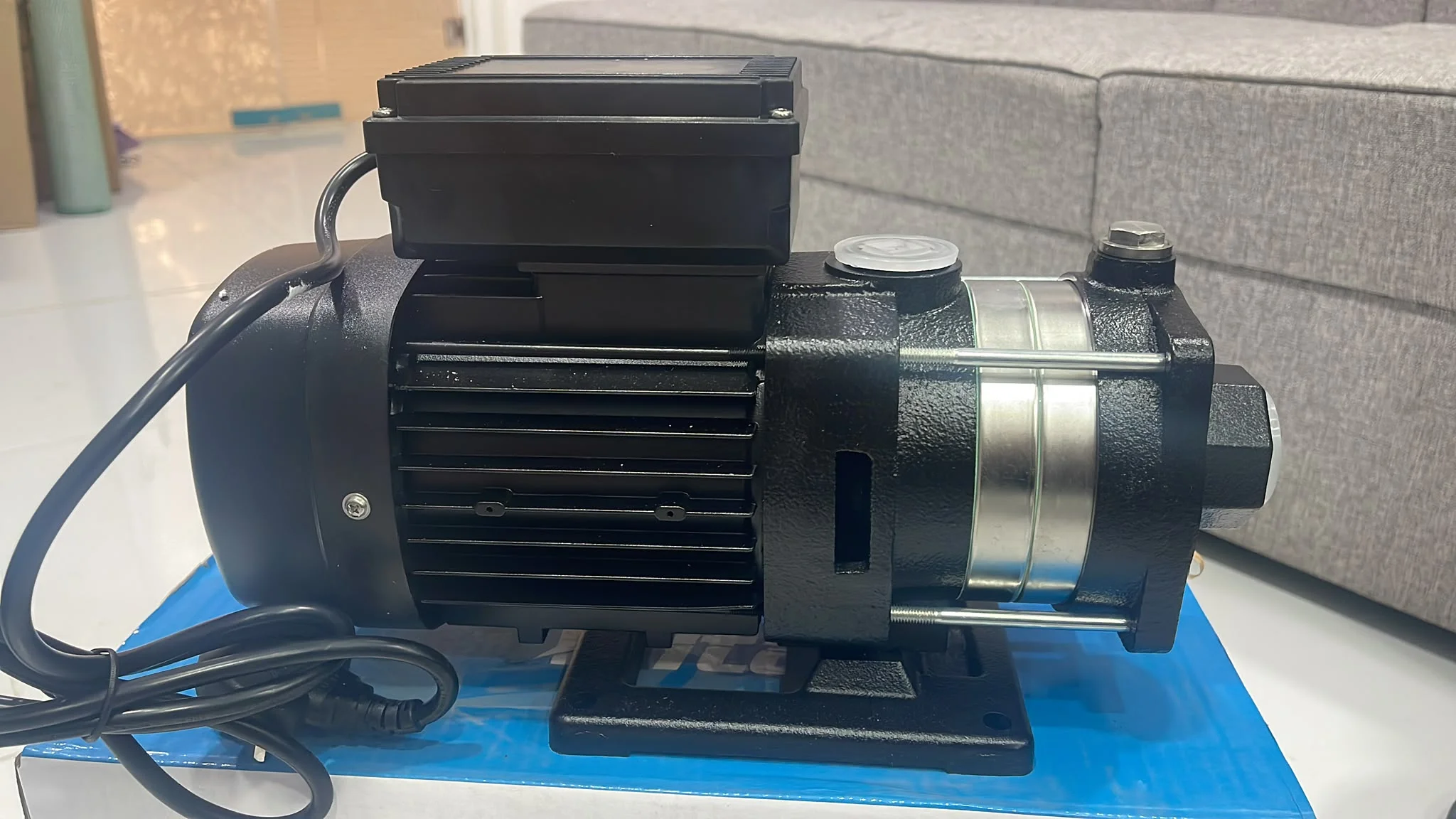
A water pump producing a humming sound is one of the most common complaints reported by homeowners, but the seriousness of this sound depends on its source and how it appears during operation. The humming may result from a simple issue such as normal vibration or poor pump mounting, or it may indicate a problem that requires professional attention, such as motor weakness or an electrical fault.
In some cases, the humming sound is caused by a problem with the electrical capacitor, which helps the motor start correctly. When the capacitor becomes weak, the motor may produce a continuous humming sound without operating at its proper efficiency. The cause may also be excessive load on the motor due to a problem inside the pump or in the connected water lines. Other situations may involve air entering the suction line, which affects water flow and causes abnormal operating sounds.
During water pump noise diagnosis, the technician identifies the exact source of the humming sound by inspecting the electrical components of the motor, measuring voltage and current, checking the capacitor condition, and examining the mechanical parts. The technician also verifies that the pump receives the correct amount of water and that the suction lines do not contain problems affecting performance.
Practical experience has shown that ignoring humming sounds may turn a simple issue into a major failure. Therefore, early inspection helps achieve an effective solution for water pump noise problems before damage occurs to the motor or internal components. Early diagnosis also reduces repair costs and maintains pump efficiency.
How Do Vibrations and Pump Installation Affect Noise Levels?
Vibrations are among the important factors that cause household water pump noise, even when the internal components of the pump are still in good condition. During operation, the pump naturally produces mechanical movement, but this movement should remain within normal limits. When the pump is not properly fixed or placed on an unsuitable surface, vibrations transfer to floors and walls, making the sound much louder than normal.
Through practical experience in diagnosing water pump noise, it has been found that some cases do not require internal pump repairs but only require correction of the installation method. The cause may be an unstable base, missing vibration insulation materials, loose mounting bolts, or improper positioning. Installing the pump close to walls or surfaces that amplify sound can also make the noise appear stronger.
During inspection, the technician reviews the pump installation location, checks the stability of the base, examines mounting bolts and connections, and monitors vibration levels during operation. The technician also ensures that connected pipes are not placing unusual pressure on the pump because poor pipe alignment can transfer vibrations throughout the system.
Practical experience has shown that improving installation methods and adding vibration-reduction solutions can eliminate a large part of the noise problem without replacing pump components. Therefore, understanding the cause of water pump vibration is an essential step before starting any repair because it determines whether the problem is mechanical inside the pump or related to installation and mounting.
Can Electrical Problems Cause Water Pump Noise?
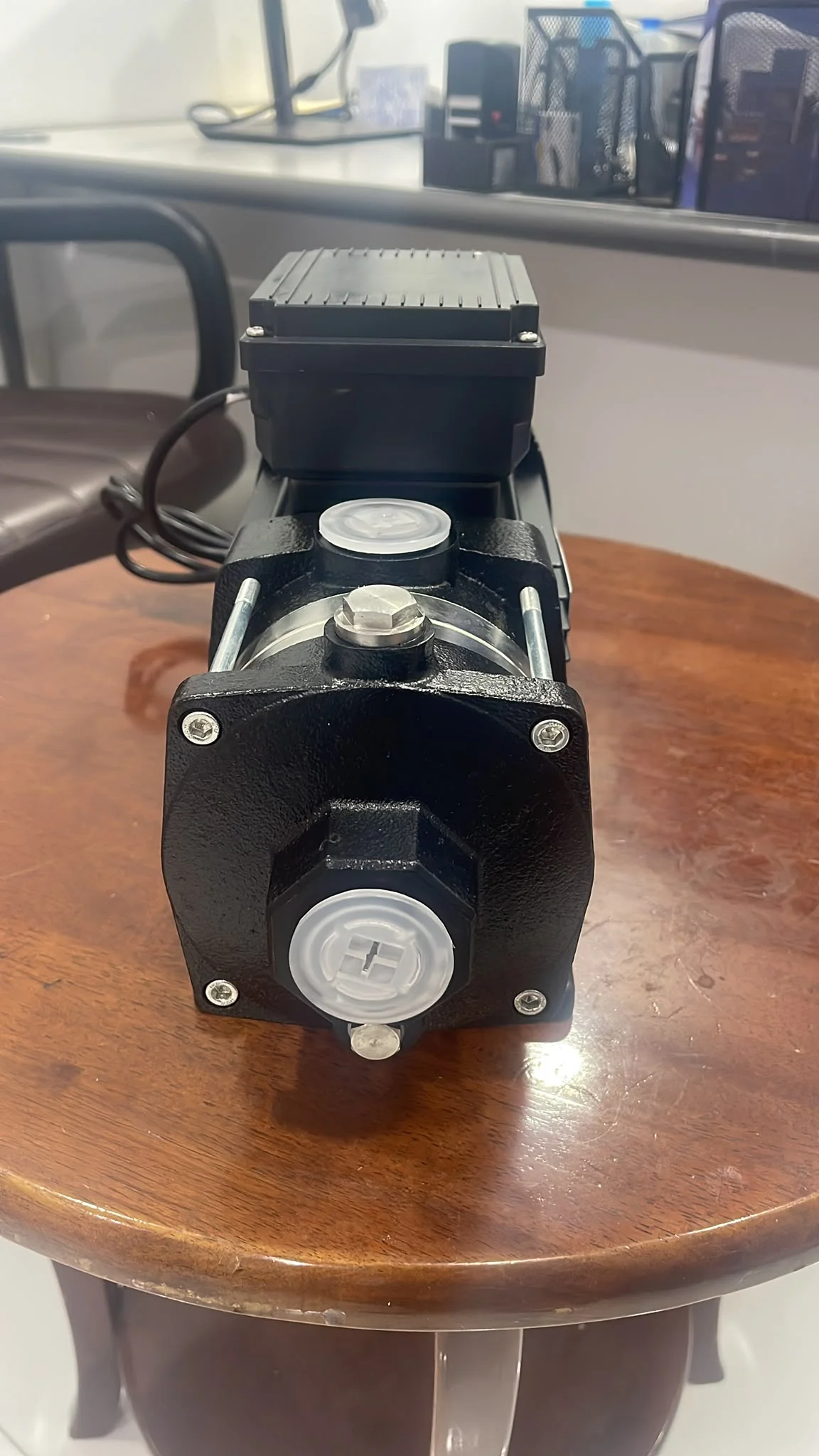
Not all cases of a water pump making loud noise are related to mechanical problems. Electrical issues can also cause unusual sounds during operation because the motor is the main component responsible for converting electrical energy into mechanical movement. Any problem with the electrical supply or motor control system may affect performance and create humming or abnormal operating sounds.
One of the most common electrical problems is a weak capacitor, which helps the motor start properly. When the capacitor loses efficiency, the motor may produce a humming sound without operating correctly. The problem may also be caused by unstable voltage or an inconsistent electrical current, forcing the motor to operate under unsuitable conditions that increase noise and temperature.
During water pump noise diagnosis, the technician measures voltage and electrical current during operation, checks the capacitor, verifies electrical connections, and examines control components. The measurements are compared with the pump’s required specifications to determine whether the motor is operating within safe limits.
Through practical experience in maintenance of noisy water pumps, it has been proven that solving electrical problems early prevents larger failures such as motor coil damage or complete pump shutdown. Therefore, electrical inspection should always be included in the diagnosis process, especially when the noise is accompanied by weak performance or difficulty starting the pump.
How Is Water Pump Noise Diagnosed and the Source of the Sound Identified?
Finding the cause of water pump noise requires a systematic inspection process that identifies the exact location and type of the sound because each noise pattern provides different information about the source of the problem. The sound coming from the motor is different from the sound caused by the impeller, vibration, or air entering the water lines. Therefore, accurate diagnosis depends on careful listening and monitoring pump performance during operation.
The technician begins by observing when the sound appears: does it happen only when the pump starts, does it continue throughout operation, or does it increase when water pressure demand rises? The pump body, motor, connections, and pipes are then inspected to determine where the vibration and noise are coming from. Water pressure and pumping performance are also reviewed because some sounds are directly related to reduced efficiency rather than noise alone.
The inspection process also includes testing electrical components such as the capacitor and connections, as well as examining mechanical parts including bearings, impeller, and internal shaft components. In some cases, the pump is temporarily isolated from the network to determine whether the sound comes from the pump itself or from the connected water system.
Through professional water pump noise diagnosis, the exact cause of the problem can be identified and the correct repair method can be selected. This prevents replacing the entire pump because of a sound that could be solved by a simple adjustment or replacement of a small component. It also helps achieve an effective solution for water pump noise problems instead of only treating the visible symptom.
What Are the Correct Methods for Repairing Loud Water Pump Noise?
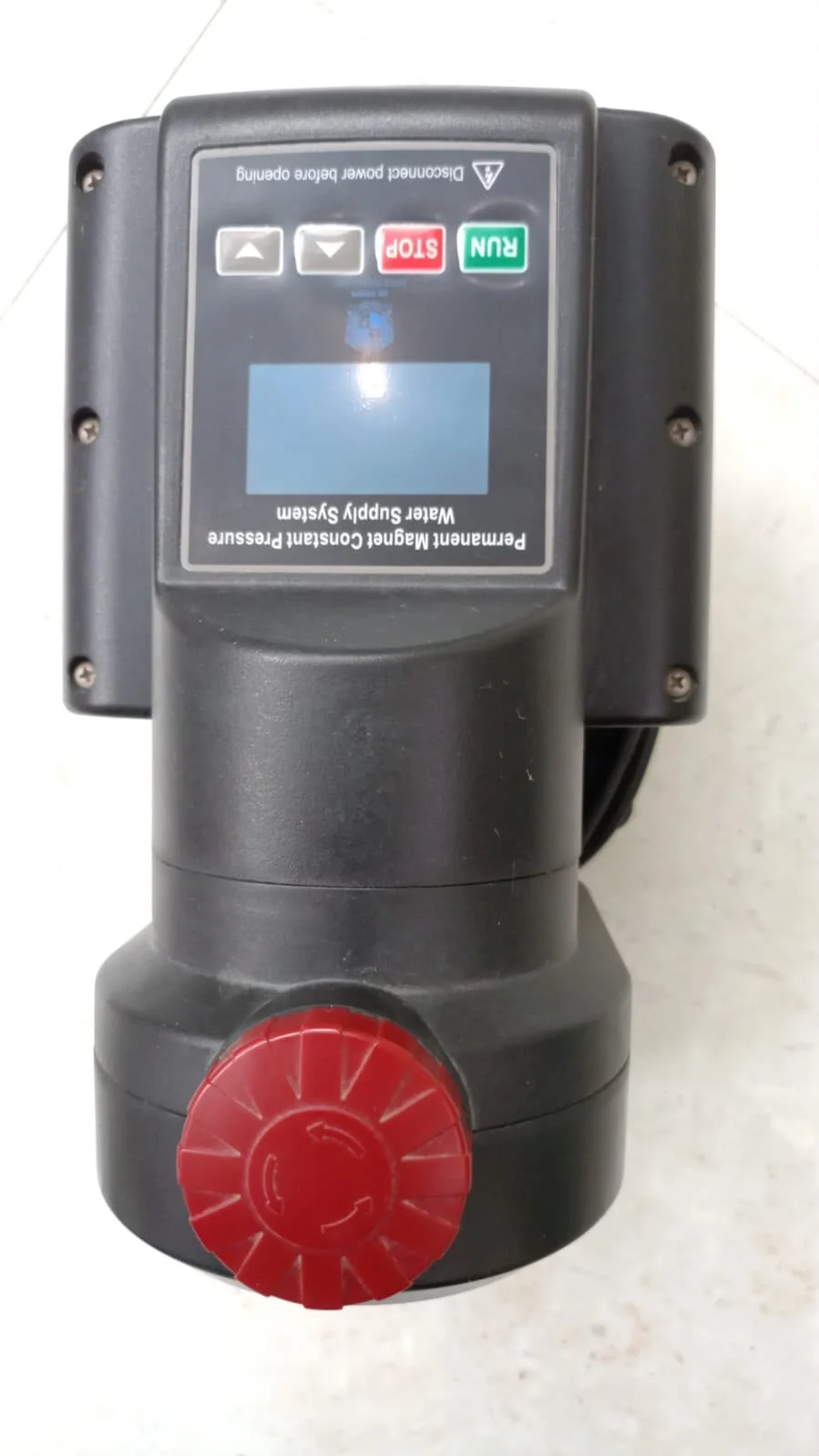
The method used for water pump noise repair depends on identifying the actual reason behind the noise because dealing only with the sound without fixing its source may cause the problem to return after a short period. Some noises require internal mechanical repair, while others need installation adjustments, electrical repairs, or improvements in operating conditions.
If the cause is damaged bearings or a worn internal impeller, the damaged parts may need replacement or the pump may require internal maintenance. If the problem is related to vibration, the solution may involve improving pump mounting, installing vibration isolation materials, or adjusting the position of connected pipes. In cases where the noise comes from an electrical issue, the capacitor, wiring, and control components are inspected and replaced when necessary.
During maintenance of a noisy water pump, a professional technician avoids replacing the entire pump before confirming its actual condition because many noise problems can be solved through simple repairs. After completing the repair, the pump is tested during operation to ensure that the noise level has decreased and performance has returned to normal.
The technician also reviews all system components after repair because the noise source may not always be inside the pump itself. It may also come from pipes, connections, or the mounting base. Therefore, solving a water pump noise problem requires a complete approach that ensures quiet operation and protects the pump’s lifespan.
How Does Regular Maintenance Prevent Noisy Water Pump Problems?
Regular maintenance is one of the most important methods for reducing the possibility of a water pump making loud noise, because many failures begin as small issues that gradually become more serious due to neglect. Routine inspection allows early detection of warning signs such as increased vibration, unusual operating sounds, or excessive motor temperature before they develop into major problems.
Regular maintenance includes checking the motor, inspecting bearings, cleaning internal components when needed, ensuring the impeller condition, and testing electrical connections and the capacitor. The technician also confirms that the pump remains securely mounted and that there are no loose parts causing vibration or unusual sounds.
Through practical experience in water pump noise diagnosis, it has been found that pumps receiving regular maintenance are less likely to experience sudden failures because problems are addressed before they affect overall performance. Maintenance also helps maintain pumping efficiency and reduce electricity consumption because a pump operating under stress due to internal problems uses more energy.
Therefore, preventive maintenance is not an unnecessary expense but an effective way to protect the pump, reduce repair requirements, and extend equipment life. It also helps prevent repeated water pump vibration causes and keeps the system operating quietly and efficiently for a longer period.
When Do You Need a Water Pump Repair Technician to Inspect the Noise?
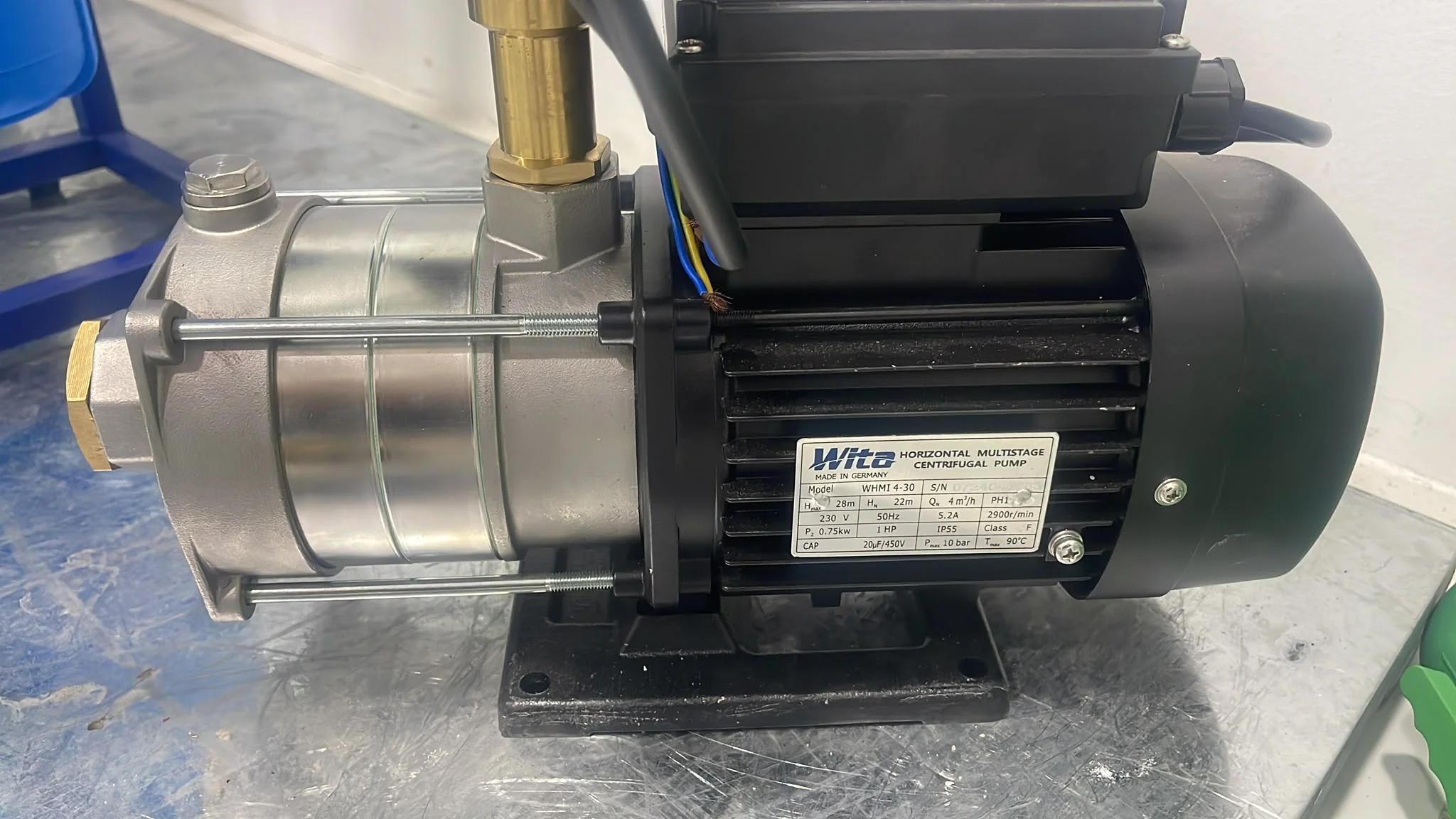
When experiencing household water pump noise, some homeowners may ignore the sound as long as the pump continues working. However, continuous or increasing noise may indicate a problem that requires professional inspection. A water pump repair technician becomes necessary when the sound becomes unusually loud, when vibrations appear, when the motor temperature increases, or when pump performance begins to decrease.
A professional technician does not depend only on the sound level but performs a complete inspection to identify the real source of the problem. The mechanical and electrical components are tested, motor performance is measured, installation quality is reviewed, and connected water lines are examined. The technician can then determine whether the pump requires simple repair, replacement of specific parts, or complete replacement if the damage is extensive.
Through practical experience, early intervention when unusual sounds appear helps reduce repair costs because fixing a small issue such as a damaged bearing or weak capacitor is much easier than waiting until the motor fails completely. A professional technician also provides a clear diagnosis explaining the cause and the most suitable repair method.
Therefore, contacting a specialist when abnormal pump sounds appear is an important step to protect the equipment, especially when the goal is achieving a permanent solution for water pump noise problems rather than temporarily reducing the sound.
How Do You Choose the Right Technician to Repair a Noisy Water Pump?
Choosing the right technician plays an important role in the success of water pump noise repair, because diagnosing unusual sounds requires experience with both mechanical and electrical components. A loud pump sound may have several possible causes, and an inexperienced technician may replace unnecessary parts while the actual problem remains unresolved.
A professional technician is able to inspect the entire pump system, starting from the motor, impeller, and bearings, then checking electrical connections, and finally reviewing the installation method and connected water lines. The technician uses suitable measuring tools instead of relying only on listening or random testing. A qualified specialist should also explain the cause of the problem clearly and determine whether repair or replacement is the better option depending on the pump condition and operating age.
Through practical experience in maintenance of noisy water pumps, selecting a technician with real expertise saves time and costs because accurate diagnosis from the first visit prevents repeated repairs and ineffective solutions. Using suitable spare parts also helps maintain pump performance after maintenance and reduces the possibility of the noise returning.
Therefore, depending on a specialized water pump repair technician helps ensure that the repair is completed correctly and provides a long-term solution for water pump noise problems while maintaining efficient operation and extending equipment life.
Conclusion
The problem of a water pump making loud noise is not only an annoying sound that can be ignored, but it may also be an early warning sign of a problem that requires inspection before it develops into a larger failure. The cause of water pump noise may be related to damaged internal parts such as bearings or the impeller, vibration caused by poor installation, or an electrical issue affecting motor performance. Therefore, identifying the exact source of the sound is the essential step toward choosing the correct repair method.
Practical experience has proven that dealing with unusual pump sounds early helps reduce maintenance costs and extends the equipment lifespan. Many problems that begin with a simple sound can be solved through specific maintenance procedures or replacement of a small component before causing complete motor damage or pump failure.
Working with an experienced water pump repair technician who has the proper tools and technical knowledge ensures accurate diagnosis, whether the cause is mechanical, electrical, or related to installation. Successful repair is not only about removing the sound but about treating the actual reason behind its appearance.
Therefore, the best way to maintain a quiet and efficient water pump is to perform regular inspections, avoid ignoring any change in operating sound, and solve the problem from the beginning to achieve a permanent and stable solution for water pump noise problems.
Frequently Asked Questions
Why does a water pump make loud noise during operation?
The cause may be damaged bearings, worn internal impeller parts, installation vibrations, electrical problems, or air entering the suction lines. Identifying the reason requires accurate water pump noise diagnosis.
Does a humming sound from a water pump indicate a problem?
Yes, a water pump producing a humming sound may indicate a problem with the capacitor, motor, or excessive load on the pump. However, the seriousness of the issue depends on professional inspection.
Can water pump noise be repaired without replacing the entire pump?
Yes, many cases can be solved through water pump noise repair by replacing damaged components such as bearings or capacitors, improving installation, or fixing vibration problems without replacing the whole pump.
What causes water pump vibration during operation?
The cause of water pump vibration may include poor mounting, damaged bearings, an unbalanced internal impeller, or problems with connected pipes and system alignment.
Can regular maintenance prevent noisy water pump problems?
Yes, regular maintenance helps detect early faults, inspect mechanical and electrical components, and reduce the possibility of developing household water pump noise problems.
When do I need a water pump repair technician?
You need a water pump repair technician when the noise continues for a long time, becomes louder, is accompanied by vibration, or affects pump performance because early inspection prevents major failures and reduces repair costs.


