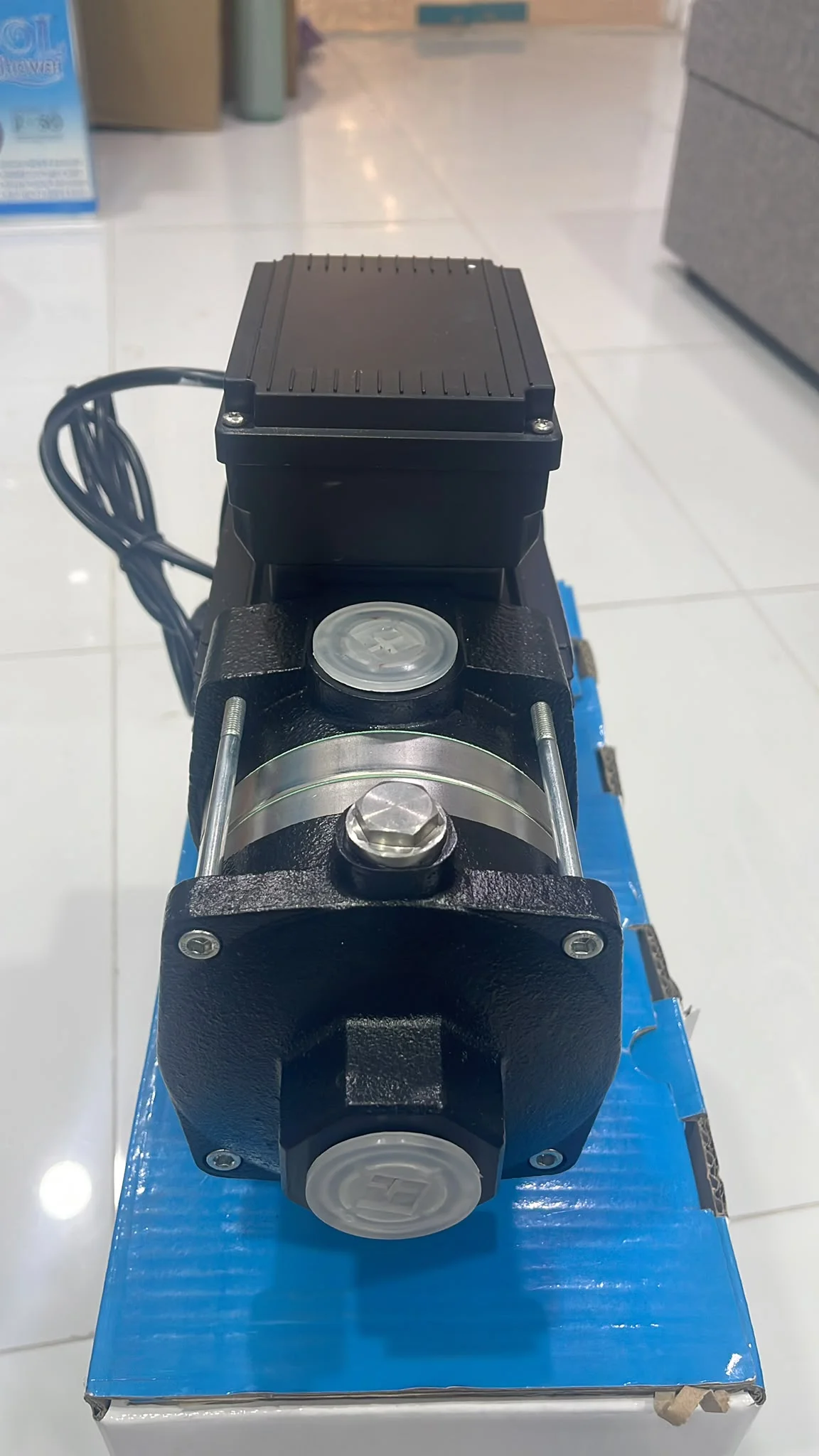
When shower pressure feels weak or water flow drops as soon as another tap is opened, the first idea is usually to install a stronger pump. However, low water pressure at home does not always mean that the house needs a new booster pump. The problem may come from the water source itself, a clogged filter, a partially closed valve, undersized piping, a leak, or even mineral buildup inside the showerhead. In other cases, the vertical elevation or available tank pressure really is insufficient, and installing a booster pump becomes the correct solution. The right diagnosis therefore begins by identifying where the pressure is weak, when the problem appears, and whether it affects the whole house or only one outlet before Al Arabi Orchid 99346138 determines whether the property needs pressure boosting or another plumbing correction.
Low Water Pressure at Home
Low water pressure at home should be treated as a symptom with several possible causes rather than as an automatic diagnosis that says “the pump is weak.” The first question is whether the problem affects every tap in the property or only one specific outlet. If the entire house has weak pressure from the first tap near the water source all the way to the highest bathroom, the investigation should focus on the incoming supply, tank pressure, main shutoff valve, central filters, or restrictions in the main water line. If only one shower is weak while the rest of the property works normally, buying a larger pump for the entire house would usually not be the logical first step.
The second question is whether pressure is weak all the time or only drops when more than one outlet is used. Household pressure can change when incoming pressure changes or when several fixtures are opened simultaneously because demand increases while the existing plumbing system cannot maintain the same pressure and flow.
It is also useful to compare pressure at different times of the day. If the shower performs well at midday but becomes noticeably weaker in the morning or evening, this may suggest that incoming water pressure or external demand changes during peak periods. If the weakness remains almost identical throughout the day, the diagnosis moves more strongly toward the internal plumbing system or the way the house receives water.
The water source matters as well. If the property relies on a rooftop tank, gravity itself creates pressure according to the vertical difference between the water level and the outlet. If that vertical distance is small, especially in the floor directly below the tank, the natural pressure may be too low for a comfortable shower. In this situation, a booster pump can genuinely improve performance.
The important point is to describe low water pressure at home before trying to fix it: where is it weak, when does it become weak, and what happens when another fixture is opened? These three details can sometimes prevent the purchase of a pump that was never the real solution.
-
If water pressure is weak throughout the house start by checking the source and main supply line while a problem limited to one tap or shower should lead to inspection of that fixture before considering a whole-house pump
-
Pressure that drops mainly when several fixtures are opened usually indicates that the system cannot maintain the required flow during peak demand which makes pressure-boosting evaluation more relevant
-
Pressure that changes noticeably depending on the time of day provides an important clue because the incoming supply itself may be fluctuating while an internal restriction tends to create a more consistent problem
-
A property supplied from a rooftop tank may simply have insufficient vertical head to create comfortable pressure at certain floors
-
Correct diagnosis starts by comparing several outlets around the property instead of judging the entire water system from the performance of one shower
Solving Low Water Pressure at Home
Solving low water pressure at home depends entirely on the actual cause, so the best approach is to begin with the simple possibilities before moving toward larger equipment. First, check that the main valves are fully open and that no valve or pressure-control device is stuck in a position that restricts water flow. Filters should then be inspected because a filter loaded with sediment can reduce flow significantly, especially when more than one fixture operates at the same time.
The next step is checking individual outlets. Showerheads and faucet aerators can gradually collect mineral deposits and debris. If only one shower is weak while the rest of the house performs normally, inspecting and cleaning that showerhead is far faster and less expensive than installing a booster system for the entire property.
The third stage is looking for restrictions inside the plumbing network. Older pipes, undersized lines, or a system that has been modified repeatedly over the years can create significant pressure losses. A non-return valve or another fitting inside the line may also become restricted or fail mechanically and reduce flow.
Leaks should also be considered. A continuous leak does not only waste water. It can also reduce the system’s ability to maintain pressure and can make an existing pump operate more frequently than normal. Even a leak that is not immediately visible may influence how the network behaves.
If all of these areas are checked and the available pressure is still lower than the household requires, then a booster pump becomes a serious option. In other words, the pump should be considered after confirming that the property genuinely needs pressure boosting, not as the first component replaced simply because the water feels weak.
-
Cleaning a clogged central filter can restore a significant amount of flow without installing any pump when the restriction itself is the real cause
-
A single weak shower should lead to inspection of the showerhead mixer and local valve because a localized problem does not justify changing pressure throughout the whole property
-
A partially closed valve can appear normal during light water use but cause flow to collapse when several fixtures are opened which can make the problem look like a pump issue
-
Any existing leak should be repaired before pressure is increased because raising pressure in a leaking network can make the original problem worse
-
A booster pump becomes a logical solution when the source and plumbing network are confirmed to be healthy but the available pressure remains below what the household needs
Booster Pump for Weak Water Pressure
A booster pump for weak water pressure is appropriate when sufficient water is available but the pressure reaching taps and appliances is below the required level. The pump does not create water that is not present. It adds head and pressure so the existing supply can reach fixtures with better performance. If the storage tank is empty or the incoming supply itself is interrupted, installing a larger booster pump will not solve the underlying shortage.
In a property supplied from a ground-level tank, for example, the pump may need to lift the water vertically, overcome pipe losses, and still leave enough useful pressure at the fixtures. In a rooftop-tank system, gravity may already provide some flow, but pressure can still be weak when the vertical distance between the tank and the fixture is too small. In such a case, a compact booster or variable-speed system may be appropriate depending on the plumbing design.
Another important point is dry-running protection. If the water source stops or the tank becomes empty while the pump continues operating, the pump can overheat and become damaged. For this reason, dry-run protection and appropriate control systems are not optional luxuries in a well-designed installation.
The booster should also not be selected by horsepower alone. If pressure collapses when two showers run at the same time, the system needs enough flow at the required pressure under that exact condition. The correct choice therefore comes from matching pressure and flow together.
-
A booster pump is suitable when water is available but the existing pressure or elevation is not enough to supply the property comfortably
-
A booster cannot solve an interruption in the water source because the pump still requires adequate water at its inlet to operate safely
-
Dry-running protection is especially important with storage tanks because the pump should not continue operating when the tank is empty or the supply has stopped
-
Pump selection should be based on the flow and pressure required at the same time rather than motor horsepower alone
-
A correctly selected system improves pressure without forcing the household plumbing to operate at levels beyond what fittings hoses and appliances actually need
Increasing Water Pressure in the Home
Increasing water pressure in the home should be a controlled adjustment rather than an attempt to reach the highest possible pressure. The goal in a residential system is to provide a comfortable shower and allow another tap to open without causing the first fixture to lose most of its flow. If pressure is increased beyond what the network needs, the user may feel a stronger initial flow, but hoses, valves, fittings, and appliances are placed under additional stress without meaningful benefit.
The first step is measuring existing conditions. Ideally, pressure should be checked when no water is running and then observed again under flow, particularly when two or more fixtures operate simultaneously. A system with good static pressure that collapses during demand has a different problem from a system that is low even when no water is being used.
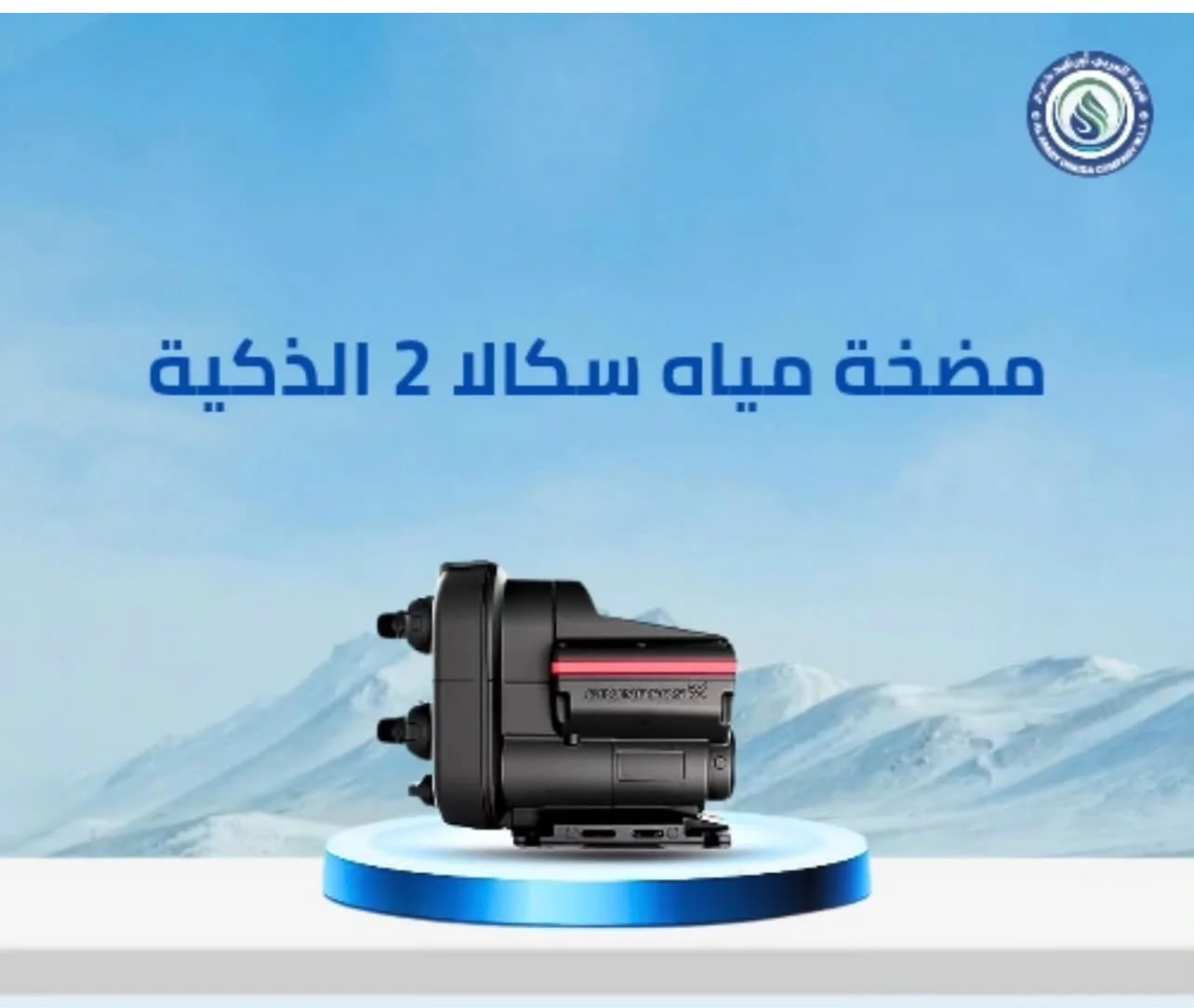
Variable-speed pumps are useful in many homes with changing demand because the system can increase or reduce pump speed to maintain a selected pressure setpoint rather than providing the same boost under every operating condition. This makes pressure feel more consistent as household demand changes.
-
Measuring pressure while water is flowing is more useful than reading static pressure alone because most customer complaints appear when actual demand increases
-
If pressure is acceptable with one tap but drops sharply when a second fixture opens the real issue is the system’s ability to supply peak flow rather than simply the set pressure
-
A variable-speed pump can provide better comfort in some homes because it responds to changing demand instead of operating at the same output all the time
-
Higher pressure is not automatically a successful result because the correct system should provide enough pressure while protecting the plumbing network
-
After any pressure adjustment several realistic usage scenarios should be tested to confirm that the improvement remains stable throughout the property
Weak Water Pressure on the Upper Floor
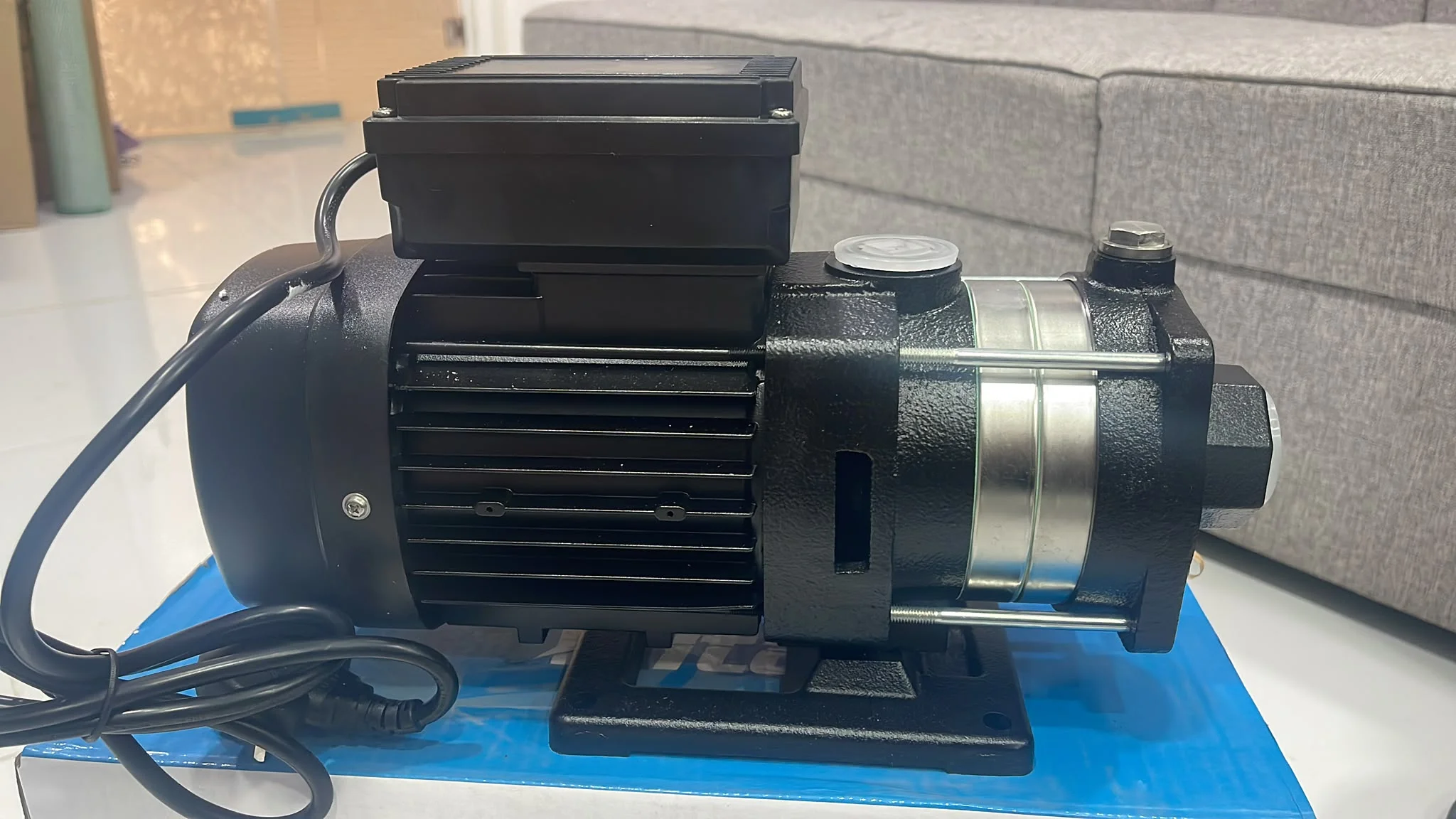
Weak water pressure on the upper floor is one of the clearest situations where vertical elevation becomes important. As a fixture rises above the water source or pump, part of the available pressure is used simply to overcome that height before any comfortable pressure remains for the user.
If the water tank is installed on the roof and the bathroom is directly underneath it, the vertical distance between the water level and showerhead may actually be quite small. This explains why the ground floor can sometimes have acceptable pressure while the top floor feels weak even though it is physically closer to the tank horizontally.
The solution may involve a booster pump serving the whole property or a dedicated pressure zone depending on the design. In taller buildings, pressure zoning can sometimes provide a more balanced result than forcing all floors to operate at one high pressure level.
Before installing equipment, however, it is important to confirm that the upper-floor weakness is not being caused by smaller pipes, a clogged filter, or a local mixer problem on that floor.
-
Weak pressure mainly on the highest floor while lower floors remain comfortable is a strong indication that elevation and pressure distribution are part of the problem
-
Being horizontally close to the tank does not guarantee higher pressure because the important factor is the vertical distance between the water level and the outlet
-
Some buildings benefit from separate pressure zones instead of operating every floor under the same high pressure
-
If every fixture on the top floor is weak the supply line to that floor should be inspected before each tap is blamed individually
-
A properly selected booster adds the missing pressure without unnecessarily increasing pressure on the lower floors
Weak Shower Water Pressure
Weak shower water pressure does not always mean that the entire house has a pressure problem. Showerheads are particularly sensitive to mineral buildup because the openings are small and even partial blockage can be felt immediately. The first useful comparison is between the shower and the washbasin tap in the same bathroom. If the basin has strong flow while the shower is weak, the diagnosis should begin with the showerhead and mixer rather than the main household pump.
The hot and cold sides should also be compared. If cold water is strong but hot water is weak, the problem may be related to the hot-water path, water heater, or mixer valve rather than the main supply pump. This distinction can prevent the installation of a booster pump for a problem it cannot actually solve.
If both hot and cold water are weak and other bathrooms show the same condition, then it becomes appropriate to investigate the main system pressure. If the shower performs reasonably when used alone but becomes weak as soon as another tap opens, simultaneous-flow capacity becomes the main clue.
-
Comparing the shower with the basin tap in the same bathroom quickly separates a local fixture problem from a whole-house pressure issue
-
Weakness on the hot-water side only points toward the water heater piping or mixer rather than the main supply pump
-
Cleaning showerhead openings is a simple step that can make a major difference when mineral buildup is the real cause
-
A shower that becomes weak only when another fixture is opened indicates a different problem from a shower that is weak even when used alone
-
A booster pump should not be selected based only on how one shower feels before confirming whether the rest of the property suffers from the same pressure loss
Causes of Low Water Pressure
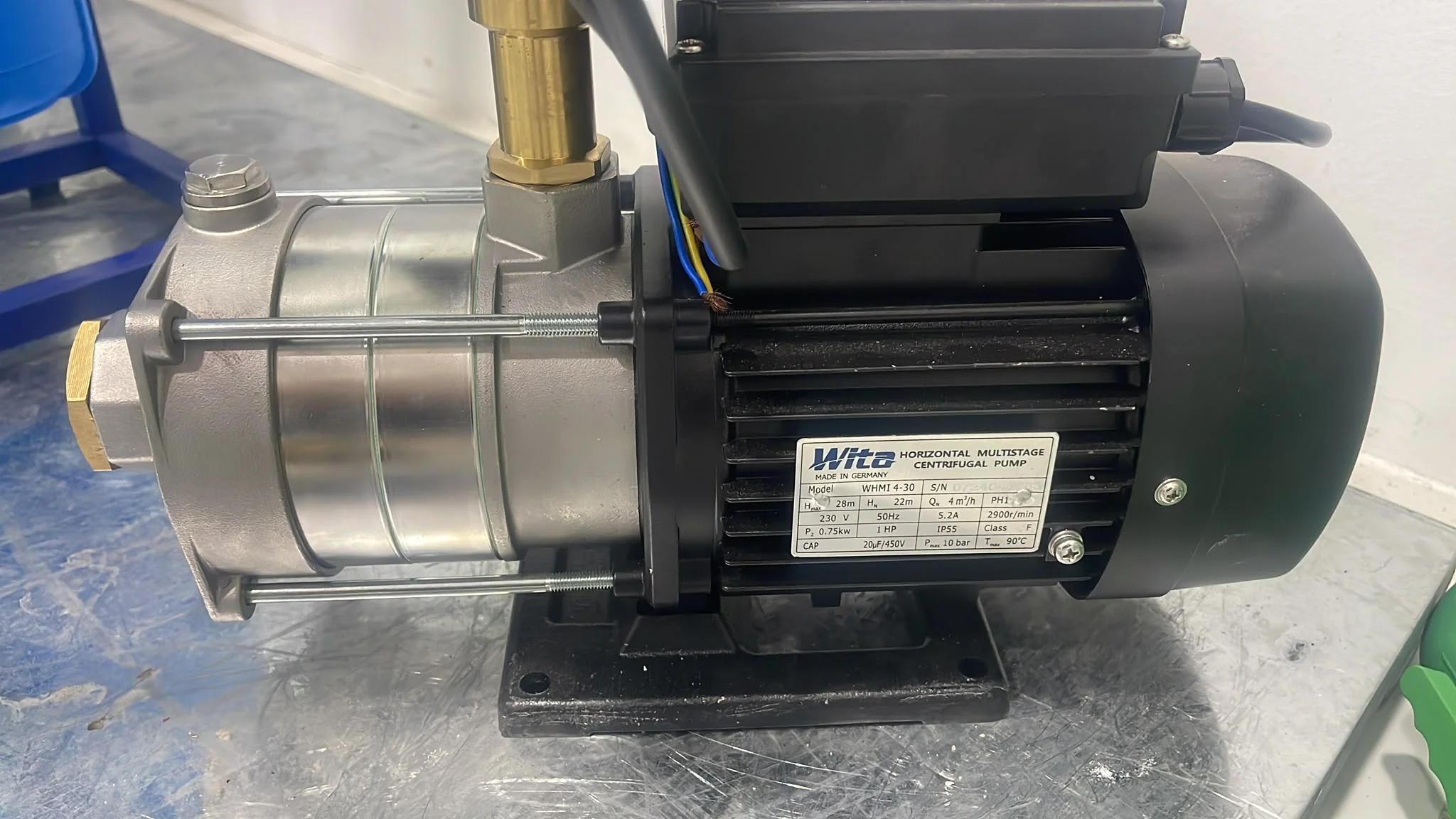
The causes of low water pressure can be divided practically into three groups: source problems, distribution problems, and fixture-level problems. Source problems include low incoming pressure, low water level, or insufficient gravity head. Distribution problems include clogged filters, partially closed valves, restrictive pipework, leaks, and malfunctioning non-return valves. Fixture-level problems include showerheads, mixer valves, and faucet aerators.
In some properties, a booster pump already exists but is incorrectly adjusted or no longer operating properly. Unusual pump cycling, vibration, or noise does not always mean that the pump needs to be replaced with a larger model. A badly controlled or poorly maintained boosting system can create unstable pressure and inefficient operation.
-
Start by determining whether the restriction exists before the pump or after it because this immediately separates several groups of possible causes
-
A dirty filter often reduces flow gradually so a problem that becomes worse over time should always include filter inspection
-
A hidden leak can appear as poor performance and increased pump operation even when water is not immediately visible
-
A single faulty valve can imitate a much larger network problem which is why structured diagnosis prevents unnecessary replacement of healthy equipment
-
More than one cause can exist at the same time so correcting one problem does not always mean the system has reached its best possible performance
Booster Pump to Increase Water Pressure
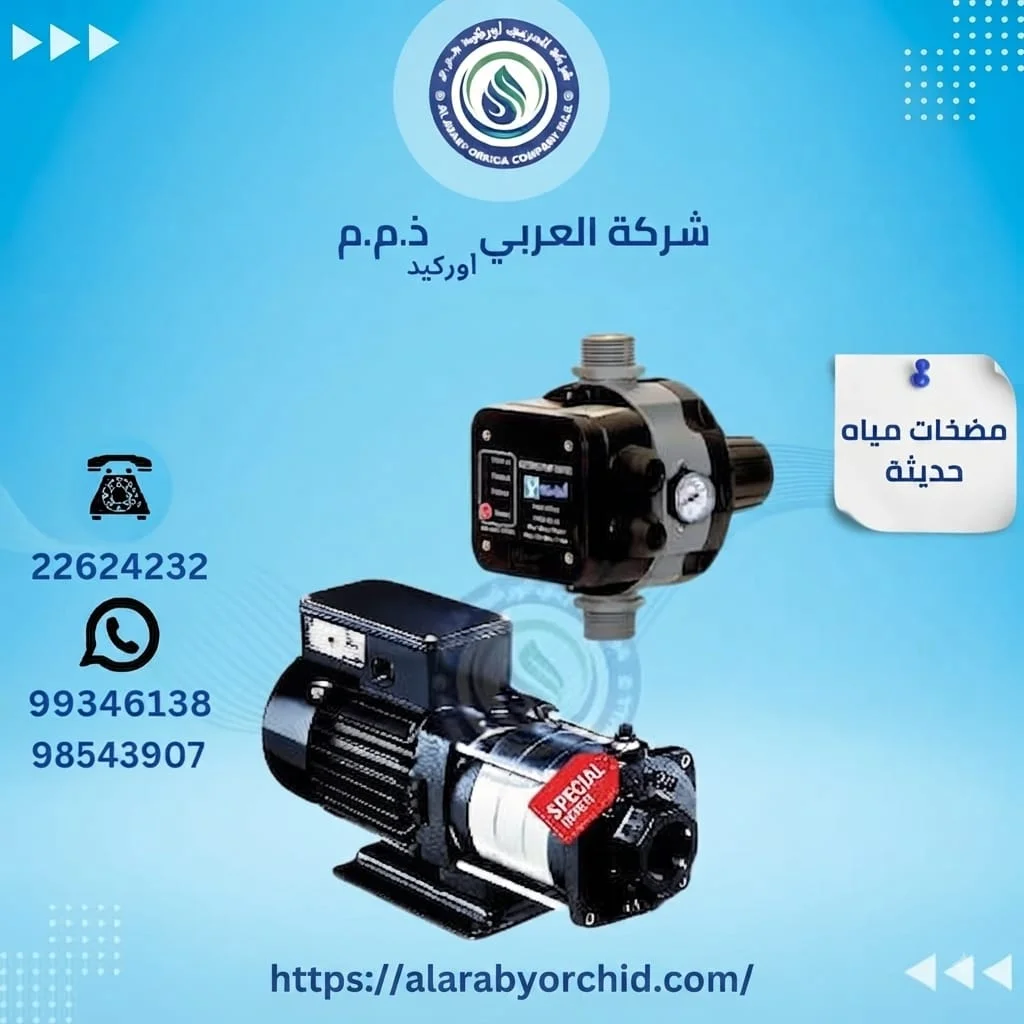
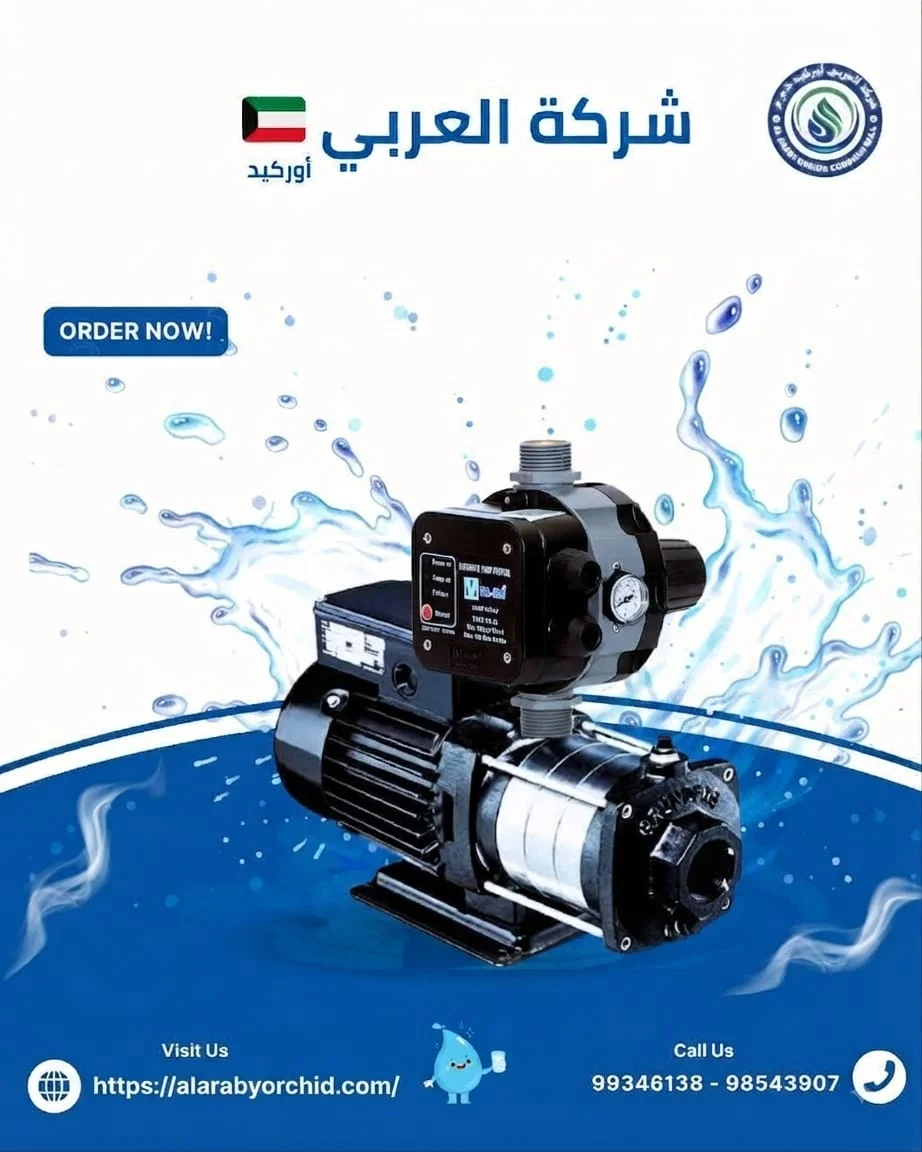
A booster pump to increase water pressure is designed to add the pressure the system is missing and make household water use more stable. In a traditional arrangement, the system may include a pump, pressure tank, and start-stop controls. In more modern installations, a variable-speed booster can maintain pressure much closer to a constant level.
A constant-pressure system changes pump speed as water demand and inlet conditions change so it can maintain the selected setpoint more effectively. This is particularly useful in a home where demand varies significantly between one open tap and several simultaneous fixtures.
The objective is not to choose the strongest booster available. The correct booster should cover the required flow at the required pressure while remaining suitable for the water source and installation conditions.
-
A variable-speed booster is useful for homeowners who want smaller pressure fluctuations between one-fixture use and several-fixture use
-
A traditional booster remains a good solution when the pump pressure tank and controls are correctly selected and adjusted
-
The booster must be matched to inlet pressure because final network pressure is the combination of existing pressure and the additional boost supplied by the system
-
Dry-running and leak protection can add important value in modern residential systems because they help protect both the pump and plumbing network
-
Booster selection should be based on complete system performance rather than the model name or purchase price alone
Improving Water Pressure in a Villa
Improving water pressure in a villa requires a broader assessment because villas may include several floors, multiple bathrooms, garden irrigation, and long plumbing runs. In this type of property, poor pressure may appear only during peak-demand periods when several fixtures operate at once.
The first step is identifying which areas suffer. If the entire villa is weak, the source and main booster system should be examined. If only the highest floor is weak, elevation becomes a major factor. If one distant wing of the villa performs worse than the rest, pipe length, diameter, and friction losses in that branch should be reviewed.
In larger villas, pressure zoning may be better than simply increasing pressure everywhere. Different booster arrangements can serve separate floors or sections of a building rather than forcing the outlets closest to the pump to operate under unnecessarily high pressure.
-
A villa should be tested under realistic peak demand because one open tap cannot reveal problems created by simultaneous use
-
A weak distant wing should lead to inspection of its supply route before increasing the main pump size for the entire property
-
Pressure zoning can be useful when building height or plumbing layout makes one pressure level unsuitable for every floor
-
Garden irrigation and outdoor services should be included in peak-demand scenarios if they operate at the same time as bathrooms
-
The best villa solution keeps the network balanced instead of simply trying to produce maximum pressure at every outlet
Treating Weak Water Flow at Home
Treating weak water flow at home requires understanding the difference between flow and pressure because they are related but not identical. A property can have acceptable static pressure while still failing to deliver enough water because of a restriction, undersized pipe, or clogged component. In that situation, installing a stronger pump may simply increase pressure upstream of the restriction without producing the expected increase in actual flow.
A practical diagnosis includes measuring pressure while observing flow and comparing several outlets. Filters, valves, and fixtures should be checked while looking for leaks or internal restrictions. If the network is healthy and the available supply pressure is still too low, then a booster can be calculated according to the actual requirement.
After the repair or installation, the same situation that originally revealed the problem should be repeated. If the complaint was that two showers could not operate together, test two showers. If the problem was on the highest floor, test the highest floor. Measuring the tap closest to the pump and declaring success is not enough.
-
Weak flow caused by a pipe restriction needs the restriction itself to be corrected because increasing pressure before the blockage may not provide the required water quantity
-
The best post-repair test is to repeat the exact usage scenario that originally exposed the problem
-
Comparing static pressure with dynamic pressure helps determine whether the weakness appears mainly when real water flow begins
-
Repairing leaks cleaning filters and adjusting valves should come before increasing pump capacity because these faults can consume a significant part of system performance
-
A booster should be installed when the need for additional pressure has been confirmed after inspecting the plumbing network rather than simply because the user wants stronger water
Conclusion
Low water pressure at home does not automatically mean that you need a booster pump. Sometimes the cause is simple, such as a clogged filter, mineral buildup in a showerhead, or a partially closed valve. In other cases, a leak or internal plumbing restriction is responsible. There are also situations where rooftop-tank pressure or vertical elevation genuinely cannot provide enough pressure, and this is when a booster pump becomes the correct solution.
The proper approach is to determine whether the problem affects the whole property or one fixture, whether it is constant or appears only when several taps are open, and whether the highest floor is noticeably worse than the lower floors. The plumbing network should then be inspected and pressure measured under real usage conditions.
If the property genuinely needs pressure boosting, Al Arabi Orchid 99346138 can help determine the appropriate pump according to the water source, number of floors, and household demand instead of selecting capacity by guesswork. The goal is not to make the water feel powerful for the first five seconds. The goal is to maintain comfortable pressure while the household uses water normally.
Frequently Asked Questions
Does low water pressure mean I need a pump?
Not always. Clogged filters, partially closed valves, showerhead restrictions, leaks, and pipe limitations should be ruled out first. A booster should be considered when the available system pressure itself is proven to be insufficient.
How do I know if my existing water pump is the problem?
If the property already has a pump and pressure has become weaker than before, the pump cycles abnormally, or it can no longer maintain pressure during normal use, the pump and its controls should be inspected before replacement.
Why does pressure drop when I open two taps?
Because the required flow increases. If the water source, pump, or piping cannot deliver that amount of water while maintaining the required pressure, both open fixtures will experience a noticeable pressure drop.
Why is water pressure weak on the upper floor?
Vertical elevation consumes part of the available pressure. If the water tank is close in height to the upper-floor fixtures, gravity alone may not provide enough pressure for comfortable use.
Can a booster pump fix every low-flow problem?
No. If the real cause is a blockage, leak, closed valve, or clogged fixture, that problem should be corrected directly. A booster addresses insufficient pressure, not every possible cause of weak water flow.
Is a more powerful pump always better?
No. Excessive pressure can create uncomfortable operation and place more stress on fittings and connections. The pump should be matched to the actual flow and pressure requirement.
What is the difference between pressure and flow?
Pressure is the force pushing water through the plumbing system, while flow is the amount of water moving over a certain period. A system can have acceptable pressure but limited flow because of a clogged filter or restricted pipe.
Can a smart pump help with low pressure?
Yes, especially when household demand changes. A variable-speed booster can adjust its speed to maintain pressure closer to a constant setpoint as the number of open fixtures changes.
Should pressure be measured before installing a pump?
Yes. Ideally, pressure should be measured under more than one condition and especially while water is actually being used because a static reading alone does not reveal every dynamic-pressure problem.
Who can fix low water pressure at home in Kuwait?
Al Arabi Orchid provides pump and pressure-boosting solutions for homes and villas in Kuwait. You can contact 99346138 and explain the water source, number of floors, and where the pressure problem appears so the system can be checked and it can be determined whether you need a booster pump or another plumbing solution.