When a component in a central water heater fails, one of the first questions after diagnosis is usually whether to install an original part or choose an aftermarket alternative and save some money. There is no single answer that applies to every component because a heating element is different from a thermostat, a safety valve, or an electronic control part. In some situations, a high-quality aftermarket component that matches the required specifications can perform very well. In other cases, saving a small amount on a sensitive component can lead to repeat failure, compatibility issues, or safety concerns. The right decision starts with the heater model number, the technical specifications of the part, its electrical rating or pressure limits, manufacturing quality, warranty, and then a comparison between purchase price and expected service life rather than judging the part simply by whether it is called original or aftermarket.
Central water heater spare parts in Kuwait

Choosing central water heater spare parts in Kuwait requires more than finding a component that is physically available and appears to fit in the same place as the old one. A central heater is a complete system in which every component operates within specific technical limits. A heating element has a particular wattage, voltage, length, and mounting design. A thermostat has a defined temperature range and switching capacity. A safety valve has pressure and temperature ratings that must match the design of the heater. If a component looks identical to the original but has different specifications, the heater may still operate, but that does not necessarily mean it is operating correctly or with the same level of reliability.
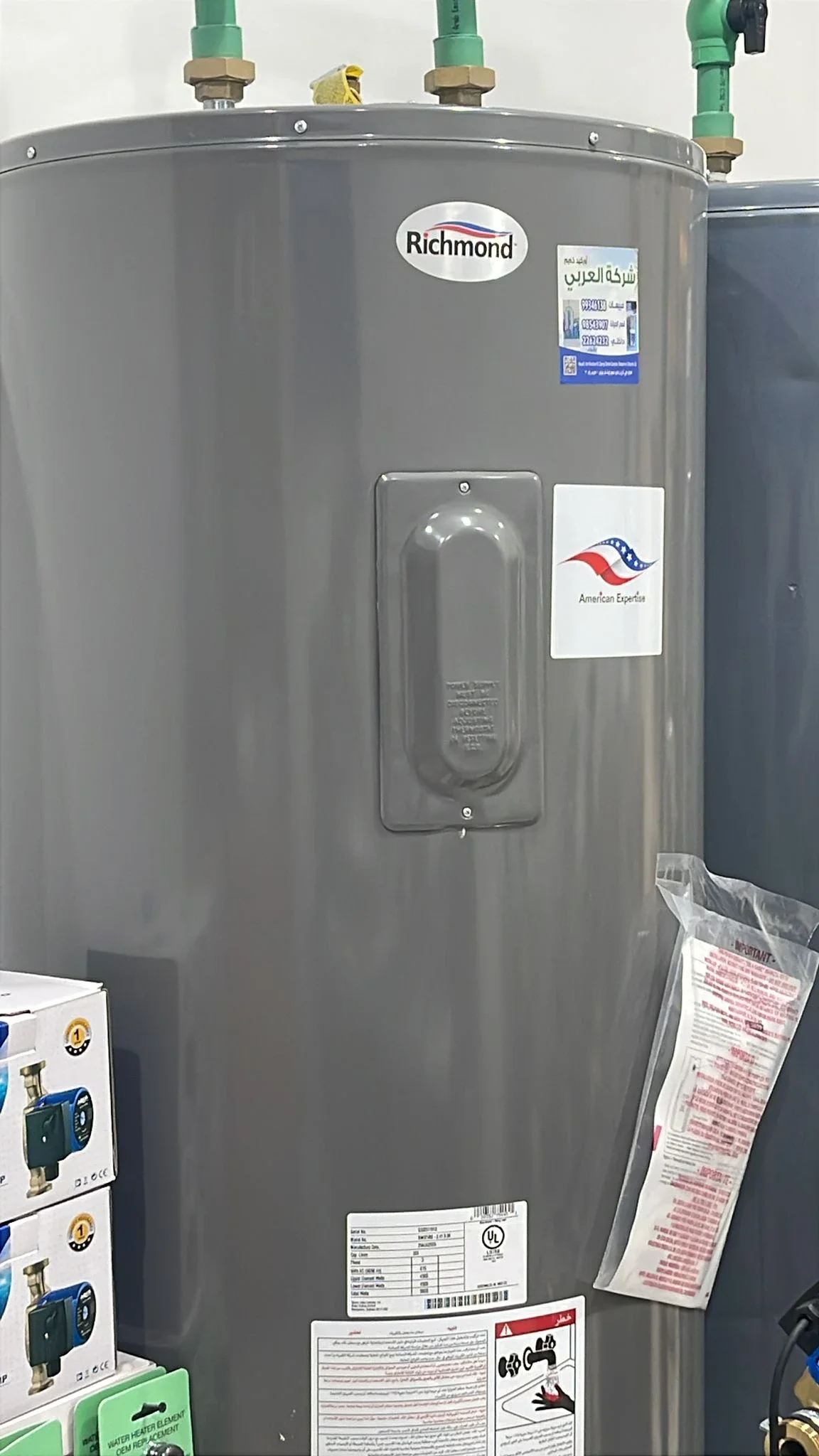
In Kuwait, central water heaters include a wide range of American and other international models, which makes the heater brand and model number important information when ordering a replacement part. The specification plate on the heater can provide the details needed to identify the correct component. Saying that the heater is an 80-gallon model is not enough because two heaters with the same capacity can use completely different heating elements, thermostats, or valves.
A common practical example is replacing a damaged heating element with another element that has the same mounting shape but a different wattage. If the replacement has a lower rating, heating may become noticeably slower. If it has a higher rating than the system was designed for, it can place greater load on wiring, terminals, or control components. The problem in this situation is not simply that the part is aftermarket; the problem is that it does not properly match the heater specifications.
Price should also be evaluated beyond the cost of the part itself. A cheaper component that fails again after a short period can result in the cost of another part, another installation charge, and another technician visit. A slightly more expensive component with correct specifications and better reliability may therefore cost less over the actual service life of the repair.
-
When purchasing any replacement part, the heater model number and technical specifications should guide the decision because tank capacity or physical appearance alone cannot confirm compatibility
-
A properly matched aftermarket component can be a suitable option for some repairs but the word aftermarket does not mean that all alternatives have the same quality
-
Components connected to pressure, temperature, or electrical control require more careful selection because an incorrect part can affect the entire system rather than only comfort
-
A fair price comparison includes the part cost, installation cost, and the possibility of repeat repair rather than looking only at the price printed on the box
Original and aftermarket heater parts
When comparing original and aftermarket heater parts, the first step is to understand what those terms actually mean. An original or OEM component is generally manufactured or approved for the heater according to the manufacturer’s specifications and is often identified by a specific part number. An aftermarket component is produced by another manufacturer to perform the same function. It may be excellent and fully compatible, average in quality, or extremely poor. This means the real comparison is not between two words printed on a package; it is between specifications, manufacturing quality, warranty, and source.
OEM parts become more important when the component is directly involved in safety, precise temperature control, or when the heater manufacturer requires a specific part to maintain expected performance or warranty coverage. In these situations, the higher price can have a clear reason because the goal is not only to make the heater work today but to ensure that the component responds within the same temperature, pressure, and electrical limits that the appliance was originally designed around.
For some simpler mechanical or commonly replaced components, there may be a reputable aftermarket alternative from a known manufacturer that matches the specifications and provides good value. The important condition is that the comparison is technical rather than based on a salesperson saying, “It is exactly the same as the original,” while the part comes in an unmarked bag with no manufacturer information.
Take a thermostat as an example. If the aftermarket unit has the correct temperature range, switching capacity, installation method, electrical rating, comes from a recognized manufacturer, and includes a clear warranty, then a genuine comparison can be made. If the technical information is missing and the only advantage is a lower price, then the saving has turned into additional risk.
The same principle applies even more strongly to a safety valve because the pressure and temperature ratings are fundamental. A valve should never be selected simply because its threaded connection happens to fit the heater.
-
OEM parts offer greater value when component specifications directly affect heater controls, safety systems, or manufacturer requirements
-
A good aftermarket part is not automatically a poor-quality part if it comes from a recognized manufacturer, matches the required specifications, and has a clear warranty
-
An unidentified replacement with no power, pressure, or temperature information should not be compared with an OEM part based only on price because you do not actually know what is being installed
-
A component that looks identical externally can still be different internally, which is why part numbers and specifications matter more than visual similarity
Best replacement parts for a central water heater

Choosing the best replacement parts for a central water heater does not mean saying that OEM is always best or that aftermarket is always more economical. The best component is the one that meets three conditions at the same time: correct compatibility, reliable quality, and sensible cost for the age and overall condition of the heater.
If you have a relatively new heater in excellent condition and the rest of its components are healthy, installing an OEM part or a high-quality approved equivalent is usually a sensible decision because you are protecting the performance of an appliance that still has significant useful life ahead of it. On the other hand, if the heater is very old, has several existing problems, and the tank itself is deteriorating, it may not make financial sense to keep buying the most expensive replacement part without first comparing total repair cost with the cost of replacing the heater.
The type of component also changes the decision. For a safety valve, thermostat, or electronic control board, using an unknown low-cost replacement introduces more risk because the way that component behaves affects temperature, pressure, or electrical switching. By contrast, some less sensitive parts may have reputable alternatives that reduce cost without sacrificing performance when all relevant specifications match.
Availability also matters. Some older heater models no longer have easily available OEM parts, and in those cases a well-documented aftermarket equivalent can be a practical solution. The key is to verify compatibility rather than modifying the heater casually just to make an unrelated component fit.
Price should influence the decision, but it should not control the entire decision. If an OEM component costs only slightly more and includes better documentation, warranty, and traceability, the additional cost may be worthwhile. If the price difference is substantial and a reputable replacement matches the specifications, the aftermarket option may make more sense.
-
The best replacement part is the one that matches the heater specifications, tolerates its operating conditions, and comes from a known source rather than simply being the most expensive part available
-
Safety and control components deserve a higher level of scrutiny because failure can create larger problems than a simple reduction in performance
-
Heater age and tank condition matter because investing heavily in an expensive part for a heater near the end of its service life may not be economical
-
When the OEM part is unavailable, a recognized and properly matched alternative is better than modifying the heater randomly to accept an unsuitable component
Original central water heater parts
Original central water heater parts are often the strongest choice when the goal is maximum compatibility with manufacturer specifications, especially in newer heaters, units still under warranty, or systems that use model-specific control components.
The main advantage of an OEM component is not the logo printed on the packaging. It is that the part number and technical specifications are already known to match the appliance. This reduces the chance of differences in dimensions, electrical load, operating temperature, pressure limits, or control behavior and allows the technician to restore the heater closer to its original design.
However, the word original should be supported by evidence. Packaging, part number, manufacturer information, supplier details, invoice, and warranty are all more useful than a verbal claim. The market can include components described as original even when they are actually aftermarket alternatives, so the customer has every right to know exactly what is being installed.
From a pricing perspective, it is normal for some genuine parts to cost more because of manufacturing standards, supply chains, and product certification. However, not every price difference automatically justifies paying more. The importance of the component, heater age, and availability of reliable alternatives should all be considered.
-
OEM components are particularly useful when the heater depends on precise technical specifications that are difficult to verify in unknown replacement parts
-
The correct part number and confirmed compatibility with the heater model provide stronger evidence than simply seeing the word original on a quotation
-
Keeping the invoice and part information helps if the fault returns or a warranty claim is needed later
-
If the heater is extremely old, the cost of the OEM part should be compared with the overall value and remaining condition of the appliance before choosing the most expensive option automatically
Difference between OEM and aftermarket heater parts
The difference between OEM and aftermarket heater parts usually appears in four main areas: compatibility, material quality, consistency of performance, and warranty. With an OEM component, there is generally a clearer reference for specifications because it was designed or approved for a specific heater model. Aftermarket parts vary much more widely, ranging from well-engineered products from reputable manufacturers to unidentified low-cost components with little technical documentation.
Material quality can also be different. The variation may involve the type of metal, the quality of electrical contacts, insulation materials, accuracy of a temperature sensor, or the pressure tolerance of a valve. These differences may not be obvious on the first day because both components can initially appear to work. The true difference often becomes visible after repeated heating cycles, thermal stress, moisture exposure, and months of use.
Performance consistency is another important factor. A high-quality thermostat should switch within a defined temperature range rather than simply turning on and off at unpredictable points. A safety valve should respond within its specified pressure and temperature limits rather than merely allowing water to pass.
A high-quality aftermarket component can come very close to OEM performance when the manufacturer is reputable and the specifications are documented. The real problem is not that the component is aftermarket; the problem is choosing a cheap unknown alternative when its operating limits cannot be verified.
-
The real difference appears in specifications, manufacturing quality, and performance consistency rather than the outside appearance of the part
-
Aftermarket parts come in different quality levels, so they should not all be treated as identical simply because they are not produced by the original brand
-
If the manufacturer, specifications, or warranty cannot be verified, a lower price does not compensate for the missing information
-
For control and safety components, documented compatibility should receive greater priority because an incorrect part can have a larger effect on the heater
Buying spare parts for an American water heater
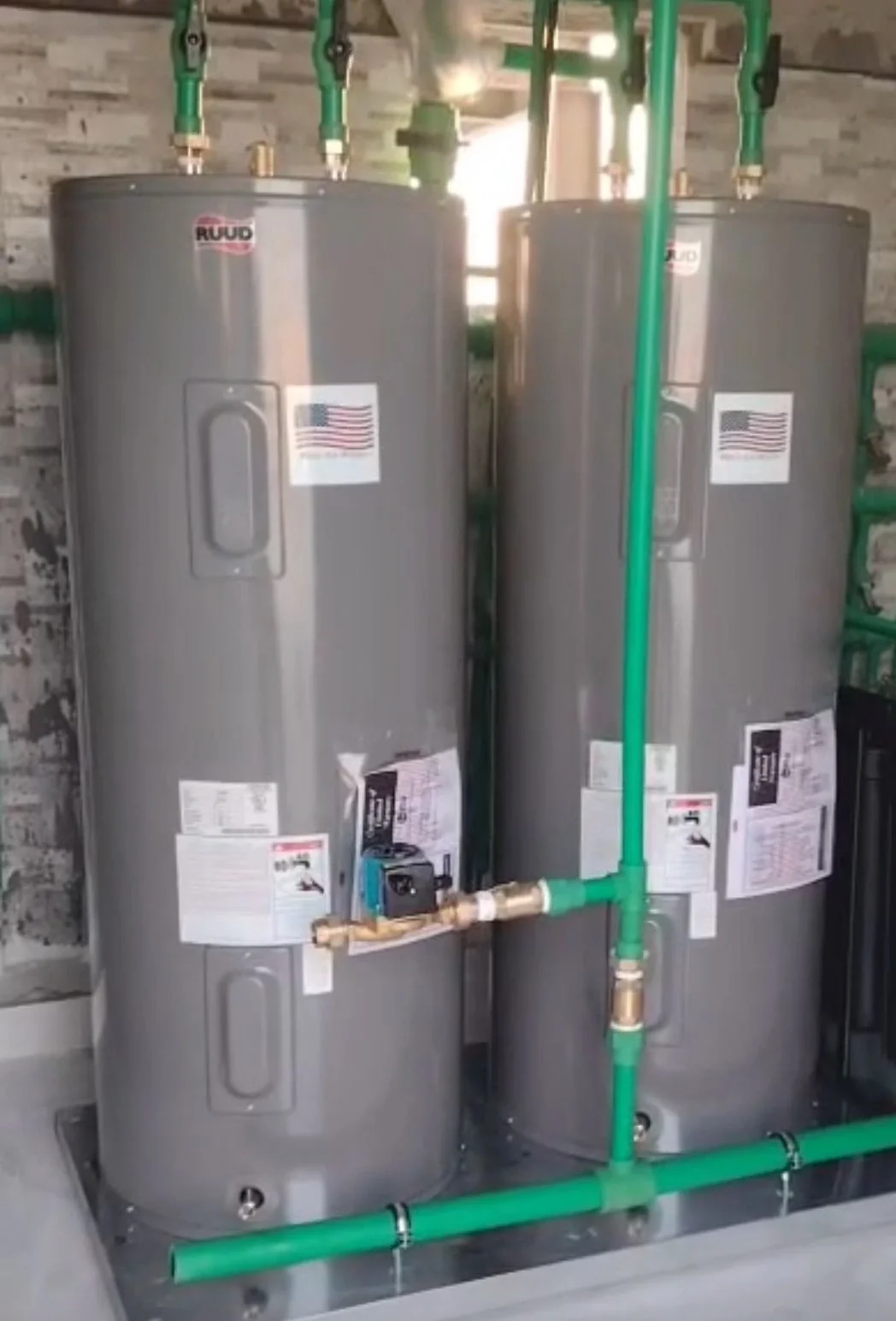
When buying spare parts for an American water heater, do not begin with the name of the component alone. Start with the heater information because models from brands such as Ruud, Bradford White, A. O. Smith, and others may use different components even when their tank capacities appear similar.
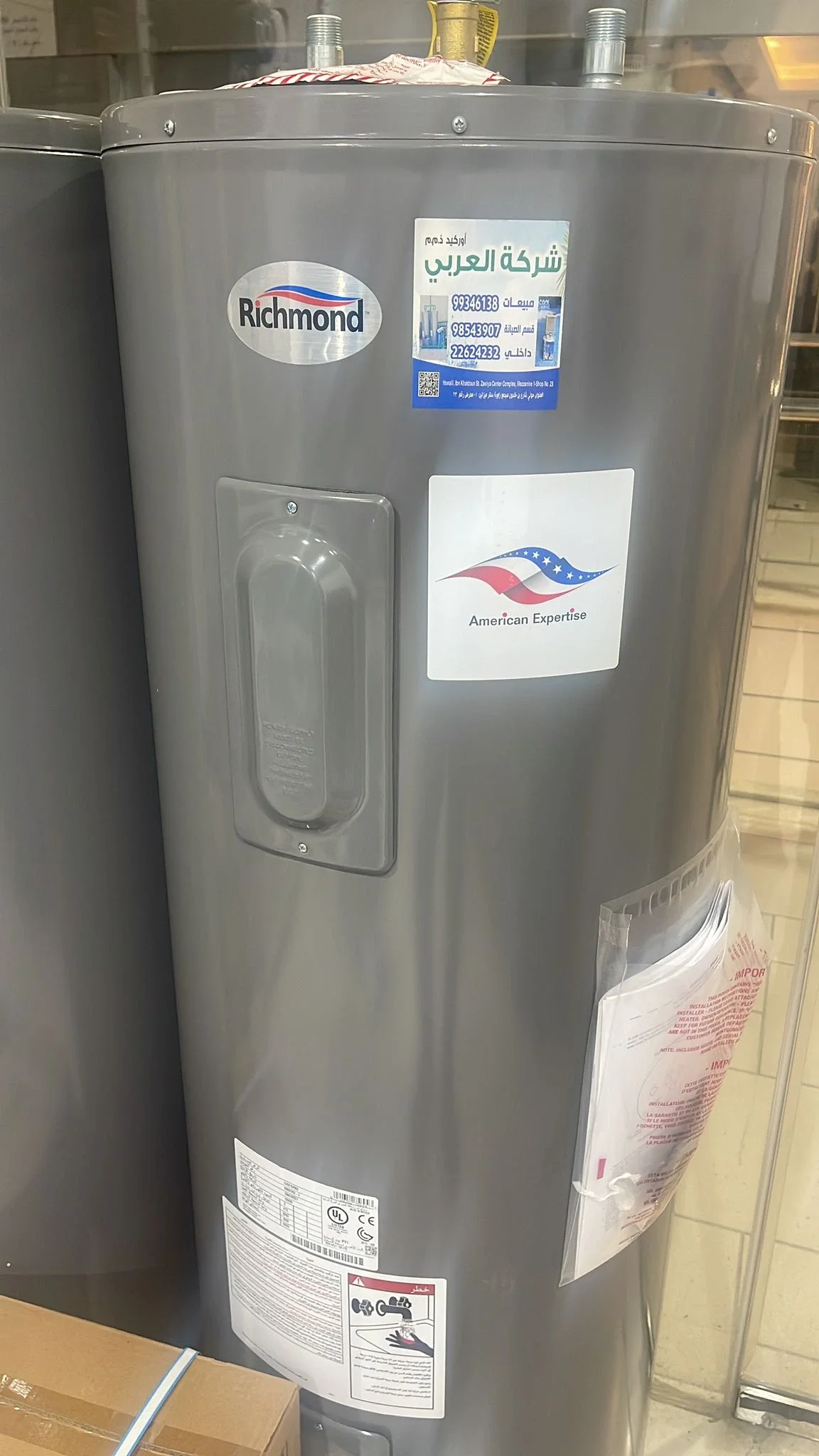
Take a clear photo of the appliance data plate, record the model number, and include the serial number if the supplier requires it. If a technician has already removed the failed component, the old part can also be used as a physical reference. The next step is to identify the correct part number or a replacement that a trusted manufacturer or supplier can confirm as compatible.
If the part is a heating element, check voltage, wattage, mounting method, and physical dimensions. If the thermostat is being replaced, temperature range, electrical load, and terminal arrangement are important. If a safety valve is required, pressure and temperature ratings must be appropriate for the specific heater.
Price should come later in the decision, not first. A cheap quotation for the wrong component is not a bargain; it is basically a ticket for another technician visit.
-
Start with the heater model number before asking the seller for a price because the brand name alone is not enough to identify the correct component
-
Do not rely on claims that a part fits every heater without technical information because many components have different operating limits
-
Ask whether the component is OEM or aftermarket, who manufactured it, and what warranty applies before installation
-
Keep the part number and invoice because they make future maintenance easier and prevent the next repair from starting from zero
Quality of water heater replacement parts
The quality of water heater replacement parts is measured by how they perform after hundreds of heating cycles rather than by how shiny the metal looks when the part is new. A quality component can tolerate heat, moisture, electrical load, or pressure according to its function and maintain its characteristics within the operating limits for which it was designed.
For heating elements, the quality of the sheath, insulation, and electrical compatibility matters. For thermostats, the quality of the electrical contacts and accuracy of temperature response are critical. For valves, manufacturing precision and the ability to handle specified temperature and pressure matter more than how heavy or strong the part looks.
The source is also part of the quality assessment. A component from a known manufacturer with clear technical documentation is easier to trust than an unidentified product, even if a seller says that both are basically the same. Traceability matters because if a defect appears, you should know who supplied the part and what warranty or support is available.
Quality cannot be judged from price alone. A part can be expensive because of import or supply costs without necessarily being the best option, while a less expensive component may be a good purchase from a reputable manufacturer. The right decision relies on several pieces of evidence rather than a single price.
-
Component quality means stable performance under real operating conditions rather than simply working at the moment it is installed
-
Written specifications, a known manufacturer, and a usable warranty are stronger indicators than general marketing claims
-
Each component has different quality criteria because what matters in a heating element is different from what matters in a thermostat or safety valve
-
A skilled technician chooses components according to function and specification rather than blindly using the same brand for every part
Warranty on water heater spare parts
A warranty on water heater spare parts is important, but it needs to be understood correctly. The word warranty by itself means very little if you do not know how long it lasts, what it covers, who is responsible for honoring it, and whether it covers only the component or also includes installation labor.
In some cases, the part carries a manufacturer warranty. In other cases, the warranty comes from the supplier or service company. If a defect appears during the warranty period, you should have proof of purchase, an invoice, and clear component information so the warranty does not become a nice promise made during the sale and then mysteriously disappear once the part fails.
It is also important to understand that a warranty usually does not cover every possible cause of failure. If a new component is damaged because of excessive pressure, incorrect voltage, poor wiring, or another unresolved problem in the heater, that situation is different from a manufacturing defect. This is why correcting the original cause of the failure before fitting the new part protects your investment more effectively than relying on the warranty alone.
Before installation, ask what happens if the part fails again during the warranty period and whether the next service visit or installation labor is included. These questions reduce misunderstandings later.
-
Ask for the warranty period and conditions clearly before installation rather than accepting the word guaranteed without details
-
Keep an invoice showing the component name and installation date so any warranty claim can be handled more easily
-
Correct the reason the previous component failed because a warranty cannot protect a new part from the same harmful operating conditions
-
Compare service quotations by looking at the component, installation, and warranty together rather than comparing only the final price
Choosing an alternative part for a central water heater
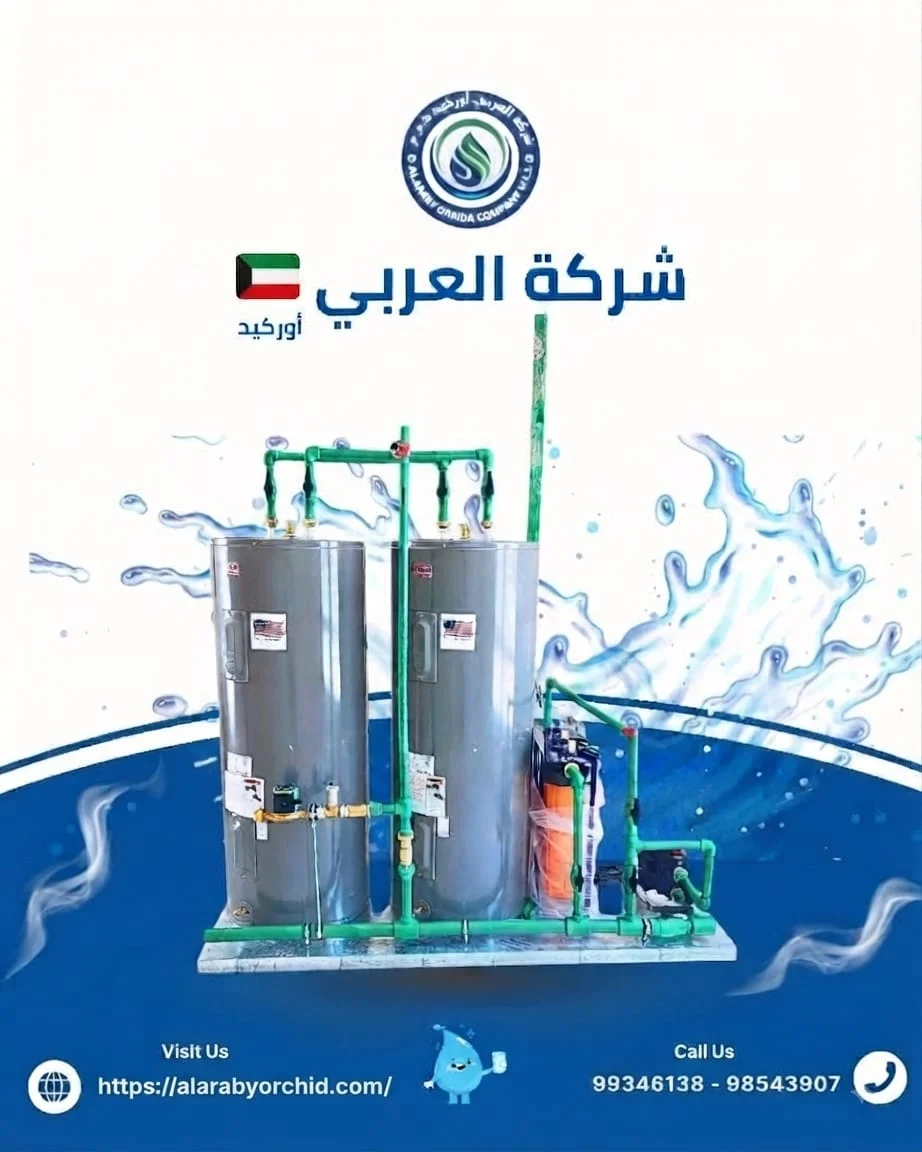
Choosing an alternative part for a central water heater sometimes becomes necessary when the OEM component is unavailable or when its price is extremely high compared with the overall value of the heater. Choosing an alternative does not automatically mean accepting lower quality, but the replacement should pass a clear compatibility check.
Start with function, then electrical or mechanical specifications, then dimensions and mounting method, and finally manufacturer quality. Once those points are confirmed, price and warranty can be compared.
Do not install a component with a higher wattage or different pressure limit simply because someone says it is stronger. Stronger is not always more suitable. The heater was designed to operate within specific limits, and changing those limits can force another component to operate outside its intended range.
For older heaters, reputable aftermarket replacements can be an excellent solution when OEM parts are no longer manufactured. However, the technician should clearly tell the customer that the part is an alternative and explain why it was selected rather than installing it and describing it as original.
-
A successful alternative must match function, specifications, and installation method rather than simply fitting physically into the same space
-
Increasing wattage or changing operating limits without a technical reference is not an upgrade and may create problems elsewhere in the system
-
The customer has the right to know that a component is aftermarket and to know the manufacturer and warranty before agreeing to installation
-
If no reliable alternative exists for a sensitive component, evaluating whether the entire heater should be replaced may be better than installing an unknown part
Central water heater maintenance parts
Central water heater maintenance parts include components with very different functions and very different levels of sensitivity when deciding between OEM and aftermarket options. Heating elements, thermostats, safety valves, check valves, sensors, fittings, and control components all require different evaluation criteria.
The most important rule is that maintenance should not begin with a shopping list of parts. It should begin with diagnosis. If the heater does not produce hot water, that does not automatically mean the heating element has failed. If the heater leaks, that does not automatically mean the safety valve needs replacement. The cause should be diagnosed first and the required component identified afterward.
When a component is replaced, the condition of the old part should be considered to understand why it failed. Mineral buildup, excessive pressure, or a poor electrical connection can damage the replacement part as well if those conditions are ignored.
This is where a specialized maintenance company provides real value. The advantage is not simply saying that original parts are available. The real value is connecting the fault to the correct component and heater model, selecting an appropriate solution, and explaining why that particular part is the best choice for the situation.
From a budget perspective, it can make sense to use OEM parts in more sensitive components while choosing a reputable aftermarket replacement for a less critical component when that combination provides the best balance between cost and service life. Not every repair invoice has to be 100% OEM, and the entire heater should not be turned into a collection of unknown aftermarket components just to reduce the immediate bill.
-
Diagnosis should come before purchasing any component because replacing a healthy part will not fix the problem even if that replacement is the most expensive OEM option available
-
The reason the old component failed should be corrected during the repair so the same problem does not return and damage the replacement
-
Choose OEM or aftermarket according to component sensitivity, heater condition, compatibility, and warranty rather than applying one rule to every repair
-
A trustworthy service explains exactly what was installed, what its specifications are, and why it was selected so the customer understands the value of the repair
Conclusion
Choosing central water heater replacement parts should not become a battle between the word OEM and the word aftermarket as if one option is automatically perfect and the other has arrived wearing a villain’s mask. Some components are worth choosing in original form because of their relationship to safety, control accuracy, or difficult compatibility requirements. Other components have reputable aftermarket alternatives that can provide excellent performance when the manufacturer is known and the specifications genuinely match.
Always begin with the heater model, part number, and operating specifications, then compare quality, warranty, and price. If the component affects pressure, temperature, or electrical operation, saving money in the wrong place can easily create a larger repair bill later.
Most importantly, even the best new component cannot correct an incorrect diagnosis. If the original failure was caused by excessive pressure, mineral buildup, or a poor electrical connection, that cause must be corrected together with the replacement. Otherwise, both OEM and aftermarket parts will be exposed to exactly the same damaging conditions and everyone will wonder why the replacement failed again.
Frequently Asked Questions
Are OEM parts always better for a central water heater?
Not in every situation, but OEM parts are often the stronger choice when confirmed compatibility is important, when the component is sensitive to safety or control accuracy, or when the manufacturer’s warranty requires a specific part.
Are aftermarket water heater parts safe?
They can be safe and reliable when they come from a reputable manufacturer and fully match the required specifications. An unidentified component with no clear technical information should not be selected simply because it costs less.
How can I tell whether a heater part is original?
Check the part number, packaging, manufacturer information, supplier, and invoice rather than relying only on what the seller says. Confirmed source and specification details are more useful than the word original on its own.
When should I choose an aftermarket part instead of OEM?
An aftermarket component can be a sensible choice when a reputable alternative is available, matches the technical requirements, includes a clear warranty, and provides meaningful savings without sacrificing compatibility or reliability.
Can I install a higher-wattage heating element so the heater warms faster?
Not without checking the heater specifications. Increasing wattage changes the electrical load and may be unsuitable for the wiring, terminals, thermostat, or control system designed for the appliance.
Does a safety valve have to be OEM?
The most important requirement is that the valve has the correct pressure and temperature ratings and comes from a reliable source. Because it is a safety component, an unknown replacement should not be selected simply because its thread size fits.
What information do I need before buying a part for an American heater?
The heater brand, model number, information from the old component, and the relevant technical specifications help identify the correct replacement and reduce the chance of purchasing an incompatible part.
Does a part warranty include installation?
Not always. Warranty terms vary between manufacturers, suppliers, and service companies, so ask whether the warranty covers only the component or also includes labor and any future service visit.
Does buying the cheapest part really save money?
It can if the component is a reputable and properly matched replacement. If it has a shorter lifespan or results in another service call and installation charge, the final cost can easily become higher than choosing a better component from the beginning.
When is it better to replace the heater instead of buying more parts?
If the heater is very old, the tank condition is poor, faults keep returning, and the cost of several replacement components starts approaching the cost of a new solution, comparing complete replacement with continued repairs becomes the more sensible decision.