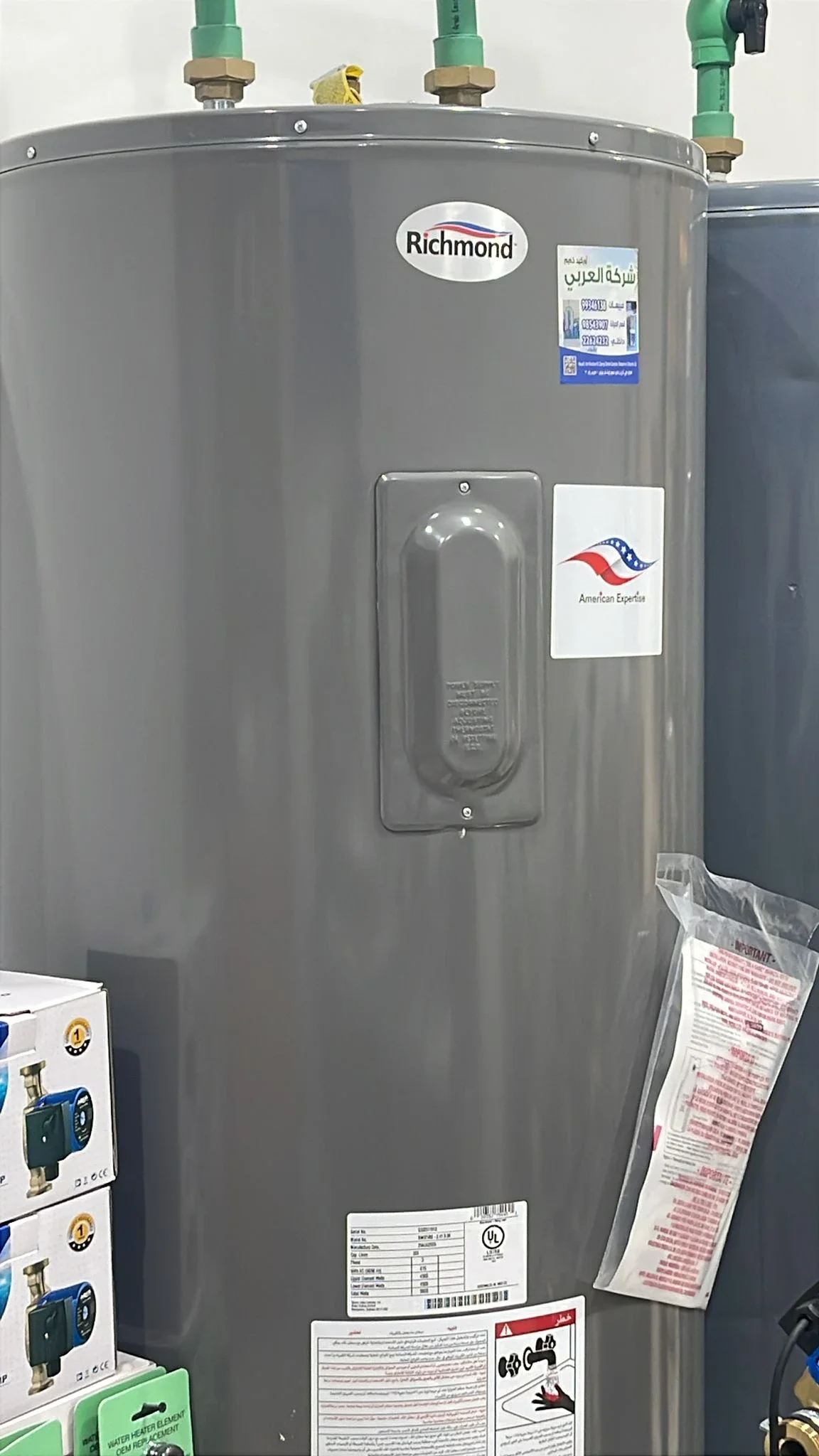
When the first cold days arrive in Kuwait, many people notice that the hot water no longer feels the same as it did in summer. The central water heater may take longer to recover, or the temperature may drop faster during a shower. The first thought is usually that the heater has developed a fault, but not every winter drop in hot-water performance means something is broken. Colder incoming water, higher consumption, and using more than one bathroom at the same time can all place greater demand on the system. However, if the water starts lukewarm from the beginning, heating time becomes unusually long, or performance is clearly worse than last winter, it is important to identify the real cause and distinguish normal seasonal changes from a problem that requires maintenance.
Weak hot water in winter
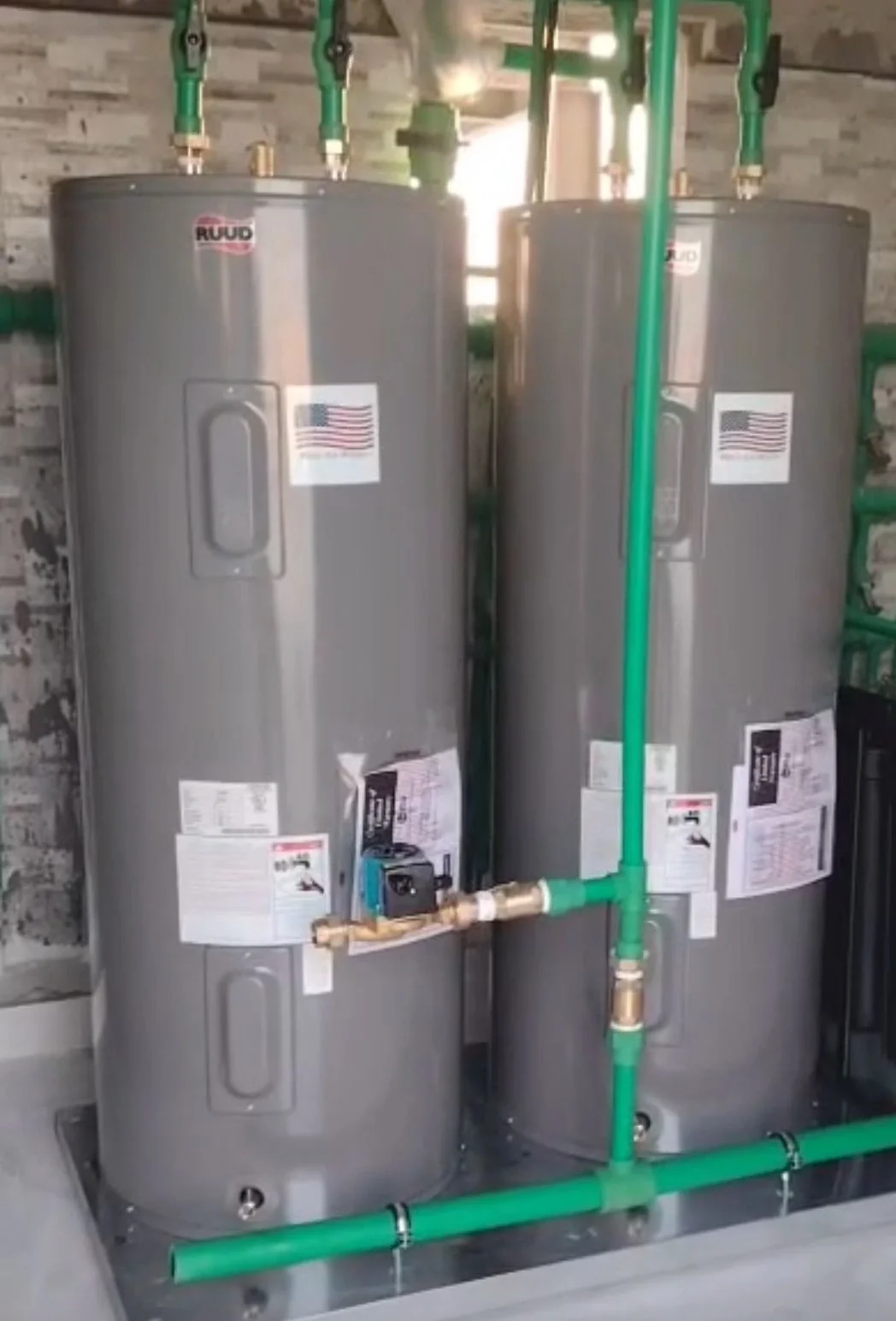
Weak hot water in winter can have more than one explanation, and it is important not to judge the condition of the central heater based on one uncomfortable shower. During winter, the water entering the storage tank is generally colder than it is during summer. This means the heater has to raise the water temperature by a greater amount before it reaches the level the household is used to. In a home with light usage, the difference may barely be noticeable, but it becomes much more obvious in a large family, in a house where several bathrooms are used within the same period, or when shower times become longer because of the colder weather.
From practical household situations, the most useful clue is the way the temperature loss happens. If the first person using the shower receives properly hot water and the temperature then starts to become less comfortable after ten or fifteen minutes, the heater has probably managed to heat its stored water but is not reheating the incoming cold water as quickly as it is being consumed. On the other hand, if the water feels lukewarm from the very beginning even though the heater has not been used for several hours, the situation is different. In that case, the thermostat setting, the heating elements, and the internal condition of the tank deserve closer inspection.
It is also essential to separate poor water temperature from poor water flow. A homeowner may say that the hot water feels “weak” when the real complaint is low pressure or slow flow. In that situation, the problem may come from a valve, mixer, showerhead deposits, or plumbing restriction rather than the heating system itself. This simple distinction prevents unnecessary heater repairs and helps direct the inspection to the part of the system that is actually causing the complaint.
-
If the water starts properly hot and becomes cooler during continuous use, consumption may be exceeding the heater’s recovery rate rather than the heater failing completely
-
If the water is lukewarm from the first use after several hours of no demand, the heating system itself should be inspected instead of blaming winter conditions alone
-
If the issue is limited to one bathroom while the rest of the house has normal hot water, the mixer and local plumbing should be checked before replacing heater components
Central water heater feels weak in winter
When someone says the central water heater feels weak in winter, the first step is to define exactly what “weak” means. The phrase may describe three different problems. The heater may simply take longer to heat the water, the hot-water supply may run out faster than expected, or the maximum temperature may no longer reach the level the household is used to. Each situation has different possible causes and requires a different inspection process, which is why replacing a component immediately without a clear diagnosis is not a reliable maintenance approach.
Consider a realistic example. A household with five people may have no noticeable problem during summer because showers are shorter and the incoming water is not extremely cold. During winter, two or three family members may use the bathrooms within the same hour, and the demand for hot water rises sharply. As hot water leaves the tank, colder water enters to replace it and needs time to heat. Under these conditions, the last person may notice a clear drop in temperature even when the heater itself is technically working as designed.
The situation changes if the same house, with the same number of residents and the same usage pattern, had no trouble during the previous winter but suddenly performs much worse this year. In that case, it is not reasonable to blame the season alone. A sudden decline can point to reduced heating-element performance, a temperature-control issue, or increasing mineral buildup inside the tank that has gradually affected heat transfer.
A common mistake is to immediately assume that a larger heater is the solution. If the existing unit is underperforming because one heating element is not delivering its full output, installing a larger tank will not correct the underlying fault. You may spend more money and still end up waiting longer for hot water because the real problem was never addressed.
-
If the weakness only appears after several people use hot water one after another, review consumption and heater capacity before assuming the unit has failed
-
If performance has suddenly become worse than it was during the same season last year, professional diagnosis becomes more important than simply changing usage habits
-
A larger heater makes sense only after confirming that the current unit is operating properly and that insufficient capacity is genuinely the problem
Water does not get hot enough in winter
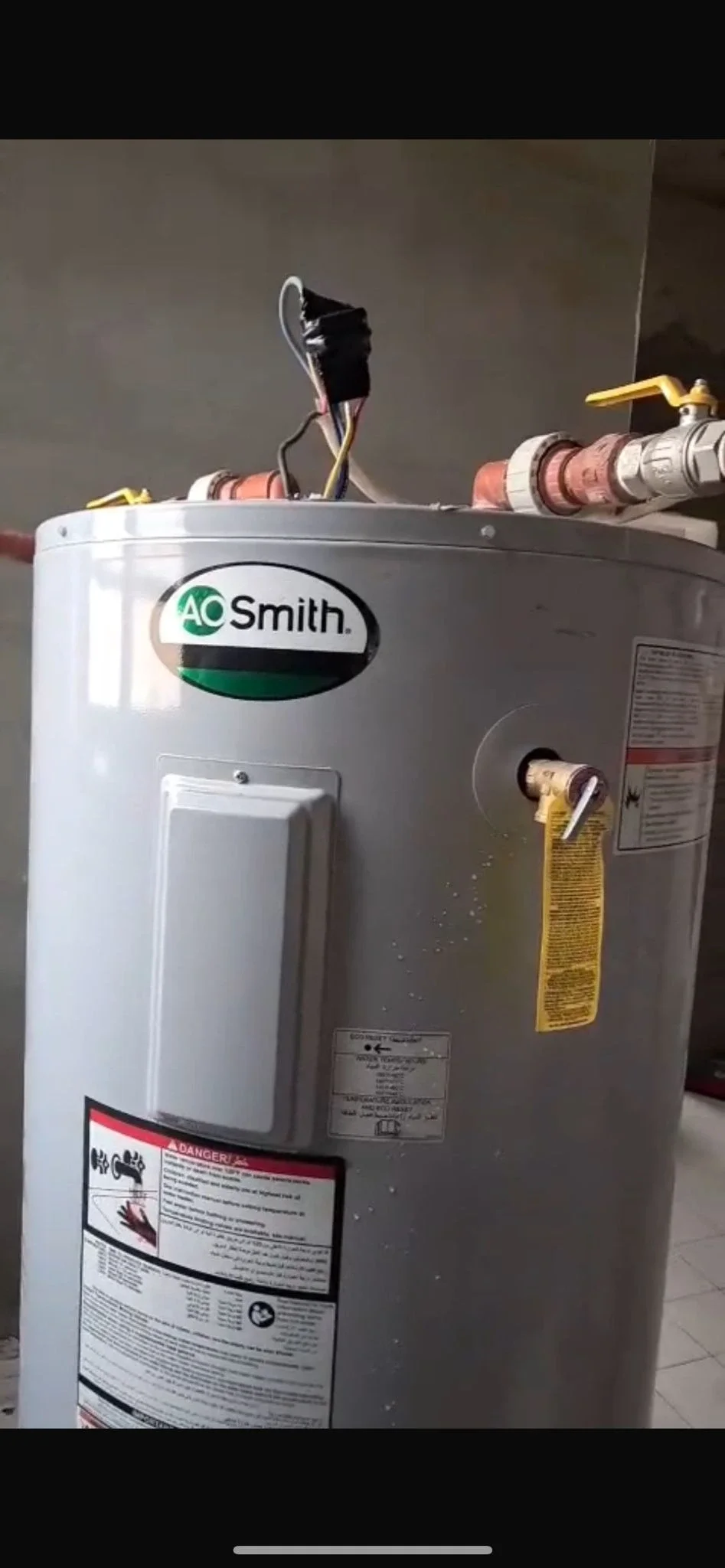
If the water does not get hot enough in winter even after the heater has been left unused for a long period, the issue needs more careful evaluation. Cold weather may increase the time required for heating, but a properly sized and correctly operating heater should still be capable of reaching its intended water temperature after completing a full heating cycle. If you wait long enough and then open the nearest hot-water outlet to the heater but the water still feels lukewarm, the likelihood of a technical problem becomes greater than the likelihood of normal winter conditions alone.
One possible cause is a thermostat that is set too low or no longer measuring temperature accurately. Some central water heaters use more than one heating element. If one element stops working, the unit may continue to produce warm water but do so much more slowly than before. This is one of the situations that confuses homeowners because the heater appears to be running, yet the water never feels as hot or recovers as quickly as expected. In reality, the heater may be operating at only part of its intended heating capacity.
Mineral deposits inside the tank can also affect performance, especially if the heater has been operating for years without proper inspection. Deposits may reduce the efficiency of heat transfer and cause the unit to require more time to heat the same amount of water. The effect becomes easier to notice in winter because the incoming water is colder and the system already has more work to do.
There are also cases where the water inside the tank is actually hot enough, but the temperature falls before reaching the tap because of excessive heat loss along the pipes or unwanted mixing with cold water. This is why a thorough technician does not rely on checking a single bathroom. Comparing the temperature at multiple outlets helps identify the point where heat is being lost and prevents unnecessary replacement of parts that are still working correctly.
-
Checking water temperature after a long period with no use provides a clearer picture of the heater’s actual performance without the influence of heavy consumption
-
If the nearest outlet to the heater is properly hot but a distant bathroom receives noticeably cooler water, the problem may involve distribution or pipe insulation rather than the heater
-
Replacing the thermostat or heating element without proper testing can increase repair costs while leaving the real fault untouched
Reduced heater efficiency during cold weather
Reduced heater efficiency during cold weather should not be judged only by whether the water feels slightly hotter or colder. A better assessment looks at three practical indicators: how long the heater takes to reach temperature, how long the stored hot water remains available, and how quickly the system recovers after a large amount of hot water has been used. If all three change noticeably compared with the heater’s normal winter performance, there may be an additional cause beyond the lower outdoor temperature.
Naturally, the heater works harder in winter because it starts with colder incoming water. However, if heating time becomes dramatically longer or the unit appears to run for extended periods without producing properly hot water, inspection becomes necessary. Possible reasons include declining heating-element performance, mineral buildup, a thermostat or control problem, or excessive heat loss from the tank and hot-water pipes.
Insulation can make a major difference, especially when sections of the hot-water plumbing pass through colder or exposed areas. The heater may be producing the correct temperature inside the tank while some of that heat is lost before the water reaches the bathroom. In that case, replacing the heater will not solve the problem because the loss is occurring outside the storage tank.
Repair decisions should also be based on the overall condition of the system, not only on the price of one spare part. Sometimes a straightforward repair restores normal heater performance for years. In other cases, the unit may already be old, the tank condition may be poor, and several components may be deteriorating at the same time. Under those circumstances, continuing to repair the same old system can become less economical than replacement.
-
Compare the current heating time with the heater’s performance during the previous winter because summer performance alone can exaggerate the apparent problem
-
If the water is properly hot at the heater but noticeably cooler in distant bathrooms, inspecting pipe insulation may be more useful than increasing the thermostat setting
-
Repair costs should be considered together with heater age, tank condition, and previous faults rather than assuming the cheapest repair today is always the best long-term decision
Water temperature is weak on winter days

When the water temperature is weak on winter days but returns to normal as the weather becomes milder, heat loss and the way hot water travels through the home should be considered carefully. The first water that comes out of the shower after several hours of no use is usually the water that has been sitting inside the pipes, not freshly heated water coming directly from the tank. During winter, that standing water becomes colder, so the user may feel that the heater is slow even though the true hot water has simply not reached the outlet yet.
The distance between the central heater and the bathroom has an important effect. The longer the pipe run, the greater the volume of cooled water that must leave the line before hot water arrives. If the pipes are not properly insulated, additional heat is also lost while the water moves through them.
This difference is often easy to identify in a home with one bathroom close to the heater and another farther away. If the nearby bathroom receives stable hot water quickly while the distant one takes longer and loses temperature faster, the distribution system becomes an important part of the diagnosis.
A common mistake is to turn the thermostat to its highest setting in an attempt to compensate. This is not an ideal solution because higher storage temperatures can increase energy use and raise the risk of scalding without correcting poor insulation or excessive heat loss along the pipes.
-
If the water becomes properly hot after a short wait, the issue may be the cooled water sitting in the pipes before hot water from the tank reaches the outlet
-
If the nearby bathroom performs well while a distant bathroom remains noticeably cooler, check the pipe length and hot-water insulation
-
Raising the thermostat without identifying the cause may increase electricity consumption without delivering a real improvement in system efficiency
Central water heater problems in winter
Central water heater problems in winter are not all the same, so one diagnosis cannot be applied to every household. Some homes experience hot water running out too quickly, while others deal with slow heating, unstable temperature, unusual noises, electrical tripping, or water leakage. Each symptom points the inspection in a different direction.
Hot water running out quickly is usually more closely related to tank capacity, higher demand, or slow recovery. Water that does not heat at all shifts attention toward the thermostat, heating elements, and electrical supply. If temperatures vary from one bathroom to another, then pipes, mixers, insulation, and the overall distribution system need to be considered.
Unusual sounds require a different type of attention. Repeated popping, cracking, or boiling-type noises during heating may sometimes be associated with mineral deposits building up inside the tank. A leak around the heater also should not be dismissed as a normal winter issue. The source must be identified to determine whether it comes from a connection, valve, fitting, or the tank itself.
A professional technician separates these symptoms instead of replacing the same common part in every home. Proper service begins by asking when the problem happens, how long it has been occurring, and whether it affects the entire house. Temperature, recovery time, electrical behavior, and visible heater condition can then be checked before recommending a repair.
-
Hot water running out quickly is very different from the heater failing to heat at all, so the two situations require separate diagnostic approaches
-
Leakage, repeated electrical tripping, a burning smell, or abnormal noises deserve faster inspection than a minor delay in receiving hot water
-
Good heater maintenance depends on clear diagnosis and an explanation of the cause before parts are replaced rather than making a judgment within the first few minutes
Weak household water heating in winter
When you notice weak household water heating in winter, one of the most useful first checks is determining whether the problem affects the entire house or only one outlet. Test the hot water in each bathroom separately and then check the kitchen. This simple comparison can save a great deal of unnecessary work because a house-wide problem and a single-outlet problem point toward very different causes.
If all bathrooms and the kitchen produce similarly lukewarm water, the probability of a heater or central-system issue becomes higher. However, if only one bathroom is affected while the rest of the house receives normal hot water, the central heater is unlikely to be the first component that should be blamed. A faulty mixer, local valve, or plumbing restriction may be responsible.
It is also important to consider how the needs of a household change over time. A heater may have been installed when only three people lived in the home and later be expected to serve six people, more bathrooms, or more frequent simultaneous use. The heater itself may still be working properly but no longer provide the level of comfort the household now expects.
The decision between repair and upgrading depends on identifying whether the unit has lost performance or whether its capacity was never large enough for current demand. If a component is reducing heater output, repairing it may restore full performance. If testing shows the unit is functioning properly but the stored hot water simply runs out because of household demand, moving to a more suitable capacity becomes a more sensible option.
-
Check multiple hot-water outlets because a whole-house problem gives a different diagnostic direction than a problem limited to one bathroom
-
Review the current number of users and how bathrooms are used because household demand can change even when the heater itself has not
-
Do not spend money replacing healthy parts when the problem is insufficient capacity and do not buy a larger heater when the real issue is a repairable fault
Heater cannot keep up with winter demand
If the heater cannot keep up with winter demand, the issue usually becomes most noticeable during peak-use periods rather than throughout the entire day. Early mornings before work and school or evenings when several family members use the bathrooms within a short time can place the highest demand on the system. Every litre of hot water that leaves the storage tank is replaced by colder water that needs time to be reheated.
Consider a family of six. The first two people may receive comfortably hot water. The third person notices that the temperature has dropped slightly, and by the fourth shower the water may feel lukewarm. If the water becomes properly hot again after an hour or two, the heater is clearly able to heat the water, but the rate of use during the busy period was faster than the heater’s recovery rate.
This does not automatically prove that the tank is too small. The tank capacity may actually be suitable while the effective heating output is lower than it should be because of a weak heating element or mineral deposits. This is why actual heater performance should be tested before making a replacement decision.
If a larger capacity is genuinely needed, selection should be based on the number of occupants, number of bathrooms, length and frequency of showers, and the likelihood of several fixtures being used at the same time. Floor area alone is not enough. A smaller home with seven residents may require greater hot-water capacity than a much larger home occupied by only two people.
-
Observe heater performance during peak-use periods because this is when problems with storage capacity and recovery rate become easiest to identify
-
If the water becomes fully hot again after a rest period, the situation is different from a heater that remains lukewarm no matter how long you wait
-
Before choosing a larger heater, confirm that the existing heating system is delivering its full output so that you do not pay for a bigger tank when the actual issue is reduced heating performance
Causes of cold water with a central heater

There are several causes of cold water with a central heater, ranging from normal hot-water depletion to technical problems that require professional attention. One of the simplest causes is using the entire volume of stored hot water during a period of heavy demand. If you wait and the temperature returns to normal, the heater may simply have needed enough time to heat the new cold water that entered the tank.
Another possible cause is the thermostat. It may be set too low, or it may no longer be sensing temperature accurately. A heating element can also lose part of its performance while the heater still appears to operate. In this case, the unit continues heating but takes longer to reach the required temperature and struggles more during periods of high demand.
Mineral buildup inside the tank may also slow down heating as the system gets older. Instead of a sudden failure, the homeowner may notice a gradual decline over several months. This type of pattern provides a useful clue because it differs from a heater that suddenly stops producing hot water overnight.
In some homes, the heater itself is not responsible at all. A mixer valve may be allowing too much cold water into the hot-water side, or another valve may be affecting the final outlet temperature. Comparing several taps and bathrooms helps determine whether the temperature problem begins at the heater or somewhere within the distribution system.
-
If the water becomes properly hot again after waiting, review the household’s consumption pattern before deciding that the heater has failed
-
If cold water suddenly appears throughout the entire house, professional inspection becomes more urgent than in a gradual decline that has developed over several months
-
Comparing water temperature at several outlets helps determine whether the fault is in the heating source or in mixing and distribution after the water leaves the heater
Improving heater performance in winter
Improving heater performance in winter does not begin by turning the thermostat to the highest setting or leaving the unit running continuously without understanding its actual condition. The correct starting point is confirming whether the heater is still producing its original heating capacity. Once the thermostat, heating elements, and tank condition have been checked, the inspection can move on to insulation, system capacity, and household usage.
Preventive maintenance becomes especially valuable when the heater has been in service for several years. Mineral buildup or declining performance in part of the heating system may not be obvious during summer, but winter places greater demand on the unit and exposes weaknesses more clearly. Checking performance before the coldest part of the season can help identify developing problems before they turn into a complete loss of hot water.
Insulating the hot-water pipes can also make a practical difference in homes where the distance between the central heater and bathrooms is long. Reducing heat loss allows the household to benefit from the heat that has already been produced instead of losing part of it before the water reaches the taps.
If testing confirms that the heater itself is healthy but its capacity is smaller than the household now requires, choosing a properly sized replacement may be more effective than repeatedly adjusting the current unit. A heater should be selected according to real demand rather than simply choosing the largest available model.
The quality of maintenance also has a direct effect on total cost. A technician who tests the system before replacing components can prevent unnecessary trial-and-error repairs. This matters because the cheapest quotation is not always the cheapest final result. Paying a small amount for a guessed repair today and paying again a week later is more expensive than correctly identifying whether the system needs cleaning, a specific replacement part, better insulation, or a different capacity from the beginning.
-
Inspect the heater before periods of heavy winter use if heating time has increased or the hot water has started cooling sooner than it used to
-
Improve pipe insulation when the water is properly hot near the heater but loses significant temperature before reaching distant bathrooms
-
Choose maintenance based on clear diagnosis and a clear explanation of the repair because replacing parts by trial and error is usually more expensive than identifying the real cause from the start
Conclusion
Weak hot water during winter does not automatically mean that the central water heater has reached the end of its life, and it does not always mean that a new unit is necessary. In many cases, the difference comes from colder incoming water, longer showers, and several bathrooms being used within the same period. In other cases, the reduced performance points to an actual issue involving the thermostat, heating elements, mineral deposits, or heat loss through the hot-water pipes.
The pattern of the problem is what separates one situation from another. If the water starts properly hot and then becomes cooler after continued use, pay attention to capacity and recovery rate. If the water is lukewarm from the very beginning even after several hours with no hot-water demand, the heating system itself deserves closer inspection. If the issue appears in only one bathroom, the mixer and local pipework should be checked before the central heater is opened or blamed for the entire problem.
The best decision is always based on a clear diagnosis. A proper inspection tells you whether the system needs a simple adjustment, routine maintenance, a specific replacement part, better insulation, or a heater with a more suitable capacity. That approach avoids unnecessary spending and keeps you from replacing a complete heater when the real problem may be much smaller and easier to correct.
Frequently Asked Questions
Is it normal for hot water temperature to drop in winter?
Yes, a slight difference can be normal because the water entering the heater is colder and requires more time and energy to reach the desired temperature. However, if the water remains consistently lukewarm or heater performance has become significantly worse than in previous winters, the system should be inspected to rule out a technical problem.
How can I tell whether the problem is heater capacity or a fault?
If the heater produces properly hot water at first and the temperature only drops after several people use hot water one after another, then tank capacity or recovery rate may be the main issue. If the water is already lukewarm before heavy use begins, the heating system itself should be checked for a possible fault.
Will raising the thermostat solve weak hot water in winter?
Not always. Increasing the thermostat setting may temporarily make the water feel hotter, but it will not repair a weak heating element, remove mineral deposits, or prevent heat loss through poorly insulated pipes. It may also increase electricity consumption and raise the risk of scalding if the setting is increased too much.
Can mineral deposits inside the heater affect heating performance?
Yes. Mineral buildup can reduce heat-transfer efficiency and make the heater take longer to reach the required temperature. The effect may become more noticeable during winter because the system already has to work harder to heat colder incoming water.
When should I replace the heater instead of repairing it?
Replacement becomes more reasonable when the heater is old, the tank itself is in poor condition, faults keep returning, and repair costs are becoming increasingly high. If the problem is limited to one identifiable component and the rest of the heater is still in good condition, repairing it is often the more economical choice.
Can a bathroom farther from the heater receive cooler water?
Yes. This can happen when the hot-water pipe run is long or poorly insulated because the water loses part of its heat before reaching the distant bathroom. Comparing the temperature in a bathroom close to the heater with a more distant one can help identify whether heat loss in the distribution system is part of the problem.
Why is the water hot at the beginning of the shower and then lukewarm?
This usually happens when stored hot water is being used faster than the heater can replace and reheat it. The problem becomes more noticeable in winter because the replacement water entering the tank is colder and takes longer to reach the required temperature.
Does weak hot water always mean the heating element has failed?
No. The same symptom can result from heavy consumption, insufficient heater capacity, mineral buildup, a thermostat problem, excessive pipe heat loss, or a mixing issue. Testing is necessary to identify the actual cause instead of assuming that the heating element is responsible.
Is a larger central water heater always better for winter?
No. A larger heater is not automatically the best option. Capacity should be chosen according to the number of household members, number of bathrooms, usage habits, and how often several fixtures are used at the same time. Installing a much larger heater than necessary may increase cost without providing a meaningful benefit.
When should I call a technician quickly?
A technician should inspect the system promptly if the water suddenly becomes cold throughout the house, the heater starts leaking, the electrical supply trips repeatedly, you notice a burning smell, unusual noises appear, or the heater can no longer produce an acceptable water temperature even after being given enough time to heat.