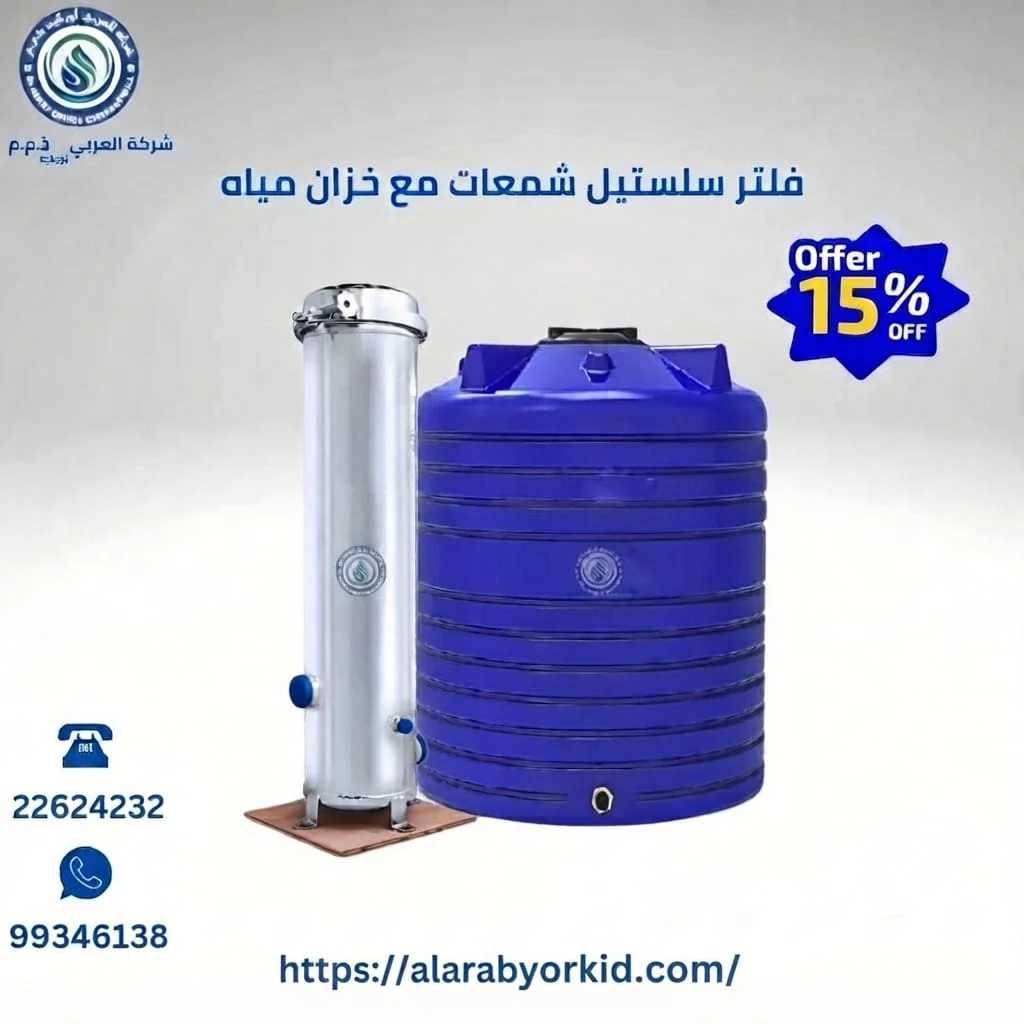
When you feel that your water filter cartridges need replacing, do not rely only on the cartridge color or the number of months it has been installed. A cartridge may reach the end of its useful capacity early because of high water consumption or heavy sediment, while another cartridge may last longer because household usage is lower and incoming water is cleaner. Organizations such as NSF explain that replacement intervals vary by product and may be specified by time or by the volume of water treated, while filter manufacturers consider reduced flow and changes in taste or odor important signs that a cartridge may need replacement before the expected date. Al Arabi Orchid currently provides replacement services for sediment, carbon, and charcoal cartridges as well as maintenance for stainless multi-cartridge filtration systems. This article explains how to recognize when a cartridge has genuinely reached the end of its service life and when the real problem may be elsewhere in the water system.
Water Filter Cartridges Need Replacing
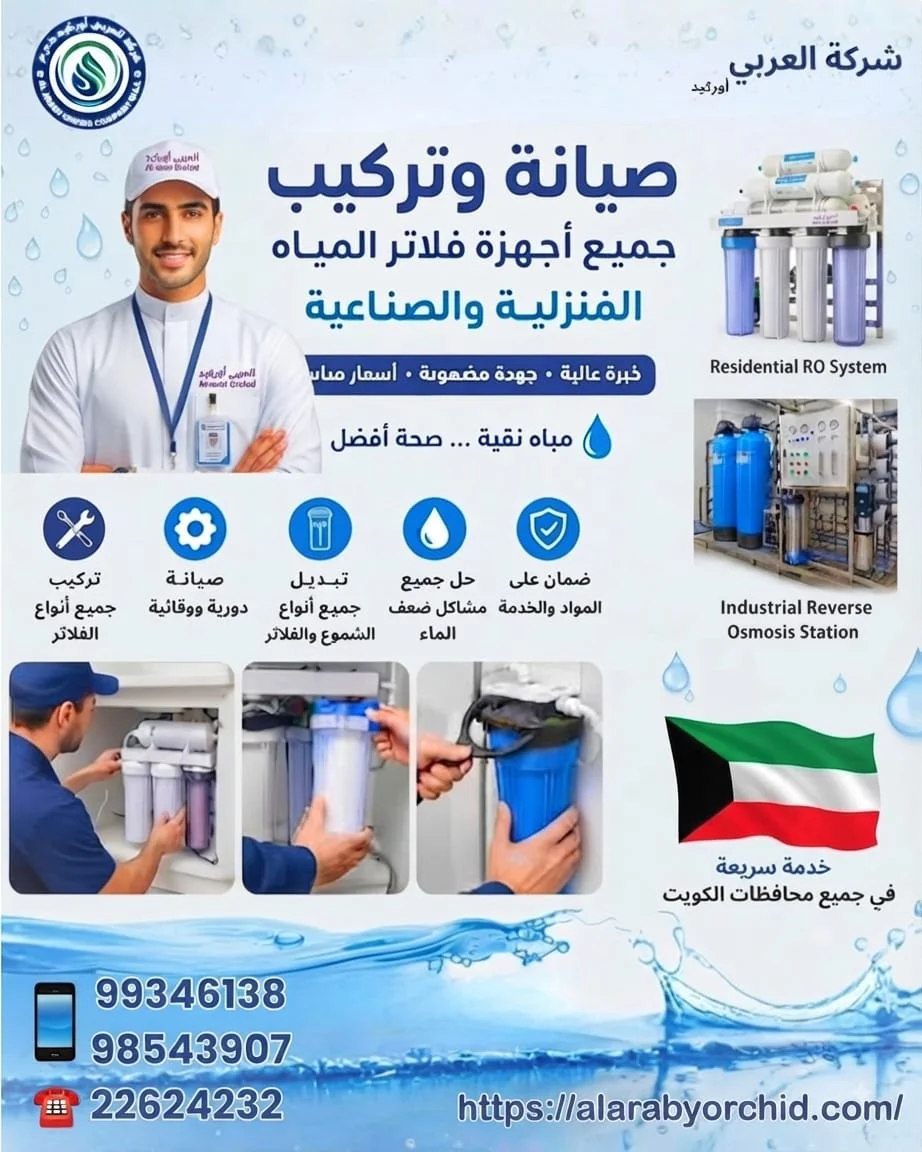
When you say water filter cartridges need replacing, the first thing to determine is what has changed in the filter’s performance compared with its normal operation. Has water flow from the faucet gradually become slower? Has pressure after the filter become lower than before? Has a taste or odor returned that the filter previously reduced? Or has the cartridge reached the maximum time or treatment capacity specified by the manufacturer? These indicators are much more useful than simply looking at the cartridge color.
NSF explains that home water-treatment systems usually have a defined service cycle, which may be based on gallons or liters treated or on a certain number of months. It recommends replacing the cartridge according to the manufacturer’s instructions so the system continues performing the reduction claims it was designed for. NSF also warns against assuming that any cartridge with a similar size is automatically a suitable replacement. A small difference in fit or design can allow water to bypass the filtration media instead of passing through it properly.
From a practical performance perspective, manufacturers such as Pentair explain that replacement frequency depends on incoming water quality and the amount of water used. Water containing more sediment can shorten cartridge life significantly. Reduced flow or an unusual taste can also indicate that the cartridge should be replaced even if the expected calendar interval has not yet been reached.
There is another important point: if you have a three-stage system, it does not mean all three cartridges necessarily reach the end of their service life at the same time. The first sediment cartridge receives most of the dirt, rust, and suspended particles, while a carbon cartridge performs a different function related to chlorine, taste, or odor depending on the product design. Replacing a “full set” every time without checking the filter design is not a technical rule that applies to every filtration system.
Al Arabi Orchid currently works with 3-stage and Jumbo filters using sediment, carbon, and charcoal cartridges, as well as stainless Nano, Aqua, and Panther systems containing several cartridges. This makes it important to know the cartridge type and its location within the system before deciding when replacement is required.
-
A cartridge should be considered for replacement when it reaches the manufacturer’s time or water-volume limit even if it does not look visibly damaged
-
Gradual reduction in water flow after the filter is an important warning especially for sediment cartridges that trap dirt inside their pores
-
The return of a taste or odor that a carbon cartridge previously reduced may indicate that its treatment capacity has been exhausted
-
Not every stage in a filtration system has the same service life so follow the exact model instructions instead of replacing everything on one general schedule
-
Use a replacement cartridge that matches the required specifications because similar appearance and size do not guarantee proper sealing or filtration
When Should Water Filter Cartridges Be Replaced?
When should water filter cartridges be replaced? The most accurate answer is when the first of three limits is reached: the manufacturer’s recommended time interval, the rated water-treatment capacity, or a clear decline in performance before either limit is reached.
NSF explains that service cycles vary by product. Some systems specify a number of months, while others specify how much water can be treated before replacement. This is extremely important because a home with two people does not use the same amount of water as a household with seven people even if both use the exact same filter. The larger household can reach the cartridge’s capacity much sooner.
Replacement schedules also vary considerably even within the same manufacturer. Some under-sink filters may have suggested replacement intervals of around 6 to 12 months depending on the cartridge and operating conditions, while other models may use annual replacement or a specific water-volume rating. Larger cartridges can also have different service lives from smaller versions of the same family. These examples show the principle, not a universal timetable that should be copied to every filter in Kuwait.
Some manufacturers also specify replacement every six months or when rated capacity is reached, whichever comes first, with earlier replacement recommended if water flow drops noticeably. This demonstrates an important rule: the calendar should never be treated as more important than actual performance deterioration.
In Kuwait, sediment in the storage tank, plumbing maintenance, or a sudden increase in debris after tank cleaning can shorten the life of the first-stage sediment cartridge considerably. If the manufacturer’s schedule suggests six months but flow has dropped severely after three months, it would not make sense to continue using the same cartridge simply because three months remain on the calendar.
-
Replace a cartridge when the manufacturer’s time limit or rated capacity is reached if the product instructions specify whichever comes first
-
Do not copy a six-month interval from one brand to another because service life depends on cartridge design capacity and water quality
-
High-consumption homes reach cartridge capacity faster even when the number of calendar months is the same
-
Heavy sediment in the incoming water can make the first-stage cartridge require replacement earlier than the later filtration stages
-
If water flow falls noticeably before the expected replacement date inspect the system rather than continuing only because the scheduled date has not arrived
Signs of Damaged Filter Cartridges
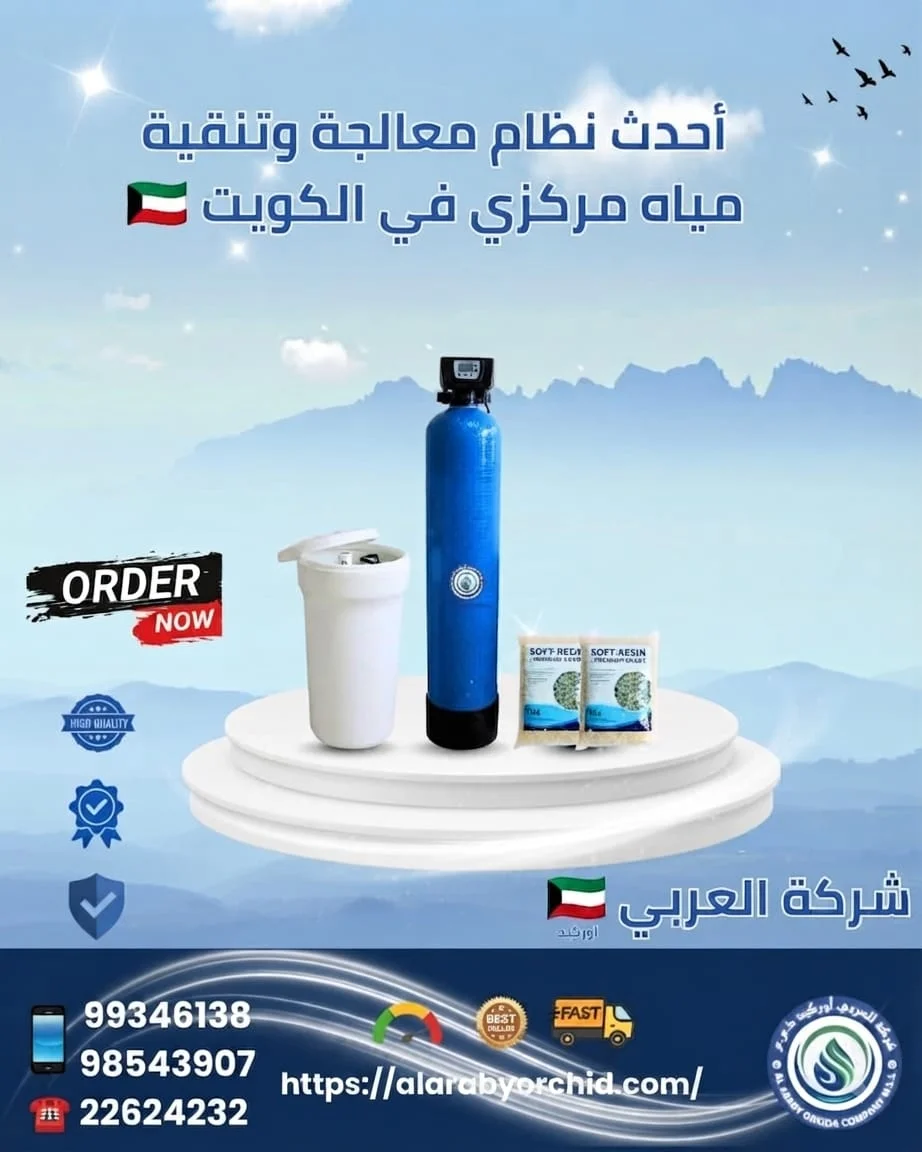
Signs of damaged filter cartridges are not limited to the cartridge turning brown or black. Some sediment cartridges change appearance clearly as they collect dirt, while carbon cartridges may lose treatment capacity without any visual change that the user can reliably judge.
The first major sign is reduced water flow. Manufacturers such as Pentair identify lower flow as an important indication that a cartridge may need replacement, and other filtration instructions also recommend changing the cartridge early when a noticeable reduction in flow occurs. The reason is simple: the pores and filtration surfaces gradually fill with trapped sediment and particles, increasing resistance to water movement.
The second sign is a change in taste or odor. Carbon cartridges are often designed to reduce chlorine taste and odor or similar aesthetic concerns, depending on the exact model. If a taste or smell that was previously reduced begins to return, the cartridge may have reached the end of its useful adsorption capacity.
The third sign is a change in water appearance or the presence of visible particles in filtered water when the system had previously produced stable results. However, the source of the change must be identified carefully. If the entire home suddenly experiences a change in water color, the problem may be the incoming water source or storage tank rather than the cartridge itself.
The fourth sign is a noticeable pressure difference before and after the filter. A growing pressure drop across the cartridge can indicate that the media has become heavily loaded. If a new cartridge is installed and the same pressure loss remains, the problem may lie in the valves, plumbing, or filter housing rather than the cartridge.
-
Gradual reduction in flow is one of the strongest signs that sediment has accumulated inside the filter media
-
The return of taste or odor that carbon previously reduced deserves a review of cartridge age and treated-water volume
-
Water discoloration or unexpected particles require checking whether the issue begins before or after the filtration system
-
Pressure difference across the filter can provide stronger evidence than cartridge color alone
-
If replacing the cartridge does not restore normal flow investigate valves pipes or the filter housing instead of repeatedly replacing good cartridges
Water Filter Cartridge Lifespan
Water filter cartridge lifespan is not one fixed number because manufacturers calculate service life under particular water-quality, flow, and usage conditions. Cartridge replacement frequency depends directly on how much water is treated and how much sediment or other material the filter is required to capture.
Even within one brand, service life can vary significantly. Some cartridges may have annual replacement recommendations but very different total water capacities. One model may treat a relatively modest amount of water, while another may handle several times more before reaching its rated limit. This shows why the word “annual” alone is not enough; capacity and exact model matter.
Larger whole-home cartridge systems can also have different schedules. A shorter cartridge might have a service life of several months or a specific gallon capacity, while a longer version may be designed for a larger volume and a longer interval. Even two filters from the same product family can therefore have very different replacement requirements.
The best approach in a home is to record the installation date, cartridge type, approximate usage, and any changes in flow or pressure. After two or three replacement cycles, you begin to understand the real pattern in your own property. If the sediment cartridge repeatedly becomes restricted after around four months, that history is more useful than relying only on a general market recommendation.
Changes in incoming water quality also affect cartridge life. After water-tank cleaning, plumbing work, or an unusual increase in sediment, a new cartridge may receive a much heavier load than normal and therefore need inspection earlier than expected.
-
The service life printed on the product is based on defined operating conditions and is not a guarantee that performance will remain unchanged until the final day
-
Rated capacity in liters or gallons is as important as the number of months especially in high-consumption households
-
Different cartridge types within the same system can reach the end of service at different times because each stage performs a different job
-
Record every replacement date so you can create a realistic maintenance pattern for your own home
-
A major change in incoming water quality can shorten cartridge life even when the filter element is relatively new
Replacing Home Water Filter Cartridges
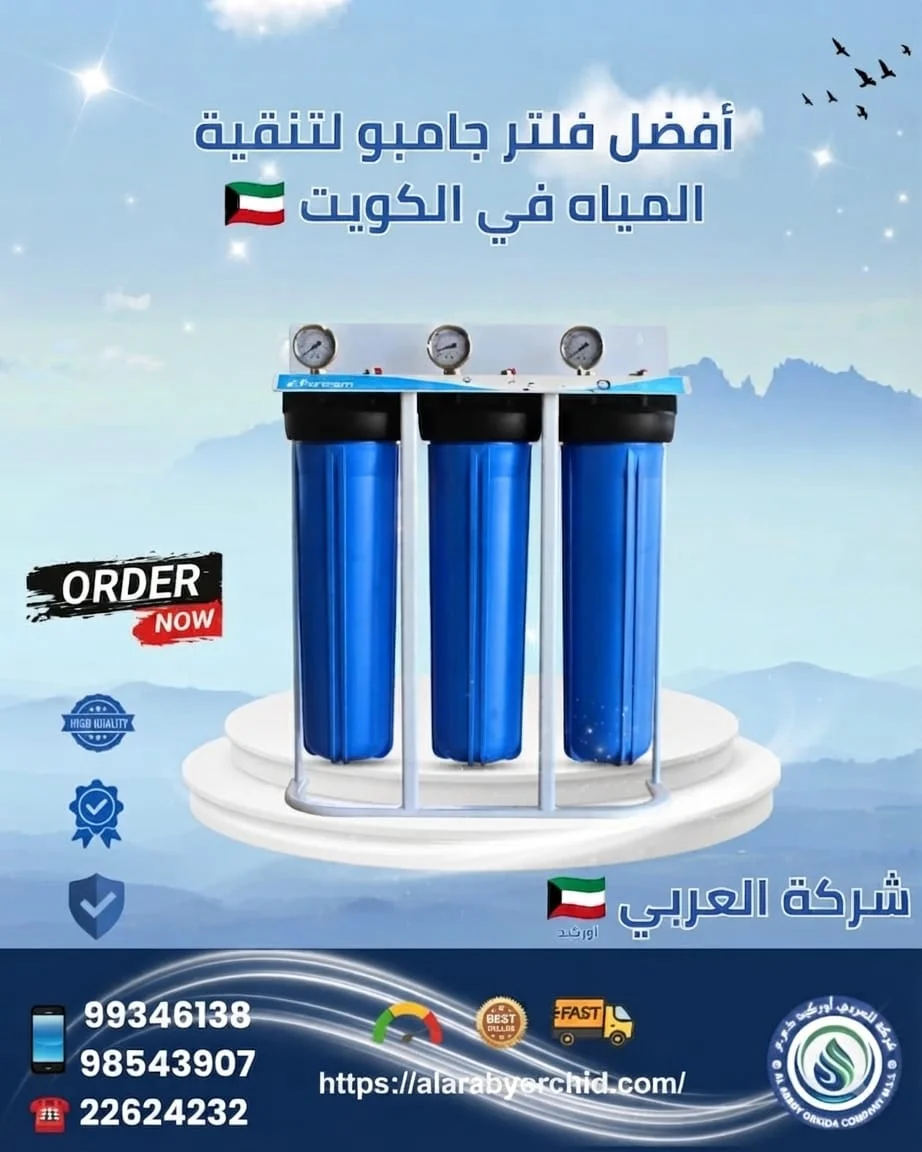
Replacing home water filter cartridges should be done in a way that keeps the system clean and prevents leaks after maintenance. The problem is not only using the wrong cartridge. Opening and closing the filter housing without inspecting the seal or cleaning the sealing surface can create a new leak.
NSF recommends using the correct replacement cartridge and explains that filters are not automatically universal. A cartridge may appear to fit inside the housing but still allow water to flow around the filtration media if it does not seat properly.
Before replacement, the incoming water should be shut off and pressure should be relieved from the filter housing. Manufacturer instructions commonly require isolating the water supply and releasing pressure before opening the housing. The O-ring should also be inspected, cleaned, lubricated where permitted, or replaced if damaged according to the specific product instructions.
After installing the new cartridge, some systems require an initial flushing period. This can remove loose carbon fines or manufacturing residues and prepare the filtration media for normal use. There is no universal flushing time for every filter, so the exact cartridge instructions should be followed.
Al Arabi Orchid currently provides replacement of sediment, carbon, and charcoal cartridges for 3-stage and Jumbo filters as well as cartridge replacement for stainless multi-cartridge systems. When requesting service, it is therefore better to provide the filter type and number of cartridges rather than simply saying, “I need a filter change.”
-
Use the correct replacement cartridge so water passes through the filtration media instead of bypassing it
-
Shut off the water and relieve pressure before opening the filter housing to avoid sudden water discharge and unnecessary difficulty
-
Inspect the sealing O-ring and clean the contact surface because a post-service leak may come from the seal rather than the housing itself
-
Perform the required initial flushing if the cartridge manufacturer specifies it before using the water for drinking
-
After replacement restore the water gradually check carefully for leaks and confirm that normal flow has returned
Water Filter Cartridge Replacement Schedule
The best water filter cartridge replacement schedule is a schedule built around your exact model rather than a generic chart saying “sediment every three months and carbon every six months” for every filter.
NSF explains that service cycles vary from one product to another and may depend on time, treated-water volume, or both. This means the maintenance plan should begin with the specifications of the installed cartridge rather than with a general internet timetable.
A practical schedule can include five fields: cartridge type, installation date, manufacturer’s maximum interval or rated capacity, flow or pressure reading at installation, and the next inspection date. This turns the schedule from a simple calendar reminder into a performance record.
Manufacturer examples help illustrate the concept. Some cartridges are rated for around six months or until a specified capacity is reached. Others may be listed for 6 to 12 months depending on incoming water and consumption, while certain cartridges use annual replacement intervals. The important point is that these differences exist even among well-known manufacturers, so one timetable cannot be applied universally.
If your filter has several stages, each cartridge can be recorded separately. The first sediment stage deserves closer monitoring for pressure and flow because it often carries the greatest particulate load, while carbon stages may be monitored according to time, water capacity, and changes in taste or odor depending on their design.
In a high-consumption household, it can be more useful to think in liters or gallons than in months whenever the manufacturer publishes a treatment capacity. A household may process in four months the amount of water another household uses over an entire year.
-
Build the replacement schedule from the actual model instructions rather than general intervals applied to every filter
-
Record the installation date for each cartridge separately because different stages may not reach the end of service at the same time
-
Add a note about flow or pressure when the cartridge is new so later performance can be compared objectively
-
If the manufacturer publishes a water-capacity rating use it together with time rather than relying only on the calendar
-
Write the replacement date on the cartridge label or in your phone so service life never becomes a guess
Low Water Flow Caused by Filter Cartridges
Low water flow caused by filter cartridges happens when resistance inside the cartridge increases as sediment and particles accumulate. The result is lower flow after the filter even when pressure before the filtration system may remain normal.
Filter manufacturers identify a noticeable reduction in pressure or flow as one possible sign that a cartridge has reached the end of its useful life. If pressure remains low even after installing a new cartridge, the next step should be checking the wider system rather than continuing to replace filters.
The most useful test is comparison rather than guesswork. If pressure gauges are installed before and after the filter, compare both readings while water is flowing. If the pressure difference becomes significantly larger than it was with a new cartridge, the likelihood of cartridge restriction increases.
If no pressure gauges are available, you can still compare faucet flow before and after cartridge replacement in a controlled way. A clear improvement immediately after replacement strongly suggests that the old cartridge was part of the restriction.
However, do not blame the cartridge for every case of weak water flow. An inlet valve may not be fully open, the filter housing may contain another restriction, the booster pump may be weak, or the incoming network pressure may already be low. In a multi-stage system, a single cartridge can sometimes create most of the pressure loss.
Cartridge construction also matters. Some filter designs are specifically engineered to retain dirt while reducing pressure loss through much of their service life. This means two cartridges with the same external size can produce very different flow behavior.
-
Gradual reduction in flow as the cartridge ages is more suspicious than a sudden whole-house pressure drop that occurred in one day
-
Compare pressure before and after the filter during actual water use to determine whether the restriction is inside the cartridge
-
If flow improves immediately after replacement the old cartridge was clearly contributing to the resistance
-
If weak flow remains after a new cartridge inspect valves pump performance and plumbing instead of replacing another cartridge
-
Higher-precision filtration can create different resistance characteristics so the cartridge must match the flow requirements of the system
Water Taste Changes Because of Filter Cartridges
Water taste changes because of filter cartridges can be an important performance clue, especially with carbon cartridges designed to reduce chlorine taste and odor or other aesthetic characteristics depending on the product.
Carbon cartridge manufacturers often identify taste and odor changes as signs that replacement may be required. Some filter instructions also list changes in taste, color, or flow as indicators that the cartridge may have reached the end of useful service.
However, accuracy matters here: not every new taste means the carbon cartridge has failed. If the water taste suddenly changes throughout the entire property, including before the filter, the source may be the incoming supply or the storage tank. The correct approach is to compare conditions before and after the filtration system where possible and safe.
After installing a new carbon cartridge, some systems may initially release a small amount of loose carbon fines if the required flushing process has not been completed. This is not the same as an exhausted cartridge. It is another reason why following the manufacturer’s flushing instructions is important.
Most importantly, taste is not a complete safety test. A cartridge can reach the manufacturer’s rated capacity without producing a dramatic change that the user can detect with the senses. Replacement schedules and capacity ratings should therefore remain the main reference, while taste and odor serve as additional performance indicators.
-
The return of a taste or odor that carbon previously reduced is a useful reason to review cartridge age and treatment capacity
-
A sudden taste change throughout the entire water network should lead to inspection of the source and storage tank rather than blaming the filter immediately
-
A new carbon cartridge may require flushing according to manufacturer instructions before the water taste is evaluated
-
The absence of bad taste does not prove that a cartridge remains within its rated treatment capacity
-
Use taste and odor as additional indicators together with installation date and rated capacity rather than relying on them alone
Water Filter Cartridge Maintenance
Water filter cartridge maintenance usually does not mean washing a disposable cartridge and reusing it indefinitely. Many common cartridges are designed for replacement rather than repeated cleaning, so the exact cartridge instructions should determine whether it is washable or disposable.
Maintenance starts with the filter housing, seals, and connections. Whenever a cartridge is replaced, inspect the O-ring, clean the permitted parts of the housing, and lubricate or replace the seal when required by the manufacturer. Poor seal condition can turn a routine cartridge replacement into a leak.
The second part of maintenance is keeping a service record. Writing the replacement date on the cartridge or recording it electronically is a simple but highly useful practice because it prevents the actual service age from being forgotten.
The third part is monitoring incoming water quality. If the storage tank contains heavy sediment, repeatedly replacing cartridges without addressing the source means the household will continue paying for unusually short cartridge life. In some cases, the tank needs cleaning, or a larger preliminary sediment stage may be required before a finer filter.
The fourth part is avoiding unknown cartridges simply because they physically fit. A cartridge that does not match the intended system can allow bypass or fail to provide the same tested filtration performance.
Al Arabi Orchid currently provides periodic cartridge replacement and maintenance for sediment, carbon, charcoal, and stainless multi-cartridge filtration systems.
-
Treat disposable cartridges as components with a defined service capacity and do not wash and reinstall them unless the manufacturer specifically says they are reusable
-
Clean the filter housing and inspect the seal during maintenance so cartridge replacement does not create a new leakage problem
-
Record the installation date and cartridge model so the correct replacement can be purchased during the next service
-
If cartridges repeatedly clog much earlier than expected investigate sediment at the water source instead of accepting constant early replacement as normal
-
Maintain the original cartridge specifications or use a documented compatible replacement because physical size alone does not guarantee filtration performance
Cost of Replacing Filter Cartridges
The cost of replacing filter cartridges does not have one fixed figure because it depends on the number of cartridges, their type, physical size, brand, filtration rating, and whether the service includes housing cleaning, seal inspection, installation, flushing, and leak testing.
As of August 27, 2026, Al Arabi Orchid currently states that it provides replacement of sediment, carbon, and charcoal cartridges for 3-stage and Jumbo filters as well as replacement cartridges for stainless Nano, Aqua, and Panther systems containing approximately 8 to 20 cartridges. However, it does not currently publish one separate fixed price for cartridge sets or replacement labor. It would therefore be inaccurate to invent a number and present it as an official service price.
Naturally, replacing three standard domestic cartridges is very different from servicing a stainless system containing 10 or 20 cartridges. A sediment cartridge also does not necessarily cost the same as a carbon cartridge, a specialized certified cartridge, or a reverse osmosis membrane.
When comparing service cost, ask about the cartridge price itself, service visit, housing cleaning, O-rings, flushing, and leak testing. A lower quotation may include only the cartridges, while another price may represent a full maintenance service.
It is also important not to replace a complete cartridge set unnecessarily if the filter design and manufacturer instructions allow different replacement intervals for different stages. A proper inspection can sometimes avoid replacing stages that still have useful life remaining.
For the current price from Al Arabi Orchid, contact 99346138 and provide the filter type, number of stages or cartridges, and model if known.
-
Al Arabi Orchid currently provides cartridge replacement services but does not publish one confirmed standalone service price on its website
-
Replacing three small cartridges naturally costs differently from replacing 8 10 or 20 cartridges in a stainless filtration system
-
Cartridge media filtration rating carbon type membrane design and brand all influence replacement-part cost
-
Ask whether the quotation includes cartridges installation housing cleaning seals and leak testing
-
Do not replace every stage automatically if the system instructions allow different service lives unless inspection confirms that the full set has reached the end of its service life
Conclusion
How do you know when water filter cartridges need replacing? The decision should not depend on one date or on cartridge color alone. The strongest approach combines manufacturer instructions, rated capacity, installation date, water-flow performance, taste or odor changes, and pressure difference across the filter.
NSF explains that service cycles vary by product and that cartridges should be replaced according to the manufacturer’s recommendations, whether those recommendations are based on months, gallons, liters, or another defined capacity. It also emphasizes the importance of using the correct replacement cartridge rather than simply choosing any product that appears to fit.
Filter manufacturers also explain that incoming water quality and usage directly affect cartridge life. Reduced flow or changes in taste can justify earlier replacement even before the expected calendar date.
For this reason, do not assume that “all household cartridges should be replaced every six months.” Some products genuinely use six-month intervals, others may use 6 to 12 months, some use annual replacement, and others depend primarily on a specific water-treatment capacity.
Al Arabi Orchid currently provides replacement of sediment, carbon, and charcoal cartridges as well as maintenance for several types of multi-cartridge filtration systems. For service, contact 99346138.
When requesting service, provide the filter type, number of stages, date of the last replacement, whether water flow has become weaker, and whether taste or odor has changed. Ask for cartridge inspection, seal inspection, and a flow or pressure comparison before and after the filter. This way, you replace the cartridges that have genuinely reached the end of their service life and determine whether the problem is actually inside the filtration system or somewhere else in the plumbing network.
Frequently Asked Questions
How do I know when a filter cartridge has reached the end of its life?
Monitor water flow, taste, odor, and whether the cartridge has reached the time or water-volume limit specified by the manufacturer. Reduced flow or the return of a problem the filter previously controlled can be important signs, but they should be considered together with the exact model schedule.
Do water filter cartridges have to be replaced every 6 months?
Not all of them. Some manufacturers specify six months for certain models, while others use 6 to 12 months, one year, or a defined water-treatment capacity. Always follow the instructions for the exact cartridge installed in your system.
Does weak water flow mean the cartridge needs replacement?
It can. Sediment accumulation increases resistance inside the cartridge and can reduce flow. However, if a new cartridge is installed and water remains weak, the network pressure, valves, filter housing, or booster pump should be inspected instead of continuing to replace cartridges.
Is cartridge color enough to determine replacement?
No. Color change can be useful with sediment cartridges, but it is not a reliable end-of-life indicator for every cartridge type. Carbon filters, for example, may reach treatment capacity without a dramatic visual change.
Does a change in water taste mean the carbon cartridge is exhausted?
It can be a strong indication if the cartridge is designed to reduce taste and odor and previously performed well. However, a change in the water source or storage tank can create the same symptom, so cartridge age, rated capacity, and incoming water conditions should also be considered.
Do all filter cartridges need to be replaced together?
Not necessarily. It depends on the filtration design and manufacturer instructions. Sediment, carbon, membranes, and additional treatment stages can all have different service lives and capacities.
Can I install any cartridge that has the same size?
It is better not to assume that you can. A cartridge that looks physically compatible may not seal correctly or may not provide the same filtration performance. Use the specified replacement or a documented compatible equivalent.
Should the filter housing be cleaned when cartridges are replaced?
Yes, according to the system instructions. The housing and O-ring should be inspected and cleaned as required, and the installation should be checked carefully for leakage after water is restored.
How much does it cost to replace water filter cartridges?
Al Arabi Orchid currently provides cartridge replacement services but does not publish one fixed standalone price for this work. Cost depends on the filter type, number of cartridges, cartridge media, size, brand, and maintenance work required.
How do I request cartridge replacement from Al Arabi Orchid?
Contact 99346138 and provide the filter type, number of cartridges or stages, date of the last replacement, and any symptoms you have noticed such as reduced flow or changes in taste or odor. Ask the technician to identify which cartridges have genuinely reached the end of their service life and to inspect the seals, filter housing, and system for leakage after installation rather than replacing components randomly.
