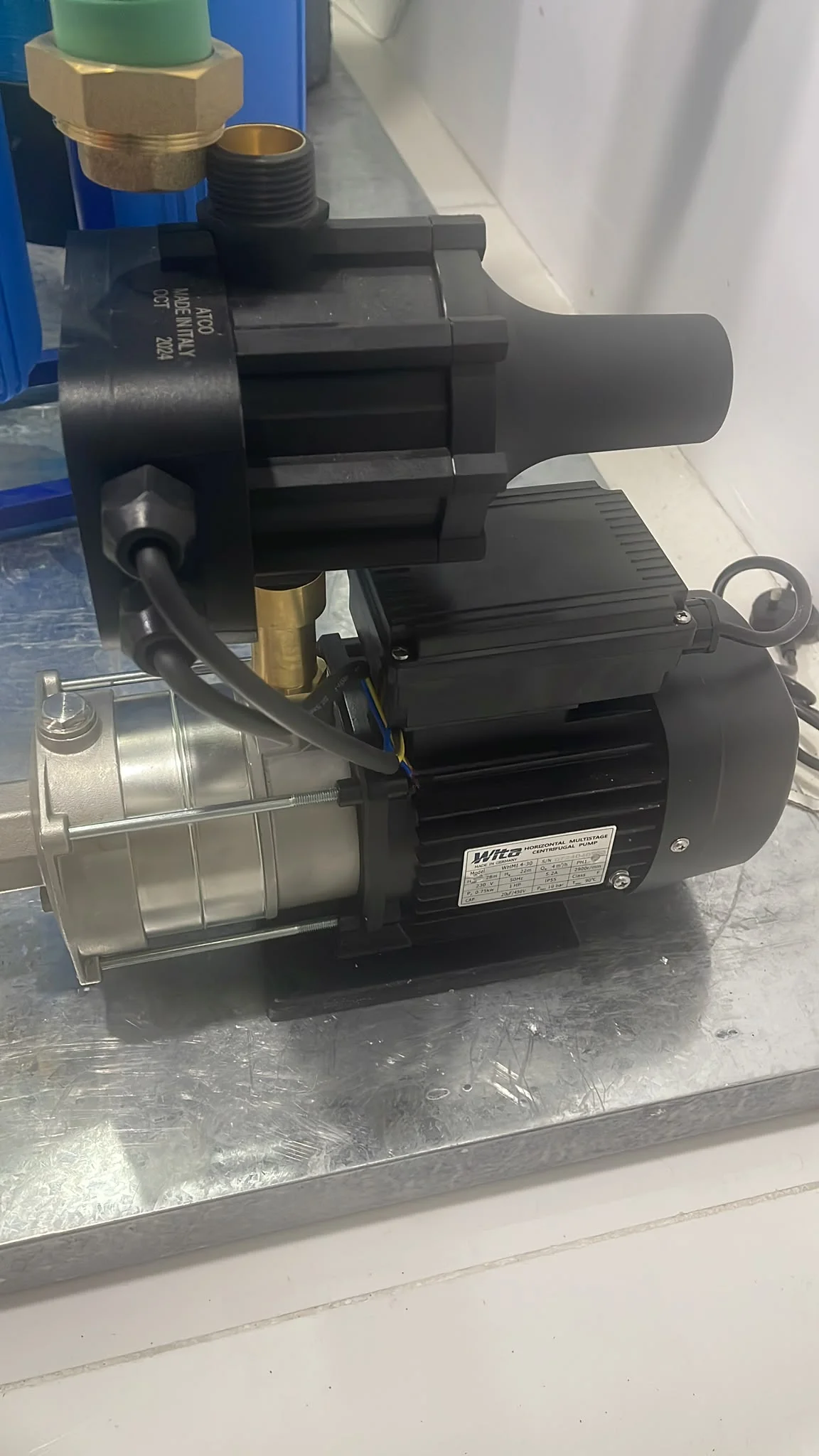
If you have a basement or collection pit in Kuwait, do not choose the pump based only on its appearance, the word stainless steel, or the highest motor power available. The first question should be: what type of water will enter the pump? Groundwater, leakage, wash water, or rainwater is completely different from bathroom sewage containing waste, fibers, and materials that can block the impeller or discharge pipe. After identifying the liquid, the pit depth, pumping height, pipe length, pipe diameter, and expected incoming flow should all be considered. A grinder pump can be an excellent solution in the right application, but it is not a replacement for every drainage pump. Correct selection starts with the liquid, solids, required flow, total head, and control method before focusing on horsepower or price.
Basement pump in Kuwait

Choosing a basement pump in Kuwait starts by identifying what actually collects in the basement because the word basement alone does not determine the type of pump required. The problem may involve leakage water, cleaning water, or relatively clean drainage, in which case a submersible drainage pump may be closer to the real application. In other properties, the pit receives sewage from a bathroom or other facilities located below the level of the main sewer line, which requires a different type of pump designed to handle wastewater and solids.
This distinction is important because drainage pumps do not necessarily have the same solids-handling capability as sewage pumps. If a pump intended for relatively clean water is installed in a pit containing waste and fibers, repeated clogging may begin shortly after installation instead of the original problem being solved.
Once the water type is known, the required head should be calculated. If the pump sits at the bottom of a basement pit and must lift water several meters before sending it through a long horizontal discharge pipe, the selected model must still deliver the required flow at that actual head. Motor horsepower alone is not enough because pump performance changes as elevation and pipe resistance increase.
Pit size also matters. A small pit receiving water intermittently is different from a pit that fills rapidly. The dimensions affect whether the float switch has enough room to move properly and whether the pump can run for a reasonable period instead of switching on and off repeatedly.
The start and stop levels also need attention because a submersible pump must operate within the water levels specified for its design. A float installed in a tight space or positioned too close to pipework can become trapped and fail to start or stop the pump correctly.
For example, a basement collecting water from a floor drain without toilet waste does not automatically need a grinder pump. A suitable drainage pump designed for the expected particles may provide a simpler and more appropriate solution. If the same pit also receives toilet sewage, then a sewage or grinder pump may become more relevant depending on the waste, pipework, and discharge arrangement.
-
The type of water inside the basement should be identified before choosing the pump because leakage and light drainage are technically different from sewage containing solids and fibers
-
Motor power should not be selected alone because the pump must provide the required flow after vertical lift pipe length and resistance have been included
-
Pit dimensions and float-switch position affect cycling because a confined space can cause frequent starts and stops even when pump capacity is correct
-
Using an ordinary drainage pump with sewage containing waste can increase the risk of blockage because impeller design and free passage differ from sewage-pump designs
-
Installing a grinder pump where it is not needed is not automatically better because relatively clean basement drainage may be served more appropriately by a simpler drainage pump
-
A proper site assessment identifies the liquid type required head and inflow rate before comparing brands or prices because these conditions determine whether the pump will work correctly after installation
Sewage grinder pump
A sewage grinder pump differs from an ordinary wastewater pump because it includes a cutting mechanism at the inlet that reduces the size of certain solids and fibers before they enter the pumping path. This type can be particularly useful where domestic sewage must be transferred through a pressurized discharge line or where a smaller-diameter pressure pipe forms part of the system design.
The important point is that a grinder does not mean the pump can safely process anything thrown into the pit. Domestic sewage is different from a pit containing large amounts of sand, gravel, metal objects, heavy debris, or materials that should never enter a drainage system in the first place. Grinder pumps are designed for particular wastewater conditions, not as universal shredders.
The required flow rate should then be considered. A small grinder pump installed in a pit receiving wastewater faster than the pump can discharge it will still allow the water level to rise even if the cutting system itself works perfectly. Conversely, an excessively large pump in a very small pit may create short operating cycles depending on the control arrangement.
Total head is equally important. If the discharge pipe rises from the basement and then continues horizontally through several bends and a non-return valve, each of these elements adds resistance. The pump must overcome that resistance while still providing the required wastewater flow.
Maintenance access is another point that is often ignored. The installation should allow the pump to be isolated and serviced without unnecessary entry into the sewage pit. Sewage pits involve biological contamination and may contain dangerous gases, so entering them is not a normal household maintenance task and should only be done under appropriate professional procedures.
-
The grinding mechanism reduces the size of certain solids and fibers before pumping but it does not justify disposing of unsuitable objects into the sewer system
-
Large amounts of sand change the pump requirement because grinder pumps are not automatically the ideal choice for abrasive high-sand applications
-
Pump capacity must be able to keep up with the incoming sewage flow so the pit level does not continue rising during peak use
-
Vertical lift discharge-pipe length bends and valves all contribute to total resistance so pump selection should be based on the real operating point rather than motor power alone
-
The pit should allow the float or level sensor to operate freely and should provide practical access for maintenance
-
Opening a sewage pump or entering a sewage pit is not a household experiment because electricity contamination and potentially hazardous gases require professional handling
Pit pump in Kuwait
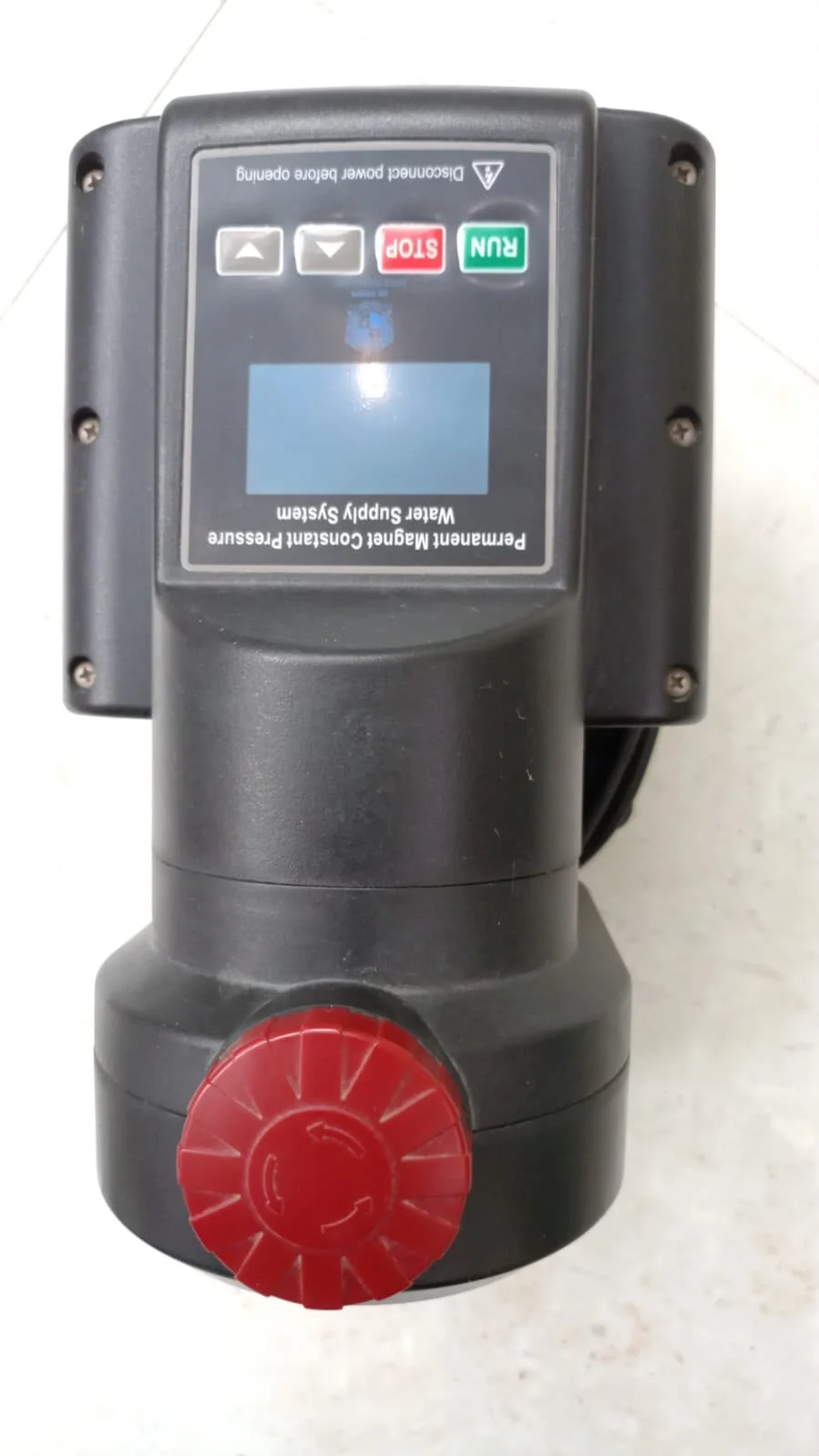
Choosing a pit pump in Kuwait first depends on the purpose of the pit because not every pit in a house or building collects the same type of water. Some pits collect basement drainage or wash water while others receive toilet sewage. In some installations, several sources may even discharge into the same pit. Identifying this correctly prevents buying a high-quality pump that is still unsuitable for the actual liquid.
If the pit handles relatively clean water with limited debris, a submersible drainage pump with suitable solids passage may be sufficient. Pumps designed for drainage and grey water differ from pumps intended for domestic sewage in the size and type of solids they can handle.
If the pit receives toilet sewage, however, the pump should be designed for sewage service or use a grinder where the system design requires one. Installing a clean-water pump in this situation can cause repeated blockage or impeller jamming even when the motor itself is powerful.
The level of the pit relative to the main sewer should then be considered. If the property is below the sewer level, the pump must lift wastewater high enough to enter the drainage network correctly. The calculation should include not only direct vertical elevation but also pipe length and friction losses.
A non-return valve is important in many discharge systems because it prevents water already pumped into the pipe from flowing back into the pit after the pump stops. Its position and arrangement should be part of the overall design rather than added randomly.
The water-level control system also requires attention. A float switch needs enough space to move freely and should not be trapped between the pump and the pit wall. If it sticks in the low position, the pump may fail to start. If it sticks in the high position, the pump may continue running abnormally.
Where pump failure could allow sewage or drainage water to rise into a basement, a high-level alarm or backup arrangement may also be worth considering depending on the importance of the location and expected inflow.
-
The type of pit determines the pump category because a drainage pit containing light water is different from a pit receiving toilet sewage
-
Solids passage or a grinder system becomes more important than simply increasing horsepower when the pit handles sewage
-
The level difference between the pit and discharge point together with pipe length determines the actual head the pump must overcome
-
A non-return valve helps prevent water in the discharge pipe from returning to the pit after shutdown but it forms part of a complete piping and control design
-
Float movement should be checked after installation because an excellent pump can still fail to start if the float is trapped or obstructed
-
Pits where overflow could damage the basement benefit from considering a high-level alarm or backup arrangement instead of relying on the main pump without any warning system
Basement drainage pump
Choosing a basement drainage pump depends on the type of water collected, the rate at which it enters the basement, and the elevation of the discharge point above the pump. If the water comes from washing, leakage, or floor drainage and does not contain toilet waste, a submersible drainage pump is often more appropriate than a grinder pump.
The amount and type of debris should still be considered. Some basement pits collect water containing light sand, dust, or small particles from the floor. The pump should be designed to pass the expected particle size without repeatedly clogging, but this remains a different duty from pumping domestic sewage.
The incoming flow rate should then be estimated under the highest expected condition. If water enters the pit faster than the pump can remove it, the water level will continue rising no matter how new the pump is. Peak inflow matters especially where a larger leak or sudden drainage event is possible.
Head is another essential factor. A basement pump may need to lift water several meters and then push it through a long horizontal line. Pipe length, bends, and valves reduce the flow available at the actual installation, so the model should be chosen according to its operating point rather than only its advertised maximum flow.
Pump location inside the pit affects maintenance and debris intake. If sediment settles at the bottom and the pump is positioned poorly, it may pull more debris into the impeller than necessary. Raising it excessively, however, may leave more water in the pit depending on the design and float settings.
The float switch or level sensor also needs enough room to operate because many basement-pump problems come from a float trapped against the wall or pipework rather than from the pump motor itself.
-
A basement drainage pump should be selected according to the actual liquid because ordinary drainage water does not automatically require a grinder system designed for sewage
-
Incoming flow should remain within the pump’s capacity at the real head so the pit level does not continue rising during peak water entry
-
Maximum flow printed on the pump is not necessarily the flow that will be available after elevation pipe length and bends are included
-
Sand or dirt changes the required impeller and solids passage even when the liquid is not technically sewage
-
Pump position inside the pit affects how much sediment reaches the impeller and how easily the pump can later be serviced
-
The float or level sensor requires a clear operating area because a trapped float can stop the entire drainage system even when the pump itself is fully functional
Choosing a wastewater pump
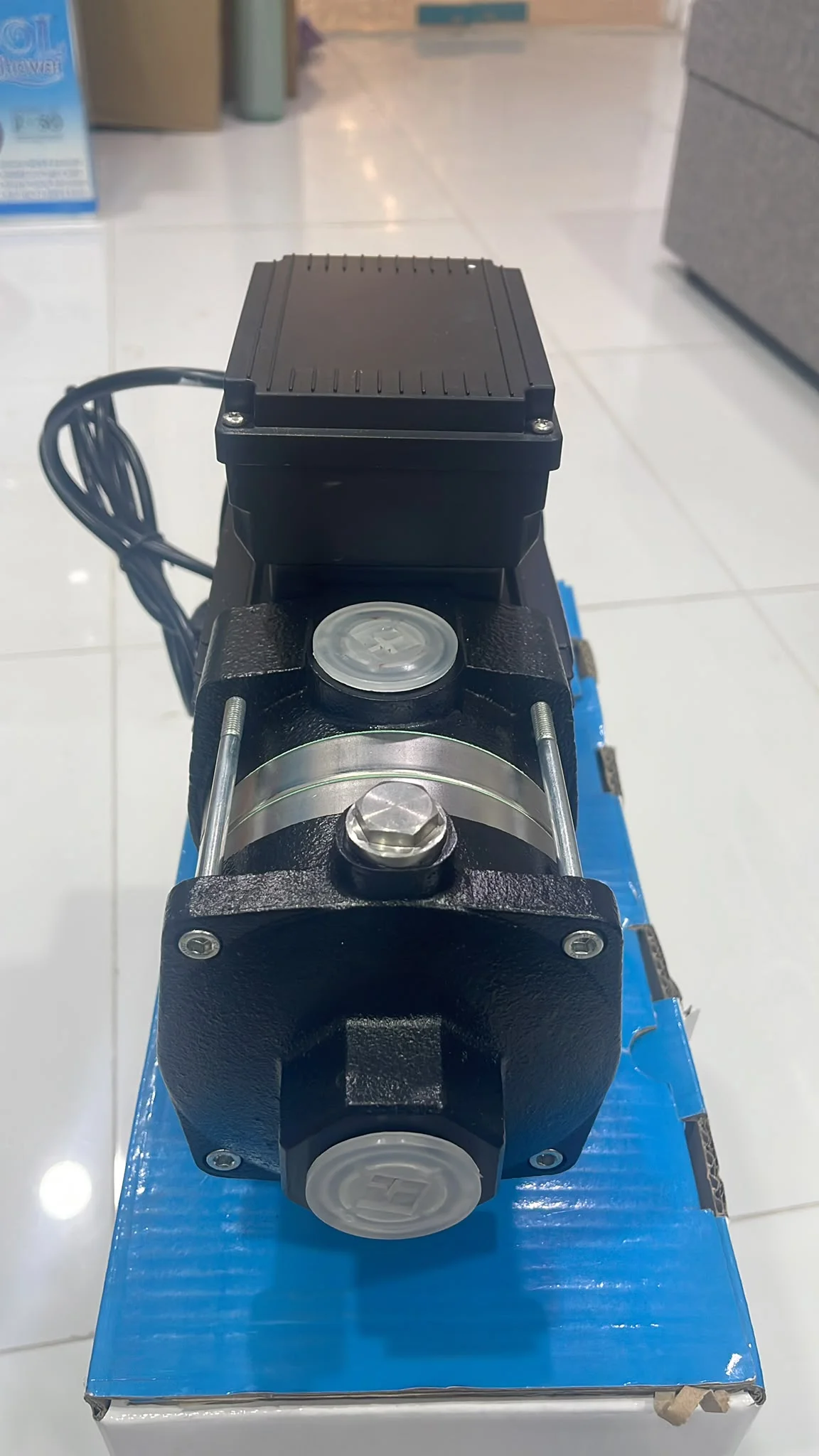
Choosing a wastewater pump starts by identifying whether the liquid is grey water or actual sewage because the term wastewater covers several different applications. Water from sinks and washing equipment is different from toilet sewage in the type of solids fibers and waste that may reach the pump.
Where solids or fibers are present, free passage and impeller design become more important than horsepower alone. A powerful pump with a narrow passage can clog more easily than a lower-powered model that is properly designed for the waste it receives.
The required head should then be calculated from the pump operating level to the discharge point. Vertical height is only part of the calculation because discharge-pipe diameter, pipe length, bends, and valves all create resistance and reduce available flow.
Incoming sewage flow also matters. A small household is different from a larger building where several bathrooms discharge into the same pit. If pump capacity falls below peak inflow, the wastewater level can rise precisely when the system is under its greatest load.
Impeller type or a grinder mechanism should be selected according to the materials and discharge system. A grinder can be very useful in some pressurized sewage systems, but it is not automatically the best choice for every domestic wastewater installation.
The control system should also be considered. The pump may operate through a float, level sensor, or control panel depending on the installation. Where failure could cause major damage, a high-level alarm may be more valuable than simply increasing motor horsepower.
Maintenance access is another part of selection. A sewage pump should be positioned so it can be inspected and removed practically because even a high-quality pump may require cleaning or service after extended operation.
-
Wastewater-pump selection begins by classifying the liquid because wash water is different from toilet sewage in the materials the pump must pass or process
-
Free passage and impeller design matter more than increasing horsepower when solids or fibers are the main concern
-
Total head includes vertical elevation and resistance through the discharge line so maximum flow and maximum head should never be considered separately
-
Peak inflow into the pit should be included so pumping capacity is not lower than the rate of accumulation during heavy use
-
A grinder should be selected when the network design and waste characteristics benefit from it rather than simply because it appears stronger than an ordinary sewage pump
-
Service access control design and a suitable alarm can be as important as the motor because reliable sewage operation depends on the complete system
Stainless steel sewage pump
Choosing a stainless steel sewage pump should not be based on casing material alone. Stainless steel can provide good corrosion resistance in many applications, but it does not determine whether the pump is genuinely suitable for sewage or for the solids present in the pit. The complete pump design matters, including the impeller, free passage, mechanical seal, motor, and grinding system if one is fitted.
This is important because some buyers see a stainless steel body and automatically assume that the pump is stronger and more suitable for sewage. It may indeed be an excellent sewage pump if the complete model is designed for that service, but another stainless steel pump may only be intended for cleaner drainage water. The external material cannot compensate for an unsuitable internal design.
The characteristics of the liquid should also be reviewed. If the wastewater contains significant amounts of abrasive material such as sand, wear becomes a different issue from ordinary corrosion. Sand can mechanically erode components over time even if the casing material has good resistance to corrosion.
Different grades of stainless steel may also be used in different models, but the decision should not be made from the material name alone. More important is whether the manufacturer classifies the model for the required application and specifies the type of liquid and solids it can handle.
The mechanical seal is another essential component because a submersible pump depends on its sealing system to protect the motor from water ingress. A strong housing does not provide a reliable pump if the sealing arrangement is not suitable for the operating conditions.
Impeller design is equally important. Some wastewater pumps use large free-passage impellers, some use cutters, and others are intended for cleaner water. The correct choice follows the actual pit conditions rather than the appearance of the casing.
Stainless steel also does not mean the pump becomes maintenance-free. Grease, fibers, and sediment can accumulate regardless of the casing material, so practical access for inspection remains important.
-
A stainless steel casing provides a material advantage but does not by itself prove that a pump is suitable for sewage or for the solids present in the pit
-
Impeller design free passage and the grinder system where fitted matter more than the external appearance when domestic sewage is being pumped
-
Sand and other abrasive materials can cause mechanical wear even when the pump casing itself resists corrosion
-
The manufacturer’s application classification is more important than relying on the word stainless steel as the only indicator of quality or durability
-
The mechanical seal is critical in a submersible pump because protection of the motor from water ingress depends on proper sealing
-
A stainless steel pump still requires inspection and maintenance because fibers grease and sediment can create problems unrelated to the casing material
Grinder pump for a basement
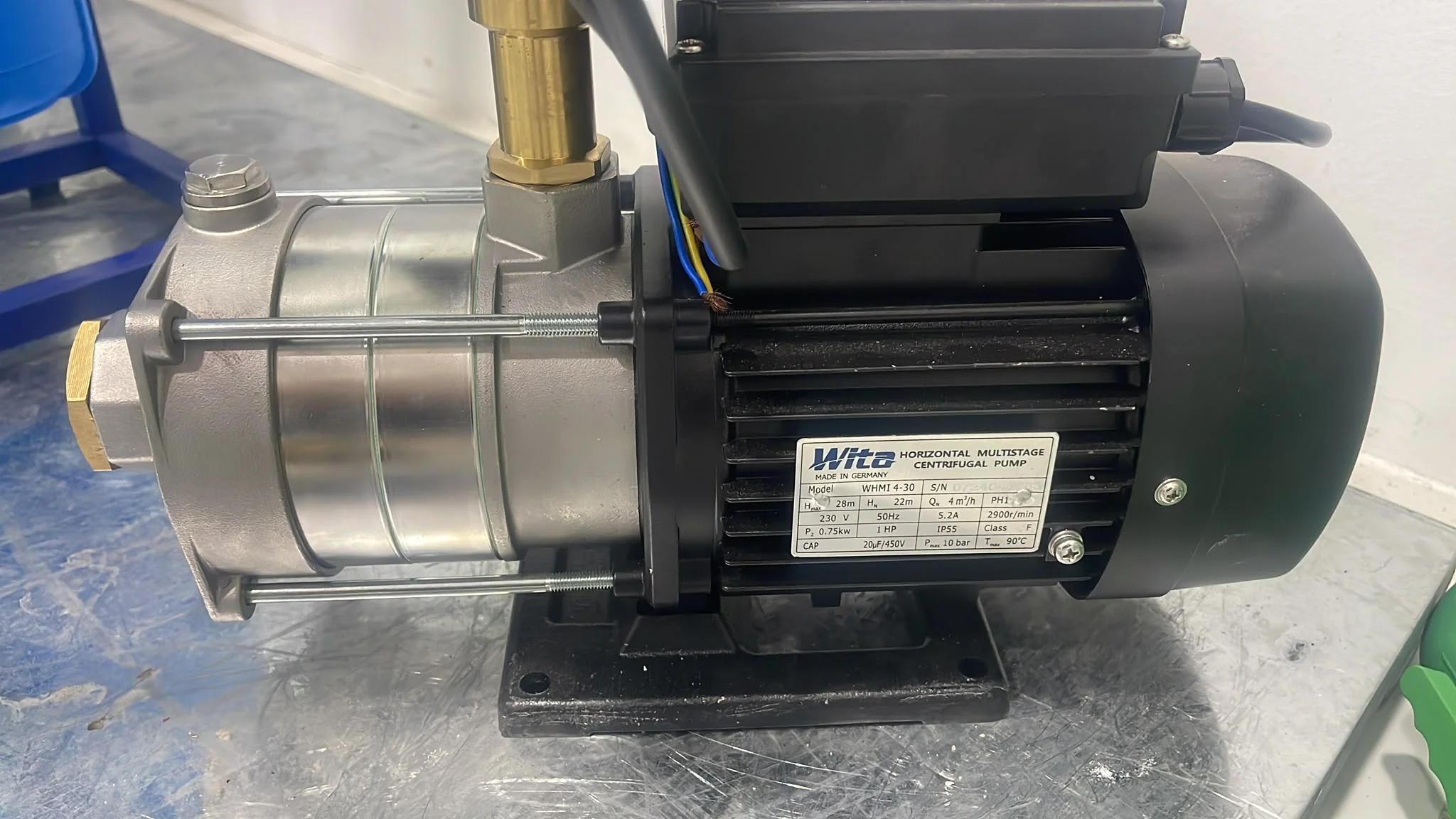
Choosing a grinder pump for a basement becomes logical when the basement contains a toilet, washbasin, or another sanitary fixture located below the main sewer level and wastewater must be lifted before it can enter the building drainage system. In that situation, the grinder pump becomes part of a sewage-lifting system rather than simply a pump for removing water collected on the basement floor.
This distinction matters because a grinder pump is designed to handle wastewater containing certain solids and fibers and to reduce their size before pumping. This can lower the risk of blockage in some pressure-discharge systems. If the basement collects only cleaning water or leakage without toilet sewage, a grinder may not be required at all and a drainage pump may provide a simpler solution.
Once the wastewater type is established, the required lift should be calculated. The height between the pit and the main sewer, together with discharge-pipe length, bends, and valves, determines the real operating conditions. A pump that appears powerful on paper may provide much less flow at the actual site head.
Pit size should also suit the pump and level control. A pit that is too small can cause frequent starting and stopping while an excessively large pit may hold wastewater longer than desired depending on the design.
Discharge-pipe sizing must follow the pump requirements. Reducing the pipe diameter or adding unnecessary bends can increase resistance significantly and move the pump away from its intended operating point.
Safety is especially important with sewage pits. No one should enter the pit or attempt internal blockage removal without proper equipment and professional procedures because of electrical hazards, biological contamination, hazardous gases, and possible oxygen deficiency.
-
A grinder pump is appropriate in a basement when sanitary sewage is below the level of the main sewer and must be lifted before entering the drainage line
-
Cleaning water or simple basement drainage does not automatically require a grinder because a suitable drainage pump may be more appropriate
-
Discharge-pipe length diameter and bends change actual pump performance so the model should be selected according to required flow and head together
-
Pit volume affects pump cycling and float movement and therefore should not be selected separately from the pump
-
Reducing discharge-pipe diameter without checking pump requirements can increase resistance and reduce flow even when the motor itself is powerful
-
Any work inside a sewage pit requires professional handling because electrical contamination and gas hazards make pit entry or internal dismantling unsafe for household maintenance
Pumping water from the pit
Pumping water from the pit is technically different depending on the type of liquid and the reason it collects there. A pit handling groundwater or wash water needs a different solution from one receiving sanitary sewage because each condition places different requirements on the impeller, solids passage, discharge pipe, and control system.
The first question is how quickly water enters the pit during the highest expected use. Pump capacity should be able to remove at least the incoming flow at the actual operating point. If water enters faster than the pump can remove it, the level will continue rising regardless of how new the pump is.
The operating level then needs to be set correctly. The float or sensor should start the pump before water reaches a dangerous level and stop it before the pump operates without sufficient water according to the model requirements. Poor level settings can cause overflow, dry running, or repeated short cycling.
A non-return valve is also important in many discharge lines because water remaining in the pipe can flow back into the pit after the pump stops. That returning volume raises the pit level again and can cause additional unnecessary pump cycles.
An isolation valve can make maintenance much easier by allowing the pump to be separated from the discharge pipe without having to drain or disturb the entire line. These details may look minor during installation but make a major difference when service is required later.
If the pit contains solids or fibers, the pump must be classified for them. If it contains large amounts of sand, an abrasive-resistant solution may be needed rather than assuming a grinder will solve every solids-related problem.
For sensitive areas such as a low basement containing equipment, storage, or valuable property, a high-level alarm can provide an important warning if the pump fails or loses power. Depending on risk, a backup arrangement may also deserve consideration.
-
Pumping from a pit begins with determining the incoming flow rate so pump discharge capacity remains adequate during peak accumulation
-
Start and stop levels should match the pit and pump so overflow dry running and excessive cycling are avoided
-
A non-return valve limits the amount of water flowing back from the discharge pipe and prevents additional pump cycles caused by pumping the same water repeatedly
-
An isolation valve makes maintenance more practical by allowing the pump to be disconnected from the discharge system
-
The type of material in the water determines whether the application needs a drainage sewage grinder or abrasion-resistant pump design
-
Locations where overflow could cause serious damage benefit from a high-level alarm or backup arrangement instead of relying on one pump with no warning
Drainage pump for a basement
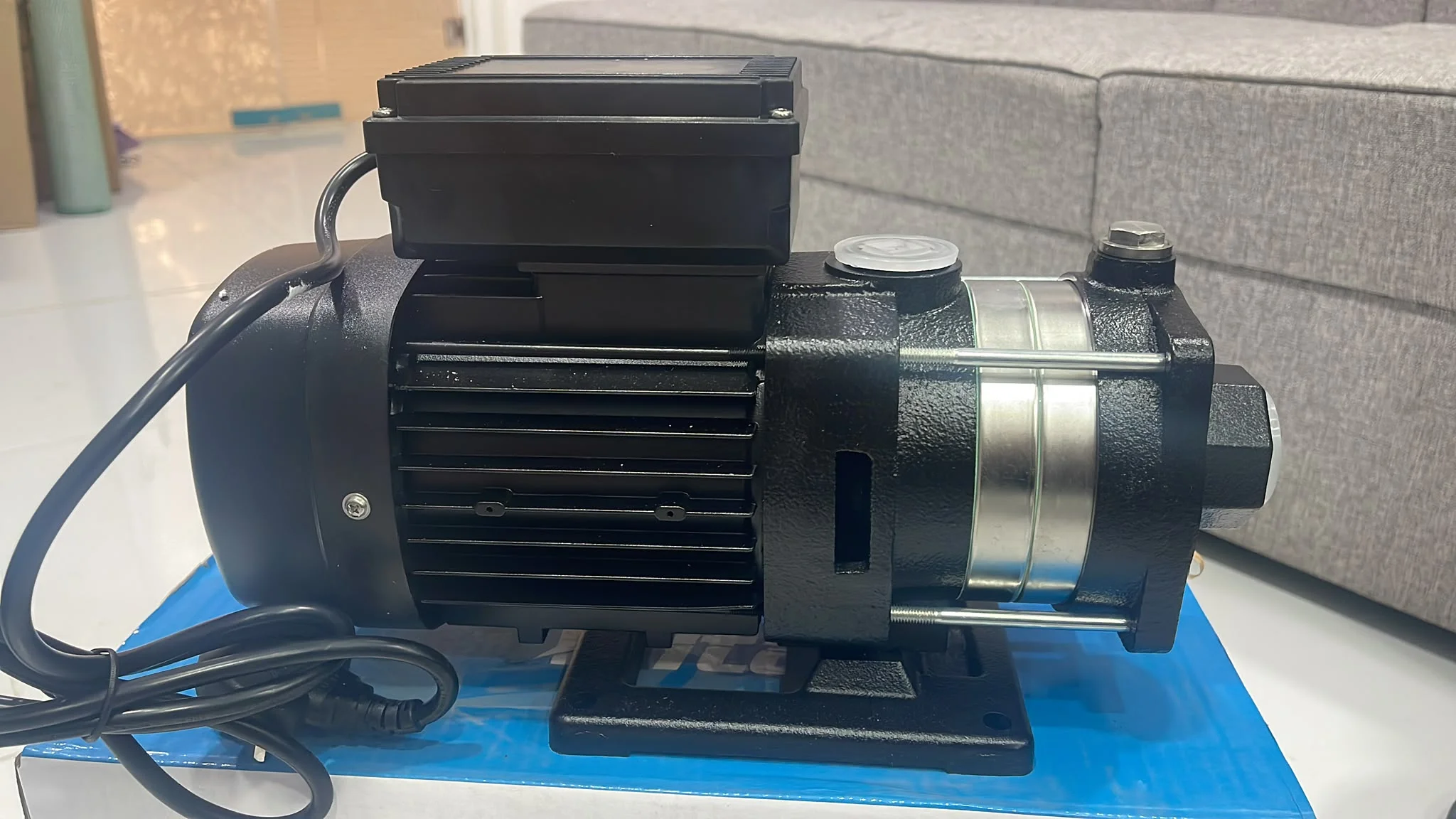
Choosing a drainage pump for a basement is usually appropriate where the problem involves accumulated water, leakage, washing, or floor drainage and the same pit does not receive toilet sewage. In this case, the requirement is for a submersible pump that can handle the expected debris and remove water quickly enough to prevent the basement level from rising.
One of the main differences from a sewage pump is that a drainage pump normally handles relatively cleaner water and smaller solids. Installing it in a sewage pit can therefore be a mistake even if the required flow and head seem suitable because the impeller and solids passage may not be designed for the same materials.
The minimum operating water level and maximum permitted particle size should also be checked for the actual model. These details become important in shallow pits or where the owner wants to reduce the amount of residual water after each pumping cycle.
Flow capacity should be based on the worst realistic inflow condition. If the basement can experience rapid water entry from a larger leak, selecting a pump only for light everyday drainage can leave the system undersized during an emergency.
The discharge line also needs a clear design. As elevation, pipe length, and the number of bends increase, actual flow decreases. Pumps should therefore not be compared only using liters per minute at zero head because that is not the performance the basement will actually receive.
Level-control type is especially important in small pits where a long float may not have enough room to move. A different sensor arrangement may be more suitable than installing a float that repeatedly becomes trapped against the wall.
Where a pump failure could damage basement flooring, equipment, or stored items, a high-level alarm or backup pump may become part of protecting the site rather than a purely optional extra.
-
A drainage pump is more suitable for accumulated wash leakage or floor-drain water that does not contain toilet sewage or large solids
-
The permitted solids size must match what enters the pit because a powerful pump with a small passage can still clog
-
Actual flow at the real head matters more than maximum flow quoted under test conditions that do not match the installation
-
The level sensor should suit pit dimensions because a large float can become trapped in a confined space and prevent correct operation
-
Selecting capacity for peak water entry reduces the risk of the pit level rising during a major leak or sudden accumulation
-
Where the basement contains sensitive property equipment or finishes a high-level alarm or backup solution becomes part of site protection rather than merely an optional accessory
Installing a residential sewage pump
Installing a residential sewage pump requires planning before the pump is lowered into the pit because system reliability does not depend on the motor alone. The pit, discharge pipe, float switch, non-return valve, isolation valve, and electrical controls all need to work as one system. If any one of them is installed incorrectly, the system can suffer from blockage, reverse flow, or frequent cycling even when the pump itself is correctly selected.
The first step is confirming that the pump type matches the wastewater. If the pit receives toilet sewage, the pump needs to be rated for sewage and the expected solids or use a grinder if the discharge-system design requires one. If the pit handles lighter drainage water, a grinder is not automatically the better choice.
The discharge pipe should then be selected according to the pump model and system requirements. Diameter should not be changed randomly because excessive restriction increases resistance and reduces flow, while unsuitable pipe sizing can also affect wastewater velocity depending on the system design.
A non-return valve is important to prevent water in the discharge pipe from flowing back into the pit after the pump stops. An isolation valve should also be included in an appropriate position so the technician can separate the pump from the line during maintenance without disturbing the entire discharge system.
The float switch or level sensor must remain clear of anything that could restrict its movement. Many apparent pump faults are actually caused by a float trapped against a wall or pipe that does not send the start command at the correct water level.
Electrical installation is particularly important because the environment is wet. The pump should use electrical protection suitable for its specifications and the installation, and exposed connections or attempts to bypass protection should never be used as a test.
After installation, the system should be tested using water while observing start and stop levels, confirming normal discharge, and checking that there is no significant reverse flow into the pit when the pump stops.
In important domestic sewage systems, maintenance access should be part of the original design. The pump should not be positioned in a way that makes every future service visit require breaking finished surfaces or unnecessary entry into the pit.
-
Installation begins by matching the pump to the wastewater because even an excellent pump will cause problems if it is used with a liquid it was not designed to handle
-
Discharge-pipe diameter and route should follow pump performance requirements so unnecessary resistance does not reduce flow or shift the operating point
-
The non-return valve limits reverse flow after shutdown while the isolation valve makes pump maintenance possible without opening the entire discharge network
-
The float or level sensor needs free movement because obstruction can prevent starting or cause the pump to run longer than intended
-
Electrical work in a wet environment requires suitable protection and professional installation and no safety device should be opened bypassed or replaced with direct wiring for testing
-
Designing the installation for safe pump access makes future maintenance easier and reduces the need for unnecessary work inside the sewage pit
Conclusion
Choosing a basement or sewage pump in Kuwait should not start with the question “how much horsepower?” and it should not begin with the assumption that a grinder is always stronger and therefore better. The correct starting point is the type of water the materials contained in it the rate at which it enters the pit the required head and the discharge-pipe length.
If the pit collects leakage, wash water, or relatively clean floor drainage, a submersible drainage pump may be the most suitable and simplest choice. If the pit receives bathroom sewage, waste, or fibers, then a pump specifically designed for sewage is required and a grinder may be appropriate depending on the discharge-system design.
Stainless steel alone does not settle the decision because impeller design, solids passage, the mechanical seal, and the manufacturer’s application rating are more important than the appearance of the pump casing.
Correct installation comes after correct selection: a float that moves freely, a properly sized discharge line, a non-return valve, an isolation valve, safe electrical protection, and practical maintenance access.
Most importantly, a sewage pit is not a place for household experimentation. Electricity, wastewater contamination, and potentially dangerous gases mean internal dismantling or entering the pit should be left to properly equipped professionals.
The best pump is therefore not the strongest pump. It is the pump designed for the actual wastewater, capable of delivering the required flow at the real total head, and able to operate reliably without repeated blockage or unnecessary cycling.
Frequently Asked Questions
What is the difference between a basement pump and a sewage pump?
A basement pump is generally used for accumulated water, leakage, and lighter drainage, while a sewage pump is designed to handle wastewater containing larger solids or fibers according to the model specification.
When do I need a grinder pump?
A grinder pump is useful when the wastewater type and discharge-line design benefit from reducing certain solids and fibers before pumping, particularly in some pressurized sewage systems or domestic sewage pits.
Is a grinder pump suitable for sand?
Not automatically. If the water contains large amounts of sand, a pump suited to abrasive material should be selected because a grinder is not a universal solution for sandy wastewater.
Should I choose the pump according to horsepower?
No. Horsepower gives an indication of motor power, but correct selection depends on flow, total head, liquid type, solids, and the discharge system.
Is a stainless steel pump better for sewage?
Stainless steel can be an advantage in terms of material, but it is not enough to prove suitability for sewage. The actual model must be designed and rated for the wastewater application.
Why does the pump start and stop frequently inside the pit?
Possible causes include a very small pit, closely spaced float levels, an oversized pump, or water flowing back through the discharge line after shutdown.
Is a non-return valve necessary?
It is important in many pit-pump installations because it prevents water in the discharge pipe from returning after the pump stops, but its exact arrangement depends on the system design.
What happens if I install an ordinary drainage pump in a sewage pit?
The risk of blockage or impeller jamming increases because an ordinary drainage pump may not be designed to pass the solids or fibers present in sewage.
Do I need a high-level alarm in the pit?
If pit overflow could flood or damage the basement, a high-level alarm or suitable backup arrangement can provide valuable additional protection.
When should I replace the pump instead of cleaning or servicing it?
Replacement becomes more appropriate when inspection shows that the pump is fundamentally unsuitable for the liquid, can no longer provide the required flow and head, or has internal damage that prevents reliable operation.