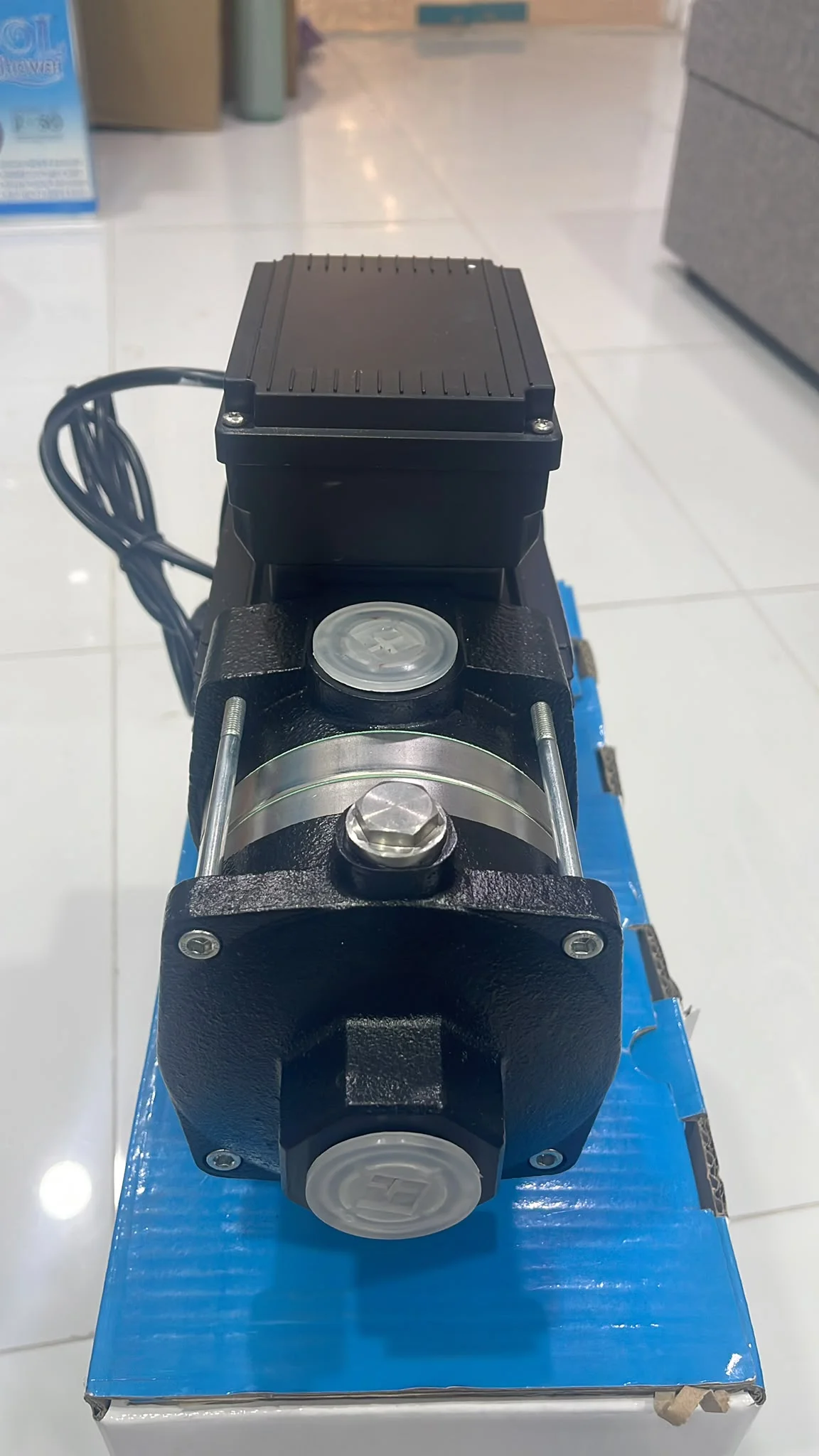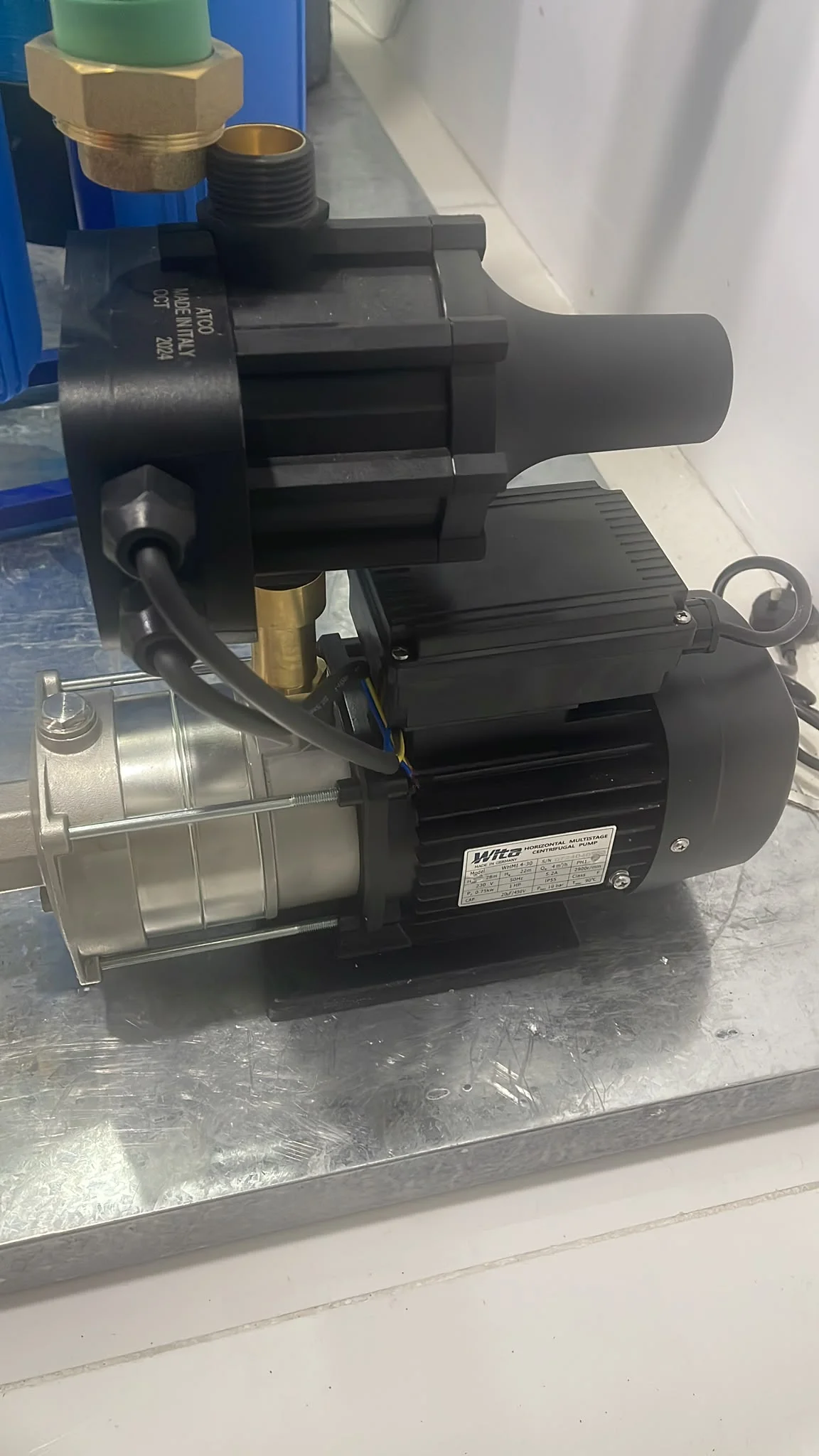
When you open a tap and find that the water is weak or completely unavailable while the water pump is not working, it does not automatically mean that the motor has burned out. Sometimes electricity is not reaching the pump at all. In other cases, thermal protection has tripped, the controller has failed to send a start command, or the motor produces a humming sound but cannot rotate because of a capacitor problem or a mechanically stuck component. Another situation is when the pump motor runs normally but no water is drawn because the pump has lost its priming or air has entered the suction line. Proper diagnosis therefore begins by observing how the pump behaves when water is demanded before anything is dismantled. Because water and electricity are present in the same installation, internal electrical testing should always be performed only after isolating the electrical supply and by a qualified technician.
Water Pump Not Working
When we say the water pump is not working, the first step is to define exactly what “not working” means. Is the pump completely silent with no sound and no indicator light? Does the controller show that the pump should be running while the motor remains stationary? Can you hear a humming sound? Or is the motor actually rotating while no water reaches the plumbing system? All of these situations may feel identical to the homeowner because the final result is poor or missing water supply, but technically they represent very different faults.
If the pump is completely silent, diagnosis starts with the simplest path: incoming electrical supply, circuit breaker or fuse, wiring, and then the control unit. A pump that does not start and produces no sound may simply not be receiving power, the breaker may have opened, a fuse may have failed, or electricity may not be reaching the pressure switch or controller. In other cases, the control device itself may have failed and never sends power to the motor.
There is an important safety point here. If the breaker has tripped, you reset it, and it immediately trips again, do not continue resetting it repeatedly. Repeated tripping may indicate a short circuit, excessive electrical load, a damaged cable, motor fault, or a mechanically blocked pump that is forcing the motor to draw excessive current. Other possible causes can include incorrect supply voltage, improper wiring, capacitor failure in certain single-phase motors, or a pump that is mechanically jammed.
If power is available and the controller appears to request operation but the pump remains completely silent, diagnosis moves toward motor protection, contactors, internal wiring, and the motor itself. Smart pumps may also display an alarm code or indicator light that can help identify conditions such as dry running, overload, or a control fault.
A common real-world example is a customer saying “the pump suddenly died,” only for inspection to reveal that the motor is healthy but the breaker opened because the impeller became jammed. In another case, the breaker may be completely normal while the pressure controller is no longer sending power to the pump. This is why declaring that “the motor is burned” in the first minute is not proper diagnosis.
-
If the pump is completely silent inspection should begin with the power source breaker fuse and controller before moving immediately to an expensive conclusion such as motor replacement
-
A breaker that trips again immediately after reset provides valuable diagnostic information and should not be bypassed or repeatedly reset without identifying the underlying cause
-
A controller power light does not prove that electricity is reaching the motor because the interruption or protection device may be located after the control unit
-
Observing the system at the exact moment water is requested helps distinguish an electrical failure from a controller fault or a mechanically blocked pump
-
The most effective diagnosis begins by identifying the exact stage at which the normal operating sequence stops instead of replacing several components based on probability
Causes of Water Pump Failure
The causes of water pump failure can be divided into five clear groups instead of treating every stopped pump as the same problem. The first group is electrical and includes loss of power, circuit breakers, fuses, cables, and electrical connections. The second group involves control devices such as a pressure switch, pressure manager, pressure sensor, or electronic controller depending on the system. The third group involves protective shutdowns including overload protection, thermal protection, and dry-run protection. The fourth involves mechanical faults such as a jammed impeller or a shaft that does not rotate freely. The fifth involves the motor itself or associated electrical components such as a capacitor in certain single-phase motors.
The way the pump stops provides important clues. If it operates for a long period, stops, and then starts again after cooling down, thermal protection becomes a strong possibility. Some pumps stop automatically when a thermal switch detects excessive temperature. If that condition repeats, the technician should investigate motor overheating, mechanical restriction, poor ventilation, or a component preventing free rotation.
If the pump stopped after the water tank became empty or the water supply was interrupted, a dry-run protection system may have operated correctly. In that case, immediately resetting the pump without confirming that water has returned and the suction line is ready can create a second problem. If the pump has no dry-run protection and continues operating without water, internal parts can be damaged.
If the fault appeared immediately after electrical work or controller replacement, wiring and protection settings should be checked before blaming the pump. If the problem started after tank cleaning or plumbing modifications, the suction valve may have been left closed, the suction line may have lost prime, or air may have entered the system.
The breaker also provides useful information. Repeated tripping can result from low voltage, incorrect protection settings, short circuits, faulty electrical connections, a worn or jammed pump, or capacitor failure in a single-phase motor. In other words, saying “the breaker trips” is not a final diagnosis. It is the beginning of an electrical and mechanical investigation.
-
A pump that stops after a long operating period requires a different diagnostic path from a pump that fails immediately when water is requested because heat and protection become more relevant in the first situation
-
A pump that stopped after the tank became empty should have the water source and dry-run protection checked before restarting so a water interruption does not become a pump failure
-
A breaker that repeatedly trips may be protecting the system from a genuine electrical or mechanical problem and should never simply be replaced with a larger breaker to keep the pump running
-
A fault that appears immediately after controller replacement or new electrical work makes wiring and protection settings some of the first areas that should be inspected
-
The real cause becomes clearer by combining the timing of the shutdown with the behavior of the electrical and water systems because one pump can stop for completely different electrical thermal or mechanical reasons
Water Pump Will Not Start

If the water pump will not start when a tap is opened even though electrical power is available at the property, the diagnosis moves toward the start command. An automatic domestic pump normally does not run continuously. It waits for pressure to fall or for a controller to detect flow and then starts according to its control design.
In a traditional system, the pressure switch may fail to close its electrical contacts when pressure drops. In an electronic pressure manager, the sensor or controller itself may fail to recognize demand. A system can therefore have electricity available at the panel while the pump receives no start signal at all.
This is where we need to distinguish between “the pump did not receive a command to start” and “the pump received electricity but could not start.” Measuring voltage at the controller output when a tap is opened can help a qualified technician determine which situation is occurring.
If voltage reaches the pump during demand but the motor remains stationary, diagnosis moves toward the capacitor, motor protection, motor windings, and mechanically rotating parts. If the pump is smart, the control panel may display an alarm that helps narrow the possibilities considerably.
After repair, it is not enough to make the pump start once and declare the job complete. The water should be closed, the system should reach its normal stop condition, and then another tap should be opened to confirm that the pump responds correctly during a second complete cycle.
-
If the controller does not send electrical output when water is demanded diagnosis should focus on the control system before dismantling the motor
-
If voltage reaches the pump when water is requested but the motor remains stationary the investigation moves toward the capacitor protection devices motor and rotating components
-
Alarm lights and error indicators on smart pumps are valuable because they can eliminate many possibilities before any mechanical disassembly begins
-
After repair the pump should be tested through a complete start stop and restart sequence to confirm that the control system responds properly throughout normal use
-
Different control systems such as a traditional pressure switch and a smart electronic controller require different diagnostic procedures even when the visible symptom appears identical
Pump Makes a Humming Sound but Does Not Run
If the pump makes a humming sound but does not run, this is completely different from a pump that is silent. The humming usually means that electrical power is reaching the motor, but the rotating assembly has failed to start moving normally.
The first rule is not to leave the pump humming for a long period. A stalled motor can draw significant current while producing no useful rotation, which may cause rapid temperature rise and trigger overload or thermal protection. In more severe cases, prolonged stalling can damage the motor windings.
After electrical isolation, a qualified technician should determine whether the mechanical components can rotate freely according to the pump design. If the shaft or impeller is jammed, the motor may hum because it is electrically energized but physically unable to turn.
In a single-phase motor, the start or run capacitor may also be responsible if the design depends on one. However, humming does not prove capacitor failure because a jammed impeller, bearing problem, or another mechanical restriction can produce a very similar symptom.
If the pump has been unused for a long time, the rotating parts may have become stuck. If the problem started after sand or debris entered from a tank, an impeller blockage becomes more likely.
-
Hearing a humming sound without rotation means the diagnostic path is different from total power loss because the motor is probably receiving electricity but cannot begin rotating
-
Leaving the pump humming for an extended period is not a useful test because a stalled motor can draw high current and overheat rapidly
-
Capacitor testing is important in motor designs that use one but replacing it without measurement can hide the real problem when the fault is mechanical
-
A jammed impeller caused by dirt or a foreign object can make the motor hum even when the motor windings and capacitor are not the main problem
-
After removing the mechanical restriction the technician should confirm smooth rotation and normal operating current rather than being satisfied that the pump started once
Water Pump Does Not Draw Water
When a water pump does not draw water, the motor may actually be running normally while water is not entering the pump or moving into the delivery line as expected. At this point, a large part of the diagnosis shifts away from the electrical system and toward the water source, suction line, priming condition, and valves.
A pump that runs without delivering water may have a blocked pipe, a faulty non-return valve, or an internal pump problem. In other cases, the pump may not have been primed correctly, the suction pipe may be undersized, or the foot valve may be blocked.
If a self-priming pump lost its water after tank cleaning or plumbing work, air may have entered the suction line. Even a small air leak on the suction side can prevent the pump from maintaining a continuous water column. This can happen without any visible water leak because air is being drawn inward rather than water leaking outward.
The technician should also confirm that the tank actually contains water, that the suction valve is open, and that any filter installed before the pump is not clogged. These checks may sound simple, but they frequently turn out to be the complete cause of the fault.
Re-priming alone is not a complete repair if the reason for losing prime has not been corrected. If a suction fitting leaks air or a check valve does not hold, the pump may work temporarily after priming and then fail again.
-
A motor that runs without delivering water directs inspection toward priming suction piping valves and the water source before the motor is blamed
-
Air entering through a small suction-side connection can prevent the pump from maintaining the water column even when no external water leak is visible
-
A blocked or leaking foot valve or non-return valve can cause the pump to lose prime or prevent normal water delivery
-
A clogged suction filter can allow the pump motor to run while restricting the volume of water reaching it which makes filter inspection an important early step
-
Re-priming without repairing the cause of lost water when an air leak exists usually produces only a temporary improvement before the problem returns
Water Pump Motor Fault
A water pump motor fault should never be confirmed simply because the pump does not start. The motor is one of the last components to condemn after verifying that correct power is available, the controller is requesting operation, protection has not tripped, and the rotating components are not mechanically jammed.
Electrical testing may include supply voltage, connections, current draw, resistance, and insulation condition according to the motor type and only by a qualified technician. If a new fuse opens immediately or motor protection repeatedly trips, the cable and motor should be tested rather than simply resetting the system over and over.
In single-phase motors, it is also important to distinguish motor winding failure from capacitor failure because both can cause the motor to fail to start. In three-phase installations, additional possibilities include a missing phase, unbalanced current, contactor faults, and protective-device problems.
If testing confirms motor damage, the technician should still ask why the motor failed. Did the pump run dry? Was the impeller jammed? Was the supply voltage unsuitable? Was the pump forced to operate outside its intended range? Correcting the original cause helps prevent the replacement motor from suffering the same failure.
The repair-versus-replacement decision should also consider pump age, availability of parts, extent of damage, and the cost of rebuilding the motor compared with installing a correctly matched replacement pump.
-
The motor should only be condemned after electricity control protection and mechanical rotation have been verified because a small external component can prevent a healthy motor from starting
-
Repeated breaker or overload trips require current and insulation testing rather than installing a larger protective device
-
A failed capacitor in certain single-phase motors can produce symptoms similar to motor damage and should therefore be measured separately
-
Motor damage caused by a jammed pump or dry running requires correction of the original fault before a new motor is installed
-
The decision to repair or replace the motor depends on the type of damage pump age spare-parts availability and the repair cost compared with a suitable replacement unit
Diagnosing a Stopped Water Pump
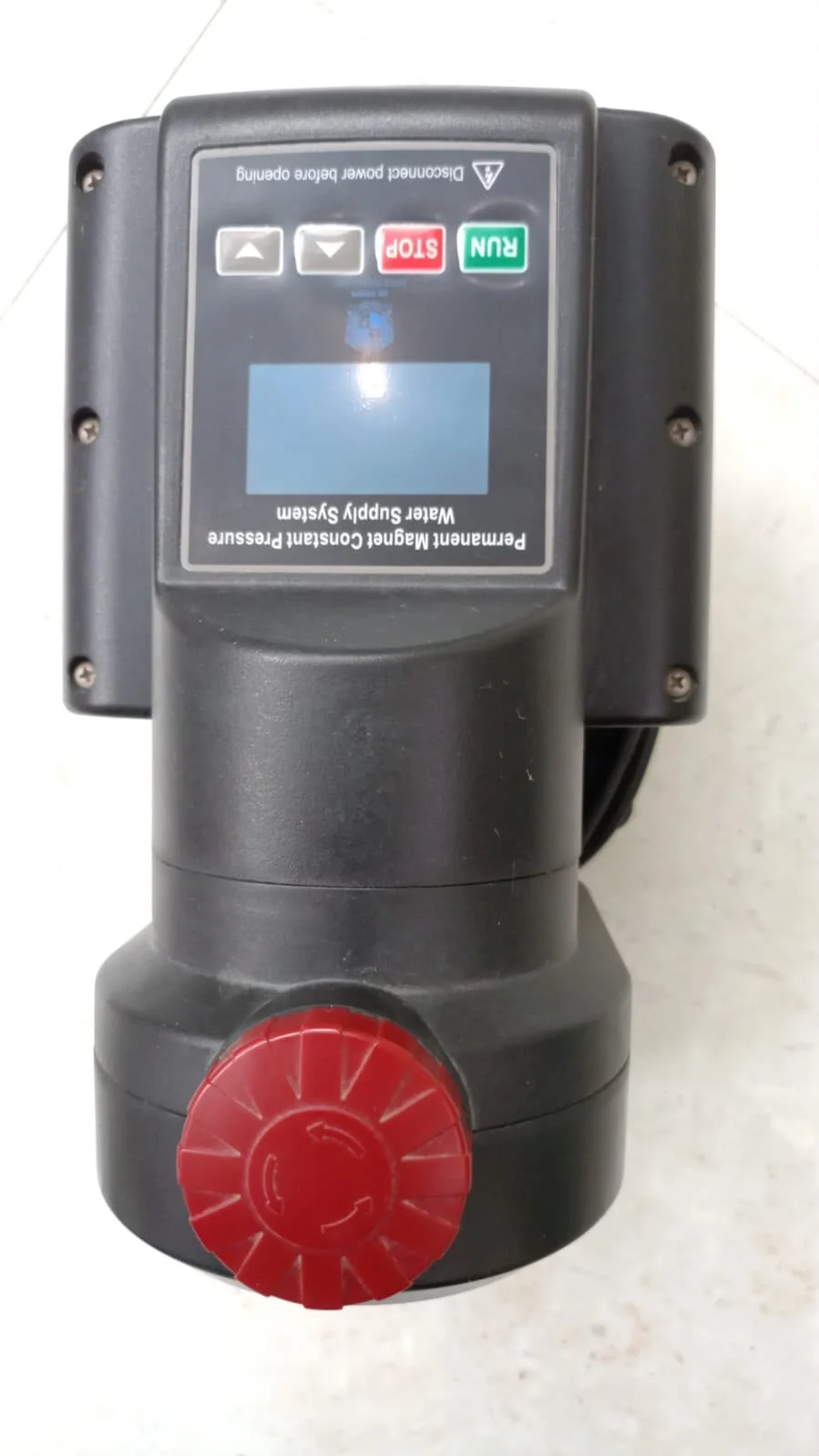
Diagnosing a stopped water pump becomes much faster when the technician follows a fixed sequence instead of opening everything at once. The first question is whether electrical power is available. The second is whether the controller is requesting operation. The third is whether voltage reaches the motor. The fourth is whether the motor rotates or only hums. The fifth is whether the pump actually draws and delivers water after it begins rotating.
Consider a clear example. The pump is completely silent and the controller has no lights. There is little reason to dismantle the impeller before checking electrical supply. In another case, the controller displays “Pump On” while the motor hums. Here, the main electrical supply is less likely to be the problem and attention moves toward the capacitor or mechanical rotation. In a third case, the motor runs normally but the pressure gauge remains near zero. Diagnosis then shifts toward priming and the suction system.
This staged approach connects each visible symptom with a smaller group of possible causes instead of treating “the pump does not work” as one single fault.
Another valuable step is asking what happened immediately before the failure. Was the water tank cleaned? Was there a power outage? Was plumbing work carried out? Was the pump left unused for months? These details often shorten diagnosis because they help connect the fault with a recent change.
-
Sequential diagnosis prevents unnecessary pump disassembly before confirming that the real problem is not simply a breaker or controller
-
Separating the symptom into no electricity electricity without rotation and rotation without water greatly reduces the number of possible causes
-
Recording system pressure indicator lights and motor sounds before resetting the unit preserves diagnostic evidence that may disappear after restart
-
Knowing what happened immediately before the fault such as tank cleaning electrical interruption or plumbing work can help identify the most likely cause
-
Replacing multiple components at the same time makes it difficult to identify the original fault and increases repair cost without improving diagnostic quality
Home Water Pump Inspection
A professional home water pump inspection does not begin by opening the motor. It begins outside the pump with the electrical breaker, power cable, controller, tank water level, valves, filters, and any visible leakage. Only after these external factors are checked does the technician move toward electrical and hydraulic measurements according to the symptom.
The installation environment also matters. Is there water around the electrical connections? Is the pump installed in a poorly ventilated space? Has it been exposed to flooding or excessive moisture? Does the suction line rise in a way that traps air? These details can explain why a pump that worked normally for a long time suddenly begins stopping or failing to prime.
If the pump has an electronic control unit or alarm display, the fault indication should be recorded before pressing reset. Immediately resetting the system can erase valuable information showing whether the original shutdown was caused by dry running, overload, or another protective condition.
Any work involving electrical or rotating parts should be performed only after the electrical supply has been isolated. This becomes even more important where water is present around the pump because the immediate priority becomes making the area electrically safe before attempting repair.
-
External inspection can identify many faults before the pump is opened including low tank level closed valves clogged filters damaged wiring and controller problems
-
Recording the alarm code or indicator before resetting the unit can preserve valuable evidence about the reason the pump stopped
-
Installation conditions matter because heat moisture poor ventilation and water reaching electrical components can all affect pump reliability
-
Electrical and hydraulic tests should be selected according to the actual symptom instead of performing the same random checklist on every pump
-
Water around the pump and electrical components requires immediate electrical isolation and safe access before any repair attempt even when the visible fault appears simple
Repairing a Water Pump That Does Not Work
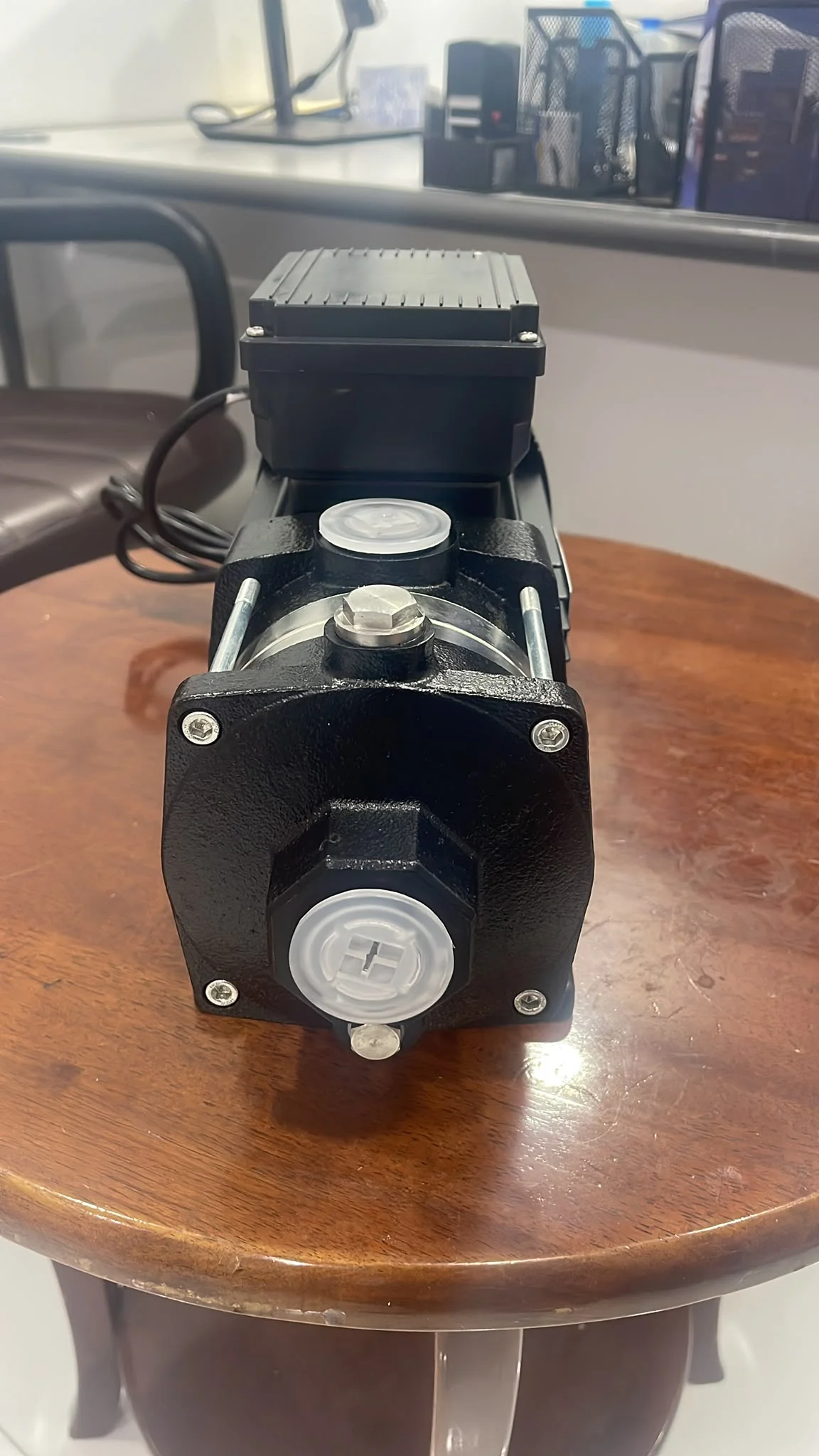
Repairing a water pump that does not work begins after the diagnosis, not before it. If the breaker is tripping because the impeller is jammed, the repair involves removing the obstruction and checking motor current after restart. If the capacitor has failed, it should be replaced with the correct specification after measurement. If the pressure controller is faulty, it can be repaired or replaced depending on the design and condition. If the pump has lost prime, the technician should repair any suction leak or valve problem before correctly re-priming the pump according to the manufacturer’s instructions.
Some pumps and suction applications require priming with water before operation. A pump that depends on priming cannot simply be started dry and expected to correct itself. If the pump repeatedly loses prime, the real issue is often an air leak, valve problem, or suction-line condition rather than the priming procedure itself.
After repair, the system should be tested under actual household demand. Open the highest fixture and confirm that water reaches it correctly. Observe whether pressure builds normally. Close the taps and confirm that the pump stops. Then repeat another complete cycle to make sure the problem does not return immediately.
A repair should restore the complete function of the water system and not merely make the motor rotate again.
-
Every repair should be linked to a confirmed cause because replacing a capacitor on a motor with a mechanically jammed impeller will not solve the real problem
-
Re-priming works properly only when the suction line and valves are airtight otherwise the pump will lose water again after a short period
-
After an electrical repair the system should be tested under real load to confirm that breakers and protection devices do not trip again
-
Testing the highest outlet proves that the pump has not only started rotating but has actually returned to performing its job within the household network
-
One successful operating cycle may not be enough when the original fault was intermittent so several start-and-stop cycles should be observed before completing the service
Water Pump Fault Technician in Kuwait
Choosing a water pump fault technician in Kuwait becomes especially important when the problem involves water, electricity, control systems, and mechanical components together. An incorrect diagnosis can turn a relatively small fault into complete pump replacement. A good technician should not begin by saying “the motor is burned” before testing anything and should not blame the automatic controller simply because the pump does not start.
The technician should first ask whether the pump is silent or humming, whether the breaker has tripped, whether an alarm is displayed, whether the tank contains water, and whether the problem started after a power outage, tank cleaning, or plumbing modification. These questions create a more useful diagnostic starting point.
Smart pumps require a technician who understands controller indicators, sensors, alarms, and electronic protection in addition to the mechanical pump. Traditional pumps require a different diagnostic approach involving the pressure switch, capacitor, motor, and suction system.
Al Arabi Orchid 99346138 provides GRUNDFOS pump and pressure-system services for homes and villas in Kuwait and can inspect the pump, controller, and water network as one system instead of replacing the complete unit without diagnosis.
-
A professional technician first determines whether the fault is electrical control-related mechanical or connected to water suction before recommending replacement parts
-
Explaining the measurement results to the customer increases confidence because it shows why a particular component requires repair or replacement instead of relying on guesswork
-
Smart pumps require alarm and sensor diagnosis while traditional systems require different checks for pressure switches capacitors and suction conditions
-
After repair the technician should operate the pump under real water demand and verify pressure and water delivery rather than simply confirming that the motor turns
-
Contacting Al Arabi Orchid on 99346138 can help when the pump controller tank and suction line need to be inspected as one complete system
Conclusion
If the water pump is not working, do not begin with the most expensive possibility. The first distinction is whether the pump is completely silent, produces a humming sound, or rotates without delivering water. A silent pump directs diagnosis more strongly toward electricity, controls, and protective devices. A humming pump points toward the capacitor, mechanical restriction, or motor. A pump that rotates without drawing water directs attention toward priming, the suction line, non-return valve, and water source.
Measurements should then replace assumptions. A breaker that repeatedly trips should not be bypassed. A motor that does not start should not be declared burned before voltage, capacitor condition, and mechanical movement are checked. If the tank is empty, the pump should not be forced to operate because dry running can cause additional damage.
Al Arabi Orchid provides GRUNDFOS pump and booster-system services for homes and villas in Kuwait. You can contact 99346138 to inspect the pump, controller, and suction system and identify the actual fault before replacing major components. The goal is not simply to make the motor produce sound again. The real repair is restoring water delivery, stable pressure, and normal pump starting and stopping throughout everyday use.
Frequently Asked Questions
Why does my water pump not start at all?
Possible causes include loss of electrical supply, a tripped breaker, blown fuse, damaged cable, controller failure, motor protection, or a fault inside the pump itself. Diagnosis should begin with the electrical supply before the motor is opened.
What does it mean if the pump hums but does not rotate?
It usually means electrical power is reaching the motor but the motor cannot start. Possible causes include a faulty capacitor, jammed impeller, wiring problem, bearing problem, or motor damage. The pump should not be left humming for a long period.
Why is the pump running but no water comes out?
The suction line may be blocked, the non-return valve may be faulty, the pump may have lost prime, air may be entering the suction line, or the foot valve may be blocked.
Can I reset the breaker if it trips?
It can be reset after checking the situation, but if it immediately trips again, do not keep resetting it. The cause may be overload, a short circuit, wiring damage, a jammed pump, or a motor fault that requires inspection.
Can a faulty capacitor stop a water pump from starting?
Yes. In certain single-phase motors, a failed capacitor can prevent the motor from starting and may cause a humming sound. However, the capacitor should be tested because a mechanically jammed pump can create the same symptom.
Can low water level in the tank stop the pump?
Yes. Systems with dry-run protection may stop automatically when insufficient water is available. Systems without protection can be damaged if they continue running without water, so the water source should be checked before restart.
Do I need to fill the pump with water before starting it?
Some pumps and suction applications require priming before operation according to their design. Running a pump that requires priming while it is dry can prevent proper suction and may damage the pump.
How do I know if the motor itself is damaged?
Motor failure should only be confirmed after checking supply voltage, protective devices, capacitor condition, and mechanical rotation, followed by appropriate electrical testing of the motor and cable by a qualified technician.
Is repairing the pump better than replacing it?
It depends on the fault, pump age, parts availability, and repair cost. A controller fault, capacitor failure, or blockage may be economical to repair, while serious motor damage or several major faults in an older pump may justify replacement.
Who repairs stopped water pumps in Kuwait?
Al Arabi Orchid provides inspection and maintenance services for GRUNDFOS pumps and residential pressure systems in Kuwait. You can contact 99346138 to determine whether the failure comes from the electrical supply, controller, motor, or suction line before replacing any major component.