If your water pump runs continuously even after every tap in the property has been closed, the situation should not be treated as normal or explained by saying that the pump is simply powerful. Continuous operation usually means that the system is not reaching the required cut-out pressure, the controller is not recognizing that the target pressure has been reached, or water is continuously leaving the network somewhere. The difference between these possibilities matters because the solution may be as simple as repairing a leak or non-return valve, adjusting the pressure control, or dealing with an actual pump fault. Al Arabi Orchid 99346138 approaches the problem by reading system pressure and observing pump behavior before replacing components because changing the pressure switch or the entire pump based on guesswork can leave the original fault completely unresolved.
Water Pump Runs Continuously
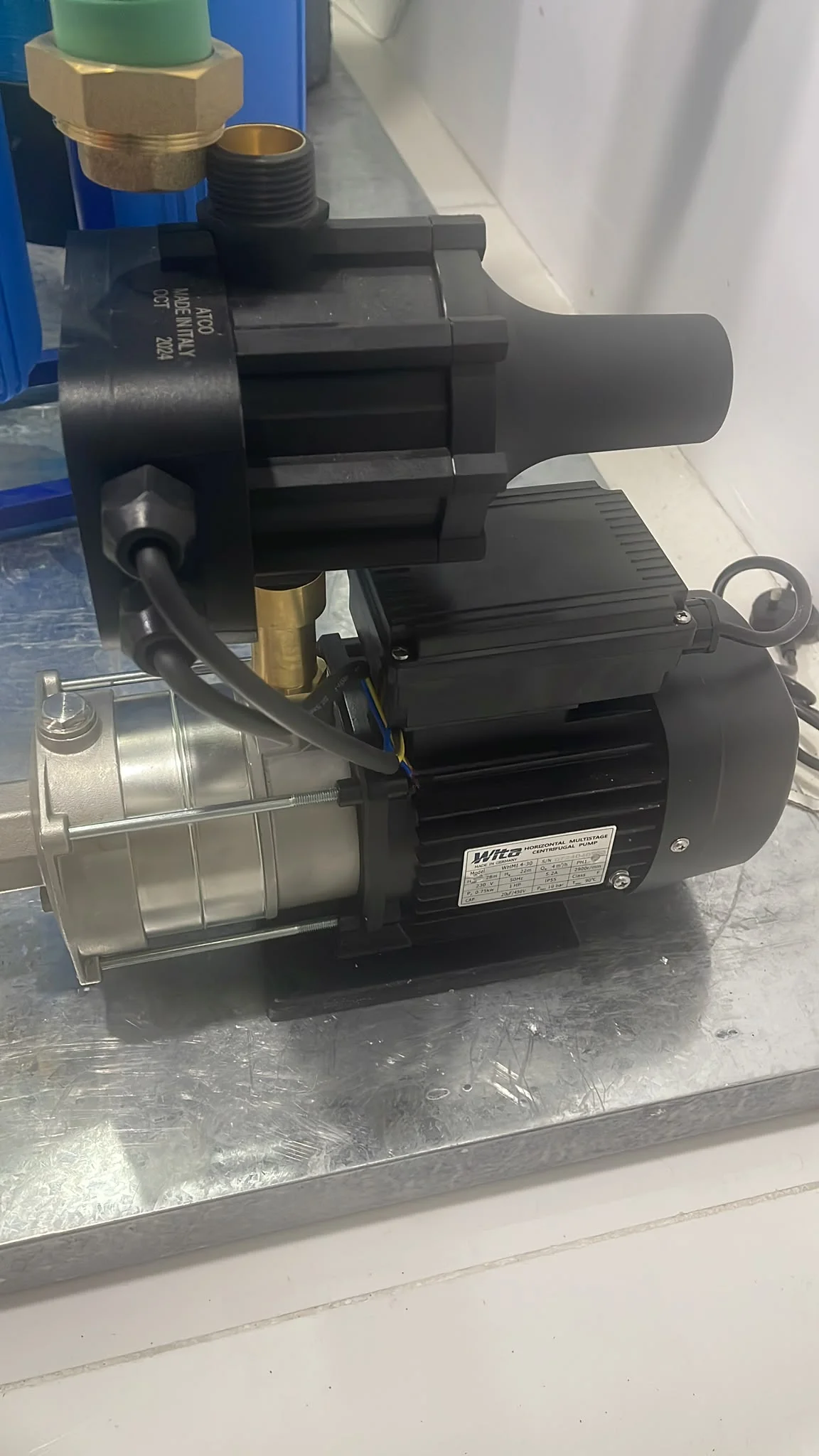
When a water pump runs continuously, the first piece of information we need is not the sound of the motor but what the pressure gauge is doing during operation. The problem can immediately be divided into two very different situations. In the first situation, pressure continues increasing but never reaches the selected cut-out pressure. In the second, the pressure gauge reaches the required value but the pump continues running anyway. This distinction alone can shorten the diagnostic process significantly.
If pressure never reaches the cut-out level, the technician starts looking for something preventing the system from building pressure. A tap may be slightly open, a toilet cistern may be continuously refilling, a hidden leak may exist, or a non-return valve may allow water to flow backward. The pump itself may also be unable to produce the required pressure because the control setting is higher than the model can realistically achieve, suction conditions are poor, or internal pump performance has deteriorated.
If the gauge actually reaches the pressure at which the pump should stop but the motor keeps running, the diagnosis moves more strongly toward the pressure switch, controller, relay, or pressure sensor depending on the system design. A pressure switch can fail electrically or mechanically, and a cut-out setting that is above the maximum pressure the pump can generate will also prevent normal stopping.
In practical diagnosis, one of the most useful things to do before opening any component is to close every water outlet and watch the gauge for one or two minutes. Does the pressure continue rising? Does it stabilize? Does it begin falling? Those three behaviors provide very different clues. If pressure rises slowly but never reaches the target, think about pump capacity or pressure loss. If it reaches the target but does not stop, think about controls. If it rises and then drops quickly, investigate leakage or the check valve.
-
If the pressure gauge never reaches the cut-out value the problem is more likely related to water loss or insufficient pump performance than simply a faulty pressure switch
-
If system pressure reaches the selected value but the motor continues operating the pressure switch controller or relay should be inspected according to the system design
-
Watching the gauge after every tap is closed provides stronger diagnostic evidence than replacing parts because pressure behavior shows whether the system is holding or losing pressure
-
Continuous operation while the water tank is low should be taken seriously because dry running can damage seals bearings and internal pump components
-
A pump that operated normally for years and suddenly stops shutting off should be checked for a new network or control problem before assuming that the original pump size was wrong
Water Pump Does Not Shut Off
When the water pump does not shut off after water use stops, it is important to determine whether the stop command itself is failing or whether the system never reaches the condition required for the controller to issue that stop command. Many people see the pump running continuously and immediately replace the pressure switch. If pressure never reaches the cut-out point, however, installing a new switch will not solve the problem.
A traditional pressure switch responds to system pressure and opens or closes electrical contacts between defined start and stop values. If the contacts stick, become damaged, or the control mechanism fails to respond properly to pressure, the pump may remain energized even after the system has reached the desired pressure.
The second situation is very different. The pressure switch may be working correctly but adjusted to a cut-out value above the maximum pressure the pump can actually produce. Imagine a pump that can only reach around 3.5 bar under the real site conditions while the pressure switch is adjusted to stop at 4 bar. The motor may continue running indefinitely because it is waiting for a pressure level that the pump cannot physically reach.
Smart pumps work differently from traditional systems. A variable-speed system may change its speed according to demand, but when there is no real water use it should eventually recognize zero demand and enter standby according to its control logic. If it continues operating at low speed with all taps closed, a small leak, inaccurate pressure reading, flow sensor problem, or incorrect setting should be investigated.
-
Before replacing the pressure switch compare the selected cut-out pressure with the maximum pressure the pump can actually produce under real site conditions
-
If the gauge reaches the required cut-out value but the motor does not stop a fault in the pressure switch contacts relay or control circuit becomes much more likely
-
Sediment or debris inside certain pressure-control devices can interfere with normal response so inspection and cleaning may be worthwhile before replacement
-
A smart pump that keeps operating at low speed with no visible water demand should be checked for micro-leaks or inaccurate sensor readings before being considered normal
-
Raising the cut-out setting randomly is not a method of increasing water pressure because it may prevent the pump from ever reaching its stopping point
Pump Runs Without Stopping
If the pump runs without stopping even when nobody is using water, the most useful question is: where is the water or pressure being lost? A healthy system should build pressure, satisfy demand, and then stabilize. If the pump keeps operating, something is preventing that stable condition.
The first possibility is hidden water use. A toilet cistern may be filling very slowly without making much noise. A tank float valve may not close completely. An outdoor tap may drip. An irrigation valve may leak internally. In these situations, the pump itself may be functioning correctly and simply responding to a small but continuous demand.
The second possibility is water flowing backward through a non-return valve or check valve that no longer seals properly. After the pump builds pressure, some water returns toward the source, pressure falls, and the controller keeps requesting more operation. In some installations this produces frequent cycling, while in more severe cases the system never reaches a stable stopping condition.
The third possibility involves suction conditions. If the pump draws from a ground tank and the water level becomes too low, air enters the suction pipe, or an obstruction restricts incoming water, the pump may continue rotating without producing enough head. Continuous operation in this condition can be dangerous because the pump may approach dry-running conditions and lose the cooling and lubrication provided by the pumped water.
A fourth possibility is a decline in the pump’s hydraulic performance. Internal wear, an impeller problem, or a restriction can allow the motor to keep running while the pump produces less pressure than it did previously.
-
The first check during continuous operation is whether there is any hidden water demand such as a toilet cistern irrigation valve or outdoor tap because the pump may simply be responding to real flow
-
Water returning through a leaking check valve can destroy the pressure the pump has just built and prevent the network from reaching a stable condition
-
Air entering the suction side or insufficient water in the tank can allow the pump to run without producing normal pressure and can expose it to unsafe operating conditions
-
Loss of impeller performance or internal restriction often becomes noticeable when a pump that previously reached cut-out pressure begins taking much longer or can no longer reach it
-
Leaving the pump running for hours hoping that it will eventually stop is not a useful test because low-water conditions or poor cooling can increase repair cost rather than solve anything
Causes of Continuous Pump Operation
The causes of continuous pump operation can be organized into clear groups instead of presenting the customer with a random list of possible faults. The first group involves water loss after the pump such as leaks and hidden consumption. The second involves control faults such as the pressure switch, sensor, controller, or relay. The third involves pump performance, including an unsuitable operating curve or reduced hydraulic output. The fourth involves suction conditions such as a low tank level, air entry, or a restricted inlet.
The timing of the problem can provide useful evidence as well. If continuous operation began immediately after someone adjusted the pressure switch, the setting itself deserves attention. If the problem appeared after plumbing work inside the house, valves, check valves, or new pipe sections should be reviewed. If the condition developed gradually over several months, performance deterioration, progressive blockage, or a slowly growing leak may be more likely.
The pressure tank also plays a role, but its symptoms should be understood correctly. A pressure tank with insufficient precharge or a damaged diaphragm is more commonly associated with frequent short cycling than with a pump that never stops at all. This distinction matters because blaming the pressure tank automatically can send the repair in the wrong direction.
-
Organizing possible causes into water loss control problems pump performance and suction conditions makes diagnosis faster than changing components one by one
-
A problem that begins immediately after pressure-switch adjustment makes the cut-out setting one of the first things to review before searching for mechanical damage
-
Continuous running that starts after plumbing modifications should lead to inspection of valves check valves and the new water routes before condemning the pump
-
A pressure tank with low precharge is more strongly associated with frequent short cycling which is why continuous running and rapid cycling should not be treated as the same symptom
-
Comparing current pump performance with its historical behavior helps determine whether the problem is new or whether the system was poorly matched from the beginning
Water Pump Automatic Control Fault
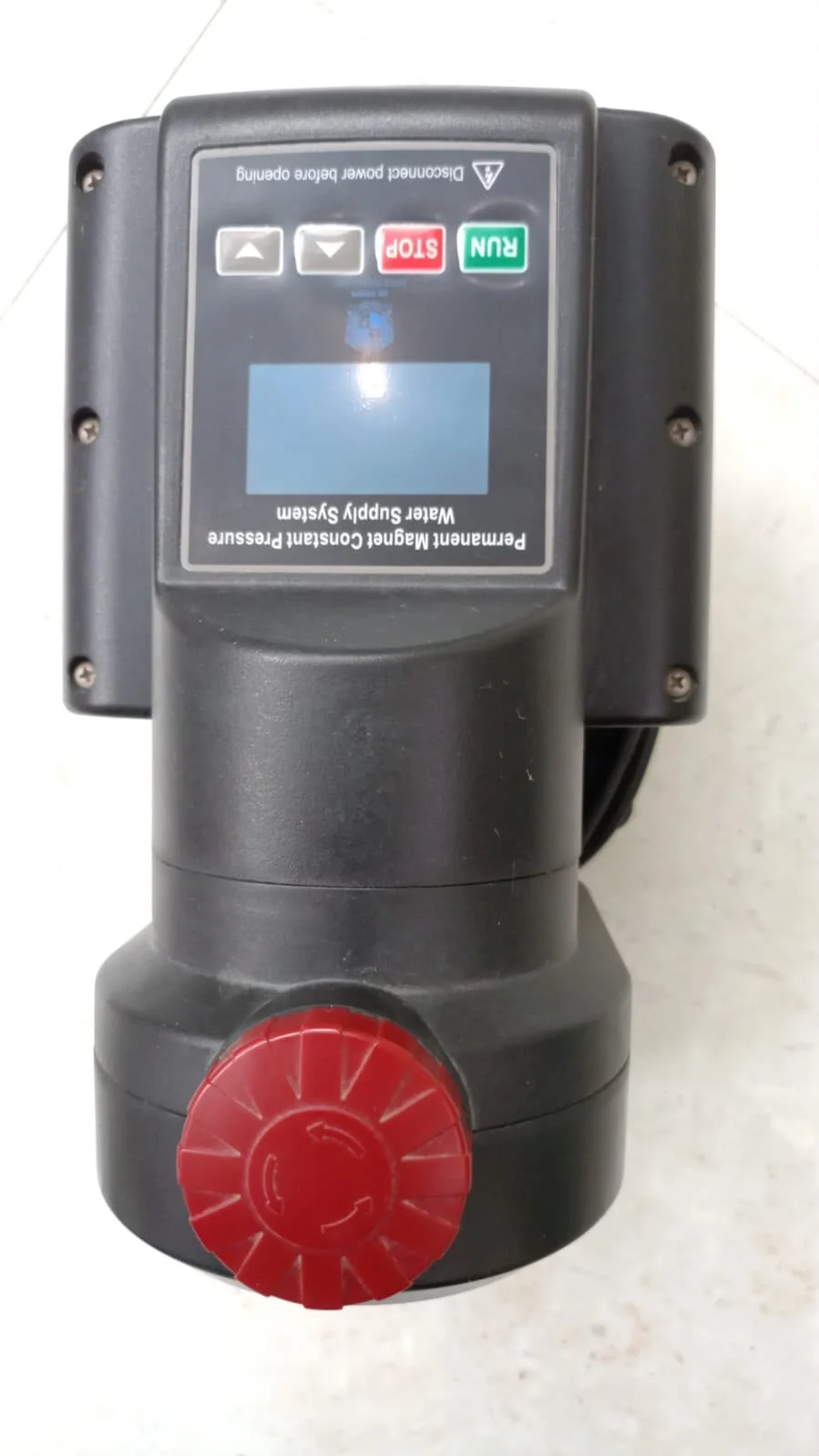
A water pump automatic control fault can appear in two opposite ways: the pump may fail to start when water is needed or it may start normally and then refuse to stop. With continuous operation, the diagnosis focuses more heavily on the stopping side of the control system, including contacts, diaphragm movement, pressure sensing, or electronic controls depending on the device.
In a mechanical pressure switch, the electrical contacts may remain closed because of wear, burning, corrosion, or mechanical sticking. In an electronic pressure controller, the fault may be related to a pressure sensor, flow reading, or electronic board. Deposits or dirt inside certain pressure-control devices can also interfere with the movement or pressure communication required for correct stopping.
Adjusting the pressure control should never be treated as simply turning a screw until the water feels stronger. Any change to cut-in or cut-out pressure changes system behavior and must remain within the pump’s actual performance range and the maximum pressure the plumbing network can safely handle. If the stop point is adjusted beyond the pump’s capability, the motor may continue trying to reach a pressure that is impossible.
-
The pressure controller becomes a strong suspect when the gauge reaches the required cut-out pressure but the electrical contacts or control system fail to stop the motor
-
Cleaning may help certain pressure-control units when deposits are interfering with internal movement but power must be isolated and system pressure safely released before service
-
Changing the cut-out value without understanding the pump curve can turn a simple adjustment into permanent operation because the pump may be asked to reach an impossible pressure
-
Burn marks excessive heat or damaged electrical contacts require professional inspection because continuous electrical connection may be the direct reason the pump does not stop
-
After repairing or replacing the automatic control several complete start-and-stop cycles should be tested rather than accepting one successful cycle as proof that the fault is gone
Pump Runs Without Any Tap Open
When the pump runs without any tap open, this is one of the strongest indications that the network has hidden demand, is losing pressure somewhere, or the control system is not responding correctly. If every fixture is genuinely closed and the pump continues operating, the first useful step is to isolate water-use zones before opening the pump itself.
A technician can close different branches of the property one at a time and watch the pressure gauge and pump behavior. If the pump stops after one particular branch is isolated, that section becomes the main suspect. This method can reveal a problem in a bathroom, irrigation system, or external pipe without immediately opening walls or replacing equipment.
The water meter can also provide useful information when available. If every tap is closed but the meter still shows movement, that strongly suggests continuous flow or leakage. If the meter is stationary, pressure has already reached the target, and the pump continues operating, the diagnosis moves more strongly toward the electrical control system.
-
Isolating different branches of the house one by one is a practical way to identify whether a specific section is drawing water without visible use
-
Movement on the water meter while every fixture is closed is a strong indication of continuous flow that should be investigated before replacing the pump
-
If there is no measurable flow and system pressure has reached cut-out but the motor remains on a control fault becomes more likely than a network leak
-
A toilet cistern that never closes completely is a common example of small hidden demand that may be almost silent but still keep the system operating
-
Diagnosis through observation and isolation can prevent replacement of a healthy pump that was simply responding to hidden water demand somewhere in the property
Leak Causing the Pump to Run
A leak causing the pump to run does not necessarily mean you will see water on the floor. Some leaks are visible while others discharge into a toilet drain, irrigation line, storage tank, concealed pipe, or wall cavity. If the pump stays on continuously or restarts only seconds after stopping, pressure loss should be one of the main possibilities considered.
The size of the leak changes the way the problem appears. A very small leak may allow the pump to reach cut-out pressure but then cause frequent restarting as pressure slowly falls. A larger leak may prevent the system from reaching cut-out pressure at all, leaving the motor running continuously.
It is also important to identify which side of the pump is leaking. A water leak after the pump removes pressure from the delivery network. An air leak on the suction side behaves differently because it can allow air into the pump, weaken priming, and reduce the pump’s ability to build pressure even though no water is visibly leaking outside.
-
Leak size changes the symptom because a small leak may cause repeated restarting while a larger leak can prevent the system from reaching cut-out pressure entirely
-
Leaks inside toilet cisterns irrigation systems or concealed lines may remain invisible but still represent real continuous water demand that the pump responds to
-
Air leakage on the suction side differs from a water leak after the pump because it reduces the pump’s ability to draw water and build pressure
-
Watching the pressure gauge after the pump stops helps determine whether the network is holding pressure or losing it quickly
-
Raising pump pressure before repairing a leak is not a solution because the additional pressure can increase water loss and make the original problem worse
Pump Pressure Does Not Cut Off
The phrase pump pressure does not cut off requires separating two completely different situations: the pressure never reaches the cut-out setting or the pressure reaches it but the stop command does not occur. This is the most important distinction in this entire issue.
Suppose the gauge remains around 2.8 bar while the pressure switch is adjusted to stop at 3.5 bar and the pump cannot rise beyond 2.8 no matter how long it runs. Replacing the pressure switch immediately would not make sense. The real question is why the pump cannot exceed 2.8 bar. Is the pump too weak? Is there a leak? Are suction conditions poor? Is the impeller worn? Is water returning through a check valve?
Now consider the opposite condition. Pressure reaches or exceeds 3.5 bar but the motor continues operating. In that case, the pressure switch, relay, or sensor moves much higher on the list of likely causes.
-
The gauge reading should always be compared directly with the selected cut-out value because diagnosis changes completely depending on whether the pump reaches that value
-
If actual maximum pressure remains below the stop setting the reason for low pressure or the control adjustment should be corrected instead of forcing the motor to run indefinitely
-
If pressure exceeds the expected cut-out point a contact relay or pressure-sensor problem becomes a much stronger possibility
-
An inaccurate pressure gauge can mislead the complete diagnosis so its reading should be verified when the behavior does not make sense
-
After any pressure adjustment the pump should be tested under actual water demand and then with every tap closed to confirm normal start and stop behavior
Booster Pump Does Not Stop
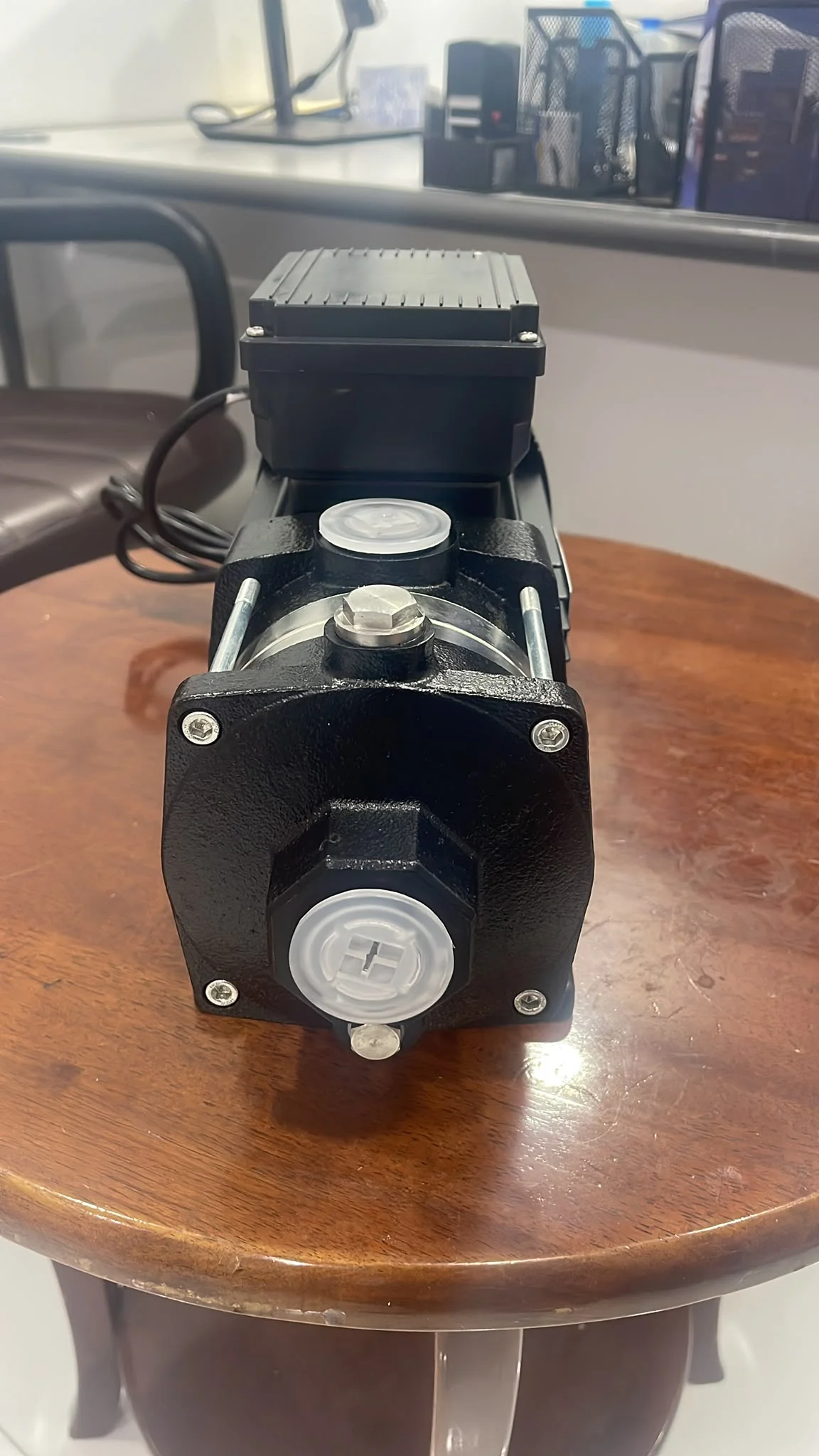
When a booster pump does not stop, it is important to know whether the system is fixed speed or variable speed because their operating logic is different. A traditional booster often uses a pressure switch and pressure tank. A smart booster uses a pressure sensor, electronic controller, and speed adjustment according to demand.
In a smart system, running at low speed for a short period may be part of normal control logic, but continuous operation with no actual water demand should still be investigated. The controller may be detecting a small flow caused by a micro-leak, receiving an inaccurate sensor signal, or trying to achieve a pressure setpoint that the pump cannot reach.
In systems containing several pumps, it is also important to determine whether only one pump continues running or the whole group remains active. This can direct diagnosis toward sequencing or central controller logic rather than a mechanical fault in every pump.
-
Booster type determines the diagnostic route because a traditional pressure switch behaves differently from the sensor and drive used in a variable-speed system
-
Low-speed operation without water use should not automatically be considered normal if the system never enters standby
-
A small micro-leak can prevent certain intelligent controllers from recognizing a zero-demand condition and keep the pump operating
-
Multi-pump booster sets require inspection of start-stop sequencing because the problem may come from the central controller rather than all individual pumps
-
Before replacing an entire smart pump the technician should check sensors settings and actual flow because the complete unit can be far more expensive than an individual control component
How to Fix a Water Pump That Keeps Running
The solution for a water pump that keeps running becomes much easier when diagnosis follows a fixed sequence. First, close every water outlet and observe pressure. Second, determine whether the system reaches the cut-out pressure. Third, look for pressure loss or hidden flow. Fourth, inspect the pressure switch or controller. Fifth, check suction conditions and pump performance if the pump cannot reach the required pressure.
If the cause is a leak, repair the leak instead of installing a larger pump. If the check valve allows water to return, repair or replace it according to its condition. If the stop setting is above the pump’s realistic capability, adjust the system according to the pump specifications. If the automatic control itself is damaged, repair or replace it after the rest of the network has been checked.
Al Arabi Orchid provides installation and maintenance for GRUNDFOS residential pumps, pressure boosters, and smart pressure systems. When continuous operation appears, the complete system should be evaluated because the pump, automatic control, pressure tank, and non-return valve all influence the final behavior.
-
The correct repair depends on the cause because leakage complete cycle requires plumbing work control problems require electrical diagnosis and weak pump performance requires hydraulic testing
-
The pressure gauge is the starting point because it reveals whether the problem is reaching cut-out pressure or executing the stop command
-
After any repair every outlet should be closed until the pump stops and then one fixture should be opened to confirm normal restart and shutoff during another
-
If the pump has been operating without adequate water it should not simply be restarted before checking the water source and dry-running protection
-
Contacting Al Arabi Orchid on 99346138 for booster or GRUNDFOS inspection can help avoid replacing components that are still working correctly
Conclusion
If a water pump runs continuously, the motor itself is not automatically the cause. The most important question is whether system pressure cannot reach the cut-out point or whether it reaches the required pressure and the control system fails to stop the pump. From there, possible causes include a leak, hidden water consumption, a faulty check valve, poor suction conditions, reduced pump performance, an excessively high cut-out setting, or a failed pressure switch.
It is also important to distinguish continuous operation from rapid start-stop cycling. A pressure tank with insufficient air charge more commonly causes frequent cycling, while a pump that never shuts off requires a different diagnostic path.
Al Arabi Orchid provides GRUNDFOS pump installation and maintenance and booster-pressure solutions for homes and villas in Kuwait. You can contact 99346138 to have system pressure, automatic controls, pressure tank, and valves checked before replacing major components. The objective is not simply to make the pump quiet for an hour. The real repair is restoring normal network pressure so the pump stops naturally when water demand ends.
Frequently Asked Questions
Why does my water pump run continuously?
Possible causes include a leak, hidden water consumption, a leaking non-return valve, a cut-out pressure setting above the pump’s capability, or a fault in the pressure switch or controller.
How do I know if the pressure switch is the problem?
If the pressure gauge reaches the required cut-out value but the motor continues running, this is a strong indication that the pressure switch or control circuit requires inspection.
Can a small leak prevent the pump from stopping?
Yes. A small leak often causes frequent restarting, while a larger leak can prevent the system from reaching cut-out pressure completely and leave the pump running continuously.
Can the pressure tank make the pump run continuously?
A pressure tank with low air charge or a damaged diaphragm more commonly causes frequent start-stop cycling rather than continuous operation, but it should still be inspected when system pressure behavior is abnormal.
Can a check valve cause continuous pump operation?
Yes. If the check valve allows water to flow backward, pressure can be lost after the pump builds it, causing continuous or repeated pump operation depending on the severity of the fault.
Should I increase the pressure-switch setting to make the pump stop?
No. Increasing the cut-out setting can make the problem worse if the new setting becomes higher than the maximum pressure the pump can produce. The stop pressure must remain compatible with the pump’s performance curve.
Is running a pump without water dangerous?
Yes. Dry running can damage components such as the mechanical seal and bearings, so booster systems should ideally include protection against loss of water.
Why does the pump run when every tap is closed?
There may be hidden water use such as a toilet cistern, irrigation leak, concealed pipe leak, or the controller may be failing to execute the stop command even after pressure reaches the required level.
Should a smart pump stop completely?
When there is no genuine water demand, the system should eventually enter standby or stop according to its design. Continuous operation without flow should lead to inspection of sensors, settings, and small leaks.
Who repairs a water pump that will not stop in Kuwait?
Al Arabi Orchid provides GRUNDFOS pump, booster, and residential pressure-system services in Kuwait. You can contact 99346138 to inspect system pressure, the automatic controller, pressure tank, and non-return valve and determine the real cause of continuous operation.

