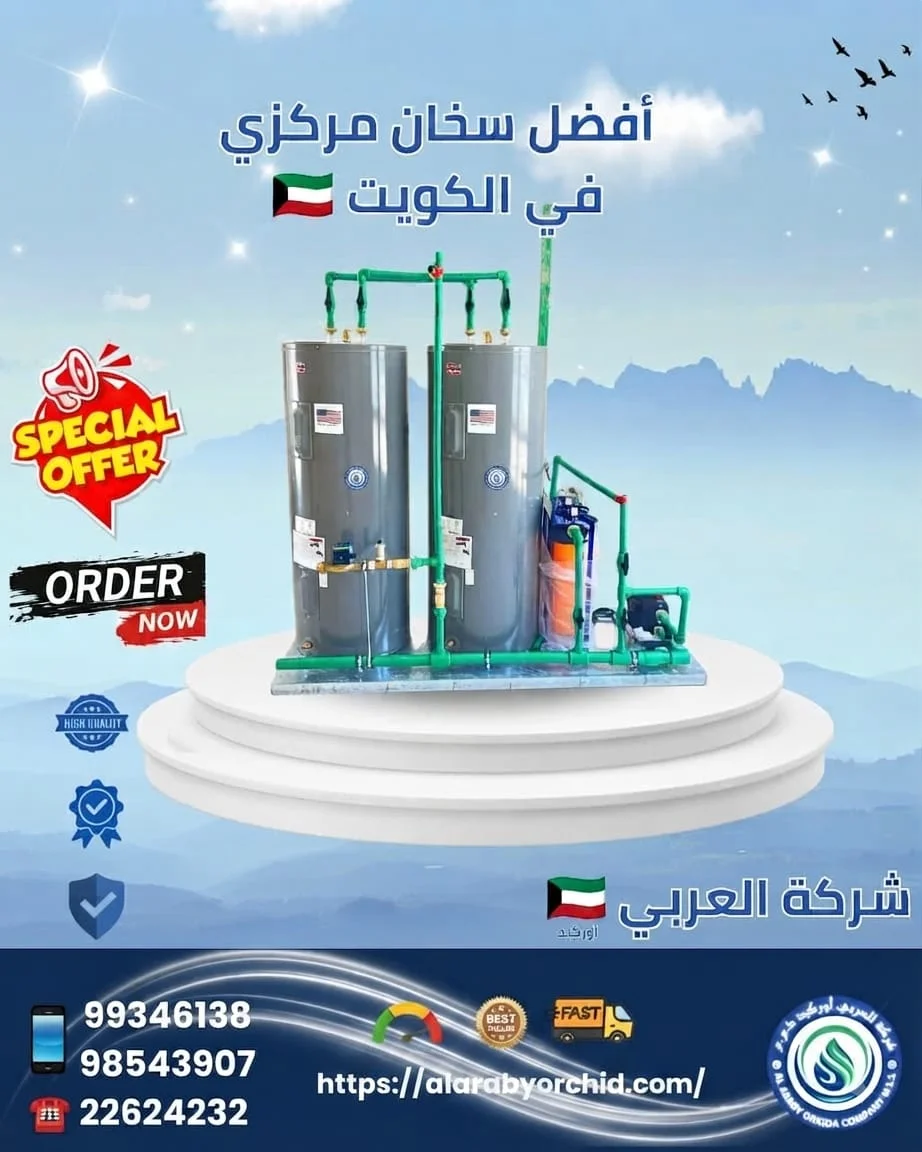
When a central water heater keeps running after the water has already reached the required temperature, the issue is not simply a light that stays on or a feeling that the unit has been heating for too long. A properly operating heater follows a clear cycle: it heats the water to a set temperature, stops heating, and then turns on again later when the water cools down. If that cycle does not happen correctly, the cause may involve the thermostat, temperature sensor, control circuit, or an electrical contact point. In other cases, the heater may actually be turning off but restarting quickly because of heat loss or continued hot-water demand. That is why correct diagnosis begins by proving whether the heating element is genuinely still receiving power after the target temperature has been reached or whether the problem is only an impression caused by the indicator light or frequent heating cycles.
Central heater does not turn off
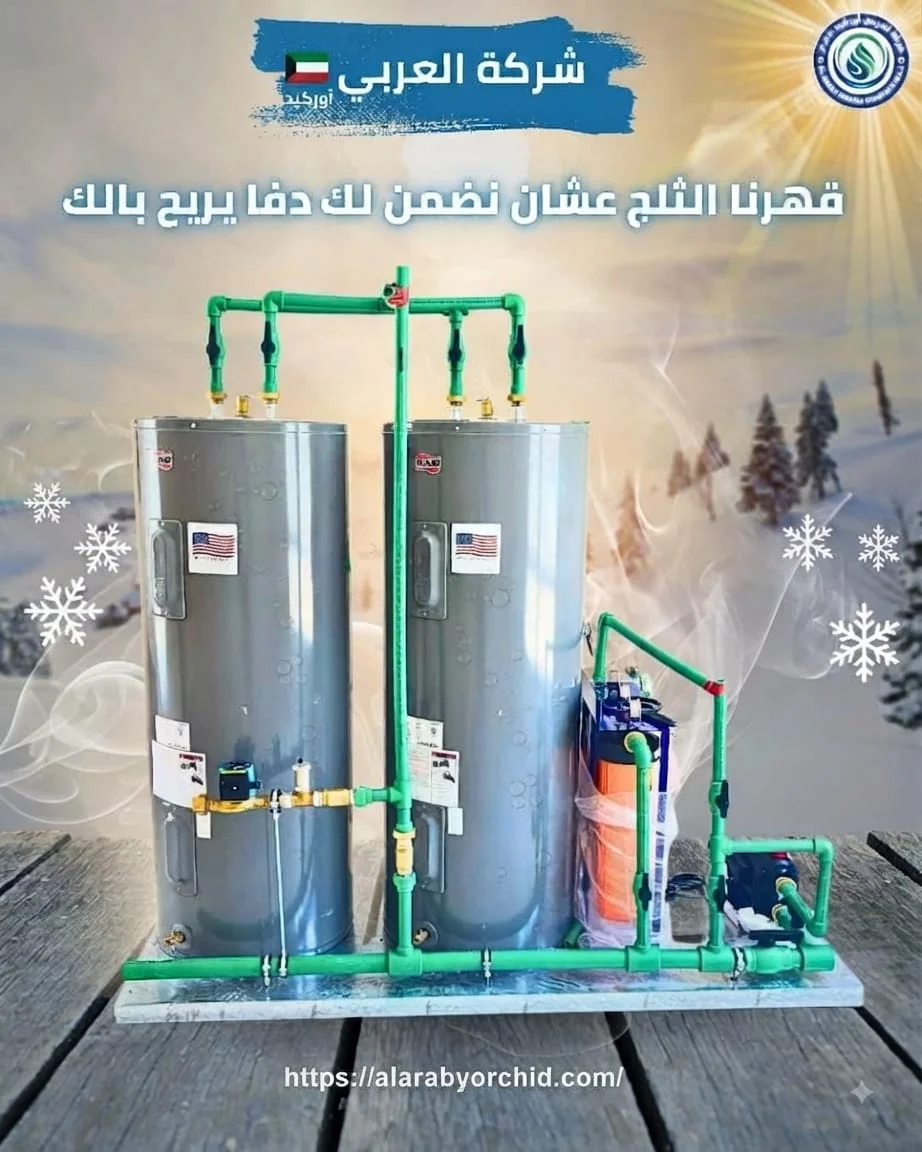
The phrase central heater does not turn off sounds simple, but it needs a precise definition before any parts are replaced. In some homes, the user notices that the heater indicator light stays on and assumes that heating is continuing. In other homes, the water becomes extremely hot and the homeowner concludes that the unit is not switching off. In a third situation, the user may hear operating sounds or notice higher electricity consumption. All of these observations are useful, but none of them alone proves that the shut-off circuit has actually failed.
A properly functioning heater follows a basic principle. When the water temperature is below the set level, the control circuit allows electrical power to reach the heating element. Once the water reaches the required temperature, the thermostat or control system should stop supplying power to the element. Later, when the water cools or part of it is used and colder water enters the tank, the heater starts again. In other words, repeated switching on and off in an organized pattern is completely normal and is not a fault.
The real problem begins when the water has genuinely reached the specified cut-off temperature and the heating element is still receiving electricity. At that point, possible causes include thermostat contacts that remain stuck closed, a temperature sensor that reads lower than the actual tank temperature, or a relay that stays energized even after the stop command has been issued.
In some heater models, the indicator light only shows that electrical power is available to the appliance, not necessarily that the heating element itself is operating. A homeowner may therefore say that the heater never turns off while the heating element inside the tank has already stopped. That is why measurement is more reliable than appearance. A technician needs to monitor tank temperature and confirm whether the heating element is drawing current at a time when it should already be off.
A simple example is a heater where the water reaches a high temperature but the indicator remains illuminated. If testing confirms that the heating element has stopped, then there is no actual failure to switch off. If the element is still powered, then the fault is real and requires prompt diagnosis.
-
If the heater light remains on, do not treat it as final proof that the heating element is still running because some heater designs connect the light to the appliance’s main electrical supply
-
If the heating element continues drawing power after the water reaches the cut-off temperature, thermostat, sensor, and control-circuit inspection becomes the main priority
-
If the heater turns off and then starts again after the water temperature falls, that is normal as long as the cycles remain stable and the water is not becoming excessively hot
Heater keeps heating without stopping
If the heater keeps heating without stopping, the first question is whether it has actually reached the required temperature or whether it is still trying to get there. This distinction completely changes the diagnosis. A heater may run for a long time because the household is continuously using large amounts of hot water. It may also run for a long time because the heating element is weak and cannot raise the water temperature quickly enough. A third possibility is that the heater has already reached the target temperature but the shut-off circuit has failed to stop the heating process.
Consider a realistic example. A home has four bathrooms, and in the morning several people use hot water one after another. The heater repeatedly loses part of its stored hot water and receives colder replacement water. In that situation, it is normal for the heating cycle to continue for an extended period because the system is constantly receiving new cold water that needs to be heated. This is completely different from a home where nobody has used hot water for two hours, yet the heater is still actively heating and the tank has already become very hot.
If prolonged operation appears only during heavy consumption and returns to normal when demand falls, then heater capacity, heating-element output, and recovery rate should be reviewed. If the heater continues operating even when nobody is using hot water, a control-circuit fault becomes more likely.
Water temperature itself also provides an important clue. If the water is still below the desired temperature despite the long operating time, the cause may involve a weak heating element, excessive heat loss, or an electrical-supply problem. If the water has already exceeded the usual temperature and the heater remains active, the evidence points much more strongly toward a shut-off problem.
A technician who diagnoses properly does not immediately say that the thermostat needs replacing simply because the heater has been operating for a long time. The first step is to determine whether the heater “cannot reach temperature” or “has reached temperature but cannot stop.” That difference sounds small, but it determines whether the fault is in heating capacity or control.
-
If long operating periods appear only during heavy hot-water use, do not immediately blame the thermostat because the heater may simply be compensating for continuous cold-water entry
-
If the heater runs for hours without hot-water demand and the water has already become hot, inspection of the shut-off circuit becomes a priority
-
If the water still does not reach the target temperature despite long operation, diagnosis should include the heating element, electrical supply, and heat loss before blaming the control circuit
Causes of a water heater not turning off
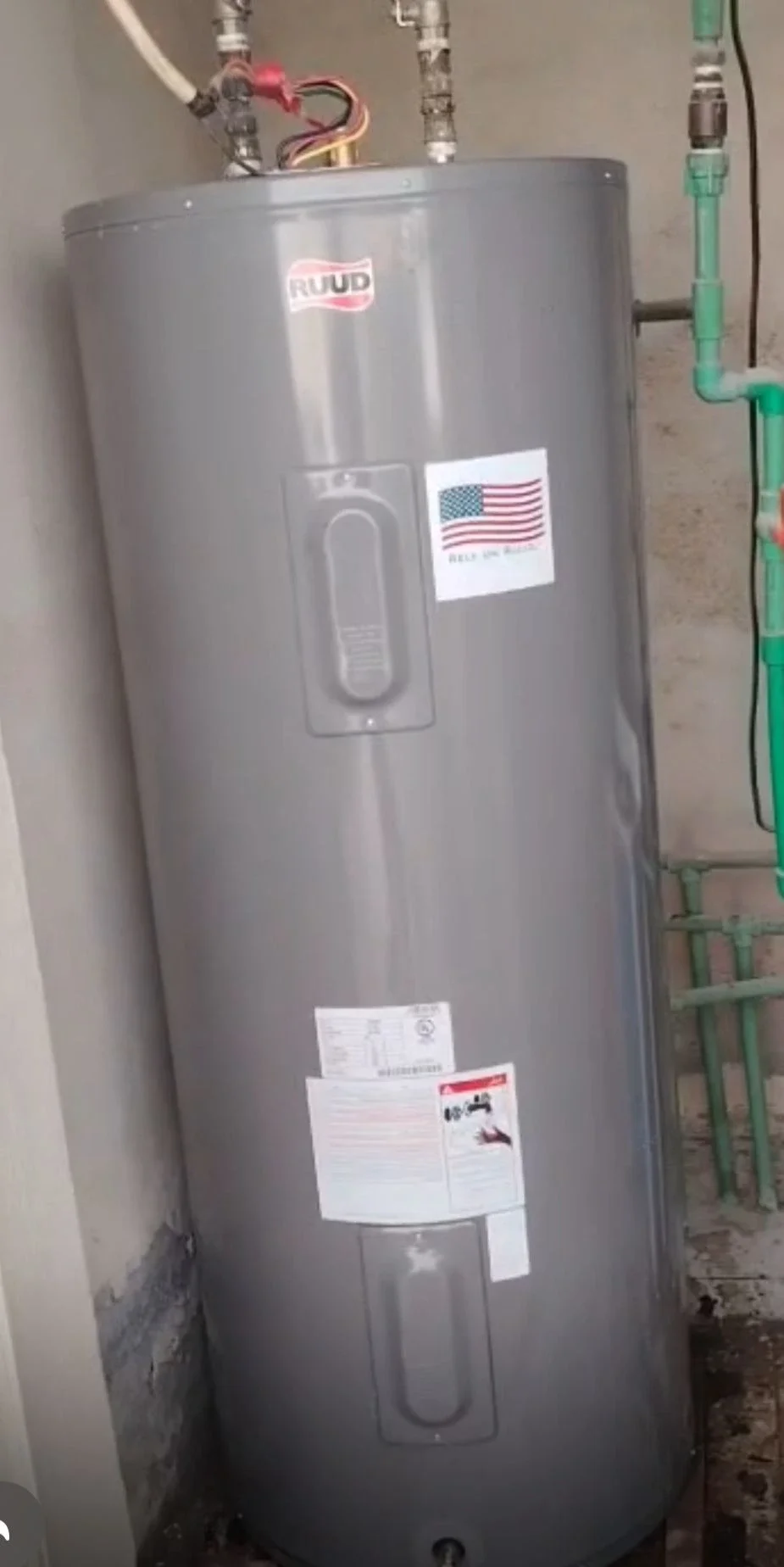
The causes of a water heater not turning off are varied and are not limited to the thermostat. One of the most common causes is thermostat contacts remaining stuck in the closed position even after the water reaches the target temperature. In that situation, electrical power continues flowing to the heating element instead of the heating cycle ending normally.
A second cause may involve the temperature sensor. In some modern water heaters, the sensor sends a temperature reading to the control board. If the sensor reports a temperature lower than the actual temperature, the system believes that the water is still too cold and continues requesting heat. In that case, the heating element is operating according to the command it receives, but the information reaching the control system is incorrect.
A third possible cause is a relay, contactor, or electrical switching component responsible for starting and stopping power to the heating element. The thermostat or sensor may issue the correct stop command, but if the relay remains stuck in the energized position, the heating element continues receiving electricity.
A fourth possibility is related to the temperature setting itself. If the user has adjusted the heater to a very high temperature, the unit may simply take much longer than expected to reach the selected level. The homeowner may think there is a fault while the heater is still trying to reach the unusually high setting.
A fifth factor is continued hot-water use during heating. Cold water enters the tank whenever hot water is drawn, which lowers the average temperature and delays the point at which the heater can switch off. This is why diagnosis should be carried out under reasonably stable conditions whenever possible.
There may also be significant heat loss due to poor insulation or abnormal water circulation. The heater can switch off correctly but restart so quickly that it gives the impression that it never stopped at all. In this case, replacing a healthy thermostat would not solve the actual problem.
-
Thermostat contacts that remain stuck closed can prevent electrical power from being cut off even after the target temperature has been reached
-
A temperature sensor that reports a lower temperature than reality can keep the system calling for heat because the control unit is acting on incorrect information
-
A switching relay may remain stuck even if the stop command has already been sent by the thermostat or control system
-
An unusually high temperature setting or continued hot-water use can make the heating cycle much longer without indicating a genuine shut-off fault
-
Rapid heat loss can cause the heater to restart so frequently that the user believes it never turns off
Heater keeps running after reaching temperature
When the heater keeps running after reaching temperature, it is important to define what “reaching temperature” actually means. The fact that the water feels hot to the user is not the same as the heater reaching its designed cut-off point. The water may already feel comfortable for showering while still remaining below the temperature selected on the heater.
That is why a technician compares the actual tank temperature with the control setting. If the water reaches the point where heating should stop and the heating element is still drawing current, there is much stronger evidence of a control problem.
In heaters that use more than one heating element, operation can also happen in stages. One element may stop while another continues to run, depending on the design. Someone who does not understand the operating sequence may assume that the heater has failed to turn off when the system is actually operating according to its original design.
It is also necessary to distinguish between the same heating cycle continuing and a new cycle starting later. If the heater switches off and then restarts ten or twenty minutes later because the water has cooled or hot water has been used, that is normal. If it never switched off in the first place, that is a different situation.
The location and behavior of the temperature sensor also matter. If the sensor is not making proper contact with the intended measurement area or has been installed incorrectly, it may respond more slowly than the actual water temperature. The result can be a heater that stays on longer than necessary even when other components are healthy.
-
Measuring tank temperature is more reliable than judging water temperature by feel because the heater’s cut-off point is tied to its internal setting
-
In heaters with multiple heating elements, the operating sequence must be understood before deciding that one active element means the entire system has failed to switch off
-
Restarting after the water cools is completely different from a heating cycle that never stops
-
Sensor position and temperature response can affect shut-off timing even when the rest of the system is functioning normally
Dangers of a heater running continuously

The dangers of a heater running continuously go beyond higher electricity consumption. If the heating element genuinely remains active after the intended shut-off point, water temperature can rise above normal levels and secondary safety systems may begin carrying a load that the primary temperature-control system should have stopped in the first place.
The first obvious danger is excessively hot water and a higher risk of scalding. If users are accustomed to a certain temperature and the water suddenly becomes much hotter, injuries can occur, particularly for children, older adults, or anyone who reacts more slowly to sudden temperature changes.
The second danger involves pressure. As water temperature rises, thermal expansion increases. In a relatively closed system, this can raise tank pressure. The safety valve may begin releasing water more frequently. If a homeowner notices that the safety valve has started dripping at the same time as the heater fails to switch off, that information is extremely important for diagnosis.
The third concern is continuous stress on the heating element, wiring, and control contacts. Running longer than intended can increase thermal and electrical load on components and shorten their service life. A fault that initially involved only a thermostat can eventually contribute to damage in the element, terminals, wiring, or other parts.
A fourth risk appears when users repeatedly reset a thermal safety device after it trips. This is one of the most serious mistakes because the protection system is indicating that abnormal conditions are present. A safety device is not an inconvenience that should be defeated repeatedly.
Energy consumption is another concern. A heating element that genuinely operates longer than required naturally uses more electricity. However, it is still important to confirm that the element is actually running continuously rather than assuming that every high bill is caused by a heater fault.
-
Water temperature that rises above normal increases the risk of burns and deserves attention
-
Excessive heat can raise system pressure and cause the safety valve to operate more often than usual
-
Long periods of unnecessary heating increase stress on electrical components and may turn one fault into several
-
Repeatedly resetting a thermal safety device without identifying the cause is unsafe
-
Electricity consumption can increase if testing confirms that the heating element truly operates longer than required
Heater shut-off failure after heating
A heater shut-off failure after heating is different from a heater that does not heat at all. In this case, the heating element is capable of producing heat and electricity is reaching the system, but the part responsible for ending the heating cycle is not doing its job correctly.
Diagnosis begins with the temperature setting. The first step is to confirm that the selected temperature is not unusually high. The technician then compares the actual tank temperature with the set value. If the tank reaches the required level, the next question is whether the thermostat or sensor issues the stop command.
If the command is not issued, the thermostat or temperature sensor becomes the main focus. If the command is issued but electrical power continues reaching the heating element, attention shifts to the relay, switching contacts, or wiring.
This sequence matters because it prevents random part replacement. Sometimes a thermostat is changed only for the fault to turn out to be a relay problem. In another case, a sensor may be replaced when the actual cause is damaged wiring.
The heating element should also be included in the electrical inspection because abnormal electrical behavior can sometimes affect how the overall system operates. Not every shut-off fault is caused by a single component.
A good technician should be able to explain exactly where the control chain stopped working. Was the water temperature not read correctly? Was the stop command never generated? Was the command generated but not carried out? That explanation is what gives confidence that the repair is based on evidence.
-
Diagnosis starts with the temperature setting, then sensor reading, then the stop command, and finally the component responsible for carrying out that command
-
Replacing a part without identifying where the control sequence failed can result in unnecessary cost without solving the original problem
-
If the stop command is issued but the element remains powered, attention should focus on the relay, switching contacts, and electrical path
-
If no stop command is issued at all, the thermostat, temperature sensor, or control board becomes more likely to be responsible
Heater heats continuously
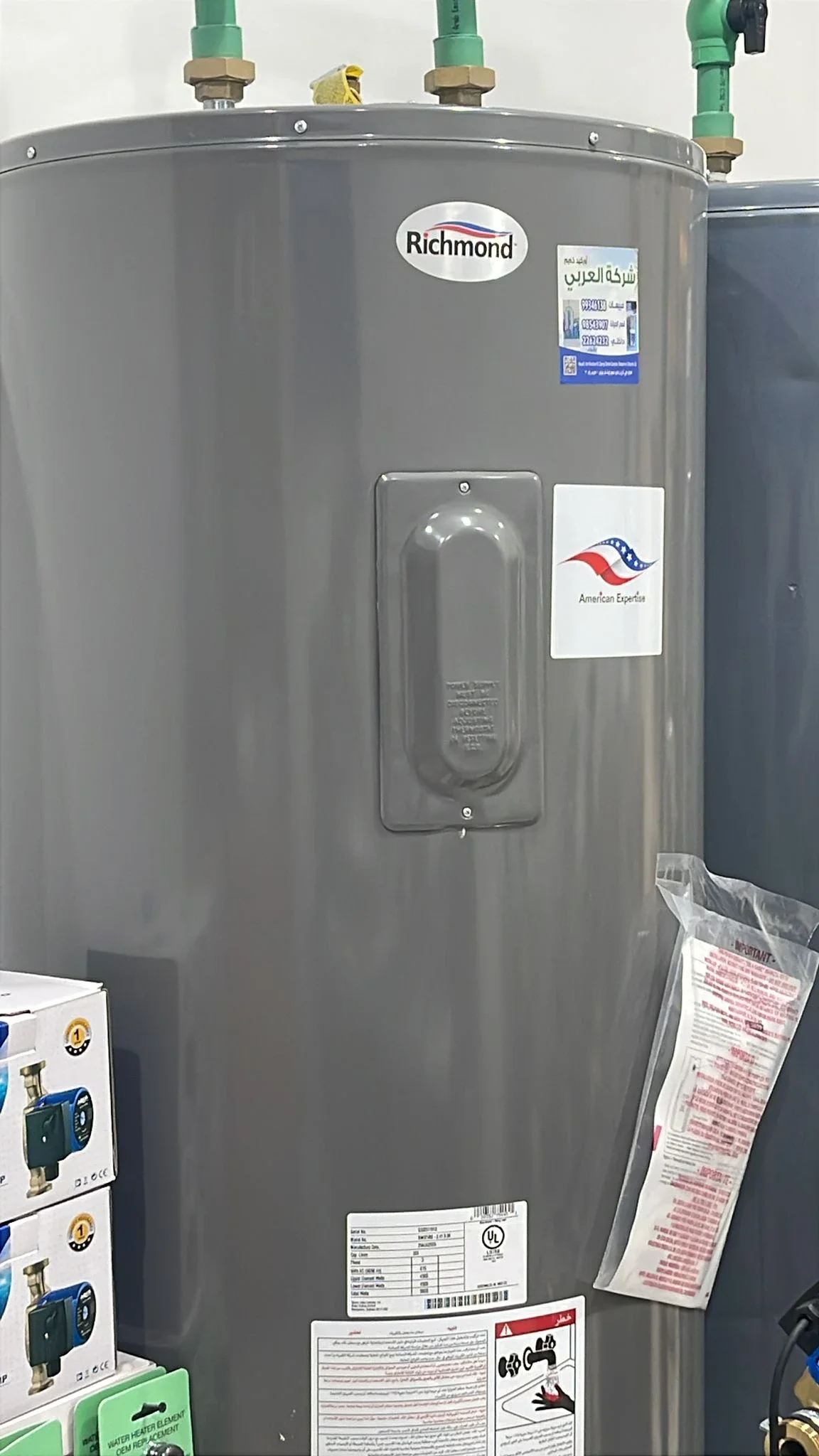
If the heater heats continuously even when nobody in the home is using hot water, it is important to determine whether the heater is truly failing to switch off or whether it is repeatedly turning back on because heat is being lost somewhere else.
One possibility is poor tank insulation. If the heater is old and its insulation is no longer effective, stored heat can escape faster, forcing the system to restart more often.
Another possibility is a hidden hot-water leak. Even a small continuous leak can allow hot water to leave the system and colder replacement water to enter the tank, causing repeated heating cycles.
If the home has a hot-water circulation system, the circulation pump may also be operating in a way that causes excessive heat loss through the piping. In that case, the heater works more often not because the thermostat has failed but because the heat is constantly being carried away through the network.
The correct way to distinguish these situations is by monitoring heating cycles and tank temperature. If the heater does switch off, even for short periods, that is different from a heating element that never loses electrical power at all.
-
Heat loss from the tank or piping can cause frequent reheating and make the heater appear as though it never turns off
-
A small hot-water leak can continuously introduce cold water into the tank and create repeated heating demand
-
An incorrectly operating circulation system can increase heat loss and extend total heater operating time without a direct thermostat fault
-
Measurement distinguishes genuine continuous operation from frequent cycles caused by heat loss
Heater shut-off circuit fault
A heater shut-off circuit fault depends heavily on the type of heater because not all control systems are designed in the same way. Some heaters use a direct mechanical thermostat, while others rely on a temperature sensor, electronic control board, and switching relay.
In a simple mechanical system, the thermostat itself opens and closes the electrical circuit. If its contacts remain stuck in the closed position, the heating element continues operating.
In an electronic system, the temperature sensor measures water temperature and sends that information to the control board. The control board then instructs the relay to disconnect power. A fault can occur at any point in that chain: the sensor may report the wrong temperature, the control board may process the signal incorrectly, or the relay may remain stuck.
This is why telling every homeowner to “replace the thermostat” is not a complete solution. The heater design needs to be understood first.
One of the more dangerous mistakes is bypassing the thermostat or safety device simply to “test whether the element works.” Doing so removes an essential layer of thermal protection and can allow the heater to reach unsafe temperatures.
Professional testing is carried out with proper measuring equipment and without defeating the safety controls.
-
The diagnostic process differs between a heater with mechanical controls and one with electronic controls
-
A healthy sensor combined with a stuck relay can still result in continuous heating
-
A healthy control board combined with a sensor that reports the wrong temperature can keep the heater running too long
-
Bypassing temperature controls or safety devices for testing is not a professional or safe procedure
Diagnosing a heater that will not stop
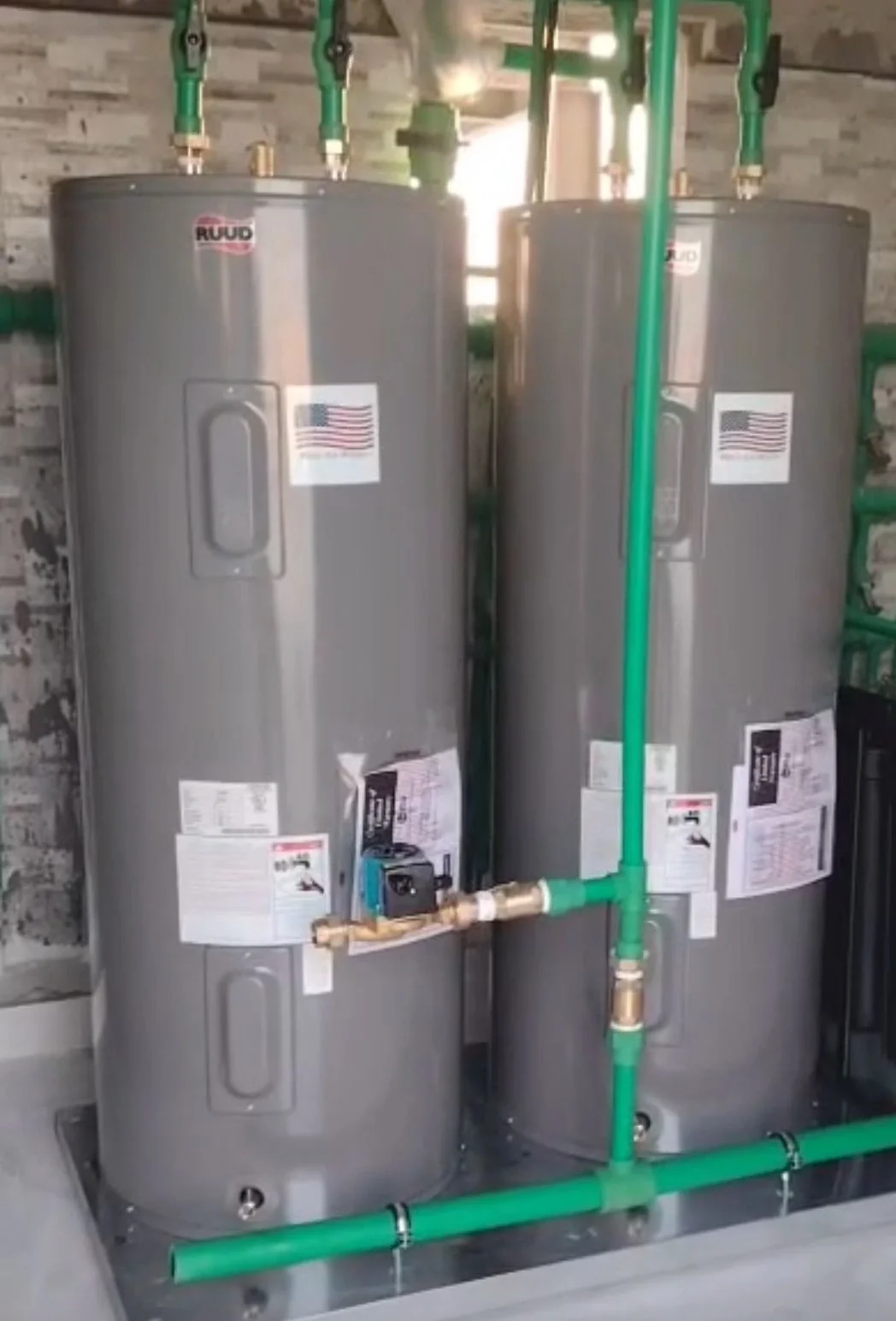
Diagnosing a heater that will not stop begins with information from the user before any cover is removed. When did the problem begin? Does it happen only during heavy hot-water use? Has the water become hotter than usual? Has the safety valve started dripping? Has any electrical or thermal protection device tripped?
The technician then confirms whether the heater is truly operating continuously. Instead of relying on the indicator light, electrical current to the heating element is measured directly.
The next step is to compare actual water temperature with the selected temperature setting. If the tank has already reached the expected shut-off point and the heater continues running, the control command is examined.
If the thermostat issues the stop command but the heating element remains powered, the technician moves on to switching components and electrical connections. If the thermostat does not issue a stop command at all, the thermostat or temperature sensor becomes the main focus.
After repair, the heater should be monitored through a complete heating cycle. The temperature should rise normally, the heating element should switch off at the correct point, and the heater should later restart only after the water temperature drops again.
An inspection that ends immediately after installing a replacement part is incomplete because the same fault may still appear once the heater completes a full cycle.
-
Record when the fault occurs and whether hot water is being used because timing provides important diagnostic information
-
Confirming electrical current through the heating element is more reliable than relying on indicator lights or operating sounds
-
Comparing tank temperature with the selected setting determines whether the heater has actually reached the shut-off point
-
Monitoring one complete heating cycle after repair confirms that the heater now switches off and restarts normally
Solution for continuous central heater heating
The solution for continuous central heater heating depends on the confirmed cause, and there is no single part that should be replaced in every case. If the issue is simply an excessively high temperature setting, the setting should be corrected according to the heater specifications and the operating cycle monitored afterward.
If the thermostat fails to switch off at the required temperature, it should be replaced with a compatible component once testing confirms that it is actually responsible. If the temperature sensor provides an inaccurate reading, the sensor, its connections, or the relevant control component should be repaired or replaced according to the findings.
If the relay remains stuck, the electrical switching component should be repaired rather than replacing a perfectly good thermostat. If the heater is switching off correctly but restarting quickly because of heat loss or a hidden leak, the heat-loss source should be corrected instead.
Any related symptoms should also be addressed, such as safety-valve dripping, unusually high water temperature, or repeated operation of the thermal protection system.
From a cost perspective, correct diagnosis is usually more economical than replacing components by trial and error. Sometimes a small part solves the problem. In other situations, the control circuit may require more extensive work. The difference can only be determined through proper testing.
The best service is the one that can clearly explain: this is the cause, this is the evidence, and this is the correct repair. “Let us try replacing a part and see what happens” is not a reliable maintenance strategy.
-
Adjust the temperature setting first if an unusually high setting is the reason the heating cycle lasts too long
-
Replace the thermostat only when testing confirms that it does not open the circuit at the required temperature
-
Inspect the temperature sensor if its reading does not match the actual water temperature
-
Check the relay and switching contacts when the stop command is issued but the heating element remains powered
-
Repair heat loss or water leakage if the heater does switch off but restarts too quickly
-
After repair, confirm that the temperature remains stable and that no abnormal pressure or overheating symptoms remain
Conclusion
A central heater that does not turn off after heating should not be diagnosed based only on an illuminated indicator light or the feeling that the water is already hot. The first step is to prove whether the heating element is genuinely still receiving electrical power after the tank reaches the temperature at which heating should stop.
If prolonged operation is caused by heavy hot-water demand or heat loss, the solution is completely different from a stuck thermostat, faulty temperature sensor, or defective relay. A heater that switches off and restarts quickly is also very different from one that never stops heating at all.
Ignoring the problem can lead to excessively hot water, increased system pressure, greater stress on heater components, and higher electricity use. This is why correct diagnosis depends on measuring temperature, monitoring the heating cycle, and identifying whether the stop command was generated and whether it was actually carried out.
Once the technician identifies that point, the real cause can be repaired instead of replacing one component after another until the heater turns into a box of maintenance surprises.
Frequently Asked Questions
Is it normal for a central heater to run for a long time before turning off?
Yes, this can happen when a large amount of hot water is being used or when cold water is continuously entering the tank. However, if the heater continues operating after the water reaches the required temperature and there is no significant hot-water demand, the control system should be inspected.
Does a heater light that stays on mean the heater is not turning off?
Not always. In some heater designs, the indicator light shows that the appliance has electrical power rather than confirming that the heating element itself is operating. Electrical testing is needed before reaching a conclusion.
Is the thermostat the only reason a heater fails to turn off?
No. The temperature sensor, relay, electrical connections, control board, and other parts can also cause the heater to continue running depending on the design of the system.
Can continuous heater operation increase electricity consumption?
Yes, if the heating element is genuinely operating longer than necessary, electricity consumption will naturally increase. However, continued electrical load should be confirmed before assuming that the heater is responsible for a higher bill.
Can a heater that does not turn off increase tank pressure?
Yes. Higher water temperature increases thermal expansion and can raise system pressure. Any change in safety-valve behavior should therefore be included in the inspection.
Can the heater switch off and restart so quickly that I think it never stopped?
Yes. Significant heat loss, continuous hot-water use, or a leak can make the off periods extremely short, which can give the impression of continuous heating.
When does this problem become dangerous?
If the water becomes unusually hot, the safety valve starts releasing more water, or thermal or electrical protection devices trip repeatedly, the heater should be inspected promptly.
Is replacing the thermostat immediately a guaranteed solution?
No. The cause may be the sensor, relay, wiring, control board, or excessive heat loss. Replacing the thermostat without testing may not solve the problem.
Can the heating element itself be involved in the problem?
It can be part of the diagnosis depending on the electrical fault, but the element should not be blamed without proper testing and evaluation of the control circuit.
What is the most important step after the repair?
The heater should be monitored through a complete heating cycle to confirm that it reaches the required temperature, switches off correctly, and later restarts normally when the water temperature falls.